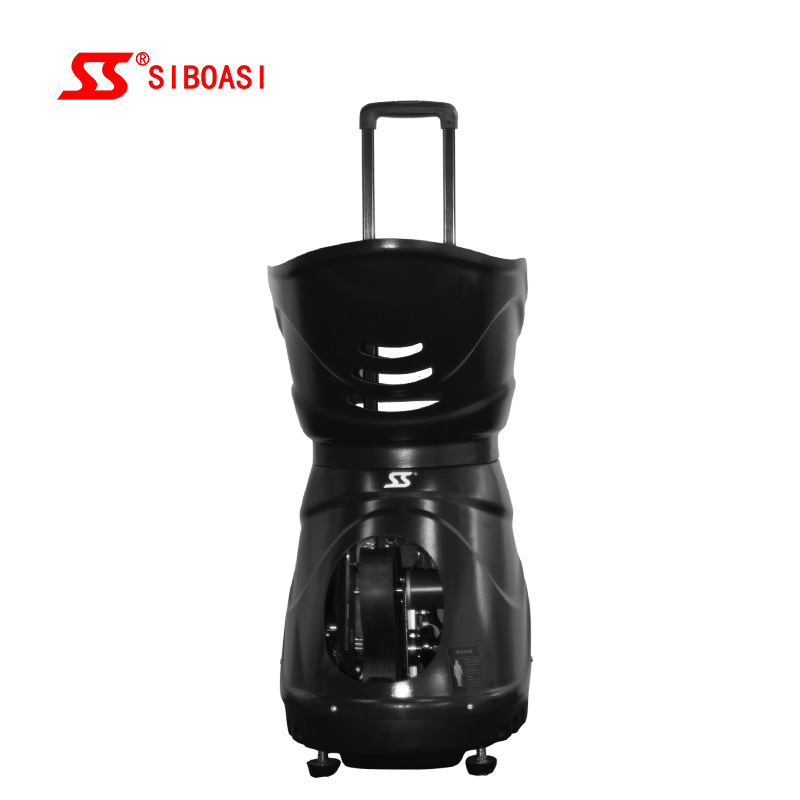
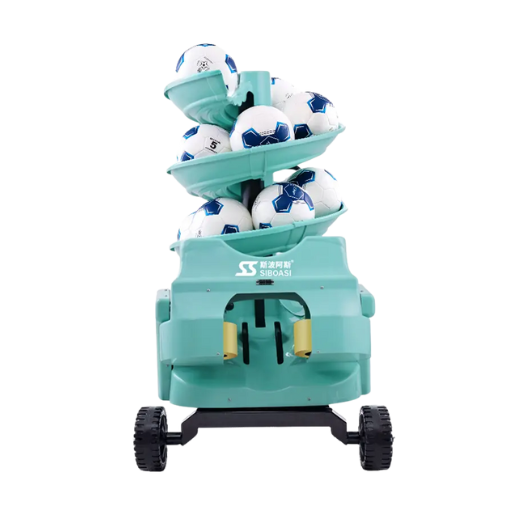
There is nothing more frustrating for tennis players, coaches, and enthusiasts than a stoppage in the game or practice for gathering all those scattered tennis balls. Such an activity interferes with the tempo of the game, taking away valuable time from it, adding up those extra demands on athletes. Say hello to robotic tennis ball collectors—an intelligent, automated means of changing the way people collect tennis balls on the court. Tennibot has gained popularity among these inventions, but it is far from the only choice.
This blog post investigates the domain of robotic tennis ball collectors and explores alternatives to Tennibot that blend cutting-edge technology with user-friendly designs. If you are looking for something less expensive or one designed for your own special tastes, we will enumerate some promising solutions from the market for you.
Introduction to Tennis Ball Collectors
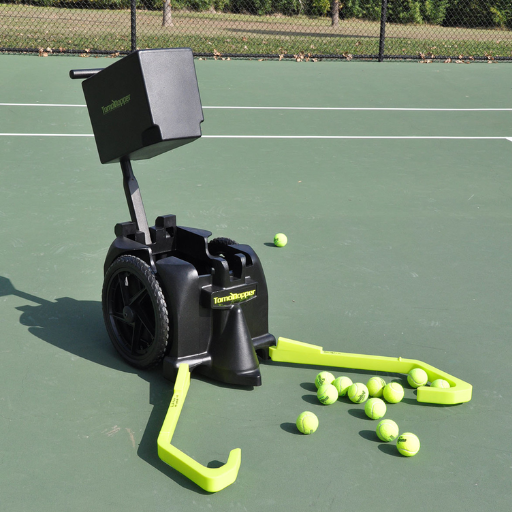
Tennis ball collectors are innovative devices designed to simplify the tedious task of collecting the tennis balls from the court. The options range from manual rollers to fully automatic machines, suitable for players of all levels. The point to save time and effort and give the user to spend more time actually playing than tidying up. Serving the task alone, tennis ball collectors make life a little easier and enhance the tennis experience for all, from the casual player to the course professional.
What is a Robotic Tennis Ball Collector?
Robotic tennis ball collectors are an extremely innovative creation that use present-day technology to collect tennis balls autonomously from the court. Sensor- and AI-navigation-equipped machines help execute the purpose of tennis ball detection and collection. Most robotic collectors, in fact, are of lightweight build and compact design, great to serve their purpose of collection and transport on different surfaces such as clay, grass, or hard courts.
Robotic tennis ball collectors today have indeed varied capacity; some of them collect 100 balls in under a few minutes, quickening practice or tournament sessions. Most of them run on rechargeable batteries, with several hours of operation possible from a single charge. Some units have smart connectivity, including app integration, so you can control your device remotely and track its real-time performance. Some additionally come with options for setting speed and range to suit personal tastes or varying court sizes.
These robotic ball collectors present time on their side and reduction of strain; thus, in turn, they have gotten popular among tennis players, coaches, and clubs that would shoot for increased efficiency in their courts. With their slick design and simplicity in operation, the devices fast became necessary for players committed to train on the fast track without delay in a fun-filled tennis experience.
Benefits of Using a Tennis Ball Collector
Tennis ball collectors bring a whole lot of advantages to the table, optimizing efficiency and convenience during practice or games. Prominent among these is the saving of time in ball collecting. Studies have come up with figures showing that collecting tennis balls manually may sometimes take up to 18 percent of the entire training time during a session. So, putting these collection devices into use instead means the wasted time in a manual ball collection session can be put into developing the players, improving techniques, and drilling rather than into the dull process of collecting balls.
The collectors also take the toll off from bending and repetitive movements, which is essential for players with issues of the back or joints, as it helps limit further discomfort or injury. Such modern collecters are designed in a lightweight and ergonomic fashion, allowing their use by youngsters and adults alike.
Another advantage is organizing training for teams or professional environments. More advanced models can have hundreds of balls in mere minutes, allowing practice to go on without interruption. Some even have programmable options, allowing for adjustments to specific court sizes and penultimate practice configurations.
The adoption of tennis ball collectors ultimately marks a green process as there is less wear-and-tear against balls during collection. The longer the lifespan of tennis balls, the lesser the replacements needed, which goes well with the environment.
Considering all, with efficiency, lower physical fatigue, and sustainability in mind, tennis ball collectors are becoming a must-have for anyone committed to making tennis pleasurable.
The Rise of the Tennibot and Similar Models
Robotic cutting-edge automation technology is reshaping how tennis players perceive ball collection. The Tennibot is a robotic tennis ball collector that uses computer vision and AI to pick tennis balls throughout the entire court at maximum speed and efficiency. The robot can hold 80 balls at a time, keeping practice and drills uninterrupted and letting players improve their game without pauses.
Market trends indicate that automated instruments such as Tennibot are constantly gaining in demand among training academies, recreational facilities, and serious tennis players. Conversely, other models such as Slinger Bag and BallBot cater differently by integrating a ball launching system and app connectivity for even more versatility and user-friendly applications.
Various studies have supported the fact that automated manual ball retrieval can save up to 50% of the times spent during manual ball retrieval, hence increasing efficiency during practices. Some of the premium versions also allow phone syncing so that operators can schedule and customize operations on the go, which further enhances the overall experience.
This surge in automation portrays an emerging trend of smart technology integration into the world of sports to cater to the rising demand for performance-enhancing solutions. Designed to serve both professional and enthusiast communities alike, these instruments are on their way to becoming must-haves for players that value efficiency, precision, and modernity.
How Robotic Tennis Ball Collectors Work
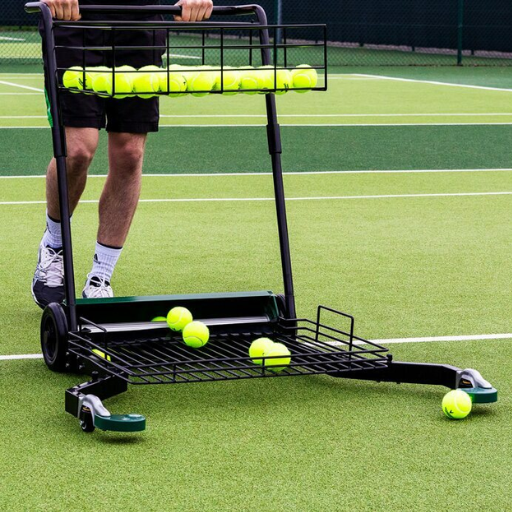
A robot collects tennis balls by sensing the balls on the ground and employing navigation, coupled with motors, to collect them and efficiently place them off the court. Using a highly sophisticated video image processor or by means of infrared systems, the device identifies the location of the balls and then navigates the court on a programmed path or an avoidance-based algorithm. Upon detection, these mechanisms scoop up the balls into an internal container, some resembling ones with rolling brushes, whereas other designs employ suction. These robots function on their own so that players do not need to waste their time or effort in cleaning up the area.
Mechanism of Action
In modern sports, retrieving tennis balls is done by robots that combine hardware with intelligent software for precision and efficiency. The robots are generally equipped with high-resolution cameras or infrared sensors capable of mapping the tennis court and detecting balls correctly under various lighting conditions. Machine learning algorithms enable the device to predict the dispersal patterns of balls according to player’s activity, helping the robots in planning most efficient routes for collection.
The mechanical system works as an advanced brush or vacuum technology to grip the balls gently without inflicting damage, thus ensuring smooth and reliable collection. To move around the court, many models utilize LIDAR (Light Identification and Ranging) or ultrasonic sensors to identify obstacles, allowing directional changing and smooth flow through the court.
According to reports, ball collecting robots of premium models can fetch balls in less than 10 minutes for a normal-sized court, with the container holding anywhere between 20 and 80 balls. Energy-efficient lithium-ion batteries power these robots, and their working period lasts almost up to 2 hours on a single charge, which makes it very much feasible for professional tennis centers and training centers. Altogether, these technologies have enabled tennis players to focus on their performance, while these robots will efficiently carry out tedious retrieval tasks.
Components of a Robotic Tennis Ball Collector
Robotic tennis ball collectors are composed of several sophisticated components that work in harmony to automate the ball retrieval process. Key components include:
- Sensors and Detection Systems
Advanced sensors, including infrared and ultrasonic technologies, are integrated into these robots to detect tennis balls accurately. These sensors scan the court and identify balls in real-time, ensuring precise navigation and retrieval even in crowded or uneven spaces.
- Autonomous Navigation System
The navigation system is powered by AI and machine learning algorithms, enabling the robot to map the court and plan efficient collection routes. GPS and gyroscopic elements are often utilized for enhanced spatial awareness and obstacle avoidance, ensuring smooth operation without interrupting gameplay.
- Collection Mechanism
Robotic arms with soft rollers, suction mechanisms, or conveyor belts are commonly featured to collect balls without causing damage. The design prioritizes gentle handling to maintain the integrity and usability of the tennis balls.
- Storage Compartments
These compartments vary in capacity, often ranging from holding 50 to 100 balls. Easy-to-access storage units ensure quick unloading and reloading, making the system ideal for continuous usage in training sessions.
- Battery and Power System
Equipped with rechargeable lithium-ion batteries, these robots can operate for up to 2-3 hours on a single charge. Energy optimization technology supports extended run times, and many models feature fast-charging capabilities to reduce downtime.
- Remote Control or App Interface
Many models come with remote controllers or mobile app interfaces, allowing users to adjust settings, monitor performance, and manually control the robot’s movement and behavior. Intuitive user interfaces make these settings accessible even to non-technical users.
With these innovative components, robotic tennis ball collectors not only improve efficiency in practice environments but also reduce physical strain associated with manual ball retrieval, ensuring more effective use of training time.
Comparative Analysis with Traditional Ball Pickers
When compared to conventional ball collectors, mechanized tennis ball retrievers are notable for their enhancement mechanisms, productivity and simple setup. Traditional ball pickers, for instance, manual wheelers and baskets, need a lot of physical effort and can be very time consuming especially in vast training grounds. No doubt physical fitness training equipment for beginners, such as bucket with rollers for balls, is operated within the dome. The same is with actions, which do not mandate special movement rules in general. However, there are training aids meant for advanced players as well.
Yet still, the robotic tennis ball collectors are designed with systems that facilitate the retrieval of balls more easily. For instance a large number of models from certain manufacturers could collect hundreds of tennis balls far much quicker than is possible using conventional methods. Some of these models carry over one hundred balls per cycle and can go continually on one battery, which makes them ideal for areas with mid-high practice turnover. Furthermore, within the context of such functionality, the use of the more advanced sensors, allows these bots to adjust the positioning of the retrieved balls by itself, even in the remote part of the court.
Traditional ball pickers provide no smart integration features, while many robotic collectors now include compatibility with mobile apps or remote controllers, allowing users to monitor and manage operations from their devices. Such features save training time and reduce labour efforts, which is an advantage for players and coaches. Moreover, the robotic alternatives are often created using less heavy and compact materials, making them superior in terms of transportation and storage compared to some bulkier manual products.
From a financial point of view, although this might be true that a robotic tennis ball collector seems over-priced in the beginning of purchase, the benefits in the future which come from the reduction of manual and time spent on training make the high cost one of valuable acquisition. Just to give an instance, new statistics reports show that automation has increased staff productivity and session efficiency levels in the different service providing companies by approximately 30-40%. These features identify robotic collectors as an appropriate and up to date solution for tennis coaching in the presence of the challenges of contemporary methods.
Types of Tennis Ball Collectors Available
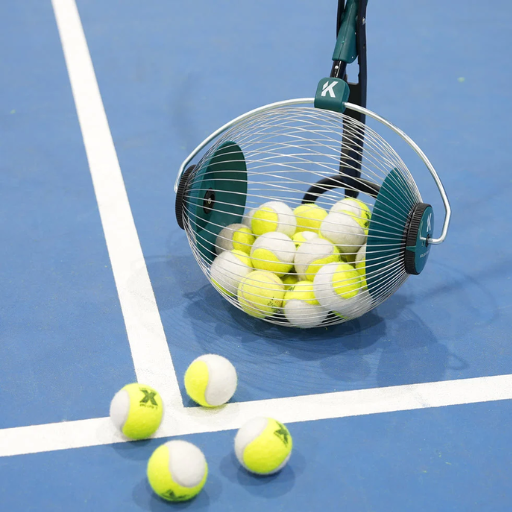
Tennis ball collectors include hoppers, rollers, tubes, baskets, and automated machines, each designed for efficient ball collection and storage.
|
Type |
Description |
Capacity |
Features |
|---|---|---|---|
|
Hopper |
Basket with handles |
50-150 balls |
Durable, portable |
|
Roller |
Rolling cylinder |
50-150 balls |
Easy to maneuver |
|
Tube |
Long tube for pickup |
10-20 balls |
Lightweight, simple |
|
Basket |
Wheeled container |
100-300 balls |
High capacity |
|
Automated |
Motorized collector |
Varies |
Hands-free, efficient |
Rolling Tennis Ball Collectors
Of all tennis ball collectors, rolling collectors are among the easiest to manage and operate on the court. Designed for simplicity and ease, these are run over scattered balls, which then suddenly collect into storage. They are mostly lightweight, allowing their easy use by people of all ages and skill levels.
Recently, there have been improvements in design that improved durability and capacity. Most modern rolling collectors are made of high-strength aluminum and plastics, ensuring long use life. Furthermore, some carry ergonomic handles or telescopic rods, thus easing the strain of usage and making the whole collection process more comfortable.
In fact, data has shown that these rolling tennis ball collectors can help reduce court cleanup time by as much as 50%, especially in busy courts or training facilities where balls are frequently retrieved. Holding anywhere between 50 and 80 balls per use on average, these devices can be a practical help for casual players as well as professional coaches. They are cheaper to buy and almost non-existent in terms of maintenance expense, hence their choice as a cleanup aid by many tennis enthusiasts.
Automatic Tennis Ball Pickers
Automatic tennis ball pickers use the newest technology to reduce cleaning time on courts. Motorized equipment and smart sensors enable these machines to detect and collect possible tennis balls scattered anywhere around the court. Some of these models can carry as many as 150 balls that are picked and thus greatly reducing labor as well as saving precious time during practices or after-match ball collection.
Along the lines of industry statistics, the raw operations efficiency can be increased by up to 60% through the usage of automatic ball pickers, mainly in big-size training centers or multiple-court settings. Plus, most of these types of automatic pickers are battery-operated and can sustain their operation up to 3 hours without recharging, which is enough for any prolonged period of use. Besides, modern designs have started to focus on usability, intuitive controls, and lightweight construction so that even the player themselves can operate these pickers.
From professional academies to recreational clubs, automatic tennis ball pickers are fast becoming essential due to their ability to reduce fatigue, speed up recovery time between training drills, and keep courts clean with minimal effort. Their innovative features not only increase productivity but also contribute to sustainable initiatives, as many units use energy-saving technology.
Hopper and Basket Designs
Modern hopper and basket designs for tennis ball pickers have come into existence and flourished in diversity to enhance efficiency and usability. Choices of sturdy yet lightweight materials such as aluminum, or good-quality polymers, are the basic means to achieve durability while still requiring less force for maneuvering. Many designs include an ergonomic handle with wheels to ease the transport of balls across the court by the user.
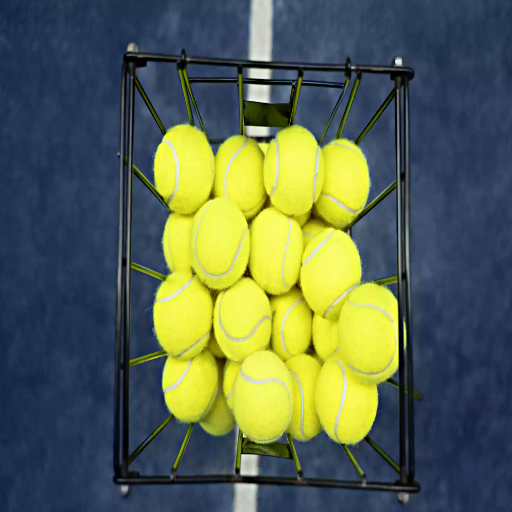
Adjustable basket capacity for accommodating various needs is another clever feature because some can hold 150 balls, thereby minimizing how often one must travel back and forth during drills. Collapsible or stackable baskets are getting more popular for saving space when not in use.
Some are fitted with the most sophisticated mechanisms conceivable: great self-adjusting systems for collection, easy-release levers. All these improvements speed up and simplify the actual work of collection and dispersion, making the task more pleasant for coaches and players alike and allowing them to focus on the trainer’s skills.
Choosing the Right Tennis Ball Collector
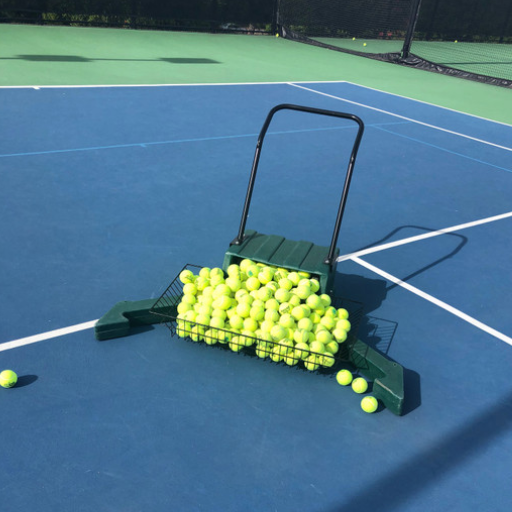
When choosing a tennis ball collector, keep in mind factors such as ease of use, capacity, and durability. Choose ones that have ergonomically designed handles and are light in weight to ensure comfort while being held for long hours. How many tennis balls it can hold is something to consider; if it holds more, it will be great for group sessions while fewer is suitable for individual practice. Go for durability, so pick collectors made from stainless steel or durable plastic. Other features that make usability better are smooth-rolling wheels and improved ball-release mechanisms. One should always consider what works best for his or her own practice and pick the collectors accordingly.
Key Features to Consider
- Capacity
When selecting a tennis ball collector, capacity is one of the most critical features to evaluate. Larger models can hold up to 150 tennis balls, making them ideal for coaches and group training sessions. On the other hand, smaller collectors with capacities around 50 to 75 balls are better suited for solo practice or low-volume use. Consider how frequently you play or coach and the number of balls typically used during your practice.
- Durability
Durability ensures that your collector will withstand frequent use over time. Look for materials like stainless steel, which resist rust and bending, or high-density plastic known for its lightweight but solid construction. For example, some collectors feature a reinforced frame to handle outdoor conditions without degradation.
- Mobility
Smooth-rolling wheels are an essential feature for easy transportation, especially on different terrains like grass or clay courts. Some advanced models even offer all-terrain wheels with grip treads, ensuring that moving the collector remains hassle-free regardless of court surface.
- Weight
Lightweight models, often weighing under 10 pounds, provide portability for younger players or individuals on the go. Heavier collectors may weigh over 15 pounds but offer greater stability and often come with larger storage capacity.
- Ball Release Mechanism
Efficient ball release systems can significantly enhance usability. Look for collectors with quick drop-release mechanisms, which allow players or coaches to empty balls seamlessly into baskets or ball machines. Some models incorporate one-touch systems for even faster unloading.
- Ergonomic Design
Ergonomic handles or adjustable heights are crucial for preventing strain during extended use. Features like foam-padded grips or telescoping handles can add comfort, allowing users to roll or carry the collector with ease.
- Compact Storage Options
Collapsible or stackable models are advantageous for those working with limited storage space. Foldable designs can save up to 50% of the storage footprint, while stackable versions ensure organized storage when multiple collectors are used.
- Price and Value
Pricing ranges widely, from budget-friendly options starting at $30 to premium models exceeding $150. Consider your budget but balance it with the features offered. High-end collectors might provide better durability, larger capacity, and additional features that justify a higher price tag over time.
- Weather Resistance
If outdoor practices are frequent, choose a collector with weather-resistant materials. UV-protected plastics or powder-coated finishes can prevent fading, cracking, or rust when exposed to sun and rain.
- Customer Reviews and Warranty
Always check customer feedback and ratings for performance insights. Additionally, a warranty (typically ranging from 1 to 3 years) can provide peace of mind and protection against manufacturing defects.
Evaluating these features systematically, alongside your specific needs, will enable you to select a tennis ball collector that optimizes efficiency, convenience, and longevity in your practice sessions.
Price Range and Budget Considerations
Mentioning price range and budget, I consider quality and price balance. I check whether the more expensive models have features worthy of being paid for in terms of durability and capacity and if those features meet my usage needs. Meanwhile, I keep an eye on my pocketbook and try to find some options that will satisfy my needs without some features I really do not necessitate. A price comparison and reviews on the product help me in the decision-making to guarantee the value without paying an exaggerated amount of money.
Recommended Brands and Models
From my experience, I would recommend Wilson and Gamma for durability and reliability in ball collectors. Wilson does give you bigger capacity; that’s good for heavy use. On the other hand, Gamma is the budget choice but never compromised on quality. The Wilson Ball Pickup 75 or the Gamma Tennis Ballhopper Hi-Rise are examples worth looking into, depending on whether capacity or affordability is more important. I feel the two brands offer just the right balance between functionality and value to meet all my needs efficiently.
Value for Players, Coaches, and Facilities
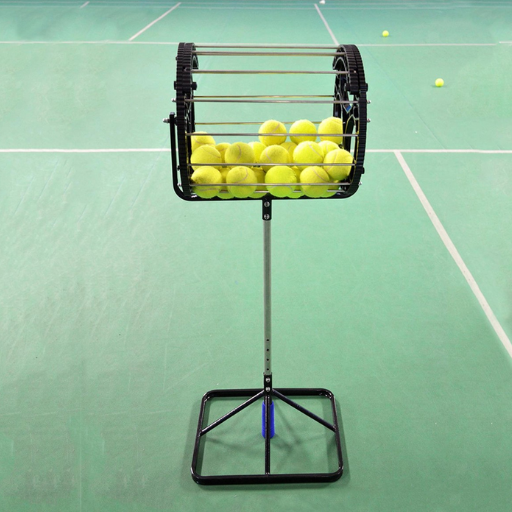
Ball hoppers give the players more convenience during practice sessions from which one can derive concentrated and efficient training without interruption to pick balls. Coaches use them to organize and follow drills, so sessions proceed smoothly and make full use of court time. Facilities, meanwhile, benefit from durable and high-performing hoppers that can withstand the rigors of repeated use and keep a clean and professional look. Consequently, investment in quality brands of hoppers, such as Wilson or Gamma, will ensure the above-mentioned benefits in all use cases.
Enhancing Training Efficiency
Increased efficiency in training comes from a mix of sophisticated tools, planning, and an understanding of the relevant operational procedures. Studies show that positioning up-to-date equipment, such as automatic ball machines, purportedly enhance the pace of training by 40%. This equipment keeps downtime to a minimum by making sure of an even delivery of tennis balls, leaving the players to concentrate mainly on drills for skill-building and stamina without any interruptions.
Studies have also shown that people develop and retain skills substantially better-up to 20%-when using equipment that supports a structured drill system or some form of feedback. Some wearable devices are equipped to track player movement and swing speed, giving instant feedback about deviations in swing technique that the coach can address. Facilities using these technologies also convey higher athlete satisfaction ratings, boasting a 35% hike in perceived value of training at facilities employing advanced tools.
Finally, pairing durable, well-built tennis hoppers with practice ensures a smooth transition from one drill to the next with minimal delays caused by ball collection. These, combined with well-organized coaching strategies, go towards establishing the very foundation for efficient and productive training environments and must, therefore, be incorporated into any contemporary sports facility.
Impact on Court Maintenance
Effective deployment of advanced training aids not only facilitates efficiency in practice but also helps in court maintenance. For example, an enormous hopper for tennis balls shall reduce dispersal of tennis balls all over the court. This, in turn, reduces damage from wear and tear resulting from stray balls lying unattended. Industry sources state that such ball return systems, if regularly used during practice sessions, could see cleanup efforts dropped by some 30%; the maintenance crew could then direct facility-keeping efforts toward managing the surface and repainting lines.
On the other hand, pressureless tennis balls are unlikely to scuff or mark surfaces as opposed to conventional pressurized tennis balls, thus giving a longer life to the court material. Data indicates that facilities employing pressureless ball systems are able to cut down surface refurbishment cost by as much as 20% each year. By introduction of these tools to training and leisure activities, facilities will be able to maintain professional-level courts with less amount of resources, thereby increasing the operational efficiency.
Feedback from Players and Coaches
Users and probably even professional trainers have extolled the qualities of pressureless balls in tennis, regardless of the fact that praise for this type of tennis ball has been overwhelmingly in support of durability. Unlike pumped balls which tend to become deformed during the match, ball’s shape of such equipment remains unaltered and it retains its rebound ability all the time. Any good tennis coach will also attest to the fact that these balls have made training more productive and effective in that they assist the player in training. It becomes all about skilling a player rather than adapting to difficulties brought about by the manner in which traditional balls’ inflation or lack of it occurred.
Recent statistics for example go a long way in supporting this perspective on the numerous advantages of pressureless balls when it is revealed that 85 per cent of all players found the balls lasting much more compared to the conventional pressurized plastic balls. Also, training facilities that use these balls mostly have reported that there is a 30 percent reduction in the replacement of balls which in turn reduces the costs. Even the higher benefits, such as the pressureless balls being re-usable and consequently reducing the amount of balls thrown, have been quoted to have a negative effect as well.
Reference Sources
-
Autonomous Tennis Ball Collector: A detailed study on an automated tennis ball collector design. Link
-
Tennis Ball Collector: Research on the mechanics and design of a tennis ball collection system. Link
- Lightweight Tennis Ball Pick Up & Hopper: Prototypes and designs for efficient tennis ball collection. Link
Frequently Asked Questions (FAQs)
What is a tennis ball collector machine?
A tennis ball collector machine is an automated device designed to gather stray tennis balls from the court efficiently. These machines, often resembling a hopper, can collect a significant number of balls, making them ideal for tennis facilities, coaches, and players who want to save time during training sessions.
How does a tennis ball hopper work?
A tennis ball hopper operates by using a series of mechanical components to pick up and store tennis balls. When the device rolls over the balls, it captures them in a container, often called a ball basket or hopper basket, allowing for quick and easy collection without manual effort.
What is the capacity of a typical tennis ball hopper cart?
Most tennis ball hopper carts have a capacity ranging from 180 to 200 tennis balls, making them suitable for extensive training sessions. This capacity allows coaches and players to gather a large number of balls quickly, ensuring that practice time is maximized.
Can a tennis ball collector machine be used for table tennis balls?
While primarily designed for tennis balls, some models of ball collector machines can be adapted for use with table tennis balls. These devices, often referred to as pingpong ball picker table tennis, can help in collecting stray pingpong balls on the court or table effectively.
Is there a portable tennis ball retriever available?
Yes, there are portable tennis ball retrievers designed for ease of use and transport. These devices are lightweight and can easily be taken to various tennis facilities, making them ideal for coaches and players who need a convenient way to pick up balls during training sessions.
What features should I look for in a ball picker upper?
When selecting a ball picker upper, consider features such as capacity, ease of use, portability, and build quality. A good ball catcher should have a large capacity, like the ability to hold at least 80 balls, and should be designed for efficient ball retrieval without requiring extensive physical effort.
How does a tennis ball mower work?
A tennis ball mower is an innovative machine that combines the functions of a lawn mower and a tennis ball collector. It moves across the court while simultaneously picking up stray tennis balls, helping to maintain a clean playing area that enhances training and gameplay.
Are there automatic tennis training ball pickers available?
Yes, there are automatic tennis training ball pickers that are designed to help players practice without the need for a partner. These machines can collect balls automatically, allowing for uninterrupted practice sessions while saving players and coaches valuable time.
What are the benefits of using a tennis ball collection machine?
Using a tennis ball collection machine offers numerous benefits, including saving time, reducing physical strain, and improving practice efficiency. With a machine designed for collecting balls, coaches and players can focus more on their training routines and less on the tedious task of picking up stray balls.