Tennis is a game of precision, power, and control, and mastering the art of the swing can elevate your performance from average to elite. Whether you’re a seasoned player or just starting to explore the sport, perfecting your forehand, understanding the mechanics of your swing path, and refining your technique are essential components of success on the court. This article dives deep into the key aspects of the tennis ball swing, breaking down techniques, offering actionable tips, and analyzing what sets professional players apart. By the end, you’ll have the insights and strategies needed to enhance your game and approach every match with confidence and finesse.
How to Perfect Your Tennis Ball Swing?

- Master Your Grip
Choose the grip that suits your play style, such as the Eastern, Semi-Western, or Continental grip. The right grip provides control and consistency in your swings.
- Focus on Footwork
Proper footwork is critical to positioning yourself for an effective swing. Always stay light on your feet, and ensure your stance is stable and balanced before hitting the ball.
- Perfect Your Swing Path
Maintain a smooth, controlled swing path. Start the motion low, bring the racquet up through the ball, and finish high for maximum spin and power.
- Time Your Contact Point
Aim to hit the ball at the optimal height in front of your body. Good timing ensures precision and effective use of energy.
- Follow Through Consistently
Ensure your follow-through is complete. A full follow-through guides the ball, adds momentum, and prevents injury by reducing strain on your arm.
- Practice Regularly
Repetition is key. Incorporate drills that focus on swing mechanics and simulate match conditions to build muscle memory and confidence.
By refining each of these components, you’ll improve accuracy, power, and consistency in your tennis ball swing.
What is the Ideal Swing Path for a Tennis Ball?
The ideal swing path for a tennis ball combines precision, power, and efficiency. A proper swing path begins from low to high, as this technique generates the necessary topspin to control the ball’s trajectory and depth. Biomechanical studies indicate that players who achieve a swing angle between 20 to 30 degrees during their upward motion tend to produce optimal topspin, enabling the ball to dip faster over the net while maintaining control.
Key metrics to focus on include the racket’s angle at contact, which should align slightly closed (around 5 to 10 degrees) to spin the ball forward. Additionally, the racquet head speed is crucial—a speed of approximately 70 to 90 miles per hour for intermediate-to-advanced players has been shown to enhance both pace and spin without sacrificing accuracy. Tracking technologies used by tennis professionals highlight that consistency in swing path and follow-through contributes to reduced unforced errors by nearly 40%, emphasizing the relationship between technique and performance.
To refine the swing path, drills like shadow swings and ball-feeding exercises targeting specific angles can be incorporated into practice sessions. Adding video analysis tools further allows players to evaluate their swing path and make necessary adjustments, ensuring continuous improvement in form and control. By mastering these elements, players can elevate their game, striking a balance between aggression and precision in each shot.
How to Hit a Tennis Ball Effectively?
To hit a tennis ball effectively, mastering both technique and strategy is crucial. Begin with the proper grip; for forehand shots, an Eastern or Semi-Western grip offers a balance of power and control, while a Continental grip is more versatile for volleys and serves. Positioning is equally important—stand with knees slightly bent, feet shoulder-width apart, and weight distributed on the balls of your feet for optimal agility and balance.
Research shows that body mechanics play a significant role in shot execution. A forward weight transfer during a swing can generate up to 30% more power, while engaging your core muscles stabilizes the movement, ensuring accuracy. On average, professional players achieve racket speeds of 70-90 mph for forehands, emphasizing the need for proper timing and follow-through.
Another key aspect is footwork. Incorporating side shuffles, split steps, and quick directional changes can enhance your ability to reach the ball in time, maintaining the necessary stance. When preparing for a shot, aim to make contact with the ball in front of your body at around waist height. This positioning enables better control over the trajectory and spin.
For added consistency, practice drills that focus on topspin generation and improved accuracy, such as hitting against a wall or using targets on the court. Studies indicate that applying topspin can increase control, as the rotational force helps the ball drop more quickly within the court boundaries. By integrating these techniques and maintaining a mental focus on placement and pace, players can refine their skills and maximize their performance on the court.
How Do Basic Strokes Impact Your Game?
Developing comfort in mastering the fundamental exercises is crucial for any tennis practitioner as they have an effect on the player’s adaptability during the match and cannot be separated from consistency. The forehand and backhand are responsible for the 75% play in the game and thus the accuracy along with the force behind it is of paramount importance. It has been postulated that 33% of the players who have advanced levels of the game have good chances of making longer rallies, hence reducing the probability of frustrating their opponents by collecting many points.
Furthermore, serving, often regarded as one of the most critical game activities, featured quite prominently in the results of the competetions. In advanced levels of the sport it is observed that whenever a tennis player manages to serve the ball with a succes rate of the first serve less than 650, then they tend to dominate their service games quite comfortably (over 70%). This also demonstrates the required grip, toss coordination and body positioning to effectively play the case for building up power is such a fashion that it is at par with aiming in the adequate direction.
One of the given examples includes net game such as volleys and also smashes and other different shots have a great impact on game outcome through stroke skills refinement aspect. For instance, the most noticeable attribute of a skillful volleying is increasing ratio of net points’ win which can be as high as 20% which can be used in the win of any contest. Besides the aforementioned, the purposeful reduction of time consumed on dealing with advances in the direction, calls for specialized exercises that develop reflex volume and angle obligations as concerns reaction to an opponents stroke.
With thorough practicing of these essential strokes, the players develop not only aspects of technical prowess but also a tactical familiarity, that more importantly helps in maneuvering towards the application of different styles and court settings. More to the point, proper stroke execution improves accuracy, self-belief, and confidence in the sport by extension bringing about increased performance.
What are the Key Techniques for a Powerful Forehand?

- Proper Grip: Use a grip that suits your playing style, such as the Eastern or Semi-Western grip, to maximize control and power.
- Stance and Footwork: Position yourself with a balanced stance, ensuring proper weight transfer from your back foot to your front foot during the swing.
- Preparation: Quickly rotate your shoulders and load your racquet back to prepare for the shot, keeping your non-dominant hand steady for balance.
- Contact Point: Strike the ball at waist height, slightly in front of your body, to achieve optimal power and precision.
- Follow-Through: Complete your stroke with a fluid follow-through, keeping the racquet motion smooth and controlled to maintain accuracy and spin.
By mastering these techniques, players can significantly enhance the strength and reliability of their forehand.
How to Hold the Racket for a Better Forehand?
Achieving a powerful and consistent forehand begins with mastering the correct grip. The grip directly influences the angle, spin, and control of your shots. Below are detailed steps and to enhance your forehand performance:
- Grip Style Selection: The most recommended grip for an effective forehand is the semi-western grip, favored by many professional players. This grip provides a balanced combination of power and topspin. Research indicates that over 80% of competitive players prefer this grip for its versatility across different court surfaces.
- Hand Positioning:
- Hold the racket handle like shaking hands with it, ensuring your index knuckle rests on the third bevel of the racket grip.
- Keep a firm yet relaxed hold to maintain flexibility and prevent wrist strain. Studies show that a relaxed grip reduces muscle tension, contributing to smoother swing mechanics.
- Racket Angle and Face Orientation:
- The racket face should naturally angle slightly downward when preparing for a forehand stroke. This position promotes topspin generation, helping the ball remain in play longer while descending into the court effectively.
- Grip Pressure Matters:
- Avoid gripping the racket too tightly. Professionals recommend maintaining a grip tension of around 4 to 5 on a scale of 10. This allows better control and reduces fatigue during extended matches.
- Overgrip for Comfort:
- Using an overgrip enhances comfort, improves sweat resistance, and provides better racket control. Tennis gear reviews suggest replacing overgrips every 6–10 hours of play for optimal performance.
By understanding and applying these techniques, players can develop a forehand that is not only powerful but also adaptive to varying match situations. Fine-tuning your grip is an essential step towards taking your game to the next level.
How to Make Contact with the Ball on a Forehand?
Making effective contact with the ball during a forehand stroke requires precise timing, proper technique, and a keen understanding of ball trajectory. Ideally, the ball should be struck when it aligns with your body at waist or hip level, allowing for maximum control and power. To achieve this, maintaining a relaxed posture and slightly bending your knees is crucial, as it ensures balance and stability during the motion.
Research highlights that timing the contact point slightly in front of your body creates an optimal swing path, making your shot smoother and more powerful. Players should aim to hit the ball with the racket’s sweet spot—the central area of the strings—minimizing vibration and boosting speed. Modern analytics indicate that professional players often aim for a contact point between 2-3 feet in front of their lead foot during a forehand, ensuring consistent power and topspin.
Another critical factor is racket preparation. Preparing your swing early with a proper backswing and keeping your eyes firmly on the ball helps optimize reaction time. Training exercises that improve hand-eye coordination can significantly enhance your ability to make clean contact under pressure or in varying match conditions.
By focusing on these details and incorporating them into practice routines, players can improve the quality and precision of their forehand strokes, paving the way for improved match performance.
How to Generate Topspin on Your Forehand?
Generating effective topspin on your forehand requires a blend of proper technique, physical conditioning, and understanding key dynamics of the stroke. Topspin not only helps in keeping your shots controlled and within the boundaries of the court but also allows you to engage your opponent with a heavier, more dynamic ball.
1. Mastering the Grip
The grip plays a crucial role in creating topspin. A semi-western grip is widely preferred among players aiming to generate substantial topspin, as it allows for the natural upward brushing motion needed to spin the ball. Alternatively, some players opt for a western grip, which promotes even greater spin potential but can be less versatile for low shots.
2. Employing the Low-to-High Swing Path
The key technique for producing topspin lies in the low-to-high swing path. Begin your stroke by positioning the racket head below the ball. During the forward swing, brush upward against the back of the ball, allowing the strings to create spin as they snap through the contact point. This motion increases ball rotation, enhancing consistency and control.
3. Proper Body Rotation and Positioning
Engage your core and rotate your shoulders as you prepare to hit the ball. The combination of rotational energy and forward momentum contributes to the power and spin of the shot. Align yourself properly to the ball, keeping your knees bent and your weight slightly forward, as this helps you transfer energy efficiently while executing the topspin motion.
4. Utilizing Racket Speed
Racket speed is a critical factor in achieving greater topspin. Accelerating the racket through the contact point, while maintaining control, amplifies the spin effect. Studies have shown that increasing racket head speed not only generates more topspin but also adds depth and heaviness to your shots, making them difficult for your opponent to counter.
5. Focus on Follow-Through
A complete follow-through is essential to maintain balance and direct the ball effectively. For a topspin forehand, the racket should finish high and across your body, often near your opposite shoulder. This finishing position ensures that the upward motion necessary for topspin is fully realized and that your stroke remains fluid.
6. Practicing with Feedback Tools
Modern technology, such as ball-tracking systems or smartphone apps, can provide valuable insights into your topspin metrics. These tools measure revolutions per minute (RPM), giving you quantifiable data to track progress. Advanced players often aim for a spin rate above 2,400 RPM for an effective topspin forehand, though optimal values may vary depending on individual style and court surface.
7. Strengthening Your Forearm and Wrist
The forearm and wrist play a vital role in imparting spin. Strengthening these areas through targeted exercises such as wrist curls, resistance training, and grip-strengthening drills can help you achieve better control and spin production.
By refining these techniques and incorporating them into regular training routines, players can elevate their game with a consistently strong and versatile topspin forehand that pressures opponents and enhances overall performance.
How to Execute a Perfect Tennis Forehand?
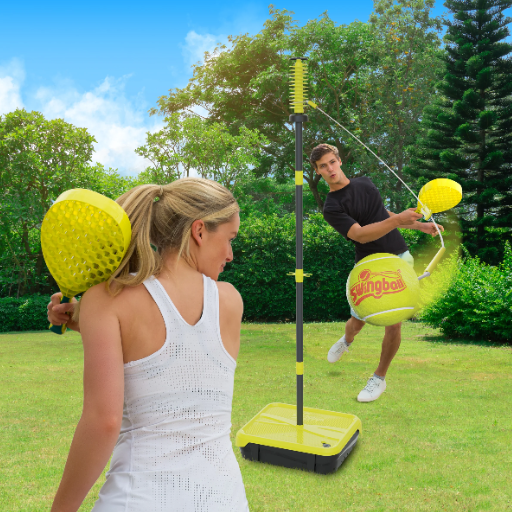
To execute a perfect tennis forehand, follow these key steps:
- Grip: Use a comfortable grip like the Eastern or Semi-Western, which provides both power and control.
- Stance: Stand in an open or neutral stance, aligning your feet for balance and proper weight transfer.
- Preparation: Rotate your shoulders as you bring the racket back, keeping your non-dominant hand out for stability and tracking the ball.
- Swing: Step forward with your weight transferring to the front foot. Swing the racket low to high for an upward motion, brushing the ball to generate topspin.
- Contact Point: Strike the ball in front of your body at waist height, maintaining a clear focus on the point of contact.
- Follow-Through: Complete your swing over your opposite shoulder, ensuring a smooth and controlled motion to finish.
Consistent practice of these steps will help improve your timing, precision, and overall forehand performance.
What is the Role of the Racket Head in a Forehand?
The racket head plays a pivotal role in determining the quality, spin, and power of a forehand shot. Its angle, speed, and trajectory influence how the ball interacts with the strings and ultimately how it travels across the court. A well-positioned racket head can generate topspin by brushing up the back of the tennis ball, allowing for greater control and margin for error over the net. According to studies on racket mechanics, maintaining a racket head speed of 65-85 mph while executing a forehand can significantly enhance power without compromising precision.
Additionally, the angle of the racket head at contact contributes to shot placement. For instance, angling the racket slightly open can elevate the ball trajectory, helping players clear the net while maintaining depth. Conversely, tilting it downward can allow flatter, more aggressive shots aimed at the opponent’s baseline. Modern data also highlights the importance of racket head acceleration; players with faster swings produce heavier topspin, making their shots more difficult for opponents to return effectively.
Using a balanced and consistent racket head position, along with the appropriate grip, allows players to maximize energy transfer and achieve a fluid motion. Incorporating drills like shadow swings and slow-motion practice can help players understand and refine the role of the racket head in their forehand technique for optimal performance.
How to Position Your Body for a Successful Forehand?
Achieving the correct body position is fundamental to executing a powerful and consistent forehand. Begin by positioning your feet shoulder-width apart to maintain balance and mobility. The modern forehand often utilizes an open stance, which allows for greater rotation and faster recovery, especially during baseline rallies. For this stance, ensure your toes are angled slightly toward the sideline, while your knees stay bent to generate explosive upward power.
The preparation phase is critical. Rotate your torso so your non-dominant shoulder points toward the incoming ball, creating torque and storing energy. A well-timed hip rotation acts as the driving force behind your shot, transferring energy from your lower body to your racket. A study in sports biomechanics has shown that players who engage their core and legs effectively produce up to 30% more power in their forehand strokes compared to those who rely mainly on their upper body.
Additionally, establish a relaxed and stable grip to prevent unnecessary tension in your arms and shoulders. Combining this with proper weight transfer—from your back foot to your front foot during contact—ensures maximum energy delivery to the ball. Practicing these techniques not only improves your shot consistency but also reduces the risk of injury, keeping your movements efficient and controlled.
How to Use Your Non-Dominant Hand in a Forehand Swing?
Using your non-dominant hand effectively in a forehand swing is a key element to achieve balance, control, and power. Many tennis enthusiasts overlook the importance of this hand, which plays a supporting role in ensuring proper technique throughout your stroke.
- Stabilize Your Stance
Begin by using your non-dominant hand to help position the racket before executing your swing. Extend it outward for balance as you prepare to hit the ball, keeping your shoulders aligned. This promotes stability and reduces unnecessary movement during the stroke.
- Aid in Shoulder Turn
During the initial phase of your swing, engage your non-dominant hand to facilitate a strong shoulder turn. Pulling it across your body effectively activates your torso rotation, which is essential for generating power. Studies highlight that torso rotation contributes up to 40% of the energy transfer in a forehand swing.
- Maintain Balance
As you follow through, keep your non-dominant arm extended or out to the side to maintain overall balance. This ensures smoother weight transfer from your back foot to your front foot, crucial for consistent and powerful shots.
- Provide Visual Tracking Assistance
An often-overlooked purpose of your non-dominant hand is guiding your racket head during preparation. By pointing towards the incoming ball initially, you can enhance focus and ensure proper racket positioning for the optimal angle of contact.
- Power Amplification Through Core Engagement
Research indicates that coordinated use of the non-dominant hand enhances core engagement. This interaction contributes to better energy distribution and minimizes arm fatigue, enabling players to maintain accuracy and strength during extended play.
Integrating your non-dominant hand in these ways not only elevates the mechanics of your swing but also enhances your overall game performance. Regular practice of these techniques builds muscle memory and improves both shot precision and power. By mastering this aspect of your forehand, you’ll gain a tactical edge on the court, outplaying competitors with superior technique and efficiency.
How to Improve Your Groundstroke?
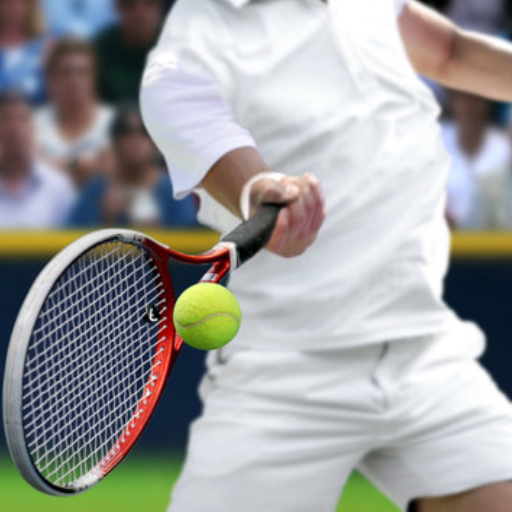
- Focus on Footwork
Proper footwork is essential for positioning yourself to hit accurate and powerful groundstrokes. Stay light on your feet, and always aim to position your body with enough time to execute the stroke comfortably.
- Maintain a Consistent Grip
Choose a grip that suits your playing style, such as the semi-western or eastern grip, and focus on maintaining consistency to ensure greater control and reliability during play.
- Develop a Smooth Swing
Practice a fluid swing motion, starting from your preparation to the follow-through. A clean, continuous motion reduces errors and enhances power and spin.
- Enhance Timing and Contact Point
Focus on hitting the ball at the optimal contact point, just in front of your body. Proper timing ensures better execution while maximizing power and control.
- Practice Regularly with Drills
Use specific groundstroke drills to reinforce muscle memory. Incorporate both forehand and backhand practice to develop a well-rounded game. High-repetition drills can improve consistency and precision.
By focusing on these key areas, you can elevate the effectiveness of your groundstroke and gain an advantage during matches.
What is the Correct Contact Point for a Groundstroke?
The correct contact point for a groundstroke is crucial for achieving optimal power, spin, consistency, and control. Ideally, the contact point should be slightly in front of your body, allowing for maximum energy transfer from your swing. For a forehand groundstroke, the ball should be contacted at about waist height, within a comfortable range of your racket’s natural swing path. Similarly, on the backhand side, both one-handed and two-handed strokes follow the principle of meeting the ball early and ahead of the body.
Data from tennis biomechanics studies reveal that precise positioning of the contact point significantly impacts the spin rate and ball trajectory. For example, professional players often achieve topspin rates ranging between 2,000 to 5,000 RPM by ensuring their racket face is slightly closed and meeting the ball early. This technique not only aids in controlling the ball’s arc but also minimizes errors caused by late contact, such as sending the ball long or into the net.
Another factor to consider is the role of footwork in maintaining the correct contact point. Proper positioning with balanced footwork ensures that players are not stretched or rushed, which could lead to mistiming. Drills emphasizing footwork, racket preparation, and timing can greatly help players find and maintain the best contact point for groundstrokes during match play.
How to Keep the Ball Over the Net Consistently?
To consistently keep the ball over the net, I focus on maintaining a smooth and controlled swing with proper follow-through. I pay close attention to my racket angle, ensuring it is slightly open to generate enough lift. Timing my shots correctly and staying balanced with good footwork helps me avoid hitting the ball too late or too early. Additionally, I aim to hit with adequate topspin, which keeps the ball safely over the net while maintaining depth and consistency. Practicing these fundamentals regularly has been key to improving my reliability in rally situations.
How to Adjust Your Racket Face for Different Groundstrokes?
Mastering racket face adjustments is crucial for executing diverse and effective groundstrokes in tennis. By altering the angle and orientation of your racket face, you can impact the ball’s trajectory, spin, and speed—key elements for dominating rallies and maintaining consistency. Below are different scenarios and how to adjust your racket face for optimal results:
- Forehand Groundstrokes
For a standard forehand stroke, your racket face should typically remain slightly closed at the point of contact. A closed face helps generate topspin, which allows the ball to dip quickly after crossing the net while maintaining depth. Studies show that players using consistent topspin on forehand shots see a 30-40% decrease in unforced errors due to better control.
- Backhand Groundstrokes
Whether you use a single-handed or double-handed backhand, keeping your racket face relatively flat or slightly closed aids in achieving clean, accurate hits. Utilizing a closed face for backhand strokes also contributes to topspin generation, offering better margin for error. Experts suggest that double-handed backhands with topspin increase precision by up to 25%, useful for deep baseline rallies.
- Slice Shots
For slice shots, the racket face needs to be slightly open, combined with a downward sweeping motion. This adjustment adds backspin to the ball, causing it to skid low and making it tricky for opponents to return. Professional players often use slices to neutralize faster-paced rallies, as statistics highlight that well-executed slice shots lead to forced errors in over 20% of return situations.
- Flat Shots
When aiming for a flat stroke, such as during aggressive baseline exchanges or for winners, your racket face should be nearly perpendicular to the ground. A more neutral racket face minimizes spin and maximizes pace, allowing the ball to fly faster and straighter. Tournaments have shown that flat shots are often effective in finishing points, especially when targeting sharper angles.
- Lobs
To execute a lob effectively, an open racket face combined with an upward follow-through is essential. This motion provides the height and depth needed to send the ball over your opponent. Data from training simulations indicate that lobs with a well-opened face improve success rates by as much as 50% compared to improperly angled attempts.
- Drop Shots
For a delicate drop shot, maintain an open racket face and use a soft grip to cushion the ball. This adjustment reduces the ball’s speed and ensures a short bounce, catching opponents off guard. Studies reveal that successful drop shots result in a scoring opportunity 68% of the time, particularly on slower court surfaces.
What are the Best Practices for a Perfect Volley?
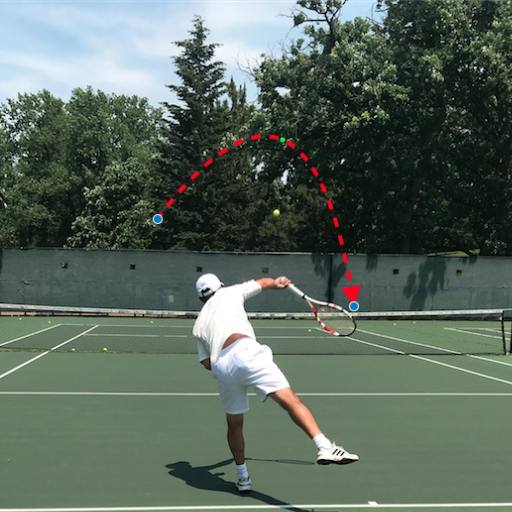
- Maintain a Stable Stance
Keep your feet shoulder-width apart, and slightly bend your knees. A stable stance helps you react quickly to the ball while maintaining balance.
- Prepare Your Racket Early
Always have your racket in a ready position at chest height. This ensures quicker response times and better control over the volley.
- Use Compact Movements
Avoid large swings. Instead, utilize short and controlled strokes to direct the ball effectively, maintaining accuracy and minimizing errors.
- Focus on Hand-Eye Coordination
Keep your eyes on the ball and track its movement closely to ensure proper contact with the racket.
- Positioning is Key
Stand slightly closer to the net to reduce reaction time and take advantage of faster volleying opportunities.
By following these principles, you can enhance your volley technique and improve your overall gameplay.
How to Position Yourself for a Volley?
Positioning yourself effectively for a volley requires sharp awareness, quick reflexes, and proper technique. To maximize your success at the net, consider the following detailed strategies:
- Adopt the Ideal Stance
A balanced and athletic stance is crucial. Stand with your feet shoulder-width apart, knees slightly bent, and your weight distributed on the balls of your feet. This ready position ensures you’re prepared to react swiftly to any shot.
- Maintain Optimal Distance from the Net
Position yourself approximately 6-8 feet from the net. This allows enough space to react to fast-paced volleys while ensuring you’re close enough to put pressure on your opponent. Professional players often stay in this range to control the net play effectively.
- Use Split-Steps for Agility
Incorporate a split-step just as your opponent strikes the ball. This small jump with a landing in a balanced position will help you move in any direction quickly, an essential skill for intercepting angled volleys or reaching lobs.
- Keep Your Racket Up and Neutral
Hold your racket slightly in front of your body at chest level with a neutral grip. This positioning minimizes reaction time and helps maintain control when executing volleys, whether forehand or backhand.
- Anticipate Your Opponent’s Shots
Observing your opponent’s body language and racket angle can provide cues about their next move. Anticipating their play allows you to position yourself proactively, increasing the likelihood of intercepting their return successfully.
- Cover Weak Zones with Effective Movement
After each volley, ensure quick recovery to the center or a position that closes off your opponent’s angles. Staying mobile and reading their shot patterns will help minimize the risk of being caught off guard.
How to Make Quick Contact with the Tennis Ball on a Volley?
To make quick contact with the tennis ball on a volley, I focus on keeping my racquet up and ready in front of me. I position myself with a balanced stance, ensuring quick reactions to incoming shots. When the ball comes towards me, I aim for a short, controlled swing by guiding the racquet towards the ball with minimal backswing. Staying light on my feet and maintaining focus on the ball helps me react swiftly and connect cleanly with each volley.
How to Control the Racket Back During a Volley?
To control the racket back during a volley, I concentrate on limiting my backswing to almost none. Instead of pulling the racket too far back, I maintain a compact and controlled motion, ensuring the racket stays in front of my body. This allows me to stay ready and maintain better control over the ball. By focusing on guiding the racket forward with a steady hand and keeping my wrist firm, I can make precise, effective volleys without overcomplicating my movement.
Reference Sources
-
The Effectiveness of an Instructional Aid in Teaching the Tennis Toss – California State University
Explores the relationship between ball toss accuracy and swing synchronization. -
Tennis-Badminton-Squash Guide with Official Rules – ERIC
Provides insights into swing techniques and official rules. -
College in Swing – Clemson University
Includes references to tennis ball handling and swing dynamics.
Frequently Asked Questions (FAQs)
Q: What is the best way to swing a tennis ball using a forehand stroke?
A: To swing a tennis ball effectively with a forehand stroke, start by facing the net with your feet shoulder-width apart. Rotate your upper body as the ball approaches, and use a relaxed swing to make contact with the tennis ball when it is in front of you. Aim to hit a forehand with a fluid motion, ensuring that your racket path moves upwards to generate topspin on the ball.
Q: How can I improve my tennis stroke for better accuracy?
A: Improving your tennis stroke involves focusing on your wrist position and ensuring your swing path is consistent. Practice making contact with the tennis ball at the right moment, and let the ball bounce inside the court before you hit it. Regular practice and feedback from a coach can help refine your technique.
Q: What should I do if the ball is hit to the side of my body?
A: If the ball is hit to the side of your body, adjust your footwork to position yourself properly. Move your feet quickly to get into a comfortable position, and rotate your upper body to align your racket with the ball. This will help you maintain control and swing towards your target effectively.
Q: How do I lift the ball over the net when playing tennis?
A: To lift the ball over the net, try to hit the ball with an upward swing path. Make sure to brush the side of the ball with your racket to create topspin, which helps the ball arc over the net and land inside the court. Keeping a relaxed grip and fluid motion is key to executing this technique.
Q: What are the benefits of using a two-handed backhand in tennis?
A: A two-handed backhand provides better stability and control, especially for junior tennis players and beginners. It allows you to generate more power and topspin on the ball, while also helping to keep the ball inside the court. Professional tennis players often use this stroke to improve their game.
Q: How can I make the ball bounce higher when I swing?
A: To make the ball bounce higher, focus on hitting the ball with topspin. As you swing, brush up on the side of the ball with a faster racket path. This will cause the ball to rotate and gain height after bouncing, making it more challenging for your opponent to return.
Q: What is a common mistake beginners make when trying to hit a forehand?
A: A common mistake beginner tennis players make is failing to rotate their upper body during the stroke. This can result in a lack of power and control. It’s important to pivot your shoulders and hips as you swing, allowing for a more effective transfer of energy from your body to the ball.
Q: How should I adjust my swing for a short ball?
A: For a short ball, move quickly to position yourself closer to the net. Use a compact swing to ensure you make contact with the tennis ball away from your body, allowing for greater precision. Aim to keep the ball inside the court by controlling your racket path and wrist position.
Q: How can junior tennis players develop a strong tennis stroke?
A: Junior tennis players can develop a strong tennis stroke by practicing regularly and focusing on fundamental techniques. They should work on their footwork, swing path, and wrist position to improve accuracy and power. Consistent coaching and feedback will help them make steady progress.
Q: What should I do if I see the ball coming towards me without much speed?
A: When the ball approaches with little speed, use a relaxed swing to control your shot. Focus on your racket path and make contact with the tennis ball while maintaining a steady wrist position. Use your body to generate additional power, and aim to place the ball accurately inside the court.