Doing laundry might seem entirely straightforward, yet there still remain ample opportunities for improving the results, and tennis balls just may be the hidden secret your laundry routine has been lacking. These little bouncing balls are your answer to fluffy towels, softer clothes, and shorter drying time. But then how does this weird trick actually work, and why is it so highly praised? In this write-up, we shall dissect the science behind the use of tennis balls in the dryer, unearth all the benefits of this crazy technique, and teach you how to add this easy trick into your laundry routine.
Understanding the Tennis Ball Dryer Hack
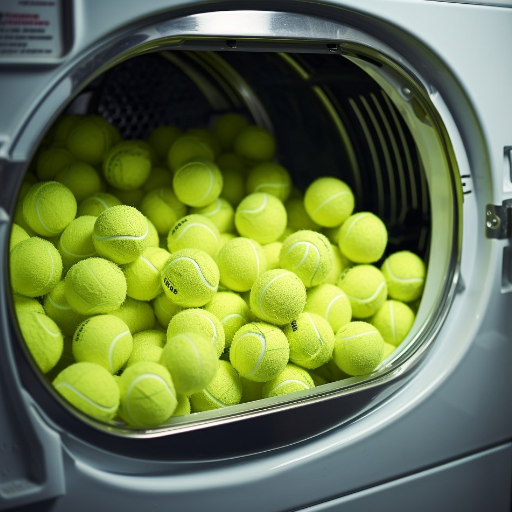
In dryers, tennis balls provide space between clothes for better air circulation and heat distribution. This enables fabrics to dry evenly and minimize clumps, resulting in fluffier towels and softer clothes. Additionally, the tennis-ball bouncing action keeps items like comforters and jackets from clumping up. utilizing tennis balls is not only a very cheap but also an easy way to improve drying efficiency and laundry results.
What Are Tennis Balls in the Dryer?
Tennis balls in the dryer have something of an old-fashioned charm to serve as drying tools with an additional perk of speeding up the drying process. They separate the items of laundry inside the dryer so that hot air can flow freely-reducing drying time by 25-35% and saving energy. Nowadays, the use of tennis balls for bulky items such as comforters, jackets, or pillows is more suited for keeping the filling from clumping, as the balls bounce and keep on breaking up and redistributing the filling.
Tennis balls would similarly have the effect of softening the clothes by breaking up the fibers. Towels dried with tennis balls, for example, will feel soft as opposed to stiff. This treatment is embraced by many as a cheap and reusable alternative to commercial dryer sheets, offering an environmentally friendly way to soften clothes and reduce static. Using tennis balls, they not only excel at drying but also extend the life of their appliances by minimizing the strain that prolonged drying cycles cause.
How Do Tennis Balls Work?
Tennis balls work simply and efficiently in laundry drying by improving airflow, separating fabrics, and preventing clumping inside the dryer. When bouncing and tumbling along with the clothes, they act to spread heat evenly across the garments, thus cutting down drying time and further improving efficiency. This action is especially necessary for bulky items such as comforters, pillows, or heavy blankets, as it keeps them from bunched together and ensures proper drying.
That said, studies report that tennis balls can reduce drying time by roughly 25%, depending on the load size and type of fabric. The resulting reduction in drying time means less energy consumed and, consequently, lower utility bills, which makes this option even more suitable for any household concerned with getting the most out of its appliances. The actual mechanisms of the tennis balls soften the fabric fibers to some extent, reducing wrinkles and static. Thus, users won’t have to resort to ironing or chemical fabric softeners, which makes this a greener alternative to an already affordable laundry tip.
The Science Behind Softening Laundry
The working of tennis balls or any alternative for drying softly lies in physics and fabric care interplay. During drying, the tumbling action of the balls helps in separating layers of the laundry which permits the hot air to circulate more evenly through the charge. This drying method works very fast-on-average it can reduce drying time by 20-30%, as proven by some evidence on energy efficiency capacity. Such impacts also eliminate clumping caused by bulky items such as comforters and jackets, leading to more thorough drying.
Moreover, studies on fabric softness have shown that mechanical agitation can fluff fabric fibers, returning them to their natural pliancy, without using chemical softeners. This method also prevents static, which hinders synthetic fibers from sticking together-so sure to better texture and comfort of synthetic fabrics. For greener households, whenever these little devices are used in conjunction with low-heat cycles, they help save lots of energy yearly. The apparent considerations patent these mechanical aids to become eco-conscious in modern laundry care.
Benefits of Using Tennis Balls in the Dryer
- Cuts Drying Time: When tennis balls separate clothes, they allow hot air to circulate freely and expedite drying.
- Softens Fabrics: Acting as an alternative to chemical fabric softeners, tennis balls tumble with laundry to soften clothing.
- Stops Clumping: Comforters and pillows will not have their filling clumped together by tennis balls, thus guaranteeing that they will remain fluffy.
- Energy-Efficient: The quicker a line dries, the less energy demanded; that in turn allows for utility savings and is an environmentally friendly affair.
Improving Drying Efficiency
An efficient dryer can save on energy bills as well as increase the longevity of appliances. One way to nurture your efficiency is by cleaning the lint filter on a regular schedule. A clogged lint filter has been found to increase drying times by 30%, which in turn increases your electricity bills. Proper airflow with a clear vent also allows the dryer to work more efficiently. A vent that is well maintained allows fewer drying cycles and the build-up of lint that could pose a fire hazard.
Continuing to prevent clumping of clothes during tumbling with the use of dryer balls like wool and tennis balls ensures hot air circulates better, thus cutting down drying times. Dryer balls reduce drying time by about 25%, depending on the size of the load. Furthermore, sorting your laundry by fabric type and moisture level allows lightweight and fast-drying items to finish drying more quickly-freeing heavier items from over-drying and wasting energy.
A further option for consideration is buying a high-efficiency dryer with moisture sensor technology. Such sensors stop the cycle once the clothes are sufficiently dry, thus saving energy while sparing the garment from being too dry. A good choice for anyone who is conscious about money or the environment would be a modern energy-efficient dryer that uses up to 20% less energy than an average one. When these measures are put together, the drying efficiency becomes a well-oiled machine that saves you time and money as well as the planet.
Preventing Clumping of Fabrics
The wrinkling and uneven drying created by fabrics clumping during the drying cycle can also lead to increased wear and tear on the garments. Dryer balls or reusable wool balls are considered very useful in this situation. These separate the clothing items in the dryer, thus enabling the hot air to circulate more evenly. According to recent studies, this can reduce drying times by up to 25%. Laundry should also be sorted correctly before drying—for example, separating heavy towels from lightweight garments—in order to reduce the possibility of items tangling together.
Newer dryers have high-tech functions designed to tackle fabric clumping. One such function is reverse tumble technology, which intersperses periods of rotation in one direction with periods of rotation in the opposite direction to prevent clothing from winding into knots. These methods not only preserve garment quality but also improve dryer efficiency, saving energy and increasing user satisfaction. For optimum care, avoid overloading the dryer as this only hinders air circulation and exacerbates the problem of clumping.
Reducing Wrinkles in Clothes
An everyday battle with creases in the clothes can be minimized by adopting the right methods. Modern dryers come fitted with steam cycles to prevent wrinkling by relaxing the fibers through the controlled release of steam. Fabric softener or dryer sheets also help in maintaining the fibers from creasing when going through the drying process.
Research shows that clothes removed from the dryer immediately after the cycle is over and taken while still warm can keep wrinkles from forming. Folding or hanging the clothes immediately preserves the intended shape, thus avoiding an extra ironing step. With more delicate fabrics, drying on a hanger or a horizontal surface will lower the possibility of wrinkles while maintaining the shape. Silks and linens, for instance, should be dried on hangers or laid flat.
Prevention during washing also plays a crucial part. Ensuring clothes are washed on the proper machine cycle, particularly those with comparatively lower spin speeds, will reduce the stress put on fabrics and lessen the chance of crease formation. Overloading a washer or dryer, on the other hand, causes clothes to be bunched up, thereby increasing wrinkling in the process. If clothes have enough space, they’ll dry smoother.
A contrasting household trick that is growing in popularity: ice cubes in the dryer. The heat melts the ice, followed by steam formation, which then gently smooths the fabric. Never let simple adjustments and innovations pass unnoticed; they really do help prevent wrinkling after every wash and dry session.
How to Use Tennis Balls in the Dryer
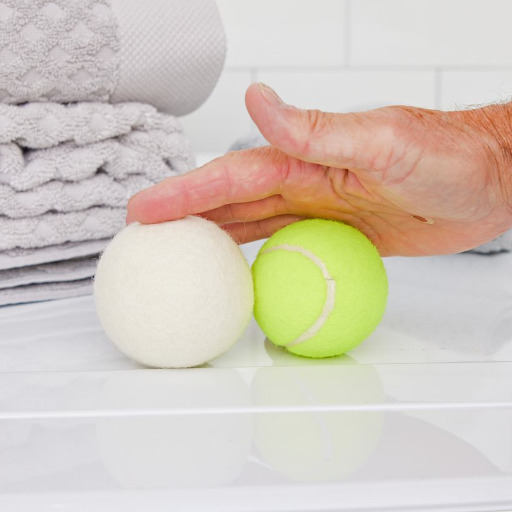
Drying with tennis balls is a great way to fast-track the drying process. Just place two or three clean tennis balls in a dryer loaded with your wash. They disperse the heat evenly and reduce dryer time while preventing items like comforters or pillows from clumping. Another bonus of the tennis balls is that they do a good job of fluffing up the fabric and leaving it soft and dry. Make sure that these tennis balls have not been used in any dusty place, as stains might transfer to your clothes. This simple trick will significantly improve drying without exerting much effort!
Best Practices for Optimal Results
1. Use dryer balls as an alternative: While tennis balls are great enough, many experts recommend either wool or silicon dryer balls specifically designed for laundry. They are hypoallergenic, eco-friendly, and can last hundreds of drying cycles, making them a better sustainable and longer-term solution.
2. Fine-tune dryer settings: Set the dryer optimally for the type of fabric and size of the load. The low heat setting is best suited for delicate fabrics, while heavy items such as comforters might need the high heat to ensure they are properly dried.
3. Do not overload the dryer: An overloaded dryer limits air circulation and uneven drying. A loosely packed drum helps heat distribution, which is of prime importance when using dryer or tennis balls for increased effect.
4. Natural relief from static cling: Tennis balls or wool dryer balls can do the trick to combat static without the chemicals in commercial dryer sheets. Some swear that pinning a safety pin to the dryer balls discharges static electricity to an even better degree.
5. Keep energy consumption under observation: If used properly, dryer balls and tennis balls may reduce drying time by up to 25%, saving energy and reducing electricity bills. This could work wonders in large-hitter washing houses as well as for those who want to reduce their environmental footprint.
6. Proper maintenance: To ensure peak efficiency, run the lint filter clean and check for any build-up inside the dryer drum. This well-maintained appliance with well-thought-out practices like dryer balls will save so much time and money.
In doing so, you will always practice helping your laundry through effective and environmentally friendly measures at a cheaper rate, while also maintaining the quality and longevity of your clothing and linens.
How Many Tennis Balls to Use?
Generally, two or four tennis balls are used in dryers, depending on load size. For small to medium sizes, two tennis balls are sufficient to aid in air circulation and to fluff items such as comforters, blankets, or jackets. For larger loads, using three or four tennis balls is better to reduce drying time and prevent clumping of heavier fabrics, such as down materials.
Studies show that tennis balls cut down drying time by up to 25%, which in turn saves energy and puts less stress on the dryer itself. With these small additions, heat is distributed more evenly, which means your laundry dries better and develops fewer wrinkles. For best results and to fully safeguard durability, it is best to use clean, fairly new tennis balls, or conversely, newly purchased dryer balls, especially designed for this function, to prevent the risk of residue transfer to your garments. Using these recommendations will result in more efficient drying and will keep bedding and outerwear in good shape.
When to Put Tennis Balls in the Dryer
Tennis balls can be particularly useful in the dryer under specific circumstances to enhance drying efficiency and maintain the shape and fluffiness of various items. Here are some key situations where using tennis balls can make a noticeable difference:
- Drying Comforters and Pillows
When drying heavy or bulky items like comforters, down jackets, or pillows, tennis balls help by preventing the filling from clumping together. Reports suggest that tossing two or three tennis balls into the dryer can reduce drying time by up to 25%, making the process more energy-efficient.
- Maintaining Softness in Laundry
Tennis balls can serve as natural fabric softeners, reducing static and leaving fabrics like towels and blankets feeling softer. This is particularly effective for those looking to avoid chemical-based softeners.
- Reducing Wrinkles in Clothing
Adding tennis balls to the dryer helps to circulate warm air more efficiently, enabling fabrics to dry evenly and reducing the likelihood of wrinkles. This can save ironing time, especially for larger garments.
- Decreasing Drying Time for Large Loads
For larger laundry loads, tennis balls can significantly reduce drying time by improving airflow between items. This is especially beneficial in households with high laundry frequency or during colder months when drying naturally takes longer.
- Refreshing Stored Items
Tennis balls can also be helpful when refreshing stored blankets and jackets that have flattened over time. Their motion reinvigorates fibers and helps restore the item’s original fluffiness.
It is important to note that you should use clean tennis balls or dryer balls made specifically for laundry purposes to avoid residue transfer. Taking advantage of this simple yet effective method can lead to softer fabrics, reduced energy consumption, and better overall laundry results.
Alternative Options to Tennis Balls
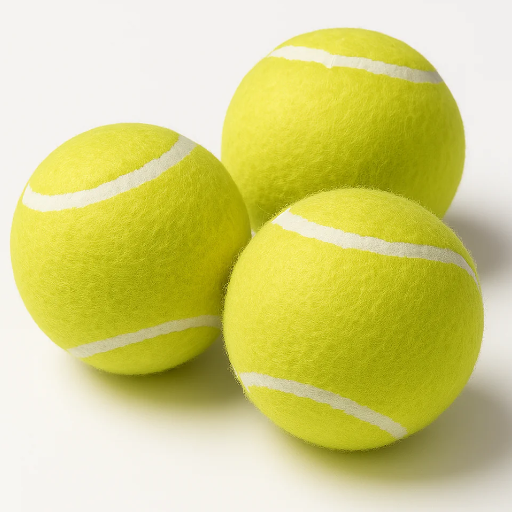
If you don’t have tennis balls on hand, there are quite a few alternatives in the dryer to obtain the same results:
- Wool Dryer Balls: These are reusable, gentle on fabrics, and naturally soften clothes while reducing the derming time.
- Crumbled Aluminum Foil: A small crumpled ball of aluminum foil can reduce static and keep the laundry from clumping.
- Clean Sneakers: A pair of lightweight, clean sneakers will seem to do the trick just as well as tennis balls for larger items like comforters.
- Tightly Rolled Socks: A pair of tightly rolled socks can work just fine if you have no time to go and get real tennis balls.
These alternatives are easy, readily-installable and charmingly efficient at improving your life in laundry.
Using Wool Dryer Balls
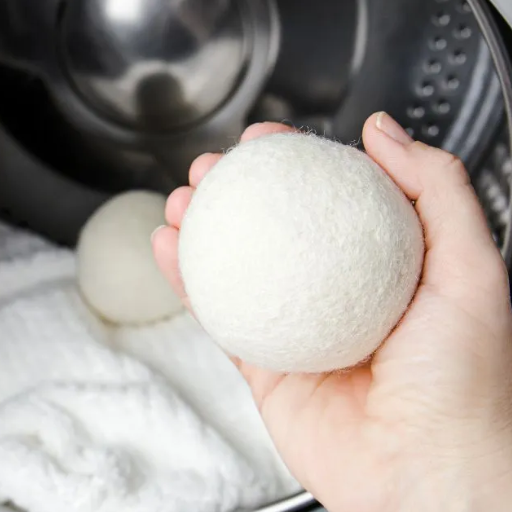
Wool dryer balls changed my life! Drying time goes down, and they soften fabric naturally and reduce wrinkles. Plus, they are environmentally friendly and reusable. They save money, and, surely, they reduce waste compared to using disposable dryer sheets. And once I want a nice scent on my clothes, all I have to do is add a few drops of any essential oil onto the wool balls and throw some standards in the dryer.
Other Dryer Ball Alternatives
If you’re considering alternatives to wool dryer balls, there is a multitude of options to cater to different tastes and needs. Silicone balls go by way of dry plucking and separating of laundry, battling static cling, and also clumping in drying time. These balls are made from durable, non-toxic materials capable of enduring high heat and repeated unload. The smooth texture makes them very-easy-to-clean and maintain.
If one wants a natural option but not wool, rubber dryer balls would be great. Like the wool balls, they help reduce drying time, soften fabrics, and keep wrinkles at bay. Being rubber, though, does not require special maintenance like wool does; it’s a very low-maintenance option. They can also hold drops of essential oils for a fresh scent.
Another option is the plastic spiked dryer balls, which use the textured design to enhance fluffing and reduce static cling. While not as green as the reusable wool or silicone types, they are affordable and easy to find.
These alternatives offer unique perks so that you can make the best decision for your laundry routine and sustainability goals.
Pros and Cons of Alternatives
The pros and cons of dryer ball alternatives include benefits like reduced drying time and static, and drawbacks such as noise or limited scent options.
|
Alternative |
Pros |
Cons |
Eco-Friendly |
Reusable |
|---|---|---|---|---|
|
Wool Dryer Balls |
Reduces static |
Higher cost |
Yes |
Yes |
|
Aluminum Foil Balls |
Reduces cling |
No scent |
Partially |
Yes |
|
Plastic Dryer Balls |
Speeds drying |
Noisy |
No |
Yes |
|
Clean Dry Towels |
Absorbs moisture |
Bulky |
Yes |
Yes |
|
Stuffed Toys |
Gentle on clothes |
Limited effect |
Yes |
Yes |
Risks and Considerations
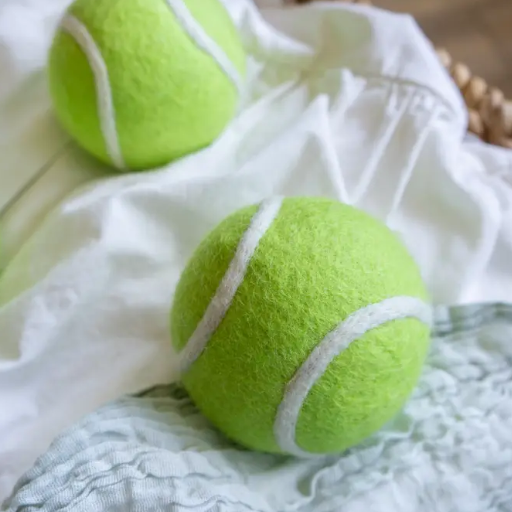
When considering alternatives to dryer balls, one should assess some risks and limitations. In some cases, reusable items such as wool or silicone balls have an initial cost that is higher than the relatively cheaper single-use type. Yet, wool dryer balls tend to shed fibers over time, which could be problematic for an allergy sufferer. In turn, plastic-type dryer balls are rather less eco-friendly and may get affected by degradation under heavy use, contributing to plastic confetti in the environment. Lastly, and in fact, these alternatives only help in reducing static while they do not provide perfect solutions to eliminating it for some fabric types or very dry environments. So set your priorities and values and choose accordingly.
Are There Any Potential Risks?
Another risk that may be associated with using alternatives such as wool or plastic dryer balls: People with allergies or sensitivities could react to wool fibers, which are shedded by wool dryer balls over time. Some studies indicate that very fine particulates of natural materials may trigger reactions, including allergic reactions, in certain susceptible individuals. Moreover, improper use of these dryer balls can create problems; for instance, overloading the dryer or applying excessive heat can lead to diminished drying capability and even potential wear to certain kinds of fabrics.
Plastic balls, though long-lasting, may be questioned for their environmental sustainability. There is evidence that repeated exposure to heat over a period may lead to microplastic shedding, thus harming the environment. Moreover, their degrading capacity under high heat would question their durability and thus their fair economic and ecological advantages.
Another risk that often gets mentioned is that of static, which in many cases does not get entirely addressed by these alternatives. It has been scientifically found that under dry atmospheric conditions, particularly in winter, the matter tends to get exacerbated, thereby making complete elimination of static a challenge to certain users.
Careful consideration of these issues must be taken so that the option chosen fits individual and environment health concerns besides performance expectations. Always follow manufacturer instructions and analyze usage patterns to reduce these risks in the greatest measure possible.
What to Avoid When Using Tennis Balls
Whenever tennis balls are applied outside the sphere of sport activities for DIY projects, therapy, or household tips, certain practices must be eschewed to keep them from harm and/or render them ineffective. Putting tennis balls inside dryers whose temperature is set too high for drying will cause distortion to their shape; also, the combination of very high heat and synthetic material fumes can be toxic. It is further stated that as such conditions act as a catalyst, the rubber of the tennis balls and the felt covering of the tennis balls disintegrate, thereby reducing their usability and may further cause air pollution.
The next thing to consider in this regard would be their use with small children and pets. While they are popularly accepted as a pet toy, durability varies widely. A low-grade tennis ball disintegrates all too quickly and can provide a choking hazard or food blockage if swallowed. Pick tennis balls for your pet that are made of non-toxic materials suitable for animals.
Additionally, using old or obviously worn tennis balls for physical therapy exercises could prove to be either inadequate or one causing an injury. It is seen that the compressive strength from worn-out balls reduces considerably, thereby impairing the efficiency of the intended use, muscle tension relief, joint exercises, etc. Check on the condition of tennis balls always and keep replacing them so that they remain functional and safe.
And finally, the environmental impact must be contemplated. Improper disposal of tennis balls increases waste generation. Each year, millions of tennis balls accumulate in landfill sites, taking years to decompose due to their synthetic material constitution. Look up for recycling or upcycling schemes to do good to the environment without sacrificing utility.
Considerations for Different Fabrics
Know the fiber before buying for clothing, upholstery, or any other usages as each fiber has unique properties and traits for working or against it. Here is detail on some of the commonly fabric types.
Cotton
Cotton is considered a natural fiber as it is appreciated for its breathability and softness and thereby preferable for everyday wear and the bed. It absorbs water very well-low water absorption in warmer climates may be an undesired effect for it to dry since it retains moisture. According to studies, cotton is the most widely produced textile throughout the world, with an estimated 25 million tons produced annually. But cotton farming is a thirsty business, requiring over 10,000 liters of water for 1 kg of cotton. With such a large water footprint, the inclusion of organic cotton will hopefully help reduce environmental harm.
Polyester
Being a synthetic fabric, polyester is known for its strength and versatility. It resists wrinkling, shrinking, and stretching, making it the most apt for activewear and wardrobe fabrics that demand less maintenance. Due to advances in manufacturing, polyester is becoming more suited to performance wear in moisture wicking. Polyester is a petroleum derivative and thus the contrary of the environment. Polyester far exceeds the 57 million tons of production worldwide each year and remains the de facto textile. The recycling schemes to recycle polyester are now coming into the color-washing style.
Wool
Being a natural insulator, wool is mostly for colder countries. It acts as a thermo-regulator by drawing away moisture and capturing warmth; thus, preferably worn in winters. Australia leads wool production with a share of about 25% of the world’s total. However, beyond the issues of animal welfare that arise through conventional wool production, there has been a growing interest in ethically sourced or alternative options, such as recycled wool.
Silk
Silk is prized for its smoothness and lustre and occupies the highest orders of fashion and bedding. Being natural protein fibers, they are even hypoallergenic and very mild to the skin. Meanwhile, silks are, in comfort, amongst the most breathable and also absorbent in moisture. Silk, on the other hand, for all its advantages, is among the costliest fabric to manufacture as harvesting from silkworms is required for it. On average, it takes upward of 2,500 silkworms to produce one pound of silk. Peace silk, in which the worms are not harmed, is now increasingly becoming a choice for the environmentally-conscious consumer.
Linen
It is a fabric made from flax fibers. Container durable and crisp. Being very breathable and soaking up much moisture, it is used for summer attire and indoor textiles. Linen is greener compared with cotton as it asks for less water and pesticides. Global stats show that linen production is dominated by Europe, especially Belgium and France, with markets in fashion and interior design keeping up high demand for the fabric.
Blended Fabrics
Fabrics that are blended combine natural and synthetic properties offered by different fibers that improve durability, comfort, and functionality. For instance, cotton and polyester blends provide some amount of softness from cotton and wrinkle resistance from polyester. These blends also tend to be inexpensive and are extensively used for casual wear like T-shirts and uniforms. However, such blends make recycling more difficult since all products are made from a mixture of materials, putting more pressure on innovative recycling solutions within the textile industry.
Choosing a fabric really means considering its performance and aesthetic qualities as well as the environmental and ethical issues involved. The usage of sustainable options, such as recycled fiber or fibers from responsible sources, helps reduce the carbon footprint of textile production in favor of assuring availability of excellent quality and highly functional fabrics for your needs.
Reference Sources
-
The Aerodynamics of a Tennis Ball
Published by Wiley Online Library, this study explores the physical properties of tennis balls, which can be relevant to understanding their behavior in various conditions. -
Tennis Ball Degradation
A PhD thesis from Loughborough University, discussing the material and performance aspects of tennis balls, which may provide insights into their durability and effects in different environments. -
Review of Tennis Ball Aerodynamics
Published by Taylor & Francis, this review discusses the design and physical properties of tennis balls, which may help explain their utility in dryers.
Frequently Asked Questions (FAQs)
Why Use Tennis Balls in Your Dryer?
Tennis balls in dryer help to keep your laundry from clumping together, allowing for better circulation of hot air and ensuring your clothes dry faster. This laundry hack is especially effective when drying bulky items like comforters and blankets. By using tennis balls in your dryer, you can achieve energy savings since the items will dry more efficiently. Additionally, tennis balls are made of natural rubber which can help fluff up your laundry, giving it a fresh and soft feel. The bouncing action of the balls generates heat and promotes even drying throughout the load. Many laundry experts recommend this method for a more effective drying experience.
What Are the Benefits of Using Dryer Balls Instead of Tennis Balls?
Dryer balls instead of tennis balls can offer several advantages. For one, dryer balls are made from biodegradable materials, such as natural wool, making them an eco-friendly choice. They also come in various shapes and sizes designed specifically to prevent laundry from tangling and clumping. While tennis balls can be effective, they may release dye, which could stain light-colored clothing and bedding. Moreover, dryer balls help to reduce drying time by increasing airflow between garments, which promotes even drying. This can be particularly beneficial for wet laundry that needs to dry quickly.
Can You Use Balls Instead of Tennis Balls for Drying Clothes?
Yes, you can use various types of balls instead of tennis balls for drying clothes. Many people opt for dryer balls made from materials like wool or plastic, which are designed to help fluff laundry and improve drying efficiency. These balls work similarly to tennis balls, keeping clothes separated in the dryer and promoting better airflow. Additionally, using specialty dryer balls can help reduce drying time and energy consumption. However, make sure that any balls you use are safe for your dryer and won’t cause any damage or leave unwanted residues on your clothes.
How Do Tennis Balls in Your Laundry Impact Drying Time?
Tennis balls in your laundry can significantly reduce drying time by preventing large items from clumping together. When bulky items like towels or comforters are drying, they often form compact masses that retain moisture. Tennis balls help to separate these items, allowing hot air to circulate more freely. This improved airflow means that wet clothes dry faster, which can lead to energy savings on your utility bill. Moreover, the bouncing action of the tennis balls generates heat, further enhancing the drying process. Many users find that adding tennis balls not only speeds up drying but also results in softer laundry.