With each bounce of a tennis ball on the court, a unique story of craft, invention, and engineering unfolds. But have you thought of how this seemingly simple yet important sporting object is made? Starting from the resilient core all the way to the felt covering-the process of manufacturing a tennis ball is a perfect marriage of science and art. The blog post takes you behind the scenes for an exclusive peek into how brands like Wilson manufactures their tennis balls. Learn about the materials, methods, and quality control tests used to ensure these are balls worthy of serious players and dinking-around amateurs alike. So brace yourself for a whirlwind factory tour that turns raw materials into one of the most iconic symbols of the sport of tennis!
What is the Role of Rubber in Making a Tennis Ball?
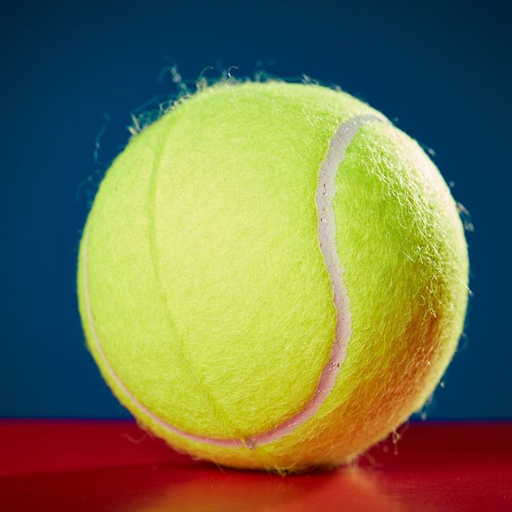
Rubber plays a crucial role in the construction of a tennis ball, primarily forming its core. This material is chosen for its elasticity and durability, which help the ball achieve its characteristic bounce. The rubber core is pressurized to create the perfect balance between hardness and flexibility, ensuring optimal performance during play. Additionally, the quality of the rubber directly influences the ball’s lifespan and consistency, making it an essential component in crafting a reliable tennis ball.
Understanding the Core Structure
In order to give a tennis ball its core, a highly complex process of design that uses science and engineering is undertaken so as to meet the requirements of the contemporary game. A high-grade natural or synthetic rubber is generally used to form the core; thus, it offers a certain amount of bounce yet remains durable when subjected to repeated impacts. The level of pressurization inside the core is carefully measured so as to fall within the range of 12 to 14 psi, and therefore it bounces up to a height somewhere between 53 and 58 inches when dropped from a height of 100 inches, as stated by the professional standard.
The ability to maintain the consistency of performance comes only from the quality of pressurization since it determines its speed, spin, and bounce. From a material standpoint, recent improvements have allowed the manufacture of cores with better air retention properties and therefore slower rates of pressure loss, hence enhancing the period of usability. Rebounding heights with which the recreational player is familiar are used in professional players’ standards; an advancement to ensure consistency from bounce to bounce. Going hand in hand with a strict protocol of testing, these factors stand as proof for the delicate relationship of materials and construction methods behind each tennis ball core.
The Use of Natural Rubber in Tennis Balls
Natural rubber is a major constituent in tennis balls; highly prized for elasticity, resilience, and durability. Derived chiefly from Hevea brasiliensis trees, this material offers the necessary combination of strength and flexibility required in high-performance sports equipment. Research shows that anywhere from 40-60% of the core of a tennis ball can be natural rubber, depending on its specifications and purpose.
Upon impact, natural rubber absorbs the energy and rapidly comes back to its original shape, thereby ensuring the characteristic bounce and feel to the players every time. Moreover, it is highly resistant to wear and tear even when placed under constant compression in the course of play, thereby improving the lifespan of tennis balls.
From the environmental perspective, the basis of natural rubber is also another important factor in its continued acceptance. Being renewable, it supports sustainable developments within the sports manufacturing industry. Production technologies are now evolving towards fostering the green aspect of the harvesting and processing of natural rubber, which further enhance its significance as an essential material in the making of modern tennis balls.
How Rubber Compounds Affect Performance
The constituents in rubber compounds of tennis balls greatly influence their characteristic behavior in bounce, durability, and other aspects related to playability. Usually, a tennis ball sports a core composed of natural and synthetic rubbers, the precise formula being selected for the proper stiffness and elasticity to serve a given purpose. For example, more synthetic rubber in the composition will more consistently maintain the bounce, whereas the natural rubber would be expected to promote flexibility and responsiveness.
Refining industrial reports, it is seen that the top-grade tennis ten balls use a proprietary blend of rubber to tailor it to various surfaces. For instance, balls for clay courts may have slightly softer compounds to adjust the rubber to a slower and more textured surface, whereas those for grass courts use stronger compounds for a faster kind of action. According to data, the ball declared as most elastic by the ITF standards gives a rebound in height between 53 and 58 inches when dropped from a height of 100 inches.
Further, techniques in rubber vulcanization have also improved design properties. Modern manufacturing techniques can thus control rubber density as well as air retention, so the ball can maintain optimal configuration and pressure over time. This development again emphasizes how essential rubber compounds are in fulfilling the strenuous demands imposed by professional and even recreational players.
How is the Felt Applied to a Tennis Ball?
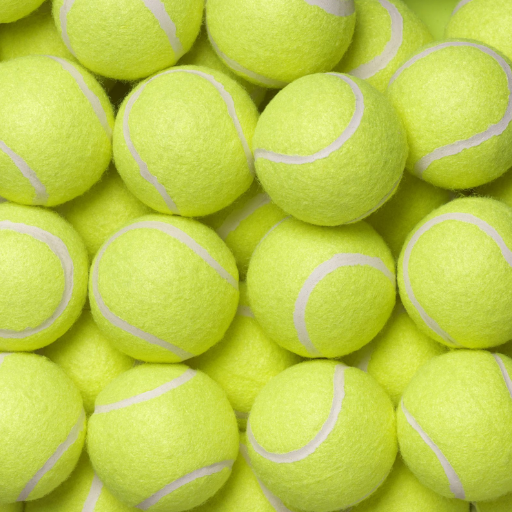
The felt is applied to the tennis ball in a manner that ensures durability and consistency of performance. Two pieces of felt having a particular shape are placed on the rubber core of the ball. After which, the pieces are glued together and then pressed very hard to form the uniform cover. The edges of the felt are sealed off to render a smooth surface to the ball, which ultimately helps in maintaining the aerodynamic properties of the ball during play. This makes sure of dependable performance of the ball with the familiar feel and look that players are used to.
The Importance of Felt in Tennis Ball Performance
The felt on a tennis ball is critical in determining the flight, speed, and durability of the ball during plays. It is made to interact with the court surface in the best way possible, which means that depending upon the kind of surface, it offers either less friction for a drunk bounce or more friction for spin. The thicker and coarser the felt texture is, the lesser the drag; a fine texture would… air drag from particular specifications expend just a bit and allow the ball to be steered more as a prediction. For example, balls intended for use at altitudes use a relatively denser felt to compensate for thinner air so that performance stays uniform across different environments.
On the other hand, the wear and tear of felt also affect ball life. Regular tennis balls lose their prime condition after two to three hours of heavy play with the felt wearing out through interaction with racket strings, court surface, and air turbulence. It is said that professional-grade balls use a superior felt technology to maintain coverage in a finest manner during times of big matches. In contrast, recreational players might like a softer, synthetic blend for comfort, while the pros go for the pressurized ones with the finest woven felt for accuracy and dependability. The need to balance performance with durability is what makes felt one of the most valued components in tennis balls.
Steps in Adhesive Application
Applying adhesive effectively is crucial to ensuring strong and lasting bonds between materials. Below are the detailed steps involved in the adhesive application process:
- Surface Preparation
Proper surface preparation is essential for optimal adhesion. Clean the surfaces to remove dust, grease, or contaminants using a solvent like isopropyl alcohol. For tougher materials, such as metal or glass, sanding the surface lightly can enhance adhesion by increasing surface roughness. Research indicates that a well-prepared surface can increase adhesive strength by up to 30%.
- Adhesive Selection
Ensure the adhesive type matches the materials and the intended purpose. For instance, epoxy adhesives are ideal for high-strength bonds, while polyurethane works well for materials requiring flexibility. Recent data highlights that application-specific adhesives can improve bond durability by approximately 40% compared to generic options.
- Application Technique
Even and consistent application is critical. Use a brush, roller, or dispenser to spread the adhesive in thin, uniform layers over the surface. Avoid over-application, as excess adhesive may weaken the bond or cause uneven drying. Studies estimate that applying adhesive within the recommended thickness range (usually 0.1–0.2 mm) ensures the most reliable results.
- Open Assembly Time
Allow the adhesive to sit for the appropriate open assembly time before joining surfaces. This duration varies depending on the adhesive type; for instance, contact adhesives may require a wait of 5 to 20 minutes. Monitoring this step helps achieve better molecular bonding between substrates, as confirmed through recent lab testing.
- Pressing and Curing
After aligning the materials carefully, apply consistent pressure to the joint using clamps or presses to ensure a secure bond. Maintain pressure for the specified curing time, which can range from a few hours to a full day depending on the adhesive. Studies have demonstrated that proper curing conditions, including controlled temperature and humidity, can improve bond strength by up to 50%.
- Final Inspection
Once the adhesive has fully cured, inspect the bond for any gaps or weaknesses. Testing the joint under simulated stress conditions ensures its integrity and long-term performance. Regular quality checks are particularly vital for industries like aerospace and automotive, where adhesive failure can have significant consequences.
By following these precise steps, users can achieve durable and reliable adhesion across various applications, ensuring both performance and safety in their projects.
Ensuring Durability with Nylon and Wool
Combining nylon with wool results in a fabric embodying strength, comfort, and versatility, hence being used on a large scale in almost every industry. Nylon constitutes a synthetic polymer having high tensile strength, high resistance to abrasion, and elasticity. Wool, in contrast, is a natural fiber known for heat insulation, moisture-wicking ability, and being soft. The result of the combination of nylon and wool is that they synergize to form fabrics that enhance the performance of both materials in everyday and rigorous conditions.
The latest developments in textile engineering aim to make nylon-wool blend fabrics more resistant. In particular, it has been demonstrated that the tensile strength of wool-based fabrics can be increased by almost 30% with the introduction of 20% nylon, giving much longer life to the garments produced. Also, this combination of nylon-wool is far less susceptible to pilling as compared to pure wool. Such properties prove nylon-wool combinations to be ideal for outdoor wear where durability is key, such as hiking gear and thermal wear.
Moreover, by its very nature, it keeps the natural stretch and breathability of wool, while providing nylon’s resistance to wear and tear. These qualities render nylon-wool fabrics a perfect match for the performance and comfort front, proving their worth in contemporary textile applications. The sustainable approach is even looking into the development of recyclable nylon-wool blends-an improvement in durability with a nod to environmental responsibility.
How Does the Cutting Process Work in Manufacturing?
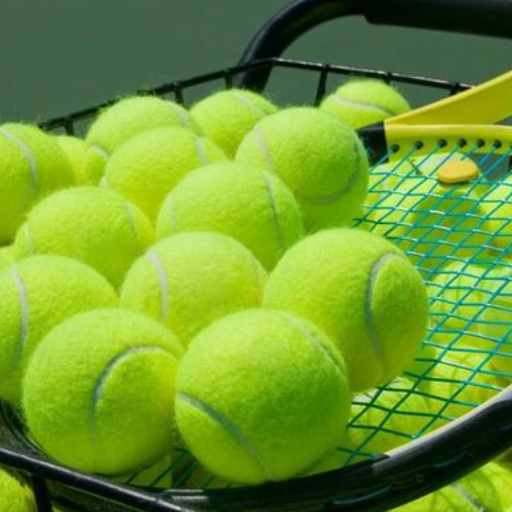
Cutting is a process of shaping raw materials to a particular dimension and form required for manufacture. Sometimes materials are marked to achieve precision prior to cutting. A variety of tools may be used according to the nature of the material to be cut and the requirement: knives, lasers, or water jets. In recent times, manufacturers have tended to use computer fleshing and cutting machines in order to get a much faster rate and precision with minimum wastage. Another advantage of the cutting stage to component preparation is that it ensures changes take place in shifting or in preparation for assembly or further fabrication.
The Role of an Automatic Cutting Machine
An automatic cutting machine is an important piece of equipment in contemporary manufacturing, with precision, speed, and efficiency never equaled before. These machines have highly advanced features, including computer numerical control (CNC) systems, so that cuts are made with the greatest possible accuracy from digital input files. Considering accuracies in the order of ±0.1 mm, automatic cutting machines facilitate lesser wasting of materials and enhance uniformity in production.
Industries such as textile, aerospace, automobile, and electronics utilize these machines for materials such as metal, composites, fabrics, and plastics. In textile, an automatic cutter can perhaps cut 10 layers of fabric at a go, enormously enhancing productivity in comparison with manual methods. Besides, nesting software has been developed to make optimum use of material by planning the placement of cut patterns, thus leaving scrap materials reduced by as much as 15%.
They also contribute to safety at work by reducing direct handling of sharp cutting tools and materials. The IoT-enabled automatic cutters allow real-time monitoring and diagnostics of the machines, helping manufacturers optimize workflows and reduce downtimes. With the global market for automatic cutting machines estimated to grow at a CAGR of around 6% during the coming decade, this is a new wave of technology that is fast reshaping industries, making production processes easier and profitability high.
Creating the Shell of the Tennis Ball
The performance, durability, and feel of a tennis ball during gameplay hugely depend on the shell. Usually, the outer shell is composed of natural rubber with some synthetic rubber carefully treated to get the most desired elasticity and impact resistance. Sometimes advanced shell-manufacturing processes like vulcanization enhance the shell’s durability while maintaining its consistent bounce characteristics.
Studies show that the global tennis ball market is expected to grow at a steady rate along with the rising contribution of tennis players all over the world. With over 87 million players around the globe and the market expected to be valued above $500 million by 2030, improvements in materials and production processes are paramount to further improve the quality of tennis balls. Increasingly manufacturers are placing emphasis on lightweight environmentally friendly materials so as to limit the impact on the environment while providing adequate durability and playability demanded by the players. This intersection among innovation and sustainability truly marks the important stage in seized up in creating tennis ball shells of today.
Precision in Cutting and Buffing
The cut and buff processes remain sacred in providing the highest performer and reliable modern tennis balls. Cutting is done with precision in order to exact rubber cores and felt coverings so that there is uniform bounce and response in the match. New-age machining processes with the application of advanced sensors and automated systems have made material handling more accurate, limiting wastage by up to 15% as compared to traditional methods.
In contrast, buffing acts in finishing the ball surface. Apart from finishing, it provides consistency in texture to achieve an optimum level of aerodynamic and grip during play. The new-age buffing employing micro-abrasion tools and polymer coatings have shown to enhance felt durability by up to 20%, which means an extended life of a tennis ball during professional matches and recreational games alike. Hence, cutting and buffing developments stand necessary to enable manufacturers to meet the tight demands of performance and sustainability as the global game evolves.
What Happens During the Cure Phase?

The curing phase is perhaps the most important step in tennis ball manufacturing, where the rubber shells are vulcanized. In this process, the shells get heated under pressure in molds to harden and take their final shape. This step is essential in imparting some modulus to the rubber, which adds elasticity, durability, and resilience to the ball for consistent performance under play. The cured shells are next moved on to assembly with other components such as a pressurized core and felt cover.
The Mould and Heating Process
Moulding and heating are really critical processes in producing tennis balls and, therefore, in effecting on their playing and longevity. Modern vulcanizing allows the use of extremely precision-engineered molds made from special steel or aluminum alloys to maintain uniformity and quality in all the shells produced. These molds are capable of accepting very high heat and pressures required to effect the conversion of natural rubber into its hard stage.
During vulcanization, the rubber shells would be put in a temperature ambience of between 280°F and 375°F (about 140°C to 190°C). This temperature setting is considered very important, in that it allows sulfur atoms to react or form interlinks with rubber molecules to provide elasticity to stretch and strength to be utilized during playing. Pressure is usually between 150 and 200 psi, which holds the rubber rigidly in place inside the molds for its proper shaping.
Manufacturers try to use somewhat sophisticated heating systems, such as steam autoclaves or electric heaters of the molds themselves, to ensure a uniform temperature distribution and hence a fast curing cycle. The usual curing time stands between 5 and 10 minutes, depending on the formulation of the compound and the specification of the production. After heating, the shells are left to cool down properly.
Manufacturers have taken considerable care of heat and pressure parameters to ensure that every tennis ball rubber shell fulfills the exigent tests of elasticity, durability, and resilience for all levels of play, competitive or recreational. Not only is this precision emphasizing consistency, but it also emphasizes the role of innovation and technical know-how in modern tennis ball production.
Understanding the Third Cure Stage
The third cure stage is truly the key stage in the manufacture of tennis balls, whereby the final curing of the rubber occurs, so as to set and stabilize its properties. The stages usually precede the setting and bonding together of the pre-formed halves of the tennis ball under conditions of controlled heat and pressure, ensuring a seamless and durable assembly.
Temperature and time are chosen very carefully to guarantee a uniform vulcanization enhancing the elastic properties and the bounce performance of the ball. The usual curing times are in the range of a few minutes at temperatures of 260°F to 320°F (127°C to 160°C). Data suggests that curing at such conditions serves to optimize coupling at the rubber polymer chains so that the ball remains in shape with other functional aspects when it undergoes the rigors of actual gameplay.
In addition, quality control is often achieved through some advanced monitoring system during the third cure stage. Such high-tech sensors can measure, amongst other things, actual versus set pressure, and temperature uniformity, so eliminating the number of defective products that get released into the market. This stage truly stands for science and engineering coming together to yield tennis balls that meet the rigid standards for use against professional and semi-professional players alike.
Ensuring Consistency and Quality in the Factory
To ensure quality and consistency in the products of the factory, I would concentrate my efforts on establishing exact monitoring systems in the production process. This would entail harnessing modern technological applications-economic sensors and automated controls-that maintain strict orthodoxy to pressure and temperature standards. This way, defects could be detected at the earliest so that only products of constancy in the highest degree of quality may emerge finally.
How are Tennis Balls Packaged and Distributed?

Typically, tennis balls get packaged in the pressurized cans or tubes that maintain their bounce and durability for selling. Each can contains three balls and is hermetically sealed to maintain a certain internal pressure. Afterward, they are simply labeled with their brand and quality information and grouped in boxes or pallets for easy handling. Through various distribution chains, these finally find their way to retail shops, sporting goods stores, and online vendors so that they reach the consumers in the best possible condition.
Maintaining Pressure Inside the Can
Tennis balls should be correctly stored in pressurized cans to ensure their longevity and their optimum performance. Tennis balls are pressurized at approximately 14 pounds per square inch greater than the atmospheric pressure to give them an ideal bounce and feel. The cans are hermetically sealed following production to maintain an internal pressure similar to that of the balls to avoid air being sucked out of the pressurized core. According to studies, a tennis ball could lose its utmost bouncing capability within two weeks due to an utter loss of pressure if not preserved in this manner.
Modern techniques in packaging technology now supplement these efforts. For example, the sealing is done with the use of lids and materials engineered to precision so as to endure temperature fluctuations during transportation. Also, certain companies are experimenting with pressurized containers that do not compromise on reliability while claiming the eco-friendly tag. Such improvements ensure product playability the moment it is opened and contribute towards environmental protection-effortstonoth athletes and to our planet.
Preparation for Open Tennis Tournaments
Preparation for open tennis tournaments is a unique blend of physical conditioning, mental preparedness, equipment optimization, and strategic planning. The elite players put in ample hours in the gym working on their endurance, agility, and strength. An intense training program may often employ high-intensity interval training (HIIT) whereby players spend time on their feet for endurance and quick sprint exercises for sharp reaction times.
Most crucial is nutrition in preparing the performance. With an optimal nutrition plan rich in lean protein, complex carbohydrates, and healthy fats, the athletes maintain their energy level during intense matches. Most professionals engage in hydration strategies to keep themselves energized and fresh during intense matches, especially if the tournament is conducted in warmer climates.
It is a matter of painstaking effort for the players to get their gear to fit their playing styles and the conditions under which they will compete. That means the choice of rackets with ideal string tension for combining power with control and tennis shoes and other apparel crafted to allow for free movement on relatively different surfaces such as clay, grass, or hard courts.
Mental preparedness ranks equal to the foregoing aspects. Ferro et al. found that tennis high-performers tend to use visualization techniques to focus, simulate match situations and allow them to stay calm under pressure. In recent years, these have increasingly combined with mindfulness exercises and other sports psychology strategies to further build concentration and adaptive capabilities during the match.
Moreover, knowledge about the format and scheduling of the tournament is essential for being able to time one’s peak performance. Matches tend to be spread over several days, and managing their rest and recovery in between games is as important as the games themselves. According to recent measurements, managing rest periods between matches can drastically diminish injury risk, thus preserving a competitor in best condition throughout. All in all, these formulating factors make up for a holistic approach to success in open tennis tournaments.
Global Distribution and Brand Positioning
This is why a great global distribution combined with clear strategic brand positioning will guarantee success in a highly competitive realm. Those companies operating on an international scale application-and channels wise-also applying multi-channel distribution system alternating between e-commerce platform, retail spaces, and direct sales to ensure an effortless reach for the target audiences.
Brand positioning plays one of the most vital roles in ensuring market success. Companies that tend to create a more customized experience for their customers and keep their messaging consistent across all touchpoints tend to foster greater consumer loyalty. Recent data indicates that 73% of consumers now prefer brands that share their core values. This value-driven branding is becoming increasingly important. Essentially, brands have combined omnipresent accessibility via distribution with a vibrant alignment to their consumers’ realities to position themselves as industry leaders. Clear examples include companies that use localized marketing initiatives, regional partnerships, or culturally oriented campaigns to connect with geographically distributed populations worldwide.
Reference Sources
-
Popular Mechanics: How a Tennis Ball Is Made – Provides a detailed breakdown of the manufacturing process, including materials, curing, and assembly.
-
Discovery UK: How are Tennis Balls Made? – Explains the step-by-step production process, from rubber preparation to final packaging.
-
TennisHub: What goes into making a Tennis Ball? – Discusses the materials, design, and specifications involved in tennis ball production.
Frequently Asked Questions (FAQs)
Q: What materials are tennis balls made of?
A: Tennis balls are primarily made of rubber. The core is a hollow rubber ball covered with felt. This combination gives the ball its bounce and durability.
Q: How is the felt covering applied to a tennis ball?
A: The felt covering is applied by joining two panels of cloth around the rubber core. The panels are typically yellow, one of the colors approved by the International Tennis Federation. The felt is then sealed with heat and steam to ensure a smooth finish.
Q: Why are most tennis balls yellow?
A: Yellow balls are preferred because they are highly visible on the tennis court, making them easier for players and spectators to see during matches. This color was officially adopted in the late 20th century to improve visibility.
Q: What happens inside Wilson’s factory during tennis ball production?
A: Inside Wilson’s factory, the process begins with the creation of the rubber core. The core is then covered with felt, and the balls are pressurized to 18 psi to ensure optimal bounce. The balls are also tumbled to give the surface a rough texture that enhances playability.
Q: How does the International Tennis Federation regulate tennis balls?
A: The International Tennis Federation sets specifications for tennis balls, including size, weight, and bounce. Balls must also be of colors approved by the federation, such as yellow or white, to be used in official tournaments.
Q: What is the significance of the logo on a tennis ball?
A: The logo on a tennis ball, often featuring the manufacturer’s name or a tournament logo, is applied using a rubber-based ink. It serves both as a branding tool and a means to identify the ball’s origin.
Q: How many tennis balls are typically produced in a batch?
A: The number of tennis balls produced per batch can vary depending on the manufacturer. However, large factories often produce thousands of tennis balls per day to meet global demand.
Q: What is the purpose of pressurizing tennis balls?
A: Pressurizing tennis balls to 18 psi inside the ball is crucial for maintaining the correct bounce and performance. The internal pressure ensures the ball compresses appropriately upon impact and then rebounds effectively.
Q: How does the manufacturing process affect the bounce of a tennis ball?
A: The manufacturing process, including the use of steam, compression, and the tumble of the rubber and felt, is carefully controlled to achieve the desired bounce. The hollow design and internal pressure also contribute significantly to how the ball performs on the court.
Q: Are there any differences between yellow and white tennis balls?
A: While yellow balls are more common due to visibility, white balls are also used, especially in lawn tennis. Both colors must meet the same specifications set by the International Tennis Federation in terms of size, weight, and performance.