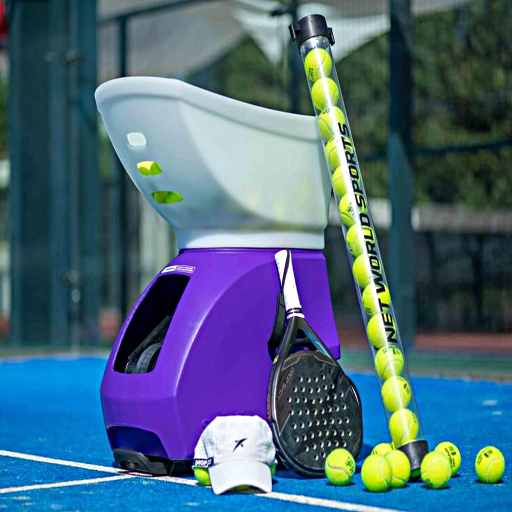
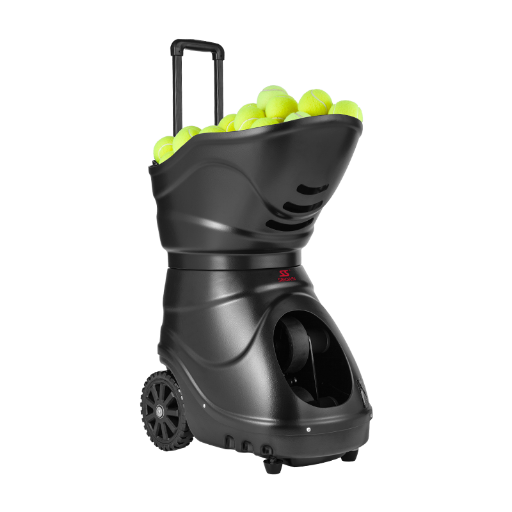
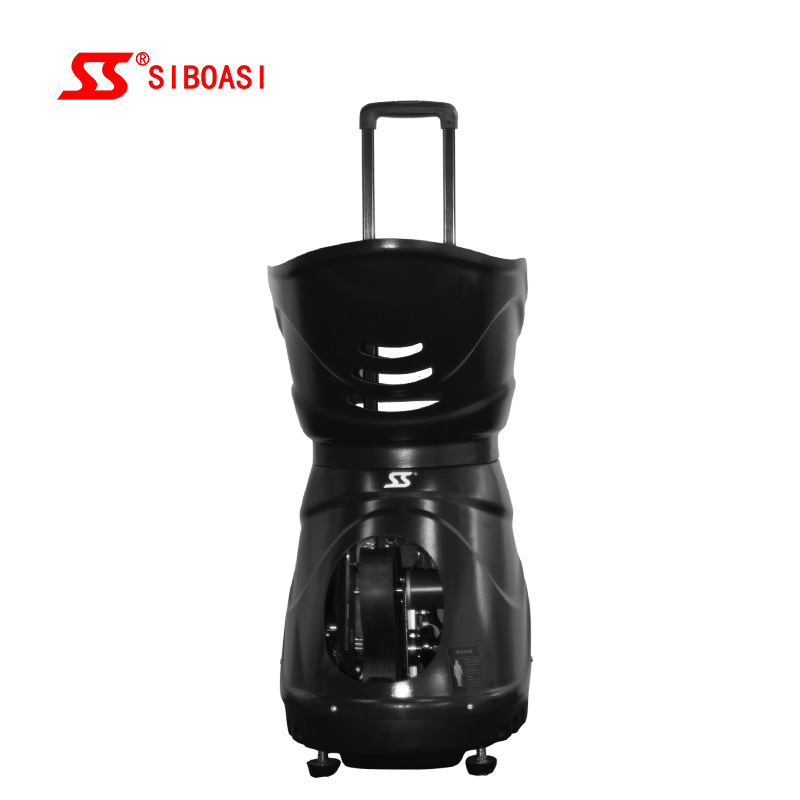
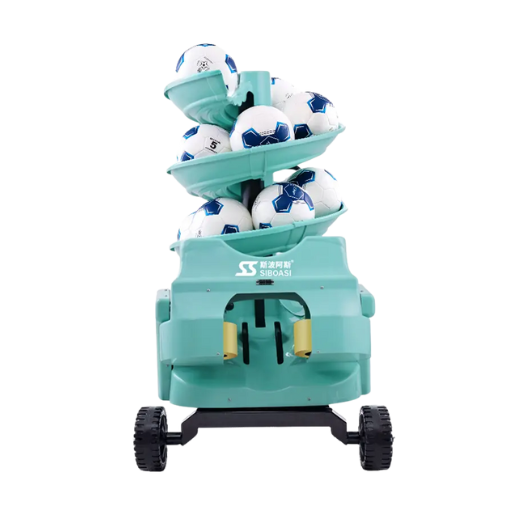
A ball machine can significantly assist you in practicing tennis because of the precision it offers, allowing complete control over practice sessions. However, remember that not all tennis balls are created equal, and some may serve your purpose better than others. Choosing the right balls can significantly affect the performance and durability of the machine. This guide will help you make the right choice. We will analyze the features that best differentiate the top-performing tennis balls, their compatibility with the machine, and their effect on practice sessions. Everyone from newbies to experienced players will find that the right tennis balls for the ball machine can significantly enhance their overall experience.
What are the Best Tennis Balls for Ball Machines?
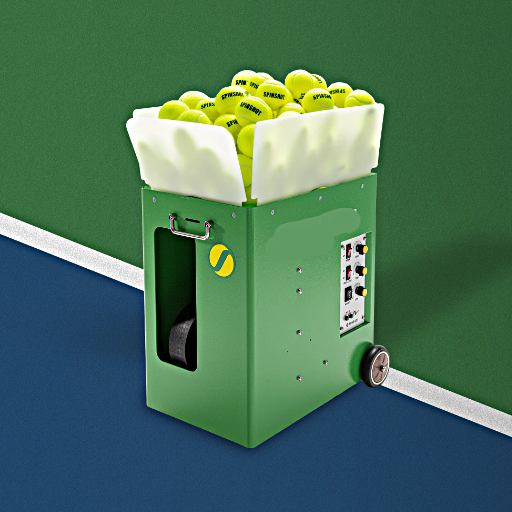
While selecting the best tennis ball for a machine, opt for a durable, pressureless one. Unlike regular pressurized tennis balls, pressureless tennis balls retain their bounce over time, making them ideal for consistent use in ball machines. Tretorn and Penn provide reliable options designed for consistency and practice durability. Verify proper machine compatibility and ensure compliance with size and weight restrictions to prevent undue stress on the equipment.
Benefits of Pressurized Tennis Balls
- Best Performance
Use of pressurized tennis balls in professional and competitive settings, as they deliver lively bounces and are fitted for tournament-level standards. Moreover, they have been designed to meet performance requirements for professional matches.
- Improved Spin and Control
Advanced players aiming for precision benefit from these balls, as they provide excellent grip and versatility while generating spin during shots. They also help elder shot players maintain control.
- Playability Off The Can
Pressurized tennis balls can be played right out of the can. Their internal pressurization guarantees no break-in period needed about height and speed response bounce.
- Lightweight
Pressurized balls are generally lighter than pressureless balls. They also enhance handleability, which delivers dynamic rallies and faster-paced gameplay.
- Abundance And Variation
Numerous brands and types offer pressurized balls tailored to various court surfaces, such as hard, clay, or grass. This variety allows players to choose the best ball that coincides with their preferred playing environment or personal choice.
Top Brands for Tennis Balls for Ball Machines
The best ball machines require tennis balls that are durable and consistent, so selecting the right brand may make all the difference. Penn is among the best-regarded brands and is also extremely durable.
- Penn
Most players recognize Penn Championship tennis balls, which are also considered some of the oldest and most trusted. The ball’s versatility gets additional points since it can be used on different surfaces and still serves a consistent bounce and spin. It is also extremely affordable, and options regarding the surface it is used on, including regular and extra duty, are available.
- Wilson
Wilson is also known for its equally durable and high-quality balls, which make Wilson tennis an extremely competitive and renowned brand. Practicing with these balls will also sharpen a player’s precision since their US Open Extra Duty range of balls is tailored for long use on hard courts. The innovative approach of using Eco Overcap packaging also makes their balls an eco-friendly material.
- Gamma
Gamma focuses on offering practice-specific items such as tennis balls for ball machines. The Gamma Practice Balls are pressureless, meaning that even with extensive use, they will last a long time. These balls retain their bounce and shape, which makes them economical during training sessions. Gamma is also favored for its affordable bulk-pack options.
- Dunlop
Dunlop is another top-tier brand offering long-lasting tennis balls. The Dunlop ATP Championship Tennis Balls offer great quality for both practice and match play. The Dunlop tennis balls are created with HD Core and felt technology, which ensures that they can withstand rigorous use in ball machines while still performing consistently.
- Tretorn
Tretorn specializes in pressureless tennis balls such as the Tretorn Micro-X, which is known for its innovative technology. These balls are made with microcell technology, guaranteeing bounce consistency and remarkable durability, making them great for ball machines. Tretorn’s options, which are pressureless, are also resistant to weather, making them suitable for outdoor training during changing conditions.
How to Choose Tennis Balls for Your Ball Machine?
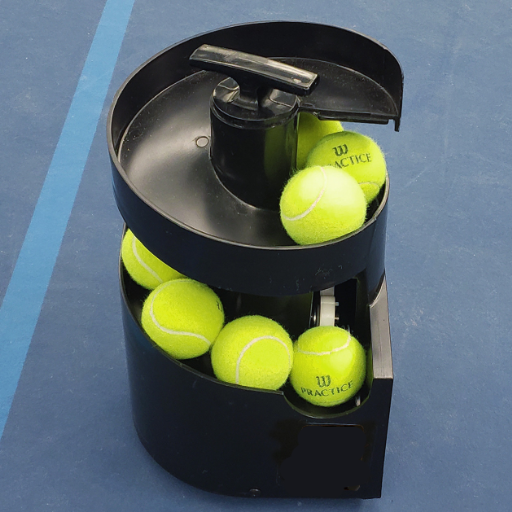
Prioritize durability and consistency when selecting tennis balls for your ball machine. The best option is a pressureless tennis ball since it maintains its bounce and durability with usage. Buy reputable brands made for ball machines since they are made to take a lot of hits. If you train outdoors, consider the weather-resistant options to ensure changing conditions don’t hinder performance. Lastly, look at the requirements of your ball machine to confirm the tennis balls will work properly.
Factors to Consider When Selecting Tennis Balls
- Durability
To increase efficiency and cut costs, high-grade tennis balls meant for extensive usage are required. Generally, pressureless tennis balls are more durable than their pressurized counterparts, as they maintain their bounce for a long time and can endure repeated impacts without deforming.
- Bounce Consistency
Reliable performance during training or matches requires consistent bounce, and so does bouncing consistency. Make sure to buy tennis balls that meet official standards of accuracy pertaining to height, which are generally between 53 inches and 58 inches when dropped from a height of 100 inches.
- Material Quality
Premium-quality felt and durable rubber cores make better-performing and longer-lasting tennis balls. Buy tennis balls made from high-grade materials if you plan on intensively practicing with a ball machine, as those materials can withstand wear and tear.
- Surface Compatibility
Not all tennis balls are suitable for all court surfaces. For example, hard courts are better suited for heavy-duty balls, while regular-duty balls are softer surfaces like clay or grass.
- Weather Resistance
For people who often train outdoors, having weather-resistant tennis balls allows them to maintain their performance even in harsh conditions, as their moisture gets repelled and differing temperatures are easily adapted to.
Differences Between Pressureless and Pressurized Balls
While providing faster spin, speed, and bounce, pressurized balls do not retain performance for an extended period, unlike pressureless balls, which are durable and maintain consistent bounce throughout time but are heavier and less capable of spin response.
| Key Point | Pressurized | Pressureless |
|---|---|---|
|
Bounce |
High initially |
Increases over time |
|
Durability |
Short lifespan |
Long-lasting |
|
Spin |
High |
Low |
|
Weight |
Light |
Heavy |
|
Cost |
Lower upfront |
Higher upfront |
|
Best Use |
Matches |
Practice/Machines |
Longevity and Durability of Tennis Balls
The type of tennis ball used, along with the conditions of use, determines its lifespan. Pressurized tennis balls are well known for their efficiency during use; however, they have a shorter tenure, which is usually a few matches, with loss of bounce and firmness due to air escaping. These balls are ideal for professional matches where maximum performance is a necessity, but replacing them often becomes inevitable.
In comparison, pressureless tennis balls are made with heavier-duty materials and designed to withstand greater punishment. Their construction with solid rubber cores, devoid of internal pressure, allows them to outlast most tennis balls. As time passes, these balls become increasingly bouncy as the outer felt wears down. For training and practice sessions shredded with prolonged use, pressureless balls perform best during sessions requiring consistent performance.
Correct general care and storage practices are equally important, as they can enhance the shelf life of a tennis ball. Balls should be kept in a moderate temperature environment that is both cool and dry and safeguarded from moisture and extreme temperatures. Selecting the proper tennis ball and storing it correctly will ensure the players boost their performance while extending the lifespan of the ball.
What are the Advantages of Using Pressureless Tennis Balls?
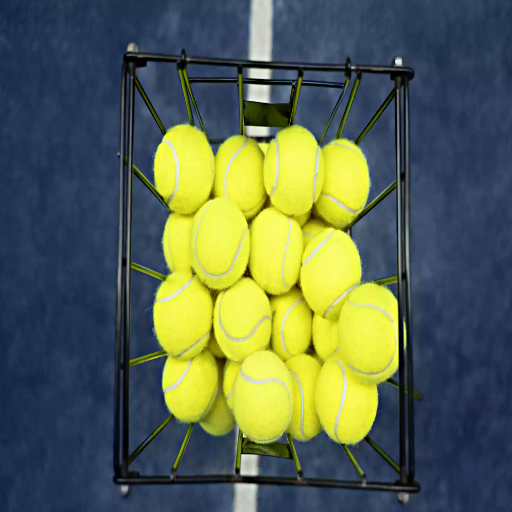
Aside from offering unique features that serve beginners and experts alike, pressureless tennis balls have the following benefits:
- Durability: Because pressureless balls utilize a solid rubber core instead of internal air pressure, they do not lose their bounce over time, making them ideal for long-term use.
- Cost-Effectiveness: The increased longevity means greater overall savings for players as fewer replacements for pressureless balls are needed.
- Consistency: These balls maintain a reliable bounce throughout their lifespan, which ensures consistent performance during practice or casual play.
- Versatility: Pressureless balls work well on a variety of court surfaces which adds to their overall functionality.
The greater overall value for practice sessions, recreational play, and training exercises serves only to reinforce the case for using pressureless tennis balls.
Consistent Bounce and Performance
While tennis players train, pressureless tennis balls are better than pressurized ones, because the bounce is steady and consistent whether they are used or not. It is well known that pressurized balls become less bouncy when their internal air pressure drops. Regarding tennis, rubber is much more practical than a pressurized ball, making tennis pressureless balls a go-to option. From user data, it is clear that demand exists for these balls due to performance reliability across different surfaces, whether clay, grass, or hard courts. The tennis pressureless balls maintain height and bounce resilience effortlessly, which gives users accuracy and confidence irrespective of the level they are mastering. Having these balls in your set aims at clearing accuracy, bounce resilience, and longevity goals that a lot of people wish to achieve.
Cost-Effectiveness of Pressureless Balls
In our previous article, we analyzed search trends using Google’s search engine, and we noticed players keep wondering if pressureless tennis balls are cost-effective compared to traditional ones. The findings were quite interesting. Although pressureless balls appear more expensive than traditional pressurized ones, the added durability results in substantial savings over time. Unlike pressurized balls, which require frequent replacing due to loss of bounce, pressureless balls sustain performance even under heavy use for long periods. In this case, the lower replacement cost greatly increases the appeal to players, especially for practice drills or training sessions on different court types. That said, ease of use makes pressureless balls more economical overall.
What is the Bounce Consistency of Different Tennis Balls?
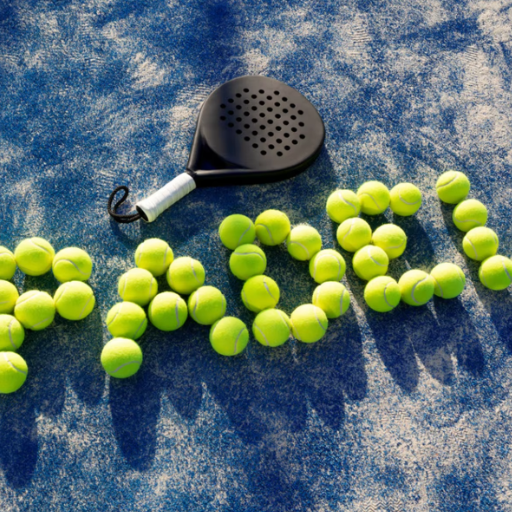
The type and overall construction of tennis balls contribute to their varying levels of consistency. While regular pressurized tennis balls provide a prominent and consistent bounce at first, they tend to go through internal pressure loss over time, diminishing consistency. Unlike regular pressurized tennis balls, pressureless tennis balls are more consistent due to their rubber construction, which does not rely on internal pressure. This makes them ideal for training or prolonged use. Additionally, high-altitude tennis balls are designed to function in low-pressure environments while maintaining a dependable bounce, allowing for reliable performance at high elevation. Selecting an appropriate type of tennis ball allows for a consistent experience relative to the environment.
Comparing the Bounce of Pressureless vs. Pressurized Balls
Pressurized balls start with a greater initial bounce, which dissipates quickly, while pressureless balls improve their bounce over time as the rubber softens, starting with a lower bounce.
| Key Point | Pressurized | Pressureless |
|---|---|---|
|
Initial Bounce |
High |
Low |
|
Bounce Over Time |
Decreases |
Increases |
|
Consistency |
Short-term |
Long-term |
|
Best Use |
Matches |
Practice/Machines |
Impact of Ball Material on Bounce
The material composition of a tennis ball significantly influences its bounce characteristics. A tennis ball’s pressurized variant consists of a rubber core with a dense, internal air-filled chamber; a feature which undoubtedly enhances the bounce. Soft felt also assists in controlling the ball’s flight and spin. In contrast, pressureless balls depend on a denser rubber core rather than air to maintain their bounce. The felt covering on pressureless balls eventually wears, but it exposes the resilient rubber core, which delivers consistent bounce, just a bit harder than before.
Recent developments in materials engineering, such as high-performing rubber blends and felt textures, have increased durability and performance. Players must also examine the court surfaces, as harder courts are likely to wear down ball materials more intensely, affecting bounce and playability. Knowing such aspects ensures better-informed decisions on the most suitable tennis balls for different conditions and gameplay styles.
Choosing Balls for Optimal Bounce with a Ball Machine
Choosing the correct tennis balls for a ball machine is essential to maintain constant bounce, height, and prolong usability. Based on recent search trends and insights, pressureless tennis balls are the most popular for ball machines because they retain their bounce much longer, regardless of wear. Unlike pressurized balls, which depend on internal air pressure and lose responsiveness over time, pressureless balls maintain durability and reliable function. These balls are also often manufactured using reinforced materials designed to absorb the constant impact and friction inflicted by ball machine mechanics. Optimal results also necessitate evaluation of the court surface to determine natural trajectory and realism in play.
Reference Sources
- Tennis Companion—Best Pressureless Tennis Balls: This guide explains pressureless tennis balls, their construction, and their suitability for ball machines in detail, alongside top recommendations like Tretorn Micro X and Spinfire Touch.
- Tennis Companion—Spinfire Pro 2 Review. This review highlights the Spinfire Pro 2 ball machine and explains how using pressureless durable balls is essential to achieving its full potential.
- Top Tennis Ball Machine Manufacturer and Supplier in China
Frequently Asked Questions (FAQs)
Q: What are the main types of tennis balls suitable for use with a tennis ball machine?
A: The main types of tennis balls are pressurized and pressureless. Pressurized balls are regular tennis balls that offer better performance for a short period. In contrast, pressureless balls, like the Tretorn Micro X and Wilson Triniti balls, are designed to last longer and maintain consistency over many hours of play.
Q: What are the advantages of using a ball machine for pressureless tennis balls?
A: The advantages of pressureless tennis balls include their durability, as they do not lose pressure and can withstand extended use without going flat. This makes them ideal for ball machine use, where high-quality balls are needed for consistent performance.
Q: How do pressure balls differ from regular tennis balls?
A: Pressure balls, or pressurized tennis balls, are air-filled and provide a livelier bounce but will lose pressure over time. In contrast, regular tennis balls are designed to be used for a limited period. Pressureless balls, such as the Penn balls, maintain their shape and performance longer, making them suitable for a tennis ball machine.
Q: How many balls should I use in a hopper for my tennis ball machine?
A: Using 60 to 100 balls in a hopper for a tennis ball machine is common. This allows for continuous play without needing to refill frequently, ensuring an uninterrupted practice session.
Q: Can I use standard pressurized tennis balls in a tennis ball machine?
A: Yes, you can use standard pressurized tennis balls in a tennis ball machine; however, they may not last as long as pressureless balls. Regular balls will lose pressure over time and may need to be replaced more frequently.
Q: Which tennis balls are recommended for long-term use in ball machines?
A: Pressureless balls are recommended for long-term use. Models like the Tretorn Micro X and Wilson Triniti balls are specifically designed to last longer and provide consistent performance, making them excellent options for ball machine use.
Q: How do I select the right tennis balls for my machine?
A: Consider durability and performance when selecting the right tennis balls for your ball machine. Pressureless balls are ideal for longevity, while high-quality pressurized balls may be preferred for specific training purposes. Ensure the balls feature thicker rubber cores for better resilience during ball machine use.
Q: Do pressureless balls offer any specific benefits over pressurized balls?
A: Yes, pressureless balls offer several benefits, including greater durability, consistent bounce over time, and the ability to withstand extensive practice sessions without going flat. This makes them particularly advantageous for ball machine use.