Understanding String Tension and Its Importance
Impact on Player Performance
String tension directly influences the game of a player through power, control, and comfort. Lower string tensions usually yield more power, for the strings here possess greater elasticity and greater trampoling effect on impact. It might work well on aggressive groundstokes. The trade-off is usually reduced control, due to the extra flexibility of the strings, making accuracy hard.
Increasing the tension in strings, on the other hand, gives more control by limiting the string-movement and forming a more solid string bed. Again, this allows a player to put her particular shots in the right places. Such control can hardly be overlooked by advanced players who plate with increasing speed or spin. Now, higher tension provides the friction for better control, yet the extra stress could take that howling out of the shots. Vice versa of the above-written properties is about losing the power, whereby the gentlest shot requires a notable effort to be produced, most possibly, at the cost of repetitive arm discomfort or fatigue.
Optimal performance and injury prevention require a good balance between string tension. To this effect, a player’s tension should be chosen based on his or her style of play, skill level, and physical fitness, hence a beginner might benefit from lower tension for easier power while advanced players might opt for higher tension for improved control. Professional restringing or experimenting with different tensions will offer some insight into discovering the most suitable setup for the player.
Role in Racquet Feel and Control
String tension, playing a severe role in the racquet’s feel and control, either allows one to gain more feel for the racquet, whereas the other would not help at all in that regard. For string tension with higher ends come better control as the strings will give in lesser due to deformation upon impact; giving players a more precise shot placement. It is this type of string setup that is geared more towards the advanced player seeking accuracy and strong, consistent shots.
Any low-tension setup is more geared towards the power and comfort of the racquet. The looser strings provide a springboard effect in the racquet bed, which helps the player get more depth on those shots with less effort. This is an area that helps the beginner or player with arm fatigue or arm strain as the setup enables players to absorb more shock from the ball.
The best string tension is dependent on personal inclination, playing style and physical condition. Experimentation and assistance from stringing professionals will help tennis players to determine the best tension level for feel with control, comfort, and improve their level of playing on the court.
Injury Prevention Through Proper Tension
String tension for the racket is a very important factor in tennis in preventing injuries. Another of the lesser-known advantages is the reduction of stress more in the wrist, arm, and shoulder since a lesser elastic potential energy is generated from the moment of impact and vibration transference on the racket. More shock absorption is possible with lower string-tension increase in development, and this could reduce the risk of various afflictions like tennis elbow and other types of repetitive strain injuries.
Running along this possibility of a greater individual tension, different individuals must balance various external factors relevant to their basic physiological structure and resultant tension. Soft tensions can offer comfort and relaxation for the specific set of muscles required during sports, enabling the development of further muscle fatigue or muscle movements in a series of joints. Yet for them that are particularly worried about control and precision, higher tension can give a quiver while also interacting to promote even higher injury risks unless carefully used. Through these individual’s own dispositions and requirements one would have to seek the middle.
It is strongly suggested that you meet a professional stringer or coach when deciding about your string tension levels. They can plan to adjust their advice according to the personal preferences, biomechanics, and habits you follow during the course of play when maximizing their strength-within the safety bounds of performance. Regularly checking tension and maintaining it becomes crucial to performance consistency and reduces potentials of physical abuse in the long run.
Overview of Stringing Machines
Types of Stringing Machines
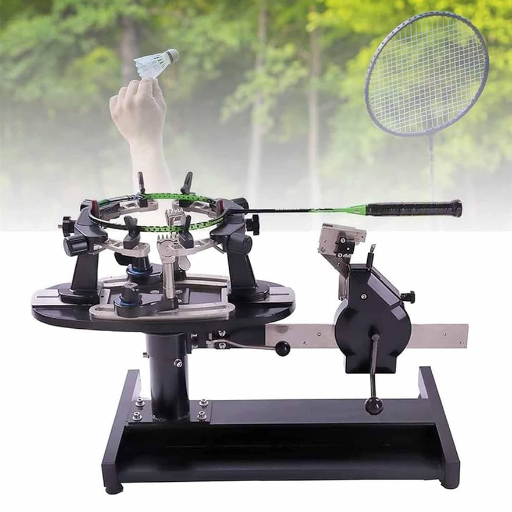
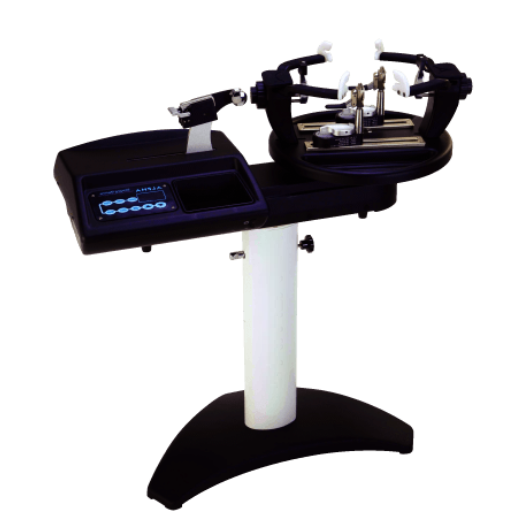
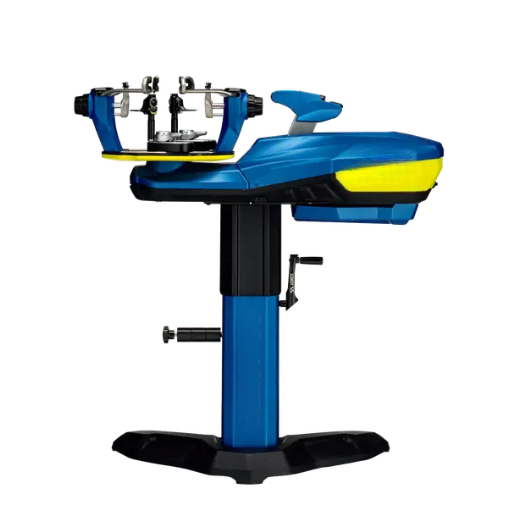
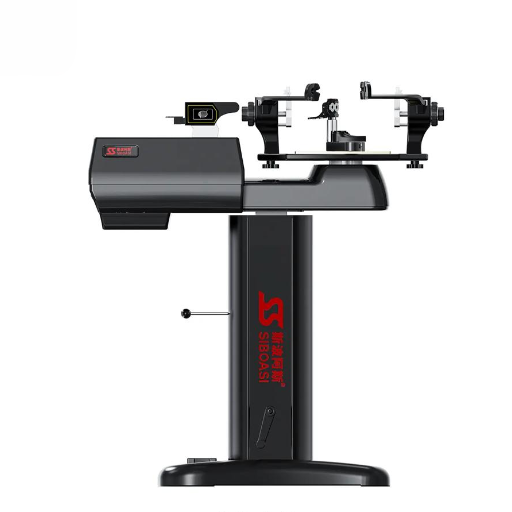
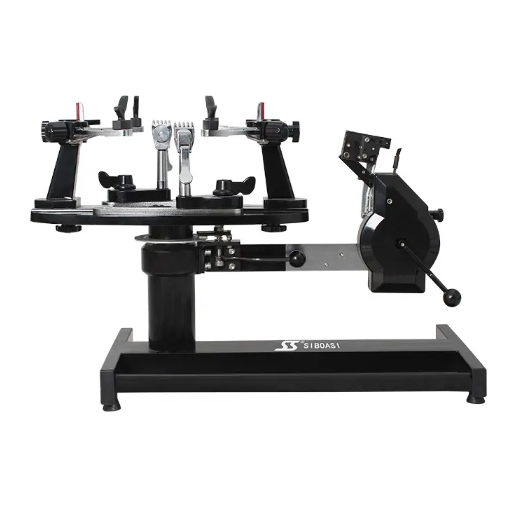
In general, there are three major stringing machine types, according to level of play. They are the drop weight, the crank (manual) and the electronic type stringing machines.
Each machine has its advantages, based on your own individual needs, monetary constraints, as well as your racket stringing proficiency.
Components of a Stringing Machine
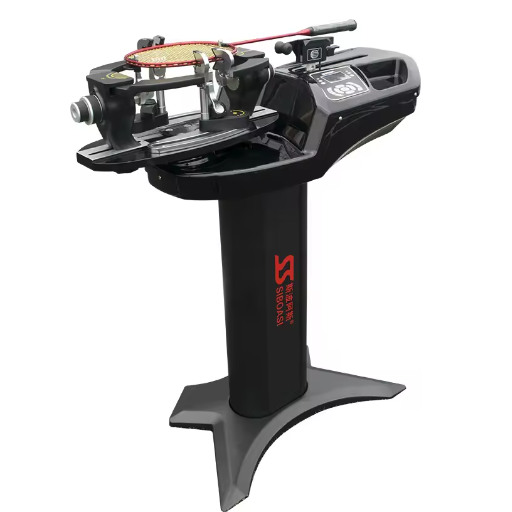
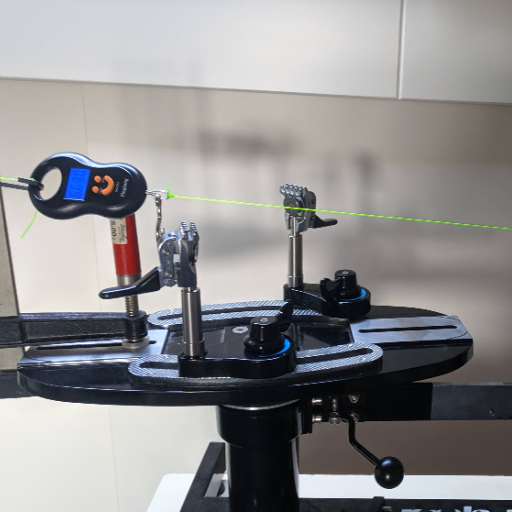
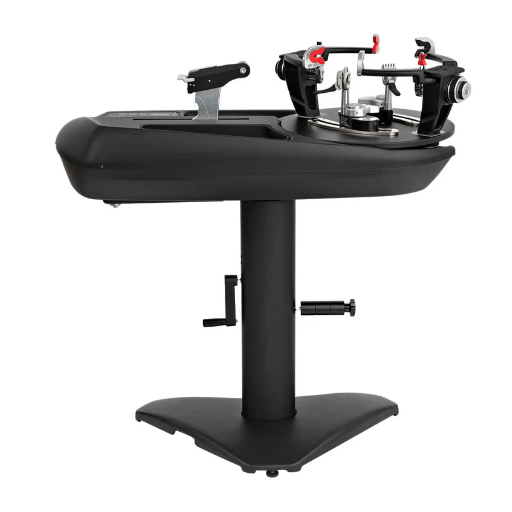
The stringing machine is a collection of different parts; put together, they enable seamless racket stringing. Centrally, the tensioning mechanism puts in place the adequate force on the string; it becomes the backbone of the system and works to ensure consistent tension across all strings, allowing for an enhanced performance of the racket under maximum play.
The second crucial component is the mounting system, which keeps the frame securely in place while the racket is being strung. Its aim is to keep the racket in place without any movement or any frame deformation while it undergoes tensioning of the strings from one side. The majority of mounting systems are fully adjustable so that they can accommodate different shapes and sizes of rackets, thereby ensuring their flexibility and solidity.
In stringing, the clamps are indispensable for holding the strings in a fixed position to resist slippage owing to the tension imposed by the tensioning system. Clamping is essential in creating detailed and durable stringing without causing strain on the player; casual hobby and professional requirements are thus catered for.
Function of the Tension Head
The tension head plays a pivotal role in the stringing operation as it ensure consistent tension levels while the string is been installed. The main goal of this is first to pull and sustain the right level which is necessary to ensure that the string operates properly and economically. Thus, it enables the performance of the string to be directly influenced by the control and power it brings.
This apparatus operates by griping the string and pulling it securely until it has reached the desired tension that was given by the stringer or player. Since it is of utmost importance to achieve this level of precision, it is only normal that if this process is carried out very haphazardly, the racket frame will soon develop problems with varying performance issues. Either an automatic or manual tension head may be employed, both providing different levels of control and precision.
In general, the tension head guarantees similar string tension on all racket surfaces for maximum playing ability with as little premature wear of the strings as possible. The tension head gives good precision and consistency and is very important in meeting the demands of all amateur and professional-level players.
Methods to Test Tension Accuracy
DIY Testing Techniques
You can measure the string tension using the “ping test.” In this method, the player plucks a string and listens closely to the sound it gives off. The louder the sound, the greater the tension, and the lower the pitch, the lower the tension. A comparison between this sound and the sound from a racket of known tension serves to provide a rough estimate. Although not exact, this is a short test and can be performed without the necessity of sophisticated equipment.
Another technique, one of those listed among string tension measuring tasks, involves the use of a small ruler or, better still, scale to determine the amount of deflection on string. The theory behind the measurement is probably given by the bending of the string under a constant pressure and the magnitude of the force provides an estimate of the string tension. Make sure the pressure during the test is constant for more accurate results. This method also clearly distinguishes whether tension is equitably stretched across the frame.
Take advantage of the manual string tension tester as the final advice. These testers were made in order to measure the tension of one string at a time, and are relatively inexpensive. While nowhere nearly as accurate as most professional equipment, these testers are way better than the basic DIY methods. Checking the tension of your racket with a homemade or commercial tension tester will thus keep your equipment upright under optimal performance and consistent play.
Professional Testing Techniques
High-precision equipment and standardized processes must be used to measure string tension accurately and reliably based on professional techniques. Professional methods are used in varying cultures concerned with sports medicine and ergonomics and are employed by stringers and apparatus producers. Opposite to the stringers or do-it-yourself tools, professional methods provide a comprehensive analysis of the whole string bed across the racket. In doing so, the string tension remains consistent throughout the racket to optimize performance.
In the case of electronic string tension analyzers, the overall tension exists across the strings that build a systematic analysis of string bed-related vibrations or under the applied pressure during calibration. Such components are vital in gaining precision repeat. As a result, professional players can use consistent tension strings in their racket. The device is rapid in operation (within seconds) and easily manipulated down to one decimal place, with most types very precise in giving data readings from the start, enabling reliable results.
The use of dynamic tension machines to measure rackets’ overall stringbed stiffness is another common approach. They use a method to simulate playing conditions for the purpose of evaluating stringbed feel and tension stability. Dynamic tension testing is part of a lot of environmental studies testing rackets for performance while aiding in quality control for the rackets produced. These tests are taken as the be-all and end-all of the evaluation of string tension across rackets, because they are imperative for offering athletes with that truly uniform experience during their sports endeavor.
Comparative Testing with Other Machines
The fundamental differences between a dynamic tension tester for stringed articles and other racket testing devices would be precision and practicality. The dynamic tension machine focuses on the pure measurement of string tension and its stability over simulated playing scenarios, enabling players to get an adequate overview of the daily consistency of string performance. On the other hand, other machines pay attention to racket properties such as stiffness in the frame and the aerodynamics of a shot. However, none of them really provide the actual string tension necessary when it comes to getting a level performance.
These results show that dynamic testing machines create consistent and objective results. Not only is it cheaper to use such machines in comparison with just the eye or with less specialized equipment, but it also can eliminate any human error that may compromise test uniformity. With this formula reinforced, athletes end up with the racquet that performs as per their expectations among other conditions, like uniform tension in the stringbed, are important for any competitive game.
While other tests can also be part of a racquet-quality-assessment portfolio, they generally lack the needed precision specifically for testing for string tension stability, so it is seen that dynamic tension testing has added certain precision regarding racket design, especially for rackets made for the qualified athlete requiring high standard and precision consistently throughout many matches or training sessions. It guarantees good results and helps build up to better player feeling.
Best Practices for Reliable Measurements
Frequency of Accuracy Tests
Accuracy tests should be performed at frequent intervals, based on how heavily the racket is used. An accuracy test should be given once every week for professional players or those who play much, matters of frequency. This makes sure that any inconsistencies or damage don’t degrade the performance to disappoint in extremely important sessions.
Accuracy tests may be carried out less often-one may carry them out once a month for leisure betters or lower racket users, and they still have to be placed on an exercise schedule within an otherwise undemanding programme to see well ahead for the racket.
Regular testing should be carried out in order to identify gradual changes in performance which occur over time. Able to use said information to enable them to make adjustments to their gear when appropriate, allowing both the gear and the player’s play style to remain synchronized. Keeping to a routine is always better for the equipment’s performance and allows the equipment to have a longer lifespan.
Environmental Considerations
Environmental concerns are another important consideration in the design and upkeep of stringing machine tension control. Temporal changes in temperature or humidity can have a significant impact on the stringing process, with ultimate prospects for inconsistent play for different strings. Abnormally higher humidity may cause a string to swell, thus compromising the tuned tension figure. By the same effort, extremely deviating temperatures might uncalibrate the machine after some time and affect precision.
Tension gauge checks must be conducted periodically to offset the effects of these aforementioned environmental encroachments. Begin with a reliable tension gauge, inspecting if the machine is returning the calibrated tension. Tests are performed in a room characterized by stable temperature and humidity for optimum results. More precise displays can be figured out by performing these tests at standardized intervals that will dryly evoke changes reigning from the aforementioned environmental shifts.
Safe storage ensures that the machine and strings perform well in the long run, particularly when the environment is dry and conditions are optimal. These initiatives will provide increased tension accuracy and lengthen the lives of stringing machines and strings too.
Maintenance of Stringing Equipment
Maintaining the proper care of stringing-machinery aids in ensuring their consistent performance and durability. One of the important aspects is keeping the machine clean. Dust and debris could accumulate in moving parts and might interfere with string tension and operation. Clean parts like clamps, grippers, and tracks frequently after use with a soft, dry cloth, and use a mild non-abrasive cleaner occasionally for removing undesirable residues.
Lubrication of all moving parts is therefore of prime importance if one wants the machine to keep operating smoothly. Lubricate the companies only, according to manufacturers’ specifications. Over-lubricating is not recommended because it attracts more dirt and debris. Regular screw-and-bolt inspections to check for proper tightness can help ensure the machine will last by applying all them against mechanical issues.
This is the best time to do all things possible to avoid corrosion or warping in the machine parts by storing the stringing machine in a dry, temperature-controlled environment. Cover the machine with a dust cover all the time to further protect it. Periodically conduct calibrations to confirm the tension is accurate and consistent. If you diligently follow these procedures, you are sure to extend your equipment’s life and string well for years on end.
Resources and Tools for Stringers
Recommended Tools for Tension Testing
The doubtlessness concerning the necessity of tension testing tools to clear the reputation of a stringing machine is widespread. For the sake of providing a rarefied example for this case, it is difficult to underestimate the value of a digital tension calibrator. It is an emblem of measuring exactly how much tension is exerted by a machine and ensuring that the same tension is maintained all through. As if by chance, the equipment is uncomplicated in usage, and it consistently gives accurate readings. It makes quite an indispensable tool for any stringer who cares to stick to professional stringing standards.
Manual tension gauges are no less effective. Tactile and easy to use, they provide an independent way of checking machine tension at various points of the stringing procedure. These lightweight units are going on to prove their worth in cases where calibration-provided verification is not present in digital form in the machine, or in an extreme instance when one becomes eager to doublecheck mount schemes in time of extreme mailbox-like dynamics.
Sooner or later, a good stringing repair package includes particular tools for eventual calibrations or tiny modifications that may affect the string’s tension. By having one of these kits to hand, the stringer can properly handle minor setting maintenance items that might result in small changes in the tension to the string; the tool should be utilized, as needed, to get the return back to the previous position. This manner of utilization will help you maintain a constant reading on the results instead of some mistakes jumping into the equation during the operation of maintenance.
Video Tutorials and Guides
Properly operating and maintaining a stringing machine is essential for it to provide consistent and accurate outcomes. One of the reliable resources available for gaining this sort of knowledge is through video tutorials or written guides. Such resources go through the necessary procedures step by step, making these simpler to follow compared to print-only manuals. The topics usually covered are machine setup, stringing techniques, tension adjustments, and how to diagnose and troubleshoot any problems that are known to be quite common. Tutorials can help reduce the learning curve significantly for novices and experienced users alike.
To obtain the string tension, information on how to measure when going through the videos, or guidance on proper string-tension measurement methods should be sought. Numerous tutorials under process lay great emphasis upon the need for the machine’s decency settlement checkup in order to shrug off any errors. Going through their instructions, one may also be able to get an idea about setting up the most effective ways to string different rackets or instruments, all depending upon their peculiar requirements. For instance, in making selections for the resources, consider professionals or associations who specialize in stringing equipment, as they generally provide the most accurate and reliable advice.
Finally, mechanisms need to be serviced and maintained as illustrated in these two guides, and some wear should be avoided depending on the maintenance strategy. In many examples, some simplified hints for machine maintenance (especially those concerning wear and tear at the tension-mounting points, clamps that don’t align properly, and gauging mechanisms of the major assemblies) identify a pattern across tutorial videos being realized, which will assist you with preserving your stringing machine and keeping its performance. You could consider revisiting watching some advice again from these trainers for reinforcement through time as far as the understanding already attained is fine-tuned.
Frequently Asked Questions (FAQ)
Q: What is a stringing machine tension accuracy test, and why is it useful?
A: The stringing machine test determines exactly when the tension of a stringing machine matches the reference tension that you establish. In terms of tennis stringing, it matters because the varying levels of handle tension affect racket performance, tension decay, and player feel. If you regularly run a test for a stringing machine or watch YouTube demos or guides like those of Racquet Quest for calibration, then you will be informed about calibration and keep consistent stringing.
Q: What causes tension variation and tension loss during a stringing machine tension accuracy test?
A: The tension variation results from various sources, which include the calibration drift of the machine, environmental issues, impact of poor setting of reference tension, wear of components, rotary tension servos, and operator-related issues such as inconsistent tie or knot techniques. Tension loss can be immediate, due to string relaxation or later, due to poor ties or crosses/main interactions. Using good strings and pre-stretch can reduce early relaxation and hence offer more reliable test results.
Q: How frequently should I be checking the tension and calibrating my stringing machine?
A: A very general course of action, if you are stringing quite regularly, would be to perform a tension accuracy check approximately every few weeks, and especially if a mechanical change, transportation, or any problem with the machine has developed. This step would call for a manual calibration at least once annually. A professional repair would be necessary when there is deviation from the reference for a number of consecutive restrings. An accurate recording of the tests (results at 55 pounds and other common tensions) will reveal wear and whether a professional checkup is due.
Q: Can any manufacturer encourage accessories like starting clamps and full carbon fiber badminton racket parts?
A: Many string machine OEM ODM partners can develop accessories such as specialized starting clamp systems and collaborate with composite suppliers for manufacturing items like full carbon fiber frames. Production is integrated by precision plastic injection and moulding of non-structural parts, providing a complete solution.
Q: Which impacts do pre-stretching and additional tensions have on test results?
A: The string pre-stretch diminishes the immediate loss of tension rather than immediately tensioning. Subsequently, the long-term tension is stable in the immediate term, thereby affecting the readings. Some stringers apply an additional percent or two above breaking tension to compensate for relaxation the string will undergo; this must be done thoughtfully and consistently, so as not to damage the frame or change the racquet performance. Any additional steps should be documented to allow comparison of test results.
Q: What influence do variations in strings and racquet setups exert over the outcome of tension tests?
A: Here, the primary factors at play are string material, thickness, and string structure in terms of initial tension maintenance and relaxation rates. With polyester strings showing more significant tension loss relative to both multifilament and natural gut materials, the outcome also may be governed by the pattern used for main and cross strings, the total number of crosses, and the quality of the knot. To maintain consistency, the use of the same type of string within string jobs and in a constant racquet or universal test apparatus is necessary; this eliminates the tendency for the readings to vary principally due to differences in string behavior or racquet design.
References
-
Measuring the Optimal String Tensions of String Materials
An academic study examining the effects of environmental factors like temperature and humidity on string tension and stiffness.
Read more here -
Laboratory Testing of Tennis Strings
A detailed PDF on laboratory tests revealing variations in tennis string performance, including tension accuracy compared to manufacturers’ claims.
Read more here -
Advances in Composite Materials and String Technologies
An academic paper synthesizing scientific knowledge and experimental findings, relevant to stringing machine technologies.
Read more here - Professional manufacturer of stringing machines in China