It is often said that to play tennis at the highest level, the right gear is as important as the skills in the game itself. It’s the norm for tennis balls as well and finding a good tennis ball therefore plays an important role in the ongoing match. If you see how many brands there are mushcovered such high quality tennis balls and cheap blisters, you could get overwhelmed on how many there are to choose from, and which one would suit you best. That’s actually where this guide will be super handy. For those wanting to swing the racquet indoors, switching the court balls may be more appropriate due to different surfaces, balls, and indoor court floor constraints and technology. In the subsequent sections, we will be able to discuss the best tennis ball brands in terms of durability, smoothness of bounce, and brands which make their balls suitable to be played in certain types of courts. Don’t turn the page yet as we delve into the things that carry weight and name the market’s top picks so that your next service or return is a perfect one.
Understanding Tennis Balls
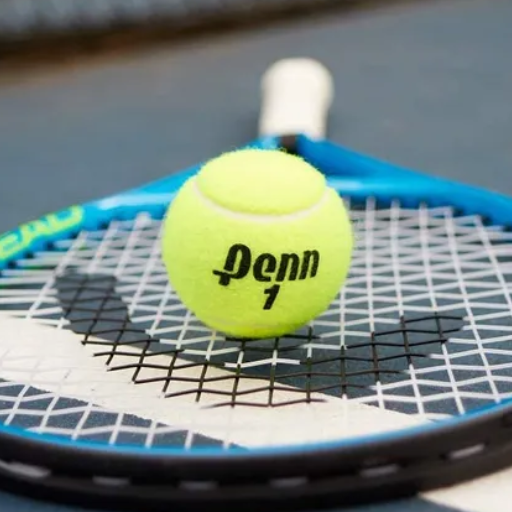
In a good tennis ball, durability and bounce consistencies are given much priority while another factor is such that the ball must be suitable for a given surface. Durability ensures long playability, while bounce consistency contributes to the finesse of player control and the delight in playing. Generally, tennis balls are either regular-duty or extra-duty to suit different court surfaces. Regular-duty balls are best for clay or indoor courts, while extra-duty balls are better for hard courts as they are made of thicker felt. The best performance is usually achieved with tennis balls approved by certified authorities, such as the International Tennis Federation (ITF). The certifications positively state that the ball meets the approved standards of professional play.
Types of Tennis Balls
Tennis balls are categorized into Extra Duty, Regular Duty, High Altitude, Pressureless, Pressurized, Junior (Red, Orange, Green), and Sustainable types.
|
Type |
Best For |
Key Feature |
Durability |
Speed |
Bounce |
|---|---|---|---|---|---|
|
Extra Duty |
Hard courts |
Thick felt |
High |
Medium |
Medium |
|
Regular Duty |
Soft courts |
Thin felt |
Medium |
High |
High |
|
High Altitude |
High elevations |
Low pressure |
Medium |
Medium |
Controlled |
|
Pressureless |
Practice/training |
Thick core |
Very High |
Low |
Low |
|
Pressurized |
Tournaments |
Compressed air |
Low |
High |
High |
|
Junior Red |
Kids (under 8) |
Large, soft |
Medium |
Very Low |
Low |
|
Junior Orange |
Kids (8-10) |
Medium soft |
Medium |
Low |
Medium |
|
Junior Green |
Kids (10+) |
Slightly soft |
Medium |
Medium |
Medium |
|
Sustainable |
Eco-friendly play |
Durable |
High |
Medium |
Medium |
Pressureless vs. Pressurized Balls
Performance-wise, an important distinction must be made between pressureless and pressurized tennis balls. Pressurized balls are the ones most commonly found in professional and casual plays. These balls have an air charge of high pressure, giving them the much-needed bounce. However, they tend to lose their performance with the leakage of pressure from inside over time, usually after 1-4 weeks of being regularly used. Pressurized balls offer more speed and spin to begin with and are hence preferred in competitive play.
Pressureless balls, being void of internal air pressure, rely on bouncing from their thick rubber shells instead. Although they might initially feel heavy and dull, these balls are better for beginners, training uses, and extensive practice because of how durable and consistently performing they are with time. Largely, pressureless balls last much longer than pressurized ones and are less susceptible to wearing even after heavy usage. Some players also prefer pressureless balls for hard court matches, as their performance traits remain unaffected by court abrasions.
The study between pressurized balls and pressureless balls showed that the former is better at overall control and responsiveness in actual matches, while pressureless balls fare steadily well in the long-duration cases. Depending upon the type of court, the frequency of plays, and the level of skills involved, choosing the right kind of tennis ball may sometimes have a great bearing on the quality of the game.
Extra Duty vs. Regular Duty Balls
Extra Duty balls are designed for hard courts with thicker felt for durability, while Regular Duty balls are for soft courts with thinner felt for faster play.
|
Parameter |
Extra Duty |
Regular Duty |
|---|---|---|
|
Court Type |
Hard courts |
Soft courts |
|
Felt Type |
Thick felt |
Thin felt |
|
Durability |
High |
Medium |
|
Speed |
Medium |
High |
|
Bounce |
Medium |
High |
|
Moisture Abs. |
Low |
High |
|
Usage |
Outdoor |
Indoor/Clay |
Best Tennis Balls for Beginners

Minimal compression balls are just the right choices for beginner players. They bounce lower and move slow, all factors that make them easy for a learner to hit or control during practice. These balls, such as Penn Control Plus or Wilson Starter balls, are designed especially with new players, ensuring the perfect compromise between external performance and the life of the balls. These also allow learners to cultivate proper technique with less frustration, thereby taking a whole step further in making the game more fun.
Choosing the Right Tennis Ball for Beginners
To make the right selection of tennis ball for the beginners, I focus on finding balls specifically designed to support learning and improvement. These are the low compression balls, such as Penn Control Plus or Wilson Starter balls, whereas lower bounce and slower pace makes practicing control and correct technique easier. These balls also improve playability while reducing frustration, thus keep the learning fun and engaging.
Top Recommendations for Beginner Tennis Balls
Beginner tennis balls include Red, Orange, and Green balls, designed for slower speeds, lower bounce, and easier control.
|
Parameter |
Red Balls |
Orange Balls |
Green Balls |
|---|---|---|---|
|
Age Group |
Under 8 |
8-10 |
10+ |
|
Speed |
Very Low |
Low |
Medium |
|
Bounce |
Low |
Medium |
Medium-High |
|
Court Size |
36 ft |
60 ft |
78 ft |
|
Compression |
75% slower |
50% slower |
25% slower |
|
Material |
Foam/Felt |
Felt |
Felt |
|
Skill Level |
Beginner |
Intermediate |
Advanced Beginner |
Features to Look for in Beginner Tennis Balls
When choosing tennis balls for beginners, there are several key features to consider to ensure they support skill development and enhance the learning experience:
- Reduced Compression Levels
Beginner tennis balls are designed with lower compression, meaning they bounce lower and move slower than regular balls. This provides learners with more reaction time and makes it easier to practice fundamental techniques. For example, “Stage 3” red balls are ideal for children under 8 years old as they have 75% less compression than standard balls, while “Stage 2” orange balls, with 50% reduced compression, cater to slightly older or more experienced beginners.
- Durable Construction
Durability is essential for sustaining consistent performance during long practice sessions. Beginner balls often feature a durable felt or foam outer layer designed to withstand outdoor and indoor conditions, extending their usability. For instance, Penn and Wilson offer beginner-friendly balls specifically reinforced for extended play on different surfaces.
- Size and Material Type
Larger, softer balls are preferable for younger players or those just starting. Foam balls, in particular, are lightweight and easy to handle, making them indispensable for teaching hand-eye coordination. Sizes typically range from standard (for older beginners) to oversized options aimed at increasing ease of play.
- Color Coding for Skill Levels
Many beginner tennis balls are color-coded (e.g., red, orange, and green) to indicate their suitability for progressive learning stages. Red balls are perfect for beginners as they promote success in longer rallies, while green balls offer 25% less compression than regular ones, providing an intermediary option as players improve.
- Court Size Compatibility
Tennis balls for beginners are often tailored for use on smaller courts. For example, red balls are designed for a 36-foot court, orange balls for a 60-foot court, and green balls for full-sized courts. This helps players adapt to the appropriate court dimensions as their skills advance.
- Affordability and Pack Options
Since beginners may go through more tennis balls during regular practice, cost-effectiveness is an important factor. Many brands offer value packs containing multiple balls, ensuring players remain stocked for frequent sessions without significant expense. For example, you can find bulk packs of beginner balls from leading brands like Gamma and Dunlop with competitive pricing.
By focusing on these features, beginner players can select balls that simplify learning, improve technique, and make practice sessions both productive and enjoyable.
Popular Tennis Ball Brands

Wilson was traditionally reputed for manufacturing high-quality tennis balls, with choices at the professional level and casual winning the name. They are perhaps two qualities: highly durable and consistent; therefore, from beginner ones until professional, no one should ever risk losing any cake.
Dunlop, in selling superior quality tennis balls, very often goes along with very stiff competition. They almost never compromise on the bounce and wear resistance since many are made for players with the buying criterion of longevity.
Penn- a trustworthy and widely available brand-presenting cheap tennis balls with consistent performance for casual or beginners.
Babolat balances the notion of quality and challenges of finesse, making them popular among the balls for use on almost any surface-clay and hard courts alike.
Gamma helps make things easier for beginner players, thereby producing balls for control and ease of play-just right for learners and practice.
Penn Championship Tennis Balls
When compared to other amateur-paired tennis balls, Penn Championship Tennis Balls go down in history as some of the most recognizable and trusted names. Their consistency and durability make them fit for the severe rigors of competition and mere casual play.
With interlocked wool fiber coverings, they guarantee long wear with the best performance in heavy matches. They carry Dura-Weave technology, exclusive to Penn, which strengthens them and converses flight and bounce consistency across surfaces. This makes them well suited to hard courts as well as soft ones like clay.
These balls are prominent for USTA (United States Tennis Association) and ITF (International Tennis Federation) quality certification, placing them into tournament-grade selection. Also, the balls come in an extra-duty and regular-duty category, suitable for courts’ conditions. Extra-duty balls, which are equated in durability by most players, do well on hard courts, while normal-duty balls give the best clay court control and playability.
These tennis balls are packed in different combinations: three or more packs, thus providing the consumer with affordable options without compromising quality. Serious training, matches in a league, or fun games – it is always a reliable partner in quality with the Penn Championship Tennis Balls.
Wilson US Open Tennis Balls
Wilson US Open Tennis Balls are world-famous for their unmatched performance. They have been present as the official ball of the US Open since 1978-the very fact that testifies to their quality and consistency. These balls are constructed with a superior woven felt that ensures remarkable durability and performance capabilities on hard courts, especially under hard-hitting matches. They are scientifically engineered to meet the highest international standards. These balls give consistent bounce and excellent control, thus being favorites among professional players and advanced-acting enthusiasts.
Being Extra Duty for abrasive court surfaces means they survive long matches while maintaining their performance. Furthermore, the tennis balls have undergone an eco-conscious design process, using sustainable materials that lessen their environmental impact without compromising on quality.
Wilson US Open Tennis Balls are offered in several packaging configurations. The 3-ball can is popular among recreational players, while larger bulk packages are intended for high-volume use such as training programs and tournaments. When the top players and organizations champion this product, it truly proves the manufacturer’s presence in the market. Wilsons pave the way to reliability and excellence whether you’re out there for practice, friendly competition, or serious matches.
Dunlop ATP Tennis Balls
Unmatched in quality, Dunlop ATP Tennis Balls are used on the ATP Tour and in some of the most prestigious international tournaments. Built on Dunlop’s HD Pro Core technology, these balls provide consistent bounce and superb durability with visibility enhancement on the court. This HD Core is designed to best the performance, quite well suited for professional playing as well as high-speed training exams.
One of the features that places these balls among the top elite is the presence of the HD Pro Cloth, giving a superb touch and allowing for the highest level of spin control-which explains the present-day emphasis on elite-level precision and adaptability in gameplay. All testing procedures are stringent, and so are the specifications designed to make them perfectly suitable for players of all skill levels on hard, clay, and grass courts.
Statistics indicate widespread use, with top-notch ATP players endorsing and showing their prowess in events acknowledged worldwide. Many pros proclaim that the consistent feel and durable endurance of Dunlop ATP balls are engrained in enhancing the accurate performance of the game. The Dunlop ATP Tennis Balls remain much favored by athletes looking to train in the upper echelon of performance.
Playing Conditions and Their Impact on Tennis Ball Choice

The choice of ball is highly dependent on playing conditions, with aspects like court surface, altitude, and weather coming into play in overall performance. On hard courts, players tend to pick harder tennis balls that usually maintain their pressure and bounce as time passes. For clay courts, balls with a uniform felt texture to counterbalance the slow surface speed will mostly suit the type best. At high altitude, specially pressurized balls are used to reduce air resistance. Regular balls might get damp or humid, so water-repellant types will definitely serve better. One must always keep the playing conditions in view when selecting a type of ball so that gameplay and player consistency can be at an optimal level.
Best Tennis Balls for Hard Courts
While buying balls to be used in hard courts, durability and retention of bounce even after several games are the main characteristics I look for. Penn Championships and Wilson US Open Extra Duty are some of my favorite tennis balls because they are made specially for hard courts, manufacturing great wear resistance and long-lasting performance. Visibility-wise, they rank high, and their response characteristics are good, making them dependable for both competitive and recreational play.
Choosing the Right Tennis Balls for Indoor vs. Outdoor Play
Indoor play uses Regular Duty balls for soft surfaces like clay, while outdoor play requires Extra Duty balls for durability on hard courts.
|
Parameter |
Indoor Play |
Outdoor Play |
|---|---|---|
|
Ball Type |
Regular Duty |
Extra Duty |
|
Court Type |
Soft/Clay |
Hard |
|
Felt Type |
Thin felt |
Thick felt |
|
Durability |
Medium |
High |
|
Speed |
High |
Medium |
|
Bounce |
High |
Medium |
|
Moisture Abs. |
High |
Low |
Environmental Factors Affecting Tennis Ball Performance
The weather significantly affects the tennis ball’s performance-they are affected in durability, bouncing, and in their playability. Temperature, moisture, and altitude were the primary environmental factors considered, each playing a unique role in how tennis balls behave in actual play.
1. Temperature
Temperature affects tennis ball pressure. On hot days, air inside balls expands and bounces to greater heights; whereas air pressure is diminished in cold weather conditions, bringing down the bounce and increasing hardness on impact. Balls can lose 10-15 percent of bounce-if used-and stored-at below 50°F (10°C), thereby greatly emphasizing the point about moderately storing balls to ensure ball-to-ball consistency.
2. Humidity
Wet weather has a bearing on ball behavior, heavy felt coverings preventing quick speed. The damp felt absorbs the water, creating drag and thus slowing ball movement through the air, with an unpredictability factor added to its journey-at least when compared with sunny weather. Indoors with controlled humidity can offer more consistent performances compared with the outdoors, which change on sudden. Players usually notice match conditions require quite a bit of endurance and tactics adaptation in humid regions, such as wet unforgettable ball-tech.
3. Altitude
Tennis-ball performance changes at high altitude due to thin air. Above 4,000 feet, the atmospheric air density gets reduced, letting the ball travel much faster and bounce to a greater height. To negate this effect, “high-altitude” balls are developed for usage in the high-altitude section by manufacturers. These balls have less internal pressure, thereby giving a more controlled bounce in the high-altitude environment, ensuring players have a fair level of control even under extreme conditions.
4. Wind and Other Outdoor Variables
In the outdoors come a whole bunch of untraceable factors ranging from the wind, sun, and precipitation, all of which combine with the environment to affect how a tennis ball behaves. The wind takes away the trajectory of the ball of a different kind, forcing a player to adapt his stroke technique. In the glare of the sun, the felt cover faces its reduction in life span. Further, water means wet balls and dullness.
With an acknowledgment of these various elements of nature, players will pick the kind of particular tennis ball to be used in the condition of play to promote optimum performance and constancy at any given time.
Tips for Choosing the Right Tennis Ball

1. Types of Court: Regular duty balls are meant for clay or indoor courts, while extra duty balls are meant for hard courts as they operationally work against surface wear and tear.
2. Altitude Compatibility: Tennis balls for high altitude are to be selected in high-altitude locations for consistent performance in thin air.
3. Pressure Options: Pressurized ball gives you more bounce and speed; if durability and longer life are more of your concern, pressureless balls are the ones to go.
4. Quality Standards to Consider: Choose tennis balls endorsed by established agencies like the ITF (International Tennis Federation) that guarantee performance and quality.
5. See through for Durability: For recreation, balls give importance to durability; for competition, perhaps through those of higher response and control.
Choosing the right tennis ball for your playing condition and preference gives you a step in enhancing the experience while having more consistent results on the court.
Assessing Your Skill Level
Understanding your skill set is essential in order to tailor the training the tennis player undergoes, the equipment used, and accordingly fit his or her individual needs. The categorization of tennis skills is often into beginner, intermediate, and advanced, though a finer subdivision within these dimensions is applied in formal rating systems, such as the NTRP (National Tennis Rating Program). Generally, the primary focus for a beginner is to learn basic strokes, footwork, and rallying with consistency. A beginner tends to require forgiving equipment, such as low-compression balls and a racket with a larger head size, to build confidence and develop control.
Intermediate players have beyond-the-basics skills and work on tactical awareness, topspin control, and court positioning. According to statistics, intermediate tennis players constitute the greater portion of recreational players, as these form the keystone between casual playing and competitive matches.
As some of the very best that actually compete in championships and leagues, advanced players polish further skill sets such as placing their serve with pinpoint accuracy, aggressive net play, and changing strategies during the course of a match. Data show that players at an advanced level benefit from equipment designed to generate spin, speed, and response, such as pressurized tennis balls and rackets built for power.
With a clearcut value of your skill level, you will be able to select training exercises, gear to support your specific needs, and goals that are going to slowly steer your improvement and prospects fun times spent on the court.
Understanding Ball Durability and Performance
For tennis players of various levels, ball durability and performance are factors determining how well a game is played. Sometimes a tennis ball’s lifespan and how it behaves depend on how and from what it has been made. In general, these balls may lose pressure and performance after a few play sessions: the very balls that utilize pressure and are used throughout professional games for maximum bounce and spin. Unpressurized balls, however, last longer but feel harder and possibly do not provide equal response.
Heavy-duty pressured tennis balls according to a research study could perform in their best for one to four matches depending on the intensity of play and type of surface. Hard courts speed up the wear because of their friction, while clay or grass courts are less abrasive and thus prolong ball life.
Besides, technological improvements in tennis balls have seen features like felt coatings actively trying to enhance the aerodynamics and reduce degradation. The premium brands of balls usually mention improved materials like high-density rubber cores for longevity, hence helping the player enjoy consistent play for longer. For recreational use, it is most sensible to go for durable unpressurized balls or high-grade multi-pack varieties, which would also be the best option for prolonged play.
Making an Informed Decision
It is important to be aware of a few features when selecting the right type, types, cans, and cartons of tennis balls with respect to one’s playing requirements. In the professional game, pressurized tennis balls with a lively bounce and speed have, for instance, remained the standard, though they tend to lose pressure about a day after opening. However, unpressurized tennis balls are highly durable and better for practice or recreational play, as they keep their bounce for longer.
Data reveals that premium tennis balls with better engineering-whether through the choice of natural felt or superior rubber cores-can elevate performance levels up to 15% over conventional options, thus providing consistent play on different surfaces. The moisture-resistant coating of certain models goes a long way in environments subjected to outdoor use; such coating enhances their longevity by reducing degradation caused by exposure to weather.
Those who play often will find that they further enjoy the long-term retention of performance and durability provided by balls made specifically toward those objectives by investing in such. Although a popular choice with amateur and recreational players, multi-pack options also deliver good value without compromise on quality. Consider details like core construction, felt composition, and durability characteristics when making selections that correspond with your style and frequency of play for a truly enjoyable tennis experience.
Reference Sources
-
The impact dynamics of a tennis ball striking a hard surface – A study from Oregon State University discussing tennis ball dynamics and performance.
-
Perfect Tennis Equipment Finder – A research project from SUNY that provides insights into selecting the best tennis equipment, including tennis balls.
-
Facilities and Space Allocations for Physical Education – A resource from ERIC discussing standards and recommendations for sports equipment, including tennis balls.
Frequently Asked Questions (FAQs)
Q: What is the best tennis ball brand for beginners?
A: Some of the top tennis ball brands for beginners include Wilson, Penn, and Dunlop, known for their quality and durability.
Q: How do I choose the right tennis ball for my skill level?
A: For beginners, opt for balls that are specifically marked as beginner-friendly or low-compression balls, which are easier to hit and control.
Q: Are there different types of tennis balls for different surfaces?
A: Yes, there are specific tennis balls designed for hard courts, clay courts, and grass courts, each providing optimal performance on those surfaces.
Q: What are the best tennis balls for beginners?
A: The best tennis balls for beginners are typically low-compression or foam balls, as they provide a softer bounce and are easier to play with.
Q: How often should I replace my tennis balls?
A: It’s recommended to replace your tennis balls after about 3-5 matches, as they lose their pressure and bounce over time.