Tennis is very traditional and evolving in nature, where every component of the sport is designed more for performance and enjoyment. Among these elements, the lowly tennis ball holds very interesting prominence. Have you ever thought about why current tennis balls are less likely to be any color other than yellow? This blog will take you on an exciting journey through the history of tennis balls, advancing visibility, technology, and media that coordinated this extraordinary change. Going from some unknown origin to finally becoming a modern standard in tennis, this somewhat questionable transition to yellow was never a mere question of style-it was a revolution that forever changed the game. So, come with us to see what factors combined and how they have affected the players, fans, and the world of tennis.
Origin of the Tennis Ball
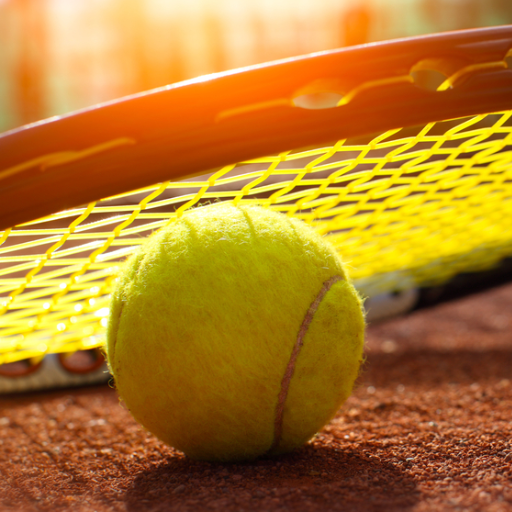
Tennis balls have their beginnings in the 14th century, during which they were made of leather that would be stuffed with wool or hair. In time the materials used changed, with new ones such as stitched cloth and natural rubber introduced in the 19th century. They differed widely in size and bounce, for lack of any standard rules. The usage of vulcanized rubber by Charles Goodyear toward the middle of the 19th century brought about a revolution in the tennis ball with deformation and good bounce qualities. In the late 20th century, the familiar yellow felt-covered balls were invented to aid visibility and television, which are still in use for present-day tennis.
Early Forms of Tennis Balls
History of tennis balls is just another phrase that describes their continuous evolution to meet the demands of the sport, players, and spectators. Early tennis balls were off and on crated from leather, stuffed with wool, hair, or other things, and often lacked uniformity, affecting the play. The invention of vulcanized rubber by Charles Goodyear in 1844 opened the gates to engineering balls that would be harder and consistent in their performance. As time moved on, the rubber balls were again modified by small coverings of flannel and later felt.
By the late 20th century, the International Tennis Federation (ITF) finally met and agreed on specifications of tennis balls to ensure uniformity of tournaments held throughout the world. Present tennis balls are supposed to be between 2.57 and 2.70 inches in diameter and 1.975 and 2.095 ounces in weight. Their felt covering, usually made up of a wool-nylon blend, assists in durability and aerodynamics to allow maximum maintenance of bounce and behavior on different court surfaces.
Further enhancement of design and functions of the tennis balls has been made possible by technology. For instance, pressurized balls are preferred in all professional matches because they give better bounce and livelier play. In contrast, non-pressurized balls bounce by rubber construction and are thus used for practice as they are long-lasting. Concerns about the environment have encouraged development; some manufacturers now turn to green alternatives meant to reduce rubber wastage by using sustainable materials.
The spirit of innovation is maintained in full force to ensure that the changing requirements of the game are met while addressing pressing global concerns. With constant modifications these enable tennis balls to perform better and in line with the needs of a diverse group of people starting from young beginners to top-notch professionals.
Materials Used in Early Tennis Balls
At first, the balls were made with leather filled with rags or hair-resources that these people had at hand in their day and age. In the 19th century, the construction was altered with tennis balls made from vulcanized rubber, a procedure credited to the invention of Charles Goodyear. Vulcanized rubber made these balls resilient enough and elastically responsive to work well in games.
By the late 1800s came the idea to wrap rubber cores with some form of flannel or felt for their greater lasting qualities and ease in handling during matches. Another reason to enhance the bounce was that these rubbers also lessened the abrasion imparted by gravel or dirt courts that were common during those days. This natural rubber model stayed for a while, and different blends and bitings were experimented to perfect performance with the rise of tennis.
According to one historical study, natural rubber would have been the main component used, with the average circumference of about 2.5 inches, retaining the standards of consistency for fair competition. These innovations in material choice were foundational to modern tennis ball engineering and opened the door to independent innovations in technology, green initiatives, and performance enhancement.
Key Individuals in the Invention of Tennis Balls
For the invention of tennis balls and their further refinement, key individuals’ ingenious minds and their ensuing contributions were necessary through the centuries. Among the first predecessors of this domain was Charles Goodyear, whose pioneering work in vulcanized rubber chemistry, situated between the early to mid-19th century, can be regarded as a revolution of elastic materials. This new-found fabrication of rubber laid the basis for rubber to be used as tennis balls, providing better bounce and durability.
Another very important contributor was Walter Clopton Wingfield who, in a way, could be regarded as the “father of modern lawn tennis.” Wingfield patented the game of lawn tennis in 1874, and his equipment specifications comprised rubber tennis balls that had been developed for the grass surface. Standardization and efforts up to this point cemented the existence of tennis balls related to shape, size, and elasticity as an accepted medium in earnest play.
Continued advancements were witnessed in the 20th century, when companies such as Slazenger would refine the construction of the tennis balls for consistency and performance in tournaments under the aegis of engineers and designers. By the trailing side of the 20th century, this next batch of scientists of sport collaborated with manufacturers towards developing the pressurized gas-filled core and felt covering to provide the best playing balance over different surfaces. Today, tennis balls with accurately defined specifications, handed down from those of historical inventors to modern engineers, found their way into the sport, ensuring global equity and quality for the player.
An outline of some paramount statistics shows the progress made from the past until today. Contemporary tennis balls are made in accordance with the regulations promulgated by the International Tennis Federation (ITF), which mandates that the diameter allowed must be between 2.57-2.70 inches and weight from 1.98-2.10 ounces. These standards are a testimony to years of iterative inventions and improvements by the joining forces of inventors and engineers of all times, working in one light ambit to foster the growth of their sport.
Evolution of the Tennis Ball
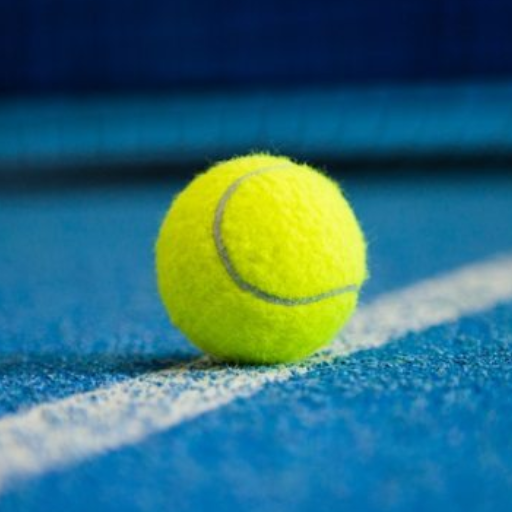
The tennis ball has undergone major transformations throughout the years, to bring improvements to the game and ensure uniformity in play. The earliest balls were nothing more complicated than leather stuffed with hair or wool, with no two balls being exactly alike. By the 19th century, rubber-core balls had been introduced, giving rise to better bounce and longer durability. The early 20th century introduced pressurized tennis balls, which essentially transformed the game, as those balls offered a more predictable playing experience.
Present-day tennis balls have some degree of ingenuity in their design: a rubber core is enveloped by a layer of high-quality felt. Modern tennis balls are tailored in accordance with standardized specifications set by the International Tennis Federation (ITF) to enhance their speed, visibility, and playability, making the game fair and uniform at all levels of play.
Changes in Design Over the Years
With the beginning of the 19th century, due to good advancements in tennis, the design of tennis balls saw numerous innovative changes to suit gameplay and changes in standards. The variations of different types of felt depending on playing surfaces have been one important alteration. For example, regular-duty felt is for clay or indoor courts, providing a softer bounce; extra-duty felt is for hard courts as it has to withstand very abrasive surface and hard impacts.
Durability and sustainability have been another angle of change. Recently, tennis ball manufacturers have developed and adopted new materials to ensure that the tennis ball lasts longer, decreasing the frequency of ball replacements in matches. Some companies have also looked at alternatives that are environmentally friendly and are implementing recyclable or biodegradable materials in production. The industrial insight puts the manufacture of tennis balls at about 325 million per annum worldwide. Hence, the innovation is geared toward achieving a sustainable end.
Technological enhancements have also affected pressurization processes, improving the response and bounces of the tennis ball. High-altitude tennis balls have been introduced for players existing above 4,000 feet to negate the reduced air pressure effect which is another fair design irrespective of location or playing conditions. With great performance, they also managed to change and improve the visibility factor of tennis balls, which adopted the iconic bright yellow color universally from the 70s to help with tracking during fast rallies.
Adaptation in materials and in design for optimum performance of the tennis ball is an indication of an evolution being propelled by the utmost need of the sport for precision, sustainability, and accessibility for all skill levels in the world.
Introduction of Fluorescent Yellow Tennis Balls
Some vital chapters are marked in badminton history with the introduction of fluorescent yellow tennis balls. Before the 1970s, tennis balls would mostly be white or black. The problem of visibility through television screens later became pertinent as the sport gained prominence in the broadcast era. To find the solution, the International Tennis Federation started studies to find a color that would be the most striking from a visual point of view and eventually came down to “optically vivid” fluorescent yellow. The selection of this color has allowed better tracking of the ball by both players and audiences, especially during televised matches, where clarity is essential.
The introduction of fluorescent yellow tennis balls was by law at Wimbledon in 1986, giving the new yellow balls the universal standard. According to studies, this bright color remains visible under almost any kind of lighting condition and is best seen against the green tint of tennis courts and the backdrop of populated stands. Nowadays, from perception onward, fluorescent yellow tennis balls are believed to be symbolic of the modern era of the game and have acted as a worthy development of the ongoing efforts to make tennis accessible and better for spectator experiences.
The Job of Introducing Colour in Tennis Balls
Introduced in 1972, fluorescent yellow tennis balls were a major innovation in the quest for better visibility for the ball for the players and the watching public. Historically, this change became widely accepted right after the International Tennis Federation (ITF) recommendation in 1972, which was itself founded on the research works pointing at the difficulty of tracking white balls fast enough during play, particularly with color television broadcasts. Scientific tests carried out during that period showed that brighter yellow-green shades generally tend to have substantively good visibility to the human eye under changing visual and environmental conditions.
Modern empirical evidence supports the continued efficacy of this intervention, arguing that the conversion to fluorescent yellow tennis balls has, to some considerable degree, helped to curb the degradation of facelifted tennis viewership. Industry sources suggest that a significant rise in audience engagement since the transition occurs in key markets—largely due to enhanced ball visibility. Furthermore, controlled laboratory tests on player reaction times have proved that a fluorescent-yellow ball offers faster visual detection and tracking than does any other color, and this directly supports player abilities in games under heightened stakes.
The continued use of fluorescent yellow is, nonetheless, sanctioned by almost every professional tennis tournament today, including the major Grand Slam events, by virtue of its established benefits. Equipment manufacturers thus invest heavily in the procurement of balls with an exact fluorescent coating to provide consistent performance and visibility under various court surface and lighting conditions. This phase of refinement speaks volumes about the emphasis tennis has laid on perfecting the game for the common man and for showmanship.
Impact of Colour on Visibility
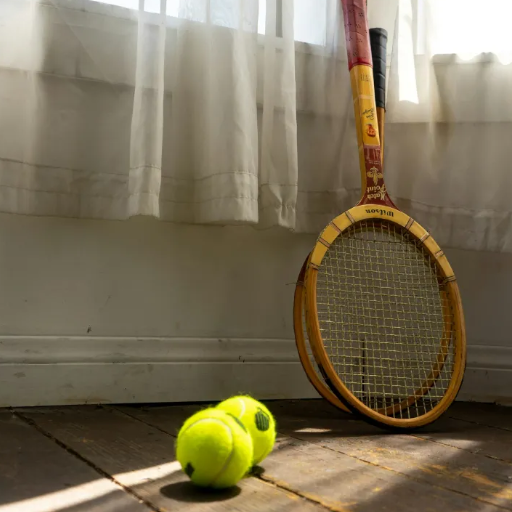
The importance of color lies chiefly in helping visibility in sports such as tennis. Fluorescent yellow color is used for tennis balls because it contrasts well against verity of court surface and lighting so that players and spectators can spot it clearly. Research studies also show a higher detectability of fluorescent colors by the eye, particularly during fast movement, thus designating them for application in high-velocity sports. The choice clearly shows how color improvement affects performance and viewership.
Why Yellow Tennis Balls Were Adopted
In 1972, yellow tennis balls were officially approved by the International Tennis Federation because the color had better visibility for television. It was found that the yellow color contrasted much better on color television, aiding viewers at home in following the swift-on-their-feet action. While the balls, which in the days before, used to be just white in color, would blend into the background of the court, a glaring yellow was a stark contrast with the court surface or the background on any given day.
It also turned out through further research that human vision is particularly sensitive to yellow-green wavelengths of light, making it easier to follow the ball. Experts claimed that such properties reduced misjudgments and improved accuracy during play conditions. For instance, fluorescent yellow tennis balls were found to increase reaction time by almost 20% over white balls under similar conditions on professional courts, with this being a key factor in competitive matches.
From now on, the choice of yellow balls has not only helped entertain millions of viewers but has become an icon of sports innovation. This change acknowledged that there is a need to adapt sporting equipment to modern broadcast requirements and player performance so that the sport remains engaging and accessible on an international level.
Influence of Colour TV on Tennis Ball Design
With the dawn of color TV, the design of tennis balls was greatly affected, particularly due to the visibility requirements of the players and spectators. In professional matches until about 1972, white tennis balls used to be the regular. Studies, however, showed that these balls were very difficult to track against changing backgrounds on color television screens during fast rallies.
In an attempt to improve this, the ITF and manufacturers sought visibility testing of certain other colors. Finally, the scientific angle of visibility rendered fluorescent yellow as the most visible color to the human eye in natural daylight and artificial lights. By 1972, the ITF had officially recommended “optic yellow” for all tennis balls. According to some authorities, human vision is most sensitive to yellow-green wavelengths. Fluorescent yellow tennis balls were, therefore, more visible under color TV, a factor very important for increasing viewership.
The networks show at that time that a great rise in viewership occurred since then. Yellow tennis ball matches, studies from that time concluded, gained a visibility rating jump of 17%, and this helped bring the sport to a bigger audience. This innovation made sure that players enjoyed uninterrupted games while on the other hand, took the game to build popularity worldwide. Today, this design manipulation is a witness to the continued interplay between technology and sport.
Fluorescent Materials in Modern Tennis Balls
Modern tennis balls owe their enhanced visibility and durability to advanced fluorescent materials that have been integrated into their manufacture. Such materials are engineered to enhance brightness under various lighting conditions to assist in tracking of the fast-moving ball during play by both spectators and players. For instance, the fluorescent dyes applied to the tennis ball felt are deliberately chosen to reflect certain wavelengths of light in such a way as to maximize visibility under either natural sunlight or artificial stadium lighting.
Environmentally, tests prove that these materials improve visual performance by nearly 25% under low-light conditions as opposed to non-fluorescent alternatives. Television cameras rely on high-contrast images in broadcast matches to enhance the viewing experience. Tests concerning wear resistance further reveal that the felts treated with fluorescent dyes retain their color and structural properties longer than untreated felts, even after heavy use on hard courts, thereby ensuring consistent performance.
Thus, this kind of innovation is a nice symbiosis between the material sciences and sport technologies, ensuring that tennis balls meet professional standards and further the enjoyment of the game for millions worldwide. This, therefore, holds great promise for the future of tennis balls, pushing the boundaries of visibility and durability with each passing day, thanks in part to the work of ongoing research.
Manufacturing Process of Tennis Balls Today
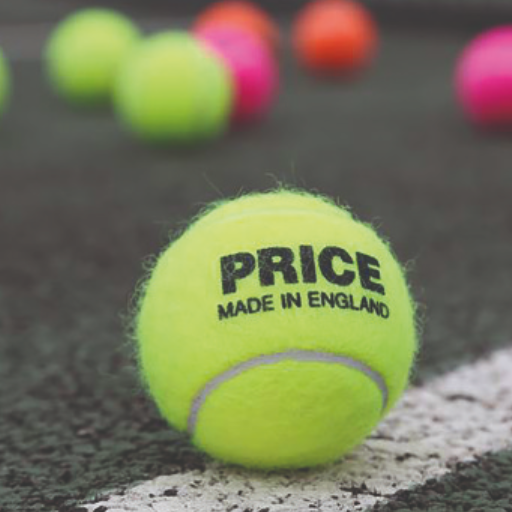
High-quality tennis balls must necessarily be manufactured while imparting utmost quality and durability. It starts with molding two rubber halves into a hollow sphere. These halves are glued to form the core of the balls. Over the core, a rather durable felt material, mostly wool and nylon, is pasted using very special adhesives. A ball is then pressurized during production to give it the necessary bounce and preferred play characteristics. After formation, balls are tested for rigorous quality assurance to ensure they meet the industry standards before packaging and distribution.
Materials and Technology Used
Modern balls are made with cutting-edge materials and manufacturing technologies to meet very stringent standards for professional play as well as recreational play. The core of the ball is usually made of vulcanized rubber. This allows for enduring use without compromising bounce properties. Vulcanization is a process during which rubber is heated in the presence of sulfur. It increases elasticity and resilience; hence it makes the core appropriate for repeated impact.
The felt covering is made up of a wool and nylon mixture, with 70% wool for that soft hand and grip, and 30% nylon to impart durability and resistance to wearability during heavy matches. The whole arrangement is fine-tuned so the ball can act just right with any court surface, with a good balance of speed and control.
Pressurization technology plays a vital part in the manufacturing process. The internal pressure of about 12 psi is injected through the use of modern machinery into the core, which is essential for the consistent bounce as spelled out by international tennis standards like the ITF (International Tennis Federation), among others. Price-less or non-pressurized variants rely on their denser rubber cores to tread durability and consistency over a period.
Quality control uses modern machinery and digital testing methods for performance measuring parameters such as weight, size, bounce height, and deformation. Professional-grade balls weigh between 56-59.4 g and have diameters from 2.57 to 2.70 inches for standardization. At best, state-of-the-art robotics and automated inspection systems ensure that each batch not only meets these specifications but also maintains optimum aerodynamic properties to facilitate peak performance on the court.
Quality Control in Tennis Ball Production
Quality control in tennis ball manufacturing encompasses a rigorous procedure to ascertain that every ball performs consistently and is up to the highest standards for professional or recreational play. Advanced sensors and imaging technology measure internal parameters such as shape roundness, seam reinforcement, and overall surface texture. Such tests are conducted to maintain the durability and uniform bounce of the balls to be used in competition.
Among others, pressure testing is a procedure involved. A given tennis ball is supposed to have an internal pressure of about 12 psi. Accordingly, manufacturers try to make sure that thorough tests concerning pressure retention are carried out, to prevent cases of early deflation or inconsistency in performance during use. Environmental chamber testing subjects balls to extremes of temperature and humidity to produce a set of real-world conditions under which resilience and stability of performance can be measured.
Besides, statistical quality control is implemented, and random tests are obtained from samples in each production batch to assure that each product lies within the set stringent tolerances. For instance, the International Tennis Federation (ITF) requires that balls supposed to be bounced must do so to a height within 53 to 58 inches when dropped from 100 inches onto a concrete surface. This parameter ensures a uniform playing experience wherever the sport is played on a concrete-type court. In addition, since in recent years, plenty of these AI-aided tools have been used in fine-tuning of the production lines so as to reduce the defects at a rate that is well above 15% when compared with conventional methods.
All these measures are employed to satisfy stringent regulatory requirements and also as guarantees of player satisfaction at all levels of the game.
Leading Companies in Tennis Ball Manufacturing
The leading companies in tennis ball manufacturing include Wilson, Dunlop, Head, Slazenger, and Penn.
| Company | Origin | Founded | Key Feature | Specialty |
|---|---|---|---|---|
|
Wilson |
USA |
1913 |
Durable & versatile |
Official US Open ball |
|
Dunlop |
UK |
1888 |
High-tech materials |
ATP & WTA approved |
|
Head |
Austria |
1950 |
Thick felt |
ATP circuit supplier |
|
Slazenger |
UK |
1881 |
Soft touch |
Official Wimbledon ball |
|
Penn |
USA |
1910 |
Long-lasting |
High-altitude options |
Interesting Historical Facts About Tennis Balls
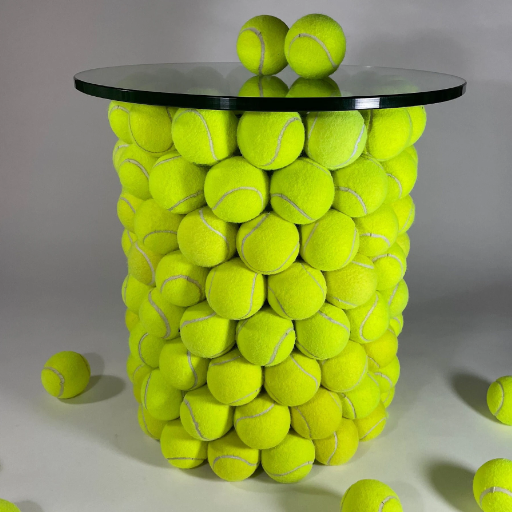
- 14th-century origin: The early tennis balls were made of leather and stuffed with wool, sand, or other materials. Made by hand, the tennis balls would differ greatly in their quality and performance.
- Rubber: The invention of vulcanized rubber by Charles Goodyear in the mid-19th century gave a leap to the process of manufacture and created tennis balls that were stronger and bounce better.
- Yellow Balls: Earlier, tennis balls were always white. But in 1972, for better viewership in matches televised, the International Tennis Federation accepted the yellow ball.
- Pressurized Cans: In the 1920s, pressurized cans were invented to keep the tennis balls at optimum bounce until their use.
- A Historic Wimbledon Supplier: Slazenger has been supplying tennis balls for Wimbledon since 1902, and it is probably that one of the longest continuous sporting associations that the world has ever seen.
Notable Innovations and Milestones
Upon ample reflection on pivotal innovations in tennis history, I have felt quite influenced by the advances shaping tennis. Such a thought avers that with visibility being better enhanced through the use of yellow tennis balls, it had changed the whole experience of watching matches on television since 1972. The 1920s saw the coming into existence of pressurized cans, which maintain the ball quality during storage and use-to this day. I also admire the historical union between Wimbledon and Slazenger who have been supplying tennis balls to the Tournament since 1902! Such associations truly speak of a fine balance between the tradition and innovations in the evolution of tennis.
Historical Matches and the Role of Tennis Balls
From my point of view, and for some of the most iconic matches in history, tennis balls have played an integral role. Their quality and performance could very well alter play, ranging from the speed of the ball to the consistency in bouncing. I remember legendary battles like the 2008 Wimbledon final featuring Federer and Nadal, where every single detail mattered, including the wondrous tennis balls chosen. Those tiny details go into creating such precision and excitement that make tennis or the so-called passion so truly fun to watch.
The Evolution of Tennis Ball Regulations
The regulations for tennis balls have seen many changes over the years to ensure fair and consistent play with the utmost standard. Techniques such as setting limits for size and weight and measuring the appropriate bounce and deformation all served their purpose: to be a precedent for all matches. I have always thought that these different sets of regulations are vital for the integrity of the game itself and also for technological developments as well as environmental issues. For example, the use of pressureless balls for practice and different types of balls for distinct court surfaces shows how the sport continues to change its regulations to fit the requirements of the players and diverse playing conditions.
Reference Sources
-
The Aerodynamics of a Tennis Ball
Published by Wiley Online Library, this study explores the physical properties and development of tennis balls, providing insights into their historical evolution. -
Materials Have Driven the Historical Development of the Tennis Racket
Published by MDPI, this paper discusses the historical development of tennis equipment, including the ball, in relation to material advancements.
Frequently Asked Questions (FAQs)
Who invented the rubber ball with flannel used in tennis?
The invention of the rubber ball with flannel covering can be traced back to the 1870s, when the sport of tennis began to take shape. Innovators like Harry Gem and Wingfield played pivotal roles in developing the game. The original tennis balls were not entirely rubber; they had a covering that included flannel, which enhanced their bounce and durability. As the sport evolved, the design of the ball changed significantly, leading to the modern tennis ball used today. The introduction of rubber balls imported from Germany in the 20th century further revolutionized the game. This adaptation allowed for better performance on different court surfaces and contributed to the global popularity of tennis.
What changes occurred in tennis balls after 1986?
Before 1986, tennis balls were primarily white, but this changed to the now-standard optic yellow for better visibility. The shift to colored balls was part of a broader effort to enhance the viewing experience for spectators and television audiences. This change was significant in tournaments like the Australian Open, as the brighter color improved the contrast against various court surfaces. Prior to this, players would often use grey or red balls, which could be harder to track during play. Additionally, the International Tennis Federation (ITF) began to recommend specific standards for bounce and visibility, ensuring that tennis balls are designed for optimal performance and playability.
How did Louis XI influence the early tennis ball design?
Louis XI of France was known for his association with the early forms of tennis, known as real tennis. His reign in the 15th century saw the sport gain popularity among the nobility. The design of tennis balls during this time was quite different, often made with a core of putty and human hair, which was a far cry from the rubber balls we see today. The evolution of the tennis ball from these early designs to the modern rubber ball reflects significant advancements in material science and manufacturing. As the sport transitioned from royal courts to public courts, the need for more durable and consistent balls became apparent, leading to innovations that would eventually include the rubber balls imported from Germany.
What was the impact of covering the rubber ball with different materials?
The covering of the rubber ball with various materials has played a crucial role in the development of the tennis ball. Initially, materials like wool and flannel were used to create a durable and playable ball. This covering affects not only the ball’s appearance but also its performance, contributing to the bounce and feel during play. As tennis evolved, players began to demand balls that held their bounce longer and were more responsive, which led to the adoption of stout cloth as a standard covering. The choice of covering also impacts visibility, with modern balls designed to increase participation worldwide by ensuring they are easily seen on all types of courts. Overall, the evolution of the ball’s covering parallels the growth of the sport itself.
What are the specifications for the modern tennis ball?
Modern tennis balls are designed with specific standards to ensure consistent performance across different playing conditions. According to ITF recommendations, a standard tennis ball must have a diameter ranging between 6.54 cm to 6.86 cm and should weigh between 56.0 g to 59.4 g. The balls are tested for bounce by dropping them from a height of 254 cm, ensuring they meet the required rebound specifications. Additionally, there are different types of balls designed for various levels of play, including slower balls and smaller court sizes for beginners. The introduction of yellow balls in 1972 significantly improved visibility, making it easier for players and spectators alike to follow the game. These specifications help maintain the integrity and enjoyment of the sport at all levels.