Key Takeaway
Partnering with a specialized OEM/ODM manufacturer allows brands to deliver high-quality, customized stringing solutions without the overhead of internal R&D or heavy machinery investments.
Understanding OEM and ODM in the Stringing Machine Industry
Definition and Importance of OEM/ODM
The first entity is Original Equipment Manufacturer (OEM), which means that this is a company that produces equipment or products to be sold under another company’s brand. On the opposite end, Original Design Manufacturer (ODM) is linked to businesses that design and produce products which are rebranded by other businesses for sale. These models are thereby essential in segments like stringing machines as they empower brands to provide reliable and customized products without directly managing heavy manufacturing or product design.
The importance of OEM and ODM lies in their capability to save companies time and money by outsourcing their critical manufacturing stages. With OEM, businesses get the opportunity to concentrate on the promotion and distribution of their private label products, and therefore can afford consistent quality by relying on the manufacturer. ODM goes beyond that: it has premade designs that can be adapted to cater to select market demands to make all the difference in the field by offering an added advantage in innovation and flexibility.
Engagement in OEM and ODM collaborations is the way to go for the stringing machine industry. These partnerships present intriguing pathways to high-quality products, expedited market penetration, and streamlined operations. That way, they allow businesses to scale conveniently, without necessarily operating any machinery—neither their own R&D stems. In the arms of trustworthy producers, entrepreneurs can concentrate on growing their company, managing customer satisfaction, and browsing newly crafted components with customized functionality.
Comparing OEM and ODM Services
OEM and ODM services offer a choice for businesses which need to produce products without their manufacturing plants; however, the two differ greatly in scope as well as involvement. OEM services are designed to take on making products under specific designs and requirements of the client. The client keeps hold of the design and intellectual property in this mode, and it sounds very suitable for those companies which have laid out the idea and are looking for production support.
Alternatively, ODM services cater to design and delivery of ready-to-use products. The rule is that out of these options, the buyer is at liberty to select products with minor changes or some additional modifications. The rule is easy and favorable to companies entering the market quicker and those with scarce resources in a technologically complex product design-fulfillment method. However, as to how far such a company may go in differentiating its product from the rest in the market would much depend on the manufacturer of the finished good, simply because the latter comes up with the very base of the design.
| Feature | OEM | ODM |
|---|---|---|
| Design Ownership | Client Owned | Manufacturer Owned |
| Customization | Full / High | Moderate / Pre-set |
| Time to Market | Longer | Faster |
The decision between ODM and OEM alternates within a company’s objectives, resources, and knowledge. The OEM stands for those unique product designs made by a company which seeks to grasp total brand control, regardless of development being comparatively costlier and having a longer run. ODM is good for companies looking to lower the costs and time, sacrificing the level of customization. Both concepts and execution will exist as a land of management and production solution whereby bilaterally pieced from customer shunning procedures in the eenst to the collection of things in the wide market.
Benefits of Partnering with a Reliable Supplier
Cost Efficiency and Scalability
A reliable supplier can achieve good cost efficiency through production process simplification and waste reduction. Furthermore, reliable suppliers are always set to deliver high-quality goods as they have their own robust and time-tested systems in place, minimizing the possibility of any avoidable-cost outcomes. An efficient execution leads to the best allocation of resources and budget, another benefit being consistency in business planning for more business growth.
Scalability is another important benefit from dependable suppliers. A dependable supplier can adjust production levels depending on demand fluctuation without harming quality or delivery schedules. As these types of suppliers are really flexible, scalability can allow businesses to deal with market variations quickly. A more scalable supply chain actually enables businesses to grow unimpeded and hastens consistent development.
Furthermore, collaboration with the constant supplier leads to the creation of long relationships, resulting already in altogether preferential pricing structures, fast access to tenders, and the opportunity for more collaboration. These elements contribute mutually to provide for significant operational cost reduction while at the same time for big leverage by upscale production efforts. Such a model in partnerships between collaborators relies on the balancing act between cost and scalability, and it ensures that businesses will be able to strive and possibly emerge as winners through the cutting edge in any market.
Expertise in Tennis and Badminton Equipment Design
By having a steady tie-up with a trustworthy supplier in the design and production of tennis and badminton equipment, some key benefits can range up to and far exceed the chances of successfully running a business in the sports industry. First, a trustworthy supplier guarantees equipment users a satisfactory supply of top-quality materials and finished products matching performance and safety standards that will prove decisive for keeping athletes content and ensuring a lucrative, long-term brand reputation.
Moreover, a dependable supplier makes sure timely delivery and maintains the stock levels with steady flow to help avoid preventions from the business. A sound logistic backup fed by solid procurement planning lends peace of mind to companies of never having to worry about delays in production or any piece shortages. Furthermore, the associations also inculcate a process for scalability in production capacity to keep pace with seasonal or market-based demand fluctuations.
In the end, pooling resources with a seasoned vendor might provide expertise for product design and development. A supplier brings to the table deep insight into the industry and advances in manufacturing techniques for producing cutting-edge machines to match consumer needs. Result-oriented competitiveness with fostered trust and credibility among end users is created.
Quality Assurance and Compliance Standards
When you partner with a reliable supplier, you are operating under the assumption that quality will be adhered without fail to always meet the compliance standards. These suppliers are required to follow the industry’s laws and certifications while at the same time helping to satisfy all the code and safety requirements. This lessens the incidence of any liability resulting from defects and non-compliance. Thus the organization is protected against any publicity resulting from any prohibitive penalties incurred.
Reliable suppliers are integrated into the production process at all stages, starting from the selection of the raw material to the last one, which is the final inspection. They have quality control procedures that ensure each and every product is made up to the set design, performance, and quality levels. This ethical commitment prepares them to deliver a high-quality product that will create trust among end-users toward their company.
⚠️ Important Note
Compliance and safety standards are non-negotiable in technical manufacturing. Failure to partner with certified suppliers can result in significant legal liabilities and brand damage.
A reverse workflow is to be designed stressing how it is intertwined with digital means. Production head is a clique all to himself; it is never intertwined within any other process. Shakespeare is a mirror, filled within his text to reflect various phenomena of human life, and his works are full their character of being sociological and sociopsychological reflections. Though not invented by Shakespeare, the romantic hero and the rich father are a popular concentrates guy on the group.
Key Considerations When Choosing a Stringing Machine Supplier
Evaluating Supplier Experience and Reputation
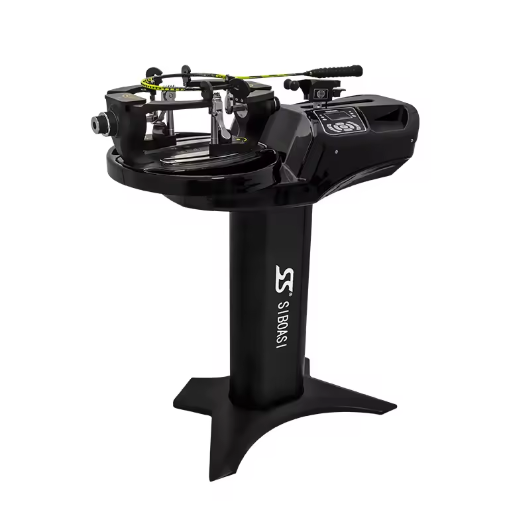
In selecting a supplier of stringing machines, it is significant to look into the supplier’s experience in the field and reputation. This helps in determining whether or not you can trust such suppliers to provide world-class and most suitable products that best serve your needs. Look in the direction of legal suppliers whose existence has been confirmed by their track record in the market as a pointer to the full satisfaction of many customers. Increased growth in the suppliers’ reputation results in more drastic pricing; picking learned organizations means making the seller assured in the high level of expertise that it holds.
Reputation is as significant as experience when it comes to suppliers. Going through the testimonials, reviews, and ratings of previous projects can shed mild on contentment levels of previous clients. If suppliers get favorable reviews and high ratings, this reduces the trust factor and confirms their dedication to quality and customer service. Certifications and credibility in the respect of professional bodies strengthen this even more.
After-sales support of suppliers is important to evaluate. The support of a good supplier involves all required customer-care deliveries that include maintenance, trouble-shooting, and warranty services. It assures that users will gain adequate help from the supplier when they have problems or complexities in the stringing machine system. The experience of a supplier, along with reputation and the provision of support, are the reasons why reliable suppliers should be considered as integral to consider in the land of choosing your supplier.
Assessing Product Range: Machines for Tennis and Badminton
A serious assessment of the product range for stringing machines for tennis and badminton is ultimately about variety and efficiency. The machines specially built for each sport come with a specific function that caters to the unique stringing requirements of rackets. While for tennis, machines must handle higher tensions and thicker strings, the machines for badminton fix delicate stringing with lower tensions. It is gainful to choose a machine for the concurrent stringing of both sports—in terms of flexibility and especially for multi-sport players or club team enthusiasts.
Another biggie is machine ease of use and ability. Simple commands of control, dependable tensioning systems, and solid mounting options guarantee your work quality when you are busy straining its strings. Any automated or electronic kind of system therefore reduces your time and effort, provides a precise tension, and leaves the result in a professional model. Manual machines can, depending on experience and manual dexterity, be competitive or inferior in price to those with heavy dollars but otherwise no appreciable advantage.
When selecting machines for evaluation, their maintenance requirements and durability should be given weight. It is generally found that machines that are constructed using heavy gauge materials usually last for a longer period and can be used repeatedly. Additionally, selecting a machine that is supported by strong customer service and maintenance is an ideal purchase. As a consequence, there will be fewer disruptions if and when parts need replacing, if there are repairs, and many other useful services that help extend the longevity of the machine. The ideal machine can only be built by balancing various specific needs with the budget, dependability, and technical support.
Customization Options and Flexibility
When choosing a stringing machine supplier, customization is key to serving specific needs. Ensure that the supplier offers an ample selection of options so that the machine may be adjustable based on type of string, tension wants, and use. Customizability can ensure that the machine grows and changes with your evolving needs, giving you long-term connectivity and performance.
💡
Pro Tip
Look for manufacturers who offer modular designs. This allows you to upgrade specific components like electronic tensioners or specialized clamps without replacing the entire machine.
Another highly significant consideration is the range of available configurations and add-ons. A reputable supplier should provide features available on option for enhancing the machine’s functionality without compromising reliability. These could be in a variety of tensioning systems, reliabilities, adjustable clamps, automatic components, which help optimize the process. The supplier can also help in making decisions up to your specific needs to achieve this point. Needless to say, costs are a consideration in these deliberations.
It is crucial to assess the supplier’s commitment toward post-sales technical and service support. This will happen when a good supplier not only offers customization options but assimilation of such options has been facilitated, causing the right fit into your workflow. These are all methods for ensuring that data is never compromised irrespective of the situation prevailing by offering training solutions, rational customer service, and superior maintenance services over a longer-term period. A supplier with a lot of flexibility together with extended good service will actually ensure the investment really pays back.
The Process of Collaborating with an OEM/ODM Supplier
Initial Consultation and Project Scope Definition
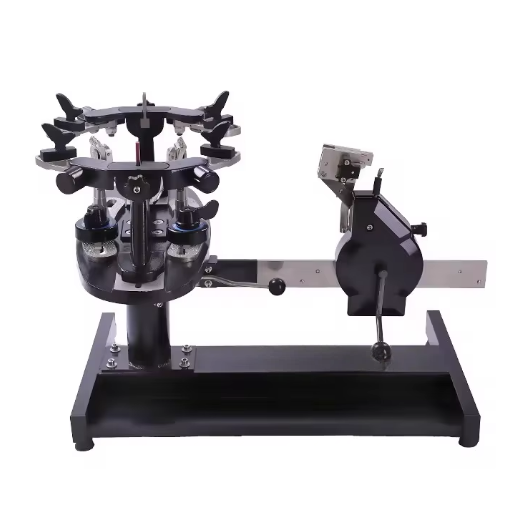
One of the most critical steps in this consulting is the initial consultation and the outlining of the project scope to serve as a key to the successful OEM/ODM collaboration. It is in this early decision-making step that both the client sides establish reasonable expectations of the project at every possible level. It progresses with a conversation on the product concept, technical requirements, budget, and timeline, and where open communication is open to enable your manufacturer to articulate your project needs fully and evaluate its feasibility.
Key deliverables on this stage in addition to those mentioned above. The specific project scope is to elaborate on deliverables, define milestones where products need to be delivered, and outline the limits within which one might exceed the scope. Defining this very aspect quite early into the project minimizes risks associated with impacts, misunderstandings, or misinterpretations. Effectively, this plays out in planning resources, swiftly addressing any attendant challenges, and collectively catering to immediate concerns, alongside other pursuits.
Primarily the meeting and scope definition phase are to be emphasized to establish trust and understanding. This helps determine the framework for a collaborative relationship in which both clients and suppliers are working for the best interest of mutual benefits. A good beginning should trigger smooth development rates and production stages and transcribe this scenario into a clear and compelling roadmap.
Prototyping and Feedback Loops
Plant prototypes from step zero. Any attempt to liaise with OEM/ODM counterparts usually starts from the proto-stage, marking the two endpoints for expectation alignment and product refinement before the dawn of mass production. This stage sees transformation of model designs from paper into tangible prototypes to firm-final products’ looks in analog. Such a hands-on approach will, no doubt, reveal first signs of design flaws or functional errors to hopefully pave the way for rectification before and ensure an end product of the desired quality standardization.
The feedback loops at this stage become equally vital. Tremendous communication and timely meetings to and fro help pull insight from the customer and get an understanding on what has to be modified or done further on the protos. Several structured review meetings keep the entire project team in alignment with each other having to report on the goals and adjustment-making suggested by pertinent lead parties from to and forth and not to forget the feedback avenues that need to be continuous and iterative, thereby fostering trust, collaboration, while reducing development time if properly handled.
Employing a combination of detailed prototyping with constructive feedback loops provides a strong foundation for successful product development. By honing in on clear communication and iterative adjustments, both the client and the supplier can work together to create products that meet market demands and maintain standards of top quality.
Production and Delivery Timelines
Establishing realistic production and delivery timelines emerges as pivotal in any project achievement. These timelines should be clearly demarcated during the early stages, along with considerations on factors such as the complexity of the product, availability of materials, and production capacity. Transparent communication ensures that potential instances of delay are identified beforehand for amending and keeping the entire project on track.
The supplier also needs to create a detailed framework, which might be followed step by step for production, including prototyping and testing, gearing up for production, and delivery. Regular updates from the supplier keeps all involved informed on the standing of the entire process and uphold trust. Setting milestones at regular intervals within the timeline will also serve as good checks for the effective observance of progress.
Thorough and well thought-out planning is required by both the supplier and the client in following timelines agreed upon. Flexibility is a must to facilitate unforeseen events as supply chain delays. Then, by establishing good requirements in an environment of close collaboration, the partners can avoid delays and ensure that product is received on time and that product gets to desired specifications.
Case Studies: Successful Partnerships in the Industry
Highlighting Successful Implementations of Siboasi Machines
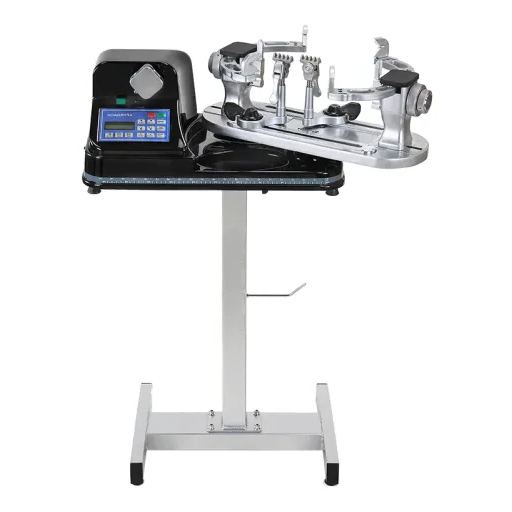
Siboasi machines cater more to the challenges faced by many industries, showcasing how collaboration and tailored solutions work together. In document discussions surrounding the operation of Siboasi machines, we will notice that the adaptation of machines according to client needs has further increased the magnitude of the benefits these equipment dealings have already begun to uncover; this comes in the form of improved operational efficiency, as well as high levels of customer satisfaction. Hence this kind of partnership-driven to scale approach that is better not only to ensure an operational machine but an eventual machine that can be matched with the expectations of the unique expectations of the customer base.
It all begins with customer requirements, which entail clear communication and precise information. They are working side by side with their OEM/ODM partners to put design and production collaboration in order, quickly meet any delivery targets, and produce a machine that fits the technical specifications. The mutual interaction of the consortium ensures that the delays are reduced and the quality remains constant which is essential for customer loyalty and satisfaction.
One can also see from implementation that adaptation and continued support systems are important. Siboasi guarantees product users a training, maintenance, and original-based support facility, all essential for users to achieve the highest performance and long time working design. Pushing towards very long-lasting strong partnerships has been a pillar in what has made the organization quite desired in the restored markets.
Impact on Retail Chains and Distribution Networks
So far, the impact on retail and distribution from the beginning has become colossal. The systems had been geared up not to be left far behind in the rat race of changing market demands and technological innovations. The systems are now well-equipped for assimilating an operational strategy—a technologically cross-bred one—to accurately track inventories very efficiently, predict consumer needs with greater certainty, and manage the processes of the supply chain. A corollary of the efficient integration of a system solution is better customer experiences and thus reduced costs of operation.
The rate of accepting machines and data-driven solutions in distribution networks has clearly enhanced the logistics and delivery skill set, making fulfilment processes more efficient fortuitously. Automated systems and predictive-analytics systems improve throughput by allowing faster and more accurate order fulfillment, with the very less likelihood of delays, while increasing overall efficiency. This whole development has translated the networks into the expectation-setters in an already massively changing consumer environment.
Another aspect that favors the enhancing collaboration between producers, logistics services, and retailing would be the advancements in technology. The ability to quickly adapt to changing market conditions while offering customer satisfaction plus quality has become the deciding factor in the extension of long-term growth. The mutual approach builds trust and confidence within the supply chain and plays an undeniable role in sustaining a competitive edge everywhere.
Frequently Asked Questions (FAQ)
Q. What do we mean by “stringing machine OEM ODM?” for a racket stringing machine manufacturer?
A. Roughly said, “OEM ODM stringing machine” is the concept for racket stringing machine manufacturers to manufacture and design stringing machines. They could therefore start from producing basic stringing machines for tennis or work to customize others for various needs—such as tennis racket and badminton racket models, the electric-assisted racket—features, and parts being manufactured, such as starting on the clamp part.
Q: How to choose between a tennis stringing machine and a badminton stringing machine when sourcing via OEM ODM?
A: While you choose between a tennis stringing machine and a badminton stringing machine through stringing machine OEM ODM suppliers, keep racquet type—tennis and badminton racket or particularly badminton tennis racket—in view, string tensions, clamp systems, compatibility with racket string patterns; the machines represented by OEM ODM suppliers in China can adapt for both tennis and badminton stringing needs and come up with incomparable solutions for tennis training centers or clubs.
Q: If an OEM ODM supplier would integrate precision plastic injection and moulding into custom racket stringing tools?
A: Yes. Many stringing machine OEM ODM suppliers provide precision plastic injection and moulding to manufacture solid components such as grips, parts for starting clamp mechanisms, and special stringing tools that ensure quality consistency of tennis and badminton stringing equipment and related accessories.
Q: What comes with a professional tennis stringing machine from an original design manufacturer (ODM) source?
A: Features on a professional tennis stringing machine from an ODM source are high precision tensioning of tennis strings, an easy-to-use starter clamp, multiple-racket sizing abilities, electric tensioning, and a strong molded construction of precision plastic injection. Support for both tennis and badminton stringing is implied.
Q: How to verify stringing machine OEM ODM service credibility from a China supplier?
A: Verification involves checking references, inspecting rackets with a sample stringing machine (electric models included), confirming plastic injection and molding capabilities, reviewing previously completed OEM ODM projects, and ensuring they can supply specialized tooling and starting clamp components.
Q: Can any manufacturer encourage accessories like starting clamps and full carbon fiber badminton racket parts?
A: Many string machine OEM ODM partners can develop accessories such as specialized starting clamp systems and collaborate with composite suppliers for manufacturing items like full carbon fiber frames. Production is integrated by precision plastic injection and moulding of non-structural parts, providing a complete solution.
Q : What after-sales/services are commonly available from an ODM OEM?
A : A stringing machine ODM partner will likely offer after-sales support for spare parts, tutorials on maintenance for electric tensioning units, and training for tennis training centers or badminton shops on stringing techniques.
References
-
International Production Networks in the Electronics Industry
This paper discusses the transition from OEM to ODM in production networks, providing insights into design responsibilities and industry trends.
Read more here -
Securities and Exchange Commission Filing
This document mentions a professional manufacturer specializing in carbon fiber rackets and related sports goods, focusing on OEM and ODM production.
Read more here -
Advances in Composite Materials and String Technologies
An academic paper synthesizing scientific knowledge and experimental findings, relevant to stringing machine technologies.
Read more here - Professional manufacturer of stringing machines in China