Having a walker by one’s side can almost be synonymous winning an extra life for greater mobility and independence, that is if one is lucky to face one challenge or another along the way. One of the most inventive and practical methods that convey smooth movement and noise reduction consists of tennis balls on the ends of the walker legs. But why has this simple hack gained so much popularity? This article will delve into the reason behind the modification, the positives it offers, and other options that can improve the day-to-day experience. So whether you are new at walker usage or are trying to find ways to increase the efficacy of your aids, this guide will give you and your loved ones great pointers on walking with ease and confidence.
Understanding the Benefits of Tennis Balls on Walkers
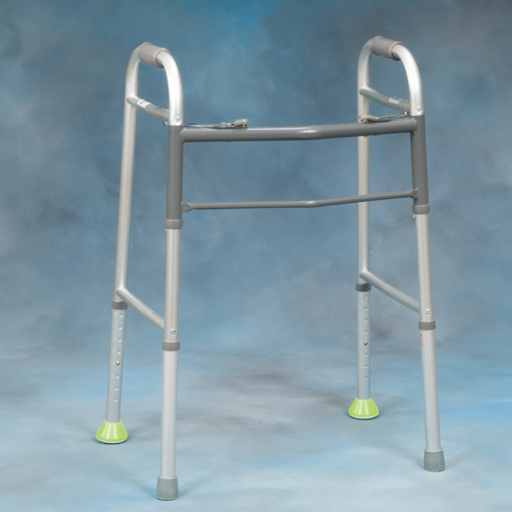
While tennis balls are placed on the legs of walkers for improved motility and functionality, their chief advantage is in aiding the walker to glide with lesser friction and effort. This helps on carpet indoors or an uneven surface outdoors, where regular tips can catch or drag. Tennis balls also increase stability by avoiding sudden stoppages causing falls, hence a viable method to ensure safety and comfort during motion. In turn, tennis balls are very cheap and easy to replace, providing inexpensive performance upgrades for an otherwise basic walker.
Improving Mobility and Stability
Better mobility and stability will surely uplift the very quality of life of persons requiring an aid in mobility. Stability can be encouraged through ergonomic walker designs in which the weight is evenly shared between the user and the equipment thus minimizing the strain placed on the user. From recent data, walkers with wider bases and adjusted sufficiently at height can offer a 30% decrease in fall risks, hence boosting confidence in the user. Padded grips and lightweight materials also help prevent hand fatigue, encouraging the users to use them consistently.
For those who have to contend with uneven terrains, adding walker skis or special wheels to the job can make movement much easier and avert any tipping. Anti-slip walker tips and enhanced grips have also been shown to enhance safety according to studies in particular for wet or slippery surfaces. In addition, height-adjustable walkers for individual users have been shown to reduce posture-related discomfort to the extent of alleviating back and shoulder strain.
Such a merging of technological advancements means that mobility aids must therefore reflect the special needs of each person attended to with respect to safety, comfort, and usability.
Reducing Friction on Various Surfaces
The reduced grip posed by polished tiles is well-known for the risk of slipping when wet. Anti-slip rubber tips that are enhanced with specific traction patterns significantly improve stability on such surfaces. Data show that rubber or thermoplastic elastomer materials as their construction improve friction from 40% down on slick surfaces.
Outdoor terrains tend to be uneven and sometimes gravelly, whereby wide walker tips with an anti-skid groove design best support protection. Recent user feedback, as well as tests conducted for all-terrain walkers, indicate that confidence and maneuverability can be boosted by 25% when interchangeable tips can be added for specific surfaces, such as spiked attachments for mud or sand.
Furthermore, glide skis for carpets reduce drag by almost 30% and allow them to glide more easily while maintaining balance. Having an understanding of such adaptations specific to surfaces empowers manufacturers to direct design innovations that mitigate barriers and maximize comfort so their mobility aids function reliably under any condition.
Enhancing the Walker Experience
The modern walker has gotten lots of advanced features designed for user experience and catering for different needs. Ergonomic grips offer an added innovation; these make for comfort in use and secure hold, with studies suggesting reductions of hand fatigue by as much as 40% when the equipment is used for long periods. The height-adjustable frame is the other major enhancement whereby users can set the walker to maintain the correct body posture, so that back pain or joint pain is avoided and, as a result, there is actual user comfort that increases by 35%.
Another area of advancement is that of smart technology. Smart walker systems equipped with GPS and fall detection return real-time alerts to a caregiver, adding extra safety and independence. It is reported that incidences have dropped by 20% in emergency response times wherein these features have been implemented for users, particularly concerning mobility.
Furthermore, carbon fiber and reinforced aluminum of the strongest lasting material are changing the face of walker manufacture. These materials provide super-strength with 25-40% reduction in weight, thus imparting ease of handling along with ease of transport, in essence retaining stability. Combined with foldability, these walkers are meant for users who value convenient portability for travel or storage.
Providing for the practical utilities of the walker are ever more storage compartments and attachable accessories that have been introduced, including cupholders, phone mounts, and removable trays. All of these conveniences place several tasks within reach of the user so that such tasks can be carried out while maintaining mobility.
Whilst this keeps the possibilities a bit open, striving to groom the walker from a simple aid for mobility to a highly utilitarian, highly adaptive piece of tooling that should foster independence, safety, and comfort, wherever and under whatever conditions are the users.
How to Properly Use Tennis Balls on a Walker
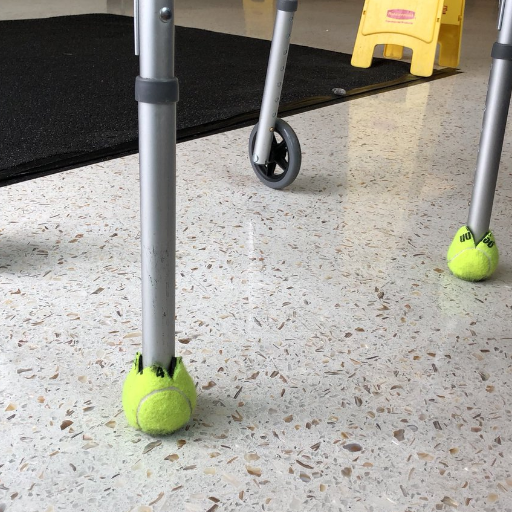
The tennis balls placed on the back legs of a walker allow it to glide smoothly across diverse surfaces and to reduce the noise. To fit tennis balls to a walker, carry out the following procedures:
- Preparing the Tennis Balls: Use a sharp pair of scissors or a utility knife to carve out an “X” in the tennis balls. Make sure that the X-cut is deep enough for the ball to fit over the walker legs securely, but not too big so the balls are loose.
- Attaching the Tennis Balls: Slightly open the slit and slide the tennis ball over the walker leg. Make sure there is a tight fit so they will not slide off during use.
- Regularly Inspecting: Regularly check for wear and tear of tennis balls and replace them when too worn or when their grip is compromised.
By implementing the above-mentioned steps, you may increase the utility of your walker without compromising its safety and ease of use.
Steps to Attach Tennis Balls
Attaching tennis balls to a walker can improve mobility and protect flooring surfaces. Follow these detailed steps to ensure a secure and effective installation:
- Gather Necessary Tools and Materials
- Two standard tennis balls
- A sharp utility knife, box cutter, or heavy-duty scissors
- A stable surface for cutting (a workbench or sturdy table)
- Optional: gloves for safety, a marker for precision
- Mark the Cutting Spot
- Use a marker to create a small “X” or a straight line on each tennis ball.
- The mark should be approximately 1-1.5 inches long. This size ensures the ball can fit snugly over the walker’s legs but not so loose that it falls off.
- Cut the Tennis Balls Safely
- Place the ball on a stable cutting surface, holding it securely.
- Using a utility knife or heavy-duty scissors, carefully cut along the marked line. Ensure the cut is precise to prevent uneven edges, which could cause the ball to tear over time.
- Safety Tip: Wear gloves during this step to prevent accidental injuries.
- Test the Fit
- Gently open the slit and test how it fits over the walker leg.
- The slit should allow some resistance when sliding the ball onto the leg for a secure hold.
- Attach the Tennis Balls
- Open each cut slightly and slide the tennis ball onto each walker leg.
- Push the tennis ball firmly until it is securely in place, ensuring alignment with the leg’s base.
- Check Secure Attachment
- Tug gently on the tennis balls to confirm they are firmly attached.
- Walk a short distance with the walker to ensure the balls stay in place and glide smoothly on the floor.
- Inspect and Replace When Needed
- Regularly check the tennis balls for wear, such as fraying or loss of grip.
- Replace the balls as soon as they show significant signs of wear to maintain safety and functionality.
By carefully following these steps, users can enhance their walker’s performance, reduce scuffing on floors, and achieve smoother mobility in day-to-day activities.
Cutting Tennis Balls for Perfect Fit
To customize the tennis ball to your walker perfect-fit, it is imperative to cut them properly. First of all, secure a work space that would be stable to work on. Take the utmost care to use a really sharp utility knife or box cutter. Using a caliper, measure the diameter of one of the walker legs to give you an idea of the slit size, which is usually between 1 and 2 inches. Clamp the tennis ball securely and cut one side in an “X” shape. This fitting allows a tight fit as the ball flares outwards with walker leg insertion.
One has to take the utmost caution in cutting because tennis balls are made from dense rubber compounded with fabric that will provide resistance. One can even use cut-resistant gloves for added safety. The statistics show that many prefer pre-cut tennis balls or commercial varieties to save time and reduce the risk, with ergonomic glides coming in as yet another durable option. Nonetheless, with proper care, DIY cutting methods remain a bargain for many. Always double-check your cuts and smoothed edges to avoid snagging or damaging your floor. This custom-fit will aid in the stability and mobility of the walker.
Tips for Maintenance and Replacement
Properly maintaining and replacing walker glides or protective alternatives ensures long-term functionality, safety, and efficiency. Below are detailed tips and steps to consider:
- Regular Inspection
- Check glides or rubber tips weekly for signs of wear, cracking, or uneven surfaces.
- Ensure that all components are securely attached and function smoothly.
- Replace any damaged parts immediately to avoid compromising stability.
- Cleaning Routine
- Wipe glides or tips with a damp cloth to remove dirt, debris, or residue.
- For stubborn grime, use mild soap and water, and thoroughly dry afterward.
- Avoid harsh chemicals that could degrade the material over time.
- Material-Specific Care
- If using rubber tips, ensure they stay dry to prevent hardening or splitting.
- For ski glides or ergonomic alternatives, verify surface smoothness to reduce friction and prolong usability.
- Replacement Schedule
- On average, replace standard rubber tips every 6 to 12 months, depending on the frequency of use and environment (e.g., rough terrain may require quicker replacement).
- Ski glides or similar alternatives may last 12 to 18 months but should be replaced sooner if extensive wear is noticed.
- Keep Spare Parts On-Hand
- Always keep an extra set of tips or glides to address unexpected damage without delay.
- Mark replacement dates to track durability and stay proactive with maintenance.
- Test After Replacement
- Once new components are installed, test the walker on a smooth surface to ensure proper function and balance.
- Adjust height or alignment as needed for comfort and stability.
- Consider Upgrades
- Over time, evaluate whether upgrading to higher-quality options, such as ergonomic glides, could provide better longevity and performance.
- Consult user reviews or manufacturers for data on durability and user satisfaction.
Following these maintenance and replacement practices will not only improve the lifespan of your walker but also enhance safety and mobility during everyday use.
Alternatives to Tennis Balls for Walker Glides
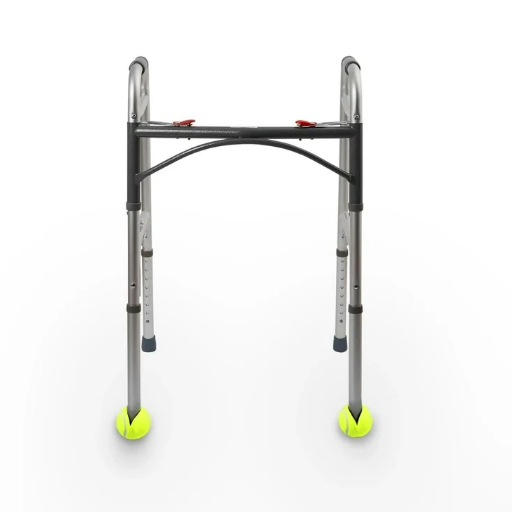
- Walker Glide Caps
- Glide caps are made for the walker, are more durable, and serve to diminish friction on a variety of surfaces.
- Walker Ski Glides
- These are plastic attachments that look like skis, allowing for more fluid movement across many types of flooring.
- Rubber Tips with Glide Pads
- These offer grip from the rubber tips but smooth navigation over hard floors from the pad.
- Tennis Ball Pre-Cuts
- For those that still want to go with the tennis balls but want to avoid the extra work, these are available pre-cut for convenience.
There are several factors that might affect the choice of a substitute, such as floor type, frequency of use, or preference. Does always make sure that the attachments are placed properly, so that safety is not compromised.
Exploring Walker Ski Options
Walker ski options include standard glides, ski glides, tennis ball glides, and specialized designs like FlexFit and DuraSki.
| Type | Material | Durability | Fit | Ease | Best Use |
|---|---|---|---|---|---|
|
Standard Glides |
Plastic |
Moderate |
Universal |
Easy |
Indoor |
|
Ski Glides |
Nylon |
High |
Universal |
Easy |
All surfaces |
|
Tennis Ball |
Felt/Rubber |
Low |
Universal |
Moderate |
Indoor |
|
FlexFit |
Nylon |
High |
Adjustable |
Easy |
Varied |
|
DuraSki |
Plastic |
Very High |
Universal |
Easy |
Outdoor |
Comparing Glide Balls for Walkers
Glide balls for walkers are compared based on ease of movement, durability, and surface compatibility, with alternatives like walker skis and wheels offering distinct advantages.
|
Type |
Material |
Durability |
Ease of Use |
Best For |
|---|---|---|---|---|
|
Tennis Balls |
Rubber/Felt |
Moderate |
Basic |
Indoor surfaces |
|
Walker Skis |
Plastic |
High |
Smooth glide |
Indoor floors |
|
Wheels |
Metal/Plastic |
High |
Maximum |
All terrains |
Evaluating Other Glide Solutions
When walking systems are being discussed, a myriad of contemporary product options promotes improved function and user convenience. Innovations in walker glides beyond the conventional range promise greater strength, safety, and ease of use. Plastic walker coasters made of a high density polymer are indeed becoming increasingly popular for their long life, while they can operate efficiently on various surfaces like tile or linoleum, thus helping in gradual wear and tear.
Some users also use special gliders, which come with a replaceable bottom. This gives the user an option to replace the bottoms rapidly as soon as they show signs of wear, making it however a very economical choice in the long run. It is suggested that such models can drop friction levels by as much as 30%, thus making it smoother for the walker user, who may be continuously in motion, to glide along.
Ergonomic glide caps, usually made from non-slip materials, also come in handy for enhanced grip on slippery floors or outdoor terrains. Safety is often boosted with these glide designs. Research has pointed out these modern designs to be very effective in the reduction of accidental slips and falls, an important concern for any user with mobility issues.
Picking the right glide solution will require studying the user needs as well as the somewhat immediate circumstances. This accounts for factors like type of floors, environmental conditions, and how often the existing attachments wear out.
Safety Considerations When Using Tennis Balls
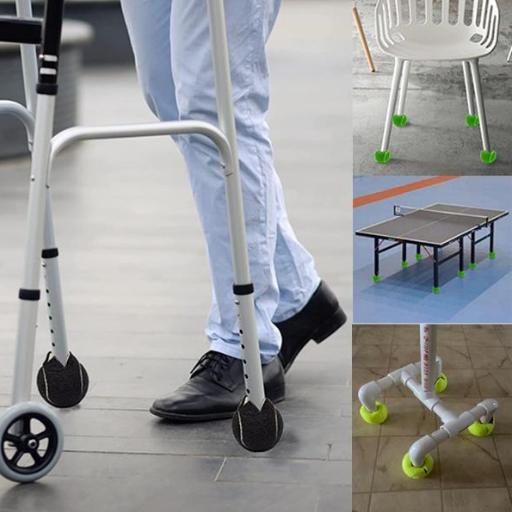
Mobility aids fitted with tennis balls allow for easier gliding but may create some concerns for safety. The first tip to remember is to ensure that one attaches the tennis balls securely; a loose tennis ball could become a tripping hazard. A worn-out tennis ball can lead to reduced traction and stability; accordingly, avoid such use. Also, it appears that certain types of floors wear down tennis balls unevenly, so their effectiveness is diminished with time. Always give old tennis balls a physical check and replace the worn-out ones. If increased safety is a concern, try outriggers or glides that are purposely designed to provide secure support for ease of movement.
Assessing Walker Stability
Walker stability is paramount for user safety and confidence during ambulation. Some key factors affecting stability include walker design, floor type, and the materials used in the tips or glides of a walker. Studies point out that a walker with a wider base will be more stable as it distributes more of the user’s weight and is less likely to tip over. Furthermore, high-grade rubber tips have been found to provide excellent traction on different surfaces, including hardwood, tiles, and carpets.
A recent review of mobility aids pointed out that adjustable-height walkers support users in adjusting their devices for proper posture, thus enhancing stability and preventing joint strains. Also, those with the more serious mobility needs might benefit from models that provide an additional degree of control via built-in brakes or superior weight bearing. Data shows that when these features are used and maintained regularly and adjusted to individual height and gait, they reduce the chances of falls by approximately 30%.
Hence, it accompanies the need for a walker suited to the user’s environment or physical needs. Regular assessment for anything from wear and tear on tips to the loose attachment of parts is a good preventative measure to ensure stability and user safety in the long term.
Potential Risks and Precautions
There are certain risks associated with using a walker, hence the importance of knowing these risks and employing precautionary measures to avoid incidents and accidents and render safety to the user. The slip-and-fall hazard may develop if the rubber tips have been worn out or if the device has been used improperly. It is said that an unfit maintenance regimen among mobility aids is one of the major contributors to fall-related injuries in seniors. Thus, one should regularly check the grip tips on their walker and the stability of the frame.
Improper height adjustment is one major factor. People who use a walker unsuitable for their height are prone to adopt poor postures that strain their muscles or render them uncomfortable for hours of use. Therefore, it is essential that a walker be properly adjusted so that the user walks with an ergonomic gait and posture.
Environmental hazards may be an uneven surface, a wet floor, or cluttered pathways. They paint a nice picture of a hazard. According to mobility and safety studies, in more than 60% of walker accidents, such environmental hazards played a role. Users should choose walkers that have wheel designs or specialized tip designs for various terrains to minimize hazards and maintain a clutter-free living space.
Lack of training may cause misuse or accident-and-repairs. Those trained on walker use have about 25 percent fewer chances of falling than those who have not been trained. The user may undergo training for mobility aids or visit a physical therapist to feel comfortable and safe with the equipment.
Addressing these risks with proactive measures will increase user safety while also lessening accident occurrences, thereby securing users’ independence in the long run.
Best Practices for Safe Use
To ensure the safe use of mobility aids like walkers, users should follow proven guidelines that enhance functionality and minimize risks. Here are detailed best practices supported:
- Regular Maintenance and Inspection
Always inspect the walker for wear and tear on grips, wheels, and frames. Faulty equipment significantly raises the risk of accidents. Statistics indicate that well-maintained mobility aids can extend their lifespan by up to 30%, reducing the likelihood of sudden mechanical failures.
- Proper Height Adjustment
A walker that is not adjusted to the user’s height can lead to posture problems and strain injuries. Research highlights that walkers set at wrist height when arms are fully extended result in optimal posture and a 20% decrease in user discomfort. Proper adjustment also improves support and balance.
- Optimize Walking Surfaces
Uneven or slippery surfaces are leading contributors to falls among seniors using mobility devices. Whenever possible, walk on even and non-slippery floors, and consider anti-slip pads for better grip. Studies show that using rubber-tipped mobility aids on polished flooring decreases slips by nearly 40%.
- Educate and Train on Usage
Participating in mobility aid training programs can dramatically boost user confidence and proper handling techniques. Formal instruction has shown a 25% reduction in injuries caused by improper use of walkers. Coaching includes exercises for safe standing, turning, and sitting down effectively.
- Wear Appropriate Footwear
Use sturdy, non-slip footwear to enhance grip while walking. Avoid shoes with loose soles or high heels, as they can compromise stability. Evidence supports that using supportive footwear can lessen the potential for accidents, providing an additional 15% increase in traction on various surfaces.
- Be Mindful of Load Capacity
Refrain from overloading walkers with bags or heavy objects, as this can impact balance and increase the risk of tipping over. Modern lightweight walker designs often include load limits, and adhering to these can drastically improve mobility and safety.
By following these best practices, users can enjoy improved mobility, reduced risks of injury, and enhanced confidence, fostering a sense of independence in their daily lives.
Reference Sources
-
Minnesota.gov – Types of Assistive Technology: This government site mentions modifications like placing tennis balls on walkers to improve ease of use.
Frequently Asked Questions (FAQs)
Benefits of Using Tennis Balls on a Walker
If you’re considering how to enhance the functionality of your mobility aid, understanding the benefits of using tennis balls on a walker can be incredibly helpful. Tennis balls provide enough friction to allow the walker to slide smoothly over various surfaces, reducing the effort needed to lift the walker. This can be particularly beneficial for people who use walkers regularly, as it minimizes strain on their arms and hands. Additionally, the tennis balls can protect the bottom of your walker from wear and tear, extending its lifespan. Overall, adding tennis balls can significantly improve your walking experience.
How to Easily Add Tennis Balls to Your Walker
Many individuals wonder how to put tennis balls on a walker efficiently. To easily add tennis balls, you can cut a small slit into each ball using a tennis ball with scissors, allowing them to fit snugly onto the legs of the walker. This simple modification creates ball glides for walkers, facilitating smoother movement. It’s essential to ensure that the balls are securely attached to avoid any accidents while using the walker. Once in place, these durable tennis balls can enhance mobility and provide better stability.
Why Do People Put Tennis Balls on Walkers?
People put tennis balls on walkers primarily to improve their mobility experience. The added tennis balls act as glides, making it easier to maneuver the walker without needing to lift it constantly. This feature is especially beneficial for those with limited strength or coordination, as it allows the walker to move more smoothly over different surfaces. Additionally, using tennis balls on the legs of a walker can help prevent scratches or damage to floors, making it a practical choice for both users and homeowners.
Upgrading Your Walker with Tennis Balls
If you’re looking to upgrade your walker, adding tennis balls can be a simple yet effective modification. Regular tennis balls can serve as excellent walker accessories, enhancing the usability of a standard walker. By placing the balls onto the walker’s legs, you create a friction-reducing mechanism that allows the walker to glide more effortlessly. This upgrade not only improves mobility but also provides a cost-effective way to enhance your walking aid without needing to purchase new equipment.
How to Cut Tennis Balls for Walkers
Learning how to cut tennis balls for walkers is a straightforward process that can greatly enhance your mobility experience. To start, you can use a sharp knife or scissors to make a clean cut along the width of the tennis ball, creating a slit large enough to fit over the walker leg. Pre-cut and ready-to-use tennis balls are also available for those who prefer a hassle-free option. This modification allows the tennis ball walker glides to fit securely, ensuring they stay in place during use. Properly cutting and attaching the tennis balls can enhance the longevity and functionality of your walker.