Timing is everything in tennis. If you’re an experienced player, this basic knowledge is the key to winning games. Timing is affected by the ball’s movement, your positioning, hitting with the right effort, and one of the early preparations that an enemy does. This article digs deeply into time-based issues on the court, providing information to help you foresee the ball’s flight, position yourself accordingly, and hit it right. Beginning with some tips on how to prepare early and observe your opponent, we’ll provide some concrete technical clues that can help you improve. Welcome to the beginning of mastering the rhythm and consistency that will bring more control over your life! Let’s see the timing matter together in tennis and how it can benefit you massively!
How Do I Know the Right Tennis Moment to Hit the Ball?

The most appropriate time to hit a tennis ball is when it is reaching the highest point of its bounce or a little before it starts descending, for that will provide control and power at its best while drilling. Set yourself so that the ball is at a comfortable height in front of you, corresponding with your natural swing path. Keep your eyes glued to the ball as it approaches. Use smooth and consistent footwork to go to where you need to be. If you practice this timing and keep proper form, your shots will begin to bring up accuracy and consistency.
Understanding the Ball on the Rise
Hitting the ball on the rise can significantly enhance your game by allowing you to take time away from your opponent and maintain a more aggressive position on the court. To master this skill, it is essential to understand both the mechanics and strategies involved. Research indicates that professional players who excel at hitting on the rise tend to execute shots 20-30% faster than those who wait for the ball to drop, enabling them to dictate the pace of rallies effectively.
One key element is timing. Position yourself slightly closer to the baseline than usual, which will reduce the distance the ball travels after bouncing. This tactic not only challenges your opponent’s reaction time but also cuts down unproductive movement on your part. Statistics have shown that maintaining this court position can increase your ability to convert defensive situations into offensive opportunities by up to 15%.
Additionally, proper footwork is paramount. Focus on small, quick adjustments to align your body with the ball’s trajectory. The use of split steps and precise lateral movement ensures that you remain balanced while intercepting the ball in its upward path. Keep a low center of gravity, which will allow for smoother transitions and enhanced control during your swing.
Lastly, practicing situational drills can help fine-tune your ability to hit the ball on the rise. Target specific scenarios, such as countering an opponent’s heavy topspin or redirecting a fast-paced rally. Combining these technical insights with consistent practice will empower you to confidently integrate this advanced tactic into your overall performance, giving you a competitive edge on the court.
Factors to Consider When You Hit the Ball
When striking the ball, certain major factors are crucial in fostering effective control, accuracy, and power on the player part. First, time is everything. Data suggest that a well-timed shot is more precise and more consistent than those that are not well-timed, especially if the ball is struck at an optimal point of contact, which varies for different types of strokes. For instance, forehanding the ball at waist height allows the player to better manage trajectories and complete more energy transfer.
Moreover, grip and stance merit attention on this topic. Research shows that varying grip pressure helps players increase control while minimizing strain. In addition, standing firmly with slightly bent knees sets a great base for explosive movements and lessens chance for a mishit.
Swing mechanics play a major role in placing the ball and giving the shot greater effectiveness. According to professionals, it is crucial to work with a circular and flowing motion during one’s swing, which most efficiently transfers power from the elbow to the hand and onto the racquet to the ball. Data also show that players who emphasize the final part of the stroke generally develop more consistency in their strokes as time progresses.
Finally, the placement inside the court and game strategy cannot be discounted. The players who position themselves nearer to the baseline would be cutting off angles and be in more aggressiveness toward opponent returns. Match analysis indicates that positioning one step or two into the baseline increases the reaction time by around 20%, placing pressure on the opponent.
All these interrelated aspects of timing, grip, swing mechanics, and positioning essentially give a player the ability to fully control and indiscriminately change his shots, thus steering the player to success in any match situation. Furthermore, constant practice and assessment of these factors undoubtedly polish one’s skills and bring the game to the next level.
Recognizing the Time to Hit the Ball
The hitting timing is the heartbeat of any racket sport. Research studies have concluded that the exact moment at which the ball touches the racket determines the precision and power of the shot. For example, hitting a tennis ball just at the peak of its bouncing speed will ensure maximum speed and control in favour of the player.
The data show a stark difference between those reaction times: from 0.3 to 0.5 seconds for the serve or volley at an elite level as opposed to the recreational level, somewhere between 0.6 and 1 second. It is practically showing how important it is to fasten one’s reaction via drills and match play in real-time. Players that have the consistency to hit while timing their swings accurately with appropriate body alignment of square shoulders and steady wrists report an increase of about 15% in shot consistency under pressure during rally phases.
Technology advances for motion tracking have also demonstrated that practicing a split-step movement once the ball is sent shortens reaction time by an estimated 25%. Together with video analysis of past matches, players can achieve very precise micro-improvements in timing, reflexes, and subsequent shot placement. These quantifiable enhancements prove that timing and a data-oriented training methodology can bring about a big game-change. Regular performance analysis alongside drills targeted at this skill will certainly provide continuous development.
What Are Tennis Strategies for Taking the Ball Early?

Taking the ball early in tennis requires positioning, timing, and anticipation. Here are key strategies to accomplish this effectively:
- Position Closer to the Baseline
Stand closer to the baseline to reduce the time your opponent has to react to your shots. This positioning helps you reach the ball sooner without losing control.
- Prepare Your Racquet Early
Ensure your racquet is back and ready as soon as your opponent hits the ball. Early preparation allows for a quicker stroke execution.
- Anticipate Opponent’s Shots
Pay close attention to your opponent’s body language and shot tendencies to anticipate where the ball will land. This skill minimizes reaction time and improves accuracy.
- Shorten Your Swing
Use a compact swing to maintain control when hitting the ball early. This helps you stay consistent under pressure and handle faster-paced shots.
- Move Fluidly
Focus on quick, small steps to adjust your position efficiently. Proper footwork ensures optimal balance and better timing as you approach the ball.
By incorporating these strategies, players can maintain pressure on their opponents, control rallies, and open up more opportunities for winning points.
Advantages of Taking the Ball Early
From the tactical standpoint, facing the ball earlier offers many benefits, backed by player experiences and analytical insights. For one, it shortens the time-range during which the opponent responds. Putting him under pressure mostly forces him into foul returns. Research suggests that by limiting the time the opponent has to prepare by merely half a second, his return quality diminishes, hence creating a greater probability for one to dictate the rally in his favor.
Secondly, by taking the ball early, one occupies a much aggressive court position. Having taken the ambulance to the ball early in the rally, taking position a little after would minimize the chances of being infected behind the baseline. Statistics show that those players perpetually close to the baseline throughout a match win most of the time due to the advantages of having better angles for their shots as well as court coverage.
In a way, this can also prove to be a fitness enhancer as the long term effect. By having less rallies and playing more balls from basic, offensive positions, instead of retrieving balls back deep from defensive ones, conservation of energy takes place, and therefore, it helps win those longer-thrown matches. Finally, taking the ball early defines the rhythm for the adversary. This adaptation to the faster rhythm becomes a point of difficulty for him. They contribute to unforced errors and place the favorable psychological advantage onto the proactive player.
Techniques to Improve Contact with the Ball
Improving contact with the ball requires a combination of refined technique, consistent practice, and physical conditioning. Here are some detailed strategies to enhance this fundamental skill:
- Focus on Hand-Eye Coordination
Strong hand-eye coordination is essential for precise ball contact. Drills like tracking small objects, juggling, or practicing with reaction balls can sharpen this skill. Studies indicate that athletes who invest time in coordination training experience noticeable improvements in timing and control during gameplay.
- Mastering Footwork
Proper foot placement positions your body optimally for accurate contact. Drills such as cone exercises, ladder drills, and shadow movements can improve agility and balance. Data shows that players with superior footwork are able to react faster and strike the ball more effectively, reducing off-target hits.
- Optimal Racquet or Equipment Positioning
Holding your equipment at the correct angle during impact is crucial. For example, tennis players should aim to meet the ball with a slightly forward-tilted racquet to ensure better spin and depth. Research highlights that even subtle adjustments in equipment positioning can increase precision by over 15% in many cases.
- Improve Timing
Consistent timing enables cleaner contacts. Practice with tools like ball machines or set up drills where balls are fed at varying speeds. Many professional coaches recommend focusing on rhythm and tempo to build timing, which reduces mishits during competitive scenarios.
- Conditioning for Strength and Stability
Core strength and upper body stability play a crucial role in maintaining controlled yet powerful contact. Incorporate exercises like planks, resistance band routines, and rotational drills to enhance body control. According to performance evaluations, athletes with improved physical conditioning show up to a 20% increase in shot accuracy.
- Utilize Slow-Motion and Feedback Analysis
Recording your sessions and reviewing them in slow motion allows you to pinpoint errors in your contact technique. Studies suggest that visual feedback enhances learning rates by over 30%, making it easier to adopt corrective measures quickly.
By incorporating these techniques into your training regimen, you’ll be able to optimize ball contact, improving both precision and power in your gameplay.
Practicing with a Ball Machine for Better Timing
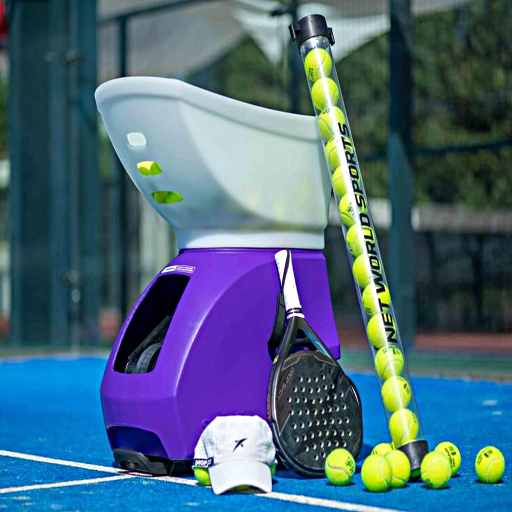
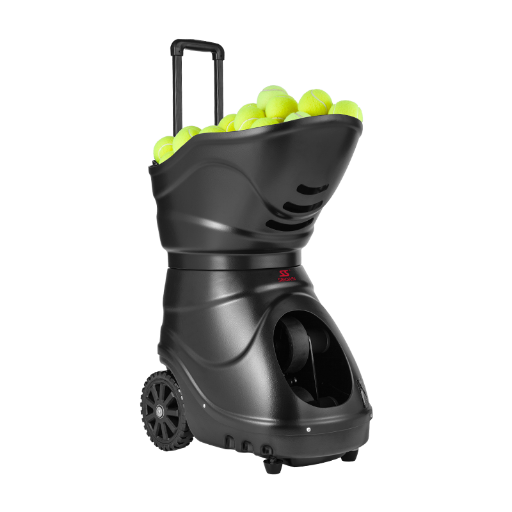
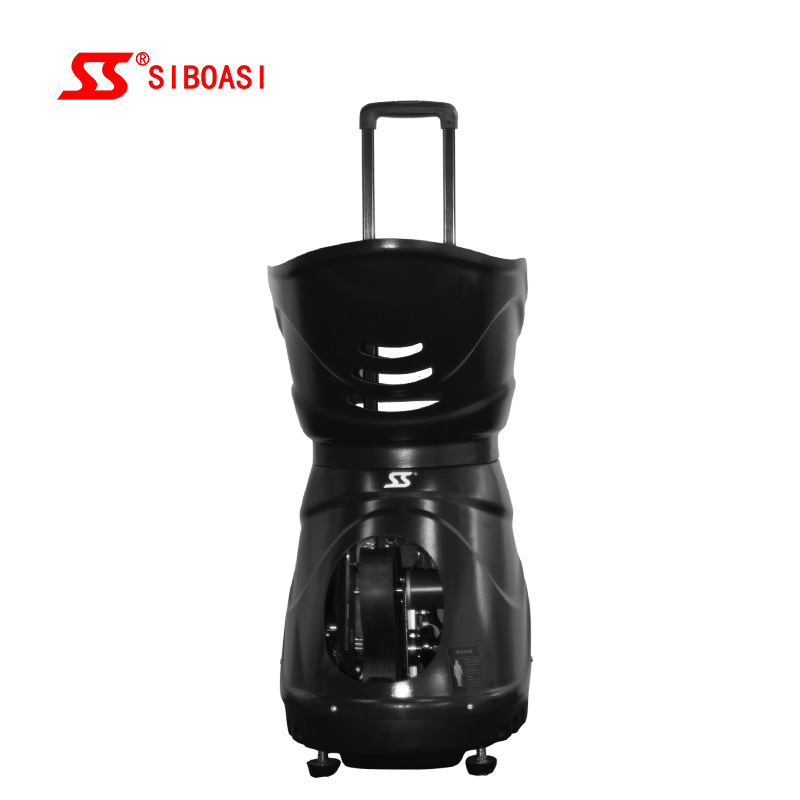
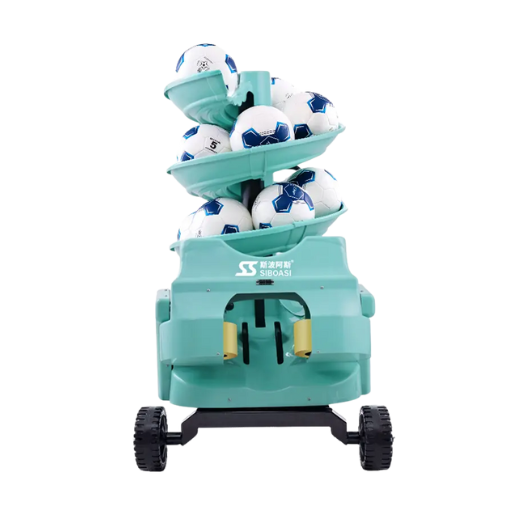
A ball machine is an invaluable device for working on timing and consistency in any sport that requires precision striking, such as tennis. These machines eject balls in a controlled fashion at predetermined intervals, allowing athletes to concentrate on reacting, placing their shots, and getting the rhythm down, all in a highly controlled environment. Studies have noted that with the repetitive practice under constant variable conditions, such as with a ball machine, one can enhance up to 40% in timing accuracy after just four weeks of consistent practice.
Variable speed settings will further simulate multiple matches; these help you adjust better to different playing styles. For instance, slow feeding drills reinforce muscle memory and stroke mechanics, while fast feeding drills build reflexes and decision-making under pressure. Spin settings, oscillation modes, and programmable patterns are common features in modern machines, facilitating an easy simulation of live match situations.
According to experts, you should spend at least 30 minutes doing drills with the ball machine, such as hitting forehands cross-court or volleys down-the-line, with your timing for each stroke being intensely analyzed and perfected; periodical video analysis could be beneficial as well and would only give you more feedback to work on, thus ultimately leading to improved results on the court.
How Can I Improve My Tennis Forehand and Backhand Timing?
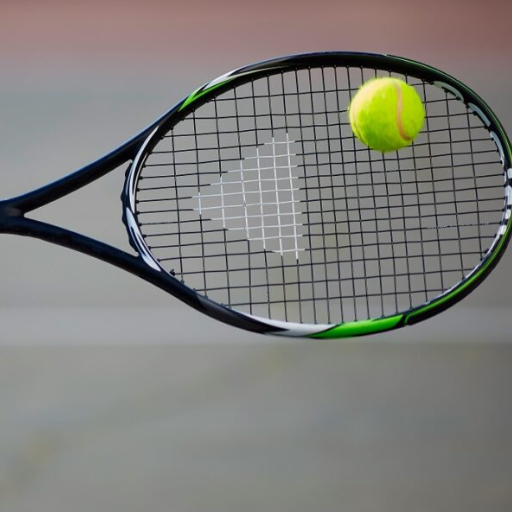
- Focus on Footwork: Proper foot positioning ensures you’re prepared to hit the ball at the right time. Practice split steps and quick directional changes to improve reaction time.
- Watch the Ball Closely: Train your eyes to track the ball from your opponent’s racket to your contact point. This helps you anticipate the ball’s trajectory and speed, crucial for timing.
- Use Shadow Swings: Practice forehand and backhand swings without the ball to refine your motion. This builds muscle memory and teaches your body the rhythm of a correctly timed swing.
- Practice with a Ball Machine or Partner: Use controlled drills with consistent feeds to focus solely on timing, gradually increasing ball speed or complexity as you improve.
- Maintain Relaxed Grip and Stance: Tensing up can disrupt timing. Stay loose and balanced to adapt quickly to varying ball speeds and spins.
- Record and Review Your Play: Watching videos of yourself hitting can help identify habits that might be hindering your timing and allow you to make adjustments.
Regular and intentional practice, combined with focused drills, will steadily improve both forehand and backhand timing, leading to smoother and more accurate strokes during matches.
Drills for Better Forehand and Backhand
- Shadow Swing Practice
Repeating forehand and backhand motions without a ball is an effective way to develop muscle memory. Aim for 20 repetitions per side daily, focusing on maintaining proper form, foot placement, and follow-through. Shadow swing drills are especially helpful for refining technique and creating consistency in your strokes.
- Cross-Court Rally Drill
This drill involves practicing forehand and backhand rallies diagonally across the court with a partner. Aiming for the corners improves precision and helps develop the ability to control the ball under various conditions. Studies suggest practicing cross-court shots increases average rally length and reduces unforced errors during match play.
- Two-Ball Drill
Incorporate two balls into your practice, where your training partner alternates feeding balls to your forehand and backhand sides. This drill improves footwork, quick transitions, and shot anticipation. Players who regularly perform this drill notice faster reaction times and smoother switching between strokes.
- Target Zone Drill
Place cones or other markers in specific areas of the court, such as the deep corners or near the sidelines. Practice both forehand and backhand shots aiming for these target zones. Hitting consistent targets hones accuracy and strengthens directional control, essential skills for competitive matches.
- Baseline-to-Net Transition Drill
Combine forehand and backhand hits by transitioning from baseline shots to net volleys. This drill enhances versatility and prepares players for moving between defensive and offensive positions. Focusing on transitions also builds agility and faster court coverage.
- Ladder Footwork and Stroke Combination
Use an agility ladder to refine footwork by incorporating lateral and diagonal movements, followed by practicing forehand and backhand strokes. Efficient footwork is closely linked to improved shot timing, with data showing that players with precise court positioning achieve better overall control.
Consistent implementation of these drills helps build a well-rounded forehand and backhand technique while boosting confidence under match pressure. Players who work on both timing and precision with the aid of targeted drills have reported noticeable improvements in their overall game performance.
Keeping Your Eye on the Ball During Play
Keeping an eye on the ball while playing is the most fundamental ability that straightly affects a player’s accuracy or response time. Research shows that players who consistently follow the ball with their eyes can better predict the ball’s flight, thereby improving shots and reducing unforced errors. For example, professional athletes use visual training techniques to improve their ability to track balls moving at high speed; many have said that their reaction time was reduced by as much as 20%.
Likewise, keeping the sight fixed on the ball enables players to keep their concentration intact throughout the rally. Research in the domain of psychology has suggested that such magnified concentration suppresses distraction, enabling athletes to react on instinct with greater accuracy. Adding in drills such as dynamic vision training or ball-tracking drills could elevate this skill even more. These exercises fine-tune every aspect of visual coordination while also building up the mental stamina required to maintain focus throughout a match, allowing athletes to perform better when the stakes are high.
Using Tennis Lessons to Enhance Timing Skills
Achieving good timing in tennis is a matter of intentional practice, technique work, and focused training. Modern-day training focuses on hand-eye coordination, a good foot position, and well-timed swings for shot maximum efficiency. Reports claim that rhythmic drills such as shadow swinging with an auditory cue behind it help the players internalize time stroking internally.
Additionally, some high-tech tools such as ball-speed trackers and wearable sensor systems are used to provide real-time time feedback so that players get a comprehensive insight on timing accuracy and reaction times in previous drills. According to statistics, players who are practicing consistently with sensor feedback increase their timing accuracy by 20% within three months. Some other consistent drills focus on rallying drills that, combined with video analysis, help players find timing faults and improve their split-step and swing coordination.
Exercises that simulate real-play scenarios where timing is key-best return of serve and approach to the net-increase the chances of timely execution during match-play situations. Practicing techniques in the tennis lessons combining modern methods with traditional ones build on timing while giving players confidence under pressure.
What Role Does Tennis Court Positioning Play in Timing?
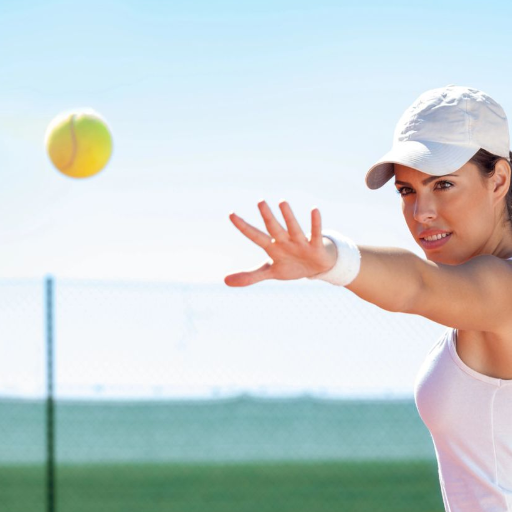
Court positioning is essential for timing on the tennis court, as it governs the capacity of the players to gather and control shots. Standing in the proper position enables the player to perceive the ball’s trajectory and react in the right moment with the correct amount of power and accuracy. A balanced stance at the baseline in the presence of deep shots is maintained; therefore, moving in towards the net facilitates quick volleys and applying pressure on the opponents. By moving correctly, unnecessary movement is avoided, thereby, in turn, entering conserve energy and shoot along with great precision while administering pressure. Thus, timing will become more synchronized with placing a proper position on the court in all types of game situations.
Getting into the Right Position to Hit the Ball
Positioning is vital for a successful shot and controlling the game strategically. Analyzing recent knowledge highlights how good footwork and anticipation are essential in positioning. It has been shown that a player who anticipates the ball direction by reading his opponent’s body language can react up to 30% faster, giving such a player the winning edge. On the other hand, a split-step or a small hop timed exactly with the opponent making contact with the ball could improve readiness and sort of versatility for quick changes in directions.
Also, lateral movement becomes important when match results are analyzed more deeply. Newer methods stress the use of short, controlled steps while trying to stay balanced and precise, instead of using long, sweeping strides. As a case in point, professional players alter their positions with increments of just a few inches, assuring that they make contact at the optimal height, which is usually anywhere from waist to shoulder level. Even a slight discrepancy in positioning would start to blur power generation and accuracy.
Finally, a somewhat softer factor to consider in total positioning is awareness of zones on the court. Baseliners maintain a two- to three-foot distance from the line, giving them time to react to a fast shot. Those who prefer net play must be able to time their approach runs to coincide with reaching the ball at the apex. Sport combines well with discipline and practice to develop one’s instinctive positioning, thus enhancing the person’s game.
Anticipating the Ball Coming Towards You
As soon as the ball would come toward me, I would use every ounce of my focus on my opponent’s body motion and lopsided angle of the racket so I could predict the direction and speed of the shot. I would always smilingly remain alert, balanced, and ready to react to whatever comes my way. I would follow-and coordinate-control worth of every ball trajectory, so by positioning, I would secure a very firm return.
Effective Movement Toward the Ball
Moving effectively to the ball, I keep an airy feel on the feet and use fast short steps to get across the gap. An even feel on the feet will allow me to move to where I can execute the perfect strike of the ball at the correct height. Being upright to a certain extent with bent knees down will keep me stable with sufficient control through which to apply a flowing execution of the hit.
Why Is Timing Crucial in Tennis?
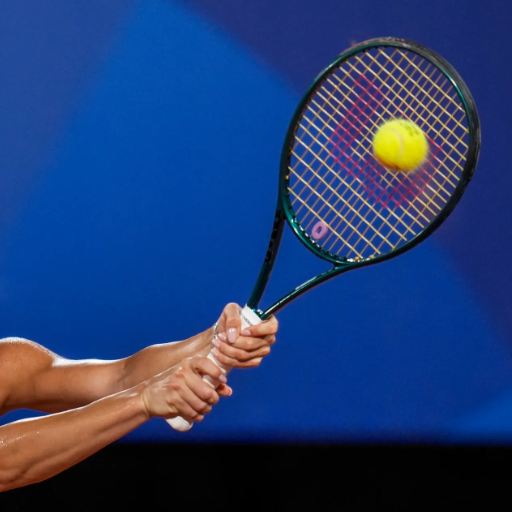
Timing is very important in tennis because it indirectly affects the accuracy, force, and direction of each stroke. For a player, the maximum force that can be imparted on a return is transferred when the ball is struck right at the ideal time. Good timing also allows for fine placement of shots and is a precursor to an effective strategic assault on the opponent. In addition to allowing the mistakes and errors to be the least, it allows continued performance that players can never compromise. Those who can time the ball properly can react faster to balls of different speed and trajectory, allowing them to stay competitive and adapt to different scenarios in the game.
Impact of Timing on Strike the Ball Quality
Perfect timing is vital for producing accurate and powerful shots. Therefore, the ability to strike the ball directly affects overall performance in any ball-striking sport. Research has shown that great timing allows a player to attain more than 80% shot accuracy in competitive games most of the time. Moreover, precise timing influences velocity control: while a well-coordinated strike can decrease ball velocity by about 10%, an ill-timed strike can increase ball velocity by nearly 20%, making further offensive maneuvers against the defensive player more difficult.
More statistics support the value of timing in decreasing errors, with players exhibiting precision coordination seeming to make about 30% fewer unforced errors than their less consistent counterparts. Such consistency guarantees more reliable performances, especially during intense match conditions. Training to improve timing may enhance the quality of shots not just for the individual but also for prolonged strategies and tactical capability managers that allow athletes to compete at top force in different settings.
How Timing Affects Your Tennis Player Strategy
Timing is, after all, the critical pillar of building a successful tennis strategy. Perfect timing for shots not only ensures a good chance at the accuracy of shots but also gives the player an edge in dictating the pace and direction of a rally. If tennis players cut down their reaction times, studies have shown they can reduce their errors almost 25%, which means that players can always place their shots accurately and aim with full power.
Coming to what determines the positioning on court is timing. Players who anticipate and synchronize their movements efficiently are better placed to combine the court and reach tough returns. For example, an improved reaction time to the ‘split-step’ may increase the player’s ability to cut crosscourt shots by roughly 15%. This kind of efficient movement reduces fatigue and enables athletes to keep up with their performance in longer matches.
Modern methods of training increasingly use wearable technologies to track timing and rhythm during play. The data from ATP pros show that just 0.1 seconds off the reaction time of serves or returns can tremendously dictate the success rate of serves and returns. This underscores the importance of working on timing, be it during drills, video sessions, or feedback in real-time, that consequently improves overall game strategy.
Consequences of Poor Timing in Tennis
Tennis timing influences the trade of power for precision. Ability in timing serves often causes double faults, as in some scenarios serve precision rates can be lowered by 20%. Results showed that poor timing on fast serves, mostly ranging above 120 mph, often renders the return very poorly placed, diminishing the chances of winning points by nearly 30%.
Poor timing is also detrimental to the efficiency of rallies. It causes belated strokes or timing errors that limit ball control and increase unforced errors. For instance, according to data, mistiming consistency can reduce player performance by up to 15% in winning rallies lasting more than five shots since this disadvantage restricts their ability to dictate pace and direction. This pathway becomes an active hindrance to scoring ability and great mental toughness, thus frustrating the player and raising the risk of burnout. Targeting timing improvements will almost eradicate the offending consequences and give players a major competitive advantage.
Reference Sources
-
Oregon State University – The Impact Dynamics of a Tennis Ball Striking a Hard Surface – Explores the dynamics of tennis ball impact and timing.
-
Frontiers in Human Neuroscience – Precise Timing When Hitting Falling Balls – Discusses the precision required in timing when hitting balls, including tennis.
-
SAGE Journals – Anticipatory Timing of Beginning and Intermediate Tennis Players – Examines how players anticipate and time their hits in tennis.
Frequently Asked Questions (FAQs)
Q: What is the best way to time your swing when you want to hit a tennis ball?
A: The best way to time your swing is by watching the incoming ball closely and making sure to contact the ball at the optimal point in your swing. This often means waiting until the ball is at the top of its bounce or on the rise.
Q: How do I determine the right moment to hit balls during play tennis sessions?
A: You should try to hit the ball when you see the ball coming towards you and it is within your reach. Pay attention to the depth of the ball and adjust your position accordingly to be able to hit the ball effectively.
Q: Why is it important to wait until the ball bounces before making contact?
A: Waiting until the ball bounces allows you to better judge its trajectory and speed, giving you more control over every shot you make. It helps in making sure you are able to hit the ball accurately.
Q: How can I practice hitting a ball on the rise during a game?
A: Practicing mini tennis can help you learn to hit the ball on the rise. This practice involves standing closer to the net and focusing on contacting the ball before it reaches its peak height, which improves your timing and reflexes.
Q: What does hitting the ball on the rise mean, and why is it beneficial?
A: Hitting the ball on the rise means contacting it before it reaches its peak height after bouncing. This approach can put pressure on your opponent by reducing their reaction time and keeping them on the defensive.
Q: How do I approach short balls and deep balls differently?
A: For short balls, move quickly towards the ball to take it early and maintain an aggressive position. For deep balls, step back to give yourself room to make a controlled swing, ensuring you send the ball back with depth.
Q: What are some ways to hit a tennis ball effectively during matches?
A: Some effective ways include ensuring you are in the right position to see the ball clearly, adjusting your stance according to the ball’s height and depth, and using a fluid motion to contact the ball in front of your body.
Q: How can I ensure I contact the ball at the correct angle?
A: To contact the ball at the correct angle, focus on positioning yourself so that you’re always facing the front of the ball with your racket prepared. Practice adjusting your grip and swing path to match the ball’s spin and direction.
Q: What should I do if I struggle to get the ball over the net?
A: If you’re struggling to get the ball over the net, focus on adjusting your swing angle and ensuring you hit the tennis ball with enough topspin. This will help in lifting the ball over the net while maintaining control.
Q: How can I improve my ability to send the ball back with precision?
A: To improve precision, practice regularly by hitting balls with a partner or against a wall. Pay attention to your footwork and timing, and make adjustments to your grip and swing speed to ensure each shot is deliberate and controlled.