Tennis balls are supposed to be pressurized in cans for the optimal bounce and performance. They are even produced with an empty rubber core that contains pressure roughly 12 psi above atmospheric pressure. This pressure inside enables the ball to exhibit a lively, consistent bounce that is therefore necessary for an ideal arrangement of the game. Tennis balls lose pressure with time, even if not used.
Hence, it is required that after the balls are made, they should be immediately placed within hermetically sealed, pressurized cans. The pressurized containers keep slow loss of air from the balls, and with this, keep the balls’ quality intact till when they are to be opened for play. Unpackaged, tennis balls lose the bounce prematurely, give uneven performance, less durability, and less fun to the operator. This storage system guarantees that, from the opening of the can, players will be served with freshly-made balls for optimum performance.
Introduction to Pressurized Tennis Balls
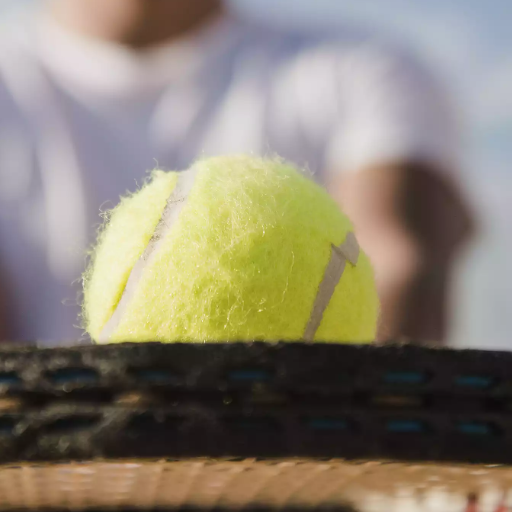
Pressurized tennis balls come inside containers built to keep the internal pressure so they can bounce consistently and perform well. They are filled with pressurized air and then packed into a vacuum-sealed can to retain the optimal pressure at least till the can is opened. This makes the pressure-sensitive Balls responsive with a certain durability needed in casual or professional level play.
The Purpose of Tennis Ball Cans
Tennis ball cans are very crucial in the preservation and maintenance of the performance and life of pressurized tennis balls. These cans are designed to be airtight, maintaining the internal pressure of these balls, thus keeping them nice and bouncy, firm, and responsive. Balls that have stayed out in the open for long periods begin gas leakage, which gradually deteriorates its performance. Thus availability of sealed cans opposes this by ensuring that the balls remain set under stable pressure conditions till they are ready for use.
Tests reveal that a tennis ball inside a pressurized can retains its own bounce and pressure for about two years. This becomes very important for players who want to maintain consistency in their games because performance variations in older non-pressurized balls can tremendously affect players during matches in terms of control and accuracy. The other convenient trait about these cans is that they’re lightweight, portable, and easy to store and form an integral part of the tennis equipment at all levels.
Further advancements in tennis cans packaging today include recyclable materials and pressure indicators so that the user can check the seal’s integrity prior to purchase.
Understanding Pressurization
Pressurization of tennis balls inside the cans is one big factor to ensure the balls sustain the best bounce and performance. Tennis balls are pressurized at roughly 12 psi (pounds per square inch) above atmospheric pressure. This inner pressurization is the main key to keeping the ball hard and lively while in use. If this pressure is not there, the tennis balls lose their bounce, thereby working against the game.
The cans are sealed under such pressures that the pressure is equivalent to that within the balls, the procedure that would have helped keep the materials from deteriorating until used. Ball core pressure may fall to half within a few weeks after the ball is unsealed, and hence, the pressurized cans keep them fresh and performing.
Advances in pressurization technology have focused on extending the life of tennis balls while also ensuring environmental sustainability. Some manufacturers have since begun experimenting with advanced sealing techniques and materials that could diminish air leakage as time goes by. Moreover, there are now reusable containers available that can be re-pressurized by the player as an ecological alternative to dispose of waste.
Overview of Tennis Ball Types
Tennis balls are categorized into extra-duty, regular-duty, pressureless, high-altitude, and junior types, each designed for specific surfaces, altitudes, or player levels.
|
Type |
Best For |
Key Feature |
|---|---|---|
|
Extra Duty |
Hard courts |
Durable felt |
|
Regular Duty |
Clay/indoor courts |
Compact felt |
|
Pressureless |
Practice/machines |
Long-lasting |
|
High Altitude |
4,000+ ft altitudes |
Lower pressure |
|
Junior Balls |
Kids (3-13 years) |
Lower compression |
The Science Behind Pressurized Tennis Balls
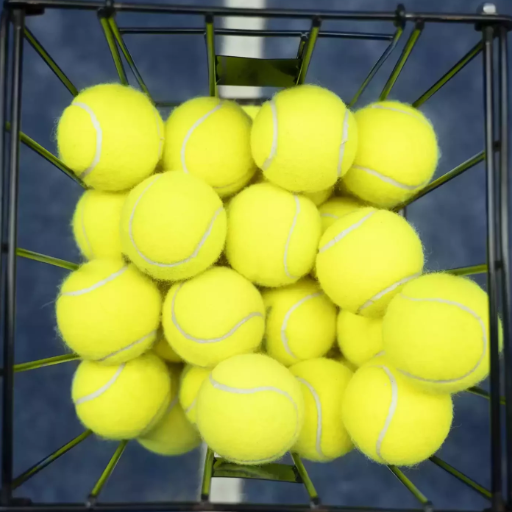
In pressurized tennis balls, since an internal air pressure creates their bounce and performance characteristics, gas, usually nitrogen, is injected into the ball to create an air pressure, and the ball is then sealed in its pressurized can to prevent the air leakage prior to use. The pressurization essentially forms the elasticity in these balls so that while playing, there is an equal bounce and this elasticity helps in easy control. Through gradual passage of time, air escapes through the rubber core, which leads to reduction in pressure causing degradation of performance. This is why, after repeated use, pressurized tennis balls gradually lose their bounce and have to be replaced.
How Air Pressure Affects Performance
Air pressure directly affects how a tennis ball will bounce off the court, how fast it moves, and how the player controls it. Pressurized tennis ball typically has an internal pressurization of 12 psi (pounds per square inch) above atmospheric pressure. This extra pressure gives the tennis ball a lively bounce on the court. They should be at a high level of pressure so that the balls are resilient and shape-retentive while providing uniform characteristics when the impact occurs from the hitting racket or when they hit the surface.
As these pressure levels drop in the course of time, various factors come into play. Possible variations suggest that a reduction in the internal pressure is the cause for the gradual fading of “pop” and a drop in bounce almost as soon as it is lowered. For a professional, even the smallest variation in air pressure is enough to upset the precision of the game; hence pressure must be kept maintained in competitive situations.
Moreover, external conditions such as altitude and temperature come into the picture again. At a higher altitude, atmospheric pressure will also be lower; thus, there is less force acting externally on a tennis ball, causing it to appear to bounce higher. A similar effect is witnessed with temperature changes as warmer temperature causes the gas inside the ball to expand, which in turn increases its internal pressure and liveliness, whereas at a colder temperature, the internal pressure decreases, making the ball heavier and slower.
Proper storage and choice of ball for given conditions can best address these issues. For instance, pressureless tennis balls are a way to go for recreational play since they bounce consistently over time without depending on internal air pressure, thereby being more durable but feeling distinctly different from pressurized balls.
The Mechanics of a Pressurized Tennis Ball
Pressurized tennis balls are manufactured to give better-performed dimensions with an accurate construction and internal pressure. These balls have been pressurized with compressed air at usually 12 psi pressures above that in the surrounding atmosphere. The pressure inside gives the sphere meant bounce and responsiveness which players cherish much. The rubber core is followed by a felt covering which helps the ball to maintain grip and aerodynamic properties in play.
Yet, pressurized balls are at a disadvantage because they have the tendency to expel air through a gradual process, named deflation. Studies have shown that pressurized tennis balls lose about 5 to 10 percent of their bounce properties within two to four weeks of being unsealed, especially if not stored properly. To prevent this, players are advised to keep them in containers that can keep the internal pressure intact.
Being a little bit faster and suited to spin, these balls are the choice for professional-level tournaments. According to newer data, a pressurized ball may sustain performance for the duration of approximately nine games and starts to drop just a slight bit thereafter. On such grounds, they are perfect for competitive play but need to be replaced quite often to maintain quality gameplay. Furthermore, new ball constructions are being developed to increase durability without compromising on performance traits that are essential to player demands.
Why Tennis Balls Lose Their Bounce
Due to a range of internal and external factors, the bouncing capability of tennis balls deteriorates with time. Another prime factor is air slowly leaking as time passes. Today’s tennis balls are pressurized with gases, usually about 14 psi (pounds per square inch) in excess of atmospheric pressure, thus granting the ball its characteristic bounce. Nevertheless, since the rubber core is not perfectly tight, tiny gas particles creep out, which leads to diminished internal pressure and decreased elasticity.
Funny enough, environmental factors also work against the ball. Prolonged exposure to heat, humidity, or UV rays on the surface will weaken the felt and rubber construction of the ball, thereby severely limiting its performance. Temperature-wise, studies reveal that between 68°F and 77°F is the most conducive for tennis-ball performance, with anything colder probably stiffening the rubber and reducing bounce. On the other hand, modern tennis surfaces are extremely abrasive-and they gradually wear down the layer of felt on the ball-something that somehow lowers the air resistance of the ball, and therefore, its spin and consistency.
Durability is an ongoing research focus within the sports industry. Today, manufacturers are testing “high technology materials” such as reinforced rubber cores and improved felt to try and further extend the life span of a tennis ball, all the while still being able to claim that it meets industry standards, such as those set by the ITF. Balancing longevity against performance is ultimately their goal, providing a high level of performance for both the pros and the recreational player alike.
Benefits of Pressurization for Performance and Durability
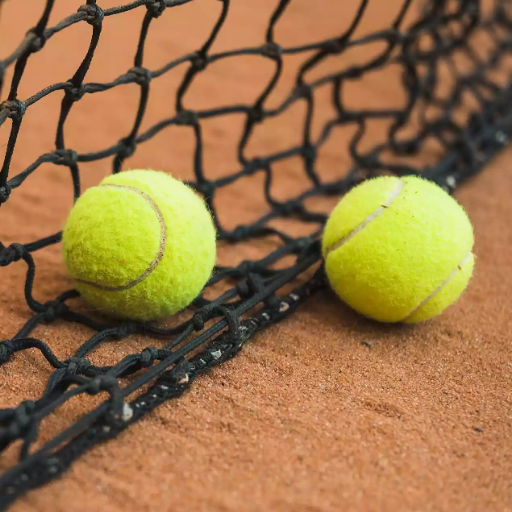
Pressurization in tennis balls is required for their performance and durability. Pressurized tennis balls bounce higher and travel at a uniform speed, which is a necessity for higher-level play. The inside pressure keeps them responsive on impact, making them the best to play with. Also, the pressurization contributes toward the longevity of performance, as it maintains the structural integrity of the materials. The better the performance, the faster will be its negativity. Therefore, pressurized tennis balls are being used for matches as well as casual playing.
Enhanced Bounce Characteristics
Pressurized tennis balls are created to provide better bounce dynamics in the game. The air pressure inside the ball maintains a high rebound rate so that the ball will bounce consistently and with liveliness. Research states that pressurized tennis balls usually bounce to a height of 53-58 inches after being dropped down from a height of 100 inches, in conformity with the requirements of the ITF-standard. This uniformity allows contenders really to envision the flight track of the ball and place apt shots to carry out on both sides during vigorous rallies. Further, alterations of the pressurized core make it homologous with many court surfaces, contributing therefore to increased playability on hard, clay, and grass courts. Such features not only all-encompassing enrich player’s experience but also take the building blocks further by providing predictability and control during the fast-paced professional matches wherein the real game becomes athletic pressure.
Longevity of Pressurized Tennis Balls
The lifespan of pressurized tennis balls is largely dependent on how they are used and stored. On average, the pressurized tennis balls can last a week or two, for optimal performance, in recreational play. For professional matches, however, the cans of balls must be freshly opened to retain consistent quality. When regularly used over time, the core loses its air, thereby lowering bounce and, to some extent, losing the player’s control over it.
Proper storage lays a good foundation for maximum application. Keeping balls in a cool, dry place stored away from direct sunlight helps preserve ball pressure and material integrity. Some players go ahead and purchase pressurized storage containers so that they can extend the life of the balls they have yet to use.
It is reported and tested that within the first two weeks after a can of new balls is opened, under normal storage conditions, there will be a one-eighth decrease in pressure. This lowers their playability, especially for the top-tier players who require consistent bounce dynamics. With this reputation for constant substitution of tennis balls, it’s ensured that the quality and bounce of tennis balls required for high-performance matches are maintained in serious match play.
Comparison with Pressureless Tennis Balls
Pressureless tennis balls are a sort of unique alternative to the pressurized ones, most suited for recreational play or practice sessions. In stark contrast to their counterparts, before pressurized balls lose their bounce through aging, pressureless balls have a thicker rubber core which gives them a certain degree of resilience and bounce over time. This difference in manufacture largely affects their performance, durability, and final uses through the course of time.
One major advantage of pressureless tennis balls is their longevity. While pressurized balls lose their bounce after days or weeks due to slight leakage of air, pressureless balls can bounce for a long time so their life in playing is very long. Some reports suggest they can go on for months or even years under usual usage, so that bargain selection for practicing or recreational play.
But due to the fact that the tougher core of pressureless balls usually makes them feel heavier and harder when being played and thus causes quite an unlike experience during play, they are said to usually give rise to less spin and slightly slower rebound upon impact. Some players say this extra weight can be a bit much for the arms during long periods of play. Therefore they are not all that great for the tournament game where pinpoint play is prized.
From a performance perspective, pressureless balls go best on hard courts for their rugged build. On the softer side of the spectrum-think clay or grass-they could rebound just a bit differently and somewhat upset the flow of the game. In spite of these minor distinctions, the long-term bounce they assure has gone a long way in establishing their use on ball machines and for extended practice.
Choosing between pressurized or pressureless tennis balls is at the mercy of player preference, frequency of use, and the actual nature of the play involved. Usually, in competitive play where bounce and dynamics have to be consistent, those freshly opened pressurized tennis balls will be the pieces to use. On the other hand, pressureless tennis balls are in a great way to go for a player looking for durability and cheap alternatives for her non-competitive games.
Impact of Pressure on Gameplay
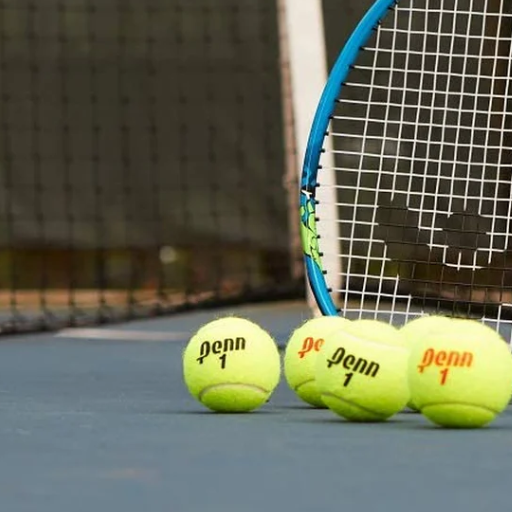
The pressure inside the apprehensive tennis ball influences its playability. Depending on the bounce and lively feeling it provides, pressurized balls are excellent for competitive matches. They, however, start losing pressure with time and hence do not remain that consistent. Pressureless tennis balls bounce owing to their rubber construction, and at first, they are heavier and unresponsive, but become more durable with age. Depending on the situation, the player would determine which ball to play with, such as their experience in the sport.
How Pressure Influences Ball Flight
The internal pressurization bears heavily upon a ball’s mode of flight. Pressurized balls, filled to certain specifications with air or a non-reactive gas, assure a consistent bounce and flight pattern when hitting the surface. A high internal pressure results in elastic behavior of the ball as it deforms and recovers fairly quickly when forced by a volley, hence a faster rebound, higher potentialization of spins, and greater control when playing: these are, therefore, pressurized balls for competitive matches.
As the internal pressure starts decreasing over a period of time due to leakage or prolonged use, the ball starts losing its bounce and begins to be a little unpredictable. A mere 30% loss of internal pressure can drop the bounce height to 20%, thus adversely affecting the flight and dynamics of the ball. As a consequence, it is of utmost importance for pressurized balls to be replaced frequently, at least during competitive play.
Conversely, pressureless balls derive all of their bounce from the rubber exterior. Thus, pressureless balls do not degrade in performance since they do not rely on gas retention within. Initially slow and heavy, they get more lively through continuous use as the rubber softens, making them perfect candidates for practice and recreational games, where durability is more important than any great flight dynamics.
Changes in internal pressure are also compounded by environmental factors, such as altitude and temperature. For example, at high altitudes, since external air pressure is comparatively low, pressurized tennis balls feel more “bouncy”. In such cases, the so-called “high-altitude” tennis balls are put to use. Again, for example, a cold climate can make the pressurized tennis balls lose internal pressure at least temporarily, thereby reducing responsiveness; the effect of warm temperature is just the contrary.
Thus, selecting the appropriate type and storing conditions of tennis balls for every match or practice session is of utmost importance to retain flight performance and consistency.
The Role of Pressure in Match Performance
The pressure vastly affects performance in the course of the game and the ball’s trajectory across the ground. Tennis balls are manufactured with a certain air pressure inside, usually a little above 12 psi, put-in to affect their bounce, speed, and reaction. It is known from literature that any loss of pressure through prolonged storage or environmental conditions can basically change the behaviour of the ball. Contents of studies reveal that low-pressure balls bounce at 25% lower levels as compared to the pressurized balls, thereby affecting consistency in gameplay and timing for the players.
Pressure, in that sense, is also an internal match performance factor-a sort of pressure felt by the players themselves. Studies in psychology suggest that 70% of elite athletes reveal their performance suffers under high-stress situations including tie-breaks and tournament finals. Mindfulness training and practice under simulated stressful circumstances can therefore help improve a player’s competency to face stress, remain focused, and execute decisions effectively. Integration of those physical and psychological elements is paramount for allowing the full optimization of match performance and player confidence.
Player Preferences: Pressurized vs Pressureless
When it comes to tennis balls, players tend to have distinct preferences for pressurized and pressureless as each offers certain advantages depending on the playing conditions and player needs. The pressurized tennis ball is an air or gas-filled ball and thus has a high bounce and good speed, making it ideal for beginners and intermediate players. It is most renowned for use on professional courts but starts losing its bounce after prolonged use, the average being about 2-4 weeks of regular practice.
By contrast, pressureless balls are solid-core and do not lose their bounce even when the felt begins to wear out. This makes them an excellent choice for long-term training, coaching, and recreational purposes, given their durability and consistent performance. According to data, pressureless balls are mostly chosen by players during intense practice sessions or ball machine use because of their lower cost and assured reliability.
Interestingly enough, some players and coaches use a mixed strategy whereby pressurized balls are used for official games while pressureless balls are taken for practice. This arrangement enables players to train under competition conditions during matches while enjoying the cost-effectiveness of pressureless balls during practice. On the other hand, better people use pressurized balls for the finer points in skill development because they exaggerate the technical details in spin, control, and precision. Hence, whether one chooses to go with pressurized or pressureless balls is interrelated with intent, the intensity of training performed, and the importance attached to consistency of performance and durability of a ball.
Environmental Considerations
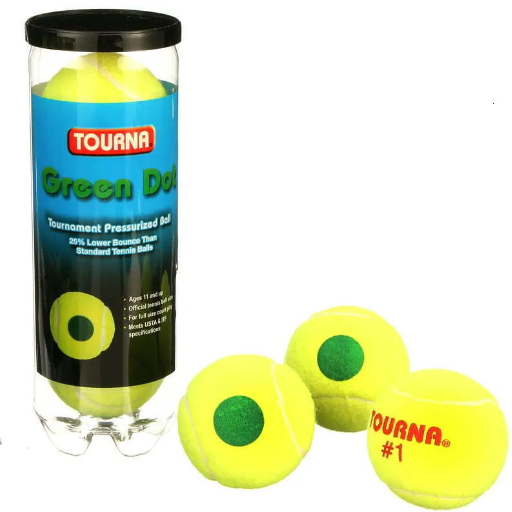
Environmental issues matter much while choosing between pressurized and pressureless tennis balls. Pressurized balls are normally packed in single-use plastic cans, adding to the plastic waste. On the occasion that the pressureless balls are more durable and could last longer than prescriptive balls, they require less frequent replacement. This makes pressureless balls more environmentally friendly when players want to be conscientious of Mother Earth. Further, go for brands that offer tennis balls with recycled materials or those that recycle worn-out tennis balls to keep the ecological imprint low.
Recycling and Disposal of Tennis Ball Cans
When recycling or disposing of tennis ball cans, I try to ensure responsible handling. Most tennis ball cans are made with recyclable materials like aluminum and PET plastic. I look out for the recycling symbol on the can to confirm if the material can be recycled locally. If it can, I will wash and place the cans in the proper recycling container. When a can does not provide a clear answer, I do a little research to find local recycling programs or drop-off centers that accept the materials, rather than see the item go to waste unnecessarily. In effect, these are small but meaningful actions that lessen my impact on the environment.
Eco-friendly Alternatives to Standard Tennis Balls
Eco-friendly tennis balls are a prominent example of reducing waste and advocating sustainable use. Nowadays, some companies create natural or recycled rubber and felt made with sustainable methods, with a simple distinction regarding quality and playability compared to traditional options. I also look for pressurized balls having packaging that is biodegradable or reusable containers, which reduces plastic waste. With these choices available, I have both serious fun and consciousness about the land on my mind.
Impact of Manufacturing on the Environment
From the manufacturing process all the way to the materials used like rubber and felt, serious environmental repercussions occur. Extraction involves potential deforestation, habitat loss, and upward carbon emissions. These emissions are also increased as the tennis balls undergo energy-intensive production and transportation. So I can choose, and you too can choose, greener alternatives to pay back the environment-free way by supporting greener practices.
Reference Sources
-
The Aerodynamics of a Tennis Ball – Wiley Online Library: Discusses pressure drag and its effects on tennis ball performance. Link
-
The Dynamic Impact Characteristics of Tennis Balls with Tennis Rackets – Taylor & Francis Online: Explores how internal pressure affects the stiffness and performance of tennis balls. Link
-
Review of Tennis Ball Aerodynamics – Taylor & Francis Online: Reviews the differences between pressurized and pressureless tennis balls and their design. Link
Frequently Asked Questions (FAQs)
Why are tennis balls packaged in pressurized cans?
Tennis balls are packaged in pressurized cans to maintain their internal pressure, which is crucial for their performance. The pressure inside the can keeps the balls inflated, ensuring that they bounce properly when used. Without this airtight protection, the pressure of the tennis balls would decrease over time, leading to a ‘flat’ feel that tennis players find undesirable. Pressurized cans help to extend the life of a tennis ball, allowing players to enjoy optimal performance for a longer period. This is particularly important for new tennis balls, which need to retain their bounce to be effective during play.
How do pressurized balls compare to non-pressurized tennis balls?
Pressurized balls are designed to provide a consistent bounce and feel, which is essential for competitive players. In contrast, non-pressurized tennis balls, often referred to as pressureless balls, have a different construction that makes them last longer but provide a different playing experience. While pressureless tennis balls can be more durable over time, they do not have the same initial bounce as pressurized tennis balls. Players often prefer pressurized balls for their superior playability, especially in a tennis academy setting. However, the choice between the two types ultimately depends on the player’s preference and style of play.
What is the internal pressure of the tennis balls?
The internal pressure of the tennis balls is typically around 14 psi (pounds per square inch) when they are new. This pressure is essential for ensuring that the balls bounce correctly and maintain their shape during play. As tennis balls are used, the internal pressure decreases, which can lead to what players refer to as dead tennis balls. These balls lose their lively bounce and can affect the quality of play. Proper storage in pressurized cans can help maintain this pressure longer, allowing the balls to stay fresh for extended periods. Understanding the pressure of the tennis balls can help players choose the right type of ball for their needs.
How do different types of tennis balls affect gameplay?
Different types of tennis balls are designed for varying conditions and player levels. For example, regular duty balls are meant for softer court surfaces, while heavy-duty balls are better suited for outdoor hard courts. The felt of the balls can also vary, impacting how they interact with the racket and the surface. Additionally, pressurized balls are generally favored for their superior bounce, while pressureless balls may be more appealing for practice sessions due to their durability. Understanding the characteristics of each type of ball can help players select the best option for their game and ensure they are using equipment that enhances their performance.
Why do tennis balls lose their pressure over time?
Tennis balls lose their pressure over time due to the natural permeation of air through the rubber material of the balls. Even when stored in airtight containers, the internal pressure of the tennis balls will gradually decrease, leading to a loss of bounce. This phenomenon is especially noticeable in balls that are not kept in pressurized cans, as they are more susceptible to environmental factors. Players often find that used tennis balls feel permanently ‘flat’ and do not perform as well as new tennis balls. Regularly replacing balls and storing them properly can help maintain their performance and extend their lifespan on the court.