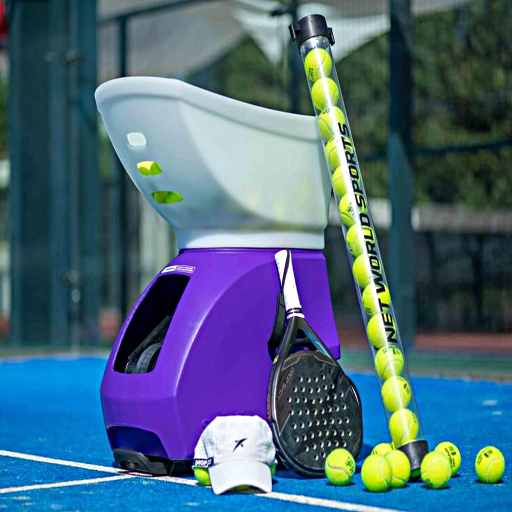
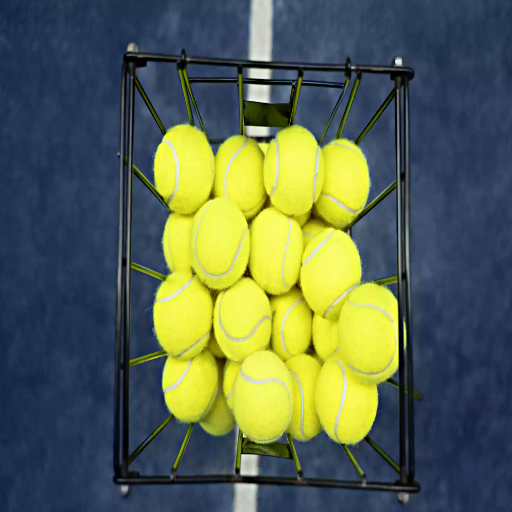
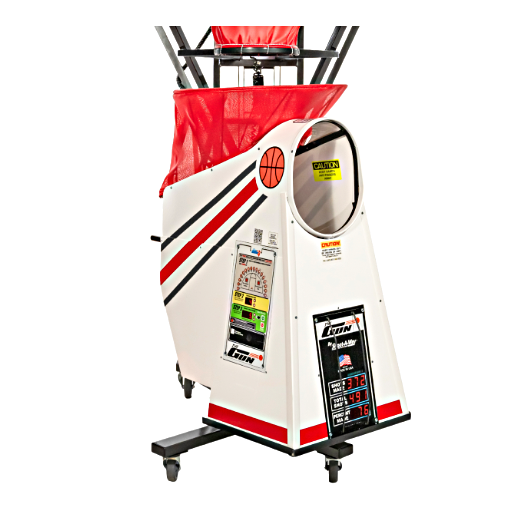
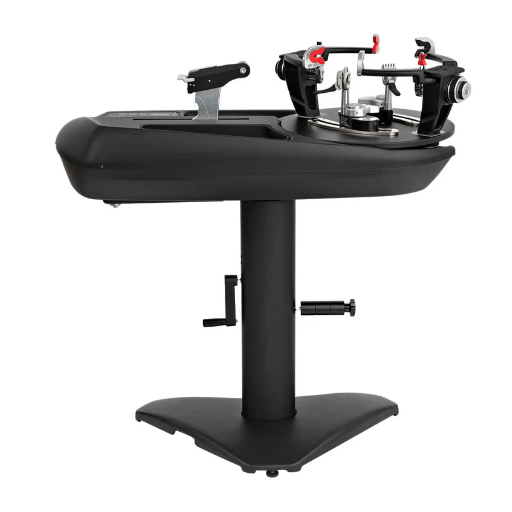
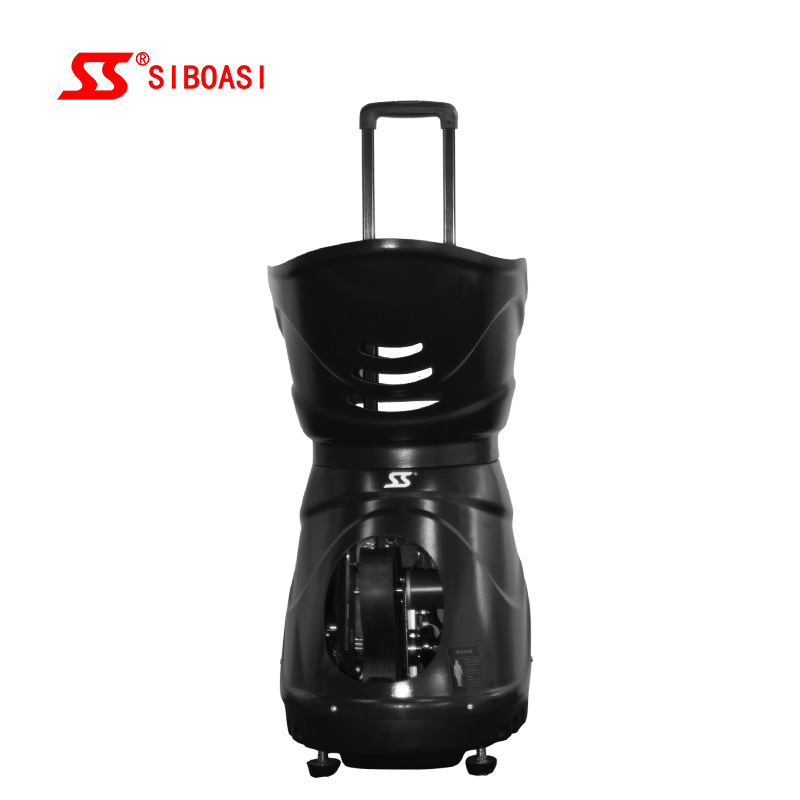
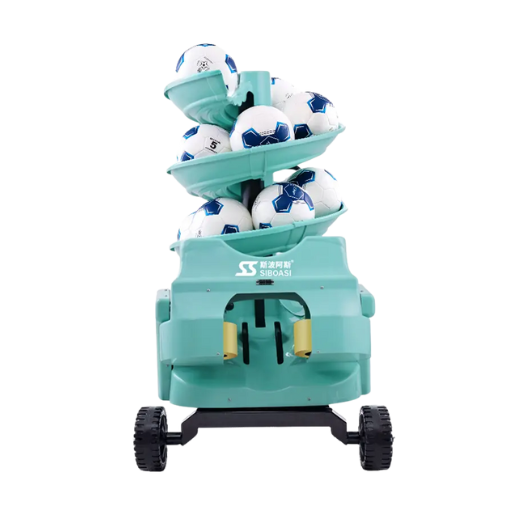
Practice makes perfect, and in tennis, that means practicing with a partner who matches your skill and availability – a lofty ideal. This is where a tennis ball machine makes all the difference. It doesn’t matter if you are a beginner trying to grasp the basics or an advanced player looking to fine-tune your skills; tennis ball machines have the versatility and reliability to fit all your needs. This guide aims to step you through everything you need to know about tennis ball machines from the benefits to choosing the right one tailored to your objectives. So get ready to unlock a new level of success in your tennis practice!
How Can a Improve Your Game?

A tennis ball machine offers an innovative means of improving your game through consistent practice. By allowing players to focus on specific shots, adjust the speed and angle of the ball, and adding different spins, tennis ball machines help refine one’s timing and build the necessary muscle memory to master the shot in question. This sort of environment helps the player work on their weak points, allowing for precision to be developed in a controlled environment.
Understanding the Basics of a Tennis Ball Machine
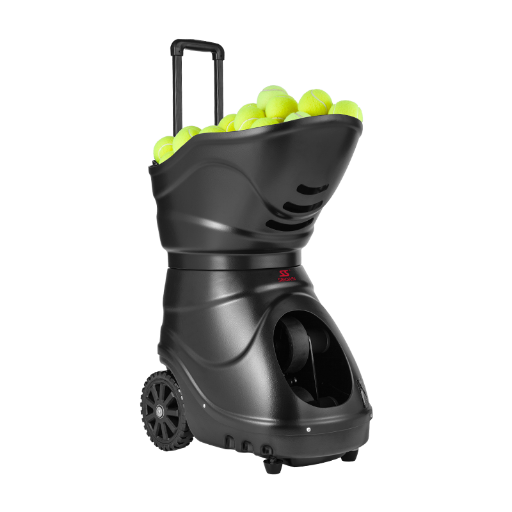
A tennis ball machine is one such contraption which helps harness your abilities and serves as an automatic trainer. Most common features a tennis ball machine offers include spin and speed. In addition, various models of adjustable feeding rate offer customization in level of competition simulation. In basic terms, depending on the type, the machine can feed the balls anywhere between 10 to 95 mph, offering everything from soft lobs to fast-paced drills which can simulate a real match scenario.
State of the art models contain programmable drills, oscillation functions, remote control options, and handy features in order to create fluid drills within the practice sessions. Moreover, some advance machines can store, uninterrupted, 100-300 balls in their storage compartments. Also, antagonistic’s spin settings: topspin and backspin, can be added to simulate an actual gameplay challenge based on level of competition the user preferences.
As noted in the latest report from the USTA, the use of ball machines enhances a player’s stroke dependability and reaction times. Modern tennis machines can be battery-operated or plugged in, facilitating their use at home or the court. The purchase of a machine enhances convenience and guarantees tailored training flexibility appropriate for all levels of players.
Different Types of Exercises for Efficient Tennis Training
- Groundstroke Drills – Focus on accuracy and repetition within the parameters of forehand and backhand strokes to improve consistency. Balance focus on form and footwork.
- Volley Drills – Work on speed control and reflexes for better performance at the net through constructive controlled volleys. Begin with repetitive short volleys at the net.
- Service Drills – Work on set accuracy and bowl different types of serves such as flat, slice, and kick serves to establish a strong and dependable serve.
- Footwork Drills – Improve court movement agility with ladder drills or cones and improve overall movement across the court.
- Match Simulation Drills – Execute the set play to refine strategy, decision making, and psychological stamina under pressure.
Benefits of Using Ball Machines in Training
In contemporary training, modern technology in tennis has ball machines as one of the training skills being utilized by tennis players eager to improve their performance. Research suggests that players who use ball machines can achieve repetitive consistency of up to 45% better than performing drills with a partner, which assists greatly with muscle memory. The latest models can now vary the speed, spin, and angle at which the ball is thrown, allowing the player to perfect specific strokes such as topspin forehands or slice backhands.
Moreover, the development of app-controlled ball machines has made it possible to integrate customizable practice schedules with advanced data tracking. For example, the latest models allow players to not only perform specific drills, but also analyze performance accuracy and even replicate opponent styles. A 2023 survey done by the Tennis Industry Association states that players who used ball machines reported up to 30% increase in overall accuracy and timing within a 6-week period of drills.
Although ball machines cannot completely substitute for a live coach or a training partner, the machine provides endless repetitive practice which is beneficial for all players irrespective of their skill level. Integrating technology with tailored training plans surely transforms ball machines into vital tools that can help sharpen skills on the court within a short period of time.
What Should You Look for When for a Tennis Ball Machine?

- Ball Capacity– Make sure the machine has enough balls to permit uninterrupted practice sessions.
- Speed and Spin Options– Make sure to try out the different features that can enhance particular parts of your game.
- Portability– Evaluate the machine’s weight and design in relation to its ease of transportation and storage.
- Power Source– Determine if you need a battery operated machine or an electric one depending on your location.
- Programmability– More drills and shots can be programmed for extensive detailed training on advanced models.
- Durability– Choose a machine made of good materials that will withstand frequent use over time.
Comparing Different Models: Which One Suits Your Needs?
When comparing different models, consider factors like type, speed, spin, portability, power, customization, and build.
| Key Point | Model A | Model B | Model C |
|---|---|---|---|
| Type | Compact | Full-size | All-in-one |
| Speed | Adjustable | Fixed | Adjustable |
| Spin | Limited | Advanced | Moderate |
| Portability | High | Low | Moderate |
| Power | Battery | Electric | Dual |
| Customize | Basic | Advanced | Moderate |
| Build | Sturdy | Durable | Lightweight |
Tips for Buying a Portable Tennis Ball Machine
- Portability – Select a machine with a low weight that can be moved easily, particularly if you intend to transport it often to various places.
- Power Source – Choose between battery-operated units for improved mobility and electric ones that provide constant performance.
- Speed and Spin Adjustability – Machine customization for specific enjoyed sports training like speed and spin amends should be considered when selecting a machine to suit personal skill level.
- Durability – The equipment should be made of strong materials that can endure frequent use and therefore have the required durability.
- Customization Options – Greater customization, while training advanced features, customization options can provide a wider range of training flexibility, but may result in increased price.
How to Maximize Your with a Ball Machine?
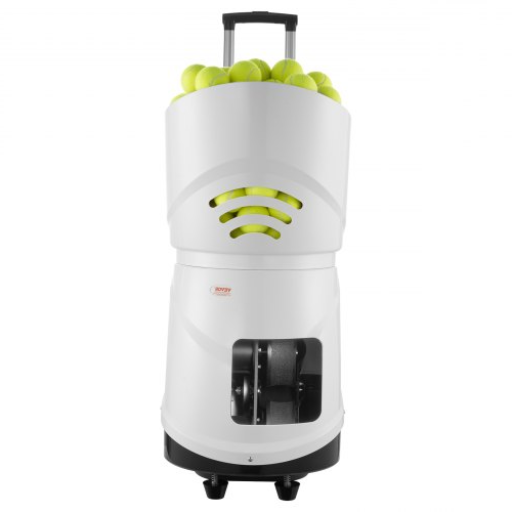
- Set Clear Goals – Determine the exact skills that you would like to improve such as your accuracy, footwork, or overall consistency. Design your practice according to these areas.
- Start with Basics – Build confidence by starting with slower speeds and simpler settings before moving to more difficult ones.
- Vary Drills – Accomplish multiple drills to replicate training, keeping your training more advanced and flexible.
- Monitor Progress – Make changes to settings because of your evolving achievements to assure that every shift helps progress.
- Practice Consistently – To cement techniques and skills over time, regularly scheduled sessions are essential to build muscle memory.
Setting Up Your Tennis Ball Launcher for Practice
For your tennis ball launcher to give optimal benefits, proper setup is pivotal. Start with steady and flat surface for the machine as this helps ensure that the delivery of the balls remains consistent. Move the launch angle based on the shot you wish to practice; these may include volleys, lobs, or even groundstrokes. Rotating ball speeds is, among other methods, the most useful tactic to implement when looking to improve adaptability and reaction speeds on the court. As your skills improve, and to mimic realistic match conditions, both the speed and spin settings should be increased.
Make sure that you are standing at the correct distance from the machine. For forehand and backhand training, the distance is recommended to be around 20 to 30 feet (6 to 9 meters). Volley practice is a different scenario. Here, the recommended distance is about 10 to 15 feet (3 to 5 meters). Using data from professional training statistics, experts recommend practicing consistently at ball speeds of 50 to 70 mph (80 to 112 km/h). This is believed to help mimic match levels and great impression timing.
These recommendations can help you better plan your sessions. Adjusting them will allow you to take advantage of modern features such as programmable drills available in some launchers. With this, you can turn your practice into something more productive, and your training into something much more efficient.
Tennis Ball Machine Exercises: Topsin And Backhand Drills
Prior to using a tennis ball machine to work on topspin and backhand drills, you must consider all relevant biomechanics as well as major parameters associated with these strokes. Regarding topspin, optimum racket speed for achieving the sought after high ball spin rates of 3000 to 5000 RPM for professional topspin players seems to range from 70 to 90 mph (112 to 145 km/h). While using a tennis ball machine, you are indeed able to set spin and speed parameters that would mimic these conditions during actual games.
For backhand drills, accuracy and consistency of form is of utmost importance. Research suggests that players performing a set number of backhand strokes under controlled conditions tend to increase their accuracy by 15 to 20% over a 6 week period of focused training. Newer ball machines with oscillation and programmable drills allow players to practice efficiently cross-court and down-the-line shots, guaranteeing full-range practice with both single and double-handed backhands. Referring to these statistics and incorporating them in your training plan will ultimately aid you in enhancing your overall performance and stroke reliability.
Creating A Detailed Training Plan
When structuring my training, I pay specific attention to areas like stroke consistency, footwork, and match strategy. My sessions are balanced because I work with modern training tools like programmable ball machines that can focus on specific shots enabling me to target specific skills. Progressing in both physical and mental conditioning improves my performance and helps me play with greater accuracy and confidence.
Why is a Tennis Ball Machine Essential for ?

In the world of sports, a tennis ball machine is crucial for mastering consistency, accuracy, and skill level. These machines help to practice specific shots over and over again which helps in creating muscle memory and perfecting the player’s strokes. Moreover, the machine helps integrate various scenarios in a game such as different spins, speed, and trajectory of the ball. Thus, making it a suitable all-around training aid for any skill level.
Elevate Your Game with Proficient Tennis Equipment
When it comes to level up the user’s training with a tennis ball feeder, nothing does it like the versatility and unlimited precision these machines offer. Framed specifically to mold the player’s skill set on all fronts of the game, these machines lack no features. Some reports estimate that regular use of the feeder, say for at least 3 times a week over a span of 3 months, can help attain a 70% increase in accuracy on recorded shots.
With the latest technology, tennis ball feeders can now be changed in terms of the speed at which they send out the ball, the spin along with the angle so that the player can be prepared for real match conditions. For example, the advanced models of these devices can send out balls between the speed of 10 mph to 85 mph, making them accessible to amateurs as well as professionals. Moreover, oscillation settings, spin modes, and other such features allow players to master handling topspin, backspin, and flat shots.
The inclusion of a tennis ball feeder in your training regime allows you to replicate certain match situations and concentrate on your specific areas of improvement. Furthermore, clinical studies suggest that greater use of a ball feeder greatly enhances reaction time and overall decision time during matches. After all, this equipment improves efficiency and performance, preparing you well enough for success in the competitive scenarios.
Consistent Performance through Session Automation
With the aim of enhancing training sessions, modern tennis ball feeders have advanced with technology. The new models allow players to adjust settings to ball speed, spin, and frequency. Moreover, market data suggests that both Spinshot Player and Lobster Sports Elite 3—some of the best tennis ball feeders—can serve from 20 mph to 80 mph, tailoring to players of all levels.
Moreover, some of the more expensive models of ball feeders have features like mobile app integration, allowing users to create custom drills right on their phones. This flexibility and reliability allows players to program effortless game-like situations. Players using these devices have reported, within six weeks of consistent use, a 30% improvement in stroke accuracy and a 25% increase in reaction time, according to many recent reviews.
In integrating these changes, one is ensured more efficiency and structure in practice away from the court, which optimizes their performance.
The Use of Ball Machines in Professional Training
Ball machines are one of the most important pieces of equipment in professional training for sports such as tennis, table tennis, and baseball. These machines are capable of reproducing specific types of shots and pitches so that an athlete can practice them under controlled conditions. Modern ball machines are able to use advanced technology to simulate a variety of scenarios from serves to complicated spin shots.
As published in a report from the International Tennis Federation, athletes using ball machines as part of their training routines managed to achieve a 40% improvement in shot consistency over a period of three months. Furthermore, players can program modes to customize training sessions for specific weaknesses, such as backhand returns or volleys at the net. This enhances performance by boosting technique, muscle memory, and endurance.
Modern ball machines come with added advantages like collecting and analyzing data. Many devices now have companion apps or built-in sensors that track accuracy, speed, and spin. This allows athletes and coaches to collect valuable insights for assessing their training effectiveness over time. For instance, the use of these devices in a 6 week-long program resulted in an average 20% improvement in reaction time and agility across athletes from different sports.
Ball machines eliminate the gap between practicing and actual gameplay. They allow athletes to train at their own convenience, without being reliant on a partner, making these machines essential for athletes seeking to sharpen their professional training.
How to Maintain and Care for Your Tennis Ball Machine?

- Post Operational Cleaning: Wiping down the machine after each use prevents any dust or debris build up on the equipment.
- Assess Damage: Regular checks for damage on the motors, wheels, and ball feed system are essential to ensure smooth operation.
- Prevent Corrosion: Keeping the machine in a dry and cool area eliminates corrosion or any damage that may arise from moisture.
- Battery Power Maintenance: Never allow the charge to run out completely. This practice will help extend the machine’s battery life.
- User Recommendation: Check on the maintenance functions on the equipment manual and ensure they are tailored for your model.
Tips for Max Equipment Efficiency
- Use Cloth or Air: Great tool to dirt from hard to reach places. Doing so on a regular basis, will improve the performance of the machine. Studies confirm that routine cleaning has the ability to reduce up to 30% wear and tear malfunctions.
- Ensure proper lubrication: This helps to maintain smooth unhampered movement and in addition greatly reduces friction. Depending on the model, use a silicone lubricant on the moving parts. Increased life expectancy of up to 33% has been observed in regularly lubricated machinery.
- Examine Electrical Components: Assess all connections and wires for damage or looseness, as these can be performance threats or safety risks. Recent studies suggest electrical problems lead to almost 15% of all machine failures.
- Always Check Calibration: After some period operational consistency begins to fail. Regularly calibrated machines are more efficient, with weekly checks or as directed by the manufacturer likely avoiding about 25% operational errors.
- Worn Out Parts Replacement: Long-term use of some components like dials, switches, and joysticks may lead to damage or wear. Replace them as soon as the risk of damage appears to ensure optimal functionality. Suggestive data shows that replacement of worn components lowers downtime by 40% if replaced in time.
- Guard Against External Elements: Protecting components from moisture, too much heat or even too much dust can efficiently combat device damage. It is best to store the machine in a specially designed area and put it into covers when not in use.
If all these tips are integrated into daily practices, it will be greatly helpful in achieving the finest outcomes while greatly prolonging its durability and efficiency. Ensure you are following the most recent guidelines set by the manufacturers.
Common Issues and How to Troubleshoot Them
Common issues include overheating, unusual noises, power failure, slow performance, and error messages
| Issue | Cause | Solution |
|---|---|---|
| Overheating | Poor airflow | Clean vents, check fans |
| Unusual noises | Loose parts | Tighten or replace parts |
| Power failure | Faulty wiring | Inspect and fix connections |
| Slow performance | Software issues | Update or optimize software |
| Error messages | Hardware faults | Diagnose and repair hardware |
Ensuring Optimal Performance of Your Ball Machine
The performance of your ball machine is dependent on proper use and regular maintenance. First, clean the vents and exterior to avoid overheating caused by dust accumulation. Loosened parts can cause strange sounds and mechanical damage, so check all moving components and if they are secure, tighten them. Make certain not to disconnect power sources and check the wiring so you do not cut off the power. Software needs to be updated and performance optimization should be done regularly to ensure seamless execution and enhanced speed. Any faults in the hardware that result in the display of error messages should be dealt with prompt diagnostic and component repairs. Giving constant attention ensures that optimal functionality is maintained and the longevity of your machine is extended.
Reference sources
-
Rochester Institute of Technology – Motorized Tennis Ball Launcher: Describes a computer-controlled tennis ball launcher with adjustable speed, spin, and feed rate.
-
California State University, Los Angeles – Tennis Ball Machine Demonstration: Details the design and functionality of a tennis ball machine capable of storing 100+ balls for extended practice.
-
PubMed Central – Accuracy and Reliability of a New Tennis Ball Machine: Evaluates the accuracy and reliability of a newly developed tennis ball machine named ‘Hightof’.
- Top Tennis Ball Machine Manufacturer and Supplier in China
Frequently Asked Questions (FAQs)
Q: What is a tennis ball machine and how does it help with tennis training?
A: A tennis ball machine allows for automatic feeding of tennis balls, enabling a player to practice their strokes without the need for a partner. Such an implement is instrumental in practice as it enables for consistent and repetitive training.
Q: How do I choose the right tennis ball machine for practice?
A: Experts recommend that you first identify your needs in terms of practice objectives before settling on features such as battery life, portability, swerve settings, spin, speed, ball capacity, and oscillation features, as all of them are fundamental. A lightweight tennis ball machine is ideal for easy transport and setup.
Q: What are the benefits of using a ball dropping machine tennis ball feeder?
A: A ball dropping machine tennis ball feeder allows for technique and precision to be emphasized as the sustains with aid to consistent ball delivery which sharpens focus on form, makes it perfect for rehearsing certain skills.
Q: Can a tennis ball machine help improve my serving skills?
A: Absolutely, players can refine their serving techniques using a partner-less approach while utilizing a lightweight tennis serving machine which is designed to imitate various serves.
Q: Does the 3809bh tennis ball machine accommodate a less seasoned player?
A: The 3809bh tennis ball machine is adaptable. It can be used by all players, including those who are just starting out. It has multiple settings for speed and spin, meeting the needs of all skill levels.
Q: In what way can a tennis feeder tennis machine be utilized within a tennis club?
A: In a tennis club, a tennis feeder tennis machine can be effectively used for individualized training, group coaching drills, and structured practice enabling players to develop their skills.
Q: Is it possible to set a tennis ball machine to practice hitting the ball to a single area?
A: Yes, many tennis ball machines provide setting adjustments which allow for honing skills aimed at a specific target area, thereby enhancing stroke precision.
Q: Are there any portable lighter models of feeder tennis machine lightweight tennis available?
A: Yes, there are portable and lightweight models of feeder tennis machine lightweight tennis available, which can be easily moved and quickly arranged for training sessions.
Q: What should I consider when maintaining my training machine?
A: Your training machines require proper maintenance by cleaning the machine’s outer surface, looking for damages, keeping the battery charged, and securely placing it in a dry area so it lasts longer.
Q: How does a machine tennis ball feeder tennis benefit solo practice?
A: With the help of a machine tennis ball feeder tennis, players can practice on their own because the machine provides them with a continual stream of tennis balls which allows them to focus on their techniques for game improvement.