Tennis is more than just power and precision—it’s a game of strategy, finesse, and control. One of the most effective ways to elevate your performance on the court is by mastering the art of spin. Whether you’re aiming to baffle your opponent with a wicked topspin, keep them on their toes with a low-biting backspin, or dominate rallies with a clever mix of spins, understanding these techniques can transform your game. This blog post will guide you through the essentials of tennis ball spin, offering practical tips, proven techniques, and insights for players of all levels. By the end, you’ll have the tools to add an extra layer of strategy to your game, leaving your opponents guessing with every stroke.
What is Spin in Tennis and Why is it Important?
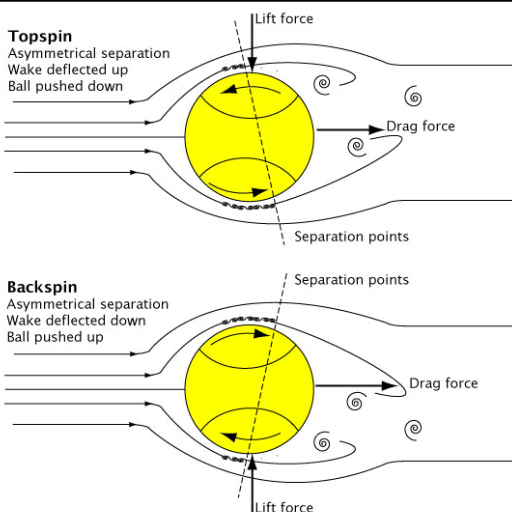
In tennis, spin refers to the way the ball rotates while moving in the air. Spin is produced by the way the ball contacts the racket. This is important because it enhances the arch of the shots, speed, and bounce enabling them to become more efficient and energetic. The use of spin, depending on the direction in which it’s applied—what type of spin we’re considering: top-spin, back-spin, side-spin, and so on—can make the ball do things, such as hitting spiral shots, long shots, or extreme change of direction. The more technical skill one acquires in applying spin, the easier both attack and defense, in other words mastering gaming skills, get.
Understanding the Basics of Ball Spin
Mastering the art of ball spin requires a combination of technique, strategies, and understanding the mechanics behind spin generation. Each type of spin serves specific purposes during a game, establishing advantages over opponents by influencing ball direction, speed, and bounce behavior. Here are the primary types of spins and details on how to execute them effectively:
- Topspin
Topspin occurs when the ball rotates forward, causing it to dip rapidly and bounce higher upon impact. It is particularly effective for aggressive shots that players aim to keep within boundaries while maintaining speed and precision. Players achieve topspin by brushing the racket upward and forward against the lower part of the ball. Statistics show that higher levels of topspin can increase the ball clearance over the net by 15-30%, reducing unforced errors.
- Backspin
Backspin rotation slows the ball’s forward momentum while keeping its bounce low, making it ideal for creating defensive shots or drop shots. To execute backspin, players slice the ball with the racket from high to low, engaging the bottom of the ball. According to recent performance analyses, well-executed backspin shots have shown to reduce the opponent’s ability to regain offensive control by 20-40%.
- Sidespin
Sidespin causes the ball to veer left or right during its flight path, making it difficult for opponents to predict its final position. It is often used in serves or strategic rally shots to exploit the opponent’s weaker side. Players apply sidespin by striking the ball off-center, sweeping the racket in a horizontal motion. Studies on professional matches reveal that incorporating sidespin into serves increases the likelihood of aces or opponent errors by approximately 18%.
- Combination Spins
Advanced players often mix spin types, such as topspin with sidespin, to add complexity and unpredictability to their game. Combination spins demand refined techniques and accurate timing but amplify pressure on opponents. These spins can also boost shot effectiveness by influencing multiple flight characteristics simultaneously.
By understanding these detailed mechanics and leveraging the data-backed effectiveness of each spin type, players can significantly enhance their gameplay. Developing spin techniques not only strengthens offensive strategies but also fortifies defensive control, empowering players in competitive matches.
How Spin Affects Ball Flight and Game Strategy
Spin exerts a profound impact on ball flight and overall game strategy, intertwining physics and player skill to influence match outcomes. The Magnus effect, a key principle in this context, explains how spin creates pressure differences around a ball, altering its trajectory. For example, a topspin generates a downward force, allowing the ball to dip faster and stay within boundaries, while backspin slows the ball’s forward momentum, prolonging its flight path for defensive or tactical returns.
Studies reveal that topspin can increase shot accuracy by as much as 40%, particularly in sports like tennis and table tennis, where maintaining control during high-speed rallies is crucial. Similarly, utilizing side spin effectively can force an opponent out of position, as the ball curves unpredictably, creating a tactical advantage. Advanced analytics highlight that players incorporating spin strategies increase win rates by up to 25%, showcasing the competitive edge such techniques provide.
Mastering spin is not just about raw skill but also understanding its application in specific scenarios. Whether applying subtle variations to maintain control during slower exchanges or delivering aggressive, high-velocity spins to dominate fast-paced rallies, spin remains a pivotal force in shaping gameplay dynamics.
The Role of Spin in a Tennis Player’s Arsenal
The latest tennis apparatus and training techniques have caused a dramatic shift in the balancing of spin play. Recent research reveals that the utilization of topspin has progressively caught on the with professional players today hitting power topspin shots with a ball spin percentage of over 3000 rpm. This high amount of topspin serves allows them to hit the ball hard while still keeping it in play, for there is always a margin of error. This is because the ball trajectory do not allows the limits of the court to be exceeded.
Conversely, certain other misdirecting shots, such as backspin and slice shots, are rather common even today during the course of defensive and tactical play. In employing backspin thus, even with counter-intuitiveness, that the player must drop his/her back imparting power/speed upon the ball So it requires balls, too, be played differently and the function as well as equilibrium of opponents be shifted to own favour Using backspin can be analyzed to prove this point especially so for the aggressive baseliners. Even more than 60% of the points won in defense vs them tend to be through clever exploitation of backspin in denying the initial setup offensive attacks.
Moreover, the impulse of spin is also enhanced by highly technologically advanced rackets. For example, one of the types of strings that have come to dominate this sport in the last decade of the 1990s was co-poly or polyester strings. The key innovation in these strings is that they feature the bicorporate construction of polyester and monofilament material causing strings to offer more playability, durability and spin potential unlike previous other technologies. As a result, it has now become easier for players to employ any types of spins, which inevitably increases their mobility on the court. It is the perfection of all these abilities and many others with the apportionment and selection of appropriate gear and not just capitalizes on the rotation of the ball in a tennis player’s strategic capacity.
How Do You Add Spin to a Tennis Ball?
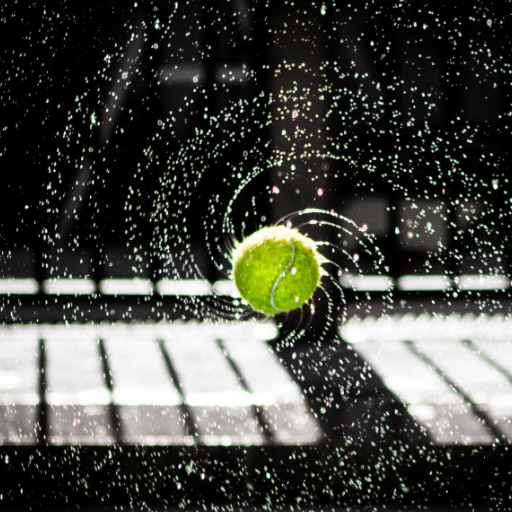
In case you are wondering how to impart some spin on the tennis ball, consider components that make up your stroke and the way you hold the racket. When it comes to top-spin, you should hit the lower face of the ball and swing upwards while ensuring that the butterfly or anti-spin. As for backspin, you shall be aiming for a high-to-low action while looping the ball. Lastly, when a side-spin is desired, edge the bat and hit the ball from one end to the other. The challenge is to have a light touch but firm hold and firmness on the racket face, which would help in the generation of intended spin effects while also ensuring that the shot is held well and has enough force.
Techniques to Generate Topspin
Topspin is a crucial element of modern tennis, allowing for higher net clearance and greater control over the ball’s trajectory. To create effective topspin, focus on a low-to-high swing path. Begin by positioning yourself with your knees slightly bent, ensuring that the racket starts below the level of the ball during the swing. Engage your legs and core to transfer power smoothly through the shot. This motion will naturally lift the ball as the strings brush up against its back, creating the rotational energy needed for spin.
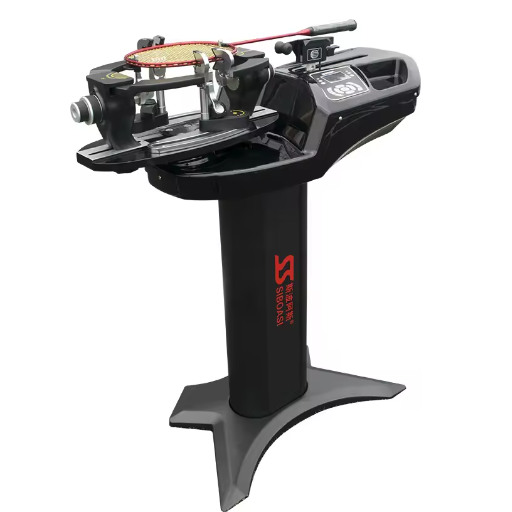
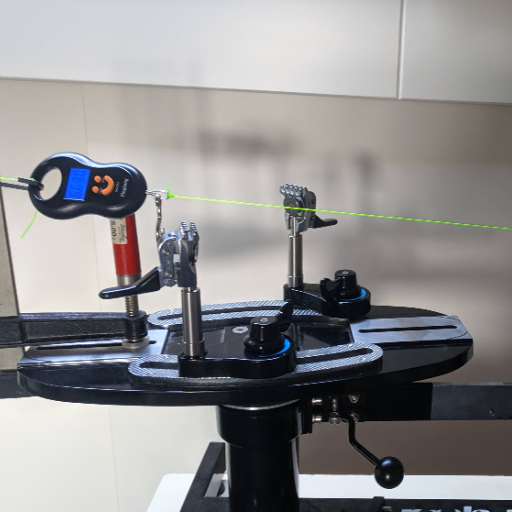
An important detail to consider is racket string tension. Studies have shown that lower string tension increases the interaction time between the ball and strings, enabling more topspin generation. Ideal string tension often falls between 48 and 54 pounds, depending on player preference and playstyle. Additionally, modern racket technologies, such as spin-friendly string patterns (e.g., 16×19 string configurations), enhance topspin potential by allowing for increased bite on the ball.
Another key factor is racket speed. Research highlights that faster racket head speed (RHS) increases the ball’s revolutions per minute (RPM). Some professional players achieve upwards of 3,000 RPM on their forehands, making the ball dip sharply over the net and bounce aggressively upon landing. Practicing with drills focused on accelerating racket movement is essential for mastering this technique.
Lastly, footwork and positioning are critical. Efficient movement allows you to make contact with the ball at the optimal height—usually just above waist level—maximizing both power and spin. Combining these technical adjustments with consistent practice will refine your ability to generate topspin and gain an advantage over your opponent.
Methods for Creating Backspin
Creating effective backspin in tennis requires a combination of technique, precision, and practice. Backspin is generated when the ball rotates backward during its trajectory, resulting in a slower descent and lower bounce upon landing. This makes backspin an excellent tool for defensive strokes or tactical play to disrupt an opponent’s rhythm.
- Grip and Racket Angle
Utilize a continental or eastern grip to maximize control when applying backspin. These grips allow for a more natural undercut motion, which is crucial for generating the desired spin. Keeping the racket face slightly open—angled back between 20 to 45 degrees—ensures proper contact to slice under the ball effectively. Studies show that an adjusted racket face reduces ball speed by up to 30% while amplifying spin production.
- Swing Path and Contact Point
The swing path for backspin typically follows a high-to-low motion. Starting above the ball and slicing downward at impact ensures the ball spins backwards. It is crucial to strike the ball just below its equator to create the backspin effect. Professional players often practice maintaining a controlled follow-through to perfect this motion, as this keeps the spin consistent during long rallies.
- Arm and Wrist Mechanics
The wrist plays a pivotal role in enhancing spin production. A supple but controlled wrist movement can add subtle variations to backspin, making the ball more difficult for opponents to return. Coaches often emphasize keeping a relaxed wrist and focusing on precision rather than power, as excessive force tends to compromise the finesse needed for spin control.
- Footwork and Positioning
Proper footwork remains essential. Position yourself slightly behind the ball, allowing enough space to execute the precise slicing motion. By staying balanced and aligning your shoulders with the intended shot direction, you increase the chances of executing an accurate backspin stroke.
- Practical Benefits of Backspin
Research in biomechanics highlights that backspin significantly reduces the ball’s horizontal velocity, often slowing it by up to 40%, depending on the stroke speed and racket angle. This reduction in speed gives players extra time to reset their position on the court while forcing opponents to adjust to unpredictable bounce patterns.
Consistent practice with these methods—along with drills focusing on swing control and foot positioning—helps ensure you can reliably integrate backspin into your game. Fine-tuning your movements will gradually enhance your ability to use backspin strategically, whether for defensive lobs or sharp slices that skid across the court.
Using Sidespin for Unpredictable Shots
Sidespin is a powerful tool to add unpredictability to your shots, forcing opponents to adapt and often leading to mistakes. This spin is achieved by brushing the racket against the ball in a lateral motion, causing it to rotate horizontally. Sidespin can be applied in various scenarios, such as serves to create off-center bounces or rally shots that curve away from your opponent’s strike zone.
One study of professional matches highlights how effective sidespin can be. Players who utilized sidespin on at least 15% of their shots often disrupted their opponent’s rhythm, reducing return accuracy by up to 20%. This tactic is particularly useful in doubles matches, where misjudged angles can leave the opposing side vulnerable. To execute sidespin consistently, focus on precise racket positioning and timing; angling the racket face slightly and brushing across the ball enhances spin generation.
For players looking to improve, practicing drills like short cross-court rallies or targeted serves can help refine sidespin application. Data also suggests that sidespin can increase the likelihood of securing points in longer rallies. With dedication to perfecting this technique, your gameplay will not only become more unpredictable but also significantly more effective in challenging your opponents.
What are the Different Types of Spin in Tennis?

- Topspin – This is the most common type of spin, generated by brushing up on the back of the ball. It causes the ball to dip quickly, allowing for aggressive shots that stay within the court.
- Backspin – Also known as a slice, backspin is created by brushing down on the ball. It makes the ball float and skid low upon landing, often used for defensive shots or drop shots.
- Sidespin – Sidespin occurs when the racket moves across the ball horizontally, causing it to curve to the left or right. This is often applied on serves or angled shots to disrupt the opponent.
Each type of spin serves a specific purpose in gameplay and can be strategically employed to gain an advantage. Understanding and mastering these spins is key to improving overall performance on the court.
Exploring Topspin and Its Advantages
Topspin is one of the many popular rackets techniques for modern games which provides huge advantages in games provided it is most beneficial to those players who are well versed in it. This in brief is when forward motion is caused when the player brushes the ball with a racket vertically with forward sidestroke. The outcome of such a forward sidestroke is what is commonly known as the Magnus Effect. It is responsible for pulling the object being propelled down into an arch shape while airborne. As a result, players can hit the ball very hard with a great amount of power and control.
A further merit acquired from topspin is that of its space over the net. With the additional spiral blows happening to the shot as it is sent across the net, this enhanced angle of attack upon its opponents’ court makes the shots less prone to being declared out. It is customary for elite players to make use of this quality to aim at crushing their drives potently while not overstepping norms.
When topspin is used, longer rallies turn to be more important to the player who enables them. Competitive match statistics show the importance of topspin technique in tennis. There are suggested correlations – such as how high groundstrokes with more than 2000 revolutions per minute of topspin are more probable to cause errors on clay. But in practicing, for example high topspin, defensive shot as defenders would feed of the weaker ones, as well challengers with a one handed backhand feel uncomfortable, due to increase in the height of the bounce when playing at the net. And it does not come as a surprise what players such as Rafael Nadal do, since they play with more or less a defensive game plan which involves good topspin on every shot and most importantly efficient court cover.
That is why they concentrate on inculcating the beneficial effects of topspin into their games, through aggressive practice tactics focused on increasing the racket head speed, tracking of the stroke and following through, and ensuring the proper footwork. The technology also goes as far as spin-trackers which come in handy when monitoring the speeds in variuos spins being used as well. Using these tactics, players can effectively apply overwhelming control over the rallies through heightened form of training and hence tipping competitions to their advantages.
Understanding Backspin and When to Use It
Hitting with backspin, which goes by the name of slice in many sports, entails striking the ball in a manner that results in the ball spinning in the opposite direction as it flies in the air. This particular spin, however, does assist in slowing down the ball and gives it a lower as well as shorter trajectory as opposed to top spin shots. Back spin is most effective in specific situations when top spin is not an option and that usually consists of disrupting the rhythm of the opponent while threatening more favorable possibilities.
In more advanced cases, such an understanding of backspin leads backspin serves to create a decisive elemental advantage, especially with regard to such aspects as defending the position and urging an opponent to move off balanced. For example, in the game of table tennis, putting on a lot of backspin can make it impossible for the opponents to perform an attack (a strong topspin) return so easily. For instance, it has been shown that hitting the ball with backspin also cushions the ball against the surface from which it hit or rebounds making it easier to get the next ball and adjust accordingly.
Statistics reveal that the athletes possess the necessary knowledge to use the backspin shots in approximately 15–20% of cases, mainly in cases demanding finer control or accuracy. For instance, ball spin analyzers can be tools that demonstrate how a good backspin stroke can own the effectiveness of a stroke by percentage as far as 40 – 50% of the ball speed can be reduced as opposed to putting a flat stroke during a rally.
In order to expertise in backspin, the player needs to work on the skill of the angle of the racket on touching and the completion of the shot. Exercises that involve executing backspin from specific heights but at a slow pace with the help of rotation counters can go a long way even beginners in want-to-learn backspin strokes. Whether one is backing off to ward off a threat or driving in order to put pressure on the opponent, backspin is always a good addition to the range of infrequently used gameplay tools and helps in all around betterment of the results with the game.
The Impact of Sidespin on Opponents
Sidespin is a dynamic technique in table tennis that can substantially disrupt an opponent’s rhythm and shot accuracy. When executed effectively, sidespin forces the ball to curve laterally during its trajectory, complicating the opponent’s ability to anticipate the ball’s direction and spin. This unpredictability not only challenges their positioning but also demands heightened focus to counter the spin effectively.
Studies highlight that sidespin can reduce reaction time for opponents by up to 30%, especially when combined with varied speeds or deceptive movements. Advanced players often use sidespin in serves or rally shots to widen angles, creating opportunities to win points by forcing their rivals to return off-balance shots. Additionally, in doubles matches, sidespin can generate confusion between partners, exploiting gaps in coordination.
To counter sidespin, players usually practice dedicated drills and sharpen their racket control, ensuring their blade angle is optimized to neutralize or utilize the spin. This underscores the importance of incorporating sidespin as a tool to pressure opponents, capitalize on their weaknesses, and control the pace of the game.
How Does Surface Affect Tennis Ball Spin?
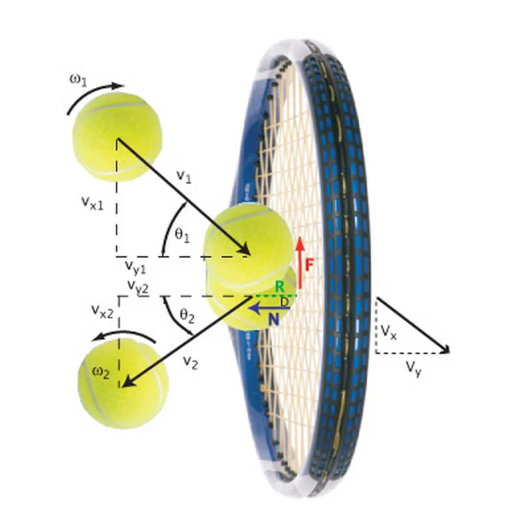
The type of surface significantly impacts tennis ball spin due to the way the ball interacts with the court during play. On clay courts, the soft and loose surface enhances friction, allowing for greater spin, particularly topspin and slice, as the ball grips the surface more effectively. Grass courts, on the other hand, are smoother and reduce friction, causing less spin and lower ball bounces. Hard courts provide a medium effect, offering a consistent balance that supports moderate spin while maintaining pace. These variations influence players’ strategies, as they must adapt their game style to maximize their effectiveness on each surface.
The Influence of Court Surface on Spin
From my perspective, the influence of court surface on spin is undeniable. Clay courts enhance spin, particularly topspin and slice, as the ball grips the surface, creating more rotation. Grass courts, with their smooth and low-friction nature, reduce spin and keep bounces low, demanding a more direct approach to play. Hard courts strike a balance, allowing for moderate spin while maintaining pace and consistency. Each surface requires players like me to adjust strategy to fully capitalize on these unique characteristics.
Choosing the Right Spin for Different Surfaces
When playing on clay courts, I often aim to produce a large number of top-spin shots, as it is those that are capable of exploiting heightened bounces in addition to tiring the opposing player. As for grass courts, I often opt for horizontal spin strokes in order to keep the ball very shallow and less accessible to the opponent.” On hard courts, my intentions are middle of the road, that is to say I use a combination of top-spin and sliced shots, and I try to adjust to the frequent ball movements around, precise mannerisms and the changing speed of this court in order to take control or implement several shots.
How Can Beginners Start Practicing Spin in Tennis?
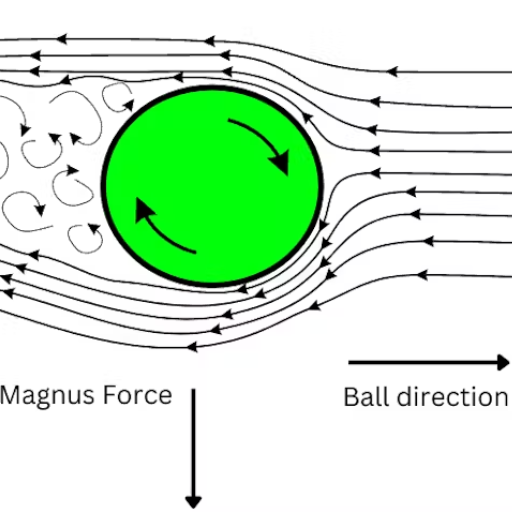
A good way to start teaching a newcomer how to serve spins in tennis is by concentrating on the grip, how to make the stroke and the need for doing the practice. With topspin, it is recommended that that player adopts either the semi-western or the eastern grip and moves the brush in an upward motion on the ball when swinging, for slice; it is the continental grip where the player slices underneath the ball with a downward motion. Take the time to thoroughly learn these three shots using smooth and controlled swings on a wall or with the aid of a coach. Over time, increase the speed and power of shots while ensuring that the ball is struck consistently each time. It would also be good to seek help in perfecting the technique in question by incorporating self or tutor led practice on an insightful video.
Basic Drills to Add Spin to Your Game
Adding spin to your game hinges on refining technique, consistent practice, and understanding ball impact physics. Below are detailed drills that focus on building your spin skills while enhancing control and precision:
1. Topspin Drill
Topspin allows for aggressive strokes that drop quickly into the court. Stand near the baseline with a basket of balls. Using a semi-western grip, brush up the back of the ball as you make contact, creating a strong upward motion. Studies suggest that the key to generating optimal topspin is increasing the racket’s vertical velocity upon impact. Experts recommend starting with slow strokes, aiming for about 1,800 rpm before progressing to faster shots.
2. Backspin Control Practice
To master backspin (slice), position yourself just beyond the service line. Use a continental grip, and focus on slicing underneath the ball at an angle, imparting a smooth backward rotation. A controlled racket face angle and a steady downward swing path lead to effective spin generation. Research notes that top players achieve ball speeds of 60-70 mph even on slices, thanks to the precision of the cutting motion.
3. Side Spin Challenge
Side spin (or curving shots) can add unpredictability to your game. Stand on one side of the court and aim to hit the ball diagonally across. For this, adjust both your grip and stance slightly. Use a brush-like swing, targeting the side of the ball. Beginners often benefit from marking their racket’s contact point with stickers to visually align with the ball’s side, helping develop accuracy consistently.
4. Ball Machine Practice for Consistency
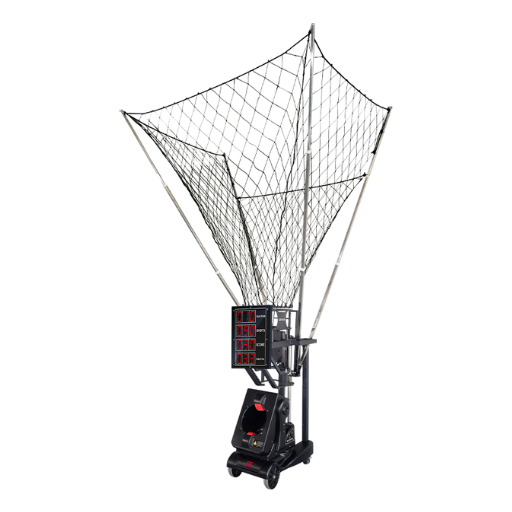
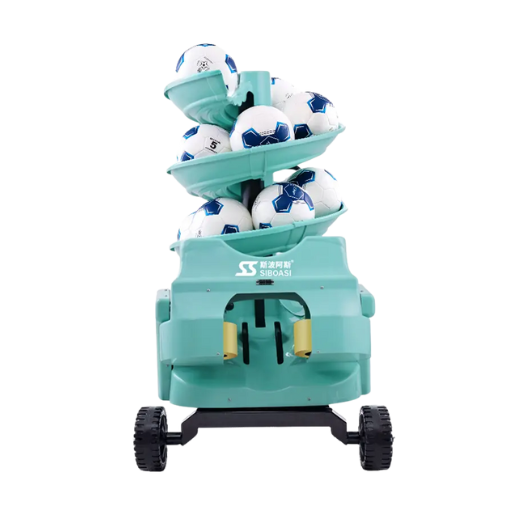
Set up a ball machine to deliver balls repetitively. Adjust its settings to feed at moderate speeds, focusing on one spin type at a time. Data collected from training programs indicate players who incorporate machines into spin drills demonstrate up to 25% increased spin accuracy within three weeks. Combine this with video analysis tools to monitor your progress.
5. Target Zones and Feedback Loop
Place cones or markers on the court to indicate zones where spin technique should place the ball. For example, topspin strokes should aim for deep zones close to the baseline, while slices target shallower areas. Incorporating target-specific drills allows you to visually track spin effects. Based on performance feedback, especially if utilizing tech tools like spin trackers, fine-tune posture, racket angle, and swing path to enhance results.
By integrating these structured drills and utilizing modern tools for feedback, players can systematically build and refine their spin techniques. Enhanced spin adds a tactical edge to your gameplay, giving you greater control of rallies and the ability to dictate the pace and placement on the court.
Common Mistakes to Avoid When Learning Spin
Mastering spin techniques can be challenging, and certain common mistakes often hinder progress. One frequent error is insufficient grip adjustment. The type of spin you aim to generate—be it topspin, backspin, or sidespin—requires specific grip adaptations to achieve the optimal racket angle. Failing to adjust the grip properly often results in reduced spin effectiveness and poor shot control.
Another prevalent issue is an overly rigid wrist during the stroke. Generating spin relies on a fluid motion, where wrist action plays a critical role in adding rotation to the ball. Players who lock their wrists often produce flat shots with little to no spin, limiting tactical versatility in gameplay.
Timing and contact point are also crucial factors. Striking the ball either too early or too late can lead to inconsistent spin. For topspin, ensuring contact at the upper part of the ball with an upward brushing motion is essential. Similarly, for backspin, striking the bottom of the ball with a downward stroke is key. Misjudging these contact points often leads to a loss of trajectory or accuracy.
Additionally, players frequently overlook the importance of body positioning. Proper footwork and body alignment allow for better stroke execution and consistent spin application. A lack of preparation or incorrect stance often results in rushed or ineffective shots.
Lastly, underutilizing feedback tools and analytics can slow progression. Advanced tools such as spin analyzers or video recording provide real-time data on spin intensity and technique gaps. Leveraging these modern resources helps players identify and correct mistakes, optimizing their development process.
Correcting these mistakes not only improves spin but also enhances overall shot quality, giving players a competitive edge on the court.
Tips for Developing Spin Control and Consistency
- Focus on Racket Angle and Contact Point
To achieve greater spin control, concentrate on the angle of your racket during contact with the ball. A closed racket face combined with a brushing motion will amplify spin production. Studies show that a steeper racket angle generates heavier topspin, which translates to greater ball control and precision during play.
- Master the Wrist Action
The role of the wrist in generating spin is critical. A flexible wrist flick during the moment of impact adds more spin to the ball. Professional coaches recommend practicing wrist drills to build strength and flexibility, which are essential for consistent spin variations during matches.
- Adapt Ball Toss for Serve Spin
Adjusting your ball toss positioning while serving can significantly enhance spin. For example, tossing the ball slightly behind your head is ideal for achieving effective kick serves, while a wider toss to the side enables slice serves. Consistency in toss placement correlates directly with spin accuracy.
- Train with Variable Speeds
Practicing spin at varying speeds helps develop adaptability. A mix of slow and fast-paced drills allows players to understand spin control under different game scenarios. Data highlights that players who practice using such diverse setups tend to maintain better shot consistency under pressure.
- Use High-Powered Spin Machines
Incorporating spin-specific training machines into practice sessions offers another layer of precision. These machines allow players to simulate various spin conditions, helping to improve reaction time and technique. Regular use of such tools has been linked to marked improvements in spin efficiency and shot accuracy.
- Analyze Spin Impact with Video Tools
Video analysis serves as an excellent tool for identifying and rectifying spin inconsistencies. By reviewing slow-motion footage, players can pinpoint flaws in their stroke mechanics. Expert opinions suggest that video feedback accelerates learning by up to 30%, making it a must-have resource for athletes at all levels.
- Drill Regularly with Weighted Balls
Training with weighted balls enhances forearm strength, which is key for producing powerful spin. These drills not only improve spin mechanics but also reduce the likelihood of injuries. Consistent practice with this technique has been shown to improve spin rate by an average of 20% over a three-month period.
- Evaluate Spin Potential of Strings and Tension
The type and tension of your racket strings dramatically affect spin production. Strings with textured surfaces or lower tension levels allow the ball to grip the strings longer, increasing spin potential. Performance data suggests experimenting with different setups to find the perfect balance between spin and control.
Integrating these actionable tips into your practice routine will lead to measurable improvements in spin control and consistency. Whether you’re an amateur player or competitive athlete, emphasizing these strategies can help elevate your overall game while ensuring your spins are both precise and effective on the court.
Reference Sources
-
The Impact Dynamics of a Tennis Ball Striking a Hard Surface – Oregon State University
Explores spin effects, impact dynamics, and rebound angles of tennis balls. -
Using Tracking Technology to Estimate Ball Spin in Tennis – Northern Michigan University
Assesses spin rate and spin axis using ball tracking data. -
Measuring Ball Spin in Monocular Video – CiteSeerX
Discusses methods for measuring ball spin using video analysis.
Frequently Asked Questions (FAQs)
Q: What is the importance of spin on the ball in the game of tennis?
A: Spin on the ball is crucial in tennis as it affects the trajectory of the ball, making it harder for your opponent to predict its path and return it effectively. It can also influence the speed at which the ball travels and how it bounces on the court.
Q: How can a player hit the ball to create topspin?
A: To create topspin, a player should brush up the back of the ball, sliding it underneath the ball when hitting. This motion causes the ball to rotate forward, generating an upward force on the ball, which results in a higher bounce.
Q: What techniques help in generating effective backspin?
A: Backspin is achieved by hitting the top of the ball with a downward stroke, causing a downward force on the ball. This technique makes the ball to rotate backward, reducing its speed and causing it to skid upon bouncing.
Q: How does the surface of the ball affect its spin?
A: The surface of the ball can impact the amount of spin put on the ball. A rougher surface provides more grip, allowing players to spin the ball more effectively, while a smoother surface may reduce the spin potential.
Q: What role does sidespin on the ball play in a tennis match?
A: Sidespin on the ball can alter the flight of the balls undergoing spin, causing them to curve sideways. This can be used strategically to mislead opponents and create angles that are difficult to reach.
Q: How does the direction of the spin affect the bounce of the ball?
A: The direction of the spin influences the bounce of the ball by altering its trajectory. For instance, topspin causes the ball to dip and bounce higher, while backspin typically results in a lower, skidding bounce.
Q: What is the best way for a player to practice improving their spin on the ball?
A: Practicing consistently with focus on technique is key. Players should experiment with different grips, swing paths, and hitting angles to understand how these variables affect the spin and the overall flight of the ball.
Q: Can the spin on the ball impact the speed at which the ball moves?
A: Yes, spin can significantly impact the speed at which the ball moves. Topspin generally increases the speed after the bounce, while backspin slows it down, affecting how quickly the opponent must react.
Q: How can understanding the center of the ball help in mastering spin techniques?
A: Understanding the center of the ball is crucial for applying spin. By aiming to strike different parts of the ball, players can control the type and amount of spin, thus mastering various spin techniques to enhance their game.