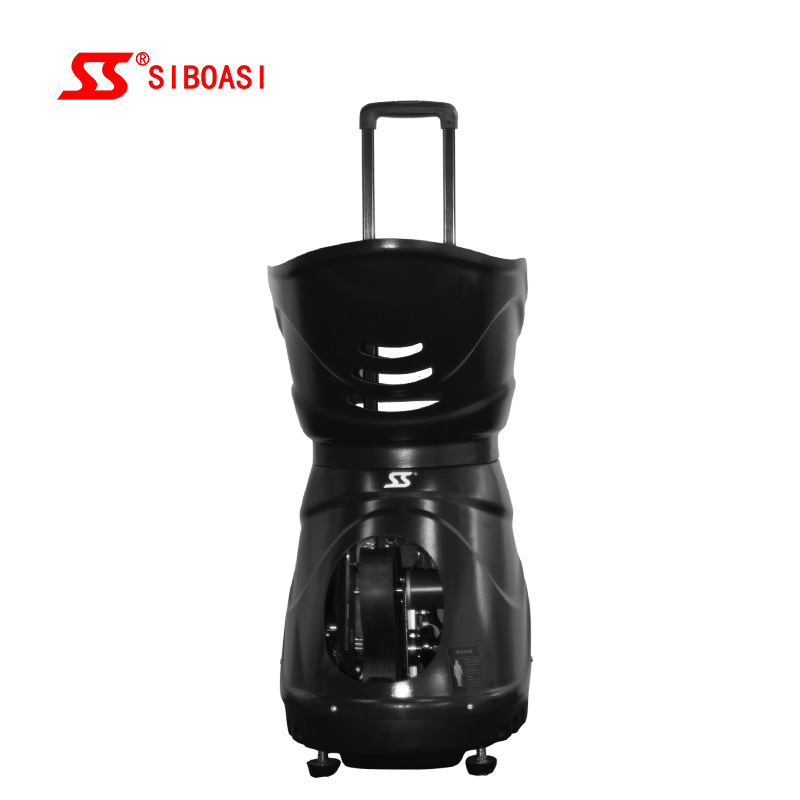
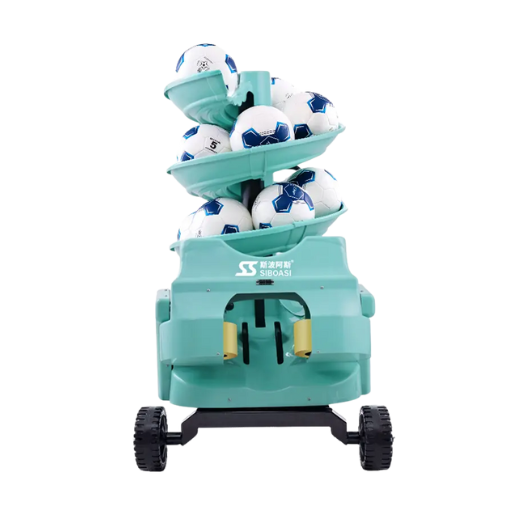
Badminton is a sport that requires a great deal of speed, sharp movements, and bouncing about. Having the correct equipment makes a significant difference in the case of training, as it aids both amateurs and professionals alike. One example is the badminton training machines, which have helped players immensely. In a marketplace flooded with countless options, how does one select the right machine tailored to their needs? With this guide, we aim to assist your thinking process. We will analyze the vital elements of badminton training machines, show how they benefit players throughout the spectrum, and show you how to choose the appropriate gear tailored to your needs. Prepare to boost your court performance with the help of this guide!
What is a Badminton Training Machine and How Does It Work?
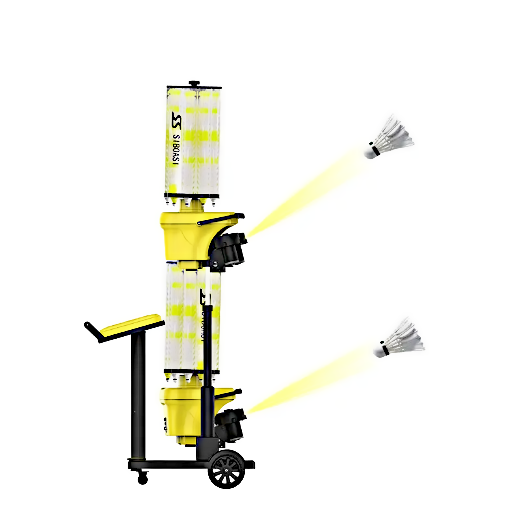
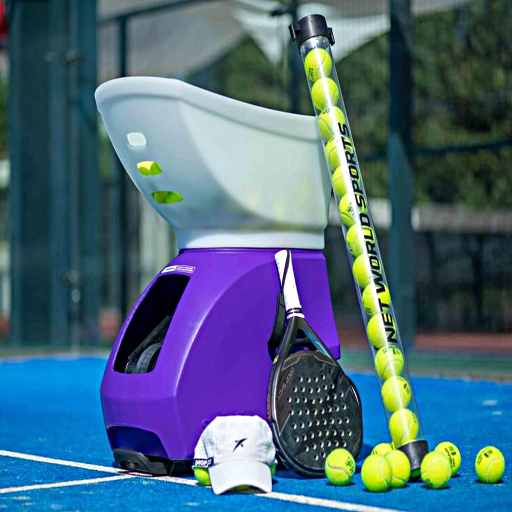
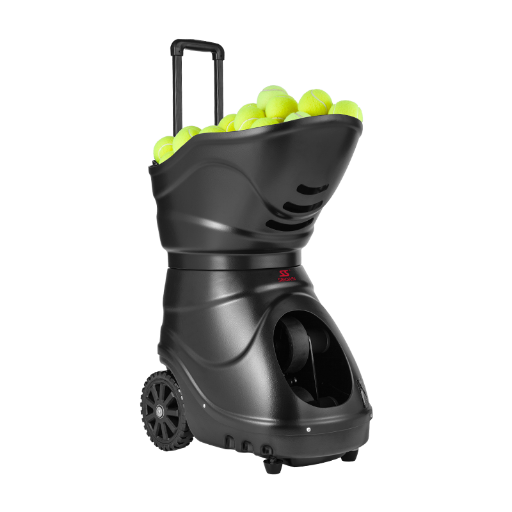
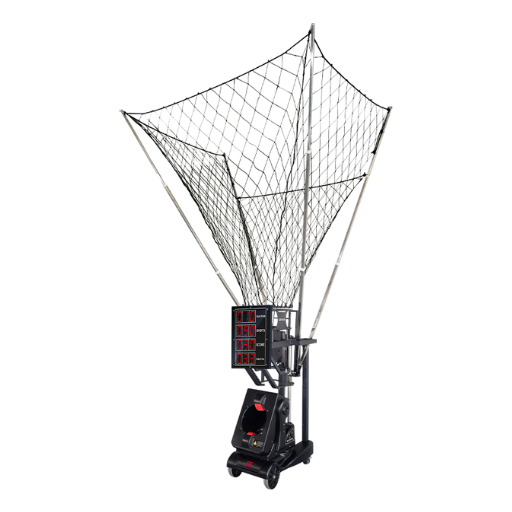
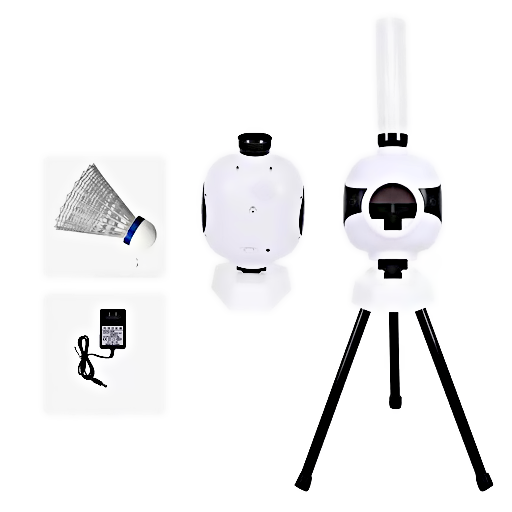
A badminton training machine can automatically feed players shuttles at different speeds, angles, and intervals. It aids players in practicing specific skills like executing smashes, drop shots, and footwork by simulating real game situations. The machine has a compartment that contains shuttles, which are loaded and propelled by a motorized mechanism. As standard practice, players can adjust settings that control the shuttle speed, trajectory, y, and frequency. This enables customized sessions tailored towards individual needs and goals. This tool is especially beneficial for a consistent practice routine without needing a partner.
How Do Badminton Training Machines Improve Your Game?
Badminton training machines profoundly sculpt the performance of avid players with an unwavering focus on improvement. By delivering shuttles at specified speeds, angles, and intervals, these machines allow players to refine certain areas of the game that would otherwise be neglected with a human partner. For example, advanced training devices can aid in developing reflexes by providing rapid smash and difficult drop shot training.
Players practicing with shuttlecock feeding machines in regular training sessions have reported an increase in reaction time and shot precision. Practicing 3-4 times a week with the machines, sports training specialists noted that players could increase their shot accuracy up to 30% over 6 weeks. Tailored for professional and beginner-level training, these programmable machines allow users to mimic the dynamic engine of competitive matches.
Furthermore, training machines enable prolonged repetitive practice without breaks, increasing endurance. Badminton training machines are highly customizable, which allows them to cater to different skill levels and objectives. They help players focus on specific areas that need improvement, such as defense, attack strategies, and more. Through the integrated training technology, these players can improve their game performance on the court.
Standard Features of Modern Badminton Training Machines
Like other sports, badminton has training machines designed to help with practice. Modern badminton training machines come with various features to maximize training efficiency for players of all skill levels. Here are some of the standard features relayed alongside their descriptions:
Adjustable Shuttlecock Launch Speed
Players can adjust the speed at which shuttlecocks are launched from both automated and manual feeding machines, from slow to high velocities. This feature is crucial in training for game scenarios, from fast-paced smashes to drop shots.
Shot Pattern Programmability
More advanced models can be set to specific shot patterns, allowing players to customize them. This helps players train for different strategies targeting net play, the backcourt, and the midcourt.
Randomized Shot Distribution
Some machines have randomized shot settings that emulate real-game situations by simulating an opponent’s unpredictable movements. This fosters reflexes, forcing players to respond spontaneously to changing shot directions.
Frequency Settings
Adjustable interval spacing for shooting shuttlecocks can be set to match training needs, from slower beginner intervals to rapid fire for advanced trainees looking to test their endurance and reaction time.
Remote Control and Wireless Operation
Most modern training machines are fitted with remotes or wireless features, enabling them to be adjusted with minimal disruption to practice sessions. This hands-off method allows seamless training and uninterrupted smoothing of training routines.
How to Choose the Right Badminton Training Machine?

Absorb the following tips when selecting a badminton training machine.
- Shuttle Launch Features
Make sure that the machine can modify speed, frequency, and trajectory to meet different skill levels and training needs.
- Durability and Build Quality
Make certain that the badminton machine selected is sturdy and reliable, able to withstand frequent usage without inadequate maintenance.
- Portability
If the machine needs to be stored away or moved frequently, a compact and lightweight design is ideal for portability.
- Ease of Operation
Adjustments during practice are very convenient for user-friendly controls and wireless remote operations.
- Battery Life or Power Source
Always check if the machine’s battery lasts long enough for the required practice sessions or if the machine needs a stable power connection.
- Cost and Value
Assess the features available versus the price, then see what fits within budget with essential features.
Accomplishing these pointers is bound to get further help with a training machine that is easy to use while honing one’s exercise skills.
Factors to Consider When Choosing Badminton Equipment
- Racket Weight and Balance
Racket weight impacts the style of play the most. For instance, lightweight rackets around 4U-5U or 80-90 grams, coupled with a fast-paced game around 4U-5U, will help with speed and agility. On the other hand, heavier rackets around 2U-3U or 90-100 grams offer more power but are difficult to maneuver. Head heavy, head light, or even rackets are easy to bring into balance. The racket has to be aligned with your play style.
- String Tension
String tension dictates the control and power of the shots. String tension lower than 2597kg offers more power to the shot and works well with lower-level players, while advanced players prefer more control and precision, which comes with a preferred tension of 23-30kg, making it better suited for advanced players.
- Grip Size and Type
There are various grips, such as synthetic, leather, and more. Choosing the perfect grip size is integral for control and comfort. Grips that are thicker provide a secure grip, while thinner grips are good for tactical feedback.
- Shuttlecock Material
Shuttlecocks are often composed of plastic or feathers. Feathered shuttlecocks are lightweight and professionally preferred because they are less affected by outside forces, but they tend to wear out quickly. Plastic shuttlecocks are suited for beginners or casual players since they are cost-effective and durable.
- Badminton Shoes
Good badminton shoes should have good grip, cushioning, and support to avoid injuries and enhance performance. Indoor courts often require non-marking soles. Since badminton involves quick changes in direction, your shoes should have good lateral support.
Comparing Different Types of Badminton Training Machines
All badminton training machines have features ascertained by the user’s level of expertise, including shot customization, which enables users to select the type of training they want, consistency, and programmability of the shots needed.
| Feature | Basic Model | Advanced Model | Premium Model |
|---|---|---|---|
|
Shots |
Fixed |
Adjustable |
Random/Custom |
|
Speed |
Low |
Medium |
High |
|
Angles |
Limited |
Adjustable |
Full Range |
|
Drills |
None |
Pre-set |
Programmable |
|
Cost |
Low |
Moderate |
High |
What are the Best Badminton Training Drills to Use with a Machine?
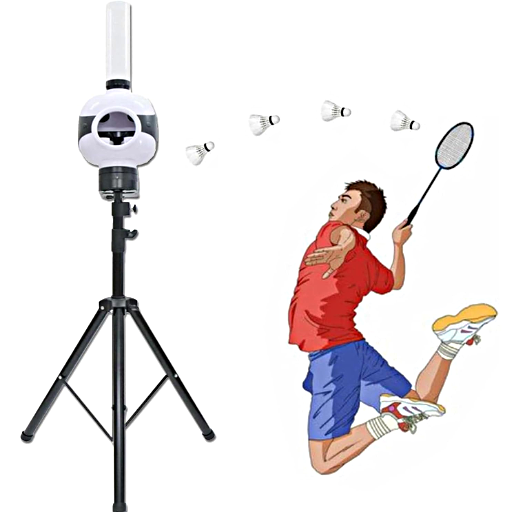
- Clear and Lob Practice
Set the machine to match high clears and lobs, and work on your footwork and timing to get high shots correctly.
- Drop Shot Drills
Set the machine to hit soft, short shots close to the net. Focus on precise control by attempting tight net drops.
- Smash and Defense
Set the machine to fast and low shots. Focus on executing powerful and accurate smashes. Practice defensive blocks and drives under pressure.
- Net Play Exercises
Program the machine to deliver consistent low shots to the net area. Focus on improving your touch for tight net play and quick reflexes.
- Footwork Coordination
Set the machine to shuttle multiple shuttles to different court positions to help you practice footwork and movement around the court.
When done daily, these drills will enhance skills such as technique, precision, and endurance.
Essential Drills for Improving Badminton Skills
- Combinations Of Smash And Drop Shot
Recent training data note that combining smash and drop shot practice improves offensive play. Adjust the shuttlecock machine to oscillate between high and low trajectory shots. Strive to work on powerful smashes with a flowing transition into drop shots. This helps ease your transition from aggressive to defensive play styles.
- Shadow Exercises Without The Shuttle
Recently, experts have been advocating shadow drills to enhance footwork anticipation. Shadow drills involve performing movements related to actual gameplay without a shuttle while focusing on speed, precision, and coverage of the court. This allows players to execute more realistic match scenarios with adequate muscle memory and stamina.
- Training Of Reaction Time
Use drills that focus on sudden changes in the direction of the shuttle to focus more on the reaction. Take advantage of training machines set to random shot modes to enhance adaptability and response time, which are essential for enduring fast-paced rallies during competitive matches.
These updated drills aim to sharpen badminton players’ strategic and technical skills. Such methodologies are crucial in overcoming challenges posed by the ever-evolving game.
Footwork Drills to Enhance Agility and Speed
Ladder drills augment footwork, agility, and speed on a badminton court. These exercises entail stepping into and moving through a flat, portable ladder positioned on the floor at different speeds. Google’s search engine outlines that incorporating ladder drills increases coordination and builds the speed required to access shots in highly energetic games. Common patterns include single-leg hops, side shuffles, and in-and-out steps, which are all aimed at replicating rapid directional changes during a match. Adding these drills to one’s training regime enables players to gain balanced footwork and reflexes to succeed in competitive badminton.
Combining Strength Training with Badminton Training Machines
Strength training is particularly vital in optimizing badminton performance. When complemented with badminton training machines, the integration of these two forms of training aids in the holistic development of the athlete. The combination of these two training methods is effective because it attends to diverse aspects of an athlete’s capabilities. Strength training concentrates on muscle power, endurance, and injury prevention, while training machines focus on accuracy, consistency, and reaction time.
As per the recent updates from Google’s search engine, several athletes and trainers point out the usefulness and significant impact integrating strength exercises such as weighted lunges, squats, deadlifts, and even repetitive shuttle drills done on training machines have had on power and agility. For example, while a training machine simulates high-speed returns, leg and core strengthening exercises should be performed simultaneously to enable players to maintain stability and explode into action. This not only enhances the players’ technical skills but also conditions them for the physical strains of intense matches.
In conclusion, enhancing strength training coupled with badminton training machines offers a multifaceted approach that optimizes players’ development. This encourages physical development and strategic skill advancement, hence strengthening players’ chances of competitive success.
How to Incorporate a Badminton Training Machine into Your Training Program?
To incorporate a badminton training machine into your training program, follow these steps:
- Set Clear Goals: Determine what areas of your game you want to improve—footwork, reaction time, shot consistency, or specific strokes like smashes or drop shots.
- Choose Suitable Settings: Adjust the machine’s speed, frequency, and shuttlecock placement to match your skill level and training objectives. For beginners, start at lower speeds and gradually increase intensity as you progress.
- Integrate Regular Sessions: Schedule dedicated time for training with the machine, ensuring it complements other aspects of your practice routine, such as drills, matches, and conditioning exercises.
- Focus on Technique: Use the machine to refine your form and technique, maintaining proper posture and stroke mechanics during exercises.
- Periodically Assess Progress: Evaluate your performance regularly to identify improvements and adjust the machine’s settings or training focus as needed.
Consistent and intentional use of a training machine alongside additional practice methods will help you maximize your development on the court.
Creating a Comprehensive Training Routine
To design an effective multi-faceted training plan, it is critical to address your game’s physical, technical, and mental components. Always start by setting well-defined goals as targets, whether it’s mastering a skill or enhancing performance. Give attention to conditioning relevant to your sport that builds strength, endurance, and agility. Incorporate frequent skill drills aimed at fundamental techniques with application to game-specific scenarios.
For competitiveness, stay informed on emerging innovations in sports science and training. Sustained attention towards recovery methods, nutrition trends, and novel training equipment can provide an edge. Yet, do not overlook the mental aspect; complement the training with mindfulness and visualization exercises to aid in focusing and dealing with pressure.
Ultimately, progress should be examined regularly based on performance benchmarks and personal milestones, and tactics should be adjusted where necessary. This continual adaptability is vital in ensuring sustained progression and reducing regression. Consistent, strategic effort, integrated into a single routine designed to be flexible, is critical when pursuing sustained success.
Balancing Machine Training with On-Court Practice
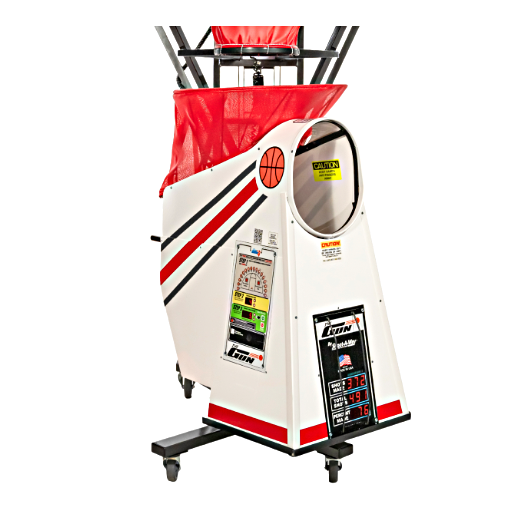
Optimizing performance requires striking the right balance between machine training and on-court practice. Automated training tools, such as ball launchers or ball machines, provide controlled environments for repetitive drills targeting specific skills, allowing players to polish nuances of technique and mechanics. However, the absence of variability in live play poses challenges. Live play training on the court offers unpredictable dynamics, which require players to respond to an opponent’s ever-shifting strategies, conditions, and decisions in real-time.
A compelling blend of both approaches utilizes machine training to hone fundamentals and build muscle memory, and on-court training to enhance instinctual tactical play. Incorporating fundamental match drills into these two environments allows athletes to tailor their training to their needs, ensuring versatility in a comprehensive training schedule. This unique combination enhances performance and preparedness for competition.
Reference Sources
- Badminton training machine with impact mechanism -It focuses on designing and constructing a badminton training machine using CATIA software.
- Predicting badminton outcomes through machine learning and technical action frequencies -Examines the application of machine learning in coaching and training methodologies in badminton.
- Self-powered intelligent badminton racket for machine learning-enhanced real-time training monitoring -Stresses the developments in training technologies using innovative badminton training equipment.
- Top Badminton Training Machine Manufacturer and Supplier in China
Frequently Asked Questions (FAQs)
Q: What is the best badminton racket for a beginner badminton player?
A: For a beginner badminton player, choosing a lightweight badminton racket with a flexible shaft is recommended. This type of racket helps in generating power and is easier to handle. Look for a guide on beginner-friendly options to ensure you choose the right gear.
Q: How important is the badminton string in badminton training?
A: The badminton string is crucial as it affects the racket’s performance. A higher tension string can provide more control, while a lower tension can offer more power. Selecting the correct badminton string is essential for maximizing your gameplay and enhancing your skills.
Q: What are the key pieces of badminton training equipment I should consider?
A: Key pieces of badminton training equipment include a quality badminton racket, shuttlecocks, a badminton net, and possibly stringing machines for string maintenance. Additionally, training aids like resistance bands can help improve speed and agility around the court.
Q: How can I improve my badminton shots during training?
A: Focus on your grip and stance to improve your badminton shots. Regular practice with drills targeting specific shots, such as smashes, drops, and clears, is important in badminton. Using high-quality badminton gear can also assist in refining your technique.
Q: What are some common mistakes to avoid when choosing the right gear for badminton?
A: Common mistakes include selecting a racket that is too heavy or stiff for your skill level, ignoring the importance of string tension, and not considering the grip size. A comprehensive guide can help you avoid these pitfalls and ensure you pick the best badminton equipment for your needs.
Q: How does the size of the badminton court affect gameplay?
A: The badminton court size is standardized, but understanding the dimensions can affect your strategy. Knowing how to utilize the space effectively can enhance your gameplay, especially in doubles where positioning is crucial. Badminton training should include court awareness as an essential aspect.
Q: What should I look for in a badminton grip?
A: When choosing a badminton grip, look for comfort and the right size to ensure a firm hold during gameplay. A good grip helps you execute shots effectively and allows you to control the racket better. Try various grips to find one that feels comfortable and supports your playing style.
Q: How can stringing machines enhance my badminton training?
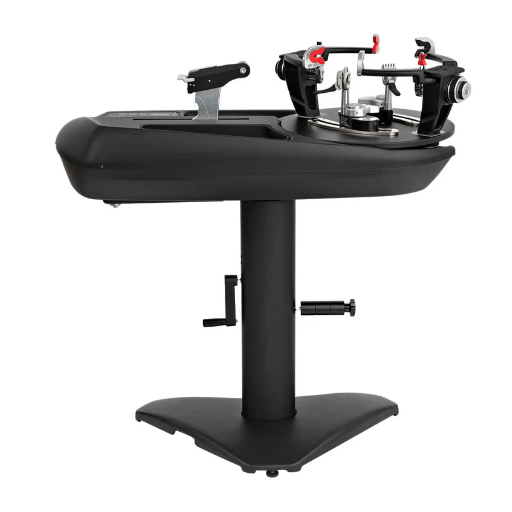
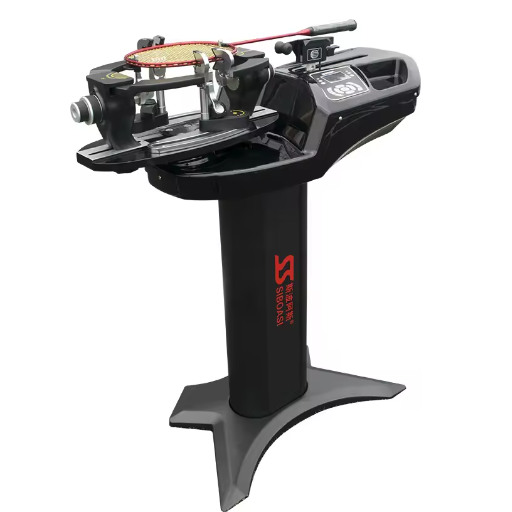
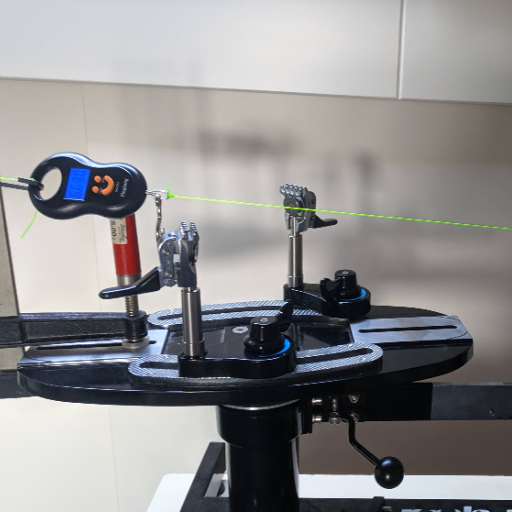
A: Stringing machines are essential for maintaining your badminton strings at the proper tension, which is vital for performance. Regularly restringing your badminton racquet can significantly improve your gameplay, as fresh strings provide better feel and responsiveness. This is particularly important for serious badminton enthusiasts.
Q: What is the ultimate guide to selecting badminton gear for competitive play?
A: The ultimate guide to selecting badminton gear for competitive play involves understanding the types of rackets, strings, grips, and shoes that suit your style. It’s essential to consider your skill level, the kind of gameplay you prefer, and the specific requirements of the badminton court you’ll be playing on.