Of all the curious and seemingly strange laundry hacks, one surely is the use of tennis balls or dryer balls in your cleaning operations. These small but mighty tools help to fluff your fabrics, cut drying time, and even ease out wrinkles. So, how do they work? Why are they suddenly in every house? The article explains the clever uses of tennis balls and dryer balls that can make your laundry efficient and environmentally conscious in catering to everyday cleaning woes. From washing a cumbersome comforter to natural softening of clothes, here lies an all-inclusive guide to help you make the best use of these multipurpose laundry helpers.
Introduction to Tennis Balls in the Washing Machine
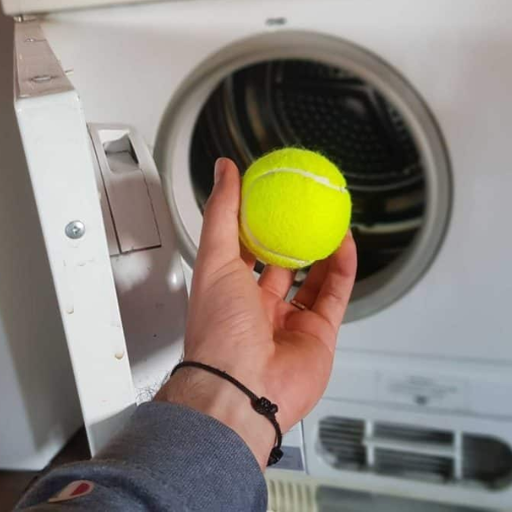
Tennis balls make for a very practical and cost-effective way of enhancing your laundry routine. When these are put into a washer with bulky items such as comforters, jackets, or pillows, they prevent those items from clumping together. As a result, water and detergent circulate freely, thus offering greater cleaning. Another function of tennis balls is to speed up drying time by allowing air to flow between items and naturally soften the fabric, thereby reducing the use of chemical-based fabric softeners.
Understanding the Concept
In the laundry world, the tennis ball technique is one of the most ingenious trends that we find merging simplicity with practicality. Scientists and industry experts advocate for these small gadgets for they serve the washing and drying stages. They restrict clumping of bulky items, allowing water and detergent to penetrate better and perform their job of cleaning the fabric. On top of it all, drying times can be shortened up to 25%, an energy savings worth considering, by making use of tennis balls. For those interested in environmentally-conscious measures, this technique can reduce electricity consumption and even cut down on the harmful chemical fabric softeners-from an eco-friendly and cost-saving perspective to deeply consider.
Benefits of Using Tennis Balls in Laundry
Tennis balls present an innovative opportunity for laundry optimization, with benefits both practical and environmentally conscious. They serve to lessen drying time and save energy, while also aiding in the even distribution of heat and airflow within the dryer. This circulation helps avoid uneven drying, to the detriment of some comforts, pillows, or jackets filled with down or synthetic fibers, thus ensuring that they remain fluffy and intact.
It has been proven by countless studies that tennis balls prolong the textile’s life. They do so by softening the fabrics and preventing clumping, which leads to mechanical wear and tear in the clothes themselves. This softening is particularly useful in the treatment of delicate or bulky items needing such treatment. In addition to reducing static cling, the regular use of tennis balls in laundry also aids in letting clothes come out fresh and static-free without chemicals.
From an economic standpoint, households can save money on energy bills for drying purposes while contributing toward a green lifestyle. Be it a regular load or bulkier items, these tennis balls offered sustainable solutions to present an invaluable addition to contemporary laundry care.
Common Misconceptions
A common misconception is that drying with tennis balls can damage the clothes or the dryer. Modern tennis balls are constructed using materials that are hard yet soft enough not to cause any damage. When properly used, the balls are safe for almost all fabric types, aiding them in retaining their good texture through repeated drying cycles.
Another mistake would be to assume tennis balls only work for heavy items such as blankets or jackets-they enhance the drying process for all types of loads by creating better airflow. Energy efficiency data suggests that improved airflow can reduce drying time by up to 25%, saving energy and utility costs over time.
New, so-called “brand new” tennis balls must be used, the public often thinks, in fear that the older tennis balls might leave behind some stains. While highly worn balls do sometimes not perform so well, slightly used balls in good condition will work just as great and serve as a sustainable option to reduce waste.
Lastly, they sometimes suppose the imperative of fabric softener is basically obsolete with the advent of tennis balls. They do of course soften naturally, but this may be combined with other eco-friendly choices like wool dryer balls for the greatest effect with reduced static and softness without any synthetic ingredients.
How Tennis Balls Work in the Washing Machine
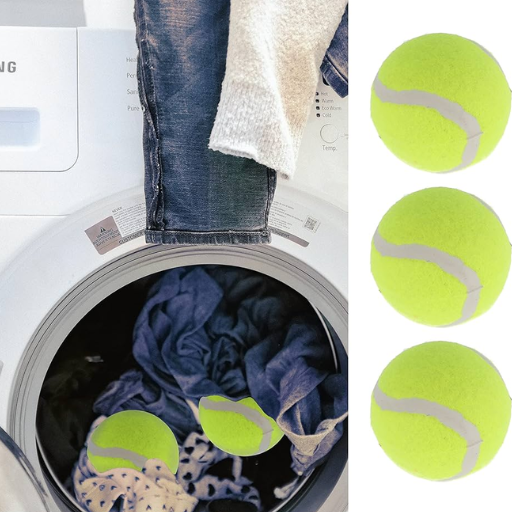
Tennis balls help in the washing machine by providing extra agitation during the wash cycle. The added movement will scrub dirt, debris, and detergent trapped in the fabric for a clean wash. Plus, they keep bulky items such as comforters and pillows from clumping up so that water and soap can get to everything. This very simple method increases the washing efficiency without needing any additional accessories or products.
The Science Behind the Bounce
The effectiveness of tennis balls in the washing machine can be explained according to the basic physics principles and properties of materials. During the spinning of the machine in the wash and rinse cycle, tennis balls move dynamically inside the drum. Their consistent bouncing induces mechanical actions that help in the dislodging of dirt particles and detergent trapped within fabrics. This effect works wonders for heavier items like comforters or pillows that tend to clump inside wash bags. Without this dividing action, such items would retain moisture and detergent and consequently be washed unevenly.
Second, the rubber core of the tennis balls offers a perfect balance between firmness and flexibility. Such material design ensures the balls endure high-impact pressure while holding their shape. With the exterior felt covering, the balls become less of a threat to delicate fabrics, which gives them a softer touch that protects against abrasion to clothing or linens. Some studies say that this method significantly improves water and detergent penetration, thus reducing wash time for certain heavily soiled items.
Moreover, the mechanical actions caused by tennis balls during drying break up clumps and enhance hot air circulation, thereby reducing drying time. This additional efficiency then becomes the saving of energy and time while also extending the life of items that are otherwise prone to uneven drying, such as down-filled bedding. This simple little trick using tennis balls ushers in cleaner, fresher laundry with greater ease.
Comparison: Dryer Balls vs. Tennis Balls
Dryer balls are eco-friendly, reduce static, and soften clothes, while tennis balls are cost-effective, versatile, and moderately effective.
| Aspect | Dryer Balls | Tennis Balls |
|---|---|---|
|
Material |
Wool/Plastic |
Synthetic |
|
Eco-Friendly |
Yes |
No |
|
Static Red. |
High |
Moderate |
|
Softening |
High |
Moderate |
|
Durability |
Long-lasting |
Moderate |
|
Cost |
Higher |
Lower |
|
Noise |
Quiet |
Louder |
|
Versatility |
Limited |
Multi-use |
Effectiveness of Tennis Balls in Different Fabrics
Tennis balls have demonstrated varied efficacies as drying aids for diverse fabrics. The bouncing action of tennis balls fluffs and separates heavier materials like denim and towels, allowing freer circulation of hot air. This greatly diminishes drying time, with anecdotal reports suggesting up to a 25-percent reduction in drying cycles for these denser materials.
Protective care for delicate fabrics such as silk or thin cotton is advised since the vigorous tumbling action of tennis balls could promote wear and tear or distort the fabric surface. Thin and padded articles like comforters and pillows, on the other hand, benefit enormously from tennis ball action to redistribute filling. Studies suggest that the tennis balls in fact produce a more even drying process and assure that damp spots are eliminated in areas that would otherwise be difficult to reach.
In general, the effectiveness and appropriateness of tennis balls for drying are dependent on the material: heavier and bulkier fabrics stand to gain, whereas delicate or overly sensitive textiles probably do not.
Practical Uses for Tennis Balls in Laundry
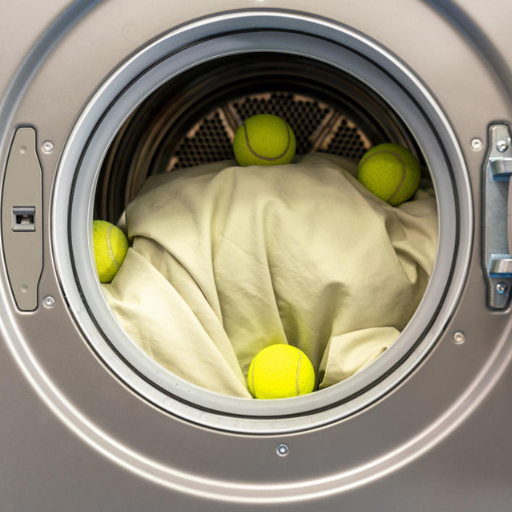
Regarding the use of tennis balls, it is said that they increase dryer efficiency and maintain the quality of some fabrics. The tennis balls reduce drying time by allowing better airflow between larger items like comforters, jackets, and pillows. At the same time, they prevent clumping of stuffing in bulky items and help them dry evenly, keeping them fluffy. To take care of the items, make sure the balls are clean and that they may be used for your particular laundry item.
Washing Comforters and Heavy Fabrics
When washing comforters or other heavy fabrics, it is advisable to employ a large-capacity washer that can properly accommodate the size and bulk of these items without overloading. Overcrowding can cause an uneven wash or even damage to the fabric. Use a gentle wash cycle with cold water, thus protecting the fiber of the fabric and preventing shrinkage, especially for down or synthetic filled comforters.
Use of mild detergent is highly recommended, preferably one devoid of any chemical or bleach, to stop it from breaking down the material over time. It is further suggested by the experts to add extra rinse cycles to make sure that all soap residues are rinsed off; soap left on the fabric can cause damage or leave stains.
For drying, go in for a low-heat setting to maintain the integrity of the fabric. Line drying also works well, but if you must run it in a dryer, toss in two or three clean tennis balls or dryer balls to help fluff the comforter and evenly distribute its filling and dry it quicker. The reports also suggest that heavy heat during drying causes wear and tear to heavy fabrics, so it will be best for you to keep an eye during the drying process and take the heavy fabrics out as soon as they are just dry to avoid unnecessary heat.
Comforters generally should be washed once in every three to six months, though usage can alter these timelines. Always refer to the care label, and when dealing with delicate or expensive items, opt for professional cleaning to ensure they last longer.
Fluffing Pillows and Bedding
Regularizing the fluffing of pillows is paramount in maintaining their shape, comfort, and life-span. With further use over time, pillows tend to flatten more and more until moisture enters and dust gathers in the pores, making them unable to support one well while also being unhygienic. Pillow fluffing has been recommended by many experts for the purpose of even distribution of filling and retaining that airy feel and plush texture. Likewise, comforters may be shaken or fluffed once a week to prevent clumping and maintain loft.
Fluffing can be aided by a clothes dryer on the lowest heat setting with the tumble of a couple of clean tennis balls or dryer balls to break up lumps and allow the filling material to be evenly redistributed in the process. Sleep hygiene studies show that the state and maintenance of pillows and bedding can ensure better quality sleep and might prevent stiffness or aches in the neck due to lack of support. It is also recommended that pillows be replaced every one to two years, depending on the type of material involved, ensuring comfort and cleanliness. All of this care will make the bedding essentials comfortable and allow the life of the bedding essentials to be extended.
Using Tennis Balls for Delicate Items
Surprisingly, tennis balls play a highly practical role in laundry care when dealing with washing down jackets, comforters, or pillows. Placing tennis balls in the dryer along with these items helps keep the filling from clumping, allowing it to be evenly distributed. In doing so, the fabric is kept fluffy-thus retaining its shape and insulation abilities.
Tests have shown that tennis balls may actually halve the drying time due to their ability to improve air circulation in the dryer, saving energy consumption and hence reducing utility bills. Two or three clean tennis balls that have not been dyed should work great for this purpose so that no unwanted color transfers onto your laundry. Dryer balls can replace regular tennis balls in this task-they are generally constructed from wool and hence are a reusable, eco-friendly choice. An excellent yet simple hack to keep delicate items in good condition and make laundry more efficient.
Potential Risks and Considerations
Assuming the use of tennis balls or wool dryer balls is safe and efficient, let’s consider some precautions. Ensure the tennis balls are clean and dye-free so they do not leave unwanted stains on your garments. The greatest drawback could be noises caused by overloading the dryer or being used with damaged tennis balls, which might also cause slight damage to the appliance. Wool dryer balls will reduce drying time but sometimes stop short of stopping static clinging to some fabrics. If one is allergic to wool, plastic balls could be a good alternative, or even aluminum foil in a pinch. Be sure to follow the instructions from your dryer’s manufacturer to avoid any problems.
Are There Any Downsides?
While there are many benefits to using dryer balls, they do have limitations. Studies show that they may reduce drying time by up to 25% depending on the size of the load or fabric being dried. They may show less impact on bulky items like towels or comforters. Another downside is noise-the hard materials such as plastic or rubber dryer balls tend to get loud during the drying cycle.
Dryer balls are also not guaranteed to stop static cling. Static may be reduced somewhat in natural fibers, but synthetic fabrics will stay static unless secondary measures are applied, such as dryer sheets or fabric softener. For users who are environmentally conscious, wool dryer balls are biodegradable while plastic or rubber ones will only go to waste if recycled improperly. It is important to carefully consider these issues, weighed against the convenience and energy savings dryer balls offer, to see if they will work for your individual household needs.
Choosing Between Wool Dryer Balls and Tennis Balls
Wool dryer balls are eco-friendly, chemical-free, and reusable, while tennis balls are cost-effective, synthetic, and versatile.
| Aspect | Wool Balls | Tennis Balls |
|---|---|---|
|
Material |
Natural wool |
Synthetic |
|
Eco-Friendly |
Yes |
No |
|
Chemical-Free |
Yes |
No |
|
Durability |
Long-lasting |
Moderate |
|
Cost |
Higher |
Lower |
|
Noise |
Quiet |
Louder |
|
Versatility |
Limited |
Multi-use |
How to Clean Your Tennis Balls
I clean tennis balls by first filling a bucket or sink with warm water. A tablespoon of mild detergent is then added to the water. The tennis balls are scrubbing gently with a soft brush to take off the dirt and grime without scouring the felt, then rinsed with clean water so that no traces of soap remain in the end. Finally, the balls are left to dry in the air to ensure that they are completely dry before being used again. This simple method keeps the balls in good condition for play over a long period.
Reference Sources
-
Engineering a Solution for Microplastic Pollution
University of Pennsylvania – SEAS Blog
Explores devices like laundry balls, similar to tennis balls, for reducing microplastic pollution during washing.
Frequently Asked Questions (FAQs)
Can I wash tennis balls in the washing machine?
Yes, you can wash tennis balls in the washing machine. Using a gentle cycle with cold water is recommended to avoid damaging the balls. This process helps to remove dirt and odors, keeping your tennis balls fresh.
How do tennis balls work in the dryer?
Tennis balls in the dryer can help fluff up your laundry. They bounce around in the dryer, preventing clothes from clumping together and ensuring even drying. This is a great alternative to using dryer balls or tennis balls for a more effective drying process.
What is the best way to clean tennis balls?
To clean tennis balls, you can wash them in your washing machine or soak them in a solution of water and vinegar. This method removes dirt and helps maintain the bouncy texture of the balls. Avoid using fabric softeners, as they can leave a residue on the balls.
Can I use wool dryer balls instead of tennis balls?
Yes, using wool dryer balls is a great alternative to tennis balls. Wool dryer balls are all-natural and pet-friendly, providing a gentle way to soften fabrics and reduce drying time without the risk of damaging your laundry.
Is it safe to put tennis balls in the dryer?
Yes, it is safe to put tennis balls in the dryer. They are designed to withstand heat and can help keep your laundry soft and fluffy. However, ensure that you use low heat to avoid any potential damage to your clothes or the balls themselves.
How do I properly air dry my tennis balls?
To air dry your tennis balls, simply place them in a well-ventilated area away from direct sunlight. This will help maintain their shape and extend their lifespan. Avoid using heat sources, as this can cause the balls to lose their bounce.
Can tennis balls help with a ball machine?
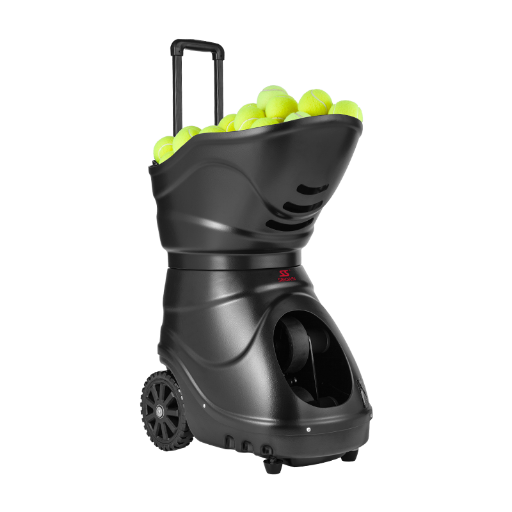
Tennis balls can help with a ball machine by ensuring consistent performance. Using pressureless balls in your ball machine can result in better feeding and durability, enhancing your practice sessions. Make sure to choose the right type of balls for optimal results.
Do people use tennis balls to clean their jackets?
Yes, people use tennis balls to clean their jackets. By placing a couple of tennis balls in the dryer with your jacket, they can help fluff the fabric and keep it looking fresh. This method is especially useful for jackets made from delicate materials.