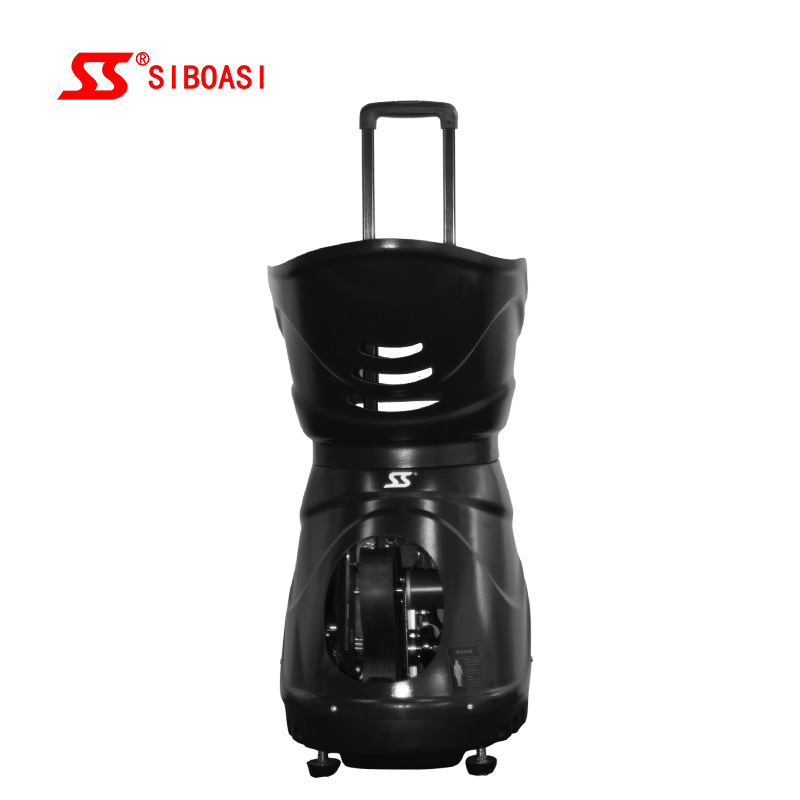
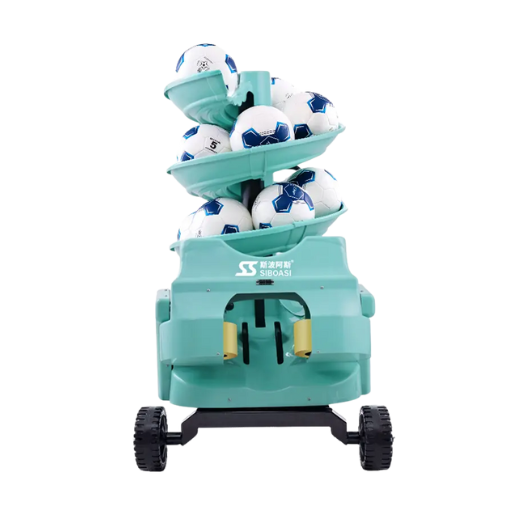
When it comes to keeping your furry friend happy, healthy, and entertained, choosing the right toy can make all the difference. For active dogs bursting with energy, a tennis ball dog toy isn’t just a plaything—it’s a tool for physical exercise, mental stimulation, and strong bonding moments with their favorite humans. But not all tennis ball toys are created equal, and picking the right one means considering safety, durability, and suitability for your dog’s unique needs. In this article, we’ll explore why tennis ball dog toys reign supreme in the world of pet supplies, what to look for when selecting one, and how they can transform playtime into a valuable part of your dog’s daily routine. From boosting your pet’s health to improving your bond, get ready to discover why these simple yet versatile toys are a game-changer for you and your furry companion.
Benefits of Using Tennis Balls for Dogs

- Physical Exercise: Tennis balls encourage active play, helping your dog stay fit and maintain a healthy weight through activities like fetching and chasing.
- Mental Stimulation: Playing with tennis balls keeps your dog mentally engaged, reducing boredom and destructive behaviors by providing a positive outlet for energy.
- Improved Bonding: Interactive playtime with tennis balls strengthens the connection between you and your dog, building trust and improving communication.
- Affordable and Accessible: Tennis balls are cost-effective and widely available, making them an easy and practical choice for dog owners.
- Promotes Dental Health: The surface of tennis balls can help clean your dog’s teeth as they chew, though supervision is essential to ensure safety.
With these advantages, tennis balls remain a staple toy for enhancing your dog’s overall well-being and enjoyment during playtime.
Physical Exercise through Fetch
Playing fetch with the dog is an excellent method to ensure that they get physical exercise, which, in turn, is good for their health and quality of life. Studies have suggested that regular exercise like fetch can prevent obesity in dogs, an affliction that might occur in around 25-30% of the general canine population. Playing fetch can burn calories due to the high intensity, along with strengthening cardiovascular health and promoting joint mobility. Moreover, fetch can be modulated to accommodate your dog’s energy levels and breed characteristics — high-intensity bouts for high-energy breeds like Border Collies, or gentler sessions for seniors and breeds prone to joint issues. This is a simple yet effective way to take an active lifestyle on the road for your dog – and work on building a great bond with them.
Mental Stimulation and Engagement
A dog’s mental stimulation needs to be considered alongside physical exercise for an all-around well-being. The mental side of things needs to be engaged, whether through copycat training, puzzles, scent work, or some other activity that keeps boredom at bay and minimizes destructive tendencies. Research has found mental stimulation to possibly enhance cognitive functions in dogs and may help them have longer and happier lives. From interactive puzzle toys to nose work and scent training, all offer highly engaging and rewarding activities for your dog.
Research has shown that just 15 minutes of mental stimulation may burn energy commensurate with roughly 30 minutes of physical exercise. A few simple mental challenges sprinkled throughout your dog’s day — hide and seek, advanced training, doggy agility — go a long way toward helping your dog lead a balanced life. What a great way to keep your dog sharp and happy, as well as strengthen your connection through meaningful interactions!
Social Interaction during Playtime
Dogs need social interaction as an integral part of their well-being, as these skills aid in building social aptitude, and in some cases, anxiety or boredom set in. Quality playtime with other dogs teaches vital skills such as reading others’ body language, communicating through gestures, and behavioral etiquette. From observation in veterinary behavioral disciplines, dogs that engage in social play with other dogs exhibit fewer behavioral problems, such as excessive barking and aggression.
Moreover, a supervised playdate teaches your dog to adapt to environmental changes and hence be confident and balanced. Engaging in group activities such as fetching, tug o’ war, or simply visiting an off-leash dog park can help dogs expend a lot of energy and facilitate bonding among other entities. Science points out that dogs playing with their peers in this manner rarely develop responses to stress, such as destructive chewing or hyperactivity.
From the owner’s perspective, these sessions give them the chance to observe their pet’s distinctive choices in socializing and can further restrict interactions when necessary to safer expressions. When choosing social settings, make sure that they comply with your dog style comfort and physical capacity for everyone to have a delightful experience.
Choosing Safe Tennis Balls for Dogs
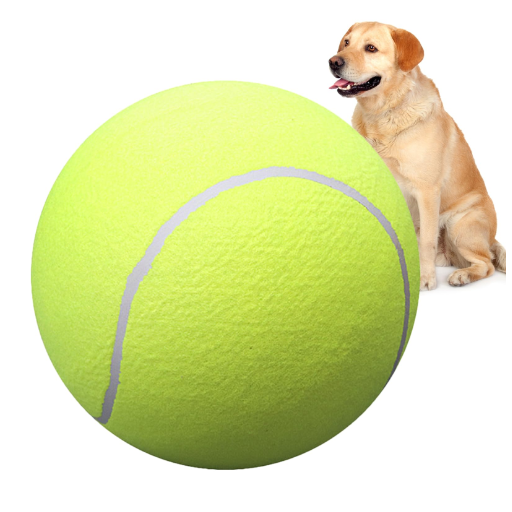
When selecting dog tennis balls, always go for those made especially for pets. Normal tennis balls can be abrasive and damage the teeth of your dog with time. Pet tennis balls have been made from materials that are not abrasive and hence are kind to teeth and gums. Also, ensure that the balls are of perfect size-for-the-purpose planets that are too big to carry and too small to choke the dog. Opt for well-built and poison-free ones claiming to be dog-safe. Supervise all playtime to keep unwanted ingestion and accidental damage to the ball at bay.
Materials to Look For
Practicality merely demands that the dog-friendly tennis ball be manufactured with good-quality, non-toxic materials for the sake of dog’s health and safety. These balls should ideally be made out of natural rubber or a durable form of synthetic rubber, ensuring they are soft enough for dogs’ wear-and-tear of teeth. The non-abrasive felt is equally important since it acts as a shield for the teeth and gums while the dog chews and plays. According to safety study recommendations, cleaning materials used should not contain toxic chemicals such as BPA or lead, sometimes present in low-quality pet toys. Further, many of such toys come with additional reinforced layers so as to provide resistance to heavy-duty chewing, ultimate features that make for the best money we can spend on them. When you focus on such materials, you will be able to pick out a tennis ball that safeguards the well-being of your pet while maximizing his or her enjoyment.
Identifying Toxic Chemicals
If you are buying toys or feed for your pets, try to avoid substances that could be toxic to their health. Chemicals like lead, phthalates, BPA, chromium, arsenic, or cadmium have been noted to be contaminants commonly found in substandard pet products. Lead exposure is well known to cause neurologic and developmental issues, while BPA and phthalates interfere with endocrine functions that can further cause long-term health problems.
Researches have provided evidence that some pet toys are stained with these toxic substances, especially if made of cheap plastics or synthetic materials. A 2022 study into pet products concluded that almost 15% of the tested items contained detectable lead levels, while nearly 20% had traces of phthalates at above the permissible limits. These chemicals could leach out of the products when chewed, putting the animals at considerable risk.
To protect your animals, look for toxin-free certified products or those that comply with ASTM (American Society of Testing and Materials) standards or EU Toy Safety regulations. Choose natural materials like rubber, untreated cotton, or food-grade silicone that usually do not contain any harmful additives. Basically, buying good quality, tested items will encourage a safer environment for your pet while bolstering their well-being through the long term.
Size and Weight Considerations
When choosing products for your pets, the size and weight of the item matter to provide the utmost safety and comfort. For instance, a small toy could be a choking hazard for a larger pet with strong jaws. Pet care guidelines suggest choosing toys that can’t be accidentally swallowed and should, generally, be at least twice as large as one’s pet’s mouth. An overly large item, on the other hand, might prove a handful for a much smaller pet and could create a disinterest or stress.
The other factor to note is weight. The lighter the product, the better it is for small dog breeds or puppies to carry and interact with. If meant for big dogs, it should be heavier so as to provide greater durability and prevent the item from being smashed easily by big paws during play. A typical example: solid rubber chew toys for large breeds should weigh somewhere between 10-15 ounces, offering a fair balance of durability and functionality.
Also, think about your pet’s working needs. In a study of vets’ recommendations, it was commonly suggested that toy breeds such as Chihuahuas may thrive with plush toys weighing less than 4 ounces, while heavier-duty toys weighing more than 12 ounces work best for larger breeds such as Labradors. Adjusting the size and weight to suit your pet’s needs will create an even safer and more enjoyable experience for them.
Types of Dog Ball Toys
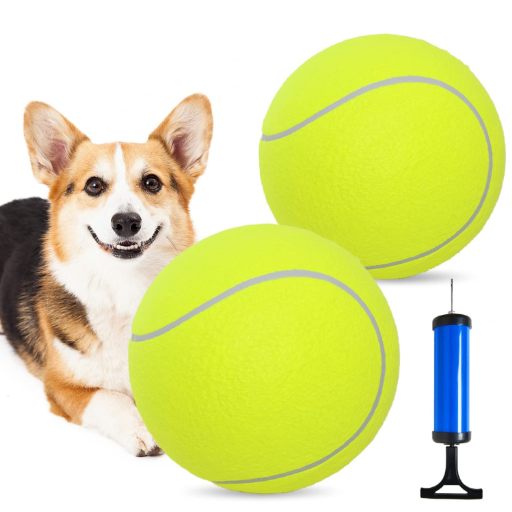
Dog ball toys include standard fetch balls, squeaky balls, glow-in-the-dark balls, treat-dispensing balls, and floating balls.
|
Parameter |
Fetch Balls |
Squeaky Balls |
Glow Balls |
Treat Balls |
Floating Balls |
|---|---|---|---|---|---|
|
Purpose |
Fetch |
Sound play |
Night play |
Treat fun |
Water play |
|
Material |
Rubber |
Rubber |
Glow rubber |
Rubber |
Buoyant rubber |
|
Durability |
High |
Moderate |
High |
Moderate |
High |
|
Special Use |
Exercise |
Interactive |
Visibility |
Rewarding |
Water fetch |
|
Price |
Affordable |
Moderate |
Moderate |
Moderate |
Moderate |
Standard Tennis Balls
Standard tennis balls are among the most common and versatile dog toys out there. They offer a good balance of being durable, having bounce, and being available; which all add to the hours of fun a dog of any breed can enjoy. However, safety and usability should be considered when selecting the tennis ball for your dog. Regular tennis balls may have materials that are fairly abrasive and could wear down your dog’s teeth in time. Therefore, according to pet experts in the field, dog-specific tennis balls made from non-abrasive felt would be considered a safer alternative.
Dog tennis balls commonly come in several sizes that cater to various breeds. For instance, smaller breeds like Dachshunds or Pugs usually require mini tennis balls with an approximate diameter of 2 inches, which offer easy grip and handling in safety. Larger dogs, however, such as Golden Retrievers or German Shepherds, would enjoy the benefits of bigger balls robust enough to withstand any chewing yet light enough to toss about with ease.
Where dog tennis balls gain value is in the improved durability and bounce; several manufacturers utilize extra-thick rubber cores to resist puncturing. This added robustness may well be enough to extend the toy’s life span with moderately aggressive chewing. Beyond functionality, some brands use color schemes of neon green or orange to increase visibility in outdoor settings, ensuring not a single ball goes missing in the enthusiastic screams of fetch. In this manner, and with an emphasis on safety and fun, these tailored designs place dog tennis balls above the usual type.
Interactive Squeaker Balls
Interactive squeaker balls are widely favored by pet owners to add thrills and excitement to playtime. These toys contain features that awaken a dog’s instinct for fun and mental enrichment simultaneously. A squeaker hidden inside the ball creates sounds that intrigue the canine by simulating its interpretation of prey, thus stimulating the natural urge to hunt. Several interactive squeaker balls are also constructed using heavy-duty materials such as non-toxic rubber or sturdy fabric to endure intense chewing and biting, assuring longevity.
In current designs, a textured finish is included to provide a good grip and build dental benefits, massaging a dog’s gums lightly while in use. Size variations abound, from small squeaker balls fit for a smaller breed to jumbo versions for bigger canines. Other designs feature bounce-enhanced configurations to produce erratic-looking bounces, making the dogs continue to stretch and give stimulation to their intellect.
Studies show that any sort of toy that will keep the dog involved in active center stage, like squeaker balls, may help lessen dullness and reduce destructive behavior in dogs. Other improvements include double-layered squeakers, keeping loud sounds even after prolonged play to satisfy the needy dogs. Bright, high-contrast colors further enhance its visibility, making it a breeze to spot whether inside the den or out in the garden. When purchasing an interactive squeaker ball, durability and safety, alongside functionality, are always top priorities in assuring a happy and healthy experience for playtime.
Durable Options for Aggressive Chewers
In the case of hefty jaws and gutsy chewers, the most important factor while selecting toys is durability. Among the most resilient materials that can stand the rigorous chewing force of heavy chewers with minimum risk of breaking apart are natural rubber, nylon, and reinforced composites. Rubber toys like the KONG Extreme use their ultra-durable rubber to hold their own with any determined chewer. Evidence and data reveal that these heavy-duty toys do last much longer, and hence, a toy less likely to be replaced more frequently is far more economical for the owners.
Another good choice is the Goughnuts MAXX 50 Ring, which has multiple-layer construction and a visible safety indicator that warns the owner when to retire the toy. They are not only heavy-duty but also safe as they reduce the choking hazard and use non-toxic materials. Additionally, the recent addition of chew-proof guarantees to what companies market further protects the confidence of pet parents, with some even offering replacement schemes for damaged toys.
Chewing patterns and the size of the dog must also be considered while choosing tools of durability. The manufacturers often offer size options and recommend that the size and materials of the toy be commensurate with a dog’s strength and weight. For example, big boys like Pit Bulls or Rottweilers should be looking at extra-large, extra-durable toys, while smaller aggressive chewers should be looking at toys that are compact yet very durable. This area remains highly innovative, promising to keep chew-toys not only functional and fun but also very, very hard to destroy.
Best Dog Tennis Balls on the Market
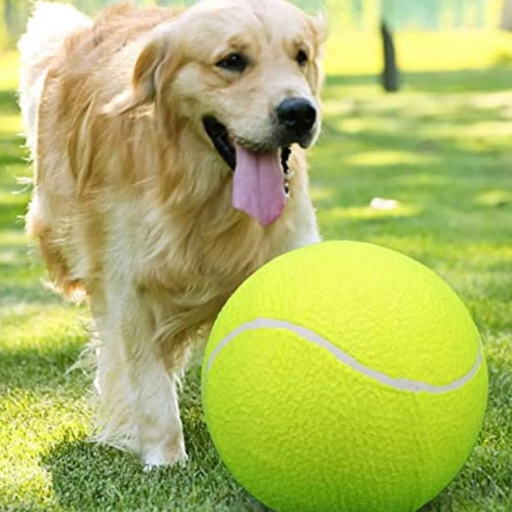
Here are a few ratings for dog tennis balls of durability, safety, and fun for your dear pet:
1. KONG SqueakAir Tennis Balls
With dogs in mind, this non-abrasive rubber is made to protect a dog’s teeth. It combines the bounce of a tennis ball with an alluring built-in squeaker.
2. Chuckit! Ultra Ball
Regarded as being highly durable, the balls are light-weight, water-floatable, and great for interactive fun through fetch. Made from tough rubber, this ball is ideal for the rash chewers.
3. Hyper Pet Tennis Balls for Dogs
The balls are safe and non-toxic, bright in color so they can be easily spotted when far away, and lightweight enough for an entire day’s play and fun. They are safe for the dogs’ teeth and gums.
4. Petsport Tuff Ball
These are designed for dogs that love to chew, with an extra thick rubber core. They are also non-abrasive and puncture-resistant to provide durability.
5. West Paw Zogoflex Air Boz Ball
It’s not your regular tennis ball, but it does bounce and weigh very little, and it’s super-abrasion resistant-too. Plus, eco-friendly and dishwasher safe, perfect for the alternative to tough chewers.
Each of these choices is a high scorer in the zones of safety, entertainment, and durability, promising your canine hours of keeping active.
Top-Rated Options in a 12 Pack
- Penn Championship Extra Duty Tennis Balls
This pack is a top choice for both pets and recreational sports play. Known for their durability and ability to maintain bounce over time, these tennis balls are also highly resistant to wear. They feature a consistent feel and reduced shock, making them safer for casual use.
- KONG SqueakAir Tennis Balls
Perfect for dogs, this 12-pack features lightweight yet heavy-duty tennis balls with built-in squeakers. Designed to be non-abrasive on teeth, these balls provide endless fun and are a great option for pet owners looking for interactive playtime toys.
- Tourna Mesh Carry Bag of Tennis Balls
This 12-pack is ideal for both practice sessions and extended use. Each ball comes with durable felt material, designed for hard courts and extended outdoor play. The accompanying mesh bag ensures convenient storage and portability.
- Hyper Pet 12 Pack Tennis Balls for Dogs
Specifically designed for your canine companions, these tennis balls are non-toxic and made to withstand hours of chewing and play. Brightly colored for easy visibility, they’re a favorite for outdoor activities.
By choosing these top-rated 12-pack options, you ensure quality, long-lasting performance, and suitability tailored to your needs—whether for sports or playful bonding with your beloved pets.
Comparison of Popular Brands
Popular dog ball toy brands like Chuckit!, KONG, and Cheerble offer unique features such as durability, interactivity, and specialized designs for different play styles.
|
Brand |
Durability |
Interactivity |
Specialty |
Price Range |
|---|---|---|---|---|
|
Chuckit! |
High |
Moderate |
Fetch & Float |
Affordable |
|
KONG |
High |
Moderate |
Chew & Squeak |
Moderate |
|
Cheerble |
Moderate |
High |
Smart & Motion |
Higher |
User Reviews and Recommendations
In my experience, these dog tennis balls For heavy activity, dog tennis balls are considered the best. Bright colors make the balls easy to find on the grass or in the park. I am very happy that they are made from non-toxic substance, which keeps my dog in safety. Having used these for several weeks, I would say these balls do not lose their shape or ‘bounce,’ and my dog seems to adore them! Numerous other customers have given excellent feedback concerning their durability and value for the price of a 12-pack. So if you want a good option that will keep your dog entertained, I would certainly recommend it to you!
Playing Fetch: Tips and Tricks
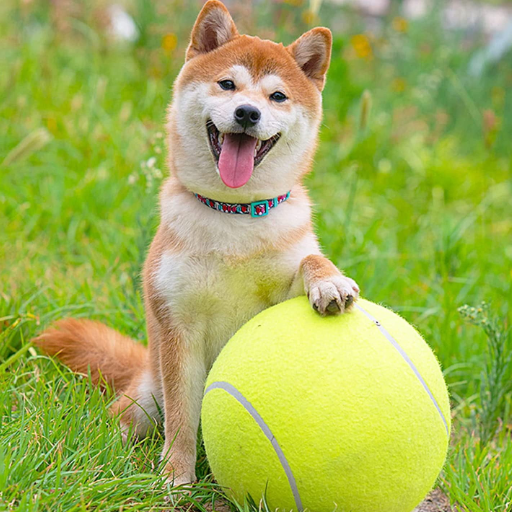
Playing fetch with your dog can be a fun and engaging activity if approached correctly. Here are a few tips to make the most out of your fetch sessions:
- Choose the Right Toy: Use a durable, dog-safe ball or toy that is easy for your dog to carry. Water-resistant toys are ideal for outdoor play.
- Train Basic Commands: Before starting, ensure your dog understands simple commands like “drop” and “come” to keep the game flowing smoothly.
- Pick the Right Location: Play in a safe, open area free of sharp objects, traffic, or other hazards.
- Start Slowly: If your dog is new to fetch, begin by rolling the toy on the ground instead of throwing it far to build their confidence.
- Keep Sessions Short: Limit play to 10-15 minutes at a time to avoid overexertion, especially in warm weather.
- Provide Positive Reinforcement: Reward your dog with praise or treats when they retrieve and return the toy successfully.
- Stay Engaged: Play alongside your dog and keep the game interactive to maintain their excitement and interest.
With these simple tips, fetch can become a fantastic outlet for your dog’s energy while strengthening your bond!
Training Your Dog to Fetch
Training your dog to fetch is a rewarding experience for both you and your pet. Follow these detailed steps to ensure your dog learns effectively, while making the game enjoyable and engaging:
- Select the Right Toy
Different dogs have different preferences when it comes to toys. Some might love a lightweight ball, while others respond better to a frisbee or a tug rope. Studies show that dogs are more likely to engage with objects that are soft enough to carry but durable enough to endure repeated use.
- Start with Positive Associations
Make the fetch toy exciting by associating it with rewards. For instance, you can place treats near the toy or use praise when your dog interacts with it. This establishes a positive connection and builds interest in retrieval.
- Use the “Toss and Reward” Technique
Begin by tossing the toy a short distance in an area with minimal distractions. Once your dog picks it up, praise them enthusiastically and offer a treat. Research indicates that positive reinforcement significantly speeds up training and enhances retention.
- Teach the “Come” Command
Encourage your dog to return the toy by combining the “come” command with additional treats or excitement. Consistently practicing this step builds trust and recall ability, an essential aspect of a successful fetch session.
- Introduce the “Drop It” Command
Many dogs enjoy the chase but may resist letting go of the toy. Train them to drop the toy by exchanging it for a treat or their favorite snack. Behavioral data suggests that this exchange instills cooperation, ensuring smoother play in the future.
- Increase Distance Gradually
Once your dog consistently retrieves over short distances, extend the throw slightly. Gradual progression maintains their motivation while improving physical endurance.
- Keep Training Sessions Short
Dogs have varying attention spans based on their age and breed. Limiting training to 10-15 minutes per session helps maintain focus and prevents exhaustion. Veterinary insights emphasize that shorter sessions lead to better overall results with minimal stress.
- Make Fetch Interactive and Fun
Incorporate movement and excitement into the game by occasionally running alongside your dog or cheering them on. Engaged interaction strengthens your bond and keeps their enthusiasm high.
Creating a Safe Play Environment
A secure environment ensures the health of your dog and enriches his or her encounter with such activities as fetch. Begin by searching for a safe, enclosed area such as a fenced yard or an approved dog park. These places prevent your dog from entering unsafe areas or fighting traffic. When you do have an enviable diameter without barriers, good point lock your dogs with a long leash from a distance while still allowing the dog space to roam and play freely.
Ensure the place is designed for play with the removal of anything that could harm the animal, such as sharp objects or even toxic plants. According to reports on pet safety, about 80% of the injuries received during outdoor play were caused by environmental factors such as broken glass, uneven terrain, or exposure to harmful substances. An environment free of debris and dog-friendly toys made of non-toxic materials will help further protect the dog.
Consider weather conditions for your dog so that an extreme temperature may not hamper dehydration or a health problem. Please keep fresh water handy and keep an eye out for any signs of fatigue arising from heavy panting or slow movement, especially during and after any vigorous activity.
A carefully prepared safe and restrained playing environment will give your dog the opportunity to grow, stay fit, and enjoy much time engaging in all of his favorite activities.
Incorporating Fetch into Daily Routines
Making fetch a part of your dog’s day-to-day life can impact on their physical and mental systems greatly. According to the study, dogs are conditioned to consistent activity, with 30 minutes to two hours recommended for exercise every day, depending upon the breed and size. Fetch is a perfect activity that meshes physical exercise with mental stimulation to fulfill these criteria.
For example, 15 minutes twice per day could be spent practicing fetch with your dog-the first time before breakfast and the second time in the evening after dinner. Such practices are vital in giving the dog energy to perform and relieving boredom-related mischievous behavior. The variations could include interactive fetch toys or perhaps changes in the environment-say from backyard to a nearby park-so your pet will remain interested. It can also be an excellent reinforcement opportunity for instructing commands such as “drop it” or “stay” and permission-based commands.
Furthermore, bonding during play is apparent. The other benefits of fetch: it assists in calorie burning and weight maintenance of dogs and also strengthens the human-animal bond. Such positive interactions pave the way toward greater trust and communication with your pet, thus creating a rewarding activity for both. By making fetch a daily fixture, pet guardians help their dogs efficiently while simultaneously creating deeper bonds.
Reference Sources
- Internet Survey of Flyball Dogs – PubMed Central
- The Other End of the Leash: Owner-Dog Interaction – PubMed Central
Frequently Asked Questions (FAQs)
Are tennis balls safe for dogs to play with?
While traditional tennis balls are popular among dog owners for games of fetch, they may not always be the safest option. Tennis balls are made from rubber and covered in fuzz, which can wear down your dog’s teeth over time. It’s essential to choose tennis balls that are specifically designed for dogs, as they are often more durable and less likely to lead to choking hazards. Look for options like indestructible dog tennis balls that can withstand aggressive chewers. Always supervise your dog during playtime to ensure their safety.
What are the best dog toys for interactive play?
When it comes to interactive dog toys, tennis balls can be a fantastic option. They encourage exercise and mental stimulation, especially when used with a ball launcher. Many dogs love the thrill of chasing a bouncy dog ball, making it an ideal choice for playtime. You can also explore other options like squeaky dog toys or tug-of-war toys to keep your dog engaged. The key is to rotate toys regularly to maintain your dog’s interest and excitement during play.
Can medium large dogs use mini tennis balls for small breeds?
While mini tennis balls for small breeds are designed specifically for smaller dogs, medium large dogs can also use them for gentle play. However, it’s crucial to monitor their playtime and ensure they don’t accidentally swallow the smaller toy balls, which could lead to choking. Instead, opt for larger toy balls that are appropriate for their size. This way, you can enjoy a fun game of fetch without the risk of harmful consequences. Always consider your dog’s chewing habits when selecting toys.
How long can my dog play with a tennis ball safely?
The duration of play with a tennis ball can vary based on your dog’s energy level and chewing habits. Generally, dogs can enjoy hours of play with durable chew toys or heavy-duty tennis balls. However, it’s essential to take breaks to prevent overexertion and to check the toy for any signs of wear. If the fuzz or rubber begins to break down, it’s time to replace the ball to ensure your dog’s safety. Regularly assess how your dog interacts with their toys to determine the best play schedule.
What should I look for in a dog ball launcher?
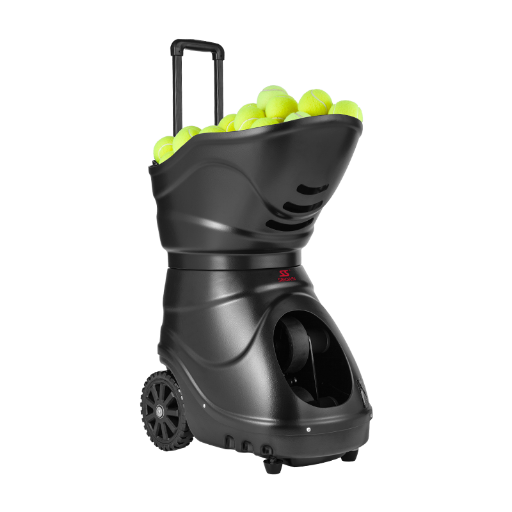
A good dog ball launcher should be easy to use and designed for your dog’s size. Look for options that can launch balls a significant distance, making fetch even more exciting for your dog. Additionally, ensure the launcher is compatible with the type of balls you plan to use, whether they are traditional tennis balls or specialized dog balls. Many launchers also come with ergonomic handles for better grip, which can be beneficial during extended play sessions. Always opt for a launcher that is made from durable materials to withstand wear and tear.