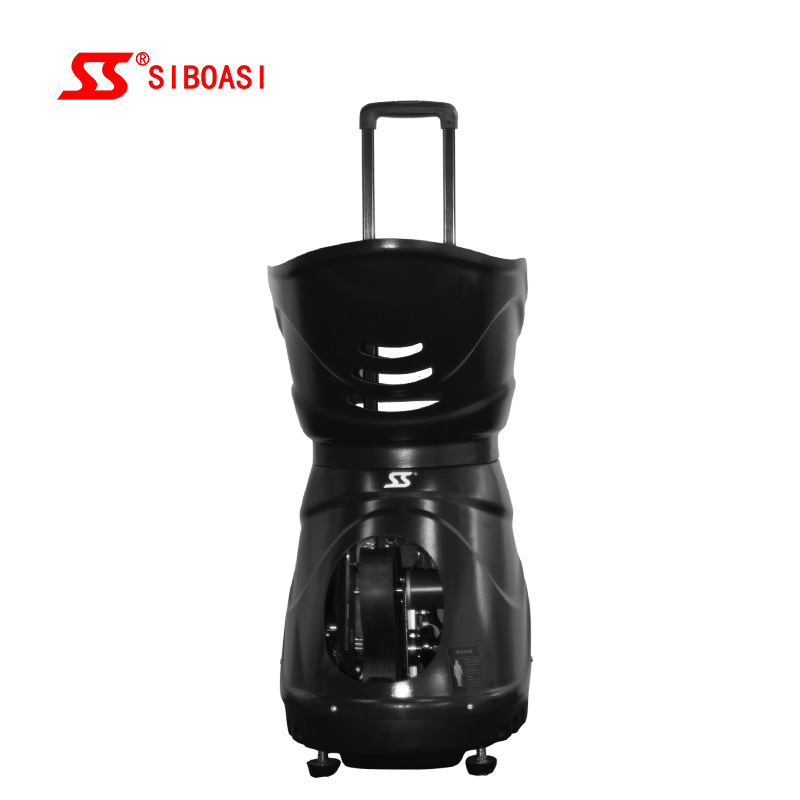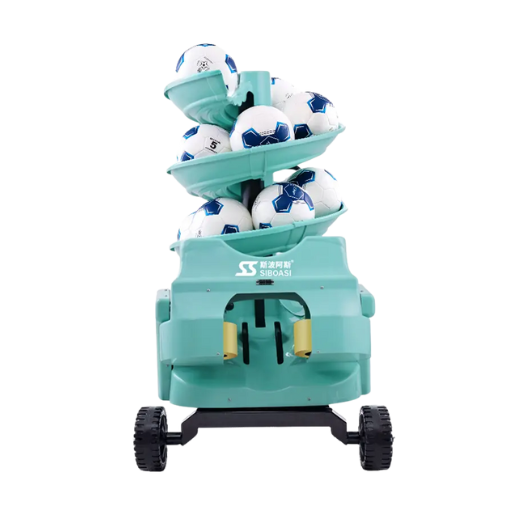
Maintaining a football machine in a perfectly neat condition is significant in order to assure uniform performance, enhance the lifespan, and produce max results during practice sessions. For a coach, a player, or a facility manager, knowing how to maintain this machine right is key to saving on time, money, and stress in the future. This manual aims to give you some crucial points along with the best of the best practices that can improve the performance of your football machine. Right from routine cleaning to almost all the possible practical solutions for some frequently met problems, we will offer counseling on absolutely almost every key aspect to ensure you make the best of your pro football machine. Keep reading to learn the importance of acquiring quality training and extending the longevity of your football machine through the ability to maintain well.
Introduction to Football Machine Maintenance
The Importance of Proper Maintenance
Maintenance for a football passing machine is crucial in establishing the machine’s reliability, functioning, and longevity. Proper attention deters occurrences of mechanical failure that could disrupt practices and lead to expensive repair work. By maintaining the machine in its best state, optimal performance is guaranteed, thereby making precise delivery of the football, and offering auspicious practice efficiency.
First and foremost, follow a cleaning routine. Dust and dirt layers along with football residue, accumulated from constant football release, can overrun major parts of the machine like throwing wheels, sensors, and guides. Cleaning is needed in order to prohibit build-up that could interfere with accuracy or cause damage to the machine. At the same time, examination should be performed periodically on electrical and mechanical systems to uncover any failing parts at a sooner stage for prompt replacement, long before the issue escalates.
Additionally, the countermeasure for protecting the conditions of the football machine against environmental forces, like moisture, extreme temperatures, or physical damage, is considered inadequate storage. Machine storage should therefore be under a cover, preferably airtight, otherwise indoors, when not in use. Those simple practices, when properly tended to, will significantly enhance enthusiasm in practice and competitive production value of the football machine by generating intrinsic appreciation in the training community.
Overview of Football Equipment Care
Proper care and maintenance of football equipment is key for safety, longevity, and performance. Cleaning should happen first. Helmets, pads, and other protective gear must be cleaned after every use to remove any dirt, sweat, bacteria, and so on. These items must be washed with a soap mild enough, and they must be rinsed and sun-dried to further discourage the occurrence of mold and mustiness.
Storage period is another key player for a football season. Football equipment must be stored in a cool dry area away from direct sunlight, for sunlight causes materials to become brittle and deteriorate quickly in time. In order for items like gloves or cleats to air out well, they need to be placed in a storage container or in a bag specifically made for sports equipment. In order to keep gear free of tampering or incurring damage, the bags and bins will perform well in this case.
And the regular inspection and maintenance monitoring are vital tasks to keep the equipment safe for operation. The gears need to be checked regularly for cracks and split reactions on their helmets, padding, and loosening in cleats. Equipment in disrepair must be either mended or replaced; otherwise, the athlete might get hurt. It helps to see even the equipment checked, so that the athletes can work with a morale that would make their ready gear adequately rugged and ready in performance through the entire season.
Step-by-Step Maintenance Procedures

Essential Soccer Ball Tips
Cleaning The Soccer Ball:Maintaining your soccer ball in order to retain performance, life, and safe play is necessary. Following are some daily tips for keeping the soccer ball in a good state:
Check for Damages:
Check for damage on your soccer balls before and after a game. You can check for tears, leaks, and even punctures. Make a prompt repair to the small damages before they become worse, for example, the small surface cracks.
Inflating Properly:
In raising the pressure inside your soccer ball, the recommended pressure is somewhere normally indicated on the soccer ball itself. The pressure varies for different balls, falling between 0.6 and 1.8 bars (8.5 to 26 psi) or 0.6 and 1.1 bars (8.5 to 15.6 psi), mostly between 1.0 and 1.1 bars (14.5 to 16.0 psi). Deflation causes stress on the seams whereas the under-inflation may negatively impact their shape and how they perform.
Keeping It Clean:
After each match, ball maintenance requires that balls should be dirt and mud-free since collected dirt will not leave balls in good playing condition. By guiding on how properly to mix the perfect ball-to-sponge ratio, it is also advised for training purposes to evaluate the use of detergents. Keep in mind not to use harsh abrasives cleaning powders that may erode the surface.
Storing Properly:
Keep your soccer ball in a cool, dry place safe from extreme heat or direct sunshine as heat oxidation weakens the materials and leads to cracking. Avoid keeping it outside for too long, especially in harsh climates.
Avoid Uneven-to-Play and Unpaved Surfaces:
Avoid using your soccer ball on unsanctioned surfaces. Use it only on fields prepared with natural grass, turf, or artificial playing fields. Poorer surfaces, such as concrete or gravel, will tear the outer shells of the ball.
Rotate:
You can use both regular maintenance and training to work on distributing the wear and tear across many balls. A good method is to rotate between two or more balls during practice or matches in order to delay the aging process of the soccer balls.
To all soccer players around the world who maintain their soccer ball, all considerations on the ball’s lifespan and durability rest assured that it will meet every game played. Consistently maintaining the correct pressure and timely cleaning maintain soccer balls back to up to 40% from past statistics-a testament to the timeless wisdom of caring for them.
Monthly Deep Cleaning and Inspection
Deep cleaning at least once a month has to be done to even look at both beauty and registration value issues in longer time. Start the cleaning process by removing surface dirt by using warm water. In the second step of cleaning, apply diluted mild soap using a sponge or soft cloth to work on the ball. Make sure to pay special focus to the seams of the ball and textured areas where dirt is usually held. Do not use harsh chemicals or abrasive tools to clean the ball as these might ruin the ball.
Rinse the ball actual after washing it such that no soapy lather is left as it rinses away with clean water for a good wash. A low-mid thing absorbent, like a towel with full-fledged softness, must be wrapped around the ball to dry out all moisture on the first go. Having forgotten this piece of washing cloth contributes to its being wrapped in and kept somewhere for later use.) Any slight amount of moisture held within the ball serves as the perfect medium for mold or mildew propagation, aside from any possibility for deterioration of the clothing used for its formation. Consider checking for anything damaged, such as dents, deflated spots, or any splitting threads, and fix them then and there before matters get any worse. If the air pressure is nil, partially inflate it to the specified gauge recommended by the manufacturers.
Monthly maintenance, additionally, is useful for maintaining an excellent state of football and for a consistent performance while in play or during practice. Early identification and elimination of minor issues keep the ball functional for longer and more relevantly so on-field performances.
Tools and Materials for Effective Maintenance

Essential Tools for Football Machine Care
In order to maintain a football machine properly, a number of important items must be available to maximize length and performance. These items should be made ready to schedule the quick address of minor internal concerns before they graduated to paying technical sledge with repairs.
Cleaning items:
The use of mild cleansers, light dusters, and not-abrasive cloths to clear out grime, debris, and dirt can go a long way. Machines may function much better during training sessions when clean and not Coryell.
Oils:
Proper lubrication remains the single most important condition for the correct functioning of the football machine mechanical systems. Base oils are useful in preventing wear on movable parts, lubricating areas that resist friction, restoring them from rust, and sustaining movement as well as the lifespan of other important parts-rollers and gears.
Inspection items:
Spanners, screwdrivers and gauges are indispensable for this basic work of tightening loose parts, checking alignment and measuring stress. In an instant these make sure proper adjustments distancing the machines from rays and those within them giving assurance they stay safe with a firm grip over longer periods.
This very mastery should lengthen the life of the football training machine and keep it up and running to deliver guaranteed performance during each and every practice session.
Recommended Cleaning Supplies
Good care has to be taken to see that the football shooting machine works in the best possible condition, so one should ensure the use of simple cleaning materials for the machine that are approved by the manufacturer in order to ensure its good condition. Use:
A soft microfiber cloth to informally wipe down, remove residue, without scratching. soap – should be mild. Do not use over-toasted or alkaline solutions. Water, hot, in a bucket, soapy water system-often just plain water to rinse, but more soap for heavier grime. Harsh chemicals and abrasives are not good as they reduce the lifespan of the parts of the equipment.
A small brush, a vacuum, or even compressed air can be used not only to penetrate and clean inside cracks and other small, hidden areas but also to suck up the garbage or deposit. Finally, dirt will block the machinery and cleaning will become inevitable. All cleanings should be done with a lubricant-safe cleaner. And lubricants should be applied to all delicate, mechanical parts in order to lift away deposits and protect moving parts from further wear.
Avoid any chances of damage due to moisture like corrosion or fungi; follow every clean-up by wiping the machine down thoroughly with a neat, dry cloth. Regular cleaning inside with an expected set of chemicals will delay wear and tear and prolong the life of the machine. This is when manufacturers’ cleaning instructions must be consulted again to imagine a plan for the maintenance of the appliance and specification of care.
High-Quality Replacement Parts
Use of high-quality replacement parts is essential for maintaining the efficiency and longevity of one’s device. These parts are cut specifically to meet the original specifications and ensure proper functioning and compatibility. With lower replacements, performance of the machine may be compromised with the increase in the probability of malfunctions. This might void warranties and proves the fact that good quality is very essential.
Various quality parts undergo some type of testing and are manufactured in compliance with some proper operational standards. This confers additional durability, performance, and consistency over time. There are empirically low possibilities of something breaking down unexpectedly, which greatly erodes repair costs and downtime. A good approach is to embrace requirements and allow certified components or parts endorsed by the company to do the work.
Please refer to your machine’s manual for specifications and recommendations when you do the replacement job. This ensures the fitting of appropriate components according to the model of the appliance. Moreover, let the replacement be conducted by a qualified technician to ensure installation accuracy and safety ultimately. Making the decision to use high-quality replacement parts, and following proper replacement procedure, will ensure long-term safe and efficient operation for your machine.
Troubleshooting Common Issues

Identifying Common Problems with Football Machines
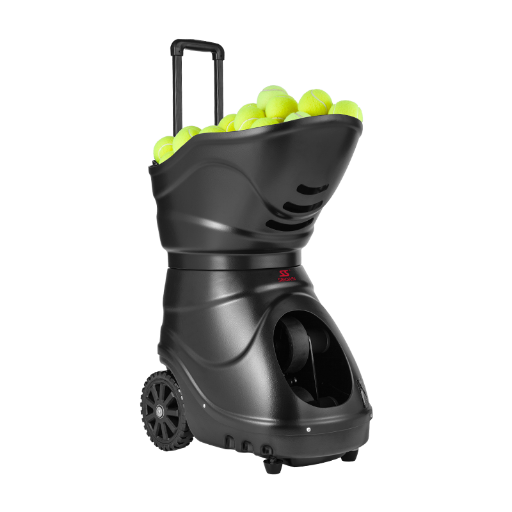
One of the major problems common with football machines is inconsistent ball trajectories, attributed most times to worn-out or damaged wheels. With time, the friction needed to launch balls consistently can deteriorate, leading to haphazard ball delivery. To address this, inspect the wheels for any noticeable wear and tear and, if needed, replace them to allow the football machine to perform consistently.
The loss of power and interruption of operation are issues that occur quite often. In fact, these problems may result from a faulty power connection or a damaged motor. Troubleshoot first by ensuring that the football machine is correctly plugged in and then inspect the power cord for any scars. If there are no scars on the cord, then maybe the issue is related to the motor or somehow with the internal wiring, which indicates a professional should take a look at it and correct the problem.
Dirt and debris have the potential to accumulate within the machine, primarily if the machine is used outside. In turn, this can disrupt the internal workings of the machine and retard or halt the operations by inducing jamming and the failure of the system. Maintenance, including regular cleanings, should be employed to curb the occurrence of buildups. By wiping down and removing any and all deposits from the body’s internal workings, the lifespan of a machine can be extended and continued optimal operation maintained.
Practical Solutions for Common Issues
Regular Cleaning and Inspection:
One of the best solutions for avoiding machine failure is to establish a plan for periodical cleaning and inspection. It is known from studies from the past years that 70% of machinery breakdowns are caused by contamination or debris buildup. It is mandatory to clean both the inside and outside components to remove any grease, grime, and other contaminants until it jams or wears out the components. Usage of the cleaning tools and solutions is of paramount importance, and they should be suitable to match the material of the machine in order to prevent any further damage.
Lubrication Maintenance:
Proper lubrication of moving machine parts can be assigned as the better option for reduction of friction, prevention of overheating and eventual extension of the life of the machine. According to industrial research findings, 60% of bearing failures can be attributed to either bad or continuous under-lubrication. It is important to be guided by the manufacturer’s recommended lubrication schedules and use good-quality lubricants that are compatible with the equities mentioned before by the manufacturer.
Monitoring System Performance:
Employing real-time climate monitoring serves as the best method to predict any issues that may arise before they develop into major concerns. Along with technological advances in sensors based on the IoT and AI analytics services, comprehensive engagement in measuring the variation in machine performance such as temperature, vibration readings, and pressure is achieved because of the data that acts for forecasting purposes. That results in reducing the hours of unplanned downtime by around 25%, as reported in search results from Google related to reliability-centered maintenance techniques.
Employee Training Programs:
Skilled operators and technicians must be there to contribute the running of the plant equipment without any company cracks, because oftentimes, human error causes damages to about 23 percent of equipment. Presentation and workshop showers work wonders: Their roots dive into the current operation manual, educating the workforce to appropriately respond to real-time problems and rectify minor troubles right there and then.
Get Rid of Old Parts:
Such standardized preventive repairs significantly lower the cost of repair work and assistance since they help off regularly before a complete breakdown. To be precise, substandard parts; for example, old belts and bearings, all needing repair, drag on for 40% inadequate maintenance and timely efforts compared to major repairs that would trend towards the higher side.
Combining the stated strategies with those of the new digital solutions would result in machines being given a longer life with improved reliability, excellent productivity measures, and a tremendous cutting down of daily operational expenses.
When to Seek Professional Support
When machinery exhibits ongoing poor performance even after regular maintenance, it is a strong signal for intervention by professional services. Frequent breakdowns, unusual noises, diminished efficiency are some of the earliest indications of a problem that cannot be fixed by standard troubleshooting. In such instances, professionals are skilled at diagnosing the factors and suggesting the best course of repair or replacement to preclude further harm.
When technology is modified or new systems are implemented, one can go for professional support. Erupting issues, backward calibration, and ensuring the proper functionality of the system can be taken for granted, preventing fatal errors. The exclusive feature of the upper hand of expert knowledge is the alignment of the new technology with distinct needs of the business for best results.
Lastly, professional expertise is needed to keep the safety regulations and potential hazards at bay. Routine inspections and expert appraisals are done to track the hidden hazards which normal tests leave out. This ensures that equipment works safely and efficiently. When the workers are protected in this way, obediences are provided that would entail penalties and harassment in case of regulations non-compliance.
Conclusion: The Benefits of Regular Maintenance
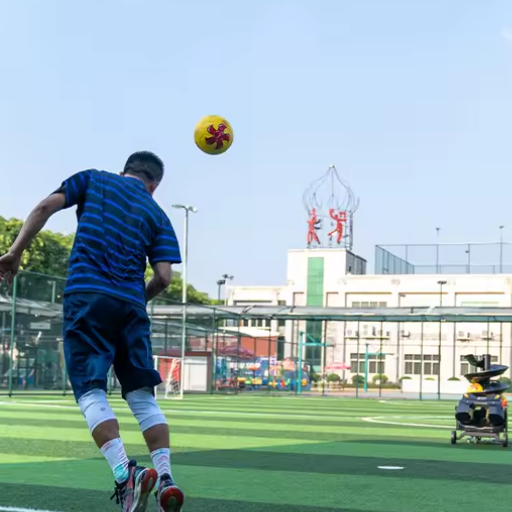
Improved Performance and Reliability
Regular maintenance of these machines is an essential factor in enhancing the performance and reliability of a machine or system. By identifying problems like wear and tear or joint failure before they deepen, maintenance makes sure that machines push forward their production at the optimum. In so doing, downtime is minimized, preventing notorious surprise breakdowns that could be both costly and operational disruptive.
Equally is the property of machines that are well-maintained. Such assets must deliver good times and inarguably reliable results. The trust engendered by such reliability in any business or personal setting yields productivity with few interruptions. But the critical steps of wear-and-tear prevention include regular checks on proper system activities, greasing, replacing parts, and allowing machines to work without any interruptions.
The practice of maintenance sees to the lengthening of equipment life course. Proper maintenance prevents machines or systems from undergoing premature failure or aging. This saves substantial cost on potential replacements and improves the environmentally friendly ness of the operation by providing a longer life span for equipment. Proper maintenance ensures performance and reliability remain in focus, thereby benefiting both operators and final users.
Cost Savings Through Longevity
Financial considerations dictate that maintenance is a profitable, cost-saving strategy in extending the useful life of equipment: maintenanced machinery and systems will experience fewer sudden breakdowns, thus reducing the organization’s expenses as a result. Faults are cheaper to repair and take less time when the maintenance is planned, which also aids the business operationally, thus leading to better financial results.
In addition, by prolonging the operational life of machinery, the frequency of having to purchase new assets is also reduced. This, in return, helps save overhead costs for business, as the allocation of resources would be rightfully diverted to the proper areas so that premature capital experimentation for replacements does not happen. Finally, the process of conservation shall be worth undertaking for the fear of energy consumption, generation of waste materials, pollution, or more so because it has one’s own house in keeping.
In the end, proficiency and durability assist in achieving higher productivity as well as less downtime. By running without any hindrances, machines can keep the workflow steady. This reliability becomes a matter of cost savings; that sense improves satisfaction within the clientele at large, due to uninterrupted first-time delivery of products and services.
Final Maintenance Tips for Football Gear
Ensuring some maintenance of football gear shall see to it that the shelf life of equipment is prolonged, enhancement in safety for players, and gear might be kept in top shape for peak performance. The first thing that comes to keeping gear managed well is to properly clean up after every use; jerseys, shorts, and socks need care instructions and have to be washed accordingly—generally in cold water with mild detergents which in most cases have little impact on the fabric colors as well. Allow them to air dry so they don’t shrink or incur undue high-heat damage. Helmets, gloves, and pads can be cleaned of dirt and sweat with a warm damp cloth beside an antibacterial disinfectant spray for bad odors, on top of bacteria removal.
Next, best effects can be achieved by putting gears away cool, and dry and well tucked off the eye from direct sunlight and moisture that would lead to our own demise. It would be very risky to allow equipment to suffer the extremes of temperature and wet environments which could make them deteriorate faster. Very good advice is to always clean cleats after every game because leaving mud and debris applies harm to their optimal performance and certainly delays their drying. Try to stick a layer of newspaper inside of your cleats to somewhat absorb moisture in addition to maintaining their shape.
Regularly inspect your equipment for signs of wear and tear. Look out for any fraying or loose seams, cracks in the helmet or pads, and dirty or excessively worn cleats. This will greatly reduce the chance for accidents to happen and increase life span of gear. Finally, strictly follow manufacturer instructions on the life span of the equipment as a helmet’s reliability can fade over a stretch of time even without any evident damage. These steps will allow for a safer investment while still maintaining game performance.
Frequently Asked Questions (FAQ)
Q: How often should I take basic maintenance steps to care for my football machine?
A: You should check the machine after every practice or game (meaning twice a week, notes one expert, and every single day if not used as frequently) to make sure it is well maintained. A quick wipe with a toothbrush and a mild soap will remove dirt and prevent some bacteria growth and odors, help prolong your equipment’s life, while preventing a need for a full thorough inspection almost on a monthly basis, particularly if the machine is being used very often.
Q: How should I store the machine when it is not being used, to ensure stability and ventilation?
A: The football machine should be stored in the garage or other portable, well-ventilated area with low humidity while securely fastened preventing tilting or crunching under its own weight. Proper ventilation prevents the formation of bacteria, mold, and warping. Also, avoid exposure to direct sunlight or wet areas that could severely compromise the materials and traction components.
Q: How can we inspect and protect our fasteners, connectors, and moving parts?
A: Frequent inspection of the condition of all fastening points, straps, rivets and compression connections ensures the proper tightening and protection of these assemblies. Regular lubrication of moving parts as recommended, on-time replacement of frayed straps and even awareness that compression springs/pads supply constant support all combine to help avoid unsafe equipment and keep the player’s safety at maximum potential.
Q: Can bleach be used to disinfect the machine, and if so, how should it be applied?
A: You may do so for disinfection of nonporous surfaces with a mild bleach water solution; however, one must refer to the product instructions and do a patch test to avoid ruining finishes. To apply the diluted bleach to the machine, use a cloth; do the final cleaning by rinsing with water to get rid of the residue; and then air the machine for quite some time until it is completely dry and put away in storage to avoid bacterial growth and the lingering smell of bleach.
Q: What do I do if a part is cracked, warped, or otherwise damaged?
A: Promptly replace or repair any equipment that is damaged.’ Using ill-kept equipment for any repair or repair will reduce stability and endanger players. Follow the manufacturer’s instructions to avail of parts, which either have validation or certification or are interchangeable, to have proper adhesion and with uniform pressure without any damage to adjoining parts.
Q: Which tips help to increase life of portable football machine and prevent any damages?
A: Everyday care: air out after use, dry before storing, inspect equipment for signs of damage routinely, never leave the machine outside. It is recommended to use appropriate cleaning agents (toothbrush and mild soap, occasional diluted bleach), fasten everything securely when transporting the unit, and keep it covered in a well-ventilated garage or shaded, low-humidity area to prolong the life without damaging materials.
References
- The Purchase and Care of Athletic Equipment
View Source
This document provides insights into the care and maintenance of athletic equipment, including football-related items. - Inspection is Key: Providing Safe Playing Conditions and Equipment
Read more
Focuses on the need for proper equipment fitting and maintenance to prevent injuries. - Protective Equipment | Korey Stringer Institute – UConn
Read more
Details performance and test standards for various athletic equipment, including football gear. - Top Football Training Machine Manufacturer and Supplier in China