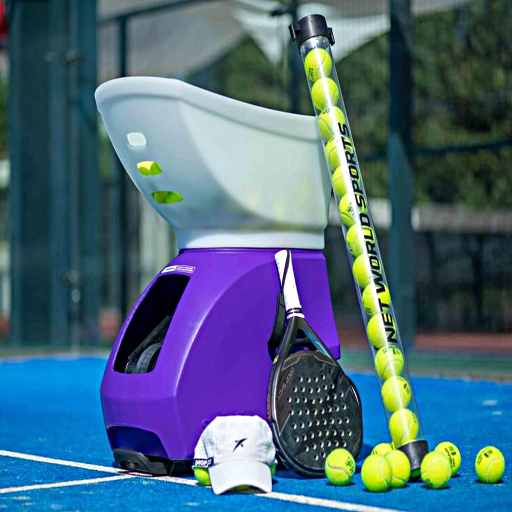
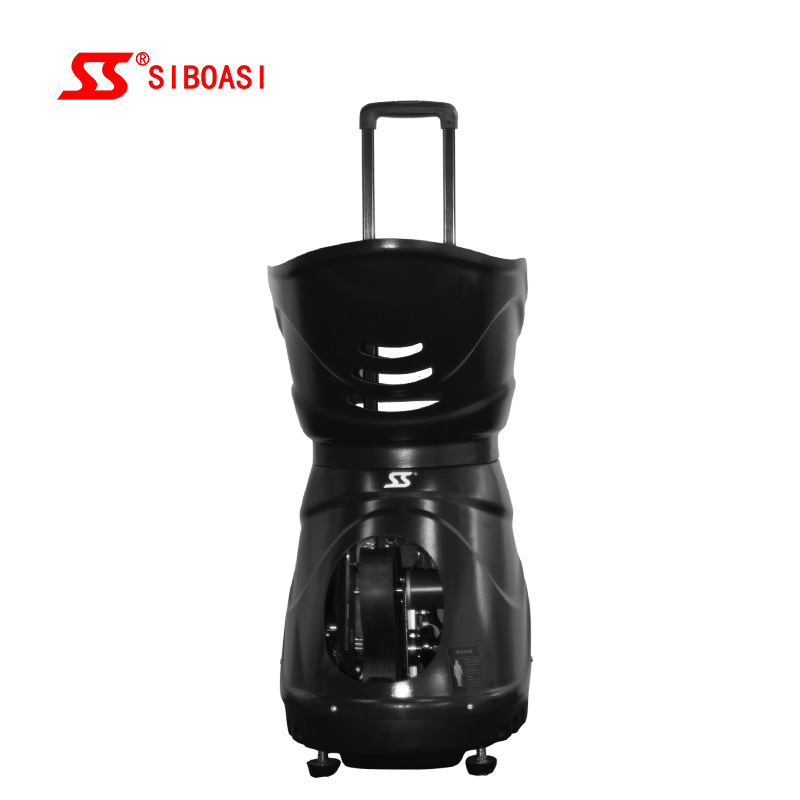
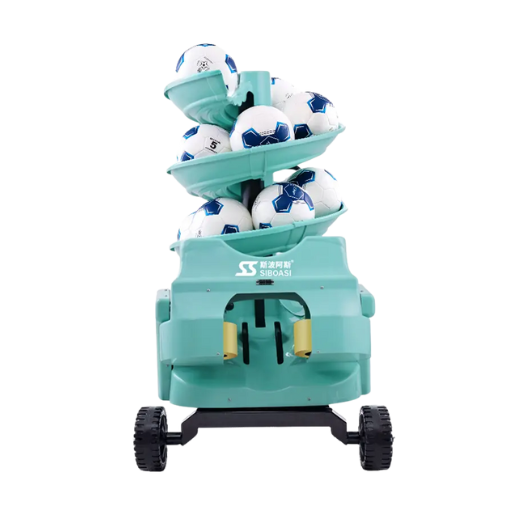
Finding the perfect tennis ball machine is like trying to find a human partner—reliable, consistent, and worthy challenger for you to hone your skills. A portable tennis ball machine is an essential tool for players targeting either building on their fundamentals or accomplishing more advanced shots. The versatility of these machines allows you to actually practice anywhere and anytime, making them a must among players who give convenience and performance a top priority.
Eight of the finest portable tennis ball machines on sale at present shall be covered in this article. Features talked about would include scatter-setting spin control, oscillation modes, long battery life, and things that keep it light. As a result, by the time you finish reading about the various machines covered in this article, you will be able to invest in a unit that fits your style of play and goals and is more to your liking in terms of price.
Introduction to Tennis Ball Machines

Purposely designed to train, tennis ball machines would help players hone their skills by constantly delivering tennis balls at various speeds, spins, and trajectories. Each machine simulates a real-game scenario, so the player is able to practice strokes, footwork, and timing, although without the company of a partner. These machines are common for players from all ranks, the very novice included, who find in them a device for constant practice, to the expert who uses them to improve some particular technique. The good thing about these tennis ball machines is that they provide the player with all they need to practice: adjustable settings, the ability to be easily carried anywhere, and efficient use of time and money.
What is a Tennis Ball Machine?
A tennis ball machine is equipment designed to enable players to practice and improve their game independently. They operate by firing tennis balls at varying speeds, spins, and trajectories, giving players a feel of being in a real match situation. Modern tennis ball machines come with a good amount of programmability, allowing users to set up drills that may focus on something like forehand, backhand, or volley practice.
At the cutting edge, elevating the possibilities of locomotion and gameplay, these models now incorporate app-based controls and random oscillation options as well as spin choices-topspin, backspin, or sidespin-to replicate virtually every shot. According to industry estimates, many machines are capable of throwing balls at speeds ranging from 10 to 80 mph while having holding capacities of up to 300 balls, making them perfect for extended practice sessions without interruption.
In this case, by far the most popular are the Spinshot Player and the Lobster Elite series, which remain perfectly portable being battery powered. That makes them ideal for players who travel from site to site for training. They are used by a host of amateurs to practice their extremes of consistency and professional athletes perfecting high-level techniques. Some others even define elevation control and variable feed rate, and a few incorporate smartphone control for added usability. Depending on the features one wishes to pay for and the brand, tennis ball machine prices can range anywhere from $600 all the way to $2,500 plus.
Ball machines find their way into tennis training being pursued by clubs, schools, or even individuals, with measurable improvements reported in terms of performance, stroke accuracy, and player confidence. Incorporating this technology into the block is much like bridging the gap between monotonous drills and the kinetic pace of real gameplay.
Benefits of Using a Tennis Ball Machine
- Consistent Practice and Customization
Tennis ball machines provide consistent ball delivery, allowing players to practice a wide variety of strokes with precision. Many modern machines are equipped with features like programmable spin, speed, and trajectory settings, enabling users to simulate realistic match conditions or focus on specific weaknesses. Studies show that practicing with consistent ball repetition enhances muscle memory and improves shot accuracy significantly.
- Improved Reaction Time and Agility
Practicing with a ball machine can greatly enhance a player’s reaction time and agility. Advanced models now include random oscillation features to mimic unpredictable game scenarios, pushing players to adapt quickly. This type of training increases on-court readiness and sharpens players’ reflexes, which are crucial in competitive matches.
- Adaptability for All Skill Levels
Whether you’re a beginner working on basic strokes or a seasoned player polishing advanced techniques, tennis ball machines cater to all skill levels. Beginner-friendly machines often offer slower speeds and straightforward settings, whereas high-end models can replicate the intensity of professional-level play. This adaptability ensures that players of all levels can benefit from regular practice sessions.
- Cost-Effective and Flexible Training
Hiring a professional coach or finding a practice partner consistently can be both time-consuming and expensive. A tennis ball machine serves as a flexible training partner available anytime, offering cost-effective, self-paced practice. Over time, the machine becomes a long-term investment that reduces dependency on external resources while delivering high-quality training.
- Support for Physical Conditioning
Ball machines assist in developing a player’s endurance, footwork, and overall physical conditioning. Regular practice with varying speeds and oscillations challenges a player’s stamina and builds cardiovascular strength. These aspects are vital for maintaining peak performance during prolonged matches.
- Data-Driven Improvements
Many advanced tennis ball machines now integrate with apps or tracking devices to analyze player performance. Features like shot placement tracking, accuracy reports, and training progress metrics help players focus their efforts and refine their techniques over time. Leveraging such data ensures targeted improvements and helps achieve measurable goals.
By incorporating tennis ball machines into regular training routines, players can enjoy a combination of convenience, flexibility, and tangible progress that traditional practice methods alone may not provide. With features and technology continuously advancing, these machines are becoming an indispensable tool for players striving for excellence.
Why Choose a Portable Tennis Ball Machine?
Investing in a portable tennis ball machine offers unparalleled flexibility and efficiency for tennis players of all levels. These machines are designed to replicate realistic match conditions while allowing you to practice anytime, anywhere. With advancements in portability, many modern machines weigh as little as 12 to 20 pounds and are equipped with foldable designs, making them incredibly easy to transport and store. This mobility ensures that players can train on any court, whether at a club or a local park.
Portable tennis ball machines deliver impressive features even in compact models. For example, several models now include adjustable spin, speed (up to 80 mph), oscillation, and elevation settings. This adaptability allows players to simulate a variety of shots like lobs, volleys, and groundstrokes. Such functionality is ideal for refining specific techniques and addressing weaknesses in a player’s game. Additionally, many machines come with remote control or app connectivity options, enabling users to customize their training session seamlessly.
For individuals focused on long practice sessions, battery life is another critical factor. Leading portable machines often provide battery durations of 2 to 8 hours on a single charge, with optional external battery packs extending usage further. Paired with energy-efficient designs, these machines ensure endurance for even the most rigorous training routines.
Data shows an increase in player performance when portable tennis ball machines are included in their training regimen. The ability to execute drills consistently and receive a high volume of shots at regular intervals improves muscle memory and confidence during matches. Furthermore, by practicing with minimal assistance, users develop independence in fine-tuning their skills.
For anyone from recreational players to competitive athletes, the portability, feature set, and convenience of these machines make them an excellent investment in their tennis development.
Top 8 Best Tennis Ball Machines Under $1000

- Spinshot Lite Tennis Ball Machine
Suitable for beginners and intermediate players, this compact machine offers adjustable ball speed and a lightweight design for portability. It’s an affordable option without compromising key features.
- Slinger Bag Tennis Ball Launcher
Combining portability with versatility, the Slinger Bag is easy to transport and offers consistent shot delivery, perfect for recreational players looking to improve.
- Lobster Sports Elite Liberty Tennis Ball Machine
This machine provides features like variable speed and spin settings, allowing players to simulate various game scenarios. It’s user-friendly and great for honing skills.
- Tennis Tutor Prolite Tennis Ball Machine
With customizable speed and interval settings, this machine delivers reliable performance in a compact, budget-friendly package for players on the go.
- Match Mate Rookie Tennis Ball Machine
Tailored for beginners, this durable machine offers simple controls and adjustable ball speeds to help players gradually improve their gameplay.
- Wilson Portable Tennis Ball Machine
Known for its ease of use, the Wilson machine features consistent ball delivery and battery-powered portability, making it a practical choice for regular practice sessions.
- Sports Tutor Tennis Cube Ball Machine
Compact and economical, the Tennis Cube is perfect for new players seeking a straightforward tool to practice forehands and backhands with consistent accuracy.
- iSAM Value Tennis Ball Machine
This entry-level machine balances cost and essential features like adjustable ball speed, helping players practice effectively without exceeding their budget.
Each of these machines provides distinct benefits, ensuring options for different skill levels and practice goals—all while staying under $1000.
Overview of the Best Ball Machines
When exploring the best tennis ball machines under $1000, it’s essential to consider features like ball capacity, speed, oscillation, portability, and reliability—a balanced combination that maximizes practice and skill development without breaking the bank. Here’s a detailed breakdown of some top-performing models tailored for diverse player needs:
- Spinshot Lite
The Spinshot Lite is a compact and lightweight option, designed specifically with ease of transport in mind. Offering ball speeds between 10 mph and 40 mph, it’s perfect for juniors or beginners honing consistency and timing. Despite its affordability, the machine provides up to 50-ball capacity and ensures a stable performance for entry-level users.
- Lobster Elite Freedom
Known for its robust design, the Lobster Elite Freedom delivers versatility and durability. With a speed range from 10 mph to 70 mph and full-court random oscillation, this model covers significant play styles. It supports 2-4 hours of battery life per charge, allowing for extended practice sessions. Its portability is another major advantage, as it includes built-in wheels and a handle for easy maneuverability.
- Slinger Bag Tennis Ball Machine
Combining functionality and innovation, the Slinger Bag doubles as both a ball launcher and a gear bag. With ball speeds ranging from 10 mph to 45 mph and a lightweight design, it’s ideal for recreational players. Additionally, its user-friendly setup and compatibility with external oscillators make it adaptable to various drills, helping players sharpen their skills efficiently.
- Tennis Tutor ProLite
The ProLite from Tennis Tutor is an excellent choice for players who value simplicity and reliability. It features a speed adjustment range of up to 60 mph and a capacity of up to 125 balls, ensuring players can focus on extended practice. Compact and lightweight, it’s easy to transport and store, making it a go-to for frequent practice sessions.
- Lobster Elite 1
A slightly higher-end option within the budget, the Lobster Elite 1 offers enhanced features such as advanced spin control for topspin and backspin drills. With speeds reaching up to 80 mph and extensive oscillation settings, it replicates match-like playing conditions to build real-world readiness. Its reliable battery life and high-capacity hopper enhance its appeal for intermediate players seeking growth.
Detailed Review of Each Portable Ball Machine
The detailed review covers portable ball machines like Slinger Bag, Spinshot Plus 2, Lobster Elite 2, and Nisplay N1, focusing on price, speed, capacity, battery life, portability, weight, oscillation, spin, and control.
|
Machine Name |
Price ($) |
Speed (MPH) |
Capacity |
Battery Life |
Portability |
Weight (lbs) |
Oscillation |
Spin Options |
Control |
|---|---|---|---|---|---|---|---|---|---|
|
Slinger Bag |
~800 |
45 |
144 |
~3.5 Hours |
Excellent |
33 |
Horizontal |
Topspin |
Remote |
|
Spinshot Plus 2 |
1,500+ |
68 |
120 |
~3 Hours |
Moderate |
49 |
H+V |
Top/Backspin |
App/Remote |
|
Lobster Elite 2 |
1,800+ |
80 |
150 |
2-4 Hours |
Moderate |
44 |
H+V |
Top/Backspin |
Remote (opt) |
|
Nisplay N1 |
~900 |
68 |
80+ |
3-5 Hours |
Excellent |
26 |
Horizontal |
Top/Backspin |
Remote |
Comparison Chart of Features
The comparison chart includes key features like price, ball speed, capacity, battery life, portability, weight, oscillation, spin options, and control for popular tennis ball machines.
|
Feature |
Slinger Bag |
Spinshot Plus 2 |
Lobster Elite 2 |
Nisplay N1 |
|---|---|---|---|---|
|
Price ($) |
~800 |
1,500+ |
1,800+ |
~900 |
|
Ball Speed |
45 MPH |
68 MPH |
80 MPH |
68 MPH |
|
Capacity |
144 Balls |
120 Balls |
150 Balls |
80+ Balls |
|
Battery Life |
~3.5 Hours |
~3 Hours |
2-4 Hours |
3-5 Hours |
|
Portability |
Excellent |
Moderate |
Moderate |
Excellent |
|
Weight (lbs) |
33 |
49 |
44 |
26 |
|
Oscillation |
Horizontal |
H+V |
H+V |
Horizontal |
|
Spin Options |
Topspin |
Top/Backspin |
Top/Backspin |
Top/Backspin |
|
Control |
Remote |
App/Remote |
Remote (opt) |
Remote |
|
Ideal For |
Beginners |
Intermediate |
All Levels |
Beginners |
Key Features to Consider When Choosing a Tennis Ball Machine

When selecting a tennis ball machine, these features should be aligned with your training needs and skill level:
1. Speed and Spin Control: The basketball machine should allow for speed and spin variation according to the drills you want to practice, ranging from simple control drills to more complicated levels of topspin or backspin.
2. Oscillation: Machines providing both horizontal and vertical oscillation offer a more dynamic workout, basically simulating spot movement during a real scenario in a match and enhancing the coverage skills of the player.
3. Portability and Weight: The machine shall be very light and easy to carry if it needs to be taken to farther practice locations.
4. Battery Life and Power Options: A well-performing battery is crucial to provide extended hours of practicing. Some of the models allow you to plug into the charging AC adapter for power.
5. Hopper Capacity: Considerable capacity ensures minimum machine interruption during practice, increasing drill time.
6. Customizing and Programming: You shall be able to use advanced machines to program drills in which you practice particular shots or sequences for focused improvement.
By focusing on such features, a tennis ball machine can be tailored to your performance requirements and training style.
Spinshot vs. Slinger: Which is Better?
Spinshot offers advanced features and customization for serious players, while Slinger is more affordable, portable, and beginner-friendly.
|
Feature |
Spinshot Plus 2 |
Slinger Bag |
|---|---|---|
|
Price ($) |
Higher (1,500+) |
Affordable (~800) |
|
Ball Speed |
Up to 68 MPH |
Up to 45 MPH |
|
Capacity |
120 Balls |
144 Balls |
|
Battery Life |
~3 Hours |
~3.5 Hours |
|
Portability |
Moderate (Bulky) |
Excellent |
|
Weight (lbs) |
49 |
33 |
|
Oscillation |
Horizontal + Vertical |
Horizontal |
|
Spin Options |
Topspin, Backspin |
Topspin Only |
|
Control |
App/Remote |
Remote Included |
|
Ideal For |
Intermediate/Advanced |
Beginners |
Importance of Remote Control Functionality
Remote control capability should be among the top priority features when selecting a tennis ball machine, as it greatly adds to convenience and productive training time. Players, depending on the configurations in need, may set ball speed, spin, interval, or oscillation through the remote control methods, thereby making it possible not to interrupt their drills. The player keeps the rhythm of their training and stays focused-it is smooth sailing all the way.
Latest remote technologies usually mean using an app or a remote that works in real-time. The very best machines have started to incorporate everything into one solution, with some offering compatibility with smartphones; this means the ability to remote-control them from one’s phone, negating the need to walk back and forth to the machine and losing precious training minutes. Data indicate that those players who use remote- or app-controlled machines log in 25% more active practice time on average than those who use manual, go-and-turn machines.
From a practice perspective, remote control options offer the ability to adjust ball feeds from variable court positions. The player can change settings in the middle of the drill to challenge themselves with varying speed and spins, mimicking realistic match situations. This is most beneficial for the coach when running group sessions where they can alter settings for players of differing skill levels so the session need never stop.
In the end, the remote-control function facilitates smoother practice, allowing one to make the most of their time and greatly enrich the actual training experience. Hence, any prevents the potentiality of anyone wanting to improve their tennis ability via a tennis ball machine.
Understanding the N2 Tennis Ball Advantages
The innovative materials and technology that the N2 tennis ball is made with are supposed to boost performance, hence the slightest advantage for players of any skill level. Comfortable use of better felt technology by the ball improves the durability of the ball so that even after prolonged use, it retains optimal bounce and spin qualities. This has led to players acquiring consistency in training and matches, thereby requiring fewer replacements of balls and also saving on associated costs.
A study comparing N2s with regular training balls indicated that premium training balls like N2 maintain their performance for an estimated period of 20% longer. Because of this longevity, the N2 becomes especially suitable for practice sessions and matches that demand strenuous activity and value reliability. Moreover, with a pressurized core that maintains good pressure inside, the N2 offers a consistent feel when in play, which puts this brand among the best choices for both professionals and amateurs.
The N2 tennis ball has been designed also for different court surfaces, thereby providing better traction on hard courts and clay courts. Players therefore gain better control for accurate serves, volleys, and groundstrokes. The choice of N2 by a tennis enthusiast guarantees an instant greatness knockback with tools worthy of dependable, high-performance results.
Using a Tennis Ball Machine for Effective Practice

Shot-makers can utilize a tennis ball machine to practice similar shots at different speeds, spins, and trajectories: for example, volleys, backhands, serves, and so on. Practice drills should initially be set to imitate realistic game scenarios with all focus on one skill. One should position himself or herself well, warm up for practice, and change settings to challenge his or her reaction time and versatility. Regular use will build muscle memory and boost confidence on the court, making it an absolutely wonderful training technique for any player, at any level.
How to Maximize Your Practice Sessions
To get the most out of your ball-machine training, make sure to be strategic about planning and consistency. Research shows that certain shorter bouts of focused practice—30 to 45 minutes per session—result in greater skill development than longer and less structured practice sessions. Start your session with an aim in mind—perhaps to work on your backhand or improve reaction time—so you can focus intensely on specific movements.
Research puts forth that repetition is a key to muscle memory development, which usually involves athletes performing hundreds of repetitions of single technical movements in the same way in order to technically fine-tune themselves. Adjust your ball machine for various game scenarios, like fast serves and tricky spin shots. Variation in conditions challenges your adaptability and ensures readiness for a broad variety of situations on court.
Regularly quantify your development for measureable gains, such as shot accuracy or return velocity parameters; for example, coaches normally advise tracking your success rate for about three or four weeks and be sure to achieve about a 5–10% increase in session-to-session performance. Incorporate interval training into your regiment as well whereby high-intensity drills alternate with short rests to mimic the demands of a real match.
An equal emphasis should be placed on recovery and review. Video analysis can provide some of the most valuable insights into your mechanics, helping you to target specific areas for refinement. Coupled with proper hydration, stretching, and rest, these insights keep your mind and body in excellent shape, which further allows you to maximize every workout session. Repeated engagement in these activities will build a solid foundation for long-term development.
Setting Up Your Portable Tennis Ball Machine
A truly portable tennis ball machine can be a fantastic weapon for the player to practice on his/her own. One can follow the below-given directions while setting it up so as to efficiently gain from the training sessions:
1. Choosing the Perfect Location
The machine is placed on a flat even terrain in the court. It is necessary to block out the obstacles so that balls can be consistently delivered. Ideally, the machine is placed 18 to 24 feet (5.5 to 7.3 meters) from the baseline, allowing optimal working conditions on the ball. Depending on your agility and skills, set up accordingly for further drills.
2. Adjusting the Settings
A good recent machine has settings for the ball speed, spin, trajectory, and feeding intervals. Set it to the appropriate speed for your practice. For a beginner, 20-40 mph (32-64 kph) is okay; the more advanced player can go from 65 to 75 mph (105 to 120 kph). You can also use topspin and backspin to balance dynamics into your training.
3. Correct Loading of Balls
Put in the right kind of balls, within the proper number, in the machine. Most machines accommodate regular pressurized or non-pressurized balls, although the latter are more durable and will perform consistently. Remember never to fill the machine to the brim; it may jam the mechanism. The capacity, on average, varies between 50 and 300 balls, depending on the model.
4. Power Supply and Battery Management
Check the source of power before starting. If battery powered, train after giving a full charge; most battery types take 4 to 6 hours on charge to give you effortless use for 3-4 hours. If otherwise electric, keep a steady outlet around and use appropriate extension cords approved for outdoor extension cords when necessary.
5. Be Safe
Never stand in front of the launching wheels or in any place from which balls can accidentally hit you when turning the machine ON. Wear glasses or any protective gear and encourage attentive bystanders to keep at a safe distance. Inspect for machine wear and tear, such as worn-out wheels, or any ball jams that can severely affect the machine performance and make it unsafe.
6. Make Use of Your Training
Create drill sets that guide you through specific practice. For example, alternate between forehand and backhand every 3-5 seconds during a drill. Studies show that the ability to repeat an exercise with consistent variation plays a vital role in strengthening your muscle memory and accuracy over time.
Following the above steps will enable you to maximize your efficiency working with the tennis ball machine and, accordingly, become much better on the tennis courts.
Tips for Beginners Using a Tennis Ball Machine
In the beginning, I was focusing on keeping the training simple to get my comfort zone and frame of mind set in. Speed and trajectory were set to an easier one which I considered slower so I could work on my form and timing without pressure. I trained on one shot at a time, forehand or a backhand, until I was confident enough to mix it up. When positioning myself, I liked to stand a couple of steps behind the baseline to allow additional reaction time. Keeping sessions short and frequent helped me cement consistency and not put too much pressure on myself in the early stages.
Buying Guide: How to Choose the Best Portable Tennis Ball Machine

Choosing the best portable tennis ball machine comes down to mixing and matching the key factors to fit your own requirements.
1. Portability and Weight
Make sure the machine is easy to carry around with handles or wheels to assist you. Lightweight models are usually preferred for regular transport, especially if you want to take it along to different locations.
2. Battery Life
Make sure your battery capacity matches your practice time. Generally, for most sessions, 3-5 hours of battery life would suffice. Also, check out whether a battery is rechargeable or replaceable as a matter of convenience.
3. Capacity of Balls
The larger the ball capacity, the less time has to be wasted refilling it. For casual practice, 50-150 ball capacity is enough. Advanced level players may go for maximum capacity so they can have long sessions.
4. Adjustable Settings
It should be possible to adjust speed, spin, and trajectory so that it can be tailored to your ability and training objectives. This will give you scope for skills development across different shot types.
5. Durability
The machine should be constructed from rugged materials to stand hard use. A good machine would mean the investment for quality components that pay themselves back by Promise of service in the long term, thus reducing the need for repairs.
6. Price and Warranty
Set your price range and firm for comparison of models within that range. Ensure that your machine comes from behind with a reliable warranty or some form of customer support for your peace of mind.
7. Extra Features
Features such as remote control, preprogrammed drills, and oscillation will all enhance your training efficiency.
Determining these factors with your needs in mind will unquestionably help you feel good about having selected a portable tennis ball machine that will actually instill support in your practice and skill development.
Budget Considerations
In considering my monetary allocation for a portable tennis ball machine, I weigh the cost against functionality. I consider training machines that fit into my requirements so that I am not paying for features I would never use. Having thus set a monetary range, I want to ensure that I spend my money wisely while still buying a good, dependable machine by comparing within that range.
Evaluating Brand Reputation and Reviews
Brand reputation evaluation for portable tennis ball machines requires mining customer feedback and industry experience. Lobster Sports and Spinshot come to prominence as enduring brands in terms of performance and innovative features. For example, Spinshot is appreciated by players desiring customizable drills for its app-controlled adaptability, while Lobster Sports are preferred for long practice sessions, due to the machines’ longer battery life and advanced oscillation settings.
According to recent user reviews, features such as portability, ease of use, and consistent ball delivery are the top criteria driving praise and recommendation. Low-cost brands with average user ratings of more than 4.5 out of 5 among the main product platforms stand out mostly in reliability and training efficiency. Customer reviews also frequently emphasize that accessible customer service and simple technical support are ways to enhance overall brand value.
Comparison tables that feature user ratings combine information thus furnishing potential buyer decision-making with a pragmatic view of which machine will not just optimally fulfill technical specification but find credibility in real world performance feedback.
Where to Buy Your Tennis Ball Machine
In looking for a purchase location, trusted platforms with customer-focused service and reasonable price points should be given strong consideration; some options worthwhile to investigate include:
1. Amazon: Amazon features a good selection of tennis ball machines with a reputation for its customer-oriented return policies, speedy shipment, and availability of customer reviews that hold much weight. Besides, a good number of sellers offer much product specification along with answers to frequently asked questions on products, helping potential buyers in choosing the right machine.
2. Tennis Warehouse: This is a specialized shop for tennis gear and usually allows for tennis ball machines of all the latest-models from established manufacturer. Their online store also carries expert reviews and detailed technical descriptions, as well as comparison tools that assist in narrowing down the choices for what fits your needs best. Promotions and bundled discounts are often available to bring down the overall cost.
3. Manufacturer Websites: This includes direct selling from leading brands such as Lobster Sports and Spinshot. Buying directly from the manufacturer guarantees genuine products, better warranties, and a dedicated customer service. Usually, manufacturers offer certain customizations which the third-party distributors cannot offer.
4. Sporting Goods Stores (e.g., Dick’s Sporting Goods): Ostensibly, a physical golf shop is where you can truly inspect the machines and decide while soliciting the advice of sales professionals. In some of these stores, there is an option to buy from their website and pick it up in-store.
5. Specialist Retailers: Specialists in tennis or sports tech equipment tend to provide a high level of support for tailored machine packages. Ascertain whether the dealer offers installation support, training aids, or some form of extended warranty.
6. Secondary Marketplaces (e.g., eBay): Marketplaces like eBay can offer a good deal on used machines, provided one is on a strict budget. Stick to sellers with a good track record and ratings, ask for the machine’s condition, warranty, and maintenance history before buying it.
Once selecting a retailer, consideration for price, shipping and handling, warranty, professional user review comparison, and after-sales support should be placed side by side. Comparing all factors from specific platforms can go a long way in protecting one’s purchase of both a good deal and a product that ideally fits one’s tennis training needs.
Reference Sources
-
Autonomous Tennis Ball Collector
- Source: California Polytechnic State University
- URL: https://digitalcommons.calpoly.edu/mesp/615/
- Description: Discusses the design and functionality of a tennis ball collection system, providing insights into tennis ball machine mechanics.
-
Digital Coaching for Tennis Serve with Machine Learning
- Source: DiVA Portal (Academic Archive Online)
- URL: https://www.diva-portal.org/smash/record.jsf?pid=diva2:1915806
- Description: Examines the use of machine learning in tennis coaching, offering a perspective on technology’s role in tennis training.
Frequently Asked Questions (FAQs)
What is the best tennis ball machine under $1000?
The best tennis ball machine under $1000 typically includes features such as a high ball capacity, adjustable spin settings, and portability. Options like the Slinger Bag and Wilson portable tennis ball machine are popular choices that cater to both beginners and seasoned players looking to practice efficiently without breaking the bank.
Do I really need a tennis ball machine for practice?
If you’re serious about tennis and want to improve your game, a tennis ball machine can be a great investment. It allows you to practice hitting balls consistently and helps you develop your skills without needing a practice partner. Machines like the tennis cube and other reliable ball launchers can simulate real match conditions, making them essential training equipment.
How do I choose the right tennis ball machine for beginners?
When choosing a machine for beginners, consider features like ease of use, portability, and ball capacity. A machine with a lower ball capacity, such as the ball capacity of over 80, can be ideal for those just starting their tennis journey. Look for a ball machine that is easy to set up and control, enabling you to focus on your practice without technical distractions.
What is the advantage of a slinger bag tennis ball machine?
The Slinger Bag tennis ball machine is popular for its portability and ease of use. It has a large ball capacity and can be easily moved to different locations. This machine allows players to practice various shots and settings, making it a versatile tool for players looking to improve their game.
Can I control the machine with an app?
Many modern tennis ball machines, including elite models, offer an app to control the machine. This feature allows you to customize settings such as ball speed, spin, and frequency from your smartphone, enhancing your practice sessions. Using an app can streamline your training routine and provide more time for hitting balls.
How does a tennis ball launcher machine help in training?
A tennis ball launcher machine is designed to provide consistent ball delivery, allowing players to focus on their strokes without interruptions. It can simulate different types of shots and spins, making it an essential piece of tennis training equipment for those looking to improve their technique and accuracy.
What should I look for when buying a tennis ball machine?
When buying a tennis ball machine, consider factors like ball capacity, portability, ease of use, and price. A good machine should have a ball capacity of 150 or more to allow for extended practice without frequent reloading. Also, look for machines that offer adjustable settings for speed and spin to suit your training needs.
Are there any affordable options for a high ball capacity machine?
Yes, there are affordable options that offer a high ball capacity, such as the Proton ball machine and other models under $1000. These machines often come with features that make them suitable for both beginners and advanced players, providing excellent value for those looking to invest in their tennis practice.