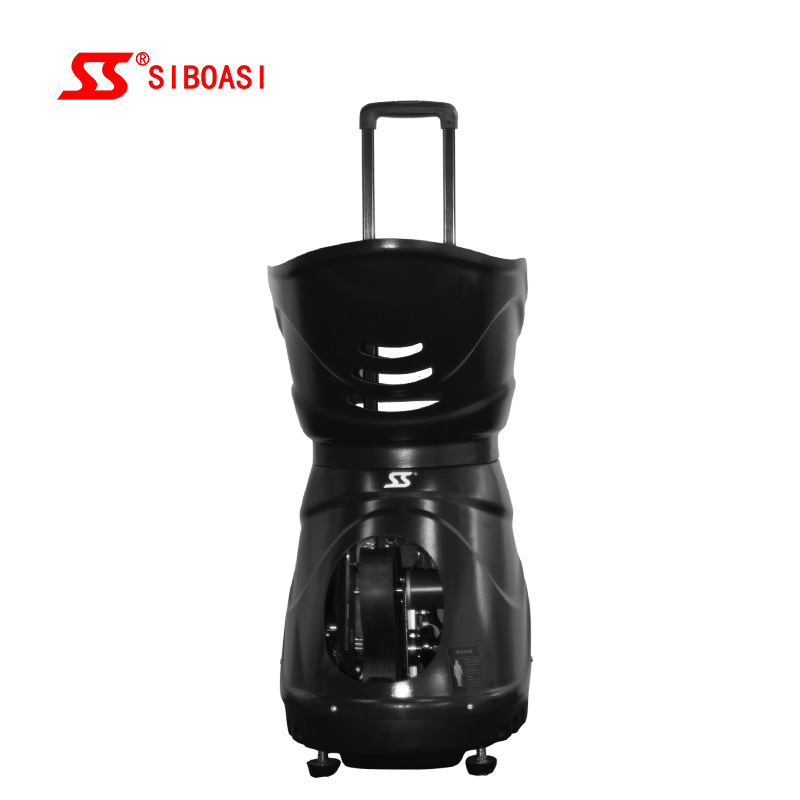
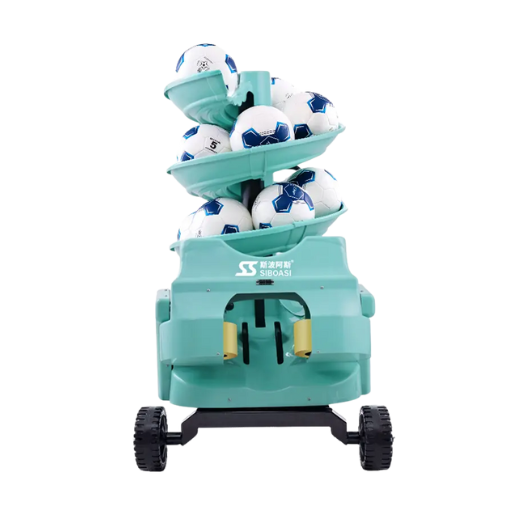
Regular maintenance is paramount if one is to prolong the lifespan of a badminton machine and obtain top performance every time he or she practices. If you are a committed badminton player, coach, or facility manager, knowing how to care for your machine will save you lots in terms of preservingamachinep fight calibration and dependability. This guide will impart valuable knowledge about maintaining badminton machines and offers time-, money- and headache-saving tips. Cleanup, usual issues’ troubleshooting-how about that? This all-inclusive guide has all requisite information to maintain your machine in a brand-new condition. Continue reading to see how you can maximize your investment and lift your training experience to the highest level!
Introduction to Badminton Machines

Types of Badminton Machines
These badminton training machines are made to make training easier and to heighten skills by enabling the continuous feeding of the shuttles. They come in a variety of types to suit different needs of training and skill levels. Here are some common types of badminton training machines:
Manual Sponge Feeders
Manual sponge feeders are the most simple to handle and are the cheapest. Shuttlecock loading and unloading is done manually. They are, thus, not as mechanized as other types of machines and can be easily used for the smallest of training and are an appropriate choice for training beginners.
Automatic Program-able equipment for Feeding Shuttlecocks
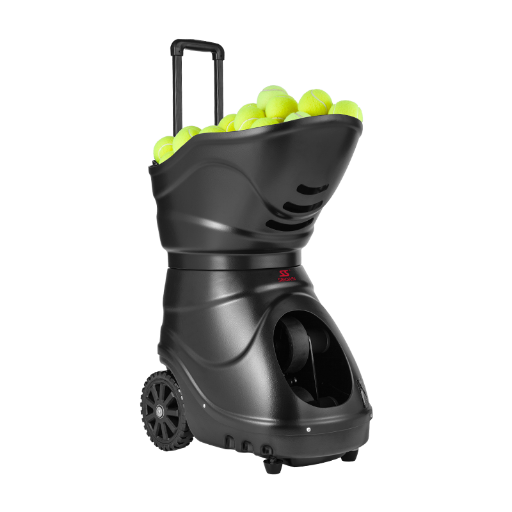
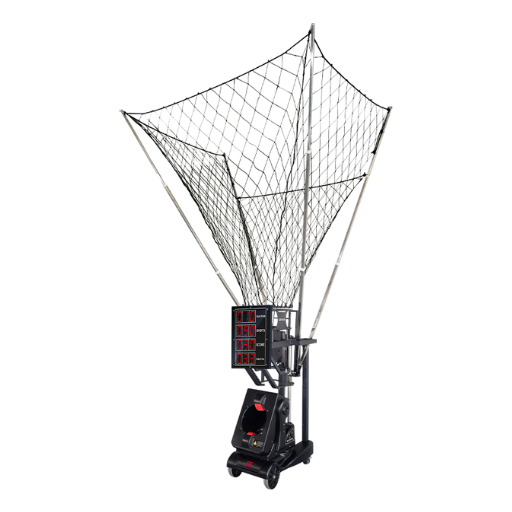
These high-tech machines then offer a variety of functions such as speed control, adjustable hitting angles, or setting frequency. For example, SIBOASI S4025 and others may allow players to choose the training programs according to the action types, such as smashes, lobs, and drop shots. They thereby suit professional and intermediate players who want to improve a specific skill.
Intelligent Badminton Training Machines with Integrate Artificial Intelligence
Intelligent machines integrate the most current technology-that is, artificial intelligence-to recognize player reactions and adapt to the same while being controlled from a mobile app that enables training data to be stored, training programs to be set, and historic data for improvement. These state-of-the-art machines are favorites of technology-savvy athletes and coaches who want to optimize every little aspect of their training.
Portable Badminton Training Machines
For players who are on the go, they need a shuttlecock feeder machine suitable for travel as well as for use in different training premises. It should be noted that the machine possesses a small footprint, yet most of the battery units under consideration are as powerful as larger machines, thus providing a wider array of features such as the ability to deliver multi-angle serves.
Basic Functions of Badminton Machines
The development of concepts of badminton machines in building gamers’ ability, practice, and consistency in the back-and-forth picking of birdies. Badminton machines come programmed of varied serves or strokes, testing the reaction, and improving foot movement and eye-hand coordination. These machines assist in improving among players’ offensive and defensive practicable techniques, moving every bit much closer to the real!
One of the key functions, fences down, is speeds varying to oblique, general elevation, and line-level trajectory designs needed to learn your Band deliver the shot in accordance by the coach. These will help to train your kill shots, drop shots, and clears-the control of pace and rhythm. This will mean that even these days of timing can be exercised. All of these options, when taken together, point to sessions that cater to individuals at all skill levels of their careers-beginners to advanced athletes.
One notable feature is to work on repetitive workouts. Serving as an automatic shuttle-feeding machine, the badminton machine keeps the drills running consistently when the need for a partner is done away with. They are especially important in solo practice situations that the players can go through to fine-tune their skills or work on their specific weaknesses. Programmed to ensure both regularity and adjustment, badminton machines provide means to actually upgrade an individual’s performance.
The Role of Racket Maintenance
One of the necessities of the longevity of a racket and for improved performance is the art of proper maintenance. And well-preserved things are more than likely to give excellent performance and not incur unnecessary damages that might lead to deterioration over the life of the product. In the event of maintenance neglect, the racket would eventually fall victim to sagging string tension, stress damage on the structure, and poor efficiency.
For an efficient maintenance system, in the sense of keeping the tension of the strings on the racket, let oneself frequently check it. The strings lose tension from repeated use over time and as the tension relaxes, so does the shot’s power and control. Restring when necessary, and keep the strung racket in the correct relationship with the particular style of the racket, to remain in consistent movement. An overgrip guarantees that all the racket structures will be preserved from our sweating palms and natural deterioration, which boosts the comfort of Amen!
One of the most important aspects regarding racket care is the way it is stored. It is always a good idea to keep your racket in dry and cool places to avoid extreme temperatures or humidity, as these situations can affect the racket frame, stiffness of the string, and tension settings. The use of some type of cover or case will add even more protection during times of storage or travel against sudden impact of objects that cause damage to the racket. By such simple means, players will extend the life of their racket, thereby ensuring maximum performance at all levels.
Importance of Regular Maintenance

Enhancing Performance through Maintenance
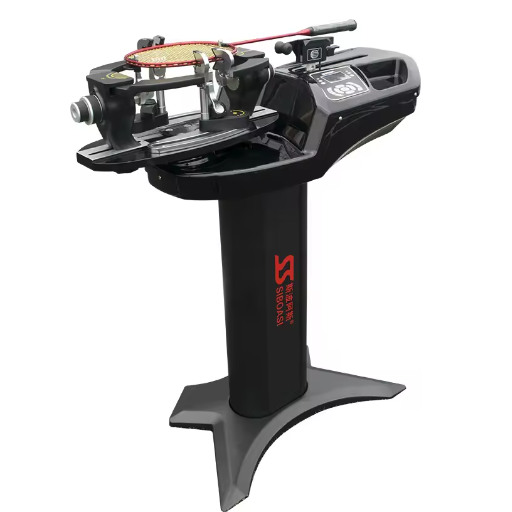
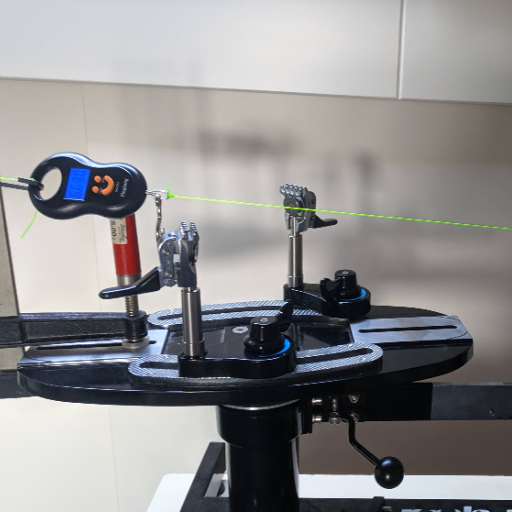
When the condition of all badminton equipment, including stringing machines, is maintained properly, it ensures their optimal level of consistent and dependable performance. Any one or all components, like clamps, tensioners, or bearings, could wear out, lose alignment, and thus go erroneous or produce the wrong string tension, therefore compromising the quality of the racket. To achieve peak performance, operators should periodically inspect and clean the machine to make sure all parts function smoothly without other kinds of debris or damage.
Lubrication has notably improved maintenance for parts that move, including tension heads, and tracks. Applying a designated lubricant per the manufacturer’s instruction really helps assuage the friction of these parts, elongating the life span of such components. And secondly, these machines should be recalibrated on different occasions to return them to the distribution of tensioning. This ensures that the machine is working just fine according to article tension while trying to optimize game performance and the racket’s performance as a whole.
Given the importance of immediate attention to wear and tear, the preventive action required here is to replace worn clamps, damaged bases, or any faulty parts to avoid a potential second assault and to properly maintain the equipment’s reliability. It is important that players and stringers follow maintenance guidelines and handle the equipment correctly to prolong the lives of their badminton equipment, which in turn increases their performance while playing.
Longevity of Your Equipment
To ensure the longevity of your hurling equipment, regular maintenance is critical. Storage in a cool, dry place is the starting point to prevent the environmental damage from humidity or temperature variations that lower the system of each item. Symptoms of moldy strings, softening grips, and developing rust on metal components that could weaken string tension due to too much moisture become an adverse effect on grips and metal parts alike. However, things like racquets getting twisted under high heat or even finding themselves with structural damage are among the extreme consequences that very high or very low temperatures could bring.
Whether apparently torn pages of the rule book or innovation passages outlined by some players, inspect the rules of the equipment from time to time to detect telltale aging signs of wear and tear, like strings, grips, and that racket frame. In turn, if the grips are worn, these need to be replaced, otherwise the player may have his great sense of control and so astute he may cease to realize the ever-increasing power. Should the tension on rackets drop, what remains must be adequately restrung to aid in that control and heightened power acing. Among other things, check shuttlecocks for any signs of fraying or deterioration and replace them if needed to maintain continuity.
Ultimately, always use the equipment properly and do not take unnecessarily from it, or speak. For example, no hitting anything with the racket other than shuttlecocks, as some force from the racket might cause a stress fracture in the frame. These principles will not only maintain your equipment, but will also make your actions stronger on the court. It stands to reason that caring for things intelligently and on schedule brings in many dividends of reliability and functionality.
Understanding Common Wear and Tear
It is inevitable the badminton equipment will undergo wear and tear as it is frequently used. Eventually, understanding the common damages will help the players manage them efficiently, and in turn prolong the life of their equipment.
-
One common occurrence is the wearing off of the strings. The tension decreases as the racket is used. This directly affects the performance of the racket. According to submissions, strings will hold at the optimal tension for approximately 20-30 hours of usage, depending on how intense it had been employed. For serious players, racket maintenance involves restringing every couple of weeks.
-
This condition may get dents and microcracks created on the racket frame by accidents or power hits. Interviews with leading equipment companies say that the structure of the frame will display loss of power, and accuracy is reduced even when minor damage occurs. Regular inspections are crucial, especially after long or high-intensity matches.
-
Also, both feather shuttlecocks and synthetic shuttles undergo gradually greater wear with frequent use. Feather shuttlecocks incur more wear and tear due to their extreme fragility, lasting only about 3 to 5 games. One can use synthetic shuttles as an alternative in the practice sessions to save money and continue training.
-
Footwear is another aspect of the badminton game. Continued high-intensity badminton play causes the sole of a shoe to wear out, and reduced grip.plus injury risk. Since most experts recommend that badminton shoes be replaced every 6-12 months for even more frequent players depending on court conditions and usage intensity, having the most protection becomes very crucial.
Therefore, by better acknowledging these factors of compulsion and wear and tear and by following maintenance essential procedures, you can strive towards improving your equipment to secure performance and dependability and besides prevent costly replacements of badminton gear before they impart the proper return on investment.
Step-by-Step Maintenance Procedures

Cleaning Your Badminton Machine
Regular cleaning of your badminton machine is essential for the preservation of good performance and prolonging the life of the machine.
-
Firstly, the machine should be unplugged from the main electricity supply while cleaning. And, make use of a soft, lint-free cloth for cleaning its surface, which is expected to carry a substantial amount of dust and dirt. Avoid using anything too harsh-either warm soapy water or a diluted detergent is really all that is needed.
-
Problems can also arise within the internal mechanical counterparts, like the laundering of the shuttlecock rollers and the racks. As the internal rollers would have accumulated dust and dirt over time, this could possibly interfere with how well the machine could function. Carefully clean the dirt off from them with either a mildly abrasive brush or a compressed air can being careful not to damage them Clean as needed, yet gently, to protect the moving components.
-
Once machine usage analysis is done, a regular cleaning schedule can be established for the machine. If they are used every week, they will need weekly cleanings; monthly cleanings may suffice for those used less often. Regular servicing helps maintain top performance of the machine and also stops down the road in dealing with more complicated repair problems. Good care will allow the machinery to stay at its utmost and obtain your best training, and transient-scheduled carefully.
Lubrication Techniques for Optimal Function
The lubrication acts highly must-run-parts of the machine well performance and longevity. The lubrication for running parts, applied at regular intervals, will bring down the friction, hence if smooth operation is ensured. In the beginning, identify the parts that require lubrication in the machine for a performance check. Find those areas which are under continuous activity and being stressed.
The selection of an appropriate lubrication type that shall befit the machine concerned is required. The right lubricant should be chosen with regard to the machine’s environment, whether it is too hot or too humid. Over-lubrication shall waste performance, while any under-lubrication may result in operational failings, leading to equipment breakdowns. Given this setback, momentum of residue is checked on the component before each lubricant application, thus barring dirty contaminants that will prevent the functionalities of the equipment for an extended period.
Finally, initiate an established lubrication timetable with respect to utilization and workload of the machine. High demand machinery may require more frequent lubrication, whereas those less used need to be cared for fractionally. Frequent checks in the lubricant have to be made. If degradation signs are visible, replacement is immediately essential. Degradation can surface through discoloration, contamination, or inconsistency. Constant care will warrant good condition and utilization and low costs.
Calibration Procedures for Accurate Performance
For accurate operation, calibration is vital to have complete operation of a shuttlecock device. Regular calibration checks also have the benefit of always maintaining consistent shuttle trajectory parameters such as speed and placement accuracy. The parameters are essential for effective training. The calibration process entails identifying the correct speed, angle, and feed rate settings, all based on the manufacturer’s guidelines. Use a court with marked lines as a reference to test and adjust these parameters. Once adjustments are made and accurate consistency is achieved, carry on with disconnection of the test court. Calibration must be checked again, using the same instructions as previously but this time for potential mechanical adjustments (i.e., motor or throwing wheels).
It is advisable to perform after every month or after the use of 20 hours. An example of one’s bi-weeklies shows that an accuracy record with only a 5% variation should ensure consistent performance during workouts. Incorporating the habit of actually marking the calibration data could help in recognition of changes over time, thereby pointing out potential wear on the wardrobe or faults that might affect the performance.
Maintenance Schedule Overview
Troubleshooting Common Issues

Shuttlecock Feeding Problems
Problems with shuttlecock feeding are mainly caused by the alignment of the moving parts and uptake of dust or wearing of any components used in the feeding mechanism.
-
The first step to solve this problem is to check that all functioning parts are well aligned. Misalignment generally impedes the smooth operation of the feeding mechanism.
-
Secondly, while at it, aneffort must be made to clean the mechanism diligently, as per manufacturers’ instructions, to get off from any accumulated dust or dirt. Dusty dirt may impinge on its operation, and the use of a soft, dry cloth or mild cleaning agent is best applied to ensure the perfect running. The use of any abrasive cleaning component is to be avoided.
-
Lastly, always inspect the parts critical for the system like roller and spring for any wear and tear. Replace any components that appear unsteady or damaged. Regular inspection for general maintenance and the timely replacement of parts are the sure ways to contend for the prevention of feeding problems and continued smooth functioning of the entire feeding mechanism.
Inconsistent Shots and How to Fix Them
Inconsistent shots which are a result of some badminton machine calibration inconsistency, overall cleanliness, or worn parts often point to one or more sources of the problem.
Some of the things you can check are calibrations settings on the machine. Ensure that the speed, angle, and elevated values have all been correctly set beforehand. If they are not aligned properly, some unfortunate circumstances may result to provide the kind of unpredictable performance on the side of their owners, a process that should require immediate calibration to manufacturer guidelines to ensure optimal operation.
Maintaining cleanliness then comes into play for ensuring pure performance. What tends to disrupt consistent throws could be dirt, a fine layer of dust, or any substance that may have gotten within the machine, and particularly in the shuttle mechanism or along the trajectory path. For this very reason, observers do well to sanitize the entire machine quite gingerly after every session with only a non-abrasive tool, ensuring no harm comes to the beam or any other sensitive component of its system, thus extending lifetime of heat-resistant equipment.
Examine the critical components like wheels, rotors, and springs for signs of wear. Worn-out or broken parts create problems with shot placement. In order to address such irregularities on time, replacement with genuine spares will ensure uninterrupted operations. Therefore, demands of regular maintenance, along with careful settings adjustment, are very pertinent when it comes to solving the inconsistencies and to keep the machine in prime condition.
Identifying and Resolving Mechanical Issues
Mechanical defects in maintenance of badminton machines come right after identification. One has to keep an eye on the main components of the badminton machine. Make sure to monitor the injector mechanism, throwing wheel, and motor. Disrupting an event at any one of these stages has the potential to cause shuttles to be misplaced or even stop all together. This may also help for identifying those problems early before they go out of hand.
Start cleaning the machinery and apply some grease, preferably petroleum, to rejuvenate performance. Accumulated dust or residues may injure the machinery movement. The main objective is the removal of inferior cleaning tools and inappropriate lubricants to get the device going smoothly. If cleaning doesn’t fix mechanical problems, consider reviewing the springs, belts, and electrical connections for wear or damage. You may then need to buy replacement parts that are suitable to repair and restore the performance of the machine.
Last but not least, fantastically conduct tests after each manipulation and repair. Test the functionality of different regimes to ensure that the shuttle provides consistent feed for various speeds. It’s a good thing to record repairs as well as replacements in the form of a maintenance log to keep track of future maintenance sessions. This will always ensure the machine runs effectively and enjoys a long life, provided it is maintained correctly and timely repairs are done.
Expert Advice for Prolonging the Life of Your Machine

Badminton machine maintenance and storage tips
Maintenance points:
-
It’s very crucial to maintain cleaning of your badminton machine for it to remain efficient. After every session of play, cleaning the exteriors will ensure that dust and dirt don’t accumulate, especially around the feeding system and wheels. A soft, dry, or slightly damp cloth will be suitable for cleaning, which will be efficient to avoid the use of hard detergents, which might erode the material. A deep cleanup inside the badminton ball-tossing machine is very much required to dissolve to the user manual, since this could prevent the gorging of unwanted materials with time and guarantee easy machine operation.
-
It is good to frequently get the ball-tossing machine and its parts to evaluate any sign of wear and tear. Ensure that all moving parts, such as screws, belts, and wheels, are not loose and/or working properly. Immediate replacement of damaged or excessively damaged parts will do greater eternal damage or create safety hazards. Apply lubrication to various moving components, according to the manufacturer’s recommendation, to keep that part moving smoothly and reduce friction.
Storage Tips:
It is equally important to keep the machine in the right way and procure a long life for it. Store it in a dried and cool place, away from extreme atmospheric influences and sunlight as they lead to material degeneration. Always use a protective cover that places uncertainty on a pile of dust and moisture when the set is not in use. Again, the machine should be stored on a stable surface to prevent its toppling over and damaging delicate parts.
When to Seek Professional Servicing
Anything unusual occurring with your badminton machine performance dictates a need for professional servicing. Key signs are weird noises, erratic releases from the shuttle, and complete malfunction. The plight could stem from internal wear-and-tear, mechanical breakdown, short circuitry, etc., all suggesting expert consideration.
On the other hand, professional servicing may be necessitated when minor but routine servicing does not resolve operation issues. Internal wear and tear are wearing components out and, in general, impairing overall performance. These could be wear-related adjustments or replacements required to be made by the technicians, thus preventing further destruction.
Finally, you are advised to periodically circulation such preventative material as noted in the operations and operator’s manual of the machine so as to ensure that peak performance is sustained. Despite the apparent operation of the machine in accordance with manufacturers standards, periodic attendance by a qua-lified technician helps diagnose, replace, or repair any worn out parts before they affect the functioning of the machine. Talking about prolonging the life of the body and all the like, ensuring Good of efficiency and uninterrupted proper operation of the machine one of his other numerous aspects.
Frequently Asked Questions (FAQ)
Q: When is the appropriate time to have a badminton machine service to ensure everything works smoothly?
A: Regular maintenance should be arranged every few playing sessions, with a full service being done every 3 to 6 months, depending on usage. This preventive measure would keep wear to a minimum and ensure a smooth and awesome performance on court from the feed system. Regular inspection of the motor and other mechanical parts help reduce sudden breakdown, thus keeping the equipment in excellent shape.
Q: What are the basics to maintaining a badminton training machine at home?
A: Wiping down sweat and dust, checking and tightening loose nuts and bolts, inspecting grommets and feeders for cracks or wear, lubricating moving parts as mention above, and keeping th machine stored away in a dry place are five potential steps that may prove useful. These actions preserve longevity and decrease costly repairs and maintenance platforms.
Q: When should I bestring my racket after heavy practice with a machine?
A: With the great tension loss, string feathering or breaking, and bad control or power, a racket string replacement may be contemplated as an option. After heavy use with the machine, these performance issues are brought to light. The best method to ensure the longevity of bowers is racket stringing. Thus, when the string extends beyond full ripping, it costs extra money; and the potential for recovery to full performance is compromised.
Q:Are there instructions somewhere on stringing machines that I can carefully follow to maintain mine?
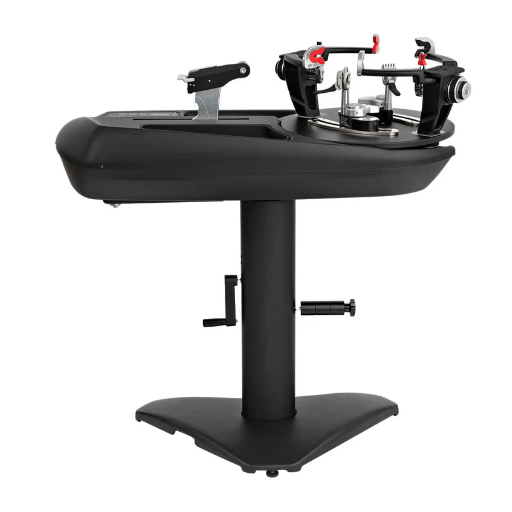
Keep the stringing machine clean, calibrate tension settings, monitor the wear and tear of the clamps and posts, replace old grommet holders as need, and follow the manufacturer’s maintenance guidelines. Proper care and maintenance are required to ensure the stringer provides precision tension for professional badminton rackets and safeguards the stringing machine’s lifespan.
Q:How do different grips and replacement grips affect the performance of the racket on-court when working with a professional coach or muting machine?
The most prominent aspect in choice of a badminton grip relative to availability to control, sweat absorption, and feel; by regularly replacing grips, the handle of the racket is kept secure in the hand of the user. Different grips-original grip vs. replacement grips-could be experimented with to match playing style and minimize slippage while working up a sweat on field court. Performance increases at the time of the machine-coach badminton drills.
Q: What part of the racket should I inspect for possible damages like split grommets from practice sessions using the slow feeder?
A: Make sure frequent checks are done on the racket head and grommet strips for cracks, split grommets, and wear and tear from the shuttle being used repeatedly. This is where broken grommets are replaced or repaired for a cracked frame to be continued or replaced and that the string damages by these pointed surfaces are avoided, hence minimizing further damage to the racket and preserving the integrity.
Q: So, how should the equipment be maintained and stored after the artist has a shuttle machine—a player not done with a session?
A: After the shuttle feeder has been used in any session, one should store one’s racket with the bag. Keep it away from really hot or really cold places, slack the strings very slightly where the manufacturer suggests it, if it is a used grip, take it off or dry it, but not with paper towels; as for the shuttle/feed machines, have them covered. These great storage tips increase the longevity of both rackets and machines and help to ensure good performance for other practice sessions.
References
-
- Technological Advancements in Badminton Equipment Maintenance
This source discusses equipment servicing, including stringing and calibration of badminton machines.
Read more here - Investigation of Repairability of Badminton Shuttles
A research paper exploring repair solutions in sports equipment, which may include insights into maintenance practices.
Read more here - Top Badminton Training Machine Manufacturer and Supplier in China
- Technological Advancements in Badminton Equipment Maintenance