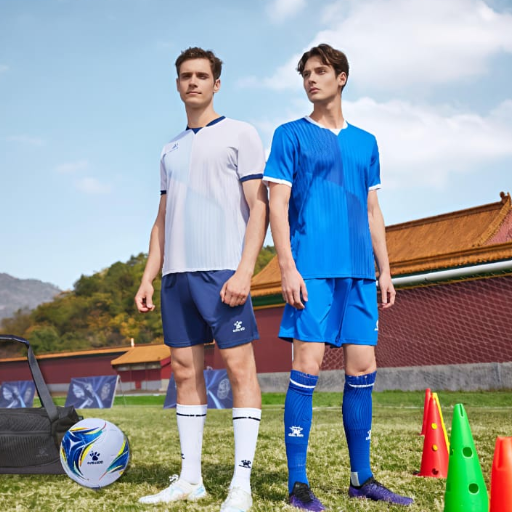
Football requires equal attention to both field performance and off-field preparation. The correct training equipment enables athletes to improve their skills through team training while protecting them from injuries which makes training equipment crucial for athletes and their coaches. This guide will assist both experienced players who want to improve their skills and new players who are entering the sport for the first time to make better choices. We will explain all necessary equipment from agility tools to protective gear which you need to achieve your best performance during the 2026 season. Prepare yourself to acquire equipment which enables you to train effectively while you advance your athletic performance to a superior level.
Top Categories of Football Training Equipment
Essential Football Gear for Every Player
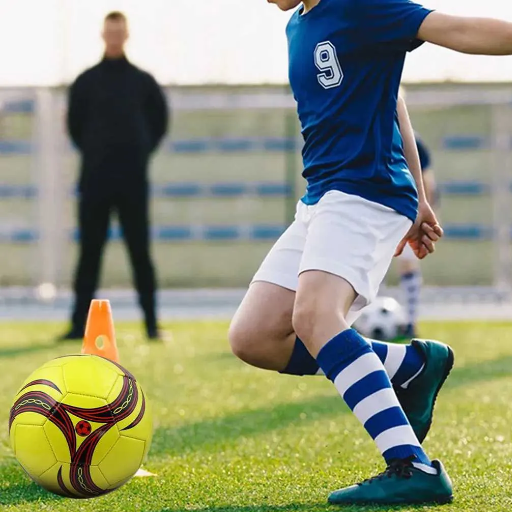
Football players require a range of essential gear to train effectively and play safely. The first thing which players need to succeed on the field requires them to have proper cleats because these shoes provide necessary traction and stability. Players need cleats which fit properly together with providing support because these shoes enable them to perform optimally during their various team positions. Players require both cleats and a football which meets their age-specific size requirements for their level of competition.
⚠️ Important Note on Protection
Athletes require protective gear because it serves as crucial protection which helps them reduce their chances of sustaining injuries. The list begins with helmets and shoulder pads because these two items offer essential protection during situations which involve physical contact. Helmets need to fit tightly on heads while meeting safety requirements which protect against head injuries. Shoulder pads should possess lightweight design yet they must maintain strength to handle impacts which occur during tackles and collisions. Mouthguards serve dual functions because they protect teeth while preventing oral injuries and padded gloves enable players to maintain grip while safeguarding their hands.
Proper training equipment enables players to enhance their abilities while developing their physical power. Agility ladders and cones offer effective speed training together with footwork practice while resistance bands and sleds serve as training tools which develop strength and endurance. The combination of proper protective equipment and game equipment together with appropriate training resources enables every player to achieve their optimal performance level during games.
Agility Training Tools to Boost Performance
Athletes need agility training tools to improve their speed and balance and coordination skills. The equipment is developed to enhance athletes’ speed and reaction abilities which they require for their various sports activities. Players use agility ladders because these common tools enable them to practice precise footwork which helps them develop better control over their movements. Athletes can use cones to create drills that test their ability to change directions which helps them improve their in-game responsiveness.
💡
Pro Tip: Dynamic Movement
The agility hurdle serves as a useful training tool that helps athletes develop their ability to perform explosive athletic movements. Hurdle jumping helps people build lower body strength and flexibility while boosting their total endurance. The addition of resistance bands in agility training exercises enables athletes to develop strength and power through dynamic movements that create resistance during their workouts.
Athletic performance can be improved through training sessions that integrate these tools into their practice. The maximum benefits of training should be achieved through continuous practice combined with increasing the difficulty of training exercises. Athletes who use agility training tools correctly can enhance their competitive performance through improved training methods.
Strength-Building Gear for Enhanced Play
Strength-building gear serves as an essential tool that enables athletes to boost their athletic abilities and reach their fitness targets. The equipment is built to develop specific muscle strength and endurance and power capabilities which athletes need to succeed in their sports practice. Athletes who incorporate strength training equipment such as resistance bands, free weights, and weighted vests into their workouts achieve optimal muscle development through progressive strength training methods.
The primary benefit of strength-building equipment lies in its capacity to create customized exercise programs which athletes can use to train at their preferred intensity. Athletes can use dumbbells, kettlebells, and medicine balls to create their own strength training programs which will help them progress to higher weight levels. The equipment offers multiple usage options because it can be utilized in both professional gym environments and personal home settings which enables athletes to maintain their training schedule.
The use of strength-building equipment during training sessions provides two benefits because it boosts athletic performance while helping athletes avoid injuries. Athletes who focus on developing muscle balance and joint stability together with correct movement techniques will experience reduced chances of sprains and strains and other sports-related injuries. The equipment shows measurable effects on performance when users operate it according to the right procedures for a sustained period of time.
Choosing the Right Football Equipment
How to Select the Right Football for Your Needs
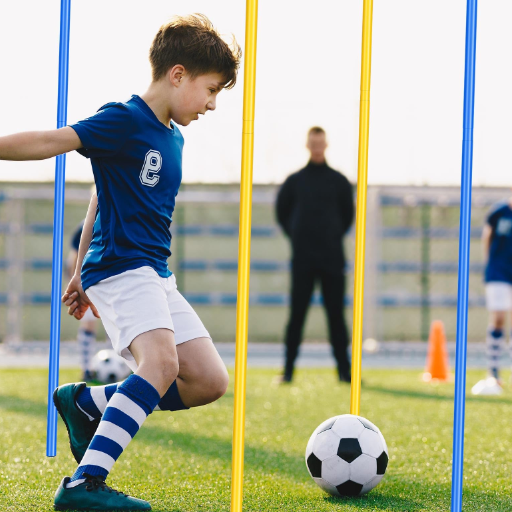
The choice of a football requires assessment of multiple factors, which encompass the field dimensions, player expertise, and their respective preferences. First, consider the type of surface where you will play. The construction of footballs designed for grass fields differs from the design of footballs which are made for artificial turf and indoor environments. The ball must match your playing conditions because this ensures maximum performance and ball longevity.
| Ball Size | Target Age Group | Primary Use |
|---|---|---|
| Size 3 & 4 | Younger Players | Easier handling and kicking development |
| Size 5 | Adults & Competitive | Standard games and training sessions |
The last step requires you to examine the football’s composition and manufacturing details. Most footballs are made of synthetic leather or similar materials which have different quality levels. Players should select a ball which offers excellent grip and aerodynamic performance while maintaining a bladder that provides stable air pressure. Always consult product descriptions or guidelines to confirm compatibility with your needs. The football selection process requires you to evaluate these aspects because they will improve your playing experience and match your individual playing style.
Football Cleats: Finding the Perfect Fit
Football cleats selection plays a vital role in providing comfort to players while delivering necessary performance and stopping potential injuries. The perfect fit can be achieved through the process of testing cleats which should fit the foot with a secure yet comfortable distance. The shoe needs to provide enough space for toe movements yet must prevent foot sliding and excessive motion during games. A proper fit between shoes and feet helps athletes achieve their best performance while reducing blister development.
The primary playing surface you choose to use needs to be considered because different types of cleats provide their performance benefits on specific surfaces. Natural grass fields require players to use firm-ground cleats whereas players on synthetic surfaces should use turf cleats. The studs or traction elements need to be assessed based on their placement and quality because they must deliver the necessary grip and stability required by your particular playing style.
The last step requires you to examine both the cleat material and the total shoe design. Lightweight materials improve speed and agility performance whereas strong materials provide protection against demanding environments and regular usage. Before making a cleat purchase you need to try the shoes on first and use them for walking tests to check if they provide you with required comfort and performance standards.
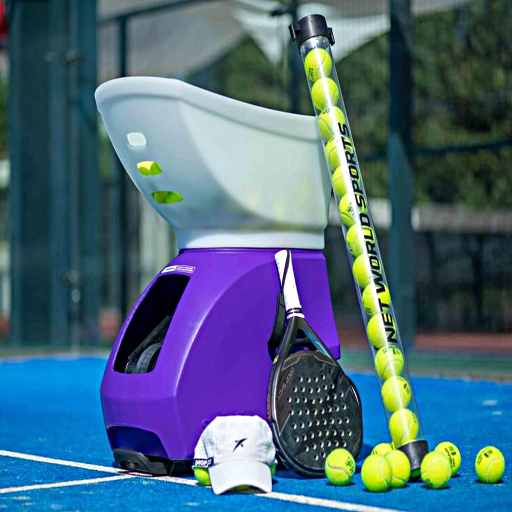
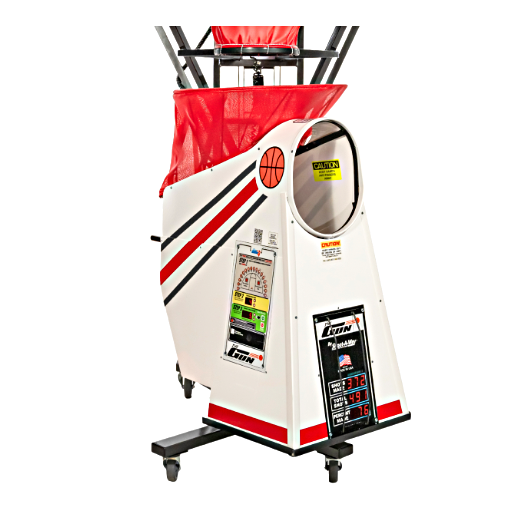
Football Training Machine
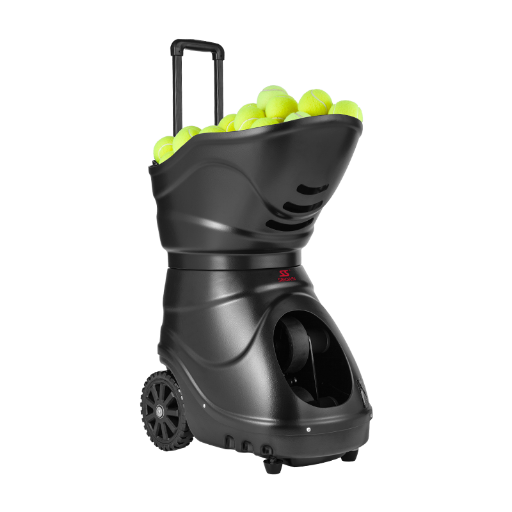
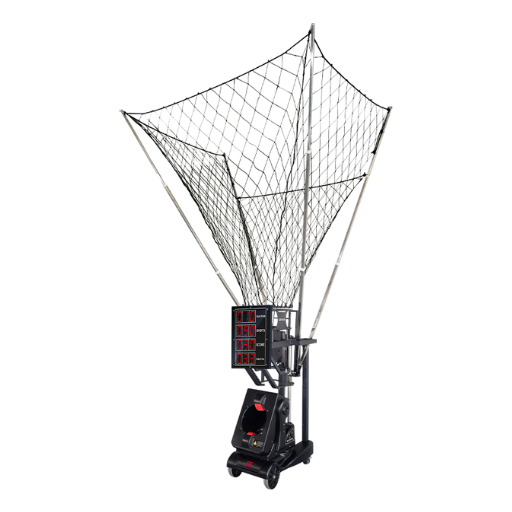
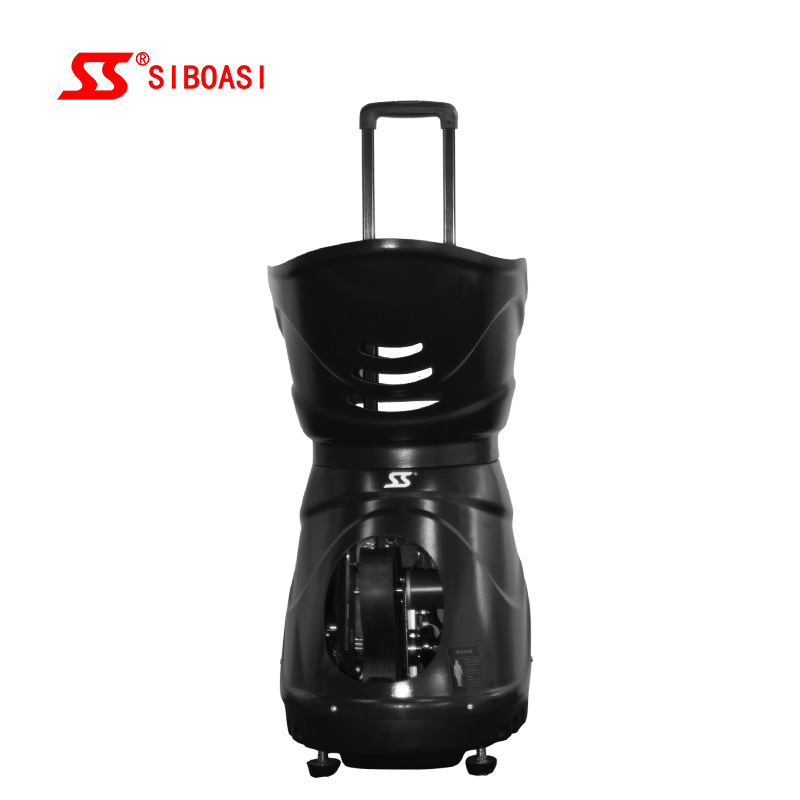
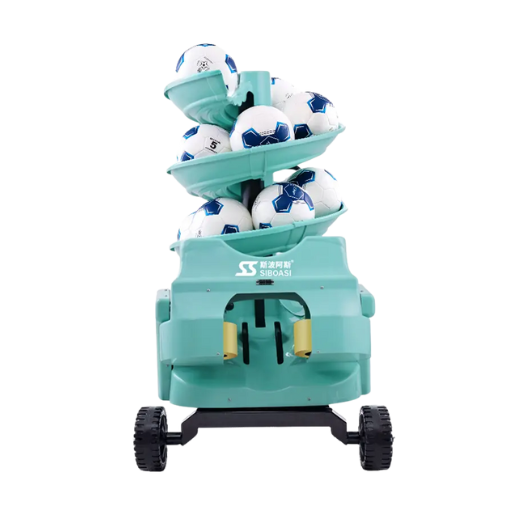
The Football Training Machine serves as an advanced training instrument which assists athletes in developing their passing, shooting, and ball control abilities. The machine creates actual match conditions through its ability to produce reliable ball trajectories which enable players to train in unpredictable game-like environments. The equipment helps players develop their shooting accuracy and response time which leads to improved game performance.
The Football Training Machine provides its primary advantage because it enables all players to train at their respective skill levels. Beginners use the system to develop their basic skills, whereas advanced athletes use it to enhance their training through complex exercises. The machine provides multiple practice options through its ability to adjust both speed and angle and trajectory settings. The system operates at a stable rate which allows athletes to train repeatedly because they need to establish muscle memory through the process.
The machines help teams train more effectively because they reduce the time required for manual ball delivery which enables faster training of players during drills. Coaches can concentrate on watching players to correct their movements instead of preparing for repetitive practice sessions. Players can achieve their desired results through the focused training approach which enables them to develop their skills across all aspects of the game.
Emerging Trends in Football Training Equipment
Tech-Enhanced Training Devices for Modern Players
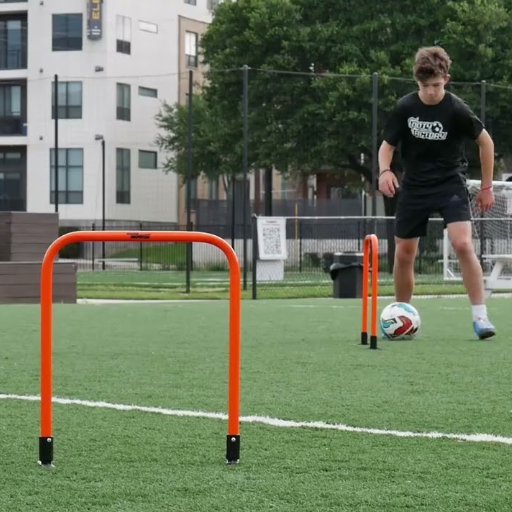
Football players use tech-enhanced training devices to improve their skills through new methods which these devices create. The devices use advanced technology to show players their actual performance metrics while they work on their training exercises. Wearable sensors and smart tracking systems enable users to monitor speed and distance and player positioning metrics, which were previously available only through manual observation or video analysis.
The main benefit of these devices lies in their ability to create customized training programs for athletes. Players receive specific recommendations to improve their game through practice session data analysis, which helps them work on particular skills like accuracy or agility or endurance development. The approach allows players to develop skills faster since they practice the most essential skills which need development. Players can use automated repetition features from particular devices to practice their techniques without needing a coach to be present.
Tech-enhanced training tools help coaches improve their coaching effectiveness. The automated system provides automatic data collection and analysis, which enables coaches to devote their time to developing player performance and executing game plans instead of performing manual performance monitoring tasks. The training session development provides dual benefits, as it enhances productivity while it boosts the overall skill level of participants and their tactical understanding. The use of these devices during their daily training activities helps players and coaching staff maintain their performance edge in a sport that continuously develops.
Innovative Protective Gear for Safety on the Field
Innovative protective equipment is necessary to protect athletes during sports competitions while they perform at their highest level. The modern development of materials and design techniques has produced protective gear which offers users enhanced lightweight features and increased durability and better comfort. The protective equipment which includes helmets and padding systems has developed new technologies which help athletes avoid sustaining concussions and fractures while they continue to move and compete in their sports activities.
One significant development in protective gear is the use of impact-resistant materials. The materials which create this product function to absorb impact forces while spreading those forces throughout the object which creates a protective barrier against injuries. The safety equipment of today includes ventilation systems and moisture-wicking fabric which provide users with increased comfort during their active hours. The enhancements enable athletes to maintain concentration while delivering peak performance even when they face strenuous physical conditions.
The modern safety equipment system requires adaptability as one of its main components. Equipment designers create products which fulfill the exact requirements of various athletic activities and different playing positions and individual user needs. Specific pads and guards offer users the ability to create a customized fit which delivers improved protection and prevents sliding during athletic activities. Protective equipment has advanced through technological innovations which enable sports organizations to achieve their safety and performance objectives for athletes who compete at every level of competition.
Compression Gear: Benefits and Best Options
Athletes have adopted compression gear because it provides multiple advantages which lead to better athletic performance and faster recovery times. Compression gear provides athletes with enhanced blood flow as its main benefit. The treatment delivers gentle muscle pressure which helps with oxygen distribution and prevents lactic acid buildup during strenuous exercise. This mechanism assists athletes in maintaining their competitive edge throughout extended time periods.
Another significant benefit is the reduction in muscle soreness and fatigue. Compression garments deliver muscle support which reduces vibration during exercise thereby diminishing post-workout discomfort while enabling faster recovery. The equipment provides moisture-wicking capabilities which enables users to maintain body dryness and comfort during different sports activities and training sessions.
The best options for compression gear selection require assessment of three essential elements which are fit, material, and intended use. The equipment needs to provide a tight fit which enables users to move freely while the fabric needs to be lightweight and breathable to maintain body temperature. Compression garments deliver practical solutions which enhance athletic performance while maintaining user comfort during high-intensity training and recovery and regular workouts.
Tips for Buying Football Training Equipment
How to Choose Based on Budget and Skill Level
- 1
Assess Your Budget
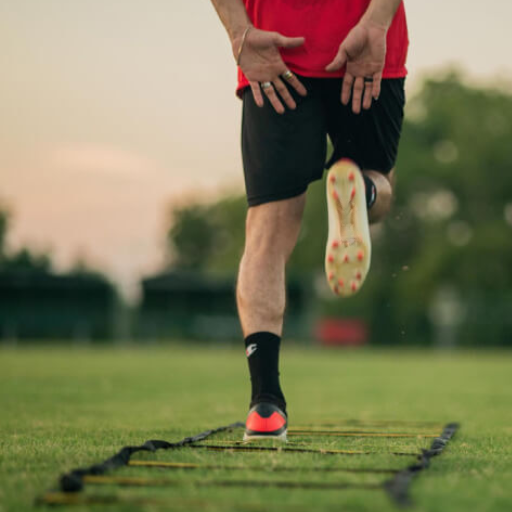
Beginners who have limited financial resources should buy only necessary equipment which includes footballs and cones and basic training gear that delivers multiple uses. Low-cost alternatives exist that provide identical results for building essential skills. - 2
Intermediate Scaling
Players who reach an intermediate level should choose between two equipment options which match their specific playing requirements and available financial resources. Athletes can use resistance bands and agility ladders and rebounders to enhance their speed and coordination and ball control abilities.
Every athlete must choose equipment which offers both durability and operational capabilities for their athletic training. The training equipment needs to be constructed with high-quality materials which provide extended usability because it will be used in regular training activities. The equipment you select should support your training objectives which include improving agility and stamina and developing technical skills. Your research combined with your planning efforts will create a framework which helps you decide wisely while making the best use of your resources.
Performance Goals: Selecting the Right Gear
The process of selecting training equipment which helps you reach your performance objectives begins with the process of defining your training objectives. Your equipment selection needs to match your goals, which include improving endurance and strength and flexibility and technical skills. Agility ladders and cones provide effective tools for developing speed and coordination, whereas resistance bands and weights function as equipment for strength training purposes.
The next step involves assessing both the product’s ability to adapt and its capacity to withstand wear and tear. When you buy equipment which can function in several ways, you receive more benefits from your investment. Medicine balls serve multiple functions because they enable users to train for strength and endurance and perform partner drills. The equipment uses strong materials, which provide durability for continuous operation and effective performance throughout its life cycle.
The equipment needs to meet the requirements of both your available space and your financial resources. Some equipment requires large spaces for safe operation, which includes treadmills and rowing machines, whereas jump ropes and mini resistance bands occupy very little space. You need to assess low-cost solutions, which maintain product quality, to achieve your training objectives while working within your financial limits.
FAQs About Football Training Equipment

How to Maintain and Care for Football Equipment
Football equipment needs proper maintenance and care because these two factors determine how long the equipment will last and how well it will perform and how safe it will be for use. The following guide provides detailed information about the soccer ball because it represents one of the most important pieces of football equipment.
- ✓
Cleaning the Ball: The soccer ball needs cleaning after every use because dirt and debris must be removed. Use a soft cloth and mild soap; avoid chemical products. - ✓
Inflating Correctly: Follow manufacturer specifies at the valve area. Use a pressure gauge to avoid overinflation which damages seams. - ✓
Proper Storage: Store in a cool, dry place away from direct sunlight and extreme temperatures to prevent material fragility. - ✓
Damage Inspection: Regularly check for cuts, tears, and seam separation. Address small damages before they lead to serious problems. - ✓
Surface Matching: Use the ball only on designated surfaces (grass, turf, indoor) to avoid unneeded damage from concrete or gravel.
Advice for New Players on Equipment Essentials
New soccer players must acquire appropriate equipment because it will help them develop their skills while maintaining their safety and comfort. The following section describes all necessary equipment items which players must have.
Shin guards protect players from injuries during competitive matches with a success rate of over 70% according to 2022 safety surveys.
- Soccer Ball: Size 3 (under 8), Size 4 (8-12), or Size 5 (13+).
- Cleats: Molded studs for grass; turf shoes for artificial surfaces.
- Shin Guards: Essential for leg safety; must have adjustable straps for a secure fit.
- Uniform: Jersey, shorts, and socks. Moisture-wicking fabrics now drive 45% of sales.
- Water Bottle: Stay hydrated during training and competition.
Frequently Asked Questions (FAQ)
Q: How do I select appropriate equipment for various age groups according to the ultimate football training equipment guide?
A: Age-specific selection is critical in the Football Training Equipment Buyer’s Guide 2026. Youth players need to use lighter and smaller helmets together with soft tackling dummies and adjustable agility ladders while teens and adults require size-specific protective equipment and durable sleds and advanced sensor-equipped training aids.
Q: What are the must-have pieces of equipment listed in modern football buying guides?
A: The latest football buying guides list essential items such as helmets and mouthguards that meet safety certifications, cleats for different field types, training cones, agility ladders, blocking sleds, tackling dummies, and wearable GPS devices.
Q: How important is technology like GPS trackers and sensor systems in the 2026 football gear guide?
A: Technology is a core element for optimal development. The guide emphasizes wearable GPS trackers and heart-rate monitors to measure load and speed, enabling data-driven decisions that decrease injury dangers.
Q: What safety standards and certifications should I look for according to the Football Training Equipment Buyer’s Guide 2026?
A: Safety is the main priority. The guide requires helmets to meet NOCSAE certification standards, mouthguards to provide shock absorption, and padding to comply with ASTM standards.
Q: How can I balance budget and quality when following football buying guides for 2026?
A: Allocate more funds to safety equipment (helmets, cleats) while selecting mid-range durability for practice equipment like cones and ladders. Consider multi-purpose or refurbished items from reputable vendors.
Q: How should a coach create a season-long equipment plan using the football gear guide and buying guides?
A: Assess team requirements and schedule purchases in three phases: safety gear, training aids/tech, and finally maintenance procedures through budget forecasting.
References
-
Global Football Training Equipment Market 2026 by Global Info Research
This report provides insights into the football training equipment market, including sales channels, distributors, and research findings.
Source -
Football Equipment Market Report 2026 by The Business Research Company
This market report discusses the global football equipment market size, growth trends, and factors driving expansion.
Source -
Football Training Equipment 2025 Market Trends and 2033 Forecast by Market Report Analytics
This report highlights market trends, growth rates, and future forecasts for football training equipment.
Source - Top Football Training Machine Manufacturer and Supplier in China