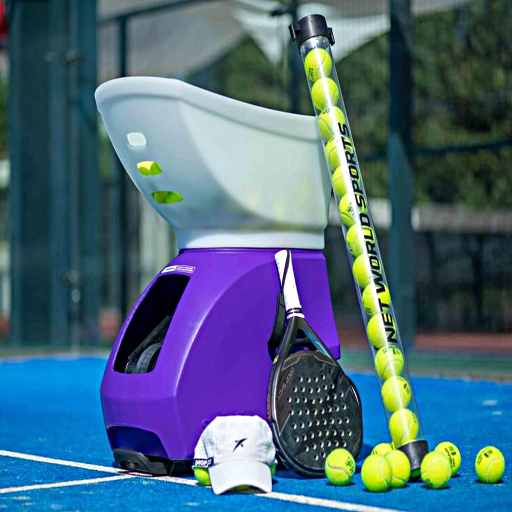
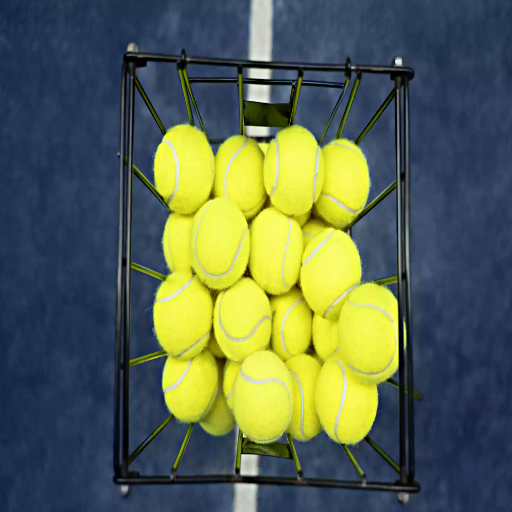
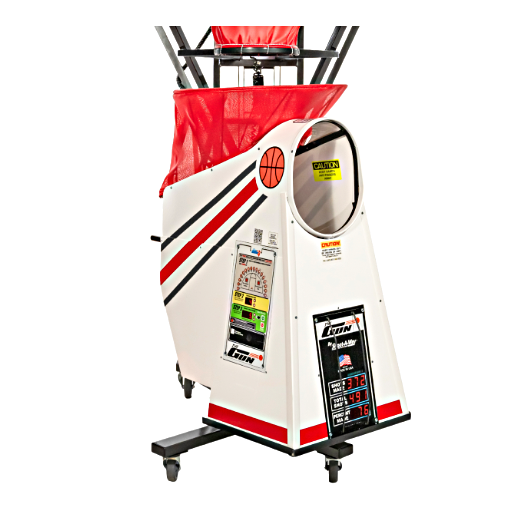
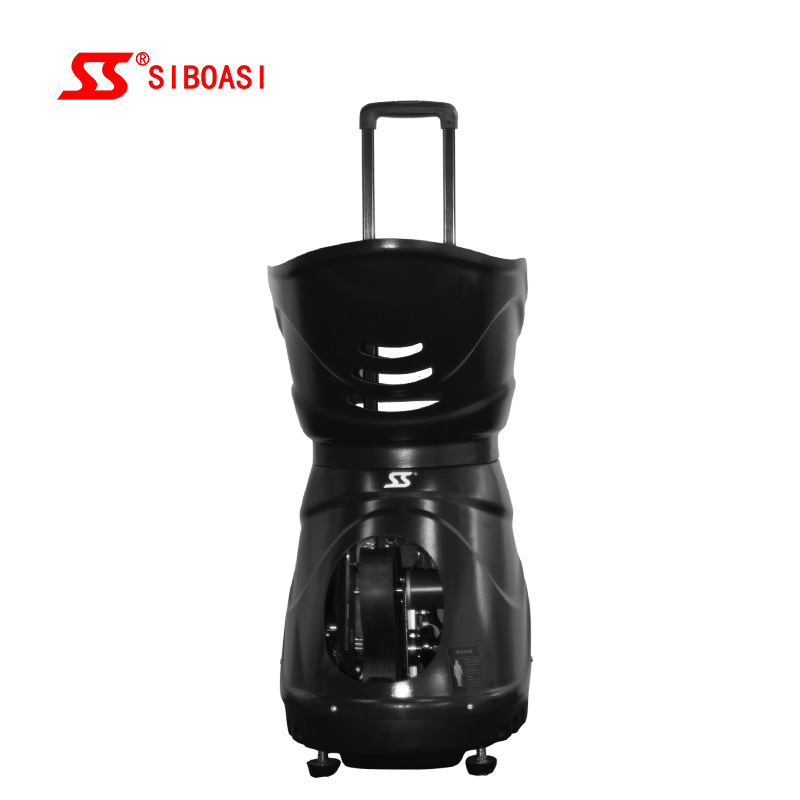
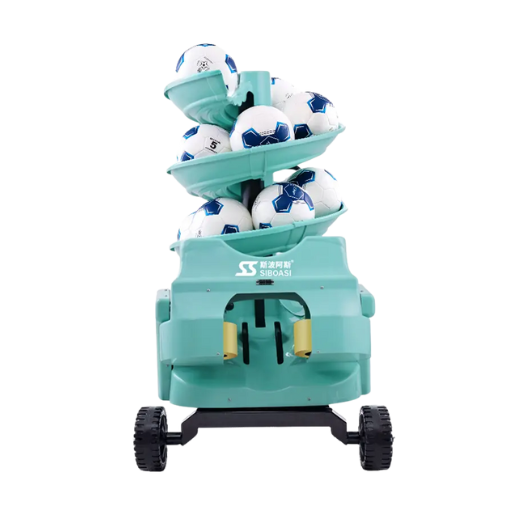
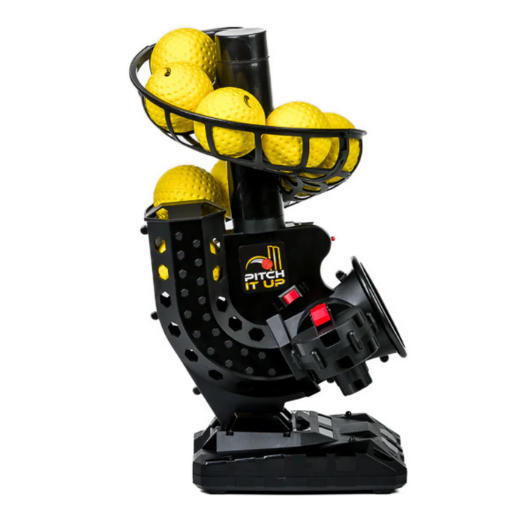
Cricket, a highly strategic and skilled game, has many facets to be learned and hence requires constant practice. A tennis ball cricket bowling machine is a genuine game changer among the plethora of training aids available today. This futuristic contraption has transformed practice by offering very precise styles, speeds, and variations of bowling, so players can work on their skills in a reproducible and controlled environment. Whether an aspirant is working on his batting stance or a seasoned player trying to improve on shot selection, this blog delineates how a tennis ball cricket bowling machine could be that giant leap in your game. Come along to walk through features and benefits and how it has established itself as a must-have in modern cricket training.
Introduction to Tennis Ball Cricket
Tennis ball cricket is a popular lesser-known variant of cricket involving the use of a softer, lighter tennis ball instead of a hard leather ball. It is played all over the world because of its easy accessibility, affordability, and relatively minor risk of injury. These factors attract players from various levels of maturity and skill. Considering the casual nature of the game, the playing fields tend to be open spaces such as streets, parks, and small side lawns with very little equipment. Players develop important cricketing skills in these informal environments.
Overview of Tennis Ball Cricket
Popularity and Global Reach
Tennis ball cricket has gained huge popularity across many parts around the world, particularly India, Pakistan, Bangladesh, and Sri Lanka, where it entered deep into the culture. Its mass appeal comes because of fast action-the game can be set up in just a few minutes and possesses a flexible format that accommodates urban as well as rural settings. Recent estimations anticipate millions of players in active participation in tennis ball cricket worldwide, with many local-level leagues and tournaments providing avenues for further competitive play.
Rules and Gameplay
The match comprises fewer overs than in traditional forms of cricket, usually 6 to 12 overs per side. It maintains the swift pace and the charm, drawing more youngsters and working-class professionals with time on their hands. Many leagues enforce simplified laws-it could be anything: from the batsmen must retire once others reach a set number of runs so that everyone gets to participate to higher team involvement-ensuring the game remains inclusive.
Equipment and Features
The essence of the alternate game involves a modified tennis ball that is softer and lighter than the standard hard cricket ball, ensuring lesser injuries and thus safe for all age groups. Bats are usually lighter to complement such a ball, while wickets vary from wooden poles to improvised setups like plastic stumps all the way to bricks.
Community and Significance
Tennis ball cricket is much more than just a game; it has a social element that unites communities. Amateur tournaments at the local level have often been places where talents have been spotted. Many notable cricket stars attribute their early training in tennis ball cricket before switching to professional formats. Its cheap rate and accessibility are responsible for the growth of cricket on a grassroots level, and this flexibility of tennis ball usage leads to innovation in how the sport is enjoyed across all age groups.
Popularity and Growth of the Sport
It has grown enormously in recent years in countries where cricket is a major sport-India, Pakistan, Sri Lanka, and Bangladesh. One of the reasons for its popularity is its very inclusive label, and the minimal costs associated with setting it up. It is said that millions play the sport casually, making urban and semi-urban places centers for informal matches.
Gradually, it is being embraced by the world at large, with expat communities popularizing tennis ball cricket in countries like the United States of America, Canada, and the United Arab Emirates. The spread of the game has also been helped by social media-Web videos of street cricket matches caught several eyeballs-and Hindustani neck-and-neck with tennis ball cricket in the concept of entertaining culture.
With several regional tournaments, especially in South Asia, tennis-ball cricket has somewhat formalized an otherwise casual affair.
Tennis ball cricket leagues and events breaking into the limelight and attracting sponsors and huge crowds to view their matches is quite a sign of its growth. The inception of organized coaching camps for tennis ball cricket has legitimized the sport as a serious pursuit, beyond just a backyard pastime. Yet, with its ability to adapt easily and spread worldwide, tennis-ball cricket is set to be further recognized as a celebrated form of this universally acknowledged sport.
Comparison: Tennis Ball vs. Cricket Ball
Tennis balls are lighter, softer, and designed for consistent bounce, while cricket balls are heavier, harder, and built for durability and varied play.
|
Feature |
Tennis Ball |
Cricket Ball |
|---|---|---|
|
Material |
Rubber core, felt |
Cork core, leather |
|
Weight |
56.7-58.5g |
155.9-163g |
|
Diameter |
65.41-68.58mm |
71.3-72.9mm |
|
Bounce |
Predictable |
Less predictable |
|
Durability |
Moderate |
High |
|
Best For |
Tennis |
Cricket |
The Role of Bowling Machines in Cricket
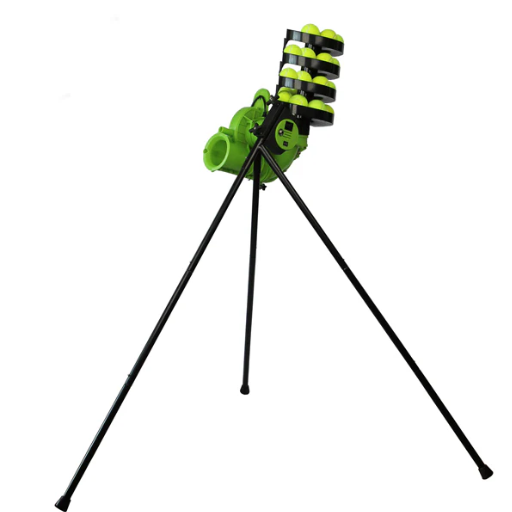
For a cricket player, bowling machines provide a consistent and controlled environment wherein batting skills can be practiced. These machines can send all kinds of deliveries-pacers, spinners, bunchers-allowing batsmen to develop their technique and timing against various bowling styles. Repetitious practice is crucial, and the machines are so good that they help in better concentration, footwork, and shot selection ability in a batter without requiring a bowler to be present. Offering precision and variety, these machines have become indispensable for modern cricket training at all levels.
Benefits of Using a Bowling Machine
Having bowling machines at one’s disposal during cricket practice is really one of the great advances in cricket training, which affords several benefits that enhance player performance. One big thing about these machines is consistency. Unlike a human bowler, the machine would bowl the same type of ball over and over again, rehearsal provided with precision over and over again. For instance, repetitive practices have shown in studies on cricket training that shot accuracy improves by as much as 15 percent with the passage of time.
Bowling machines proved adaptable to several types of bowling. Modern kinds could: bowl very fast balls of above 90 mph, or balls that work slightly, or could even spin deceitfully. Such should give players more confidence when facing actual conditions. Also, many allow custom server settings to mimic a particular style, and therefore provide tailored training.
Other benefits from bowling machines include limitless practice sessions-without the need for bowlers to recover between deliveries. Players can face hundreds of balls in a single session, and thereby building their stamina and improving their technique. To add to this, some state-of-the-art machines are equipped with programmable deliveries and automatic feeders, hence making solo practice even more efficient and effective.
Finally, these machines eventually aid mental preparation. Faced with perilous deliveries at a steady pace, sharper reflexes, enhanced confidence, and improved decision-making in the face of pressure are developed by the players. Bowling machines, if duly used in conjunction with players’ daily training exercises, would definitely bring about enhancements both in the players’ individual performances as well as that of their teams.
Types of Bowling Machines Available
Bowling machines include arm-action, wheel-based, air cannon, programmable, and manual types, each catering to different training needs and skill levels.
|
Type |
Speed |
Capabilities |
Pros |
Cons |
|---|---|---|---|---|
|
Arm Action |
Medium |
Swing, seam, spin |
Realistic action |
Limited speed |
|
Two-Wheel |
High |
Fast, spin, swing |
Versatile |
Ball wear |
|
Three-Wheel |
High |
Reverse swing |
Advanced control |
Expensive |
|
Air Cannon |
High |
Pure pace |
Minimal wear |
No spin |
|
Programmable |
Low-High |
Custom sequences |
Match simulation |
High cost |
|
Manual |
Low-Medium |
Swing, spin |
Affordable |
Limited speed |
How Bowling Machines Aid in Cricket Training
For modern-day cricketers and trainers, bowling machines are an essential equipment-as they have the peculiarity to simulate difficult match situations with limitless precision and consistency. Coaches and players can train against varied bowling styles, speeds, and spin movements, akin to the conditions faced in competitive matches.
One extreme benefit is that a delivery can be repeated an infinite number of times. Players thus can concentrate on specific aspects of their batting technique and shot selection, great when there is a need for real work on a delivery. The usual international-type quite often pays fast bowlers beyond 90 miles an hour. Modern bowling machines like the Bola or Leverage can replicate these speeds, giving batsmen the opportunity to develop their reaction time and footwork in phase with it. Moreover, with the advent of different advanced technologies, machines can ply a complicated spin or swing variation, thus letting players prepare for real-life situations against an accomplished bowler.
Studies in cricket training have suggested that bowling machines may come into practice procedures and help in resulting in an improvement of 30 percent in the accuracy level of shotmaking when practiced regularly over a period of 3 to 4 weeks. Besides this, players feel a great lift in their confidence as they head into matches because exposure to a wide array of bowling reduces their sense of uncertainty when standing on the crease.
In addition to honing individual talent for bowling, the machines are great for team strategy; they mimic general conditions anticipated for the specific match under practice, like against a left-arm pacer or buildup against traditional off-spin for a Test series. Moreover, machines could further extend such possibilities which are programmable to tailor delivery style and sequences-they let teams tailor training interventions to their particular needs.
Thus, the bowling machines help develop batting skills with mental toughness and match preparation. Bowling machines create an atmosphere that makes practice more like a match and thus give players at all levels an edge–redesigning the modern game of cricket and becoming an important asset in cricket training today.
Key Features of a Cricket Bowling Machine
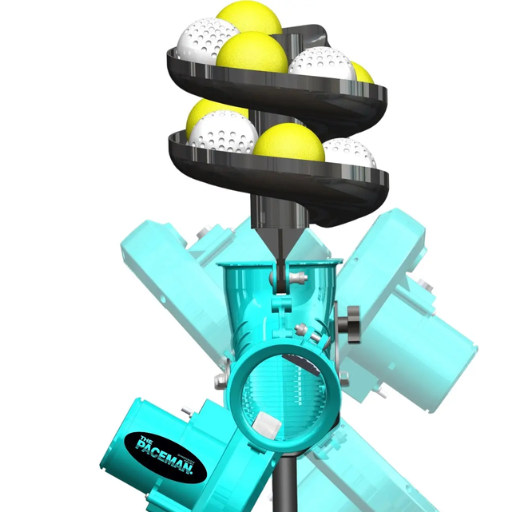
- Adjustable Speeds
Bowling machines allow users to set various ball speeds, catering to different skill levels and practice needs.
- Swing and Spin Options
Machines can simulate swing and spin deliveries, enabling players to practice against diverse bowling styles.
- Consistent Ball Delivery
They ensure accuracy and consistency, creating a reliable practice environment to hone batting techniques.
- Programmable Settings
Advanced machines offer customizable settings, including delivery sequences and line-length variations, to mimic real match scenarios.
- Portability and Durability
Modern cricket bowling machines are often lightweight, easy to transport, and built for long-lasting use.
- Ball-Type Compatibility
Most machines support different ball types, such as hard cricket balls or training balls, providing flexibility for varying practice conditions.
Automatic Ball Feeders Explained
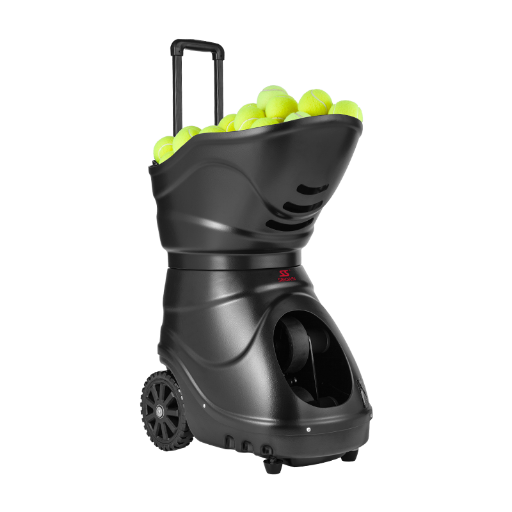
Automatic ball feeders are an indispensable part of modern bowling machines and have changed the way players train by automating the ball delivery process. These feeders are capable of carrying multiple cricket balls, anywhere from 12 to 36 depending on the model, and deliver them at timed intervals so that there is an uninterrupted practice session where players focus exclusively on working on their technique.
The second major advantage in the automatic ball feeder is the timer, through which one can set delivery intervals. Delivery times range from 6 to 12 seconds in most feeders, long enough for the batsman to recover and get back into the mental frame for the next ball. The importance of this cannot be understated when working on timing, footwork, or shot selection on the bat.
Another advantage of advanced times automatic feeders is that remote controls make setups convenient and flexible. Coaches and players may alter all settings, even the speed of the feeder, or they may stop from a distance, further enhancing the training flow. In addition, the high-end models integrate sensor-based technologies to improve accuracy compared to regular feeders, making every delivery an ideal reflection of an in-game scenario.
Efficiency constitutes another advantage of the machine. Many of them, for instance, are built with sturdy construction such as stainless steel or polyurethane, ensuring durability when subjected to intense working conditions of training. Also, these automatic feeders are intended to meet the demands of all levels of players, from novice and amateur to professional, by supporting different types of balls, speeds, and spin variations.
An automatic ball feeder is used to help increase batting efficiency and save time while simulating competitive game scenarios on the field by taking away repetitive work and delivering a consistent working performance. Fast approaching the new standards of cricket training and player development are such machines with further technology enhancements.
Adjustable Bowling Speeds and Angles
Modern automatic ball feeders and bowling machines are built with extremely customizable settings to simulate realistic match situations under the highest conditions. Commonly adjustable speeds range from 20 mph to over 90 mph, giving the widest scope to players who can, in effect, speed up their response time while batting or work at adjusting their stance in respect to a different speed.
Moreover, the machines offer fine-tuning of bowling angles for straight-line bowling, inswingers, outswingers, and bouncers. This level of customization is attained using advanced mechanisms operated either through programmable interfaces or manual controls, which enable bowlers to emulate specific bowlers. For instance, they can choose precise trajectories in order to work on their footwork against full-length deliveries or shooting skills against difficult short balls.
More recently, an intelligent analysis spin rotation adjustment was included to simulate off-spin, leg-spin, and other spin variations in both positive and negative ways to enhance reflexes, adaptability, and decision-making in near-game situations. Configuration of this nature can make a machine an absolute necessity for intense and effective cricket training.
Portability and Ease of Use
The modern-day cricket bowling machines retain their functionality, given myriad portage conveniences, so that both amateurs and professionals can find use for them. Having a light framework of compact machines ensures easy lifting or transporting to places of setting, such as cricket grounds, training centers, or even backyards. Some of these machines can fold into compact versions with handles built in for easier moving.
With the advent of user-friendly interfaces, one can now select speed, trajectory, and delivery angles with just a few clicks on the digital displays and intuitive controls. Rechargeable batteries mostly power many machines freeing the user from continuous electrical hookup. For example, lithium-ion battery developments have made it possible for some machines to operate efficaciously for four to five hours on one charge, an especially user-friendly option for long training sessions. The versatility allows players to fine-tune their training anywhere quickly, thus maximizing efficiency and results during practice.
Choosing the Right Tennis Ball Cricket Bowling Machine
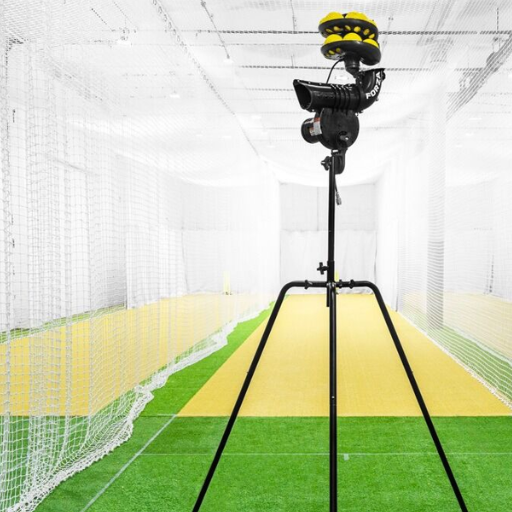
While choosing your tennis-ball cricket bowling machine, key things to consider are the speed range, consistency, and portability. Pick one that has an adjustable speed setting, catering for various levels of play. Look for reliable performers that deliver balls consistently, hence fostering better practice. It must also be highly portable, meaning lightweight and easy to move about. On durability and power options, such as battery-usable ones, your focus should lie to ensure slick operation across multiple terrains. Above everything else is a trusted brand or manufacturer for quality, including good after-sales support.
Factors to Consider Before Purchase
1. Performance and Reliability
When picking a machine, ensure it provides consistent performance for your practice sessions. Reliable ball delivery results in conducive alignment and refines skill development. Follow up some reviews or data on the machine’s accuracy and reliability over the long haul.
2. Portability
Portability comes into play if you are planning to move the machine often. Consider lightweight models weighing 20-30 lbs when carrying is paramount and setting it up is a snap. Compact machines with built-in handles or wheels add to the list of conveniences.
3. Durability and Build Quality
Machines built from quality materials withstand wear and tear from everyday use. For example, those with reinforced frames or are made from weather-resistant materials hold up well for many years to come. Warranty check: Most warranty periods are 1-3 years.
4. Power and Versatility
Choose machines offering multiple power options like AC adapter and rechargeable batteries. These models are perfect for outdoor jobs, running uninterrupted for about 4-8 hours on a full charge, naturally depending on the setup.
5 Adjustability
A machine with adjustable settings for speed, spin, and trajectory caters best to all skill levels, from beginner all the way to advanced. For example, a machine with a ball speed range of 10-80 mph is far better for practice given the versatility it offers.
6. Capacity and Feed Rate
Check ball capacity-whether the machine can hold up to 150 balls thus reducing the need to fill up all the time. Besides that, the feed rate should be adjustable from anywhere between 2 to 10 seconds per ball, so you can set it up as fast or slow as you want depending on training emphasis.
7. Brand Reputation and Customer Support
The trustworthy company promises that your products will perform well and that you’ll receive after-sales services. Look for manufacturers who have great reviews, good reputation for quality, and are easy to reach for customer service.
8. Budget
Price varies considerably as per features; cheapest models start around $200, whereas really good ones will cost you $1,000 or more. Decide on your budget first and then check if the cost is justified by the options so you can make a worthy purchase.
Top Models in the Market
1. Leverage Bowling Machine – Yantra e3
Among cricket enthusiasts, the Leverage Yantra e3 finds great acceptance. Through its digital panel that is highly advanced, players can set speed variations between 60 km/h and 120 km/h, therefore extending its usability to beginners and experienced players alike. The convenience offered by the automatic ball feeder rolling out balls at timed intervals, coupled with the convenience of being easily carried around, makes the machine a steal at $950 for all the pow-wow performance.
2. Bola Professional Bowling Machine
Known for its precision and durability, the Professional Bola is an extensively customizable setup. Speeds range from 15 to 95 mph to suit different skill sets. Moulded urethane concave wheels provide the machine with incredible pitch accuracy. An electronic random delivery function makes the deliveries unpredictable, mimicking the reality of match conditions. The prices start at around $2,500, aimed at the advanced end of the training spectrum.
3. Sidearm Pro Bowling Tool
Being lightweight, affordable, and portable, the Sidearm Pro trades actual bowling machine status for a great manual practice tool. Great for tennis ball cricket, speeds in the range of 140 km/h can be attained, dependent on the power grading of the user. Variable delivery angles are possible through this device, thereby giving batsmen a wider scope for training drills. Retailing at a mere $40, it is ideal for the casual player and amateur cricketer.
4. Gravity Sports Bowling Machine
This offers a simple interface and a sturdy build and can be used for tennis ball bowling. Speed ranges from 40 to 110 kmph along with swing and spin options to mimic various bowling styles. It being heavy-duty in construction makes it lasting, and a mid-range price of $650 makes it affordable for a majority of training setups.
5. Pacer Pro Cricket Bowling Machine
The Pacer Pro was created with the professional and the recreational user in mind, allowing for the altering of speeds of up to 130 km/h. It switches between automatic and manual ball feeding mechanisms whilst introducing swing and seam movements for an immersive training experience. Greatly priced at around $1,200, very much a powerhouse for players serious about improving their skill set.
All the machines differ in budget, skill level, and requirements, providing choices for cricket training aficionados. The features of each model emphasize those of durability, flexibility, and value, giving everybody their share of the growing market of tennis ball cricket bowling machines.
Price Range and Value for Money
When talking of pricing and value for money, it is about weighting cost with the features that carry your requirements. Such entry-level machines range from $200 to $400, advertising essential functions suitable for basic users. Middle-range selections, hitting $400-$700, usually offer such things as sturdier construction, extended warranty, more advanced features, and good performance at best; then comes the top level worth extra colors of $800 to above $1,000. These include evolutionary technology, appealing design, and ample customer support plans.
Some of the more highly rated brands in the price range of $500 to $700 stand out for combining ease of use with longevity, giving great value for money when compared to lower-priced as well as more expensive alternatives. With the other hand, for the higher-end models, they will, of course and have to bear their name-they tend to incorporate energy-efficient, smartly connected, and great build quality features, particularly for those users that focus on long-term investment and advanced function. So, specifying the specs and warranties will guarantee the money you put in will go toward what you value most.
Maintaining Your Cricket Bowling Machine
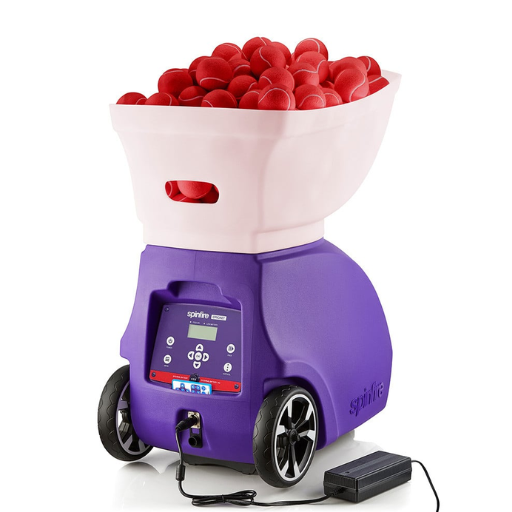
Putting your cricket bowling machine in proper maintenance ensures top performance and the greater life of the machine. First is to clean the machine consistently to wash out dirt, dust, and residue of the ball, paying special attention to the feeding and delivering mechanism. Check moving parts such as wheels and rollers for wear and tear and losses so as to maintain accuracy. Above all, put your machine in a dry, covered area to avoid moisture from rusting it. For all else, pay attention to the manufacturer guidelines on routine servicing schedules and the recommendations given on lubrication and replacement of parts. Through regular maintenance running, your machine stays in the best shape in terms of reliability and performance.
Regular Maintenance Tips
Regular maintenance includes checking filters, inspecting systems, cleaning, and addressing minor issues to prevent costly repairs.
|
Task |
Frequency |
Purpose |
Key Action |
|---|---|---|---|
|
Check Filters |
Monthly |
Improve air flow |
Clean/replace |
|
Inspect Systems |
Monthly |
Prevent damage |
Check HVAC/plumbing |
|
Clean Drains |
Monthly |
Avoid clogs |
Use baking soda |
|
Test Detectors |
Monthly |
Ensure safety |
Replace batteries |
|
Check Exterior |
Monthly |
Spot damage early |
Inspect walls |
|
Restock Supplies |
Monthly |
Avoid shortages |
Inventory check |
Troubleshooting Common Issues
Even with regular maintenance, issues can occasionally arise. Below are some of the most common problems encountered and steps to resolve them:
1. Machine Not Powering On
Possible Causes: This could be due to a power supply issue, a blown fuse, or a faulty power switch.
Solution: Start by checking the power source and ensure that it’s securely connected. Inspect the cord and outlet for damage or wear. If the power switch is not responding, it may need to be replaced. Additionally, test the fuse if applicable and replace it with one of the recommended specifications.
2. Reduced Performance or Output
Possible Causes: Clogged or dirty components, unaligned parts, or inadequate lubrication can reduce the machine’s efficiency.
Solution: Clean all essential areas, particularly moving parts, to prevent debris buildup. Verify whether the components are properly aligned and tighten any loose screws or fittings. Apply lubrication following the manufacturer’s instructions to ensure smoother operation.
3. Unusual Noises During Operation
Possible Causes: Strange noises are often a sign of loose parts, worn bearings, or foreign objects obstructing the machine’s movement.
Solution: Pause the machine and inspect for any loose bolts, screws, or parts. Tighten or replace them as needed. Examine all bearings and replace them if they show signs of wear, as worn bearings may result in grinding noises. Remove any obstacles found within the machine.
4. Overheating
Possible Causes: Overheating can stem from prolonged usage, insufficient airflow, or malfunctioning cooling systems.
Solution: Ensure that the machine is operating in a well-ventilated area. Check the cooling systems, such as fans or vents, to ensure they are working efficiently. Allow adequate breaks during extended use to prevent overheating. If overheating persists, consult a technician to determine if internal components require repair or replacement.
5. Error Messages or Indicators
Possible Causes: Many modern machines are equipped with diagnostic systems that display error codes or alerts.
Solution: Refer to the machine’s manual to decode the error message. Each code typically points to a specific issue, such as a system failure or a necessary part replacement. Address the problem indicated by the code, and reset the system if required.
6. Decreased Accuracy or Calibration Issues
Possible Causes: Calibration can drift over time due to regular use or after part replacements.
Solution: Perform a calibration check and adjust settings based on the manufacturer’s guidelines. Use measurement tools to confirm the machine is operating within acceptable tolerances. For advanced recalibration, reach out to an expert if the issue persists.
Staying proactive with these troubleshooting strategies can save time and minimize the impact of unexpected downtime. For persistent issues that cannot be resolved through basic troubleshooting, contacting professional support or consulting directly with the manufacturer may be the best course of action.
Extending the Lifespan of Your Machine
With prolonging the lifespan of my machines, I give preference to routine maintenance purely consisting of cleaning and replacement of parts on schedule to avoid degradation. On another hand, I mind the machine operations, keeping them within their limits of operation and never allowing it to be overloaded. For me, following consistent guidelines recommended by the manufacturer and allowing their schedule of inspection to go through with professional eyes before small issues arise into a full-fledged one help maintain my machines. My being proactive in such assignments counters anything that might come toward lessening the efficiency and life of my machine.
Reference Sources
- Academia.edu: HighTech and Innovation – Discusses the adaptation of ball pitching machines for cricket and tennis.
- UWI Space: Evaluation of a Cricket Bowling Machine – Evaluates anthropometric fast bowling machines for cricket.
- UWI Conference: Evaluation of a Cricket Bowling Machine – Explores the use of arm-based bowling machines in cricket.
Frequently Asked Questions (FAQs)
What is a tennis ball cricket bowling machine?
A tennis ball cricket bowling machine is a specialized device designed to simulate the delivery of tennis balls for cricket practice. It allows players to practice their batting skills by delivering tennis balls at various speeds and angles, helping them improve their hand-eye coordination and batting techniques.
How does a tennis ball cricket bowling machine work?
The machine uses a motorized mechanism to launch tennis balls towards the batsman. The speed, angle, and frequency of the balls can be adjusted according to the player’s preferences. This provides a controlled environment for practicing different shots and strategies without the need for a bowling partner.
What are the benefits of using a tennis ball cricket bowling machine?
Using a tennis ball cricket bowling machine offers numerous benefits, including the ability to practice consistently, work on specific skills, and focus on technique without interruption. It also allows players to adjust the settings to simulate various bowling styles, enhancing their adaptability in real matches.
Can I use regular tennis balls in a cricket bowling machine?
Yes, most tennis ball cricket bowling machines are designed to work with standard tennis balls. However, it’s important to check the manufacturer’s specifications to ensure compatibility and optimal performance. Some machines may also accommodate different types of balls, depending on the design.
Are tennis ball cricket bowling machines suitable for all ages?
Yes, tennis ball cricket bowling machines are suitable for players of all ages and skill levels. They can be adjusted for speed and difficulty, making them ideal for beginners who are just learning the basics as well as advanced players looking to refine their skills.
How do I maintain a tennis ball cricket bowling machine?
Maintaining a tennis ball cricket bowling machine involves regular cleaning, checking for wear and tear, and ensuring that all components are functioning properly. It’s advisable to refer to the manufacturer’s maintenance guidelines for specific instructions to prolong the life of the machine.
Where can I buy a tennis ball cricket bowling machine?
Tennis ball cricket bowling machines can be purchased from various sports equipment retailers, both online and in physical stores. It’s recommended to compare features and prices across different brands to find the machine that best fits your training needs.
Can a tennis ball cricket bowling machine help improve my game?
Absolutely! A tennis ball cricket bowling machine allows for repetitive practice, which is essential for skill development. By consistently facing deliveries at different speeds and angles, players can enhance their timing, technique, and overall performance in matches.
Is it possible to use a tennis ball cricket bowling machine for fielding practice?
While primarily designed for batting practice, a tennis ball cricket bowling machine can also be adapted for fielding drills. By adjusting the angle and speed, players can practice catching, stopping, and throwing, making it a versatile training tool for cricket enthusiasts.