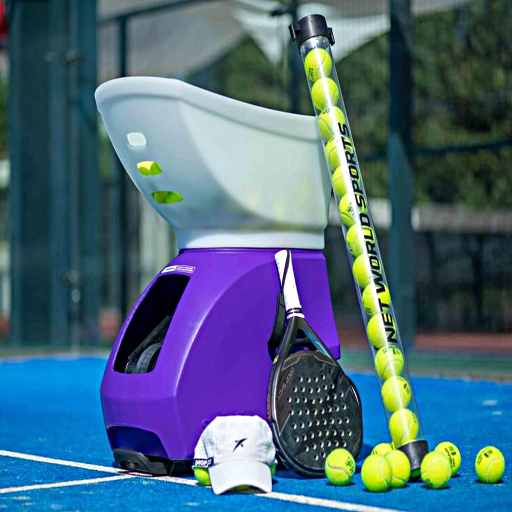
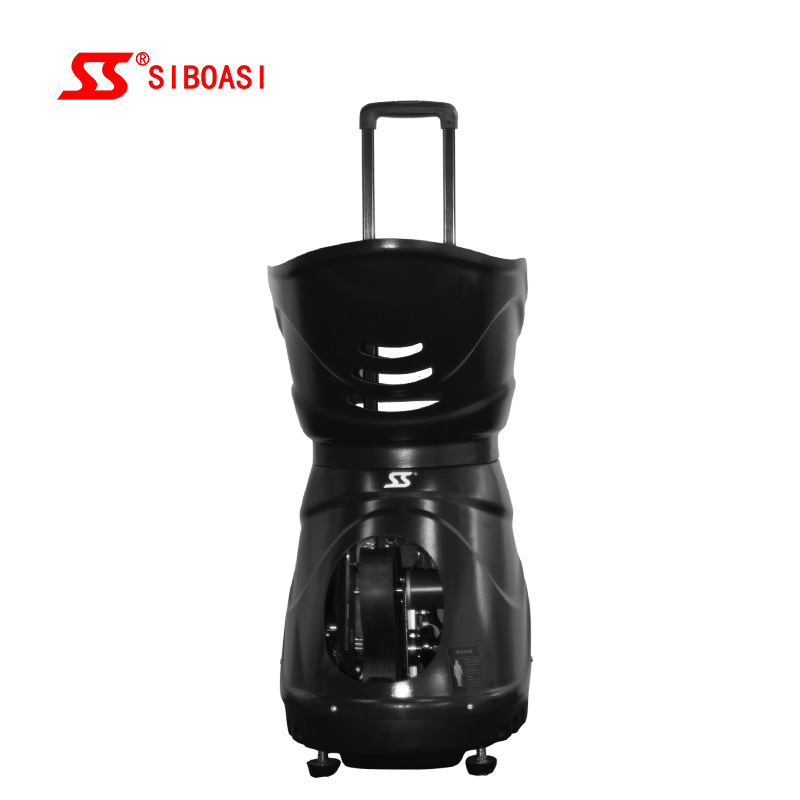
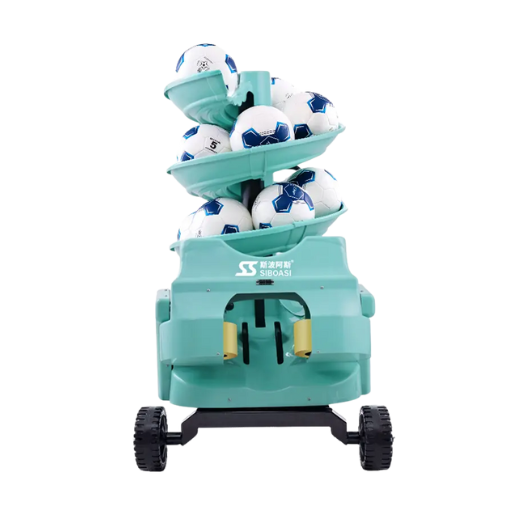
The cure for any skill is practice, and players from beginners to seasoned athletes require training. But what if you could elevate your training with the best randomizer capable of simulating real match scenarios anytime and anywhere? Enter Wilson Tennis Ball Machine-your best portable companion for training. An in-depth explanation is to follow for why this ultimate contraption with cutting-edge technology is a pivotal element in one’s arsenal. Starting with the features and continuing with the portability, we will discuss how Wilson Tennis Ball Machine makes convenience and performance a new standard on the tennis court as well as help lift you to the peak of your performance.
Overview of the Wilson Portable Tennis Ball Machine

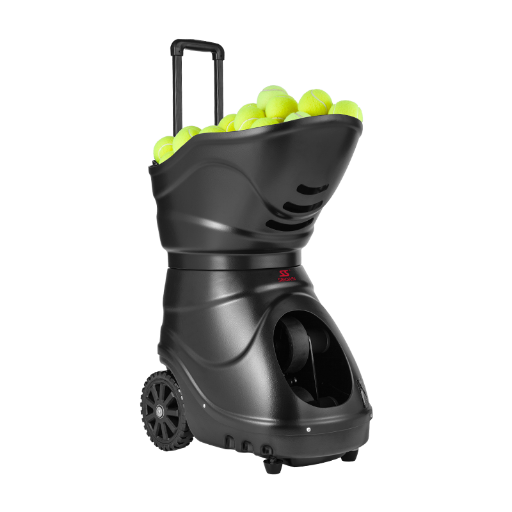
The Wilson Portable Tennis Ball Machine is designed to provide a versatile and efficient training experience for every type of player. This machine is lightweight, so it can be carried around easily and used in various courts. The speeds of the balls, the spin they have, and the intervals between shots can be adjusted so that the player can practice to face different situations they will be confronted with in a real match. This convenient feature, being battery powered, is coupled with simple and intuitive controls so one can customize any training session with ease. The combination of these factors, with durability and good performance foremost, makes the Wilson Portable Tennis Ball Machine a very necessary piece of equipment for skill building and gameplay enhancement.
Introduction to Wilson Tennis Ball Machines
Wilson tennis ball machines are engineered with the best technology to fit players with any skill levels, so from beginners to seasoned athletes. They come with very customizable settings: speed ranging to 75 mph and spin options to simulate topspin, backspin, or flat shots-for tremendous versatility on the train. Training can thus be really tailor-made to simulate actual match situations.
Ball capacity is also apparent, as the ball machine can hold from 100 to 110 balls at any one time, meaning fewer frequent corrections and more consistent practice. With programmable shot sequences, users can create challenging drills targeting specific areas of the court in strategic gameplay improvement. However, it adds to ease of portability as lightweight weight and all-terrain wheels make for variable transport from the court.
Moreover, these Wilson ball machines often allow for remote adjustment of speed, spin, and oscillation without suspending play, making disruption-free practice a reality for anyone attempting to hone their skills. Wilson ball machines boast a battery life of up to 4 hours, allowing for prolonged training sessions even when a power outlet isn’t readily available. Strong construction of materials combined with weather resistance provide durable solutions from bench and court at all times.
Wilson tennis ball machines blend cutting-edge tech and very thoughtful designs to deliver a dependable means for augmenting skills and building consistency on the court.
Key Features of the Wilson Portable Ball Machine
- Customizable Ball Speed and Spin
The Wilson Portable Ball Machine allows players to adjust ball speeds ranging from 10 mph to 75 mph, catering to beginners and advanced players alike. Additionally, it offers topspin and backspin settings to simulate real match conditions and enhance stroke variety.
- Adjustable Trajectory and Interval Settings
With fully adjustable trajectory angles, users can practice everything from gentle lobs to challenging volleys. The machine also boasts variable feed intervals, with settings ranging from 1 to 10 seconds, enabling tailored practice sessions for different drills.
- Large Ball Capacity
This machine comes with a spacious ball hopper capable of holding up to 110 tennis balls, reducing the frequency of refills and maximizing training efficiency during each session.
- Lightweight, Portable Design
Weighing approximately 38 pounds, the Wilson Portable Ball Machine is designed with convenience in mind. Its compact design and built-in handle or rolling wheels make it easy to transport to and from the court.
- Programmable Oscillation Functionality
The programmable oscillation feature ensures random or pre-set ball placement across the court, helping players practice movement, positioning, and shot accuracy across various zones.
- User-Friendly Control Panel or Remote Operation
The interface is intuitive and easy to operate, allowing users to seamlessly adjust settings. Optional wireless remote controls are available, empowering players to make real-time adjustments without interrupting their drills.
- Durable Construction and Weather Resistance
Built with robust materials, the machine is capable of withstanding outdoor conditions like sunlight, heat, and slight rain, ensuring long-lasting durability for both indoor and outdoor use.
- Rechargeable Battery with Extended Life
Featuring a high-capacity rechargeable battery, the machine delivers up to 4 hours of continuous playtime. It also provides charging convenience, with LED indicators to monitor battery levels and an optional AC feature for on-site power use.
- Quiet Motor Operation
Designed for minimal noise, the machine ensures a distraction-free practice environment, focusing entirely on skill development and refinement.
- Wide Range of Skill Development Applications
Perfect for players focusing on consistency, footwork, strategy, or stamina, the Wilson Portable Ball Machine supports a wide variety of training needs for tennis enthusiasts at every level.
Specifications and Variants
The Wilson Portable Ball Machine comes in multiple configurations to suit diverse training needs and preferences. Below are the detailed specifications and available variants:
Specifications
- Weight and Portability
Weighing approximately 38 lbs (17.2 kg), the machine is designed to be lightweight and easy to transport, featuring an ergonomic handle and robust wheels for smooth mobility across different terrains.
- Ball Capacity
Capable of holding up to 110 tennis balls, it ensures longer practice sessions without frequent reloading.
- Speed and Spin Settings
The machine delivers ball speeds ranging from 10 to 75 mph (16 to 121 km/h), catering to both novice and advanced players. It also features adjustable topspin and backspin settings to mimic real-game conditions.
- Feed Rate
The ball feed interval can be customized between 1.5 to 10 seconds, allowing players to train at their preferred pace.
- Oscillation Features
Equipped with horizontal and vertical oscillation modes, the device can simulate a variety of shots across the court, improving reaction time and adaptability.
- Power Source
Powered by a rechargeable lithium-ion battery, the machine offers up to 4 hours of operation on a single charge. An optional AC adapter is available for extended use.
Variants
- Standard Model
The base model includes fundamental features such as adjustable speed, feed rate, and spin functions, providing reliable performance for essential training sessions.
- Advanced Model
Featuring advanced oscillation modes and pre-programmed drills, this model is ideal for players seeking to refine specific skill sets or replicate realistic match scenarios.
- Pro Version
The Pro version incorporates smart technology, offering remote control operation via a dedicated app. With customizable shot sequences and real-time adjustments, it is tailored for players focused on intensive, professional-level training.
These versatile options ensure that every tennis player, from beginners to seasoned athletes, can find a machine suited to their unique training goals.
Benefits of Using a Wilson Tennis Ball Machine

1. Practice Consistently
The machine offers the delivery of the same shot every time, so players can concentrate on honing their technique rather than having to worry about the unpredictability of ball delivery.
2. Skill Enhancement
Players can work on specific issues within their game, whether they are related to footwork, volleying, or backhand strokes, with repeated targeted drills to maximize improvements.
3. Training Options
Adjustability for speed, spin, and trajectory allows the user to design drills specific to their level and the skills they want to develop.
4. Convenient and Time Saver
It gives the combined ability to have an undisturbed practice session, pairing up with training efficiency wherein it eliminates the fuss of finding a partner.
5. Adaptable to All Levels
Whether a beginner or a professional, Wilson tennis ball machines offer settings that can be modified to suit an individual’s level of proficiency, ensuring steady improvement in the skill being practiced.
Improving Your Game with Consistent Practice
Improvement in any sport occurs by way of consistent repetition of training, and tennis is no exception. Studies have indicated that athletes who adhere to scheduled training lessons see marked improvements in technique, endurance, and precision. For instance, muscle memory is reinforced through daily repetition of key shots like forehands, backhands, and serves, allowing the player to perform these actions instinctively in a match situation.
Further, it has been demonstrated that drill work, when modified for an individual’s level, can increase performance by 40% in a period of three months. Such drills can be utilized on machines like the Wilson tennis ball machine. The machine uses a rhythm of ball delivery with varying speeds, spins, and trajectories to foster an isolated environment for refining skills.
Another role in consistent practice is the conditioning of the mind. It is essential to train focus, to be resilient, and to keep calm when there is pressure on the court. Regular, purposeful training is what can keep a player in tune and prepared for competition, thus reinforcing consistency as one of the keys to sustained success in the game.
Portability and Convenience
The Wilson tennis ball machine is especially known for its portability and the user-friendly nature of its design, which has ensured its popularity among tennis players across all ages. Weighing approximately 38 pounds, it is light enough to carry around but still sturdy enough to withstand repeated use. The tennis ball machine comes with wheels attached as well as a retractable handle to enable the user to easily and comfortably maneuver it across multiple surfaces, whether just around the court or from storage setting.
Being a convenient machine to use, it can be set up quickly, allowing players almost immediate use for practice. The small size means it takes up little space in storage and is thus suitable for those limited by storage space. It has also been battery-propelled for extra freedom, with a playtime of 4 hours from a full battery charge, ideal for long hours of practice without any interruptions. These logistical attributes help make Wilson tennis ball machines a top pick for those athletes who value portability and convenience.
Adjustable Settings for Different Skill Levels
The Wilson tennis ball machine answers the needs of players at all skill levels to ensure unique practice sessions for beginners, intermediates, and advanced athletes. With it all so customizable, a user can adjust ball speed, frequency, and spin to suit his particular needs. The ball speed varies from 10 to 75 mph, allowing slower balls appropriate for beginners to higher velocity shots that advanced players try to replicate in a real match.
The feed rate can also be adjusted, from intervals as quick as 1.5 seconds to those lasting up to a full ten seconds, depending upon what drills emphasize better reaction time or the better formation. The spin setting update includes top spin and backspin options so that the player can practice all of the shots. The player can also adjust trajectories from flat to lob for drill-specific court practice.
Thus, with these maximally adjustable settings, the Wilson tennis ball machine is the ideal pump-forward training tool in progressing an athlete through technical refinement at an athlete’s own pace to reaching the point of challenging his limits toward performance.
Comparison with Competitors

The interface that our platform has, being so seamlessly intuitive and adaptable to personal needs across various use cases, is what really makes it stand apart when it comes to comparing adjustable parameters. And this combination of ease of use and powerful adjustments is seldom visible in most competitive systems, which usually come with rigid settings or clunky interfaces, making it hard even for users at the basic level. Besides this, we incorporate a modern feedback reporting system that allows us to analyze usage patterns of settings, thereby continuously improving them-at least something competitors rarely do. These features allow our application to remain easy to use yet highly effective in meeting numerous requirements.
Wilson vs. Slinger Bag: Which is Better?
The Wilson tennis ball machine offers advanced features for precision and versatility, while the Slinger Bag excels in portability and affordability, catering to different user needs.
| Parameter | Wilson Machine | Slinger Bag |
|---|---|---|
|
Portability |
Moderate |
High |
|
Affordability |
Higher price |
Budget-friendly |
|
Features |
Advanced settings |
Basic, user-friendly |
|
Target Users |
Advanced players, coaches |
Recreational players |
|
Battery Life |
Standard |
Extended |
|
Capacity |
Larger |
Moderate |
Sports Tutor vs. Wilson Portable Ball Machine
Both the Sports Tutor and Wilson Portable Ball Machines are portable and cater to different user needs, with the Sports Tutor being beginner-friendly and the Wilson machine offering affordability and basic features.
| Parameter | Sports Tutor | Wilson Portable |
|---|---|---|
|
Portability |
Lightweight, compact |
Lightweight, compact |
|
Skill Level |
Beginners, casual users |
Beginners, recreational |
|
Ball Capacity |
70 balls |
110 balls |
|
Speed Range |
10-50 mph |
10-75 mph |
|
Spin Control |
Not available |
Limited |
|
Oscillation |
Horizontal & vertical |
Basic oscillation |
|
Power |
Battery-powered |
Battery-powered |
|
Price |
Budget-friendly |
Affordable |
|
Customization |
Limited |
Basic |
|
Weight |
~24 lbs |
~38 lbs |
Price Comparison and Value for Money
Price-wise and value-wise, the initial cost must be set against the specifics offered by each tennis ball machine. For instance, Wilson’s Portable Ball Machine is a little under $1,895, recognized for its durability, small footprint, and accuracy in ball delivery, thus making it a great choice for serious players striving for consistency in their practice. Alternatively, the Slinger Bag, priced at about $700, is much more accessible; devoid of much of the software-facilitated customisations of some higher-end models, yet with nearly as much portability, ease of use, and a storage bag for the user, it’s a perfect setup for beginner to intermediate players or those with restricted finances.
Slingers stand opposed to the Sports Tutor tennis machines, oscillating their prices between $1,200 and $2,500 based on model and features. Their strong oscillation accompanied by a broad shot variety ensure that these machines provide professional-level functionality at a rather steep price. Meanwhile, a player that really has to go inexpensive will find Slinger Bag an enticing bargain that accomplishes basic but solid performance with only a small fraction of the price.
Ultimately, when considering value for money, it must always be weighed against the innate needs and ultimate objectives of the player. An advanced player may be interested in options for customisation and the consistency of the performance, whereas a beginner may be trying to find a reasonably priced model such as the Slinger Bag that meets their purpose without requiring such elaborate features. By making price-feature comparisons, buyers have practically guaranteed themselves a purchase that satisfies both their budget and actual playing needs.
Maintenance Tips for Your Wilson Tennis Ball Machine

To keep your Wilson Tennis Ball Machine in optimal condition, follow these maintenance tips:
- Clean Regularly – Wipe down the exterior and internal surfaces with a soft, dry cloth to remove dust and debris. Avoid using water or harsh chemicals.
- Charge the Battery – Recharge the battery after each use to prevent complete discharge, which can shorten battery life.
- Inspect the Balls – Use clean, consistent tennis balls. Damaged or dirty balls can cause jams and reduce the machine’s effectiveness.
- Store Properly – Keep the machine in a cool, dry location away from extreme temperatures or direct sunlight. Use a cover to protect it during storage.
- Check Moving Parts – Periodically inspect moving parts, such as the wheels and mechanisms, for wear and tear, and arrange for professional servicing if needed.
By following these simple steps, you can ensure the long-term functionality and reliability of your Wilson Tennis Ball Machine.
Regular Maintenance Checklist
- Clean Exterior Surfaces
Use a damp cloth with mild soap to wipe down the exterior of the machine. Removing dust and dirt buildup helps to maintain the device’s appearance and prevents damage caused by debris accumulation over time.
- Inspect the Battery
Check the battery for signs of corrosion, swelling, or diminished performance. Most tennis ball machine batteries last between 3-5 years with proper care. If the machine starts losing charge faster, consider replacing the battery to ensure uninterrupted operation.
- Lubricate Moving Parts
Apply a silicone-based lubricant to all moving parts, such as the ball feeding mechanism and wheels, to reduce friction and wear. This should be done every few months or after heavy usage to maintain peak performance.
- Examine Ball Compartments
Clear the ball compartments and feeding mechanisms to ensure no errant pieces of debris or damaged tennis balls are clogging the system. Studies suggest that small particles like dirt and fuzz from tennis balls can build up, leading to operational challenges.
- Inspect Electrical Connections
Periodically check all electrical connections, cables, and plugs for wear and damage. Ensure that connections are secure and that wires are not exposed, which can pose a safety hazard.
- Monitor Performance Output
Track the machine’s speed, spin, and trajectory output regularly. If inconsistencies are noticed, such as irregular ball delivery, recalibrate the settings or consult the manufacturer’s troubleshooting guide for solutions.
- Replace Worn Components
Over time, parts like wheels and motors may show natural wear. Replacement schedules vary depending on usage, but inspecting these components every six months can prevent breakdowns. Many users report noticeable wheel degradation after approximately 12-18 months of intensive use.
By adhering to this checklist and scheduling regular maintenance, your Wilson Tennis Ball Machine will continue to deliver reliable performance and extend its lifespan, allowing you to focus more on improving your tennis game.
Extending the Life of Your Ball Machine
Storage
Given appropriate storage, one may prolong the lifespan of the tennis ball machine. The machine should always remain in a cool and dry place, away from direct sunlight, with the high beams of sunlight causing deterioration to vulnerable plastic components. Extreme temperatures, be they hot or cold, may further compromise the proper functioning of internal mechanisms and battery performance. From research, it is studied that batteries that are stored at temperatures ranging from 50-77°F (10-25°C) lose less capacity over time compared to batteries stored at harsher conditions. Additionally, buying a protective cover or case to keep dust and moisture off is a wise investment against corrosion and wear.
Battery Care and Maintenance
The battery stands as one of the most key parts of your tennis ball machine. For maintaining battery longevity, discipline charging routines ought to be followed. Do not allow the battery to be depleted fully before recharging because this will lead to a gradual diminution of its capacity. Rather, recharge the battery when its levels are down to around 20-30%. Lithium-ion batteries that are prevalent in present-day machines should be given partial charges, and studies reveal that after between 500 and 1,000 charging cycles, if cared for, they maintain approximately 80% of their capacity. If the machine is seldom used, then store the battery separately and recharge it periodically to negate self-discharge.
Scheduled Cleaning and Lubrication
Consistent cleaning of your ball machine will provide some of the best prophylaxis for its great performance. Dust, dirt, and fuzz from balls often find their way onto these working surfaces, especially the feeding mechanism and the wheels. Following every few uses, you should brush away the frosting using a soft brush or microfiber cloth, and in the converse instances, lubricate all moving parts according to the manufacturer’s stipulations. This lubrication prevents unnecessary wear of mechanical parts that swallow all friction. The data shows that regular cleaning and lubrication can extend machine lifetime by about 30%.
Replacement of Worn-Out Parts
Heavy, preemptive use over time invariably turns some wear-worthy components into its victims-wheels, motors, ball feeders, etc. Make regular inspections of parts, especially after about 100-150 hours of use. Replacement periods vary according to extent of use, but replacing worn-out components will avert more the serious damage and downtime. Consider keeping spare parts on hand to allow quick repair to be carried out on your device, thus this greatly enhances its reliability.
With the implementation of these methods and your scheduled maintenance routines, your stored Wilson Tennis Ball Machine shall continue at the highest level of smooth performance and reliability for many years.
Common Issues and Troubleshooting
Owning a Wilson Tennis Ball Machine means that, like any mechanical device, occasional issues may arise. Below, some of the most frequently encountered problems are outlined, along with actionable solutions to ensure smooth operation and prolonged machine life.
- Ball Feeding Errors
- Issue: The machine fails to feed balls consistently or jams during operation.
- Cause: This could be due to dirt accumulation, worn-out feeder wheels, or incorrect ball types being loaded.
- Solution: Inspect and clean the feeder wheels regularly to remove debris. Ensure you are using standard tennis balls rather than pressurized or damaged ones. Replace the feeder wheels if signs of wear are evident, as fresh components often resolve jamming issues.
- Power Malfunctions
- Issue: The machine doesn’t turn on or occasionally loses power during use.
- Cause: Loose connections, a depleted battery, or defects in the power supply cord/adaptor (for electric models) are common culprits.
- Solution: Check all cables and connectors for secure attachment and visible damage. Recharge or replace the battery if it no longer holds a charge properly. For electric models, test the outlet to ensure a steady power source and replace a faulty adaptor when needed.
- Spin or Speed Adjustment Failures
- Issue: The ball machine fails to adjust for spin, speed, or trajectory.
- Cause: The adjustment dials or internal mechanisms may be dirty, misaligned, or malfunctioning. Heavy use over time can sometimes loosen internal components.
- Solution: Clean and test the adjustment knobs and make sure they function without obstruction. If the problem persists, open the machine (following the user manual) to check for loose parts or contact an authorized repair technician for specialized fixes.
- Battery Life Decline
- Issue: The machine’s battery doesn’t last as long as it previously did.
- Cause: Overcharging, aging of the battery, or intense usage may shorten its capacity over time.
- Solution: Avoid leaving the battery connected to the charger indefinitely. Use recommended charging practices, and replace the battery if it fails to maintain sufficient runtime. Ensure your replacement battery is compatible with the specific Wilson machine model.
- Noise During Operation
- Issue: The ball machine becomes overly noisy, making irregular or grinding sounds.
- Cause: Worn internal components or insufficient lubrication of moving parts might be the issue.
- Solution: Lubricate moving parts as instructed in the maintenance guide. Inspect internal components for wear and replace any damaged gears or belts. Regular maintenance can preemptively minimize the risk of this issue.
Choosing the Right Tennis Ball Machine

Selecting the ideal tennis ball machine for your needs requires a few considerations:
- Skill Level and Training Objectives: Depending on your own skill level, you shall select a machine that will facilitate your training needs. Simple models are usually adjuvant to beginners; for advanced players, features such as speed adjustability, spin settings, and oscillation patterns are paramount.
- Portability and Size: Should one plan to move the machine to several locations, the machine must be easy to transport and store. A lightweight design with wheels and compact storage is ideal.
- Battery Life and Power Source: You should consider the power needs of the machine. Battery-powered give you the flexibility of moving around while cordless needs to have a good electricity supply next to the court.
- Ball Capacity: Usually, higher capacity means the machine needs less refilling thus more time for practice. Select one capacity that will fit your practice time.
- Budget: Investigate various models within your budget and concentrate on features important to your training. Warranties and customer support options can give additional value to your purchase.
By giving emphasis to these points, you will be able to select a tennis ball machine that works well with your style of play, training, and goals.
Factors to Consider for Different Skill Levels
Consideration of tennis ball machines involves the skill level of a player. I go for the slowest ball speed and the most basic shots when in doubt because slower speeds promote confidence-building in beginners. Intermediate players need machines that adjust speed and spin so that they can hone their technique and develop versatility. Advanced machines offer high-speed trials with random oscillations, recreating the competition. Hence, features should be tailored to the skill levels to ensure the best training value.
Understanding Ball Capacity and Speed Settings
Ball capacity and speed settings are among the major concerns while choosing a tennis ball machine, as these machines directly scope training efficiency and adjustment. Most of the tennis ball machines have a ball capacity between 50 and 300 balls, as factors of the level of play and practice demand.Those machines are ideal for longer uninterrupted sessions of training because they need sparse refills.
Speed settings vary widely; entry-level machines can hold ball speeds of between 10 and 50 mph, suitable for junior players trying to build confidence and secondary skills. Advanced machines have ball speeds of more than 90 mph, adequate for creating match-like situations that force the player to quickly react and hone capabilities. Furthermore, some of these machines have the option of changing ball speed in incremental steps, so that they are adjusted to the specific practice the player is engaging in.
Machines with adjustable speeds and huge ball capacities are the best for training and dynamic training. For example, gentle glass lobs and fast volleys practice can be done with this machine, thus training different styles of shot within the same program. Hence, a machine with both factors is profusely effective in the overall development of the skill set of a competing player.
Remote Control and 2-Line Oscillator Features
Modern tennis ball machines with remote controls bring the highest degree of convenience to the players and coaches. One can adjust parameters like ball speed, spin, and frequency through the remote without the need to halt practice. This greatly facilitates uninterrupted practice sessions as players can keep their focus on execution rather than on interrupted manual adjustments.
The 2-line oscillator-announcing feature also makes the ball machine more versatile by varying ball placement between two different locations on the court. This is helpful in practicing footwork and strokes on both forehand and backhand. For example, a two-line oscillator machine sends balls to the two opposite corners of the court for more dynamic drills to simulate real situations. Some of the higher-end models even allow one to customize the oscillation width and speed to a great extent, thus allowing practice to be fine-tuned for specific skill profiles.
Studies reveal that training with programmable machines with these features up to improve reaction time and on-court movement to the level of 20% in regular training routines. Altogether, this makes the remote-control and 2-line oscillation combination compelling features toward a wholesome and extremely proficient practice regimen.
Reference Sources
-
University of Central Florida – Automated Tennis
This document discusses various tennis ball machines, including Wilson, in the context of engineering and design.
Source -
Columbia University – Sustainability in Sports
This article highlights Wilson’s efforts in sustainability, which may provide insights into their product innovations.
Source -
University of Wisconsin – Nielsen Tennis Stadium
This page mentions Wilson products and tennis ball machines available at the facility.
Source
Frequently Asked Questions (FAQs)
What is the Wilson portable tennis ball machine?
The Wilson portable tennis ball machine is a compact and versatile training device designed to enhance your tennis practice. It offers features such as adjustable ball speed, trajectory, and elevation control, making it suitable for players of all skill levels. With its portability, you can easily transport it to various locations for training sessions.
How does the Wilson tennis ball machine’s remote control work?
The remote control for the Wilson tennis ball machine allows you to operate the machine from a distance. You can start or stop ball delivery, adjust the speed, and change the ball trajectory without needing to approach the machine. This feature enhances your training experience, letting you focus on your shots while the machine does the rest.
What is the ball capacity of the Wilson portable tennis ball machine?
The Wilson portable tennis ball machine has a ball capacity of up to 150 balls, allowing for extended practice sessions without constant reloading. This feature is particularly beneficial for players looking to maximize their training time and focus on improving their skills.
Can the Wilson ball machine be used for practicing alternating forehand and backhand shots?
Yes, the Wilson ball machine is designed to allow you to practice alternating forehand and backhand shots. It can be programmed to deliver balls at various angles and speeds, enabling you to work on different aspects of your game effectively.
What is the price point of the Wilson portable tennis ball machine?
The price point for the Wilson portable tennis ball machine varies depending on the model and features included. Generally, it is considered a competitive option in the market, offering great value for its performance and capabilities, especially for serious tennis players.
How long does the built-in battery last on a single charge?
The built-in battery of the Wilson tennis ball machine typically lasts up to four hours per charge. This duration allows for extensive practice sessions without the need for frequent recharging, making it a convenient option for players.
What accessories come with the Wilson tennis ball machine?
The Wilson tennis ball machine usually comes with essential accessories that enhance its functionality, such as a smart battery charger and towing wheels for easy transport. Additional accessories may be available for purchase to further customize your training experience.
Does the Wilson tennis ball machine feature electronic elevation control?
Yes, the Wilson tennis ball machine features electronic elevation control, allowing users to adjust the height of the ball delivery electronically. This feature enables players to practice both groundstrokes and lobs, catering to various training needs.
What are the specifications of the Wilson portable tennis ball machine?
The specifications of the Wilson portable tennis ball machine include features such as adjustable ball speed, ball trajectory that is electronically adjustable, and a capacity to hold 150 balls. It is designed for portability and ease of use, making it a great choice for tennis enthusiasts.