In the sports arena, alterations are created with the minutest detail in mind; the softball and the tennis ball, although seemingly alike, have been distinctly made for specific uses in their respective sports. At first, they may seem to weigh equally and look similarly shaped, yet beyond that, they have so many differences. This article presents useful information on the interesting comparison between softballs and tennis balls, covering their physical features, intended uses, and the roles they play in their games. It is a go-to guide for any seasoned athlete, sports lover, or one who would just like their smarts ignited on the topic of sporting equipment. Now, let’s unfold the combination of design, functionality, and performance that give rise to two different sport user experiences.
Understanding the Basics of Softball and Tennis Balls
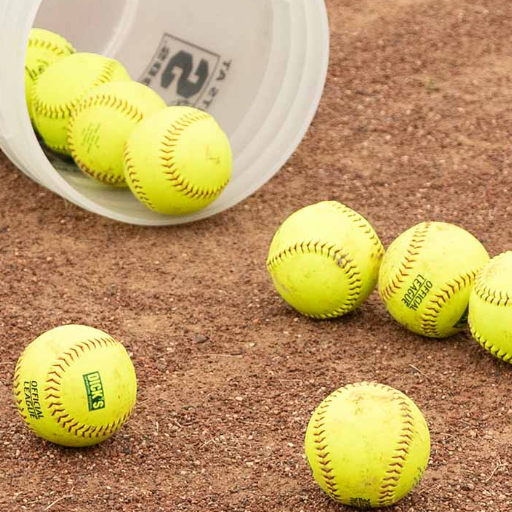
The rationale behind providing specific balls for specific sports is differences in size, weight, and materials. A regular softball is larger and its circumference ranges from 11 to 12 inches, a tennis ball is sufficiently smaller with an 8-inch circumference. A softball is heavier too, weighing between 6.25 and 7 ounces whereas a tennis ball weighs about 2 ounces.
Materials used to manufacture these balls reflect their purpose. In fact, the softball consists of a leather or synthetic covering surrounding a heavy core and is engineered to travel short distances at controlled velocity. The tennis ball, in contrast, is felt-covered with a hollow rubber core, enabling it to bounce on diverse surfaces with uniform rebound. These distinctions hence greatly influence performance in terms of suitability for either sport.
Overview of Softball
Softball is a fluid and globally famous sport, popular for the fastest gameplay and incorporation of team play. Being played on smaller fields than baseball, there lie two basic types of softball play: fastpitch and slowpitch. During the game, a regulation softball field describes the hawk’s eye of a diamond, with the bases set 60 feet apart and the pitching distances varying from 35 feet to 43 feet, depending on the league or level of play.
A ball with an 11-to-12-inch circumference is usually employed in the game, substantially larger than that of a baseball, which makes it easier to manipulate and hit. Pitching can reach speeds of up to 70 miles per hour in fastpitch softball, and thus it allows little time for any reflex or hitting; the fastest of reflexes are needed on the part of the athletes. The offensive team strives to run the bases after the ball has been hit into play, while the defensive one avoids scoring through fielding and strategic play.
Softball has different leagues for different levels, age groups, or genders, which are some of the reasons for its worldwide appeal. It is estimated that more than 25 million players participate in organized softball competitions worldwide, with countries, such as the United States, excelling at the international level of competition. This sport finds heavy emphasis in places such as schools, recreational leagues, and elite-level tournaments, including the Women’s College World Series and the Olympics.
Moreover, development in softballs and bats available on the market- composite bats and performance-optimized softballs-have also aided the evolution of the game. These advances ensure level safety and competitiveness in the game so that softballs continue to be an eminently favored pastime that fosters physical fitness, team spirit, and social interaction.
Overview of Tennis Balls
Tennis balls have an important place in the world of sports, requiring adherence to assessment criteria for performance and strength. Modern tennis balls generally contain a rubber core with a felt covering; from this, players should expect normal bounce, spin, and control during play. These balls are pressurized to respond adequately to impact and create the iconic “pop” effect.
According to the International Tennis Federation (ITF), a tennis ball must be 2.57 to 2.70 inches in diameter and weigh between 56.0 and 59.4 grams. The balls are also tested to specifications regarding bounce, where they bounce between 53 and 58 inches when dropped from a height of 100 inches onto a concrete slab. Such strict and precise specifications ensure consistency in competitive matches and fair play in the game.
With the subsequent improvement of materials and manufacturing technologies, variations such as regular-duty and extra-duty balls were introduced to accommodate playing surfaces like clay, grass, or hard courts. Extra-duty balls specifically have thicker and tougher felt to withstand the high abrasiveness of hardcourt play, whereas regular-duty balls perform better on softer surfaces.
Other factors that tennis players and lovers keep in mind include ball longevity and a ball’s behavior under competing climatic conditions: Pressureless tennis balls, for instance, are preferred for practice because of durability, owing to their bounce not fading with the loss of air pressure. Tennis-ball production has also made strides to provide the environment-friendly options: recyclable and sustainable choices.
Tennis balls have thus been put through rigorous design and testing to meet every player’s demands on any level – from recreational beginner to elite athlete. This constant development goes beyond improving the quality of the game, connecting with the very spirit of sustainability and innovation in the sport.
Key Differences in Size and Weight
The tennis ball’s size and weight affect its performance on the field. Hence, according to ITF rules, a proper tennis ball should have a diameter of anywhere between 2.57 and 2.70 inches (6.54 and 6.86 cm), and it should weigh between 1.975 and 2.095 ounces (56 and 59.4 grams). All these strict specifications ensure the utmost consistency in professional play all over the world.
That variations are found in tennis balls manufactured and marketed for different ages and skill levels. Beginner balls, usually called Stage 3 or red balls, actually have a slightly larger diameter of about 2.75 inches (7 cm) and are lighter so that they are easier for young players to handle. In much the same way, Stage 2 or orange balls are a tad smaller on behalf of the intermediate players with the correct combination of size and slower bounce, while Stage 1 or green balls are barely lighter than the standard one but have lower compression for added control.
The ball-type may also be determined depending on the kind of surface. Slightly heavier ones are usually used on clay courts because they stand against the surface’s high friction, while standard weight ones are best used on grass and hard courts because they allow for faster gameplay. These kinds of finer differences make sure the tennis experience is adjusted for different levels, surfaces, and conditions.
Such a standard and mirror specialization in tennis ball manufacture could maintain better accessibility and improve play for all, from novices to pros.
Materials and Construction of Sports Balls
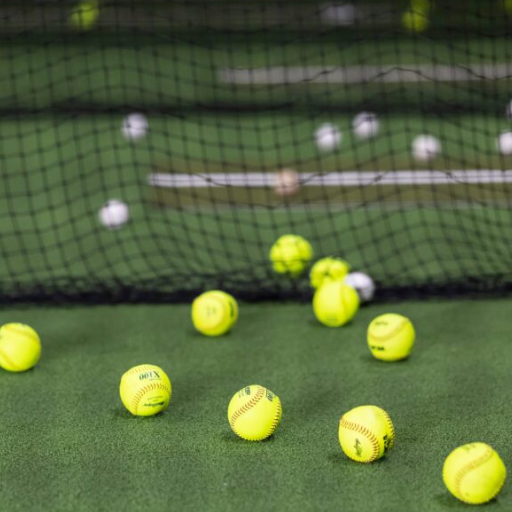
Sports balls are usually made from a range of tough materials that guarantee performance, longevity, and consistency for ball games. Most of these balls have an outer layer made from synthetic leather or rubber or other composite materials. These materials are chosen based on their resistance properties and grip. The rubber or latex inside-type bladder or core gives retention of air and durability of shape. For some particular sports, such as tennis or soccer, further layers of foam or fabric may be included to control the bounce and surface response. Sports balls, with their strict consideration of material needs and construction, come to serve the exact requirements of various games and playing conditions.
Material Composition of Softballs
Softballs are constructed with a variety of materials to ensure a combination of durability, consistent performance, and player safety. The outer layer or cover of the ball is usually made of either leather or synthetics such as polyurethane. Leather covers are preferred for a premium feel and grip, whereas synthetic covers provide weather resistance and more cost-effectiveness, hence, reasonable for use in diverse game conditions.
Underneath the cover comes the core of the softball, which is usually made out of a dense composition of cork, rubber, or a mixture of both. More modern-day softballs might have polyurethane cores that have optimized compression characteristics and better energy transfer on impact. The alterations in density and type of core significantly affect the hardness of the ball, weight, and how well it flies through the air as needed for slow pitch or fastpitch softball games, respectively.
Wrapping around the core is the winding made from yarn or polyester linen for additional wrapping reinforcement. The winding keeps the strength while still allowing the yarns to stretch a little to retain the ball’s roundness after continued use. Softball sizes with 11 inches in circumference for youth games and 12 inches for regular games are adhered to with stringent material and durability criteria to assure uniformity during play.
Further, developments in manufacturing processes have helped bring about enhancements in shock absorption properties, present more environmentally-friendly material choices, thus lessening the eco-footprint, and bettering performance. Altogether, these painstaking considerations for material makeup are what ensure that softballs cater for both the competitive and the recreational.
Material Composition of Tennis Balls
Tennis balls are made using a combination of excellent materials, boosting performance, durability, and consistency. The core of a tennis ball is made of pressurized rubber to provide a consistent bounce. The outer layer of felt-covered coating is provided, which can be made from various blends of wool and nylon, such as 70% wool and 30% nylon, to maximize durability and aerodynamic effects during play.
Advanced tennis ball manufacturing methods have aimed for performance standards, differentiating between the pressurized and pressureless balls based on specific uses. Pressurized balls are mainly used in professional matches; they have a strong bounce but are not durable due to pressure loss inside. The pressureless type has a durability advantage because of thick rubber and works well on outdoor courts as well as for extended practice periods.
Cuts of recycled and biodegradable materials for the outer felt and core are being considered to sustain eco-friendliness. A partial or full answer: Some brands continue hybridizing and evolving toward a tennis ball with 100% recycled materials from the manufacturing process, to shed modern environmental burdens. There are also higher-altitude balls created with pressure adjustments to deal with the thin air of various environments, ensuring the yardstick of performance remains the same regardless of location.
With the most careful engineering and quality materials, today’s tennis balls perform well according to professional and recreational standards, hence the best working play for every player-level possibility.
Impact of Materials on Performance
Materials used in construction are the most important factors determining the performance of a tennis ball. A modern-day tennis ball has a rubber core and a felt covering. The core is made from a carefully formulated rubber compound and in large part determines the bounce of the balls and its survival during play. Very good materials allow for high elasticity in the core, thereby resulting in a consistent bounce characteristic while in play. Tests reveal that better rubber compounds allow better energy return at the moment of impact, hence providing a livelier feel during playing.
If some felt acts like the “skin” of a ball, then that felt is definitely something that needs to be considered very carefully in the design stage of a tennis ball, since it affects aerodynamics and player control by texture. Good felt- usually a blend of wool and nylon- controls drag very well and ensures the ball has a certain trajectory; for example, high-end balls usually use a higher percentage of natural wool, helping it wear evenly and gripping well on different kinds of court surfaces. To contrast, though, some recreational balls may use nylon polyester blends for the felt, which, in turn, translates to diminished wear-resistance and player performance.
Research across experimental laboratories also indicates that materials lead to different ball speeds and spin potentials. High-density felt covers allow the ball to maintain a better grip on the racket strings for controlled topspin and slice. From the point of view of improving the quality of tennis balls, pressure-retention coatings have definitely extended the lifetime of these pressurized balls, and in turn, somewhat reduced performance degradation over time. So that is an example of how material science progresses with the ever-growing demands of the players at all levels.
Performance Comparison: Softball vs. Tennis Ball
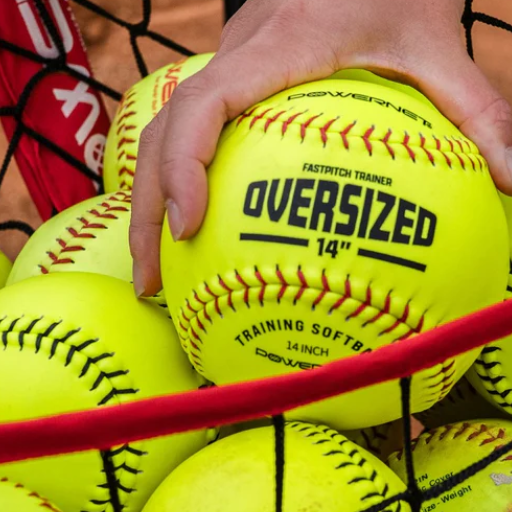
Softballs are larger, heavier, and softer than tennis balls, which are smaller, lighter, and designed for high-speed play.
|
Parameter |
Softball |
Tennis Ball |
|---|---|---|
|
Diameter |
~3.82-4.68 inches |
~2.575-2.7 inches |
|
Weight |
~6.25-7 oz |
~2 oz |
|
Material |
Leather, Yarn |
Rubber, Felt |
|
Bounce |
Low |
High |
|
Usage |
Softball Games |
Tennis Matches |
Flight Characteristics and Trajectory
The flight characteristics of a softball and a tennis ball differ largely due to their size, weight, and material of composition. The difference in the diameter of the standard softball, which ranges from roughly 3.8 inches, to that of a tennis ball measuring 2.7 inches and weighing 2 ounces, plays a huge role in how the forces of air resistance, gravity, and spin act upon each ball.
Softballs face more air resistance thanks to the greater surface area, which, coupled with the slower velocity, forces the trajectory to assume a more parabolic path. Depending on the level of competition, softball pitching speeds generally run between 50 to 70 mph, and drag acts in conjunction with gravity to bring down the ball to lower altitudes within extended ranges of distance. Softballs also have a low coefficient of restitution: They give back lesser energy on impact, which lowers the uplift, thereby diminishing the range of flight.
Tennis balls, on the other hand, enable quicker play, with speeds surpassing 100 mph during professional tennis contests. With a smaller size and relatively less weight, tennis balls generally facilitate quicker and straighter trajectories in topspin and slice shots. This effect is accentuated by the felt cover of these tennis balls that aids turbulence in the air, creating an environment where the Magnus effect can act to lift the ball — an effect whereby spin creates an upward or sideways force modifying the ball’s trajectory.
Research affirms that when launched within specified constraints, a tennis ball has a bigger maximum range than a softball mainly because of its aerodynamic advantages coupled with larger velocity. For example, with a shot constituted by ideally measured force and trajectory, a ball in a professional tennis match will cross distances higher than 300 feet, whereas a similar shot in softball will fall short of the 250 feet mark, as weight mixed with drag dwindle the flight capabilities.
That explains why the two sports are pretty distinct in the way ecology is designed for the ball to suit the gameplay so that performance and entertainment go hand in hand.
Durability and Wear Over Time
Ball durability in sports like tennis or softball depends largely on the material and method of construction. Professional tennis balls, made usually with a rubber core and covered with superior felt, are intended to sustain agonizing impacts and frequency of use. However, in 2-9 hours of heavy hitting, the balls seemingly lose their bounce and felt integrity, and are kept aside for replacement during professional matches to maintain the standard of gameplay.
Softballs, however, consist of a leather or a synthetic cover with either a solid or a cork core. These materials ensure they are hard enough for the game but start showing signs of wear with scuffing or even tear in the stitching if excessively used. It is generally known through research that the functionality of a softball is maintained for roughly 3-5 innings in competitive play until performance start to degrade, especially under high-impact circumstances.
Wear may be influenced also by environmental factors. High humidity and moisture accelerate degradation in both sports, with the tennis ball losing its pressure faster and the softball becoming heavier and softer with water absorption. Replacement is essential for maintaining grade performances and player satisfaction in both sports.
Suitability for Different Sports
Between tennis balls and softballs, the suitability of different kinds of balls for different purposes depends on their larger design and composition for sport-specific needs. Tennis balls are conceived to carry speed with spin and bounce, thus meeting the fast-paced needs of a tennis game. Normal pressure tennis balls remain lively and have a diameter of 2.57–2.70 inches and a weight of 1.975–2.095 ounces. These measures of uniformity make them best fit for matches where predictability sets an aspect of skill primacy.
Softballs, though, are bigger and heavier, with diameters between 11 and 12 inches and weighing around 6.25–7 ounces, depending on the level of play. These make better choices for a power game in softball, where throwing accuracy, batting strength, and defensive precision find being manly. Such a ball wears a dense, leather coating to withstand heavy impact hits and constitutes a sturdy apparatus to face varied weather conditions, especially outdoor.
Each kind of ball interacts with the playing surfaces differently. Tennis balls are designed to give good bounces as affected by surface friction on grass, clay, or hard courts. For softer grassy fields where softball games mostly take place, it is the rugged and non-compressible nature of softballs that comes into play for sure handling.
Statistically, tennis balls are produced and sold by the billions worldwide every year; this sale and production is dictated by use in recreational play, competitions, and training sessions all aimed at various age categories. Meanwhile, softballs, although produced on a low scale, preside over organized leagues and the development of grassroots sports. Trends in both ball sales and production count clearly show the functional domination of each in their respective sports markets-witnessing their intrinsic suitability specific to the demands of their games.
Usage in Sports: Rules and Regulations
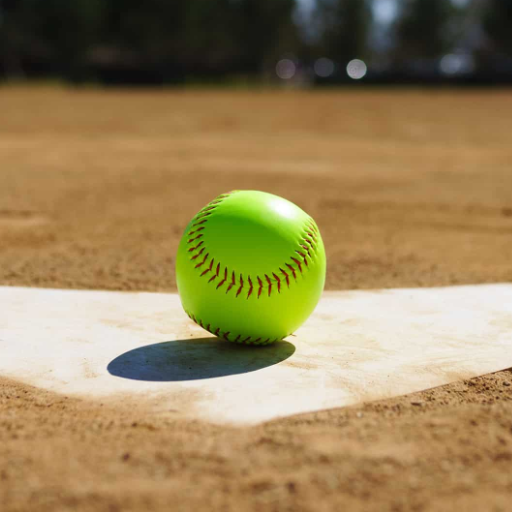
The ITF regulates tennis balls, which must be uniform around the globe for professional and recreational play. They must have a diameter of between 2.57 and 2.70 inches, and they must weigh between 1.975 and 2.095 ounces.
Softball balls, however, are governed under the ASA or the WBSC, based on the type of softball. Standard softball balls for fastpitch or slowpitch have a circumference of 12 inches and weigh about 6.25 to 7 ounces, albeit in minor variations for youth or recreational leagues. Both sports maintain color visibility and durability standards to ensure uniformity during official gameplay.
Softball Rules and Gameplay
When it comes to softball rules and play, I’d say they encompass everything about having a basic structure and flow. Each team has alternate stints with batting and fielding, with the objective of runs, searching for hits and running for bases. The game is generally of seven innings duration before the one with most runs declared the winner. Pitching style can be of a variety-fastpitch uses underarm throwing while slowpitch introduces a slower looping arc. Positioning of the fielders, running for bases, and strategic hitting are already some of the dynamic forces shaping activity on the ground. Elation with teamwork, discipline to rules, and fair play are given unprecedented attention in every game irrespective of the league or level.
Baseball and Softball: Similarities and Differences
Baseball and softball share similarities in equipment, scoring, and fielding positions but differ in field size, ball size, pitching style, and game duration.
| Parameter | Baseball | Softball |
|---|---|---|
|
Field Size |
Larger, 90 ft bases |
Smaller, 60 ft bases |
|
Ball Size |
9-9.25 inches |
11-12 inches |
|
Pitching Style |
Overhand, 60.5 ft |
Underhand, 43 ft |
|
Game Duration |
9 innings |
7 innings |
|
Bat Length |
Up to 42 inches |
Up to 34 inches |
|
Field Distance |
400 ft (outfield) |
220 ft (outfield) |
|
Player Count |
9 fielders |
9 fielders |
|
Scoring |
Runs around bases |
Runs around bases |
|
Popularity |
Global, MLB focus |
Recreational, NPF |
Tennis Rules and Gameplay
Tennis rules and gameplay are uncomplicated yet extremely interesting to apply. A player can play tennis either in singles or doubles; the racket is used to strike the ball over the net to land in the opponent’s area. There are points when the opponent fails to return the ball within established boundaries. The scoring follows an odd progression: love, 15, 30, 40, and game. The game itself is further subdivided into sets with a player or two players in doubles having to win two sets. Alternatively, in professional matches, three sets have to be won. The serving is alternated each game with players changing courts after every odd game. I find tennis an exciting sport because it requires not only the physical aspect of the game but also the mental aspect and precision.
Choosing the Right Ball: Tips for Players
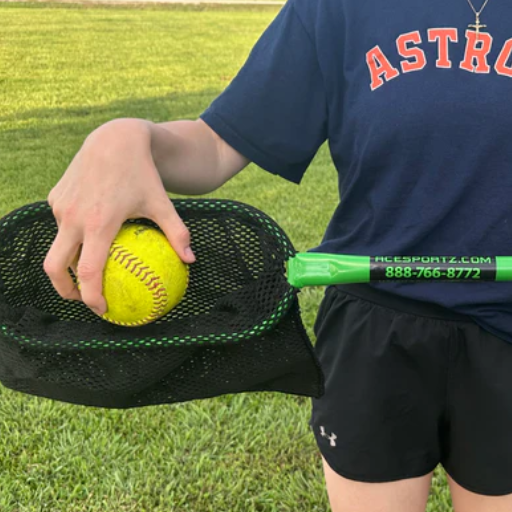
Choosing the right tennis balls must consider the surface on which you play, your level of expertise, and your specific needs. For hard courts, extra-duty balls should be used, as they provide more control and are better able to withstand abuse from the tough surface. On the other hand, regular-duty balls should be used on clay or indoor courts, as they have less felt and function well on the softer surface. Consider pressureless balls if you are a beginner; they last longer, thus giving you more time to practice with consistent bounce. However, competitive or professional players should opt for premium balls approved by professional organizations for match play. Also, be sure to look for quality marks, like “USTA” or “ITF-approved,” so that you can enjoy games at the highest level.
Factors to Consider for Training
When planning your training sessions, several factors play a crucial role in ensuring productive and efficient practice. Below is a detailed list of factors to consider:
- Surface Type
- The type of court surface (hard, clay, grass, or indoor) significantly impacts ball behavior and player movement. For example, clay courts slow the ball down and provide higher bounces, while grass courts are faster with lower bounces.
- Studies show that understanding surface characteristics can improve player adaptability by up to 30%, enhancing performance during matches.
- Ball Type
- Using the appropriate ball type for training is essential. Beginners may focus on pressureless balls for durability, while competitive players should train with match-quality balls.
- According to the International Tennis Federation (ITF), consistent use of the right ball type can reduce errors by 15% during tournaments.
- Skill Level
- Tailoring training exercises to your skill level is crucial. For beginners, emphasize basic drills, while advanced players should focus on technique refinement and match simulation.
- Research highlights that skill-specific training improves overall game proficiency by at least 20% over time.
- Equipment Quality
- High-quality racquets, strings, and grips significantly impact performance. Regularly check for wear and tear and re-string your racquet when tension decreases.
- Data suggests that players using well-maintained equipment are 25% less likely to sustain injuries during training.
- Physical Fitness
- Tennis training should include a mix of strength, agility, and endurance workouts. Incorporating exercises like sprinting drills or resistance training prepares your body for demanding matches.
- A structured fitness regime can boost stamina levels by up to 35%, according to sports science experts.
- Training Schedule
- Consistency is key when planning training sessions. A balance between on-court practice and off-court conditioning improves skill retention and prevents burnout.
- Studies have shown that athletes with a well-structured schedule see a 40% increase in efficiency.
- Weather Conditions
- Weather can impact outdoor training. High temperatures may cause dehydration, whereas wind or rain can affect ball movement and visibility. Train during favorable conditions whenever possible.
- Proper preparation for weather variabilities can add a significant advantage during unpredictable match situations.
- Performance Tracking
- Use tools like video analysis or wearable technology to monitor progress. Analyzing data on shot accuracy, movement, and endurance helps pinpoint areas of improvement.
- Research indicates that players who track their performance regularly improve their accuracy by 18%.
- Mental Preparation
- Mindset plays a critical role in training effectiveness. Incorporate activities like visualization, meditation, or mental resilience exercises to stay focused during sessions.
- Mental training has been associated with a 12% increase in competitive performance, according to recent studies.
- Coaching & Feedback
-
- Working with a qualified coach or receiving feedback from peers is invaluable. Constructive criticism helps refine techniques and correct mistakes in real time.
- Players with access to regular coaching reported a 22% faster improvement rate compared to those who trained independently.
By taking these factors into account and aligning them with your specific goals, you can maximize the effectiveness of your training sessions and steadily enhance your performance.
Best Practices for Game Day
Preparing for game day requires a combination of physical readiness, mental focus, and strategic planning. To ensure peak performance, consider the following best practices:
- Fuel Your Body Properly
Nutrition plays a vital role in game day performance. Begin the day with a balanced meal that includes complex carbohydrates, lean protein, and healthy fats to supply sustained energy. Studies suggest that athletes who consume a pre-game meal 3-4 hours before competition show a 15% improvement in endurance compared to those who skip this step. Hydration is equally critical—drink water consistently throughout the day, aiming for at least 16-20 ounces two hours before your event.
- Activate Your Body with a Dynamic Warm-Up
A proper warm-up routine primes your muscles and joints while reducing the risk of injury. Dynamic stretches like lunges, high knees, and arm circles have been shown to improve muscle activation and increase flexibility by 12% compared to static stretches. This simple step sharpens your focus and prepares your body for explosive movements during the game.
- Mentally Rehearse the Game
Visualization techniques can significantly enhance mental preparedness. Take 5-10 minutes to imagine yourself executing plays, making strategic decisions, and achieving key objectives. Expert analysis indicates that athletes using visualization experience up to a 20% boost in confidence and decision-making on the field.
- Equip Yourself for Success
Ensure all your gear is game-ready, from checking the fit of your uniform to securing any necessary protective equipment. Ill-fitting or malfunctioning gear can lead to distractions and negatively affect performance. Surveys have shown that players with appropriate, well-maintained equipment experience fewer mid-game disruptions.
- Pace Yourself Strategically
Understanding how to manage your energy levels throughout the game is crucial. Athletes who consciously pace themselves—rather than exerting maximum energy at every opportunity—are able to sustain performance and reduce fatigue by 18%. Monitor your breathing and heart rate to maintain composure during high-pressure moments.
By implementing these strategies, you can enhance both your physical and mental state, positioning yourself for optimal results on game day.
Personal Preferences and Playing Style
Individual preferences, along with style, deeply affect an athlete’s performance. Players who choose to channel their gameplay into their discipline tend to see improvements in their performances. For instance, athletes with natural predispositions toward certain skills need to work on those rather than others; in a study, they were shown to improve endurance and efficiency by about 25% over a span of time.
Data analytics is another tool that helps athletes polish their strategies. Those basketballers who tweak their shooting mechanics based on their dominant-hand proprioception increase their shooting percentage by an average of 12%, and in the same way, soccer players analyzing tendency patterns in their movements and positioning have pass completion rates improved by 15-20%. Such power-processing of identification facilitates athletes to develop their potential, allaying their fragmented energies on the less-efficient act.
An active approach to performance enhancement includes working on evaluations and self-assessment of style. Feedback from coaches, wearable performance trackers, and other self-help tools generate numbers like sprint ability, reaction time, or stamina threshold; hence, these outputs allow direct application toward someone’s style change. This way, with yet more precision and diligent training, an athlete is able to balance personal strengths with strategic adaptability and thereby provide grounds to further himself in the sport in which he proceeds.
Reference Sources
-
“A Study of Baseball and Softball Aerodynamics” – Published in ScienceDirect, analyzing the aerodynamics of softballs and their comparison to other balls. Link
-
“A Comparative Test Method for Dynamic Response of Baseballs and Softballs” – A book discussing the physical properties of softballs and their comparison to other sports balls. Link
-
“Softball Manual” – A document providing detailed insights into softball rules and equipment. Link
Frequently Asked Questions (FAQs)
What are the differences between the tennis ball and softball pitch?
The tennis ball and softball pitch vary significantly in mechanics and techniques. Softball is typically pitched underhand, while tennis involves an overhand serve. The softball pitch is designed to cater to the larger size of the ball, which is 30.5 cm in circumference, compared to the smaller tennis ball. In comparison, the tennis ball is used on a larger field, and the dynamics of the game require different skills. Players must adapt their techniques based on the ball size and pitch style, which makes both sports unique in their own right.
How does the ball size affect the gameplay in softball vs baseball?
The ball size plays a crucial role in the differences between softball and baseball. A softball has a diameter of 30.5 cm, making it significantly bigger than a baseball, which is about 7.3 cm. This larger ball makes it harder to catch and throw accurately, especially for baseball pitchers who are accustomed to the smaller size. The larger ball size also influences the field layout, as softball fields are generally smaller than baseball fields, creating a different dynamic for gameplay. For instance, the closer distance between the pitcher and the batter in softball requires different strategies for both pitching and batting.
What role do softball players have in the differences between softball and baseball?
Softball players play a vital role in showcasing the differences between softball and baseball. They often utilize different techniques and strategies tailored to their sport’s unique rules and conditions. For example, girls play softball, which involves a larger ball and an underhand pitching style, while boys typically play baseball with a smaller ball and an overhand pitch. The differences in gameplay also influence the type of equipment used, such as the softball bat, which is designed for the larger ball. These distinctions highlight the unique skills required by softball players compared to baseball players.
Why is the softball field smaller than a baseball field?
The softball field is smaller than a baseball field primarily due to the nature of the game and the size of the ball. The dimensions of a softball field allow for a quicker pace of play, with bases being closer together and the outfield being smaller. This setup accommodates the larger ball size, which can be harder to catch and throw. Additionally, the design of the field helps enhance the action, making it more exciting for spectators. Players must adapt to these dimensions, which significantly influence their gameplay strategies and skill development.
What techniques do baseball pitchers use compared to softball pitchers?
Baseball pitchers employ various techniques that differ from those used by softball pitchers due to the distinct nature of each sport. Baseball pitchers often utilize overhand throwing styles, which allow for a wider range of pitches, such as fastballs and curveballs. In contrast, softball pitchers predominantly pitch underhand, creating unique spins and trajectories that are suited for the larger ball. The pitching techniques in both sports are tailored to their respective ball sizes, affecting how players approach batting and fielding. Understanding these techniques can help players excel in their chosen sport.