When it comes to sports, the equipment with which we play the games affects these dynamics, and perhaps the most crucial aspect of it would be the ball. From the tennis court to the baseball field, every sport depends on a specifically made ball that meets certain parameters that their special needs demand. But have the questions ever come into your mind as to how these balls would compare with each other size-wise or framework-wise or even purpose-wise? This article will provide a complete comparison of these two iconized sports balls, namely, the tennis ball and the baseball. It further speaks on how the dimension and design of these balls affect any type of gameplay. If you are a sports enthusiast, you need to know this. It is just an interesting thing to know, especially if you are an amateur preparing sports-related content.
Understanding Sport Ball Sizes

In terms of size, both tennis balls and baseballs have set dimensions that cater to the specific sport. A tennis ball has a diameter ranging anywhere from 2.57 to 2.70 inches; conversely, a baseball has a diameter cut between 2.86 and 2.94 inches. Although close in size, their communities and properties are worlds apart, giving an entirely new game to each of them. The very existence of these size variations propels the rules and gameplay of each sport.
Definition of Sport Balls
Sport balls are specialized spherical or ovoid objects designed for specific uses in various sports and games. Their design, size, weight, and material are purposely crafted to meet the demands and regulations of each sport, ensuring optimal performance during gameplay. For instance, soccer balls, used in one of the world’s most popular sports, have a standard circumference ranging from 27 to 28 inches for a regulation size 5 ball, with a weight of 14 to 16 ounces. These balls are commonly made with synthetic leather panels stitched around a bladder to provide durability, consistent bounce, and a controlled trajectory.
Similarly, basketballs, pivotal to the game of basketball, vary in size based on level and gender categories. A regulation men’s basketball has a circumference of 29.5 inches and weighs about 22 ounces, while a women’s basketball is slightly smaller with a 28.5-inch circumference and a weight of 20 ounces. Constructed with a rubber bladder, nylon wound layers, and an exterior made of leather, synthetic leather, or rubber, these balls facilitate grip, control, and bounce on the court.
Volleyballs, designed for indoor and beach games, have a standardized circumference of 25.5 to 26.5 inches and weigh between 9 and 10 ounces. Beach volleyballs are slightly larger and have a softer texture to withstand outdoor conditions. Their panels are typically made from synthetic or genuine leather for precision handling and optimal aerodynamics.
Each sport ball reflects a meticulous consideration of physics, material science, and ergonomics, ensuring they cater to the specific requirements of the sport while enhancing player performance and spectator experience. The distinctive characteristics of these balls not only define the sports they are part of but also contribute to the unique challenges and skills required by players.
Importance of Ball Size in Sports
Like the dynamics of any sport and its rules are mostly affected by the size of the ball, different ball sizes can alter practices and techniques. For example, in basketball, from the standpoint of grip and precision for shooting, the ball usually has an official circumference of 29.5 inches for men’s categories and 28.5 inches for women’s competitions, based upon average hand size and strength of players. FIFA governs soccer balls to have a standard circumference of 27 to 28 inches for match play to allow control of the ball, physics of how it moves in the air, and its standardization in competitions.
Small balls such as those used in tennis and table tennis would prioritize speed and agility. The standard tennis ball is a yellowish fuzzy ball weighing slightly under 2 ounces and having a diameter of approximately 2.7 inches, which facilitates swift action and spin-based tactics. Yet on the other hand, rugby is again peculiar, as it conceives boxes with big and odd dimensions originating around 30 to 31 inches in circumference to assist gripping and passing maneuvers in the game.
Studies show that appropriate ball sizing enhances not only performance but also safety of players. For younger athletes, the youth-sized ball is introduced to aid with their unfolding physical capabilities and skill development. In soccer for youth, smaller size 3 or 4 balls are used so that the young players are able to control the ball better and to reduce possible injuries. This consideration allows the athletes to gain fundamental techniques while re-adjusting to the professional standard as they grow up.
In the end, ball sizes are standardized not only to maintain fairness in matches but also to provide the players and spectators with a more pleasurable experience by ensuring consistency in local and global competitions.
Overview of Common Sport Balls
Balls for sports come in all shapes, sizes, and materials to be produced under considerations of each game’s needs. Following is a brief on some of the most frequently utilized sport balls, touching upon their measurements and weight, and attributes that suit different sports:
1. Soccer Ball
Soccer balls come in five conventional sizes (1 through 5), size 5 being the size for professional levels and adult professional field matches. A size 5 soccer ball generally has a circumference of 27 to 28 inches and weighs somewhere between 14 and 16 ounces. These balls have synthetic leather panels on them, which are stitched or thermally bonded for durability and in-flight performance.
2. Basketball
Official basketballs used in men’s leagues like the NBA have a circumference of 29.5 inches and weigh about 22 ounces. The women’s balls are slightly smaller-were-about 28.5 inches. Most basketballs are made out of leather or composite, offering a grippy texture for better control in fast-paced action.
3. Football
An official NFL ball measures 11 inches in length with a circumference of about 22 inches in the middle. It weighs around 14 to 15 ounces. These balls are usually constructed of cowhide leather and are appropriately described as balls built for hard use. The youth and recreational sizes tend to be slightly smaller in consideration of skill level and hand size.
4. Tennis Balls
Tennis balls have diameters ranging from 2.57 to 2.70 inches and weigh 1.975 to 2.095 ounces. They are made from pressurized rubber cores, which are felt-covered to control bounce and speed. Modern tennis balls are engineered for specific playing surfaces like clay, grass, or hard courts, with performance on these surfaces dictating their life span.
5. Volleyball
Official volleyballs used in professional matches should have a circumference of 25.5 to 26.5 inches and a weight of 9 to 10 ounces. They are made of synthetic leather or microfiber composites, having a softer surface to allow for control while setting, spiking, and serving, while also lessening impact on players’ hands.
6. Golf Ball
The diameter of golf balls is standardized to be 1.68 inches, and they can slightly vary in weight, which is mostly about 1.62 ounces. They are covered by urethane and surlyn materials having dimples (usually between 300 and 500) to facilitate better aerodynamics and distance while flying.
Tennis Ball Size and Specifications
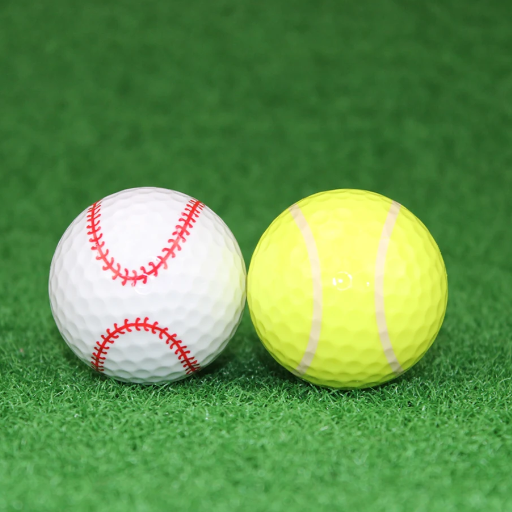
Tennis balls are made with a standard diameter of anywhere between 2.57 and 2.70 inches, whilst their weight is anywhere between 1.975 and 2.095 ounces. The felt that covers them is of uniform thickness so that it provides an optimum level of performance and control during play. These technical specifications are stipulated by the International Tennis Federation so as to maintain some level of consistency and fairness in the sport.
Standard Tennis Ball Dimensions
Tennis balls must be meticulously engineered to meet certain professional-grade requirements. According to the regulations of ITF, tennis balls are required to have a diameter anywhere between 2.57 inches (6.54 cm) and 2.70 inches (6.86 cm). This specification ensures the balls retain ideal aerodynamics and offer consistent behavior in matches. Likewise, a tennis ball is said to weigh between 1.975 ounces (56 grams) and 2.095 ounces (59.4 grams), which allows for maximum control and responsiveness.
The outside felt is the performing layer, made mostly from wool or a wool-nylon mixture to maximize durability and deliver definite bounce patterns. The internal pressure of the ball is usually 12 psi (pounds per square inch), allowing it to maintain its shape and behavior through the rigors of play. These stringent standards help promote an equal playing field, be it for casual play or professional tournaments.
Weight and Material Composition
The weight and composition of the materials of a tennis ball are very carefully controlled by regulations in order to ensure the expectation for quality gameplay. According to the International Tennis Federation (ITF), a tennis ball should weigh from 56.0 grams to 59.4 grams. This exact set range helps provide uniform behavior of the ball irrespective of the court surfaces and other playing conditions.
The outside layer of the ball consists of felt, usually a tough mixture of wool and synthetic fibers, such as nylon or polyester. This combination increases the durability and, therefore, the aerodynamics of the ball, basically providing it with the required drag and surface interaction. The core of the ball is usually made of pressurized rubber capable of resisting heavy impacts but retaining the necessary elasticity and responsiveness. With advanced manufacturing, uniform distributions of pressure are maintained, thereby making the bounce of the ball more consistent.
Into its outdoor marketing, the environmental side is also highlighted, thereby coming out with solutions such as recycled materials by some manufacturers for the core, or at least for an eco-friendly production. Modern tennis balls thus compete in being not only top standard performers but also front line in keeping with sustainability efforts within the game industry.
Different Types of Tennis Balls
Tennis balls are categorized into extra duty, regular duty, pressureless, high altitude, junior (red, orange, green), and tournament balls.
|
Type |
Best For |
Key Feature |
Durability |
Bounce |
Surface |
|---|---|---|---|---|---|
|
Extra Duty |
Hard courts |
Thick felt |
High |
Moderate |
Hard |
|
Regular Duty |
Clay/indoor |
Thin felt |
Moderate |
Faster |
Clay/indoor |
|
Pressureless |
Practice/machines |
Thick core |
Very high |
Low |
All |
|
High Altitude |
High elevations |
Low pressure |
Moderate |
Controlled |
All |
|
Junior Red |
Ages 6 & under |
Foam/soft felt |
High |
Low |
Mini courts |
|
Junior Orange |
Ages 7-9 |
Low compression |
Moderate |
Moderate |
60-ft courts |
|
Junior Green |
Ages 9-10 |
Near-standard |
Moderate |
Moderate |
Full courts |
|
Tournament |
Professional play |
ITF-approved |
High |
Consistent |
All |
Baseball Size and Specifications
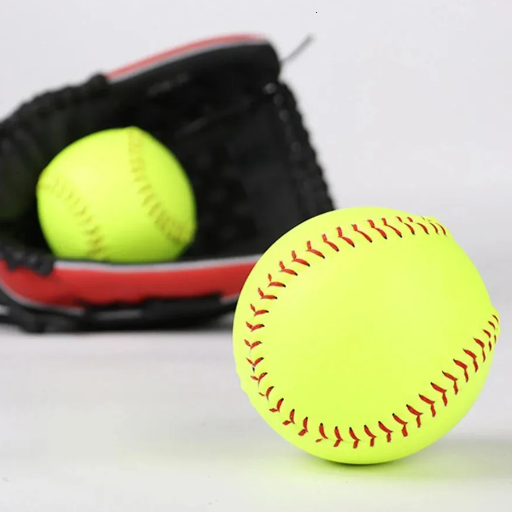
A typical baseball has a circumference of 9 to 9.25 inches and smallest diameter of 2.86 to 2.94 inches. The weight ranges from 5 to 5.25 ounces. Baseballs basically consist of a cork or rubber core wound with yarn tightly, then covered either by leather or synthetic leather. It is stitched with 108 double stitches of waxed red thread. These rules must be followed for uniform performance and consistency in play.
Standard Baseball Dimensions
The sizing for a baseball is within strict limitations to ensure consistency and performance in the professional game. The circumference ranges between 9 and 9.25 inches, which approximately translates to 2.86 to 2.94 inches diameter. Weight in between 5-5.25 ounces, so players have the best possible feel in the game.
Usually, the core consists of cork, rubber, or some other composite materials that allow for controlled bounce and endurance. Yarn or string is wound tightly in many layers around the core for extra durability and shape retention. The outer cover consists of the finest leather or synthetic leather, sewn using 108 stitches of red waxed thread, which helps in aerodynamics and grip.
These standard dimensions and materials are implemented in every major league around the globe for uniformity so that play retains consistency and competition remains fair worldwide.
Weight and Material Composition
The standard baseball’s official weight varies anywhere between 142 and 149 grams (5 and 5.25 ounces), while at the same time ensuring that it is neither too light to cast away the power nor too heavy to hinder the control needed for good gameplay. Therefore, given the situation concerning pitch power and control, the weight of the ball must be well specified: a balance must be achieved, allowing pitchers to deliver pitch control and batters to have a consistent swing. In suspending the core given as cork or rubber, these detract the most from the weight, while tight yarn and string layers add density and durability to the ball.
The cover, most often made of superior leather or synthetic leather, adds to the weight of the ball and provides a better grip for players. Additionally, this waxed red stitching can slightly increase ball weight, provide better grip, and give the ball aerodynamic properties. The weight and material properties of baseballs, along with the standardized dimensions, are carefully regulated to make sure all are in accordance with the rulebook and are in an ideal state of fairness and performance in all professional arenas.
Baseball Variations in Use
Baseball variations across the world reflect in different rule sets but also adaptations that arise from local conditions and preferences. One primary distinction will thus be that between professional and recreational baseballs. The professional baseballs, as in the Major League Baseball (MLB), have tightly wound yarns and cork-and-rubber cores, which manufacture at ultimate precision concerning weight and bounce-the former is high performance, while the latter controls the predictability of its behavior in gameplay. In contrast, recreational baseballs will often be made of synthetic materials or poorer quality leathers for price and therefore accommodate less stringent uses.
Practice and training baseballs provide for another variation. Said baseballes are slightly lighter and softer in order to minimize injury to the practising players and are consequently suitable for beginners. Pitching machines usually work with special dimpled baseballs which are purposely designed to withstand repetitive impacts and guarantee consistent release trajectories.
Across the globe modified baseballs exist for variations in sport; the baseball is slightly smaller and tighter in Japan’s Nippon Professional Baseball (NPB), hence some subtle differences are induced on gameplay dynamics. Baseballs in youth leagues are also reduced in size or have softer cores to suit younger players and prioritize safety. Schools also commonly use Soft baseballs or “Safety Balls” to develop interest in the game while restraining possible injury.
Developing leagues and training gadgets continue to present new baseball design, such as high-visibility balls with two-tone patterns or advanced materials for enhanced durability. Adapted this way, baseball continues to evolve across its many levels of play, regions, and playing conditions while maintaining its pride and core identity as a widely cherished sport worldwide.
Comparing Tennis Balls and Baseballs
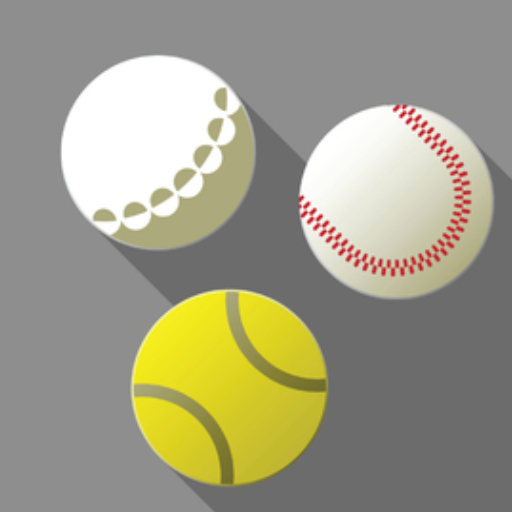
Tennis balls are smaller, lighter, and softer than baseballs, with distinct differences in size, weight, material, and usage.
|
Parameter |
Tennis Ball |
Baseball |
|---|---|---|
|
Diameter |
2.575-2.7 in |
2.86-2.94 in |
|
Weight |
1.975-2.095 oz |
5-5.25 oz |
|
Material |
Rubber core, felt |
Cork/rubber core, leather |
|
Bounce |
High |
Moderate |
|
Usage |
Tennis gameplay |
Baseball gameplay |
|
Durability |
Moderate |
High |
Size and Weight Differences
Different sports use differently sized and weighted balls; thus, in the case of tennis balls and baseballs, we have differences in diameter and weight. A regular tennis ball has a diameter between 2.57 and 2.70 inches (or a measurement between 6.54 and 6.86 cm) and weighs anywhere between 1.975 and 2.095 ounces (or 56.0 and 59.4 grams). The ball is small in size and light in weight so as to allow it to speed up swiftly and bounce at heights on the tennis courts, so it always remains responsive to the striking action of the racket.
A baseball, though slightly larger and wheelchairness in weight, has a standard circumference of around 9 to 9.25 inches (22.86 to 23.49 cm), having a diameter from 2.86 to 2.94 inches (7.26 to 7.47 cm). They weigh from 5 to 5.25 ounces (141.7 to 148.8 grams), so they possess the appropriate density and weight for pitching, hitting, and paced movement. The dimensions determine the nature of the games themselves. Whereas tennis balls are made for speed and bounce, the baseballs are made for withstanding high-impact hits and long throws.
Usability in Gameplay
Changing designs and constructions of balls obviously have a direct effect on the usability of sports balls in gameplay. The raised seams on baseballs offer better grip and enhanced aerodynamics, letting pitchers practice elaborate maneuvers such as curveballs and sliders. Studies show that these seams and their elevation can add drag to the ball, modifying its trajectory in some situations while therefore granting players extra control when executing certain plays. Contrarily, the distinct design of a tennis ball includes a felt covering to guarantee bounce uniformity and to protect hard courts from abrasion. Standard balls should rebound to a height ranging from 53 to 58 inches (135 to 147 cm) if dropped from a height of 100 inches (254 cm), so that uniform bounce is maintained during matches. These distinctions in function illustrate both material engineering and the intended usability of each ball to maximize high-performance gameplay dynamics.
Impact on Player Performance
The construction and quality of tennis balls directly influence a player’s performance on the court. The consistency of the ball-bounce and speed-are such that players can anticipate the trajectory and adjust their strokes accordingly. It was recently discovered that high-altitude tennis balls are pressurized differently than those at lower altitude so as to ensure predictable play, whereas the lower-altitude ones maintain standard pressure for better control.
Another factor influencing ball characteristics is the surface type of play. For instance, on clay courts, the balls have decreased speed because friction is more, which results in longer rallies that demand endurance. But on grass courts, players get balls at faster speeds, and they have to act quicker on lower bounces. A similar set of data also state that new balls produce quicker and more aggressive styles of play as opposed to older and worn balls, which do not bounce as high, sporting lower intensities of the matches.
Laying down such impacts allow every player to meaningfully tweak his/her strategies to outperform in the given circumstances. This consideration, therefore, guarantees the soup of fairness and enhances the quality of the entire gameplay.
Other Sport Balls for Context

Soccer Balls
If any ball is to be used in soccer, it has to be designed to allow good flight, control, and durability. Most soccer balls usually have an outer layer of synthetic leather made of polyurethane to produce a smooth shell surface that is hard enough. Inside, latex or butyl bladders keep the air sealed and give shape to the ball. Hence the design of tennis balls prioritizes bounce height, while the design of soccer balls prioritizes control over the impact and handling. The type of ball depends upon the level of competition with professional balls made to standards of size, weight, and performance as set by FIFA.
Basketballs
Basketballs are made for dribbling, shooting, and passing with precision. Made usually of leather, composite, or rubber, the surface texture provides grip while the inner bladder maintains the air, ensuring a consistent bounce. Indoor basketballs are typically made with leather for a better response while those made for outdoor use consist of rubber or composite that can stand rough surfaces. In fairness to the game, basketballs are standardized for size and weight, much like soccer balls.
Volleyballs
Volleyballs are rather light, allowing for high air pressure so that they move quickly and accurately. They are covered in soft synthetic leather that prevents hard impacts against the players’ arms during passamce and spikes. Indoor volleyballs are heavier in weight to improve control in limited conditions, whereas beach volleyballs are lighter and bigger, considering outdoor conditions like wind.
Each type of sports ball is tailored to the demands of the game, weighing durability and aerodynamic properties against players’ comfort to maximize performance.
Comparison with Soccer Balls
Soccer balls are larger, lighter, and designed for foot control compared to other sports balls, with variations in size, material, and purpose.
| Parameter | Soccer Ball | Comparison |
|---|---|---|
|
Diameter |
8.6-9 in (Size 5) |
Larger than most |
|
Weight |
14-16 oz |
Lighter than baseballs |
|
Material |
PU/TPU panels |
Durable, weather-resistant |
|
Usage |
Foot control, kicking |
Specialized for soccer |
|
Durability |
High |
Designed for outdoor use |
|
Bounce |
Moderate |
Consistent for gameplay |
How Other Balls Measure Up
From my perspective, every ball is designed with its specific sport in mind, just like volleyballs. For example, basketballs are designed with grooves so as to maximize gripping and control within the indoor environments; tennis balls feature a felt layer as they need to spin and bounce on wooden or concrete courts. For soccer balls, aerodynamic panels are constructed to ensure precise trajectories in outdoor conditions. Each ball is an indication of engineering for performance, characterized by how the game needs have influenced its design.
Evolution of Sport Ball Sizes
The size of sports balls used in the past has generally seen changes with time so as to suit the demands of the various games and their players. I find it extremely fascinating to observe how the standardization process influenced this evolution. For instance, modern specifications ensure a degree of uniformity: basketballs are about 9.4 inches in diameter for professional leagues, whereas a soccer ball averages roughly 8.6 inches, according to FIFA standards. These changes were not decided at random; rather, they evolved over several years in the endeavor of finding a proper balance between usability, fairness, and performance. One can attest to the fact that sports are constantly changing for the betterment of gameplay and athlete experience.
Reference Sources
- The Physics of Baseball – Explores the physical properties and dynamics of baseballs, with comparisons to other balls.
- A Quality Control Study of Little League Baseballs – Examines the dimensions and quality control of baseballs, providing insights into size and weight.
- Key factors and timing patterns in the tennis forehand – Includes data on tennis ball dynamics and comparisons to other sports.
Frequently Asked Questions (FAQs)
What balls are used in tennis compared to baseball?
Tennis balls and baseballs are both essential sports equipment, but they differ significantly in size and design. A regulation tennis ball is about 2.700 inches in diameter and is designed for use in the sport of tennis, while a baseball measures approximately 8.48 inches in circumference. Tennis balls are typically made from materials that include a solid rubber core and a felt covering, which affects their bounce and playability. In contrast, baseballs have a leather exterior and are filled with a different composition that provides a distinct weight and feel. The size means that tennis balls are lighter and less dense than baseballs, impacting how each ball is used in their respective sports.
How do the dimensions of a tennis ball compare to a baseball?
The dimensions of a tennis ball are significantly smaller than those of a baseball. A standard tennis ball has a diameter of 2.700 inches, making it compact and easy to handle for tennis players. In contrast, a baseball’s circumference is around 8.48 inches, giving it a much larger size. This difference in size means that tennis balls are designed for quick, fast-paced play, while baseballs are meant for throwing and hitting over longer distances. The smaller size of tennis balls allows for greater control and precision in matches and tournaments, whereas baseballs’ larger size contributes to their role in the range of sports, particularly in games requiring throwing accuracy.
Do tennis balls used in professional games differ from training balls?
Yes, tennis balls used in professional matches are typically different from training balls. Professional players often use pressurized balls that are designed to meet specific standards for performance, ensuring fairness and consistency during matches. These regulation tennis balls are made to bounce at a certain height and maintain their bounciness throughout the game. On the other hand, training balls, including pressureless tennis balls, may be used for practice as they are less dense and can provide a different feel for players. Training balls often help players develop their skills without the high bounce associated with pressurized balls, making them easier to hit and control.
What are some interesting tennis ball facts compared to baseballs?
There are several intriguing tennis ball facts that highlight the differences between tennis balls and baseballs. For instance, tennis balls are often optic yellow, which enhances visibility during play, especially in outdoor matches. In contrast, baseballs are traditionally white, which can be harder to track in certain conditions. Additionally, tennis balls are designed to lose their bounce over time, especially pressureless balls, while baseballs maintain their structure longer due to their solid construction. The materials used in creating tennis balls and baseballs also differ, with tennis balls requiring specific coatings to ensure optimal playability and durability during matches and tournaments.