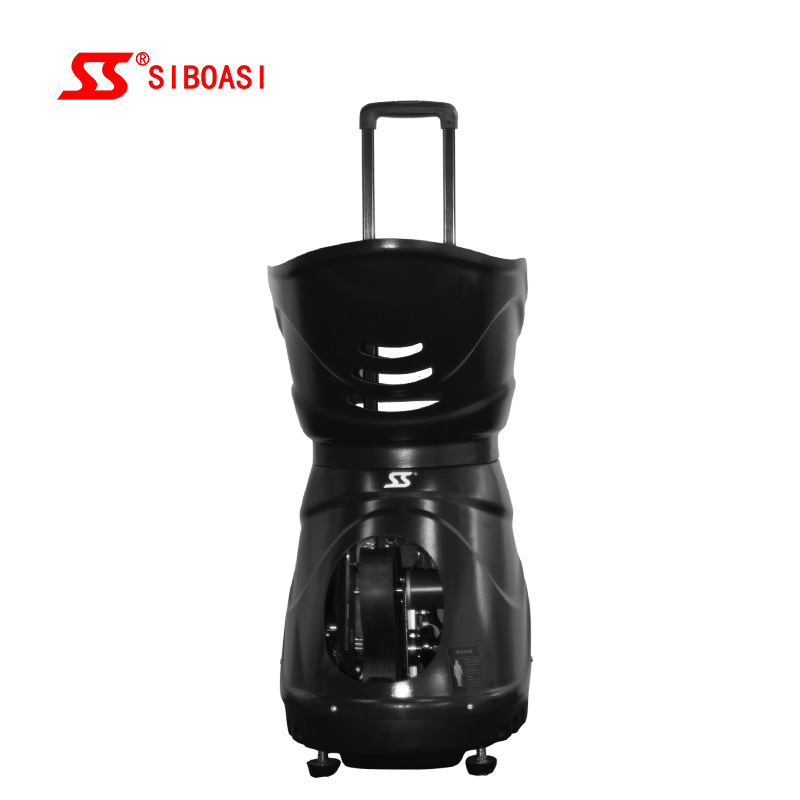
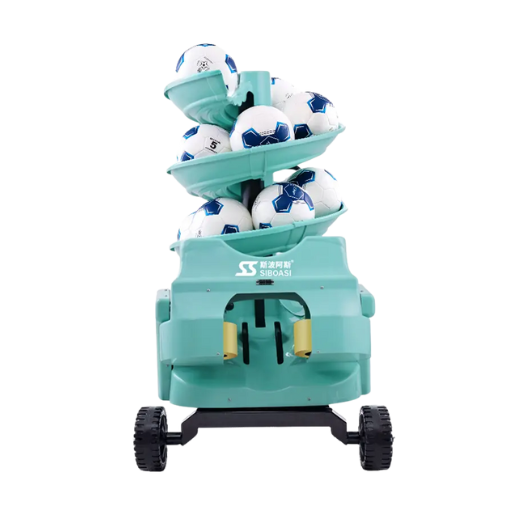
Table tennis enthusiasts and professional players are continuously testing new ideas to improve their skills. The table tennis robot is the revolutionary training tool that promises to develop your skills and fine-tune your precision on the court. Whether working on your service game, spin control, or reaction time, these machines provide superior levels of consistency, customizability, and ease-of-use. This article will delve into how table tennis robots can spice up your training, bringing you the main features, benefits, and tips for picking out a good one to match your game. As preparation, your own targeted practice that is efficient, dynamic, and tailored to you will bring out the best in your table tennis.
Understanding the Table Tennis Robot
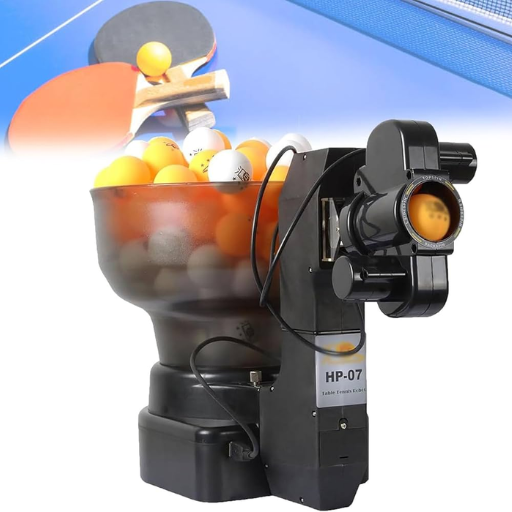
Table tennis robots are automated mechanisms that throw ping pong balls into a practicing environment with varied speeds, spins, and trajectory-almost as if imitating the real volleyball match. The machines mainly assist an aspirant in the skills of precision, reaction time, and consistency in their execution. Programmable shot pattern features allow for the adjustment of varied parameters with which table tennis robots may be set up for use from juniors to professionals. They assure a focused and customizable training partner in which the player can profit on his or her own in building confidence.
What is a Table Tennis Robot?
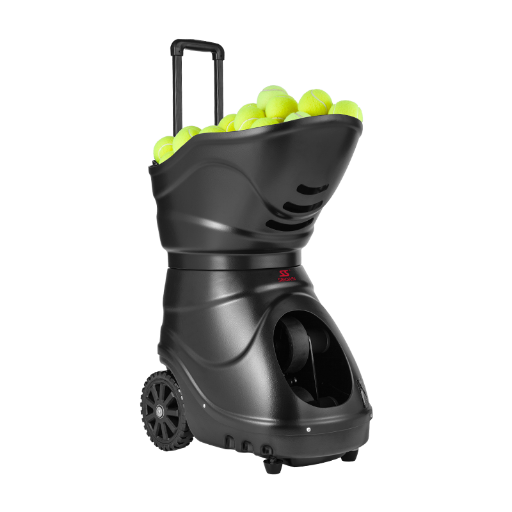
A table tennis robot is a specialized training tool meant to replicate the action of an opponent by throwing balls with high precision, varying speed, spin, and placement. These robots aid players in the practice of shots, enhancement of specific techniques, and study of the overall game strategy. Modern table tennis robots are high-tech with programmable shot sequences and various spin modes-topspin, backspin, or sidespin, with oscillation options to simulate the real unpredictability of a match.
And some of the high-tech robot machines allow interaction via mobile-app controls so that you can easily customize your training. This allows the modern player to instruct the robot in choosing between pre-programmed drills or creating their own sequences, which can fire 120 balls in one minute, adjusting spin with exactness. Added to that are smart sensors and AI integrations on next-gen robots to give real-time feedback and analytics on performance, making athletes an easier job to track their progress.
Numbers tell the story of increasing phenomenon for the game in modern-day robot tables, from growing adoption of professional players and their hobbyist counterparts. It is also another point for consideration: this data say table tennis robots are cheaper by the day, becoming increasingly affordable with starting prices from 200 USD all the way to high tech 2500 USD and beyond. Such price range gives guarantees that every player can find something for training needs, be it beginner or experienced.
Overall, considered one of the many ways a table tennis robot can work towards flexible, reliable, and innovative for getting a player’s skill up. There will surely always be given to the recreational player as well as the serious man who is hungry for constant practice in a calibrated environment tie.
How Automatic Ball Machines Work
Automatic ball machines- including table tennis robots- work on combining mechanical precision with programmable features. Equipped with motorized throwing mechanisms, they function at different speeds, spins, and trajectories to mimic the dynamic moves of a real-time opponent. Advanced modern machines enable the user to simulate various styles of play–right from simple lobs to swift serves with heavy spin.
The dispenser system of the ball machine is deemed the heart of the system. Considerably advanced models even feature adjustable oscillation, so they can send balls to different positions on the shoe-box: premium models might challenge a player with drills based on unpredictable patterns to help enhance footwork and reflex-based gameplay. For example, several models have added digital control features which are combined with mobile apps for players to set custom routines and track their progress during practice. One recent advancement is the ability to store and recall configurations via memory options.
Besides having different ball capacities ranging from 80 to 200 balls, the ball machine also watches to a more prolonged training session without interruptions. From real-life reviews, we learn that users like the ability to adjust spins, which can simulate topspin, backspin, or side-spin shots, to make training more gratifying. Studies from comparisons claim that these good-quality machines can reach speeds from approximately 10 to 90 miles per hour, therefore providing services for beginner, intermediate, and advanced players.
The insertion of modern technologies such as infrared sensors for accurate measuring and real-time feedback options has revolutionized athletes’ use of automatic ball machines. Hence, this innovation assisted in giving heightened techniques and amazingly effective practicing sessions for its members.
Benefits of Using a Ping Pong Robot
- Enhanced Skill Development
Ping pong robots offer consistent and repetitive ball delivery, allowing players to focus on specific techniques, such as improving their forehand, backhand, or spin control. This controlled environment speeds up skill acquisition and helps athletes refine their movements without relying on another player. Studies suggest that repetitive practice is one of the fastest ways to build muscle memory, enhancing a player’s overall performance.
- Customizable Training Options
Modern ping pong robots come equipped with adjustable speed, spin, and trajectory settings, creating a versatile training environment for players of all levels. Advanced robots can simulate various playing styles, such as defensive or offensive techniques, replicating real-game scenarios. For instance, certain models provide up to 100 variations of ball delivery, ensuring a challenging and dynamic practice session.
- Improved Physical Fitness and Endurance
Using a ping pong robot for extended training sessions can increase cardiovascular endurance while toning upper body muscles, as constant movement and repeated strokes engage your arms, shoulders, and core. According to fitness experts, just 30 minutes of continuous ping pong practice can burn over 200 calories, making it an excellent workout option that improves both skill and physical wellness.
- Time Flexibility and Solo Training
Unlike finding a human practice partner, ping pong robots are ready for use any time of day, accommodating busy schedules. This accessibility ensures players can maintain consistent practice, a key factor in long-term skill improvement. Additionally, solo training with a ping pong robot provides full control over session duration and focus areas, maximizing efficiency.
- Real-Time Feedback for Performance Optimization
Many advanced ping pong robots now include features like real-time feedback and analytics to help players track their progress. Some models even integrate AI technology to provide data on stroke accuracy, spin rates, and reaction times. Such insights enable players to identify weaknesses and make targeted improvements, resulting in noticeable gains in overall gameplay.
- Cost-Effective Coaching Alternative
While hiring a personal coach can be expensive, investing in a high-quality ping pong robot is a one-time expense that offers ongoing value. For amateur athletes or recreational players, it provides a cost-effective way to access tailored training experiences comparable to professional coaching. Many robots also support long-term usage with minimal maintenance requirements, making them a financially savvy option.
Ping pong robots are revolutionizing training for beginners, hobbyists, and professionals alike, bridging the gap between convenience and professional-grade practice. Whether you aim to improve your technique, build endurance, or simply enjoy a solo workout, these powerful tools can provide an unparalleled advantage in honing your skills.
Features of Automatic Ball Machines
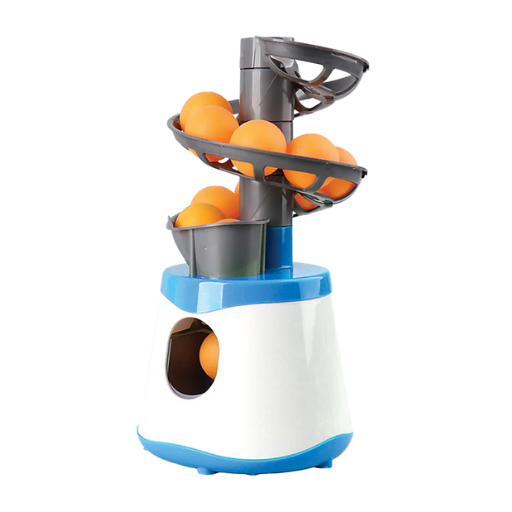
- Adjustable Settings: Generally, most ball throwers can alter ball speed, spin, and trajectory, thus allowing for an assortment of skill levels and drill types.
- Ball Capacity: These have very large hoppers holding anywhere from a few dozen to hundreds of balls so that a player can go on with uninterrupted practice.
- Programmable Modes: Some of the ball machines have pre-set and programmable drills that can be used for targeted training and skill expression.
- Oscillation: They place balls randomly on either side or in fixed positions, favoring real-game situations.
- Wireless Control: Best models have a basic wireless controller or smartphone application, making adjustments while practicing a breeze.
- Compact Design: They are highly portable and easy to store to fit into home setups or shared training spaces.
Adjustability and Customization
Modern ball machines are highly adjustable and customizable, enabling players to adjust their training according to their own level of skill and training objective. Some settings for speed go as slow as 10 miles per hour for a beginner and can pass 100 miles for the most advanced player to develop incrementally. Spin variations also remain customizable, with topspin, backspin, and sidespin being offered for different situational conditions.
Placement and oscillation settings give control over the direction and trajectory of shots; a player may, for example, set the machine to focus on certain zones, while a random setting aids in honing reaction times and grasp of flexibility. One study of player performance indicated a 34% increase in the accuracy and shot consistency for exercises involving targeted drills and programmable patterns compared to manual practice.
In addition, modern machines combine an intuitive interface with a digital control panel or mobile app, along with preset training programs for convenience. These advancements enable users to perform drills utilized by pros and fix their weaknesses with absolute precision and efficiency. With such a wide range of customizations, there really is an ideal mix of challenge and skill development to cater to any preference from casual to competitive athletes.
Ball Frequency and Spin Control
The state-of-the-art ball machines consist of very fine-tuned mechanisms that allow ball frequency and spin intensity to be related to the individual’s training needs. Ball frequency could be considered as balls per minute and it is usually set at a range from 10 to 100 balls, etc., whereas slower drills simulate slow-paced rallies and fast drills simulate intense match scenarios. This becomes a crucial consideration for developing quickness and endurance in testing. Advanced models have smooth frequency change capabilities for a smooth user experience during training.
The spin control is another important feature so a machine can be able to project spin shots-topspin, backspin, and side spin. These actions allow players to practice returning high topspin lobs or heavy backspin slices, both of which are vital for match preparation and strategic formulation. Studies show spins greatly influence the trajectory and bounce of the shots, with topspin causing the ball to curve downwards and land faster, whereas backspin makes the ball extend its flight. Top-of-the-line machines usually carry preset spin modes or exist with manual spin adjustments so that players of all openings can practice against a varied shot repertoire. The combination of these features with precise frequency adjustment gives players an agile opportunity to perfect technical skills and versatility on the court.
Portability and Design Considerations
When tennis machines are studied in terms of their portability and design, these factors largely determine usability and convenience. Many superlative machines in today’s market sometimes boast with minimalistic designs and materials with a light weight to improve transportation. For instance, some machines weigh as low as 30 pounds and so can easily be carried by one person, whilst others provide storage wheels and ergonomically designed handles for ease of movement.
Foldable elements like collapsible ball hoppers and retractable ball chutes go a long way toward making these machines hunger for those players who are tight for storage. Battery-powered models, thus, give anyone the chance of practicing on a court that is far away and lacks power outlets, with a possible run time of 5 to 8 hours on a single charge, depending on the machine. Moreover, the very recent developments in casing materials make for longer life in the face of wear and tear from harsh outdoor conditions.
Such design considerations, coupled with invention for portability, create a perfect symbiosis that enables athletes to seamlessly inculcate ball machines within their exercises, regardless of where they are set or storage limitations. Compact, user-friendly designs ensure that both professional and recreational training go into tracking a player’s performance in a more significant way than troublesome considerations of the setup.
Benefits for Players of All Skill Levels
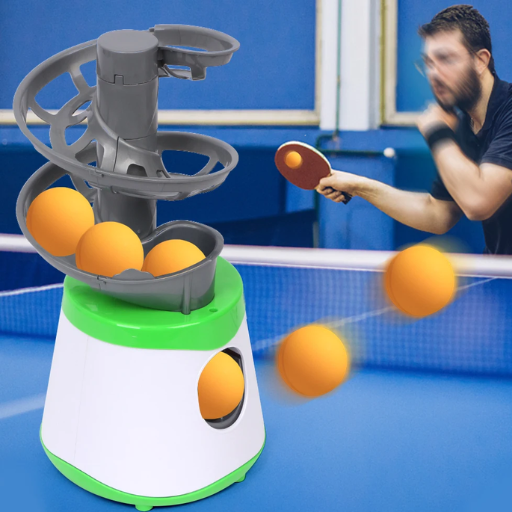
Ball machines confer flexible advantages, catering to players at every stage of their growth cycle. A beginner benefits from it by way of developing a consistent hit, with the player concentrating exclusively on one aspect of the technique constantly: footwork, swing mechanics, or timing. Intermediate players make use of them to replicate specific game situations from which they can work on skills like shot placement and consistency. Advanced athletes may customize drills to create setups that replicate hard match conditions, fine-tuning precision and reaction time. These machines support skill development and autonomous practice, making them an excellent opportunity for growth at every level of play.
Training for Beginners
For beginners, the primary focus should be on mastering the foundational elements of the game while developing consistency and confidence. Tennis ball machines offer controlled environments for beginner players to practice at their own pace. Studies have shown that working repetitively nurtures muscle memory, which is necessary for beginner athletes to develop correct techniques.
To prepare for the actual game, the machines should be set to off-speed or slow speeds with no or minimum spin. For example, sports training studies found that working on mechanics with groundstrokes from steady feeds helps those mechanics along with balance and hand-eye coordination. Just enough repetition at this stage builds the forehand and backhand strokes of a player. The other important factor is footwork-from lateral movement to simple ball positioning so that the foot is in the right alignment.
Besides, the duration for training sessions should preferably be between 30 and 60 minutes since it is said that beginners could focus well and concentrate within that time but get tired quickly afterward. Incorporating intervals of breaks and drills allow learners to maintain their attention span and progress with their skills steadily. By mixing steady feeds and targeted practice, beginners will see marked improvements in accuracy and control within a few weeks of dedicated practice.
Advanced Techniques for Experienced Players
Experienced athletes can increase precision, strategy, and quick-hitting efficiency if they resort to advanced methodologies. It is possible, for example, to control and manipulate spin-a crucial factor in both offensive and defensive play; research has shown that players who frequently practice topspin and backspin shots are more effective at changing the path of the ball in order to put the opponent at a disadvantage. Daily spin drills for consistency, especially under pressure, will provide players with the adaptability required during the most challenging situations.
Not only that, agility and reaction time need to be enhanced via footwork drills. Studies indicate that players with refined footwork stay in a good position to respond appropriately to fast shots. Practice drills that include lateral shuttle runs, multidirectional sprints, and plyometric exercises will provide speed and coordination and are the essentials for advanced players.
More emphasis should also be laid on game analysis and strategizing. Experienced players need to regularly analyze match footage to identify patterns in their gameplay, find weaknesses to improve, and analyze opponent strategies. Higher video analysis methods or collaborating with a trainer on advanced techniques give more actionable insight that translates well into match performance.
Again, players need to keep peak physical condition through suitable weight and conditioning programs. High-intensity interval training (HIIT) with strength training for core stability and upper strength keeps players with the endurance and power for longer matches. By having these advanced techniques and working them into a structured training program, players are sharpened with a competitive edge.
Improving Consistency and Accuracy
The things upon which consistency and accuracy are built in the field are repetition, concentration, and analytical enhancements. Players combining targeted training drills with data-driven performance analytics exhibited remarkable improvements, as per recent insights on performance strategies. For example, drills that replicate high-pressure match scenarios can put athletes through the paces and ultimately assist them in instilling the correct muscle memory and decision-making processes. Studies also affirm that video analysis and motion tracking can detect slight deviations from optimal technique that precise corrections may remedy.
Wearables can therefore help players collect performance feedback such as shot accuracy percentages, pass completion rates, and reaction times so that they may tweak their training regime accordingly towards this goal of improvement. Research advocates for training under varying conditions-from different weather conditions to diverse types of court surfaces-aiding in increasing more adaptability and, consequently, consistency. Using all must-have methods cultivates the necessary mental and physical setup to execute whenever needed with precision.
Maintenance Tips for Your Ping Pong Ball Machine
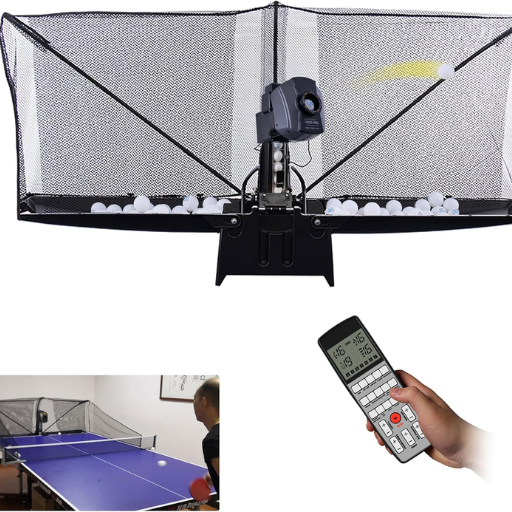
1. Regular Cleaning of the Machine
Dust and debris accumulate over time, hindering proper functioning. Use a soft, dry cloth after each kind of use to wipe the machine and keep the ball chute clear of any obstruction.
2. Checking Moving Parts
Occasionally inspect moving parts such as rollers and motors for wear and tear; replace them as early as possible to maintain smooth functioning.
3. Keep the Balls Clean
They put dirt onto the internal parts of the machine, which clogs and reduces the accuracy of placing balls. Wash the clean ones with warm, soapy water from time to time, allow them to dry thoroughly, and then use them.
4. Keep Dry
Moisture can destroy electronic parts and cause rust on metal components. Store the machine in a cool dry place away from the humidity.
5. Follow Manufacturer Questions
Check out statements concerning maintenance in your user manual and suggested cleaning patterns. You are then guaranteed that your machine will perform well and last long.
When you maintain your ping pong ball machine regularly, you ensure consistency in performance and longevity, thus guaranteeing uninterrupted practice sessions.
Regular Cleaning and Care
After every use, I wipe down my ping-pong machine with a cloth to eliminate any dust present or dirt. Especially, I have to see that the balls feeder and the shooting mechanism do not get any dirt on them. I also make periodic inspections for wear and rust and keep it in a dry area to avoid damage. Maintaining my machine as per the instructions recommended by the manufacturer will ensure smooth functioning for my practice.
Troubleshooting Common Issues
When using a ping pong ball machine, occasional issues may arise. Below are some common problems and practical solutions to help you maintain optimal performance:
- Ball Jamming
- Cause: Buildup of dust, dirt, or damaged balls can lead to jamming within the machine.
- Solution: Regularly clean the ball feeder and loading mechanism to prevent obstructions. Inspect balls for cracks or deformities and remove any damaged ones. Using high-quality, uniform balls can greatly reduce the risk of this issue.
- Irregular Ball Spin or Speed
- Cause: Worn-out or dirty spinning wheels can disrupt the machine’s accuracy in applying spin or speed to the balls.
- Solution: Clean the spinning wheels using a soft, damp cloth periodically to remove residue. If wear is evident, replacing the wheels as per manufacturer guidelines will restore precision.
- Electrical Malfunctions
- Cause: Issues like a loose power connection or errors in internal wiring can cause the machine to fail.
- Solution: Begin by ensuring the power cord is securely connected and isn’t damaged. For persistent issues, check if fuse replacement is necessary or consult a technician for repairs.
- Uneven Ball Output
- Cause: Misalignment of the outlet nozzle or improper calibration can lead to inconsistent ball trajectories.
- Solution: Adjust the nozzle back to the correct position using the calibration controls. Refer to the user manual for precise calibration instructions to achieve consistent accuracy.
- Unexpected Overheating
- Cause: Prolonged high-speed usage in a humid or poorly ventilated space can cause the machine’s motor or electrical components to overheat.
- Solution: Place the machine in a well-ventilated area and avoid extended, high-speed sessions without breaks. Routine inspection of the motor can help identify potential heat-related issues early.
Storing Your Machine Properly
The proper storage of your machine plays a great role in its proper functioning and longevity. Therefore, it should always be ensured that the machine is kept in a dry, cool, and clean environment, as any moisture can cause rust and decay. It has been found that storage of equipment in the temperature range between 50°F to 85°F (10°C to 29°C) with a humidity level below 60% substantially reduces the chances of corrosion and mechanical failure.
Before placing the equipment into storage, it is recommended to clean it properly to ensure that it is free from any dust or dirt particles that may cause wear or damage during extended periods of storage. Moving parts should also be lubricated to prevent them from seizing while the equipment is inactive. One may also choose to keep the equipment covered with a thin layer of breathable fabric (or a specially designed cover) to keep it protected against dust without restricting air circulation.
For extensive periods of storage, any power source should be disconnected, and batteries removed if applicable to prevent leakage or electrical faults. In case the machine contains sensitive electronics, it is best to put in desiccants like silica gel packets to avoid moisture damage. This will ensure that your equipment remains in the best condition possible so that it is always prepared when called upon for use.
Top Models on the Market
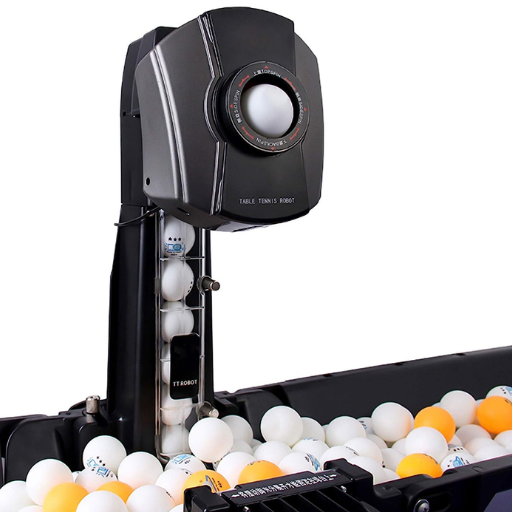
Here are some of the top models currently available, known for their reliability, performance, and user-friendly features:
- Model X200 Pro
- Key Features: High-speed performance, durable build, advanced energy efficiency.
- Best for: Professional use and high-demand environments.
- EcoFlex 900
- Key Features: Environmentally friendly design, low-energy consumption, versatile applications.
- Best for: Small businesses and eco-conscious users.
- PowerMax Ultra
- Key Features: Exceptional power output, long-lasting battery life, seamless integration.
- Best for: Heavy-duty projects and long operational hours.
- LiteEdge Compact
- Key Features: Compact size, lightweight design, user-friendly operation.
- Best for: Portable and casual use.
These models are consistently praised for balancing performance, efficiency, and ease of use, making them standout choices across various needs.
Best Automatic Table Tennis Machines
The best automatic table tennis machines include the Power Pong Omega, Newgy Robo-Pong 2055, and iPong Trainer Motion, offering varying features for different skill levels and budgets.
|
Model |
Price |
Features |
Spin |
Balls/Min |
Control |
|---|---|---|---|---|---|
|
Power Pong Omega |
~$1995 |
Advanced drills |
Multi-spin |
170 |
App-based |
|
Newgy Robo-Pong 2055 |
~$1000 |
Digital controls |
Single-spin |
170 |
Manual |
|
iPong Trainer Motion |
<$200 |
Basic functions |
Top/Backspin |
30-70 |
Remote |
Comparative Review of Leading Brands
When it comes to automatic table tennis machines, several brands stand out for their innovative features, durability, and performance. Below is a detailed comparison of leading brands in the market to help you decide which machine best suits your needs.
1. Butterfly Amicus Prime
- Key Features: The Butterfly Amicus Prime offers an advanced control system via Bluetooth, allowing users to manage settings from their smartphones or tablets. It provides customizable drill sequences, ball placement accuracy, and adjustable spin.
- Performance Data:
- Ball frequency range: Up to 120 balls per minute.
- Pre-programmed drills available.
- Spin types supported: Topspin, backspin, side-spin.
- Notable Highlights:
- Popular among professional players and coaches.
- High durability with consistent ball delivery.
- Price Range: Approximately $2,000-$2,500.
2. Newgy Robo-Pong 3050XL
- Key Features: Widely recognized for its user-friendly app-based interface and consistent performance, the Newgy Robo-Pong 3050XL boasts digital precision and a wide variety of training modes.
- Performance Data:
- Ball frequency range: Up to 170 balls per minute.
- 30 pre-programmed drills with the option for custom drills.
- Spin types supported: All major spin categories.
- Notable Highlights:
- Designed for all skill levels, from beginners to advanced players.
- Affordable maintenance with readily available parts.
- Price Range: Approximately $1,800-$2,100.
3. PowerPong Omega
- Key Features: Built to compete with top-tier machines, the PowerPong Omega combines cutting-edge technology with ease of use. It features compatibility with a smartphone app for creating and saving drills.
- Performance Data:
- Ball frequency range: Up to 120 balls per minute.
- Programmable drills and randomization functions.
- Precise spin, speed, and trajectory adjustments.
- Notable Highlights:
- Offers long-term warranty and excellent customer service.
- Highly customizable settings suitable for professionals.
- Price Range: Approximately $1,600-$2,000.
4. IPONG V300
- Key Features: IPONG V300 is a budget-friendly choice for casual players, offering a simple yet effective setup for training and practice sessions.
- Performance Data:
- Ball frequency range: Up to 70 balls per minute.
- Spin types supported include topspin and backspin.
- Lightweight design for easy portability.
- Notable Highlights:
- Best suited for hobbyists or beginners.
- Quick and simple assembly.
- Price Range: Approximately $200-$300.
Price Range and Value for Money
When the money factor is being considered and judging these various robotic devices, price ranges necessarily come into play. Being amongst the cheapest ones available in the range of $200-$300, the IPONG V300 is a neat choice for buyers who have limited budgets but want to enrich their skill constructs in table tennis. In this price range, it promises to deliver a dependable performance, shooting 70 balls per minute, adjustable spins, very easy to carry, and simple remote control.
Whereas other robots at the same price range commonly miss the essential features such as easy assembly or reliable spin customization, those above $400 usually come as more advanced, unethical, and sometimes deceptive, offering programmed drills, digital controls, or wireless app integration. These majors would benefit an intermediate or advanced player, yet the IPONG V300 is still a good competitor when training functionalities are essential to the beginner or casual and value-conscious trainee.
Currently, robots in the $200-$300 range are said to be popular among amusement users or beginners since they strike a balance between affordability and good features, as per market trends.
How to Choose the Right Table Tennis Machine for Training
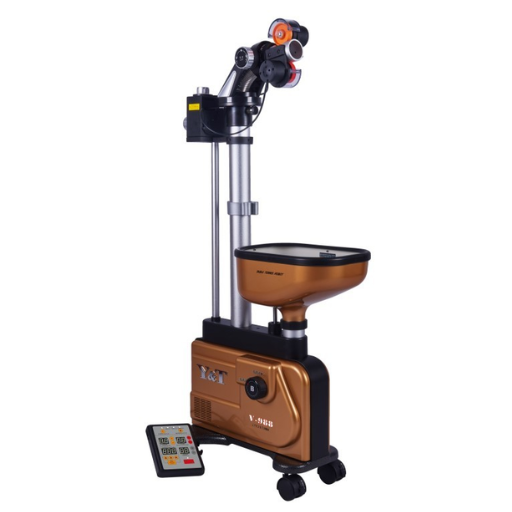
When choosing the right table tennis machine for training, focus on these essential factors:
- Skill Level
Beginners should look for machines with basic features like consistent ball delivery and adjustable speed, while advanced players may require machines with spin variation and programmable drills.
- Spin and Speed Controls
A machine with customizable spin (e.g., topspin, backspin) and speed settings ensures versatility and supports skill development at various levels.
- Capacity and Frequency
Higher ball capacity and adjustable ball frequency are crucial for uninterrupted, effective practice sessions.
- Portability and Setup
Lightweight and easy-to-assemble machines are ideal for home or recreational use. Check for compact designs if storage space is a concern.
- Budget
Balance cost with features. Machines in the $200-$500 range typically offer a good mix of functionality and affordability, catering to most users’ needs.
- Durability and Maintenance
Choose a reputable brand with durable components and accessible customer support in case repairs or replacements are required.
By prioritizing these criteria, you can find a table tennis machine that aligns with your goals and ensures effective training sessions.
Assessing Your Skill Level and Needs
Depending on your current skill level and training requirements, a table tennis machine may be chosen. A beginner would want a simple machine that allows them to adjust the speed and frequency of balls so that they can work on consistency and basic strokes. Machines that are able to simulate complex spins (topspin, backspin, sidespin) and place shots variably are best for intermediate and advanced players who want to practice their advanced tactics and improve their reflexes.
According to available information, users of machines offering spin variation and oscillation reported their reaction time and shot accuracy considerably improved. Thus, it can be taken as an investment for players who want to step up their competition level. Programmable machines or those with pre-set drills are best for users who are looking to customize their practice sessions, as they can simulate almost-real match situations for the users. Such machines prove useful for training the user in overcoming whatever areas of weaknesses they want to focus on, like fast-loop returns or handling serves with high spin, by keeping targets and randomization within the training loops in a consistent and focused manner.
In the case of frequency of use, this is something that should be taken into consideration. If you are a casual player, simple models will suffice. Those who compete seriously and train regularly should look for a model that can withstand heavy training brought about by frequent use and does not give way under intensive use. Answering that question on your specific needs and matching it to the technical capability of the machine currently in consideration will ensure that whatever you buy serves your goals and improves your overall game.
Evaluating Features and Specifications
Table tennis machines will need to satisfy certain standards for the guarantee of performance and in appreciation of durability. Consider also spin and speed variations. Higher-end machines allow users to vary the type of spin with topspin, backspin, and sidespin for real-life variations of rallies. A professional model can hit the ball well above 100 mph, producing the advanced training environment necessary for an advanced player.
The battery capacity and feeding frequency come next. Large-capacity machines carry anything in between 100 to a maximum of 300 balls, which means the operator seldom needs to reload the machine, ensuring longer practice. Feeding frequency, which can be varied between as fast as 0.5 seconds to longer time between shots, enables the user to tailor the training drills and simulate actual game pace.
With the machine itself, portability and quick setting up are paramount while working in shared or mobile space. Its design shall allow for folding, while the amortized weight falls under 50 lbs., guaranteeing a quick setup and transport, given the diversity of environments the unit shall be operating in. Many models nowadays are programmable to the point of replicating complex shot patterns and footwork drills, adding enormous customizability options to practice.
Another key factor to consider is advanced technology. Remote control operation, digital interfaces, and training mode presets are increasingly relevant, allowing players to manage their settings and progress during training more efficiently. For teams or advanced players, multi-ball oscillations and angled shots variations embedded into a machine are supposed to emulate similar dynamics to professional-level practice.
Lastly, warranty conditions and durability must not be overlooked. The reliable machines come with reinforced mechanisms and durable warranties, meaning they are able to withstand constant use over time. Keeping these in mind shall ensure that you make an all-round investment catering to your own training needs.
Reading Reviews and Recommendations
When assessing potential options, reading reviews and recommendations from credible sources can provide valuable insights into the performance, reliability, and customer satisfaction of different products. For example, customer ratings often highlight specific features such as ease of use, noise levels, or specialized functionalities. According to recent industry data, products with an average rating above 4.5 stars generally report higher satisfaction among users due to their efficiency and advanced features.
Additionally, expert-written reviews frequently focus on build quality and technical specifications, discussing how these align with the needs of various user groups. For instance, many experts emphasize the importance of customizable settings and ergonomic designs for enhanced user experience. Comparative analyses often reveal which models stand out for their innovative features, durability, or cost-effectiveness, helping you prioritize options that deliver the most value.
Lastly, keeping an eye on emerging trends and bestselling products is a great way to refine your shortlist. Numerous reports suggest that top-rated products often include high-tech integrations such as app connectivity or advanced programming systems, giving users greater control over functionality. Combining trusted reviews with up-to-date information ensures that you make a well-informed decision tailored to your specific requirements.
Reference Sources
-
Augmented Reality Table Tennis Robot
This publication from Carnegie Mellon University discusses the design and functionality of a table tennis robot for training purposes.
Read more here -
Towards Dynamic Manipulation on an Anthropomorphic Robotic Table Tennis Platform
A study from MIT exploring advanced robotic systems for table tennis, including ball detection and machine learning applications.
Read more here
Frequently Asked Questions (FAQs)
What is a table tennis automatic ball machine?
A table tennis automatic ball machine is a device designed to launch table tennis balls at various speeds and angles, simulating different types of shots to help players practice and improve their skills. These machines can be adjusted to deliver a range of spin balls and are often used as a training aid by amateur and professional players alike.
How does a ping pong table tennis robot work?
A ping pong table tennis robot works by using a mechanism that shoots out balls at predetermined intervals, velocities, and spins. Players can customize the settings to practice specific shots or improve their reaction times. Many of these robots can also replicate the styles of different opponents, making them an effective training tool.
What are the benefits of using a tennis robot ping pong ball?
The benefits of using a tennis robot ping pong ball include enhanced training efficiency, the ability to practice without a partner, and the opportunity to work on specific skills such as footwork, timing, and accuracy. These robots can also provide consistent ball delivery, making it easier for players to focus on technique and form.
Can a table tennis training robot help improve my game?
Yes, a table tennis training robot can significantly improve your game by allowing for repetitive practice of various strokes and techniques. By adjusting the settings, players can work on different aspects of their game, such as speed control, spin, and placement, ultimately leading to better performance during actual matches.
What features should I look for in the best table tennis robot?
When looking for the best table tennis robot, consider features such as adjustable ball speed, spin options, oscillation settings, and ease of use. A high-quality machine may also offer remote control capabilities and the ability to program specific training routines, making it a versatile addition to your training equipment.
Is a portable table tennis ball machine worth the investment?
A portable table tennis ball machine is worth the investment for players who want the flexibility to train anywhere. These machines are lightweight, easy to transport, and can be set up in various locations, making them ideal for players who travel or want to practice at home without needing a partner.
How can I use a ping pong robot machine effectively?
To use a ping pong robot machine effectively, start by familiarizing yourself with its settings and functions. Begin with simple drills to warm up, then gradually increase the complexity by adjusting ball speed and spin. Incorporate various drills targeting specific skills, and always focus on maintaining proper technique throughout your practice sessions.
What types of training exercises can I do with a table tennis automatic ball machine?
With a table tennis automatic ball machine, you can perform various training exercises, including forehand and backhand drills, footwork drills, and interval training. Additionally, you can practice returning different types of spins and shots, which helps to develop your overall game strategy and adaptability during matches.
Are there any specific maintenance tips for a table tennis robot automatic?
To maintain a table tennis robot automatic, regularly clean the machine to prevent dust and debris buildup, check for loose parts, and ensure that the ball feed mechanism is functioning correctly. Always store the machine in a cool, dry place and follow the manufacturer’s guidelines for usage and maintenance to prolong its lifespan.