Importation of a stringing machine from China could cause a significant positive change in business, whether the business is extending its sports good shop or stepping up services for racket stringing. However, the entire process of importing goods from overseas often leaves businesses in dilemma with complex and challenging issues like compliance, customs, shipping, and vendor selection. This guide aims to simplify the process, giving practical hints on finding a dependable supplier to tackle customs requirements. By the time we get from this article, you should have a very straightforward game plan with which you can confidently and efficiently import a stringing machine to fit your needs and budget perfectly.
Key Takeaway
This guide aims to simplify the process, giving practical hints on finding a dependable supplier to tackle customs requirements. By the time we get from this article, you should have a very straightforward game plan with which you can confidently and efficiently import a stringing machine to fit your needs and budget perfectly.
Understanding the Stringing Machine Market

Overview of String Machines for Tennis and Badminton
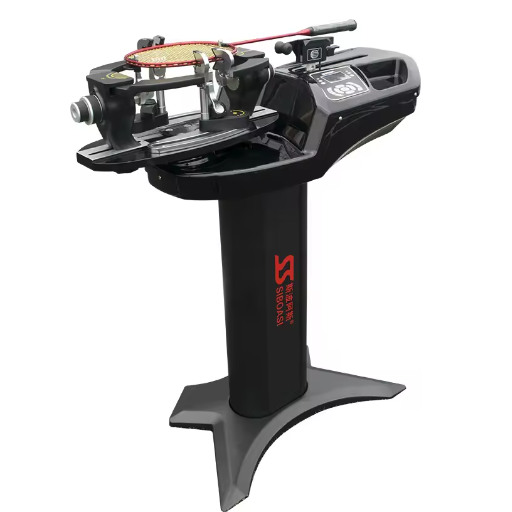
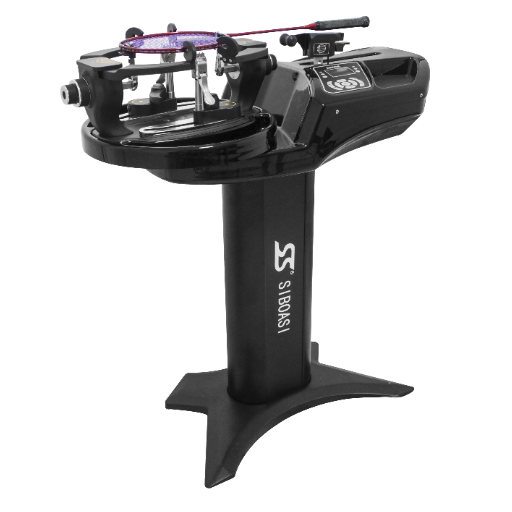
Stringing machines are crucial instruments for adjusting the adaptable operation of rackets for tennis and badminton. Use of these machines allows players, clubs, and professionals to restring rackets, according to their choice and playing style; stringing ensures that strings provide the right perception in terms of power, control, and spin thus invaluable to maximum performance in contests. Whether you are a casual player or a sportsman, having a good stringing machine at your disposal will exert a great influence over a better performance for your game.
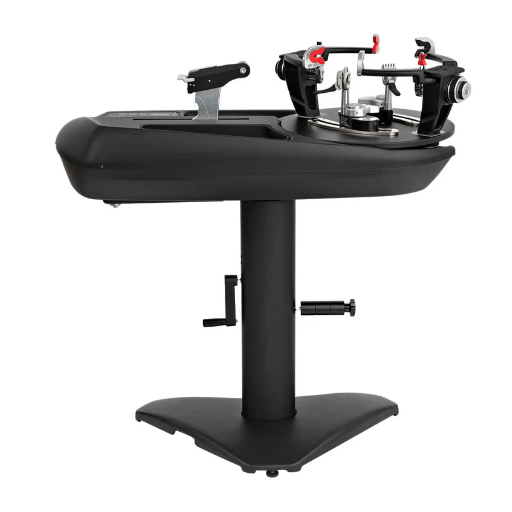
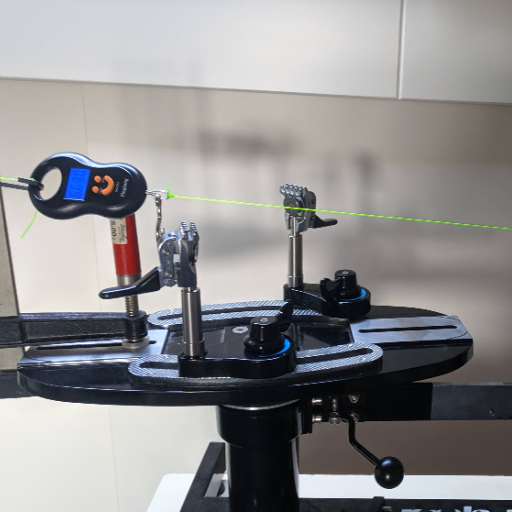
There are two major types of stringing devices available—manual and electrical. Manual stringing machines require the manipulation of tension by the user and have been possessed of the acumen to do so, thus providing great control for a stringer skilled in the art, requiring more labor as well as more precision. With electric stringing machines, tension is produced automatically through the force of a motor, providing a much quicker and more consistently rendered stringing job in the bargain. Electrical stringing machines, with their ability to string the racket in less than 30 minutes, are probably the best choice for higher-volume stringing operations, while manual stringing machines offer risk of the worst possible injuries and are usually less expensive, so are good for those customers that only need a racquet strung once in a while; also, they fit in well with portable service.
💡
Pro Tip
When choosing a stringer for tennis or badminton racquets, factors such as the tension range, ease of operation, portability, and budget play important roles. For badminton racquets, a heavy tension is a necessity as a result of smaller racket heads and smaller strings. In such conditions, the string tension adjustment is a must-have feature during stringing—a machine with only a manual or fixed tension will fall short. In the case of tennis raquets, the frames are generally larger and hence require more robust clamps to support always. In doing so, the design into which manufacturers construct these machines best serves these unique needs, thus ensuring that you will get the product which provides for your intended use.
Types of Stringing Machines: Manual vs. Automatic
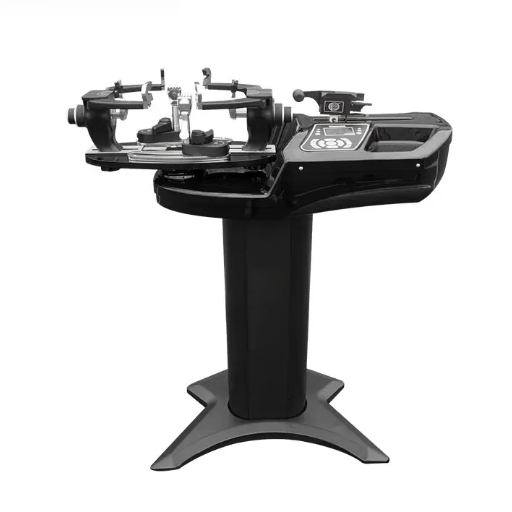
Manual Stringing Machines: Manual stringing machines operate using tensioning on strings done manually. They are less weighty, simple to design, and cheaper compared to their semi-automated counterparts. Recommended for learners and hobbyists undertaking stringing tasks infrequently, these machines call for a great deal of manual operation with restricted work done by the machine itself. However, by giving manual control to users while stringing, they are capable of quite accurately adjusting string tensions. The adoption of manual control easily leads to deviations in string tensions given that there is no standard to ensure constant stringing.
Automatic Stringing Machines: On the contrary, stringers with automatic stringing machines come with extra features that carry out the tensioning procedure. On these stringing machines, string tension is kept constant for every situation, requiring a consistent and accurate fit. Such machines are quite effective across the board, thereby making the perfect item for the professional stringer as well as a bigger racquet job. They may be more expensive and bulkier, but efficiency and accuracy are what truly make these machines fit for time-saving actions playing-wise or business-wise. By the way, they do have minimal manual interference.
Choice Between Manual Or Automaticized: The choice between manual and automatic stringing machines normally relies upon your own specific needs, skill levels, and how often you plan to use the equipment. For those who string infrequently or are restrained by budget, manual stringing machines offer a reliable and efficient alternative. For those individuals working on a professional basis, tennis clubs with multiple rackets, or impatient minimalist customers who can afford anything but the highest quality, an automatic stringing machine seems a better investment. When each user examines affordability, precision, and ease of use, they can easily arrive at their decision. Each variety of machine is pitched to a different skill level, effectively meeting different requirements.
Factors Influencing the Price of Stringing Machines
Durability and features dictate the price of stringing machines. With a secure essence, stringing machines made of precious materials like a metal frame will be more expensive. The price is raised further on functionality models. Precise tensioning systems and pre-programmable settings offer the user more choices and features compared to manually controlled devices.
Also, the type of transaction—manual, crank, electronic strings—is central. The manual route will be the cheapest, capable of handling fairly demanding stringing tasks, but will never be as powerful because of a lack of automaticity. Crank machines come mid-range; they are decent tensioners and available at a reasonable cost but still require a user’s extra human effort. The most expensive on the array would have to be the electrical machine, not because the company likes to make more and more, but that they are precise, time-efficient, and user-friendly.
Last but not least, market size determines the cost of the machine. The machines designed for high-end professional stringers or for heavy-duty club or tournament use are crafted to last up to constant use and provide top-tier accuracy and as such, command a higher price tag. Henceforth, entry-level machines aimed at hobbyists or personal use are very much reasonable since they are made to soak up stringing for those who need just a few strings.
Researching and Finding Reliable Suppliers

Identifying High-Quality Stringing Machine Factories
When choosing high-quality stringing machine factories in China, emphasis should be placed, above all, on those factories with a proven history of offering a consistent and long-lasting product. The best place to start would be to find factories that specialize in string machines and have worked in the business for a number of years. ISO-certified factories’ commitment to quality and manufacturing excellence further speak for their competing.
To make a reputable factory out of the good ones, online trading and manufacturing-oriented B2B matchmaking sites would be some worlds to turn to for help. Look up such from any or several of them, all the while considering suppliers regarding ratings, customers’ reviews, and their collection of service offerings. Furthermore, factories should be approached for samples and information regarding the things they do. Product samples and research on the details of how factories actually deliver their product would reveal the might of mechanisms they provide.
It’s best to go directly to the factory and get involved with the factory personnel over lunches, phone calls, or personal visits. By doing so, you can have firsthand experience of their production facilities, materials, and their quality control procedures. Positive communication and transparent dealings with the supplier will also ensure all concerns are addressed properly and a solid partnership is forged when stringing machines are to be imported.
Utilizing Online Platforms for Supplier Vetting
At the time of importing stringing machines from China, online platforms in processing of supplier vetting create immense ease. First up, highly recognized international trade platforms help to get a list of particular suppliers, for each supplier in which there are a series of product categories, certifications, and the way “reviews” are done. Supplier profiles, customer feedbacks, and business past under each of these platforms are a strong help in shortlisting reliable producers.
Get connected! Use these new upcoming online communication tools to request detailed product specifications, certifications, and inventory and customer references. care to see if they are complying with international benchmarks and also ensure their capacity. Most other platforms, with such third parties, rendering safe-communication, payment, and dispute resolution tools immensely serve the best interest in finishing the job with the utmost honesty.
Ensure you carry out due diligence through cross-reference of suppliers’ information with information from external sources, such as for license for importation, certification, involvement in relevant recognized trade associations. Now that automaticity and efficiency are at a high premium, their combination with additional independent research develop well-informed and secure decision-making in this regard.
Evaluating OEM Options for Customized Equipment
The selection of an Original Equipment Manufacturer (OEM) when importing a stringing machine from China is a significant step in helping ensure general compliance, compatibility, and value-for-money over the long run. Step one is to judge an OEM based on international standards and certifications, which could include ISO certification for quality management. Such certifications inform us that this equipment meets globally acceptable operational standards according to safety standards.
Other than above factors, other necessary considerations are concerned with the OEM’s past experience and expertise in producing stringing machines. Check out their product range (particularly considering variety and customization options) to see the possible readiness to meet your requirements. In addition, evaluating reviews or comments made by the company’s past customers or partners can give an idea about product reliability, after-sale support, and customer satisfaction.
Last, based on the considerations discussed above, evaluate logistical issues, such as pricing, shipping terms, and lead time. Clarify or detail licensing, duty, and other import-related requirements and ensure clear communication with the OEM. A combination of attention to detail backed by poor communication will keep the procurement process smooth and prevent potential mistakes or delays.
Shipping Logistics for Imported Stringing Machines
Understanding Incoterms for International Shipping
In the international shipping industry, Incoterms, or International Commercial Terms, are standard rules known worldwide. They describe the roles of the buyer and seller in the activities involved in transporting products. By using this, we can come to an understanding of the rights and responsibilities to assign various things, such as the goods, transport mode, and risk, to each of the buyer and seller. Understanding Incoterms is very important, especially to ensure value for both parties, to further eliminate the scope for misunderstanding and to enhance the clarity of obligations.
| Incoterm | Full Form | Responsibility Highlight |
|---|---|---|
| EXW | Ex Works | Buyer manages all logistics from the factory door. |
| FOB | Free On Board | Seller handles local transit to ship; buyer handles sea freight. |
| DDP | Delivered Duty Paid | Seller handles everything including customs and taxes. |
There are a total of 11 Incoterms, with two categories based on transport mode. In regard to the first one, insuch terms as EXW (Ex Works), FCA (Free Carrier), CPT (Carriage Paid To), and DDP (Delivered Duty Paid) have been stated for all modes of transport, among others. In return, the terms of FAS (Free Alongside Ship) and FOB (Free On Board) are specific to sea and inland water-way transport. Each term clearly delineates different responsibilities to the buyer and seller; these range from loading to insurance and delivery.
The right Incoterm must be chosen by suppliers of the filament; this will minimize any unforeseen risks or excessive costs. For example, with DDP, if the seller is responsible for shipping, customs work, and delivery, that is probably the best option. Otherwise, EXW would make sense if the buyer could manage logistics independently; making the right selection of Incoterms and complicated and often unnecessary operational matters is the key to transparency. Such a strategy lessens disputes to keep operations efficiently maintained.
Choosing the Right Shipping Method for Your Needs
Shipping from China, you need to decide of the best way based on your priority in terms of cost, delivery time, and complexity. Sea freight is mostly suitable for mildly urgent, less humble shipments. It is cheap for heaviness and bulky goods. The only disadvantage is that it generally takes much longer to reach its destination, varying only a little. This can be from a few weeks to an over month or two, depending on the specific point of delivery and customs validation.
Air freight is another alternative for time-bound shipments. Although it is most expensive in comparison, it has a very elite advantage in reducing the duration by many days and accelerating the meeting of stringent requirements. This method is prescribed for very urgent stringing machine needs or priority for speed more than price.
You can avail of as many shipping services that provide door-to-door deliveries, which reduce your workload and make importing easier with customs clearance. Comparing costs, how fast they can deliver in time, and the logistics used directly for your added requirement will tip the balance in your favor when choosing one.
Calculating Shipping Costs and Timeframes
While calculating costs of shipment and the expected lead time of importing a stringing machine from China, a few issues would need to be considered. The cost of transportation is restricted mainly by the size and weight of the machine, freight (air, ocean, or express), and the supplier’s location. Air freight is usually much faster yet that correspondingly adds to the cost, while ocean freight takes longer but comes affordable with regard to heavier items.
The lead time of delivery might also be influenced by the delivery method. Air freight delivery usually varies from 5-10 days before it reaches its intended port of discharge. A sea freight delivery might thus take approximately 20 to possibly 45 days pending on the distance and port clearance procedures. Express services have quicker delivery times but are typically more expensive, with 3-5 days. The lead time does not work without customs clearance; it’s crucial to make sure all necessary documents such as invoices and shipping labels are correctly arranged to avoid delays.
Seeking quotations from different freight providers and assessing their offerings forms the basis for a balanced consideration of costs and time for this transaction. In these quotes, you clearly state size, weight and destination of the machine. Insurance and taxation also need to be considered because they could lead to a considerable increase in price. A well-organized plan always keeps the combined consideration of factors commonly considered determined naturally first as “time” and second as “budget.”

Essential Documentation for Importing Equipment
At any point when importing a stringing machine from China, a prospective buyer needs to give ample consideration to the most critical types of information in order to enable a smooth customs clearance, a safeguard meeting international trade regulations. The most important documents consist of the commercial invoice, packing list, bill of lading (or air waybill, depending on the mode of transport), and finally the certificate of origin. These documents would entail specifics about relevant shipping information such as value of the goods, origin of goods, contents, shipping terms, etc.
Moreover, you might need an import license or permit, based on the regulations of your country. Check with your region’s requirements, as some items may require pre-approvals or special permits. For defects detected on the inspection, machinery could be certified according to technical standards or safety compliance requirements that would need to be documented at the point of importation.
Lastly, be sure customs, taxes, and applicable fees are calculated and paid at the right time. This may involve filling in declaration forms for customs and all other related paperwork. A customs broker or freight forwarder can greatly simplify the process and help to assure that all codes are met, which can minimize any delays in the shipment.
Understanding Customs Fees and Taxes
It is very much essential to understanding customs fees and taxes before importing a stringing machine from China. This will ensure that you follow all rules and regulations related to customs duties and avoid potential surprises in terms of costs. Customs duties are those taxes that are imposed on goods transported from one ‘cross another country’s’ international border. This duty rate for your stringing machine will depend on which category it falls in the “Harmonized System” (HS) of tariff codes, categorizing goods into standardized groups. Make sure to identify the correct HS code to ascertain the applicable duty rate in your own country.
Apart from customs duties, other taxes, like the VAT and GST, may need to be paid depending on your country’s tax provisions. These taxes will be exacted on the total value of the goods, including the cost, insurance, and freight amount (CIF). Some countries might require additional fees or levies for certain products. Hence, you have to inquire about the taxes from the customs authorized parties in your country.
You should discuss your tax situation with a competent customs broker who should assist with documentation, calculations, and compliance with the importing laws. It is important that all invoices, shipping documents, and detailed product information stamped in a local aspect are precise and full to avoid unnecessary delays or penalties. Preparation and understanding of the duties and taxes can simplify the import process and help manage your costs well.
⚠️ Important Note
Failing to identify the correct HS code can lead to significant fines or seizure of goods. Always verify the classification with a professional broker before the shipment leaves China.
Tips for Smooth Customs Clearance
- ✓
Meticulously Sort All Required Paperwork: Make sure all the paperwork such as invoices, packing lists, and other shipping paperwork are properly filled in and submitted. - ✓
Know All In and Outs of Import Regulations: Get yourself apprised with every single detail of the import laws and regulations of the destination country. - ✓
Plan for Duties and Taxes: Know the calculated duties and taxes in advance to avoid surprises.
By organizing thoughfulness and awareness, and by forming a plan, customs clearance process, without distractions and cost, can be worked through.
Final Delivery and Post-Purchase Considerations

Managing Delivery Logistics from Port to Location
Promptly deployed to the chosen location, remarkable logistics to ensure a smooth entry of the stringing machine from China to the worker’s target location. The very beginning involves dealing with a reliable freight or transport company assigned to executing local deliveries. It’s important to have open communications with the firm chosen, to provide figures for transit times, the character of its transportation, happening at times according to your stringing machine, and what level handling should any damage result on moving the asset.
Clear directions are needed, preparing timely for actually making the move after shipping arriving at the port and customs clearance. Other documents required until forwarding are: bills of lading, packing lists, and certified invoices. Ensuring that the stringing machine is treated as prescribed, or obviously envisage high standard equipment for such delicate gear, also becomes the focal point in ensuring a sound delivery to the ultimate location.
The consignee should check over the shipment nicely in order to ensure that it was not damaged during transport and matches the order specifications. In case of any damages or missing components that deem intended creativity, the update on those matters should be made to the shipper or carrier, to solve under a limited period. Organization was made at every stage while following strict or carefully laid out steps; working cheques were followed accordingly to guarantee the punctual arrival of an imported breaking stringer at the purchaser’s doorstep.
Setting Up Your Stringing Machine for Use
- 1
Stable Placement
The first steps to setting up a string machine properly are by standing the machine on something stable and flat. This has a dual purpose of ensuring that the balance is proper and to be able to ward off any movements from the needle. - 2
Assembly
Subsequently, install the major parts on the machine following the provided guidelines. Starting with the mounting system, ensure that the system is securely fixed to hold the racket or the entire machine. - 3
Calibration & Functional Check
Operate the machine while verifying that every moving part performs at maximum efficiency. Run the installation and tension release of the tensioning system without any hitch.
After-Sale Support and Warranty Considerations
After importing a stringing machine from China, objectives above anything else should be set for the suppliers regarding the inspection of the warranties and after-sales service arrangements. The warranty should cover manufacturing defects, free replacement or repair of any parts, and technical support. The time period of the warranty should be specified, which should also be reconfirmed if the salespeople adequately supply spare parts by making sure that the necessary repair service is within reach.
In fact, anything that ensures the longevity of the machine and uninterrupted performance of the machine is hence required in the aspect of timely and reliable technical support. The security questions must be answered before purchasing the machine, such as whether it will be available for consultation where you may need to have any support from customer services through online troubleshooting guides, direct technical support, or virtual consultation. Needless to say, suppliers who offer customer-focused and approachable support to help you if you have any operational issues and provide fast resolution are outstanding.
Besides this, one has the option to see what has been written about their after-sale services through reviews by past customers. This can reveal the vulnerability of the business’ support team, how good their warranty claims resolution is, etc. One comes to assuredly kiss their fingers and say, “Yup, one is doing the right thing here,” rather than regretting the decision next week. This is because manufacturers bear so many uncertainties regarding proper functioning bids.
Frequently Asked Questions (FAQ)
Q: What are the initial steps that need to be taken for importing a stringing machine from China?
A: The opening steps in the endeavor to import a stringing machine from China involve searching for reputable manufacturers/suppliers, requesting for detailed specifications and samples of the unit, cost comparison alongside warranty terms, ensuring compliance and certification of regulatory normatives in your home country, selection of appropriate shipping/forwarding agent, and signing contracts in favor with purchase orders.
Q. How can I check the quality of Chinese strung machine when importing from this source?
A. The three-step quality check of Chinese stringing machines involves questions regarding datasheets/manuals of the product, third-party test reports. Apart from this, request samples or videos and audit reports from the factory. Reviews from the customers and references are also suitable parameters to be considered.
Q: What are typical costs involved when importing a stringing machine from China?
A: Incurred specifics include the supplier’s offer price, international shipping and insurance, import duties and taxes, customs clearance fees, land transportation, and any inspection or certification costs. Be cognizant of possible money sinks into installation, spare parts, or after-sales services.
Q: What is the most suitable method for those interested in buying a stringing machine from China?
A: The most suitable methods will vary based on the rush levels and budget: for bulk or massive items, sea freight is more favorable in terms of cost; air freight is costlier for smaller packages with urgency. For small quantities, express couriers might be beneficial.
Q: What certification and compliance should I examine before importing a stringing machine from China?
A: See for CE marking for the European market, FCC, or UL, if that is required for US electrical safety, and RoHS for attracting hazardous substances. Ascertain whether test reports, material declarations, and compliance with local regulations are available from the supplier.
Q: How to minimize risks when buying a stringing machine from China on sale?
A: Minimize risks of sale by vetting suppliers first. Use trade assurance services or escrow payments to assure payment. Confirm samples of the product before making the purchase. Sign clear contracts defining the parameters of quality, delivery, warranty, and penalties for non-compliance.
Q: What warranty and support should I expect when purchasing a stringing machine from china?
A: Expect a warranty period for manufacturing defects, generally twelve months only, with clear terms on part replacements and repairs. Look for immediate availability of spare parts for after-resale service.
Q: Are there import regulations or customs duties I should be aware of when importing a stringing machine from China?
A: Yes, check machinery tariff classification in your country to ascertain customs duties and the VAT/GST liable. Engage a customs broker to classify goods, calculate any dues, and prepare commercial invoices, packing lists, bills of lading, and certificates of origin.
References
- Commodity Codes Document
This document provides information on various commodity codes, including those related to stringing machines and packaging equipment.
Read more here -
International Production Networks in the Electronics Industry
A research paper from Berkeley discussing international production networks and import practices, which may provide insights into importing machinery.
Read more here -
Catalog on Machine Practices and Processes
This catalog includes discussions on machine tools and practices, which could be relevant for understanding the import and use of stringing machines.
Read more here