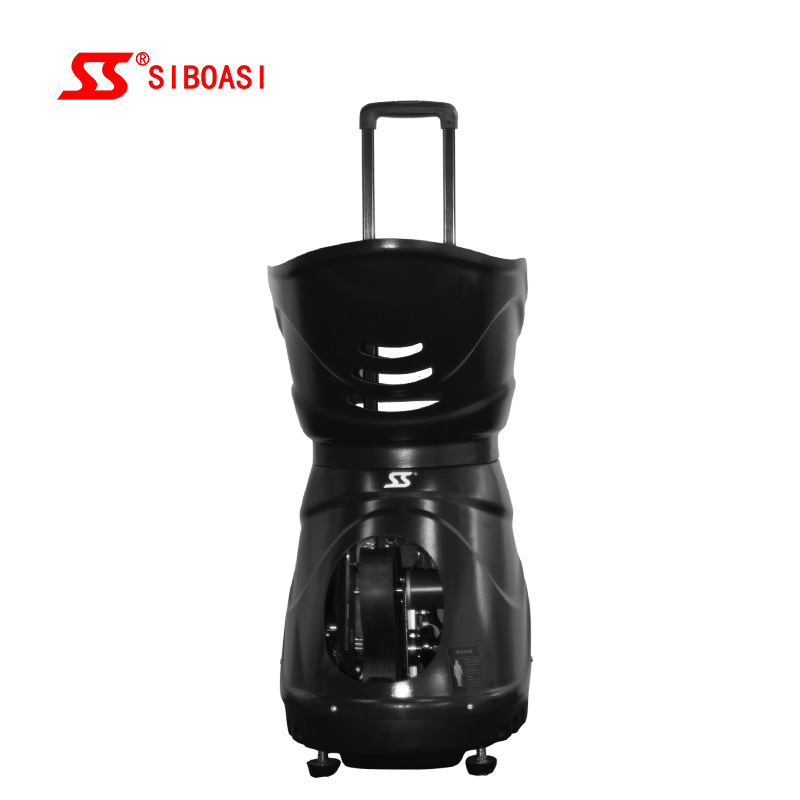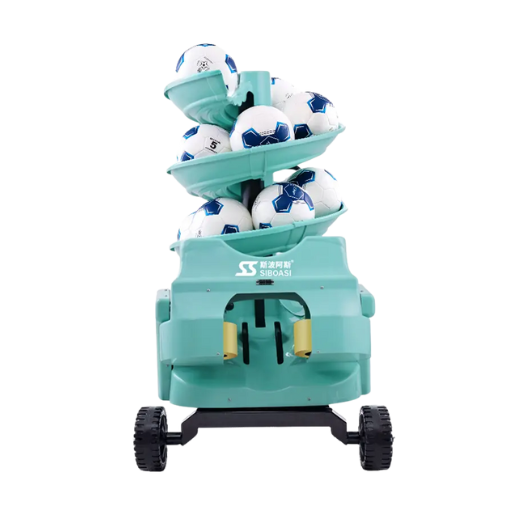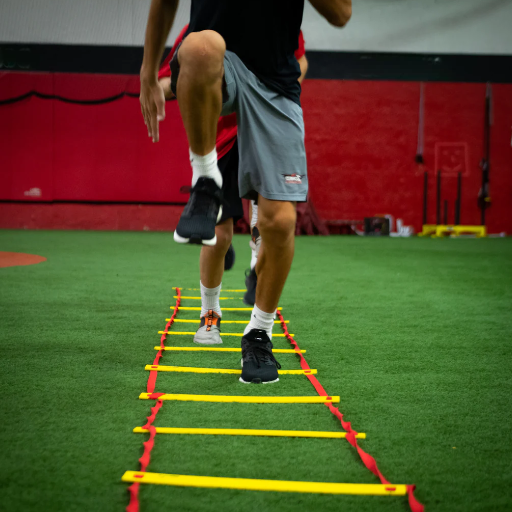
Football training machines have developed into essential tools for boosting athletic performance because they deliver exact training exercises and operate at maximum efficiency. The increasing use of these machines requires protective systems to guarantee athlete safety while they train. This article analyzes the essential safety requirements that regulate football training machines and presents recommended practices together with vital safety requirements and innovative developments that protect player safety. The guide will help coaches, athletes, and equipment managers understand how to achieve peak performance while keeping their safety intact.
The Importance of Safety in Football Equipment
Understanding Safety Standards for Athletic Equipment
The safety standards for athletic equipment establish requirements which protect athletes from injury while providing them with safe training and competition environments. The standards which govern this process are created by established organizations and governmental bodies who provide testing requirements and material specifications and performance benchmarks. Safety standards which manufacturers and users must follow ensure that equipment delivers proper protection while matching sport requirements.
The safety standards for football training machines require manufacturers to follow specific safety requirements which include design specifications and operational function requirements and protective system requirements. Machines need to complete extensive testing procedures which confirm their ability to maintain performance and safety during situations that involve heavy impact. The use of emergency stop buttons and appropriate padding and controlled movement systems functions as necessary safety features which protect users throughout their equipment operation. Safety organizations which have achieved recognition should validate product safety through certification because coaches and equipment managers should select products which meet these safety standards.
💡
Maintenance & Training Pro Tip
Users need to stay updated with information about correct equipment maintenance procedures and usage instructions. Regular inspections which check for wear and tear and the correct assembly of equipment together with following manufacturer guidelines effectively minimize potential hazards. Equipment operation training ensures that staff and athletes understand how to use equipment safely while recognizing its safety features and operational best practices. The guidelines provide a framework which helps to achieve the main objective of protecting players and improving their performance through optimal play.
Impact of Safety on Football Practice and Performance
Football practice and performance depend on safety because it determines how players will be physically able to perform their best. The process of ensuring safety measures investigators will decrease the likelihood of players sustaining injuries which enables players to dedicate their complete attention to developing their skills and implementing team strategies. Injuries not only hinder individual performance but can disrupt team dynamics and force adjustments to game plans, impacting overall success. Proper safety measures create an environment where players can develop their playing skills because they promote a sense of security. Athletes express their confidence to train and compete when they believe that protective equipment meets safety standards and their training methods follow established safety guidelines. Athletes who possess confidence during practice sessions develop better practice results because they can train at their highest capacity and enhance their performance skills without experiencing any danger of injury. The development of players throughout their careers receives better results from organizations that prioritize safety as their main concern. The consistent implementation of secure organizational procedures protects athletes from exhaustion and severe injuries which enables them to compete in professional sports for extended periods. Healthier players lead to increased consistency and success for teams which demonstrates how safety must be maintained in order to achieve personal and team objectives in football.
Consequences of Ignoring Safety Standards
⚠️ Critical Risk Assessment
The failure to follow safety standards in sports activities leads to serious physical and mental health effects which extend to problems within the sports organization. When safety protocols are not followed properly athletes become more vulnerable to injuries which include concussions and fractures and chronic strains. The injuries create permanent health consequences which can develop into chronic pain and reduced mobility and total career-ending damage. Safety violations create two problems which include preventing players from receiving proper medical treatment and causing actual damage which affects their capacity to perform on the field.
The psychological effects of safety rule violations create stress and anxiety and fear among athletes because they believe their protection during practice and competition is insufficient. Athletes experience a sense of insecurity which affects their behavior and decision-making on the field because it reduces their confidence and commitment to the game. Teams experience decreased trust between players and coaching staff when safety measures are not enforced which leads to reduced team morale and cohesion.
The failure to implement safety measures creates three major risks for organizations which include financial losses and legal responsibilities and damage to their corporate reputation. Teams and governing bodies may face lawsuits, penalties, or suspensions when injuries occur due to disregarded safety measures. The failures of sports organizations to protect player safety create integrity problems because fans and stakeholders expect sports organizations to prioritize athlete health. Sports organizations require safety measures which protect players and also preserve their reputation and operational excellence.
Key Safety Standards for Football Training Machines

Overview of Current Safety Regulations
Football training machine safety regulations exist to safeguard athletes from injuries while delivering secure and productive training results. Equipment must meet established safety standards set by governing bodies, such as mandatory inspections to certify functional stability and durability. The safety inspections serve to detect possible dangers which include both loose parts and defective components that threaten player safety during equipment operation. Training machines meet operational standards which guarantee their safe performance during standard operational conditions.
The regulations require users to follow specific instructions for equipment operation and their maintenance. Sports organizations are required to provide clear instructions and adequate training for anyone handling the equipment. Users must follow specified protocols for setup, operation, and storage to prevent improper use that could lead to accidents. The equipment requires regular maintenance inspections which include moving part lubrication and fixture tightening to maintain operational performance and safety systems throughout its lifespan.
Equipment design must address age requirements and skill-based developmental needs. Equipment must be designed or adjustable to accommodate varying physical capabilities, reducing injury risks for younger athletes or players with limited experience. Governing bodies provide recommendations to ensure training machines align with the physical and technical needs of the target users. The complete set of regulations establishes secure and dependable football training environments which protect athletes while maintaining organizational standards.
Essential Safety Features for Football Training Equipment
The main goal of football training equipment design and selection process should be to create safe conditions which protect athletes from potential injuries while providing them with effective training opportunities. The current football training equipment needs to include these essential safety features:
- ✓
Durable and Shock-Absorbing Materials: Training equipment such as tackling dummies or blocking sleds must be constructed from high-quality and shock-absorbing materials. Foam-based padding can absorb up to 75% of collision forces. - ✓
Stability and Anti-Tip Designs: Equipment like goalposts, agility ladders, or tackling shields should feature anti-tip designs and stability enhancements through weighted bases or reinforced anchoring systems. - ✓
Adjustable Design for All Ages: Training machines should be adjustable to accommodate players of varying sizes and skill levels. This resulted in a 20% reduction of youth football injuries in 2023. - ✓
Non-Toxic and Weather-Resistant: UV-protected and rust-proof finishes provide long-lasting protection while safeguarding athletes from hazardous materials. - ✓
Integrated Monitoring Technology: Sensors and monitoring systems track performance and collision force. A 2022 study showed a 15% increase in injury detection accuracy using these tools. - ✓
Compliance with Global Standards: Equipment must comply with the most recent safety standards established by ASTM International and ISO Standards.
Ensuring Compliance with Safety Standards
Steps for Manufacturers to Meet Safety Requirements
Manufacturers need to begin their process of safeguarding football training machines according to safety standards because they need to establish complete knowledge about both national and international safety regulations. Regulatory bodies establish standards which provide manufacturing organizations with specific requirements to follow for achieving structural integrity and material safety and operational performance. The product development process needs to begin with a complete understanding of industry standards which represent essential requirements for product development.
The manufacturing process requires implementation of testing procedures which should occur throughout different manufacturing stages. The test process includes three main components which involve material durability assessment and stability testing under stress conditions and safety evaluation of all moving parts. Products need to undergo impact and load testing procedures which assess their capacity to endure intense usage while maintaining player safety. The process of quality control needs to be conducted repeatedly to identify any safety standard violations which occur before products enter the marketplace.
The product achieves compliance through obtaining certification from authorized safety organizations. Certifications serve two purposes because they prove equipment compliance with safety standards while increasing consumer confidence in the product. Manufacturers need to create detailed product usage instructions together with maintenance procedures which will help decrease training-related hazards. The organization maintains its safety standards through ongoing design updates and process changes which occur in response to emerging safety knowledge.
Importance of Regular Equipment Inspections
Regular equipment inspections protect user safety while ensuring machines function correctly. The process helps to discover potential problems which include equipment wear and tear and mechanical failures and structural deterioration. The safety inspections function as a proactive safety measure which protects equipment while prolonging its operational life.
By conducting regular equipment inspections organizations demonstrate their commitment to meeting safety regulations and complying with mandatory economic obligations. Safety checks which regulatory bodies require organizations to perform at specific intervals ensure machines operate according to safety regulations which protect both workers and machine operators. Organizations face financial penalties because they failed to comply with safety regulations which led to injuries from defective equipment.
The execution of regular inspections guarantees machines will function at their highest operational capacity. Well-maintained machines function at their peak efficiency which decreases the chances of equipment malfunctions during operational periods. The early detection and resolution of problems through better operational practices enables organizations to decrease their downtime while cutting their expensive repair costs and building a secure and dependable space for all individuals.
How Coaches Can Advocate for Safe Equipment
The equipment used for practices and games must meet safety standards because coaches have a crucial responsibility to maintain this requirement. Coaches need to stay updated about industry regulations and guidelines because this knowledge enables them to protect their programs through safe equipment advocacy. Regular equipment inspections which check for wear and tear and safety protocol compliance help organizations to decrease risks from operating unsafe equipment. Training sessions need to include proper usage instructions which will help athletes understand how to practice safety.
The next step requires equipment providers or facility managers to collaborate with each other for scheduling their essential maintenance tasks and system upgrades. Coaches need to confirm that equipment receives maintenance according to manufacturer guidelines while they handle all equipment problems without delay. Organizations benefit from established communication systems because these systems simplify safety issue reporting and resolution processes.
Coaches establish a safe environment when they ask their athletes to inform them about any equipment issues they observe. The open and supportive atmosphere created by coaches enables all team members to speak up about possible risks. Safety standards advocacy prevents injuries while establishing trust and confidence which strengthens team relationships.
Safe Practices for Coaches and Players

Best Practices for Safe Drills and Training Sessions
- 1
Inspect Equipment Before Each Session
The team must inspect all football training equipment before training begins to check for signs of damage and wear. Checking moving elements and searching for missing components helps decrease harm. - 2
Supervise and Train Athletes Properly
Show machine users how to operate equipment. Continuous supervision during drills allows coaches to correct mistakes and monitor safety. - 3
Implement Safety Gear Requirements
All players need to wear helmets, gloves, and padding when operating equipment. Regular reminders about upkeep develop permanent safety habits.
Protective Gear: What Every Athlete Should Know
Protective gear is a vital requirement for athletes during any kind of competition. Athletes gain immense support from the right kind of protective equipment that shield their body parts. This helps them in reducing the chances of injuring themselves during a not-so-safe impact.
It is imperative for athletes that the equipment they wear fits well and is well maintained. Any kind of helmet that does not sit well on their heads would most likely offer scant protection to them. Equipment gets used frequently and it’s important that athletes inspect it on a routine basis—meaning they could extend the lifespan of the equipment. The helmets need to be scrutinized for cracks because it may have been damaged in the last game, while padding should retain its original shape and cushioning capacity.
All athletes must wear protective gear because they will prevent injuries. Athletes can compete with confidence when playing because proper gear provides the needed safety. In order to be protected, the athlete must identify the right gear, take care of it, and wear it during practice, as well as during the game.
Expert Recommendations for Enhancing Safety

Insights from Coaches and Sports Safety Experts
Injury Prevention Guidelines: One of the requirements made clear by coaches and top sports safety experts for football training is the use of appropriate cool-down and warm-up exercises to prevent injuries. An effective warm-up session keeps the muscles and joints of a player prepped for high-speed movement, promoting flexibility and averting strains. Post activity exercises are important for fast reduction of muscle tone, which will allow recovery and set the body up nicely for upcoming training sessions. These have to be part of any training session.
Proper Technique and Supervision: Regardless of the scenario, players are advanced a step when provided with training in the proper technique and when supervised during practice sessions. Coaches must pay attention to teaching the right way to tackle because one of the leading causes of several injuries in football is bad tackling techniques. Supervision ensures a safe playing environment that considers boys and younger players, especially at risk of hurting themselves due to inexperience.
With respect to the consistent inspection and maintenance of protective equipment, safety in American football begins to significantly predicate on this. During inspections, teams need to check their equipment – helmet, shoulder pads and the like should be screened for defects or signs of damage that necessitate replacement. This will ensure that equipment performs as designed all the way through the practice sessions and competitive events, thereby reducing the risks of injuries.
Innovative Safety Technologies in Football Equipment
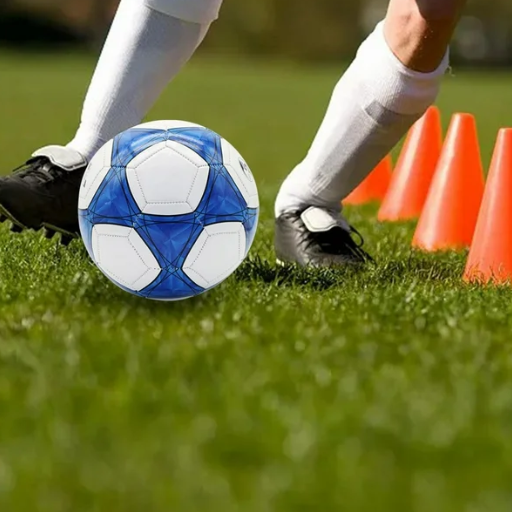
The latest developments in soccer ball technology have created new features which improve player safety and match performance. Modern soccer balls use materials which protect players from injuries that occur during match play. The design features softer outer layers which combine with foam-based panels to deliver impact protection through their cushioning system that reduces force contact between the ball and players. This innovation is particularly beneficial for younger players or those at developmental stages.
Another key safety technology involves precision stitching and seamless surface designs. These features enable better flight path control which results in fewer irregular rebounds that lead to accidental injuries from unpredictable ball movement. Players need to know how the ball will behave because stable ball movements help them avoid dangerous situations that result in head impacts during aerial challenges.
The soccer industry is starting to use sensor technology which will enable real-time tracking of impact forces through soccer balls. The new technology delivers essential information which assists coaching staff and performance assessment while protecting players from dangerous impacts that can cause injuries. The new technologies demonstrate how essential it is to achieve a balance between player safety and athletic performance because this leads to enhanced soccer safety.
Future Trends in Safety Standards
The future of safety standards for athletic equipment requires organizations to combine advanced materials with new technologies which help protect players. Scientists today develop new materials which include impact-absorbing foams and lightweight composite fabrics to enhance shock absorption and decrease injury risks. The new materials provide better protection because they combine flexible design with strong performance, which makes them useful for contact sports like football and hockey.
The equipment design process now incorporates smart technology as its second main trend. The helmets and pads and uniforms contain embedded sensors which track impact forces and head movements and other vital statistics. Medical staff and coaches use this information to make quick decisions about potential injuries which require medical attention. The technologies will likely become standard equipment for both youth and professional sports to deliver continuous safety monitoring throughout all game levels.
Regulatory advancements will develop into a major factor. Sports safety organizations will revise their safety standards because they must incorporate recent research and technological progress. The process requires equipment testing to follow more rigorous standards which prove that products meet current safety regulations. The combination of engineers and medical professionals and governing bodies will create better safety standards which protect athletes throughout their sporting careers.
Frequently Asked Questions (FAQ)
A: Core Safety Standards for Football Training Machines require certified equipment that meets guidelines set by organizations such as the National Operating Committee on Standards (NOCSAE), the Safety Equipment Institute (SEI), and relevant national federation or association committees to evaluate protection against head injuries, spine risks, and overall wearable safety for football players during practice and scrimmage.
A: Different bodies oversee their respective areas: NOCSAE and Cramer Scienfitic Inc. develop the testing protocols; SEI certifies the production of the equipment; collegiate and national sport governing bodies (like NCAA and USA Football) adopt policies for game day and practice restrictions: NFL as a league or the National Football League Players Association influence pro-level guidance; while local referee and association rules enforce permissible gear.
A: Standards focus on helmets and shoulder pads, requirements for proper fitting of helmets, evaluation of headgear, tests for the reduction of impacts’ severity. NOCSAE protocols and SEI certification enable helmets and other protective headgear to reduce risks for traumatic brain injury by measuring absorption in energy and retention of protection with time.
A: Yes, Safety Standards for Football Training Machines state that during machine-operated equipment testing, football players are required to wear certified equipment—namely helmets, knee pads, knee protection, and other equipment deemed beneficial for reasons of safety.
A: In some situations, oversight committees, associations, or governing bodies might ban high-risk drills or machine settings. They could specify limits on force or prohibited repetitive head impacts or require certified plates, caps, or pads for pain mitigation.
A: Thorough checks are recommended prior to any college or pro season, annual SEI recertification where applicable, and immediate evaluation following any significant event or visible evidence of wear or damage.
A: High school federations may abide by NOCSAE basic standards, whereas college governing bodies (NCAA, USA Football) may put tighter restrictions on protocols. The NFL, by its own standards committee, sets independent, rigorous standards with demanding tests.
A: Fit is of utmost importance; without a helmet, even certified equipment will offer no proper protection if it is too big for the wearer. Proper fitting of kneepads, shoulder pads, or helmets is strongly advised, and effective supervision is the best way to enforce these guidelines.
References
-
Protecting the Health of Football Players On and Off the Field
Read more
This article discusses the importance of equipment certification and regular recertification to ensure safety. -
Inspection is Key: Providing Safe Playing Conditions and Equipment
Read more
Focuses on the need for proper equipment fitting and maintenance to prevent injuries. -
Protective Equipment | Korey Stringer Institute – UConn
Read more
Details performance and test standards for various athletic equipment, including football gear. - Top Football Training Machine Manufacturer and Supplier in China