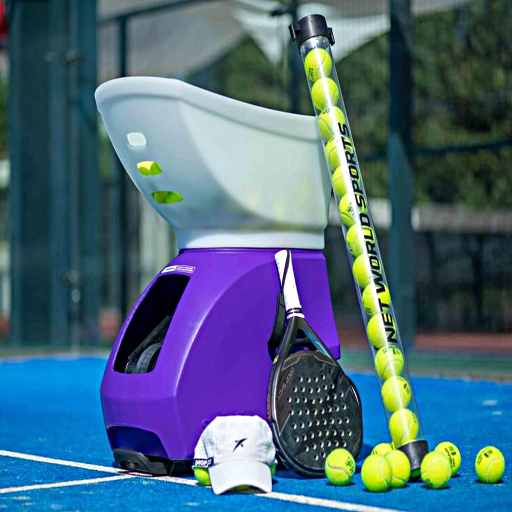
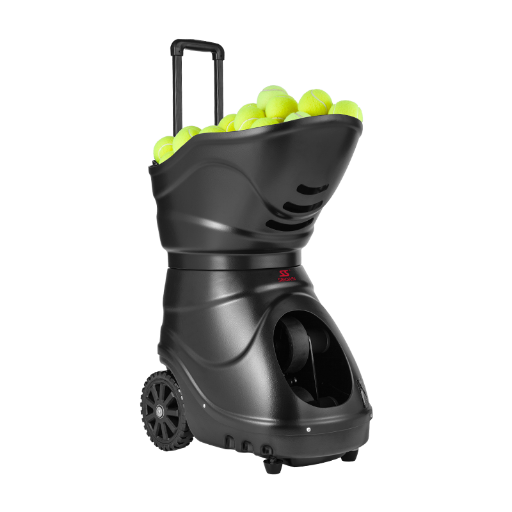
A tennis ball machine can elevate the quality of your game, providing an unvarying practice opportunity and making it easier for all players to improve their skills even more. Nonetheless, just like any other tool, ball machines may have trouble operating correctly, or may wear and tear after some time. If your machine is spitting out balls inaccurately, not turning on at all, or behaving in an inconsistent manner, you might feel puzzled on what to do next, but troubleshooting and fixing the issue is not that hard. This is exactly what this thorough guide offers you. We will identify the most common problems with their roots and suggest practical repair solutions to ensure your tennis ball machine operates perfectly. After going through this article, you will be able to confidently deal with minor repairs and maintain your machine in the same way as a pro, so that it stays with you on the court as a trusted partner for many years to come.
Understanding Common Issues with Your Tennis Ball Machine
Identifying Mechanical Failures
A tennis ball machine most of the time suffers from mechanical failures which are due to the normal usage and improper maintenance. One of the main problems in the mechanics of the machine is the ball-feeding mechanisms, which causes the balls to be dispensed in an incorrect manner, and this again leads to worn-out motors and belts. A jammed feeder usually occurs when the balls are not loaded properly or some of them are already damaged. Misalignment may cause defective ball dispensing, and this in turn can lead to disrupting your practice sessions.
First of all, the ball feeder needs to be checked for any visible obstructions or misaligned parts which can then be solved by such a simple remedy. Take the stuck dirt away gently or move the parts if necessary. In case belts or motors are worn out consult the machine’s manual to know the replacement method as timely replacing is very necessary for the performance to be effective. During the maintenance always make sure that the machine is turned off and unplugged to avoid any accidents.
Regular maintenance scheduling is the golden rule for keeping the future problems at bay. Daily cleaning of the ball feeder and other moving parts will be necessary right after usage in order to remove dirt and other residues. The inspection for the loose parts should be done regularly and they should be tightened at the first sign of looseness. By being proactive with the regular maintenance you can avoid mechanical failures and enjoy a tennis ball machine that is reliable in the long run.
Common Electrical Faults
A myriad of reasons may cause electricity repairs to tennis ball machines, including power supply problems, faulty electronics, or the breaking down of parts. The most prevalent problem is the machine’s inability to ignite, typically leading from a dead battery, damaged power cord, and blown fuse. One tried-and-true way to redress this problem is to replace the battery; then check the cord for wear and tear and the condition of the fuses to determine if they have blown.
Another commonly encountered problem most people have with their tennis machines is erratic ball feeding. Such matters are linked to motor failure or unsteady voltage supply. In assessing a problem like this, the simplest of fixes remains to ascertain via an assessment of the motor for damage or wear and to see to it that the voltage supply chain from the power source is stable. Apart from that, replacing a malfunctioning motor or using the power supply appropriate for the machine is a quick fix.
When operating continuously or facing a lack of air circulation, the machine bears the risk of overheating. To put in the proper ventilation and control operation in order not to subject the machine to the risk of being overworked. Keep it from overheating and maintain its operation by gently removing particles of dust from the area surrounding the ventilation openings and the areas of the machine touched while cleaning.
Recognizing Alarm Codes and Their Meanings
Alarm codes on a tennis ball machine are implemented to show the users that some particular issues need their attention. Recognition of these codes covers not only the safe but also the proper functioning of the machine. Below are some of the alarm codes and their meanings:
Power Supply Issues: A power supply problem alarm code usually indicates that the machine either does not receive the power or the power is not stable enough. Check the power supply, make sure the cord is plugged in tightly, and check if the voltage is according to the machine’s requirements.
Component Malfunction: In case the alarm indicates a part of the machine is not working properly, for instance, feeding mechanism or motor, then immediately the machine must be switched off. Inspect the part for possible signs of wear or even damage and discard it if need be. The user manual can be referred to for guidance or professional support can be contacted.
Overheating Alerts: Overheating alarms are generally signal for users to give a break to the machine after its performance has been prolonged or if the ventilation system has been blocked. Give the machine time to cool down, remove the barriers to air circulation in the machine, and take breaks so as not to prolong the operation.
If you are able to decode the alarm codes and act accordingly, you will be able at least to keep the tennis ball machine in good condition thus extending its life, and repair costs decrease. In case of being in doubt, checking the manual would be the best plan for specific troubleshooting steps.
Troubleshooting Mechanical Failures
How to Fix Jams in the Ball Feed System
The initial course of action to fix a jam in the tennis ball machine’s ball-feed system is turning off the machine and also unplugging it from the power outlet to prevent any risk of electrocution. Once turned off with all power supply isolated, the insp-ective must be carried out around the ball feeding system itself to learn where exactly the jam is occurring. Normally, jams can be well discerned when the components get blocked with small matter, like additional debris, dirt, or old worn-out tennis balls that are no longer practical. Kindly handle any accretions with utmost delicacy.
Afterward, go on to clean the ball feed system. Cleaning may be done with a soft, soft lint-free cloth or brush. When cleaning, concentrate on areas, particularly moving ones, for these are the places jammed particles are likely to build up. Following all subsequent cleaning and remotion, including any grease and oil/mold formation, the jamming continues to occur, take into consideration that worn, broken, or misaligned feeding wheels or gears could be the root cause. Therefore, tightening or replacing the feeding parts can be an option, depending on what you find. For how to identify which replacements to order and how to assemble them, refer to the user guide.
Once you complete the check for jamming problems, the machine has to be tested-knock on wood! To that end, it is required to put some clean tennis balls in there and go to town with it. Do also keep it under supervision in action to make sure that all the snags have been completely eliminated and the feed system. Regular cleaning and maintenance may help abate this issue as aforesaid, giving you a performance as dependable as its durability.
Adjusting Wheel Alignment for Optimal Performance
Your tennis-ball-throwing machine must have flawless precision for the wheel alignment. Misalignment contributes to turning irregularly shots, turning irregular spins, and imparting different speeds to some of the balls. Start with the machine user’s manual in case you need to adjust the alignment on your specific model, as it provides the most trustworthy and relevant information. In most cases, aligning may include correcting inch by inch only, looking if the wheels are parallel and if the distance between them is the same; variations, however miniscule, can have drastic consequences on the machine’s performance.
It is advisable that you switch off and unplug the machine before commencing with the alignment process, considering safety measures. Verify the distance between the wheels with a tape measure or some other suitable measuring tool, seeing that the specified values are achieved, as described in the manual. If any changes are necessary in alignment angles, you can start to carry out the relevant alignments: these will usually involve untightening the alignment screws and moving the wheels to the required positions, after which the screws are again tightened securely. Thereafter, re-ascertain alignment; if the bullet gets fixed, and rub-resistant, it can be said with assurance that the correction was accurate and truthful.
The machine should be tested with standard tennis balls after wheel alignment is well in place. Observing the trajectory of the balls, their speed, and the kind of spin generated will confirm that the alterations have solved the previous problem. Regular checkups and maintenance should not be neglected while considering the wheel alignment, as it starts to change with use and gets worn out. The ultimate goal is achieved every time the machine is best aligned – it will serve better, increasing life by drastically decreasing wear and tear in the entire system.
Resolving Slinger Issues
For those facing any issues with a pitcher, look for those issues ranging from inconsistent ball throwing, funny sounds, and some mechanical faults. First start troubleshooting with the list of steps given at the back of the manual for common problems. See that it is clean and neat and dry; dirt that accumulates causes hinderances for it to work. Both cleaning and check-ups should be a ritual for smooth functioning.
Ensure all the parts and components such as wheels, motors, and gears are in place in regard to mechanical or alignment issues. Good performance can only be guaranteed if the wheels and mechanisms are well aligned and calibrated. Fix loose screws as they impair operation by loosening up undesirably. Replace outdated or damaged parts promptly to avoid creating new issues. Also, always check the power source or battery and make sure that it is in good health and fully charged; otherwise, less power implies less functionality.
If after regular preventive maintenance the problem persists, it would be advisable to consult an expert or contact customer care for help. Sometimes the problem requires the use of one or two specific tools that the usual troubleshooting methods cannot sort out. Keeping a comprehensive and detailed record of the fault and corrective actions may help the technician to quickly diagnose and fix the problem. Overall, good long-term operation and system reliability are due to timely maintenance and repairs.
Troubleshooting Electrical Faults
Addressing Battery Drainage Problems
One may blame the following reasons for having a tennis ball machine battery-draining issue: The first is an obvious case of a new battery. The battery shall be charged wholly; some machines may have particular charging time, Other than that, anything less than this will result in quick battery drain. Always use the recommended charger from the manufacturer to prevent chances of compatibility issues that would make the charger work inefficiently.
Examine to check if current power is being used up while the device is switched off. Other internal parts are usually so poor at consuming little power, leading to the battery loss. Somewhat detach the negative link of the battery to the battery when the machine is not in use and consult with a technician whether the electric circuit needs to be inspected or replaced.
While the age of a battery might be hard to express in years to come, the reality is that batteries indeed lose or reduce the amount of charge they can absorb faster than they age. This implies that one can assume the aging battery is good as dead; a new replacement battery is the next best step. Manufacturers post specifications, recommendations, or projections for the lifespan of these battery models. This might help a customer to select an appropriate battery replacement for his device. Proper maintenance-every little detail of the machine-is vital to maintaining the battery, and the device can therefore be devoted to its very core system.
Fixing Control Board Errors
The power problems of a tennis ball machine persist when wire, software, and control board problems are considered. One can further direct the focus towards fixing the machine by placing it completely in the “off” position and checking visible wire connections for any signs of looseness or damage. Ensure that all links are greased and tight, that there is no tanking or rusting. The string- and lovely-clean wiring will allow more trouble for the control board in terms of the wear.
If no problem is found with the wiring, you need to take the software of the tennis ball machine into consideration. Some tennis ball machines feature embedded systems, which could be sporadically erroneous or sometimes not very responsive. Try looking into a say-yes reset while following the owner manuals. Possibly, the system reset might restore the device. In addition, check to see if the machine has software-update capabilities; this may update the software if it doesn’t have the latest version. Usually, software updates eradicate bugs and allow even greater compatibility of the machine with other equipment.
Diagnosing Power Supply Issues
The engine is no beginning. The two main reasons could be due to power supply to the engine. Just making sure the machine is plugged into a proper power source or for battery-run devices. It is also a good idea to make sure that the battery is completely charged. Multimeter can also be used to check the voltage that matches.
After checking the power source and making sure the correct power source is connected, check the machine’s power connection and switch. Poorly connected power supply leads, a damaged power switch, and so on would disrupt the flow of electricity into the machine. Keep an eye out for damage or rust on the connection points and apply, to the parts you are working on, the rule ‘tighten or replace.’ Remember, safety is a priority; always ensure the power to the machine is switched off and unplugged before carrying out these checks to prevent any mishaps.
Now, if the machine still would not switch on, then the internal wires or the circuits will be something to be considered about as having faults. Repairmen must be called in such a case lest the situation get worse, or the machine should be saved from some damage. Routine inspections of the power system are going to prevent such difficult situations while prolonging the tennis ball throwing machine’s lifespan.
Preventative Maintenance Checklist
Regular Cleaning and Care for Your Tennis Ball Machine
The right way to clean and maintain any tennis ball machine is the chief prerequisite for achieving the goal of ‘up and running’ which follows with the words ‘for quite a long time’. Here we bring to you the detailed steps and hints about your machine’s management:
- Clean the Exterior Regularly: Regularly clean the exterior of the machine with a clean, soft and slightly wet cloth after every use. This practice helps in getting rid of dirt, dust, and other particles that might gather while playing outdoors. So that the machine’s surface does not get damaged, avoid using any abrasive cleansers or solvents.
- Inspect and Clear the Ball Throwing Mechanism: Accumulation of fuzz, dirt, and debris over time in the throwing mechanism may happen. It is advisable to check the throw section frequently and do maintenance by cleaning with a soft brush or using compressed air to remove any clogs or hindrances to good performance.
- Wheel and Tire Maintenance: The throwing wheels are an important part of the machine. Check the condition of the wheels and tires for signs of wear, and if you notice any, replace them. Some manufacturers recommend cleaning the wheel surface with rubbing alcohol periodically to ensure a good grip on the tennis balls.
- Battery Care: If your tennis ball machine operates on a rechargeable battery, proper battery maintenance is significant. Be sure to completely charge the battery before storage and avoid overcharging, as this can shorten the battery’s lifespan. Most battery manufacturers recommend replacement every three to five years or as performance decreases.
- Protect from Water and Extreme Temperatures: Taking care of your tennis ball machine by keeping it dry and storing it indoors or in a protective cover will prevent the water, humidity, or extreme temperatures from damaging the machine. Such exposure might lead to the breakdown of electrical components and other sensitive parts of the machine.
- Check and Tighten Bolts and Screws: The regular vibrations that are a result of operation can lead to the loosening of bolts and screws over time. Thus, it is necessary to inspect and tighten them in order to preserve the integrity of the machine’s structure.
- Regular Maintenance Schedule: A maintenance routine is very significant. As an example, it is suggested to clean the machine after 10 hours of playtime and do a thorough inspection once a month.
With such care, your tennis ball machine will see top performances and will last a long time. These would require care and maintenance steps that are warranted by the manufacturer; these steps can be located in the preface of an owner’s manual.
Scheduled Inspections to Prevent Breakdowns
Maintenance inspections are indispensable for durability and consistent working of the tennis ball machine. Depending on the schedule maintained – monthly at worst, weekly at best – that “moment” is when the observed or anticipated issues can be arrested preliminary to igniting latent ignition; such as a part which has loosened, a part which has worn out, or a part that requires a cleaning. As a result, the fewer spontaneous failures occur while the assembly is functioning properly. This method is, therefore, commonly accepted.
Check the crucial components such as the main an M machine, wheels, and play release mechanism before initiating the detailed examination. Besides the obvious signs of wear like cracks or heavy friction, hidden issues could also be perceived, which may not be easily and timely noticed and therefore checked soon. Fixing or rejuvenating the damaged components should increase power support and afford smooth and more consistent operation of the ball machine.
Lastly, consider the user’s manual and manufacturer’s care recommendations regarding your particular machine. Some models have features not present in others and may need special care that should not be discounted. By following such guidelines and carrying out regular inspections, one might minimize breakdowns and make the tennis ball machine as a very trust-worthy training buddy.
Tips for Extending the Life of Your Equipment
It is very important that you keep the tennis ball machine well-maintained so as to enjoy its use over a long period of time. After every use, clean the machine, make sure it does not collect dirt, or had accumulations of sawdust inside especially in its operational cavity as these may impede the performance. A clean, dry cloth may also be blossomed on the surface but most importantly make sure that the ball-feeding mechanism is not blocked. Cleaning once in a while is not harmful as it helps to keep the degradation down to manageable levels.
The machine should be stored indoors in a good place protected from any harm when not in use. Never allow your machine to be in direct contact with the sun, rain, or very high temperatures, or else the weather-worn electrical systems will get damages (plastics, metals, or Polypropylene tubes, pipes, etc.). Keeping the machine in a well-ventilated and dry area will go a long ways in preventing rust or moisture damage. If you can spare a few bucks, buy the original, or maybe a custom-made cover, to shield the unit against elements and dust.
The condition of the machine should be carefully checked every now and then to ensure any early signs of wear or damage can be addressed in a timely manner. Loose parts should be well fixed, worn-out parts replaced, and malfunctioning components screened for. It is always a plus to have minor issues fixed through timely and immediate attention, preventing them from growing into bigger problems. Inquire from the manufacturer the recommended schedule for parts inspection, oiling, and other maintenance functions, and if you at all need professional services, please go for the same. Thus it is your responsibility to ensure that your tennis ball machine is functional for a long time.
Conclusion: The Importance of Proactive Care

Encouraging Regular Servicing
The tennis ball machine needs servicing to keep it in tiptop shape for a longer period of time. Neglecting the repair and servicing will only lead to catastrophes, entailing bigger expenses when the machine comes to a grinding halt. At times, regular service can bail out the machine on an unplanned large-scale breakdown.
One way to ensure that your machine is performing at its best is by regularly checking it for any signs of dirt accumulation, mechanical faults, or unusual noises during operation. You can be doing the cleaning of the essential parts like the wheels and ball feeder to avoid the blockages and to keep the process going well. Look up the maintenance guidelines in the manufacturer’s manual if you need a list of care tasks to be performed routinely. If your machine needs special repairs, always get in touch with a trained technician who has the suitable experience.
Proactive servicing, besides saving dollars that would have gone to repairs, also costs your less in terms of the quality of court time. A tennis ball machine that is well-maintained will always be able to produce accurate, reliable shots, thus allowing you to concentrate on skill development. It will keep being a reliable training tool for your practice regardless of how many years you’ve been doing it and just like that, it will be your partner in practice sessions for years to come.
Benefits of Maintaining Your Tennis Ball Machine
The proper maintenance of your tennis ball machine is a guarantee that it will be able to deliver consistent and accurate performances throughout its lifetime. You can expect a machine that is regularly maintained to produce the same high-quality shots every time, thus allowing you to concentrate on your tennis development uninterrupted. The uniformity of the performance enhances the quality of the practice sessions, hence making them more effective and also fun.
Other benefits of performing regular maintenance on your tennis ball machine are increasing its lifespan and reducing costs in the long run. In the absence of regular attention to your machine, you will have to face huge expenses either in repair or much sooner in replacement. Simple preventive actions like cleaning and inspecting replacements or parts about to wear can greatly affect the behavior of the machine and save you a whole lot of liability on repair and maintenance costs.
Moreover, maintenance of your tennis ball machine also minimizes the possibility of unexpected malfunctions during practice. Dependable functioning of the machine will allow more time to be devoted to the game rather than sorting out equipment issues. In general, making sure that your tennis ball machine is well taken care of will give you a dependable and valuable trainee partner for many more years.
Frequently Asked Questions (FAQ)
Q: How do I start following this Tennis Ball Machine Troubleshooting Guide when my machine stopped working?
A: The first step in this Tennis Ball Machine Troubleshooting Guide is to perform a quick visual inspection: check the control panel and buttons for obvious damage; ensure the hopper is loaded with new balls or properly seated; verify that the external battery or fully charged battery is connected and functioning; and confirm the machine back is secure. If the machine stopped working after a session, power cycle it and consult alarm codes page if available on the display or manual.
Q: What should I do if the balls are jammed? By way of guide, how are the subject of jammed balls appearing in the hopper disposed of?
A: Given stuck balls as examples, the information given in the Tennis Ball Machine Troubleshooting Guide states that the machine should be turned off and unplugged before safely opening the hopper and removing the balls. During this, inspection is done on any dirt or damaged balls that may have jammed while making sure that the button that activates a safety latch has not come out of place; if it has, a reset is required. If you wish to use less damaged balls or all balls are ruined, then you will probably need to refill the hopper with new balls. Video tutorials could be more beneficial while guiding you step by step to de-jamming the tennis ball machine.
Q: My remote control doesn’t connect—”Can the guide assist in remote pairing and control issues?”
A: Yeah, this understanding will maybe cover a little bit of unplugged stuff! Machine noise is, therefore, not addressed, except to say that it could be a motor, hopper, or remote partnership issue-in which case the troubleshooter will have to kick in unless reason can be found on the user manual.
A: Switch OFF the box-switch and look for any on-off switch that pops out or no longer works. After that, look for the brake button on the console region, see if it has been lowered and needs to be re-seated or replaced, then try all functionality. In order to ensure zero issues with regard to stuck or jammed balls causing module pressure near external controls, the spiral observant pages must also be checked for input-related alarms. Get in touch with manufacturer support in the event of a broken “Run” button that is under warranty.
Q: What are the troubleshooting steps you can take for battery and power issues with regard to an external and fully charged battery test?
A: Case entails testing of the charged battery through a multimeter or charger indicator, swapping the battery for a better known one, inspecting connections power at the rear of the machine and battery terminals, and checking the cartridges, charging system, and fuses. In some cases, a machine that works properly when powered will die under certain loads. Consider using a new set of balls in case a mechanical constraint has caused the resistance. Furthermore, when a battery must be changed, leaflet of warranty to be saved.
Q: Is there a recommended sequence to go through the checks when an error arises on the machine alarm or codes page?
A: User should stick to the proper sequence provided by the Tennis Ball Machine Troubleshooting Guide: note down any error codes shown on the error codes document, power cycle the unit, and inspect the hopper and machine back for any obstructions or jammed balls. Check remote and control panel inputs, confirm the battery charge, and consult the error code list in the manual for the resolution. Where the problem persists, evidence captured on video should be sent to the warranty support.
Q: Which basic maintenance procedure and tips can the manual guide provide to help avoid issues like jammed balls, stop errors and glitches on the control panel?
A: Some of the preventive aspects suggested were to ensure the use of high-quality new balls, the keeping of the hopper and feeding path free of debris, frequent checking and tightening of buttons and connectors, proper storage of the external battery or fully charged battery, the updating of firmware on units with remote or video-controlled capabilities, and finally the habit of making a log of alarm codes and repairs to streamline warranty claims and professional service.
References
- Cal State LA – Tennis Ball Machine Demonstration: This document includes troubleshooting common issues, safety guidelines, and maintenance tips for tennis ball machines. Read more here.
- Cal Poly – Autonomous Tennis Ball Collector Design Review: While focused on ball collection, this report provides insights into manual solutions and related troubleshooting processes. Read more here.
- Top Tennis Ball Machine Manufacturer and Supplier in China