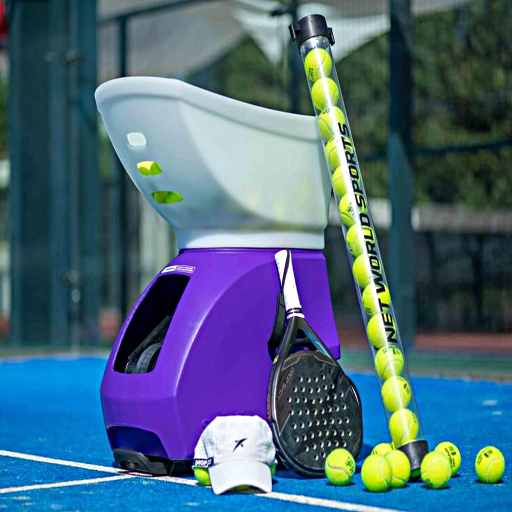
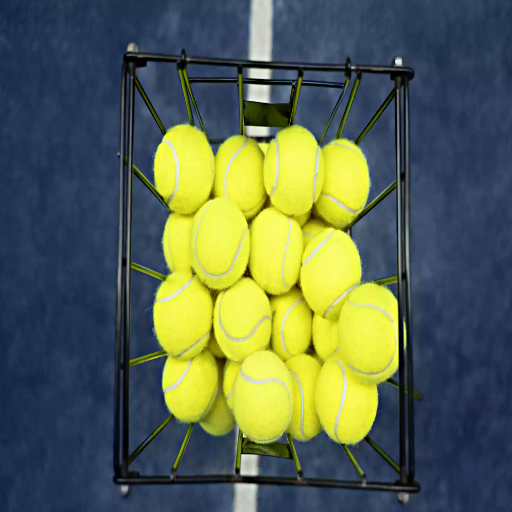
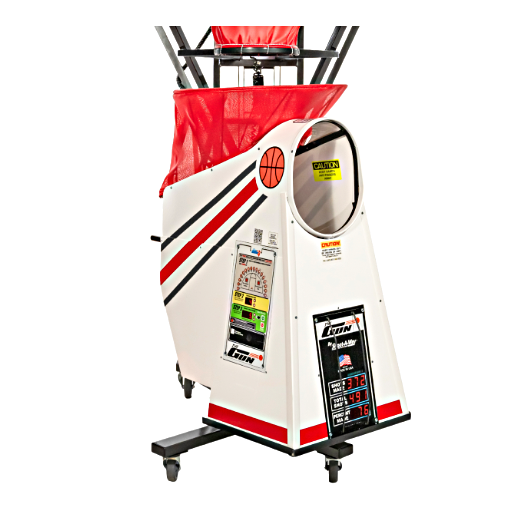
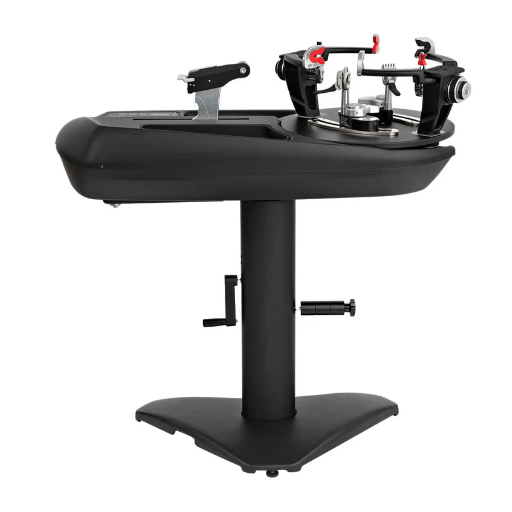
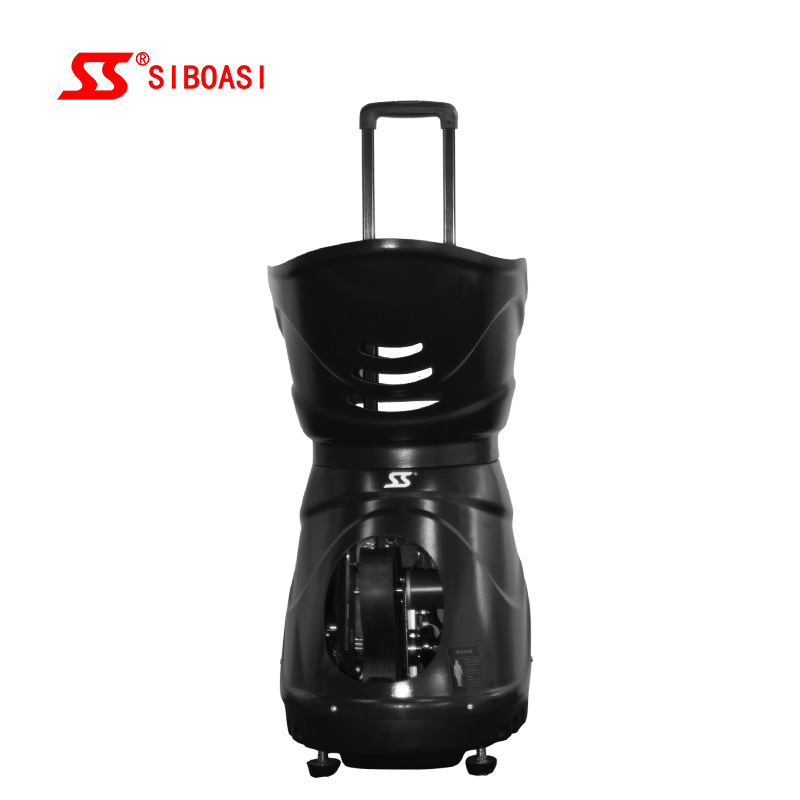
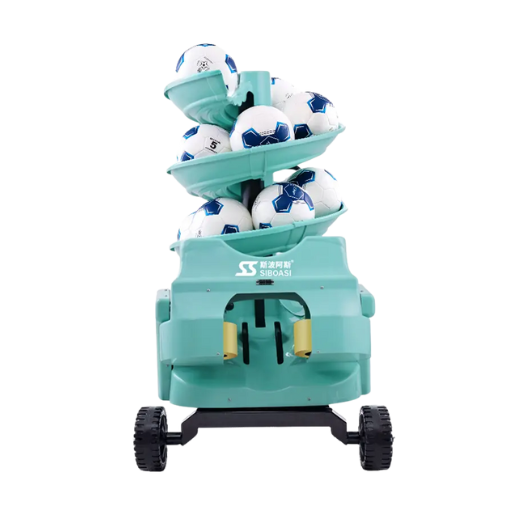
Storing the tennis equipment appropriately is of utmost importance for the longevity and quality of tennis balls or ball machines. In each play, whether one is an expert or a mere beginner, instrument storage is important so that things are always readily available for the court. This article will explore the best ways to store tennis balls, ball machines, and other must-haves. With everything from keeping the pressure in tennis balls to protecting your ball machine from the environment in mind, we cover basically all you have to know to keep gear in supreme condition. Let us take you on a guide of principal quarters on how to achieve this storage regime so that the equipment you invested in fetches consistently and maximizes your playing experience.
Understanding the Importance of Proper Storage

The Role of Storage in Equipment Longevity
Proper storage, whether for tennis balls, racquets, ball machines, or other equipment, keeps the condition intact and promotes quality. Any inappropriate storage leads to premature wear and tear mainly due to environmental conditioning factors such as heat, water, and sunlight. This largely impacts the functionality of the equipment, thereby reducing the performance of the equipment and consequently decreasing its useful life.
🌡️ Stable Environment: One significant part of correct maintenance is to have a stable environment. Fluctuation in temperature and excessive humidity can be harmful to certain impressions, whether racquet strings or the pressure within tennis balls. Keeping equipment in a cool, dry atmosphere helps in averting warping, rust, or desiccation. Using protective cases covers all types of equipment from any wear and tear injuries or damages that could affect the condition.
🧹 Regular Maintenance: Regular maintenance and storage practices are yet other major concerns. With proper care, it is essential that you clean all of the equipment before storing it. Leftover dirt or sweat that would settle over time can only degrade the materials. Organize storage to avoid unnecessary pressure on the equipment. For instance, avoid overloading racquets beneath heavy stuff or cramming tennis balls in too tightly. By adopting these practices, you can protect the quality of your equipment against the wear of time, besides realizing uniform performance of gear for years to come.
Common Mistakes in Storing Tennis Gear
Not cleaning the racquets and balls once they are from the tennis lawn. Any dirt, moisture, or sweat on these equipment when stores will lead to their dropping quality. Dirt interrupts the quality of the materials and the hole of the equipment. So the gear will start to break down quickly over time. It is pertinent always to have your gear clean and dry from sweat before storing so that this type of impending damage can be forestalled.
⚠️ Inappropriate Storage Environment: The bother, once more, is the manner in which exceedingly inappropriate storing environment is kept for the bigger aspect. The rattlings of a player are placed at boiling-hot garage sites, car trunks, or near the heater vents and chill storing places. In fact, the string lies west and outside the walls in the heat and some reasonable space in the cold. Opposite from those mentioned before, a tennis player keeps all essential equipment within a cooler, dryer, and moderate-temperature setting.
Poor storage arrangements could ultimately lead to damage in the item itself. Putting heavy or sharp objects on the racquet, for example, could cause damage in one or multiple parts of the item. For the cased balls, stuffing them way too tightly into the bag could also reshape the parts of the ball. This tennis gear must be held in such a manner that there’s enough room to pile up on racks or a divider, or in separate boxes or cases. Avoiding such a thing will further expand the item’s endurance and reinforce its performance.
User Pain Points: What Owners are Saying
A lot of users have had frustrations with their tennis gears being less durable when playing or storing it, without handling it with precaution. These rackets are badly damaged when they’re not put away securely, with some of the most common issues being warped frames and broken strings. On the other hand, pressure put on the hard-toy tennis balls inside bags or containers can be so insuffering that they lose their shape and bounce. Insufficient cases for transport and bad storage usually make them end up damaged.
A common frustration is again the deplorable carrying & organizing conditions for the gear. Many tennis equipment bags or cases come short in compartments or padding, getting gears jegged during travels, while inconvenient, thus accessing each piece. These, in turn, shorten gears’ longevity while bringing about shortened in-game hustles or practices.
To address these issues, the recommendation for the owners of sports gear, specifically in this case for padded racquet covers and laminated ball cases, offers solutions that directly support the tenacity of their equipment. Indeed, not only does keeping these items from being overcrowded in one bag, due to which carelessness leads to their early ruin, serve as a buffer and greatly prolong their usable life, but also keeping the bag under very favorable temperature conditions such that even long-term sweaty use does not overly tax the material capacity of protective dimensions in contributing to the longevity of these aids. By putting these suggestions into action, one can guarantee tennis racquets will hold course for their initial sturdy selves without falling apart below unnecessary assault, while keeping their setup organized and efficient.
Selecting the Optimal Storage Environment
Indoor vs. Outdoor Storage: Pros and Cons
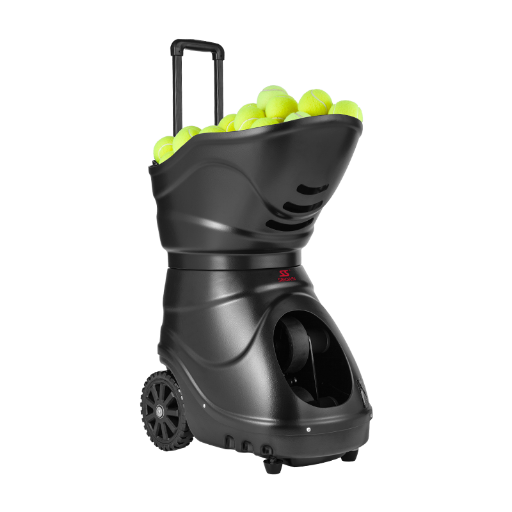
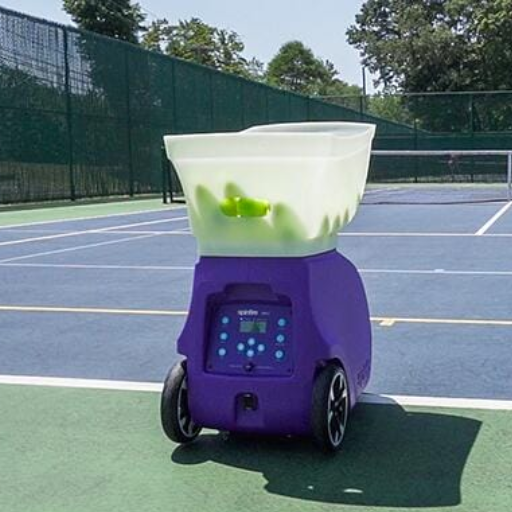
Keeping your tennis ball machine indoors, accords it the best protection against the many environmental factors that can harm its functions. The indoor environment drastically lowers moisture contact, lessening chances for temperature fluctuation and direct sunlight, all harmful to electrical components, mechanics, or structure in general. When kept indoors, tennis ball machines enjoy a lesser status of gathering dirt, grime, and little fragments of rubble. This, they do free of interference typically caused by outside conditions such as daily weather changes and chemical reactions that might then diminish performance.
Backyards of houses and gardens, on the other hand, confine tennis ball machines to more stressful environments. There is always the possibility that rain and heat could still penetrate fabrics in due course, on top of possibilities such as theft or damage. Still, if unsightly weather-resistant covers are used to protect against excess heat, any system of climate exposure is far more useful. On top of those ways of outdoor storage, because homeowners know it to be more practical than uncomfortable storage attempts indoors, there exists evidence of limited garden sheds and garages that some covert means of overcoming these threats are at hand too.
Storage indoors will prolong the life of your tennis ball machine. You should use good cloth covering in order to store the machine out in the open setting where favorable conditions are available. The machine has to be put in a very safe sheltered environment, probably under a series of other protections like inside verandah or corridor of residence. Regular cleaning should be undertaken as part of maintenance, as this will continue to keep the machine under its top working condition even while it is stored.
Temperature and Humidity Considerations
Temperature and humidity conditions take great importance in the way tennis ball machine is stored. The external component is highly vulnerable to any extremes of temperature, whether hot or cold. Therefore, storing the machine in a controlled moisture environment is key for its maintenance. Ideally, the temperature of the environment should be stable and not too warm, which discourages direct sunshine or freezing conditions. In short, a moderate environment where temperatures maintain halfway for longer constitute an ideal place to store the machine.
The humidity profile is another critical thing to be contended with. If such is the case, excess humidity that allows rusting or corrosive damage to the metal kind of parts, affecting electronic system operation, is likely. In such event, store the machine in reduced relative humidity indoors in a dry place. Usage of dehumidifiers and silica gel packets within their storage area would keep them moist free.
Regular maintenance can extend the lifespan of your tennis ball machine by several years. This concerns handling environmental conditions that might diminish your machine’s functioning. Storage in a cool, shaded place can provide additional protection but is not always possible. Support the life of the machine by acting with caution and looking for damage of any kind.
Preventing Moisture Buildup and Rust
Suitable storage of the tennis machine is indispensable to avert moisture buildup and rust, which might be injurious to internal components, curtailing her performance. You ought to put your machine in a clean place, which is dry and has low humidity; objects, such as wet or damp places-high humidity and moisture content-can be avoided, and you might even buy a dehumidifier to maintain an optimum environment.
💡 Pro Tip: An amplified shelter or an open space with a corigated tin roof gives a better defense against the machine’s dust and moisture without preserving any added moisture. A washing down should be given to the machine as a prerequisite for any covering to prevent forfeiture. Place tiny packets of silica gel or any other kind of moisture-absorption agent close to the tennis ball machine as an extra barrier against moisture.
Regular checks of your machine will show indications of rust collecting or wear. These indicate a follow-up action by cleaning it immediately. Preservation of performance allows for the eventual success of the machine by cleaning it and wiping dry after each use. Proper maintenance and a watchful eye will guarantee your machine will serve you efficiently through the years.
Step-by-Step Protocols for Off-Season Battery Care

Understanding Battery Degradation Risks
Battery age is a function of time which can be rapidly expedited by improper handling and storage. Loss of capacity, reduced performance, and considerably shortened lifespan are where the primary risks lie. For example, batteries could be left to bake and freeze for long intervals, overcharged, or discharged almost to full more often. It is more than necessary to educate individuals on recognizing such risks, in order to improve battery performance.
During storage, ensure that the temperature does not decline but remains average. It is best kept between 10 C and 25 C (64.4-77F); this permits an ideal temperature that guarantees the normal functioning of the battery chemicals, thereby also maximally enhancing life. Bad during his previous capacity, disconnecting this is sure to increase the heat upwards. This will cause blackening of the chemicals—a brilliant idea to destroy the battery. That will do it-and never charge it too far, then, for everyone’s best interest.emptive discharging eventually brings more strain on the internal components. This will ensure the best functioning of the battery. Keeping a hold on the charge at 50-80% is heavily encouraged for long-term preservation.
Keeping in mind the various care practices, the engine of your tennis machine will continue to perform perfectly in the period of use, in the least association of time. Double-check the battery’s health by visiting for any signs of swelling, leaks, etc., and replacement if the condition is reached. Proper up-bringing, charging activities, and storage will prevent a much pricier change and benefit instead.
Best Practices for Battery Maintenance
Proper maintenance of tennis ball machine battery is crucial for optimum performance and longevity. First, always follow charging instructions that come with the machine. Overcharging or undercharging the battery even for twice or thrice will shrink its life to half or below, and attempting to keep it without charge or almost fully charged will have a serious effect almost similar to overcharging. Buy exactly the charger meant for your machine to assure safe and effective charging.
Actually, sufficient storage of the tennis ball machine and its battery is very important. Batteries work best in a cool and dry environment. Extreme sunlight, moisture, or temperatures can damage the battery, lowering the battery’s capability. If the machine will not be used for a long time, then the batteries should always be stored half-charged, which might amount up to 50 %.
Some regular checks are recommended right on the batteries. This includes scrutiny for damage on the outer casing of the battery such as swelling, liquid leakage, and corrosion, letting you know it is time to replace the battery. A quick functional test will ensure that the battery is able to power the ball machine well. Therefore, the employment of such maintenance plans will save you from the very costly full-system replacements, thereby guaranteeing that your tennis ball machine will last, giving good service for many years to come.
Storage Tips for Longevity of Battery Life
Do you require guidance on maintaining that tennis ball machine battery of yours for prolonging its longevity and to ensure ultimate performance as well? Well, storing it appropriately is of great concern. Be sure while keeping the battery either removed from the machine or as a spare in a cool, dry storage unit. Temperatures that are extremely hot or too cold tend to spoil the life of the battery quickly-only temperatures between 50°F to 77°F are good. High humidity and direct sunlight would further enhance deteriorating battery mischief. Therefore impress upon yourself that the battery always be kept cold.
🔋 Charging Guidelines: To store the battery safely, it should be fully charged first. Fire lead-acid batteries at some intervals in order to prevent them from losing capacity due to sulfation. The other is lithium batteries, which are not convincingly charged, and so they should be well charged, with about half charge. More hands can be praised, thankfully, for inspecting the battery, even while in storage, allows one to recognize any early signs of corrosion or wear.
📦 Physical Protection: When storing the battery, it should be detached from the machine; handle it carefully to prevent damages from happening. It is recommended that a protective wrapping or a designated storage is used to protect from dust, debris, and possible shock. Simple storage guidelines from above will increase the life of battery in a tennis ball machine, thereby preserving it thus making it more dependable in the long run.
Choosing and Using Protective Covers
How to Select the Right Cover for Your Equipment
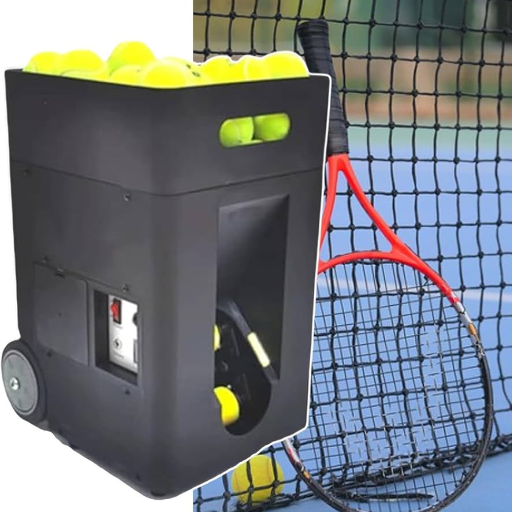
Choosing the right cover to protect tennis balls from external factors that might affect its functioning or durability should be a matter of protecting it, rather than covering it up. The best cover can be a cover made of UV-resistant if of waterproof fabric, as the waterproof covers will do a great job of resisting moisture and dirt at the same time. In case it suddenly rains, the waterproof cover will save a great deal before the accumulation of water causes damage.
Next, you must go for a cover that fits your tennis ball machine properly. It is important to ensure that the cover you get is designed specifically according to the dimensions of your machine or at least extra-large so that it prevents dirt, moisture, or debris from entering from opportunistic gaps. Again, tying straps or elastic around the edges on the surface of some of the covers should be enough in keeping the cover in place against tests of wind.
And last but not least, buy-ability and low maintenance. The best machine cover will be lightweight and easy to put on and take off numerous times. It should be easy to maintain, with little to no maintenance involved. Therefore, by choosing a cover meeting all these conditions, you can add to the durability of the discriminatorily spoiled timber-hitter.
Installation Tips for Effective Protection
Proper installation of the cover for a tennis ball machine helps determine how secure a piece of equipment you are able to own. Always allot time for a good setup for the cover which means that the cover shall be placed over the machine unit cool after it has been turned off completely and while waiting for the machine to cool down. On no account put on the cover later when the machine is hot for heat will be trapped in the installed device. The machine should be left open wide so that any trapped heat can be allowed to be freedenough, or else heat will corrode the machine. Also check so that the cover is perfectly positioned to cover the key areas-the control panels, etc.-so as to stop any harm.
So that the blanket can be securely fastened, use all the straps, ropes, and clamps which come with it. Above all, these are bound to keep the cover in place, even when the wind knocks it over or the system moves a bit. Exercise every known safeguard to ensure the cover does not get too tight, which could lead to the material tearing. Always ensure that clips are not that tight. Only these few needs would see that clips remain right where they should be.
Sometimes, one has to check the condition of the covered machine if the covers have been worn out or the reverse condition, which is moisture accumulation under the cover. The proper position of a cover shall have the water and debris washed off of the machine, providing ventilation for air. Furthermore, among its installation, taking off, and shifting the cover, the best practice for enhancing the lifespan and further safeguarding the tennis ball machine is to keep it in good working order.
Longevity Hacks for Your Tennis Ball Machine

Regular Maintenance Practices to Extend Life
Machine care is essential to ensure your tennis ball thrower provides maximum life expectancy. When a machine gets clogged with dirt and debris, it fails to meet mechanical output. There is a need to clean your machine from the inside quite frequently by wiping surfaces with a dry, soft cloth and checking for any kind of clogged up ball chute or ball wheels.
When the machine is not in use, make sure to keep it under a roof, so it remains accessible from heavy rains and other outdoor damage, which will surely reduce its electronic lifespan. In areas where getting your machine inside could be impossible, a high-quality cover, according to the industry standard, helps the machine stand the weather-different weather as required. The resultant cover shields the machine from rain but still allows for adequate ventilation.
Last of all, the battery needs to be maintained according to the manufacturer’s recommended practices. Storing, in periodic charging cycles, is the main essential of battery health maintenance. Following all these factors helps with decreased runtime and service life, thanks to extreme weather conditions and our tendency to overcharge. By adopting reasonable practices for regular maintenance, your tennis ball machine will offer you an extensive gleaming life.
Practical Advice from Experienced Users
Before you use a tennis-ball machine, always place it on a flat, firm floor. Doing this will keep the machine from moving unnecessarily during operation, regardless of the nature of or conditions around the task, allowing consistent ball delivery. Make sure the area is free of rubble or grass clumps to prevent jams or damage to the machine. Constantly check ball feeding mechanisms and balls for dirt and wear, since any kind of dirt may disturb the functioning of the machine or the accuracy of the tosses.
In order to ensure the longevity and reliability of your tennis-ball machine, cleaning it after each use will be beneficial. Wipe all external surfaces and carefully clean the ball chute to ensure smooth operations. Storing it in a dry, protected environment from any sort of rain or direct sunlight that could hurt the electronics or other components in the long run.
Instructionally both speed, spin, and trajectory are set according to one’s skill level and what one wants to achieve in a given practice. As one gradually combines these settings, the players find a pretty much tailor-made kind of workout they can repeatedly improve and enhance their techniques. Always make it a point to read the manual for the how-to. And remember to carefully observe safety precautions when the exhibits are in use and under operation.
Frequently Asked Questions (FAQ)
Q: What, in your view, is the general way to How to Store Your Tennis Ball Machine?
A: The recommended way to store the tennis ball machine involves cleaning all dirt and plastic residue, removing all balls from the hopper, disconnecting power, and giving the wiring and motor a check. The storage area should be dry, has low humidity, and cool to prevent rust and electrical malfunctions. A dedicated tennis bag or slinger bag should not be ignored, or equipment should be covered to keep out any dust and maintain top condition.
Q: How is one to prepare the wiring and motor for a long time in storage?
A: Proper these poor tennis machines down and let-hot parts cool sufficiently before a way of preparing the motor or wiring by greeting a refresher brake to look for any signs ectric-malfunction in either wire or motor is to power down, unplug, and simply check your wiring for frays and make secure, or just simply leave anything undisturbed to document as necessary before storing; otherwise a small defect can crack itself and grow bigger. Follow the manufacturer-suggested checks as a part of your storing procedure, ensuring everything to be in proper working when the time comes to implement it again.
Q: Should steel balls be removed or be stored in the machine?
A: Get rid of them. Steel balls will lose their agglutinability and deform over time. When left in the machine, they cause avoidable strain on the agitator and the feeder system. In addition to not causing jamming while storing, emptying the machine lightens the machine for handling and storing it.
Q: Can the machine be stored vertically? If not, should we set it down on its side?
A: Please consult with the storage orientation as per the instructions given in the user’s manual; many of the manufacturers suggest storing with the machine in a vertical position on a flat surface where all the parts are properly aligned, while some hyperlink the use of a stand or bracket that holds all the parts in the straight line. Keeping the machine inclined will bring about the parts of the motor, feeder gears, and wire to change place inside.
Q: What is to be done to keep plastic and electronic parts from deteriorating over time?
A: Do a mild wash of all plastic enclosures and keep the machines sheltered for protection. In case of battery-powered units, batteries are to be removed. Store any electronic device in a dry atmosphere. Regular monitoring and maintaining the machines the way they are ought to keep them from deteriorating too quickly.
Q: How often should I be performing maintenance while the machine is stored during the off-season?
A: Every couple of months, check the machines’ storage: search for pests, moisture, battery leakage, check wiring and motors for condition, turn into the original position all grease on a stored lubricant. Thus a maintenance schedule will prevent any long-term abandonment of your tennis machines for quick return into operation.
References
-
Jbotsports Tennis Ball Machine JT-L6: Highlights space-saving storage solutions, such as a detachable hopper that can be reversed to cover the machine. Read more here.
-
Cal Poly – Autonomous Tennis Ball Collector Design Review: While focused on ball collection, this report provides insights into manual solutions and related troubleshooting processes. Read more here.