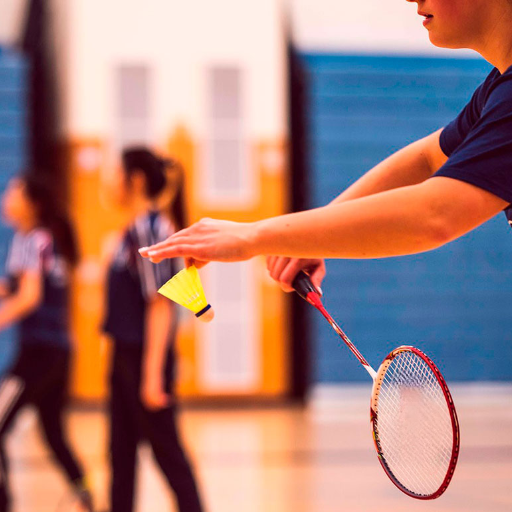
Are you intending to create a badminton training center that will drive the players and develop the skill? No matter if you are providing services to the beginners who are learning their first serve or the advanced ones who seek to perfect their game, having the right atmosphere filled with equipment is crucial for the success of the center. This guide will assist you to make a reasoning about the required gear and tools that are going to be effective in establishing your training center in a way that is conducive for the players. Courts, referees, and everything else necessary for a professional and pleasing place for players of all grades will be included in our discussion, along with the aids that improve performance. Get ready to change your dream into fact with the help of practical hints and insights that will make your badminton center ready for the best!
Essential Badminton Equipment for Beginners
Choosing the Right Badminton Racket
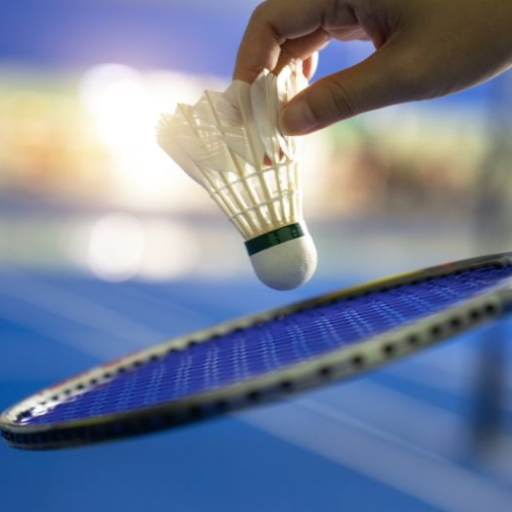
The correct badminton racket for beginners is highly necessary because it will enhance their comfort, control, and skill mastery directly and mostly simultaneously. The ideal racket for them will be the one that has a very light weight since handling the racket will be very easy and the wrist and arm will not become tired easily. The weight limit for a beginner’s racket is suggested to be between 80-85 grams as it supplies the right mix of power and control at the same time.
The racket’s grip size is another factor that should be taken into account. A grip that is too thick or too thin particularly limits control and causes discomfort. The beginner therefore needs to go for a grip size that will allow him/her to hold the racket with great ease and there is no stress on the hand. It can be very beneficial to try different grip sizes before buying to make sure that the fit is exact and the comfort is there.
Moreover the position of the weight in the shaft of the racket is one of the main factors that determines how hard or easy it is to play with the racket. Most of the time, beginners want rackets that are evenly balanced since they provide a good mix of power and control which is very important for the mastery of the basic techniques. Besides these features, it is still of immense importance that beginners choose a racket that is perfect for them because personal comfort and confidence are as important as the technical specifications.
Understanding Badminton Shuttlecocks
No doubt, shuttlecocks take in badminton one of the most crucial pieces of equipment; they are made with the purpose to give a good flight and performance on the court. The market has been primarily influenced by two types of shuttlecocks, feathered and synthetic (plastic), and they have ruled the court for a long time. Each one has its own characteristics, so one can say it is good for different levels of play and even different environments. Traditionally, feathered shuttlecocks consisting mostly of goose or duck feathers have been the most favored ones because of their excellent precision and natural flight patterns; consequently, they are what the professionals and the competitors use in their matches. On the other hand, synthetic shuttlecocks are preferred by novices and recreational players as they are twice durable and economical.
The battles of skill between the players would be very different if the standard of the shuttlecock used were to be low. A standard shuttlecock consists of a conical skirt, which regulates its aerodynamics during flight and a rounded cork or rubber base that provides its bounce and impact; these are its parts. The weight and the flight of a shuttlecock are rigorously controlled by professional play in order to maintain fairness in competition and consistency in quality. Athletes have to consider elements like the speed, longevity, and condition of the venue while selecting the perfect shuttlecock for either practice or tournaments.
Moreover, the performance of the shuttlecock also depends on the play area and environment as a separate matter. High-quality feathered shuttlecocks are very precise but also very susceptible to humidity which might result in their shorter life span and, therefore, more frequent replacements. Only in the case of outdoor games or usage for a long time would the plastic shuttlecocks not be considered the right ones for the environment. Hence the process of selecting the perfect shuttlecock is one of finding a compromise between all these factors that relate to the player’s training level, the venue, and the player’s choices.
Importance of Badminton Shoes
Choosing the correct badminton shoes is a guarantee of the best performance and is also a factor of injury prevention at the same time. Badminton players are required to perform very quickly, stop suddenly, jump, and make sharp turns among other things, all of which can lead to major injuries. However, with the use of specially designed badminton shoes, the risks are greatly reduced, the player is properly equipped to perform the actions and at the same time minimize the chances of slipping or getting injured like in the case of ankle sprains.
One of the most significant features of badminton shoes is the non-marking rubber soles, which enable a player to have excellent grip on indoor courts. This allows for a player to be stable during fast movements which, in turn, will increase his/her agility and good balance during the game. The shoes are also designed in such a way that it is comprised of very light materials to quicken the player’s pace and to minimize fatigue. Consequently, players will be able to focus on their game and not be bothered by the feeling of being weighed down.
The deciding factor is the cushioning in badminton shoes, which is the reason for the reduction in the impact of jumps or landing on hard surfaces. This enables the feet, knees, and joints to remain unstressed and thus, a high level of comfort is provided during the match or practice which could otherwise be prolonged. It is very important to choose a pair of badminton shoes that are appropriate for the type of surface one will be playing on and the shape of the foot as it can significantly enhance the player’s skills and at the same time reduce the risk of getting hurt.
Training Aids for Effective Practice
Using Grip Tape for Enhanced Performance
In a game of badminton, a grip tape ascends to an indispensable item enhancing the control and handling of a player. By aiding in taming the errant motions born of sweat on the racket handle, it ensures precision in executing subtle touch shots. It is good to take credit for maintained consistency and accuracy in his own game due to solid grip.
To avoid discomfort and injury, securing oneself with the handle of a racket is crucial. By further absorbing shock, a grip minimizes any damage from impact to the hand or arm joint. This ultimately allows the player to play comfortably for a longer time when the grip is wrapped well. Compounding greater benefits, it reduces the risk for blisters and calluses born of consistently rubbing fingers against the handle of the already gripped racket.
Every player will have grip-tape evaluations according to his or her preferences and may prefer thick and thin or soft and firm grip tapes. For keeping grip tapes like new, the importance of early reversal of them cannot be overstated. Whenever tapes are worn out, they will rather strip off the player of their desired grip and cushioning capacity. Correct grip tape management as well as correct formulation application procedures can significantly aid in the advancement of anyone’s game.
Training with a Badminton Net
Training with the help of a badminton net can actually uplift the level of skill, accuracy, and performance. The net being at the center of the training provides a focal point to the player aiming to enhance precision in his shots namely driving, clearing, smashing, and dropping. Training with a regulation-height net ensures that players develop their overall game techniques and strategies within the boundaries of the rules and regulations of the game.
An added training dimension is reached when players combine solo drills and partner exercises. The solo drills such as shadow practice and shuttles struck against a wall with an imaginary net primarily help in improving footwork and consistency. However, partner exercises like rallying and shot combinations do help fine-tune positioning and recovery in an actual match situation. Regular practice of these routines helps in increasing confidence and thereby performance on the court.
Practicing with a net should also include simulating match conditions. This includes proper scoring and boundary specification, serving, and returning done within regulation. When these elements are focused upon, then we begin to build mental focus, endurance, and discipline over more competitive performance, so that familiarity is established with the game’s environment and state of play.
Setting Up Your Badminton Training Space
Choosing the Right Badminton Court Surface
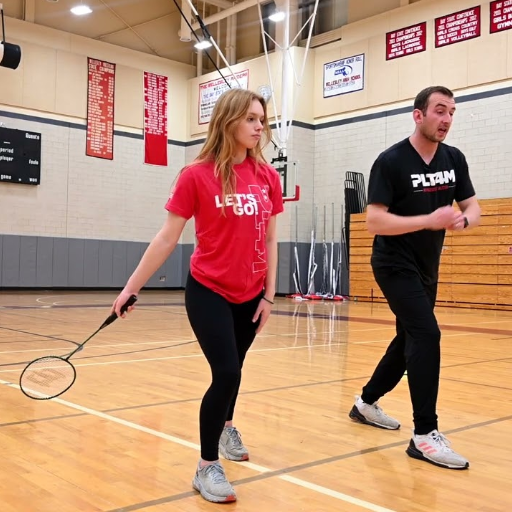
The selection of the badminton court surface must give priority to player safety and comfort. It should provide enough grip to avoid any slipping and, at the same time, enough levelling to absorb the impact injuries that may occur. In most badminton centers or gyms, wooden floors are constructed indoors because they have a longer lifespan on a surface; better shock absorption; and are more consistent than other surfaces in terms of rebound, thus suitable for use by both recreational and professional players.
For outdoors badminton, it is often convenience decked out in some synthetic surfaces such as acrylics or polyurethanes. They are resistant to weather, allowing them to withstand the toughest conditions such as rain or harsh sunlight. Moreover, synthetic surfaces can control the behaviors of players and reduce the pressure of maintenance compared to grass or concrete.
Ultimately, the appropriate surface for a court depends on the final use and the area that the builders will have at disposal. Although wooden flooring might be the popular choice for indoor courts, the expert selection of synthetic flooring provides a solution for the enhanced environment. For outdoor courts, it is imperative that a sustainable, suitable product be chosen to withstand extreme weather conditions and other harmful factors that reduce the overall life of such products. Therefore, with due diligence and care, safety and performance measures can both be found to enhanc the pleasure of playing badminton.
Lighting Considerations for Indoor Training
It is important to consider lighting for an indoor training facility. Proper lighting ensures the safety of the facility and players while providing adequate visibility and fostering overall better performance. High luminance and uniformly distributed lighting help in detecting the shuttlecock and improving reaction time by players while playing. The wrong type of lighting or insufficient lighting will be a cause of eye strain, make players misjudge distances, and provide an uncomfortable playing experience. In this regard, understanding and employing good lighting is important.
The use of light in an indoor badminton court should be strong enough to simulate daylight without casting glare. LED lights are typical suggestions for energy efficiency and solid light quality. The positioning of lights is equally important; proper placement of lights eliminates the possibility of creating shadows or impairing the vision of the players. Therefore, a combination of ceiling lighting and side lighting facilitates uniform brightness coverage through the entire court.
Aparticularly, the lighting system must conform to certain safety and environmental standards. Employing good maintenance, therefore, necessitates such acts as keeping an eye on lights to respond to malfunctions and compensation measures when lamps are owing to be replaced. An embodied awareness of these considerations definitely impacts the athlete experience in terms of enhancement and atractions in the environment of the training area.
Creating a Comfortable Spectator Area
Creating an area where spectators can move about without encumbrances pertaining such aspects as seating arrangements and lines of vision is vital if a comfortable experience is to be derived from actual viewing. There, seating methods should be comfortable and durable for them regardless of the conditions in which the game is carried out.ergonomic seating and the apt space between rows contribute to better visibility for everyone.
Good visibility is also an enjoyable existence. Furthermore, the sitting area should be angled so that viewers of all seats can enjoy an uninterrupted view of the entire facility. The right marital height range must be calculated and blocked from viewing. Adequate light within the area assists spectators in precisely determining the occurrences they center court.
Enhancing the overall experience further requires a comfortable setting. This would imply rather sufficient ventilation, which adjusts the temperature a bit to maintain comfort, reduction of the crowd noise under the noise level allowed by sound-absorbing materials where necessary. Simple consideration in these areas would lead to a warm, natural, and supporting environment to every spectator.
Maintaining Your Badminton Equipment

Care Tips for Your Badminton Racket
A well-maintained badminton racket will facilitate consistent performance in the court. Good care enhances equipment life and offers advantages for an improved playing experience. The array of current insights suggests following several prominent rules when caring for rackets.
- Maintaining String Tension: Always check the tension for you strings as time goes by. Loose strings leave no room for power and accuracy in shots. The tension for good play depends on who is playing. It can be generally between 20-30 pounds. More accomplished players might prefer a greater tension for better control while beginners enjoy lower tension for the power and a bigger sweet spot.
- Heat and Moisture Exposure Attorney: Extreme temperatures and humidity can warp the racket frame and fret abnormally with the strings. Please try to avoid leaving your racket in Very hot or humid areas. Very hot temperatures will make the graphette or carbon fiber frame warping certain. It has been shown by studies that anything above 140°F will definitely stimulate a poor performance racket structure.
- Use a Cover: Make sure to cover your racket whenever not in use. Modern racquet bags with thermal linings offer protection against potential damage due to temperature changes. Also, the cover prevents scratches and dust accumulation, keeping your racket in good condition.
- Frame Scratch Inspected: An overall visual check of the frame should be done after every match for damages such as crack or dent if any. Even small cracks can result in the breaking of the frame during play. If any racket is damaged, they should be fixed or replaced soon to save time and reduce the risk of injury.
- Replacing the Grip: The grip of your badminton racket directly impacts the way you hold the racket and the overall playability. When you have an old and used grip, it may weaken your hand’s grip so you slip a lot. Change grips for comfort and prevent slipping when you play high-pressure games. To maximize the life of your grip, change it out every couple of months. Just keep in mind the extent and frequency of your play.
- Cleaning Techniques: Using a soft and damp cloth, try to get rid of the racket’s frame and the handle grips. A very mild soap can solve the stubborn problem if the grips get stained, although wash sparingly. By ensuring a clean grip, dirt will not build up in-between and cause slippage while playing. Never dunk your racket or get it soaked; the hangover would surely damage all the materials.
These tips will go a long way in preserving your badminton racket, helping to perform well in many matches to come.
Storing Your Badminton Equipment Properly
Make sure that you store your badminton gear properly so that liable for the equipment and protection of its life are made sure. The racket should be stored with a cover on it to keep it from receiving all sorts of dust, scratches, and other potential physical damage. The cover should be placed in a cool location with no excessive heat and should be protected from direct sunlight. Constant exposure to such surroundings may weaken the strings and could eventually bend the racket frame.
As far as shuttlecocks are concerned, whether feather type or made of synthetic materials, care must be taken regarding the storage environment, because they could affect the playing characteristics. It is best to keep shuttlecocks in their original tubes and upright whenever they are not in use, thus ensuring their precious life expectancy. High humidity and excessively hot conditions can only degrade the playing properties and life expectancy of the shuttlecocks.
And he could align his badminton equipment in a separate bag or compartment so that items would not press against one another leading to damage or would not have their lifespan reduced by wear and tear. Properly organized equipment does not only allows easy access to the stuff but also minimizes the chances of accidental damage. By doing all this, you will have ensured the preservation of your badminton equipment in top form for the next game.
Regular Maintenance of Badminton Court
Importance lies in maintaining the badminton court clean, so that the game is played fairly and athlete safety and court life are protected. The court should be well-spaced to allow sand, dust, debris, water, or any slippery material to gain foothold. Try brooming or vacuuming for the dirtiest sporting courts, followed by water cleaning. Do not use the tougher cleaners like abrasive and acid because they will destroy the finish.
Another critical point of cleaning involves marking the court; mark out and repair any photographs on the court when and where they begin getting blurred. Marred or indistinct lines can hamper gameplay, and hence ensure that you use clear paint or tape for court demarcation. Of course, for non-roof courts, damaged flooring from cracks, bumps, or uneven surfaces must be checked, as even minor damage could escalate if not fixed.
An inspection of the net and its posts should follow the last maintenance. The net should be tight, and any signs of wearing out before actual tearing should be taken care of. The posts should be firmly erected to avoid insecurity during play. Regularly maintaining the court prolongs its life and provides a safe and satisfying playing area.
Additional Accessories for Enhanced Training
Choosing the Right Badminton Bag
The correct choice of a badminton bag is very important, mostly to cram all your sacred stuff and carry them easily to any place. When a badminton bag is finally picked, the largest thing to consider is the size and the available storage space. Rackets, shuttlecocks, shoes, and the other accessories should all fit inside the bag without much trouble, but its size should not be excessively bulky. Indeed, favored herein would be such compartments for badminton bags, each for different kinds of stuff, so all is snugly contained at set apart from one another, thus preventing damage and also allowing optimum comfort in managing things neatly.
While no bag will fulfill these requirements without being durable and the quality of its materials plainly apt, the search should call for a bag that is of particularly qualitative value. Utilize a lot of weather-resistant material to make sure your equipment remains safe from the outside weather conditions; heavy zippers, strong stitching, and padded covers will prolong the life of the bag as well as making sure that the equipment remains largely out of harm’s way.
Finally, emphasis could be laid on comfort and utility to make the bag suitable for practical usage. Many features can be adjusted to make the bag comfortable to carry, particularly during long commutes to and from training sessions and competitions: be it portability through top lane handles or shoulder straps to suit personal and physical exigencies. Some additional features are to keep the bag a little unconventional by providing suitable commodity extraction to easy ventilation for shoes or smaller pockets which could help keep smaller necessities on hand. This way, going for consideration and knowing what slight advancements or alterations could do to benefit the present badminton bag, ultimately by seeing the bag as an addition for mentoring and training purposes.
Using Training Tools for Skill Development
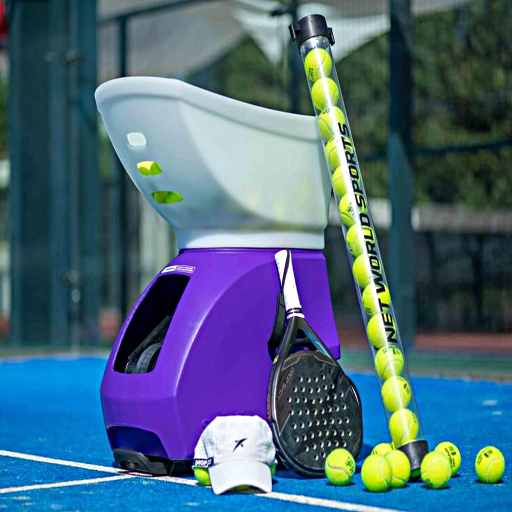
Training tools are of great help in improving the skills of a badminton player. If used well, these tools give chances to the athletes to be able to improve significantly on almost any aspect of his/her game which includes techniques, reflexes, or overall efficiency. Agility ladder can lay stress on the agility training, while resistance bands provide strength training. Whereas shuttle feeder is used for shot accuracy by coaches. A combined set of these tools during their training sessions are beneficial giving room for physical fitness and technical skill. In this way, athletes will be able to give their best in each match.
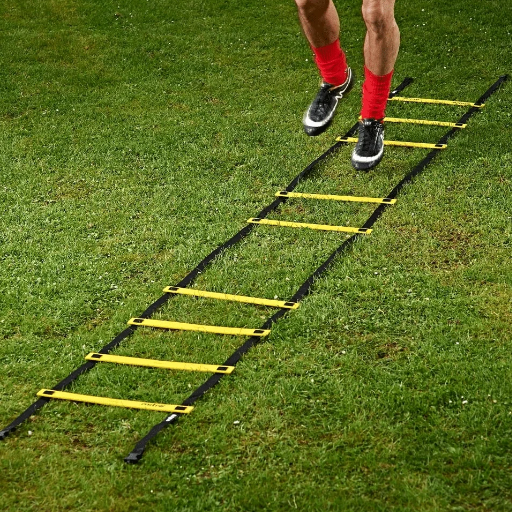
Agility ladders are useful in the improvement of footwork and coordination because players quickly and deftly move on the ladder when practicing balance and speed, all of which are key elements in badminton. On the other hand, the resistance band aids in the development of muscle strength in enhancing shot power. With these bands, a player could practice the wrist movement to improve the overhead shot, making his game more stable.
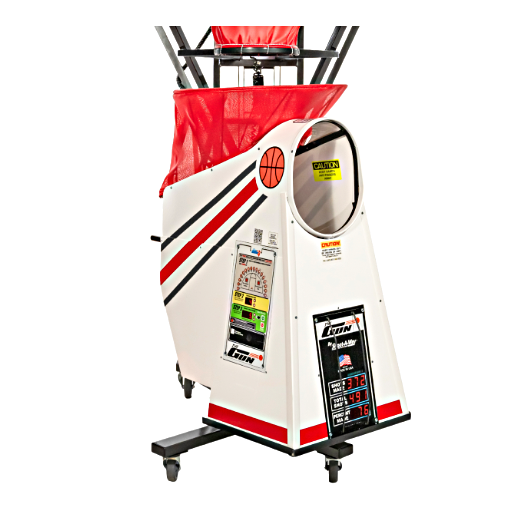
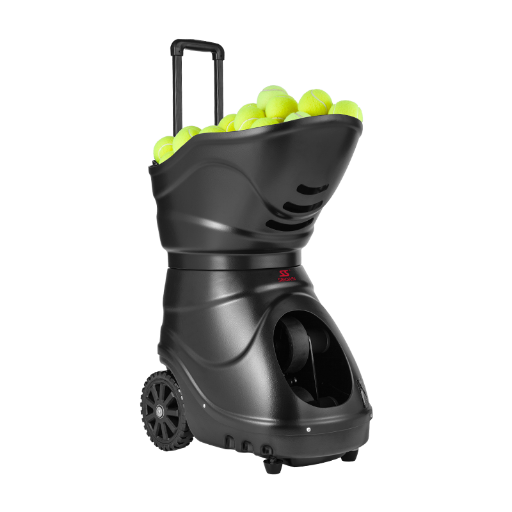
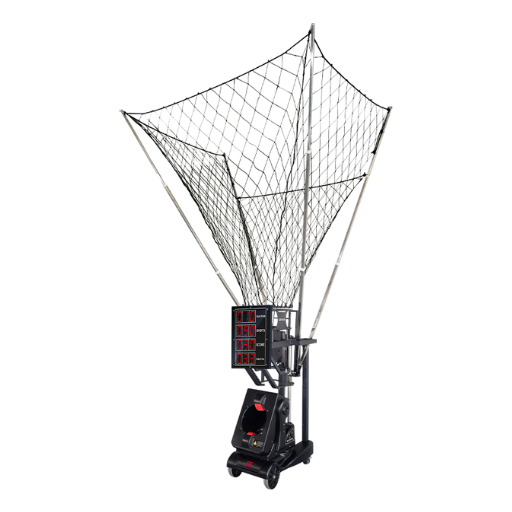
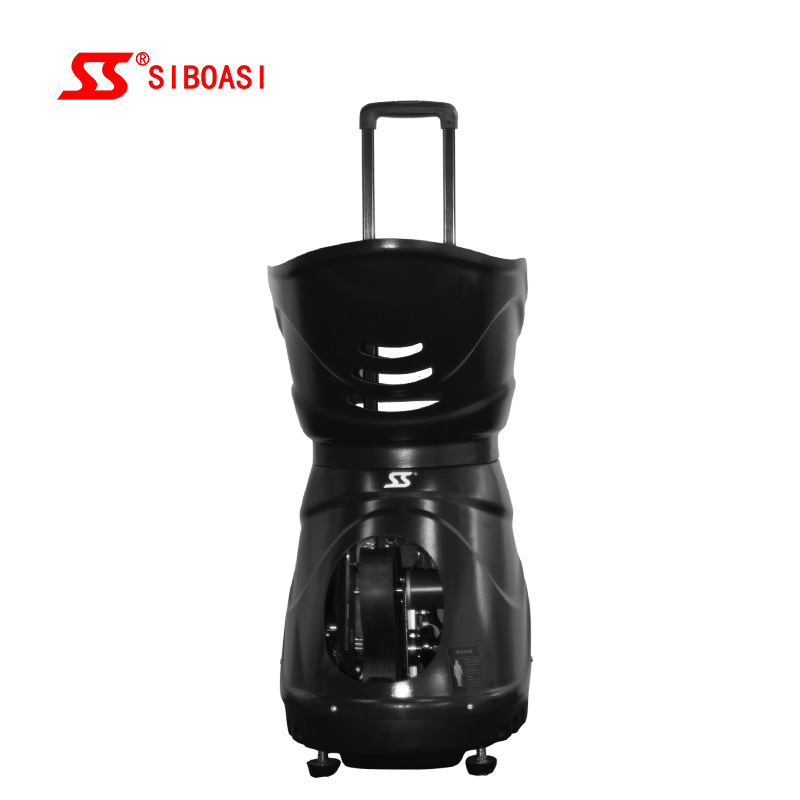
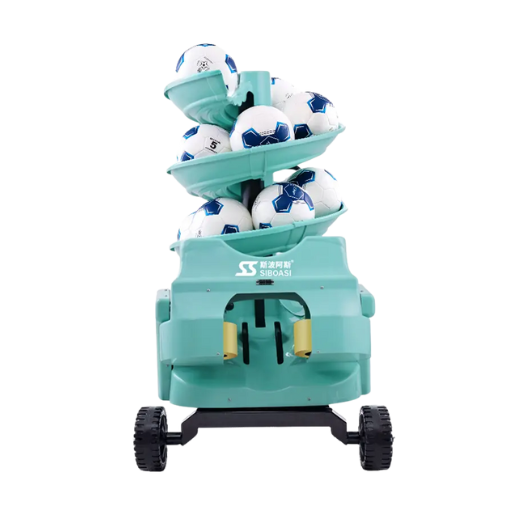
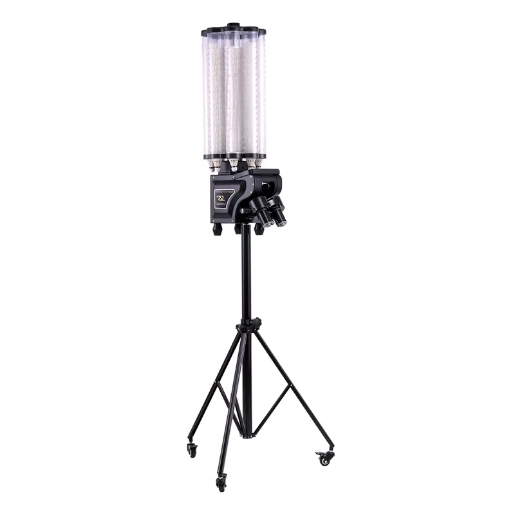
The shuttle-feeding machines serve a very useful purpose in enabling players to adopt repetition and consistency in their training. A shuttle-feeding machine can be used for practicing different types of shots, like smashes, drops, or clears, under controlled conditions. With repetition, the chances of developing muscle memory are improved, increasing endurance for a match. The continued use of these tools and guidance from a coach is what helps insert into the recipient a well-rounded and victorious game ready to survive or dominate in competitive settings.
Frequently Asked Questions (FAQ)
Q: The equipment required for basic badminton training should be analyzed by the requirement for a person who sees a way to become good.
A: Be it fast or slow, one must determine the racket suited to his or her stroke speed, weight and balance suits experienced players. Alternatively, choose rackets particularly fitted to swinging speed and strength, racket weight, and balance on the first racket stroke. SPORTS FINDER or some other basically well-known brand should have a wide variety of rackets available that can give you an idea of the comparisons, stresses, and constraints related to raising costs.
Q. According to badminton training equipment guides, does one recommend feather shuttles or synthetic shuttlecocks for training?
A. Feather shuttles allow for the real flight and are the preferred ones for advanced training and competitions, whereas synthetic(note: i.e., nylon) shuttlecocks are best for durability and are still effective in budget-friendly repetitive practice. The well-rounded training schedule should introduce synthetic shuttles for drills and then feathered shuttles for match-minded training-that way you can enhance control without any severe losses from failed feather charges.
Q: What are the essential features of footwear that will not restrict one and should ensure good quick movements while playing badminton?
A: That shoes must have lateral stability, must be a nice fit, must have proper grip on the indoor courts, and should have sufficient cushioning to absorb impact without being bulky. Avoid stiff soles and tight toe boxes that can restrict agility and lose more balance. And it is yet other thing discussed in any badminton training equipment guide: there is a defined list of choices encouraged depending on the player’s movement patterns and their comfort on the court.
Q: Can resistance bands and rackets with weights provide a better game, or, on the contrary, are they too restrictive?
A: Used with respect to caution, the resistance bands and lightweight rackets can assist in improving function while building strength and rapidity of the stroke. They may become restrictive if overloaded or subjected to excessive weight modifications that will interfere with the technique. Stick to the rules of progressive loading from the badminton training equipment guide so that this does not hap- pen; instead, enable power to reinforce the form through shorter, more concentrated workouts.
Q: Court accessories have how much importance in a badminton training equipment guide for skill development (nets, cones, trainers)?
A: Court accessories offer the structure needed for structured practice. A quality portable net allows consistent match-like drills, there are cones for marking footwork patterns, and shuttle trainers (ball machines) assist in stroke progression practice by providing repetitive feed. Together, these items allow for varying training environments and discourage too much restriction from building up front through varied drills targeting specific skills.
Q: What are some maintenance tips narrated in a badminton training equipment guide to improve longevity of the gear?
A: Maintain rackets by changing grips frequently, favoring storing them in cases away from harmful environment factors, cleaning shoes and keeping them out to air dry, and also rotate shuttlecocks to prevent uneven wear-from time to time. Regular cleaning, a way to preserve equipment by way of proper maintenance, is important since it cannot perform well and eliminates fun if equipment is crackling broken, worn out.
Q: What are some ways in which badminton equipment can guide coaches in creating colorful customized programs for different levels of skills?
A: The guide can help coaches to select equipment according to the age and skill level of players; this includes lighter rackets for juniors, flexible shafts for beginners, and advanced shuttles for more experienced players. One-size-fits-all gear is not recommended as it may be a constraint for some players so what makes a difference is its design as before only the right structured and progressive program is effective enough using the right mix of tools to train for techniques, fitness, and tactics.
References
- Sport School Thesis: This document discusses the setup of training programs and facilities, including badminton gear and locker rooms. Read more here
- Planning and Design of Indoor Physical Education Facilities: This guide provides a checklist for planning physical education facilities, which can be relevant for setting up a badminton training center. Access it here
- Physical Education Instructional Guide: This instructional guide includes information on facility and equipment value for activities like badminton. Explore it here
- Top Badminton Training Machine Manufacturer and Supplier in China