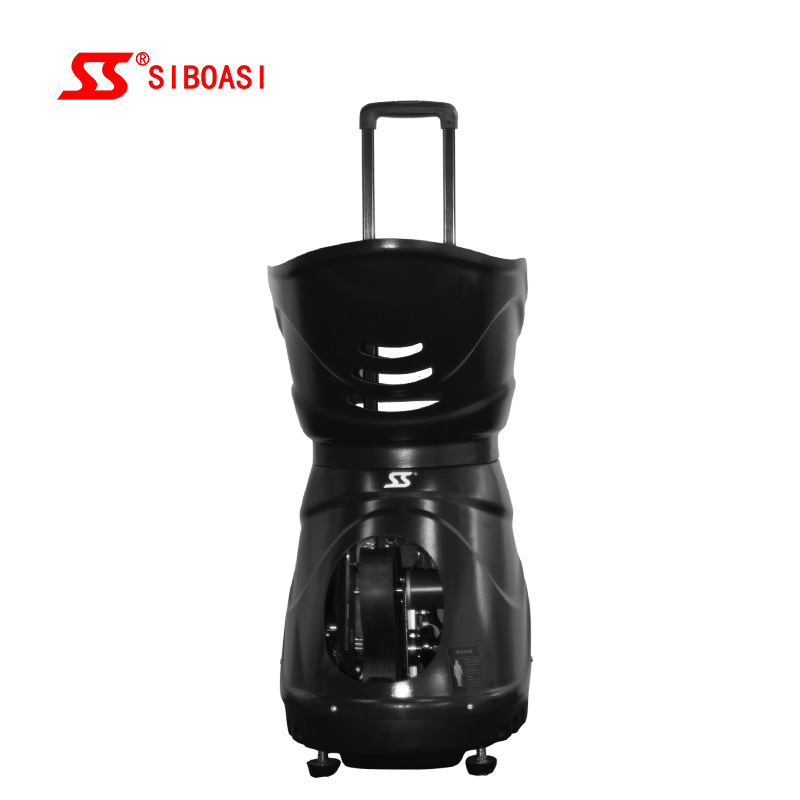
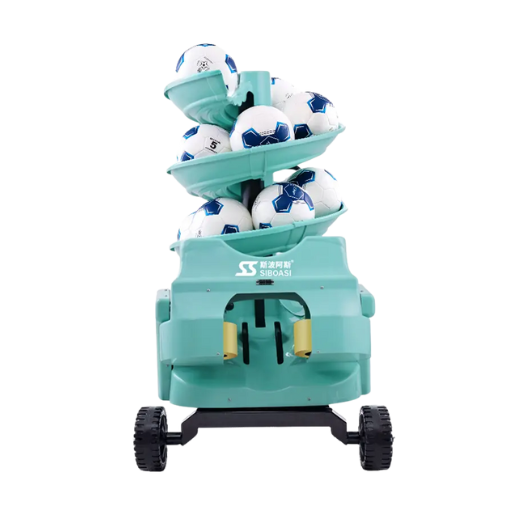
In the case of tennis, it is a sport where precision, agility, and speed are the main factors, and footwork is the one important component that can either make or break your performance on the court. Regardless of whether you are starting out or you are a pro, the improvement of your footwork will always be a main point for the balance to be kept, the reaction times to be better, and the choosing of the perfect shot to be made. The tennis ball machine is one of the most powerful instruments that can refine your footwork significantly. The upcoming article will discuss how your agility can be enhanced through specific ball machine drills that will also build a solid base for your overall performance. So, be prepared to learn about the practical tips and methods that will give your footwork and your game a major boost!
Understanding the Importance of Footwork in Tennis

The Role of Footwork in Player Performance
The footwork is a major factor in tennis performance because it positions the players properly for each shot. A player with good footwork would be able to hit the ball accurately and powerfully since he/she will have the balance and control that are essential for such strokes. If a player has poor footwork, he/she will not be able to respond to his/her opponent’s moves, and thus create a situation where errors will happen and chances will be lost even though the player may be skilled.
Moreover, great footwork makes the player more efficient overall on the court. Precision and purpose in movement will lead to the player saving energy and cutting down on unnecessary movements. This is especially true in long matches where stamina and endurance become the main factors for keeping the performance at peak level. Players with well-developed footwork will be able to remain effective even when the conditions are physically demanding.
Footwork further adds to the improvement of game tactics and anticipation. The players who are quick on their feet and responsive will be able to read the opponent’s plays better and position themselves favorably. This enables them to control the game’s rhythm and be versatile with the different playing styles. The development of strong footwork is not just a matter of physical capability but also involves the creation of a mental link between movement and strategy, which in the end raises the quality of a player’s performance.
Common Footwork Challenges Faced by Players of All Levels
The players of all levels have a common footwork challenge of keeping balance while they perform quick actions. This situation can happen if a player is not distributing his weight properly, and thus he is becoming unstable while making important plays. As a solution to this problem, players should consider good posture, do exercises that strengthen their core, and practice drills that put a value on directing change with control.
The second problem, which is considered very essential, is the difficulty to change direction quickly as well as to cover the court or field fast. This issue is usually linked with the player’s condition being not good enough or with poor movement technique, and hence, the player will not be at the right place at the right time. Dynamic agility drills, such as ladder drills and lateral shuffles, together with regular training, can be an excellent way to improve not only speed but also coordination so that players can move more efficiently.
The lack of anticipation and slow reaction time are other factors that contribute to the poor footwork, and the player will then probably not be able to judge the opponent’s moves and adjust his/her movements in time. One approach towards this problem is to train your brain to be alert and to mentally run through different scenarios that are similar to the actual game situations. Very focused and significant practice that combines both the technical and the strategic aspects can tremendously increase a player’s capability to handle the unpredictable play and to respond with precision.
🎾 Key Benefits of Enhanced Footwork
- Improved Agility and Coordination: The repetitive practice which develops muscle memory for the different footwork patterns is the giving reason why enhanced footwork helps players to move around the court more efficiently.
- Increased Endurance and Strength: The ball machine drills not only work on the lower body muscles but also build up stamina that enables players to keep the quality of their performance during the hard-paced matches.
- Better Response to Shot Variations: The players who have undergone different shot patterns training are able to recognize and adjust to the surprise shots, thereby significantly enhancing their court coverage and returning of difficult balls.
Setting Up Your Ball Machine for Effective Drills

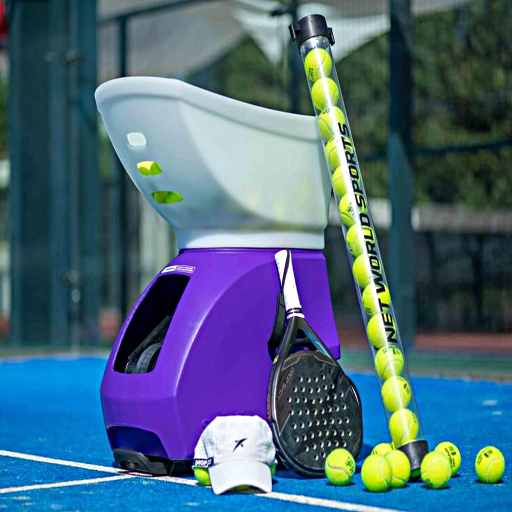
Choosing the Right Ball Machine for Your Needs
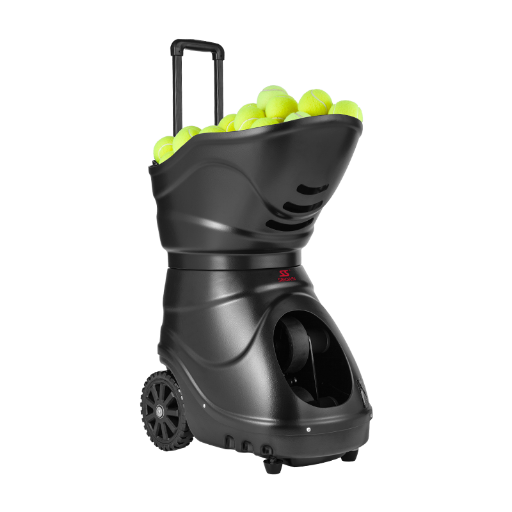
It is crucial first to examine your ability and practice purposes when selecting the most suitable ball machine. For example, let’s consider the case of beginners. The beginners can derive maximum benefits from the use of the simplest ball machines that perform uniformly at low speeds. Thus, the beginners can gradually get rid of their weakness by focusing on building their strokes and footwork. The intermediate and expert players, conversely, are recommended to buy machines with the option of adjusting speed, spin, and trajectory along with the programmable drills. The aforementioned characteristics not only make the practice more dynamic and challenging but also help to recreate game-like conditions.
The machine’s portability and battery life are other factors that should be taken into account. It will be particularly relevant if you mean to use it in various locations. Light and small models are the best for being easily carried around, whereas a strong battery guarantees that the practice will never be cut off. Furthermore, the ball capacity problem should also be taken into account—the larger the capacity of the machine, the less frequent refilling will be needed and thus more efficient practice.
Eventually, it will be necessary to analyze the budget and ensure that the features of the machine justify your investment. Generally, the advanced features are accompanied by a high price, but a simple one may be sufficient for the most basic practice needs. Reading the customer reviews and seeking the opinion of tennis coaches will certainly help you make the right choice that will be a great support to your performance enhancement.
✓ Essential Equipment Checklist
| Equipment | Key Considerations |
|---|---|
| Tennis Racket | Select based on skill level and playing style; consider balance, weight, and grip size |
| Tennis Balls | Use standard pressure-filled tennis balls for uniformity in bounce and performance |
| Court Surface | Well-maintained with clear boundaries and proper lighting if practicing early/late |
| Tennis Shoes | Non-marking soles for court protection and optimal movement control |
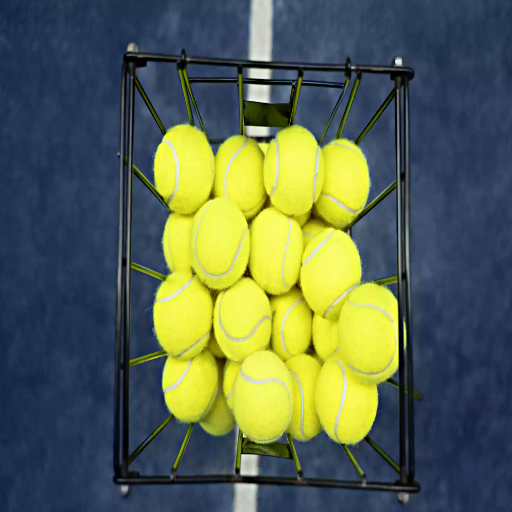
| Storage Equipment | Portable tennis ball hopper or basket for organization and efficiency |
Adjusting Settings for Different Skill Levels
In the case of tennis, the first step to having the best performance results is to make the necessary adjustments of your gear and approach according to the skill level. The beginning players are the ones, who first of all, should be the focus on using easy-to-control rackets, like the lightweight ones with larger heads, which would even give them a larger “sweet spot”. Eventually, the confidence building and mishit reduction will be the major outcomes of the whole process. The strings should be strung at a lower tension which can help with the power increase and arm strain risk reduction.
For intermediate players, lowering the intensity might lead to better control and consequently, they will be able to play around with spin and timing as their technique gets better. For instance, the advanced players always go for the rackets that are made for precision and control. The racks with smaller heads and heavier frames are the ones for the experts to generate their own power and at the same time to be very accurate. They also use such low string tension that it increases their control and spin potential. Every player, irrespective of their skill level, must examine their gear and alter it when required to suit their playing style and progress.
Footwork Drills to Improve Agility and Speed

Basic Drills for Beginners
At the very beginning stages, it is a must to focus on footwork improvement, as it is the very core of the player’s agility and speed on the court. Move to ladder drills, which are paramount for the coordination and promptness of the movement, and practice those drills, which consist of high knees through the ladder or side shuffles, with a definite and fast foot placement that is the key ingredient for these drills.
🏃 Beginner Drill Sequence
- Ladder Drills: Do high knees going through the ladder or side shuffles with minimum and quick foot placement for coordination and movement readiness training.
- Cone Drills: Set up cones in a zigzag configuration, sprint to the nearest cone first, then retreat to the one at the back. Maintain a low, stable, and controlled stepping body position.
- Shadow Movements: Lay out positions on the court and perform mimics movements, e.g., moving towards the net for a drop shot or moving backwards to receive a lob.
Intermediate Drills to Challenge Your Skills
Drills centered on developing accuracy, control, and strategy are a must to take your tennis skills to the next level. The following intermediate-level drills are aimed at the efficient strengthening of these attributes.
Cross-Court Rally Drill
This exercise is very important for the control and consistency of a player during matches. Find a partner with a matching skill level and rally only cross-court, trying to keep the ball within the marked area. Concentrate on your footwork, spin, and keeping a steady rhythm as you hit the ball back and forth.
Approach and Volley Drill
Offensive play can be practiced if a partner feeds you balls mid-court. Go to the net with the intention of volleying the shot. Practice one-handed and then two-handed volleys while stressing footwork and accuracy.
Serve-and-Return Practice
Serve to areas like wide, body, or down the T, and have your partner return the ball deep and placed. Change roles so that both skills are developed equally. Bring in different serves like flat or slice to make your game more diverse.
Advanced Drills for Competitive Players
Competitive players seek very tough drills that put their skills, decision-making, and even resilience to the test in a high-pressure match context. Among such drills, one that stands out as being remarkably useful is the “pressure point practice” where players practically live the match by starting the games at critical points like deuce, and break point. This, in turn, cultivates the player’s mental fortitude and the knack of performing excellently during tough times.
The “cross-court and down-the-line rally” is another drill that has greatly contributed to the player’s skill enhancement. The players alternate their shots cross-court and down-the-line while they need to be extremely careful and precise with their placements. This way, they can train their controlling ability over the ball and spot the weak point in the opponent’s standing position. It’s very crucial to incorporate speed and precision into these drills to match the exact intensity of a real match.
On top of that, there are the “transition drills” that focus on improving the movement from the baseline to the net. For example, a player is constantly making an effort to hit an approach shot, and at the same time, anticipating and volleying the return of the opponent. These drills help not only to gain confidence in different play styles but also to strengthen the ability of effective net point endings. For competitive players, the mastery of such advanced drills is a prerequisite for winning matches.
Creative Variations of Ball Machine Drills

Incorporating Different Shot Types
The use of different shot types during the ball machine practice is very important for the development of a complete skill set. Players that practice different types of shots like topspin, slice, and flat will be better able to deal with different match situations and playing styles of their opponents. Adjusting the ball machine to produce different spins and heights can simulate the real-game conditions, making the practice sessions lively and very effective.
Focusing on shot placement is equally important. Players may target specific areas on the court such as deep baseline corners or short angles to enhance their accuracy and gain more control over the court. This also boosts their attacking ability and supports them in planning their points well. Different working on offensive and defensive shot placements during the drills makes players prepared for both aggressive and defensive match scenarios.
Moreover, the change in the speed and rhythm of the shots gives different practice for the skill of keeping the different tempos of a game under control. Aiming with the balls of slower pace can make footwork and positioning better, while the faster shots will be a test for reflexes and reaction time. This combination of shot types, placements, and speeds completely forms a practice routine that brings about versatility and confidence for actual match play.
💡 Practice Tips for Shot Variation
- Practice different spin types (topspin, slice, flat) to handle various match situations
- Target specific court areas like deep baseline corners or short angles for precision
- Alternate between slow-paced balls for footwork improvement and faster shots for reflex training
- Mix offensive and defensive shot placements to prepare for different match scenarios
Using Footwork Drills with Game Scenarios
Footwork drills are fundamental to simulating game situations and, hence, very important in preparing tennis players for the quick-tempered nature of tennis matches. By doing realistic drills, players can improve their movement patterns, covering the court, and even handling tough situations. The most common drills consist of mimicry of respective footwork patterns, practicing split-steps, and point-based exercises that imitate the real match rhythms being added to the training.
Among the skills that the drills which simulate game situations nurture are decision-making and adaptability. A coach, for example, could direct balls to different areas of the court thereby requiring the player to react quickly and reposition. Taking a typical rallies situation like baseline exchanges or net approaches helps the player to become aware of the situation and at the same time builds the correct footwork under game-like conditions. The training is then applied directly ensuring that it transitions into match play easily.
Lastly, the combination of footwork drills and tactical planning makes a player’s confidence during matches. Movements that go with certain strategies, such as defending against cross-court shots or attacking short balls, are practiced making them easier to apply this skill during the competition. Varied conditions in consistent repetition physically and mentally prepare the athletes making them the masters of the situation when the time comes.
Combining Agility Exercises with Ball Machine Drills
Tennis players’ performance, combining agility exercises with ball machine drills, would be greatly enhanced as they target both speed and accuracy. Agility drills, for instance, ladder steps or cone drills, bring forth the players’ footwork, reaction time, and ability to change direction faster than the others. While these are going on, one can also use machine training for their body’s movement coordination and shot precision which are the two most important skills on the court.
The ball machine is a very good and consistent source of ball delivery which allows for the practicing of the exact techniques of shots meanwhile being very agility focused. Take shuffling sideways between shots as an example; it will not only make the players experienced at match conditions but also at staying balanced while returning the ball. Also, these types of training can be very beneficial for the players’ stamina and endurance development since they copy the physical demands of a match very closely.
📋 Structured Training Session Example
| Phase | Activity | Duration |
|---|---|---|
| Warm-up | Light agility exercises and easy ball returns | 10 min |
| Main Drill | Alternated cross-court and baseline shots with rapid position changes | 30-40 min |
| Cool-down | Recovery exercises and stretching | 10 min |
Common Mistakes to Avoid When Practicing Footwork

Poor Technique and Its Impact on Performance
If a tennis player has poor technique in footwork it can be a huge drawback to his/her performance at the court. An athlete’s body can be in a position or the movement can be of improper type that the player will have to react slower and cover less area on the court. As a result, the player will not be able to reach the ball in time, make his/her shot precise, or keep his/her balance during play. Slowly the poor technique will take control over the player’s rhythm and confidence.
In addition, bad footwork will increase the risk of injury. As an illustration, wrong or improper turnings during lateral movements can lead to excessive force on the knees and ankles. This, in turn, can result in sprains, strains, or overuse injuries that may eventually put a player out of action for weeks or even months. Thus, it is important to practice the right techniques not just for the best performance but also for maintaining good health in the long run.
⚠️ Injury Prevention Tips
- Weight distribution must be the main concern throughout the entire movement process.
- Landing practice should be prioritized since it provides protection for the knees and ankles.
- Develop a partnership with trainers to analyze the game videos and point out your weaknesses.
- Drills that concentrate on quickness and correct positioning of the feet should be given a large share in training.
- It is necessary to increase core strength to ensure that stability is not lost during the game.
Overtraining and Its Consequences
In tennis, overtraining takes place when the players’ workouts are so intense that their bodies cannot recover, producing both physical and mental exhaustion as a side effect. Lack of recovery time after strenuous workouts can result in various injuries such as stress fractures, muscle strains, or joint soreness. Besides that, the athletes would experience a reduction in performance since their tired muscles and low energy would not allow them to hit the best performance level.
On the other hand, one of the major consequences of overtraining is a negative impact on the mental state of the player. The physical symptoms like lack of motivation, irritability, and constant tiredness can turn practice and competitions into less enjoyable activities. The mental aspect of overtraining can be even more severe as it can lead to a complete withdrawal from the sport where the player feels so tired of the whole process and disheartened.
🔄 Recovery Best Practices
- Structured Training Schedule: Hard coaching followed by a proper recovery cycle
- Rest Days: Take off routine days regularly for the body to recover
- Nutrition: Have a balanced diet to then support the athlete’s training
- Sleep: Provide enough sleeping time for the best recovery
- Monitoring: Trainers must be alert to the first indications of overtraining and modify the program as needed
Frequently Asked Questions (FAQ)
Q: What are the benefits of Tennis Footwork Drills with Ball Machine?
Tennis footwork drills using the ball machine improve consistency of stroke, positioning, and recovery time. A ball machine is very useful in learning the necessary repetitious patterns in forehand, backhand, and service court movements. The machine can also vary between deep and short balls such that one can practice contact timing, push-offs, and cardio endurance without the help or engagement of a partner.
Q: How do I structure a session using a ball machine for footwork?
A properly organized session with a ball machine will first be on the base of a warm-up and simple cross-court and down-the-line patterns, it then goes to drills for attackable balls and service-return footwork, and lastly cardio-specific footwork sequences. Make use of sets of 10-20 feeds switching between forehand and backhand, incorporate deep ball feeds for recovery practice, and add short bursts of high intensity intermittently to replicate match conditions.
Q: Which footwork drills work best for improving backhand and forehand with a ball machine?
Some good drills are shadow steps to the ball, split-step timing with quick push into the stroke, lateral recovery drills (cross-to-cross), and forward-step attackable ball drills for short deep ball feeds. Alternate between one-drill emphasizing both single-step contact for quick balls and multiple recovery steps for heavy deep ball feeds to be more versatile.
Q: How do I practice serve and service return footwork with a ball machine?
Let the machine mimic service returns by sending wide and T balls to work on split-step, rapid lateral push, and return to the middle. For service placement practice, feed balls to service toss positions and work on foot alignment, being balanced at the moment of contact, and taking immediate recovery steps for the following shot.
Q: How can I use the ball machine for tactical footwork analysis and improvement?
Record your practice videos of the drills for future analysis that will help you study split-step timing, recovery distance, and court coverage. Slow-motion will let you see where the contact points are on forehand and backhand, and then you can correct foot placement and tweak drill descriptions accordingly. This content-driven approach hastens improvements.
Q: Are there simple equipment-free variations like wall drills that complement machine practice?
Yes—wall rallies and solo push drills could be a great addition to machine work as they would aid in the development of timing and contact. The wall could be used for reflex and shoulder-turn practice, while the ball machine sessions could be alternated to combine repetitive feeds with unpredictable rebound practice for a comprehensive footwork regimen.
📚 References
Three Elite Tennis Ball Machine Drills
CoachTube
This article provides advanced drills and tips for maximizing the use of a ball machine to enhance footwork and overall performance.
Tennis Ball Machine Drills With The Slinger Bag
Feel Tennis
A video article focusing on using ball machines to improve tennis technique and footwork, with practical examples.
Footwork Drills w/Ball Machine
Tennis Warehouse Forum
A forum discussion on how to use ball machines for cardio and footwork improvement, including specific drill ideas.