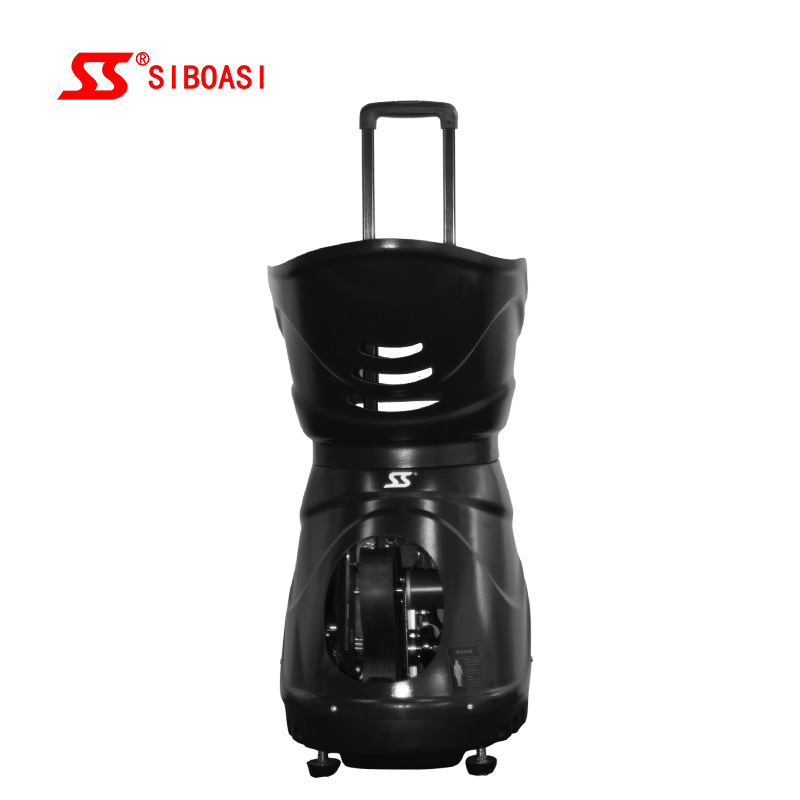
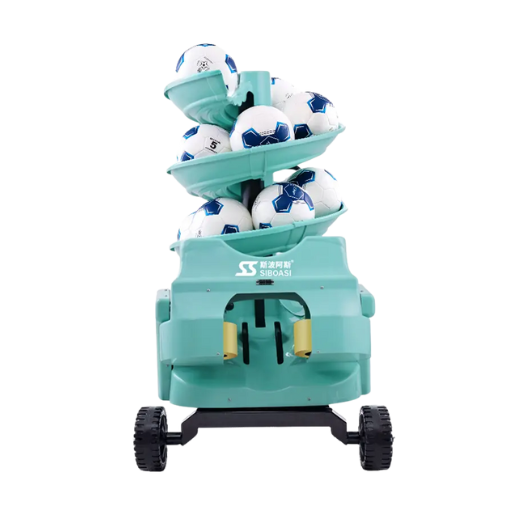
Great tennis players know that practice makes perfect, but finding a good partner for practice is not always easy. This is where the tennis ball machines come into play, and so do the new training devices. These machines will allow the beginner to polish their strokes or the advanced player to work on accuracy and footwork-adapted to real training needs. In this article, we are going to present opportunities for the best models of tennis ball machines and training equipments at affordable prices, every player could think of. Explore the options, from inexpensive to the best, that will complement your practice on a daily basis, and the ones that will help you take over hardscapes.
Introduction to Tennis Ball Machines
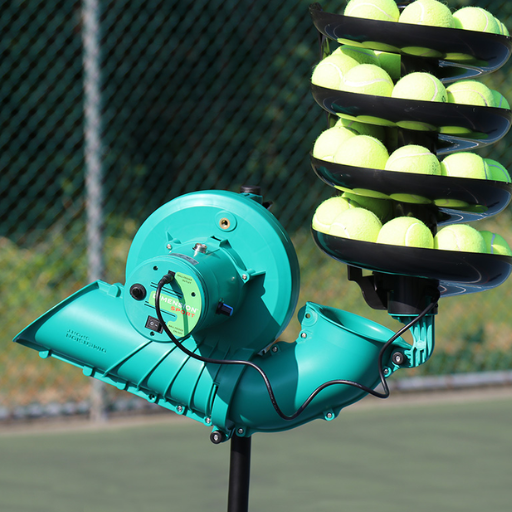
Tennis-ball machines are important tools that can be used by players of any skill set for consistent and repetitive practice that serves to develop technique, accuracy, and consistency in being used. In launching balls, the machine can do so at various speeds, spins, and angles so that a user may simulate real sport conditions or practicing drills for specific purposes. The machines cater to beginners who want to polish basic skills and advanced players who want to work on their technique. With features such as programmable settings and oscillation, tennis ball machines are a versatile solution for solo practice, helping players build confidence and improve overall performance!
What is a Tennis Ball Machine?
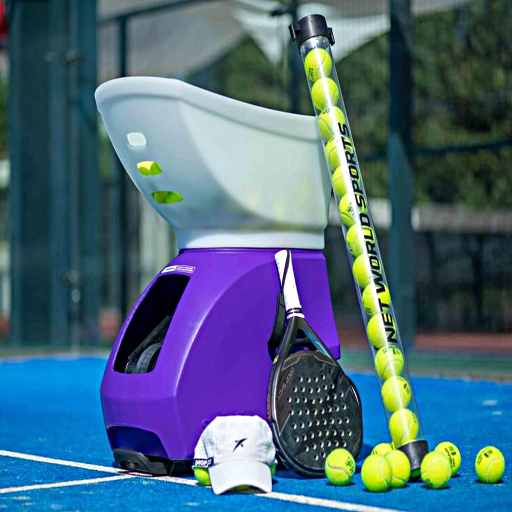
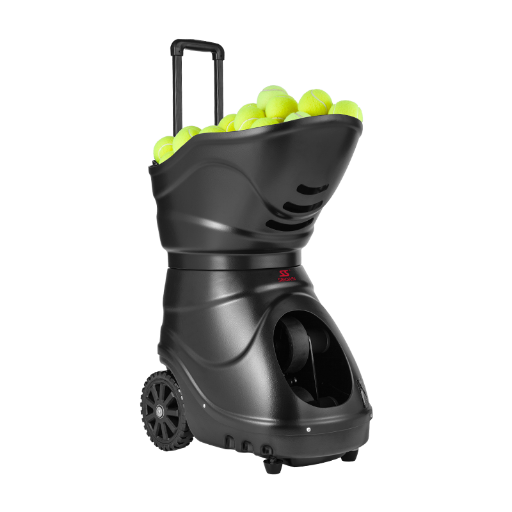
A tennis ball machine, a piece of training equipment, is for tennis players to practice and improve the game by simulating on-court situations. These machines launch balls with varying speed, spin, and angles for solo practice so that one can focus more on particular areas for improvement, such as forehand, backhand, volleys, and footwork. In the realm of state-of-the-art technology, the new generation of tennis ball machines comes with the ability to program shot orders; execute oscillation modes, which randomize the location of the ball; and adjust ball feed rates to suit varying skill levels.
For instance, low-end machines generally allow only basic settings, enough for entry-level users, while the top range of machines can launch balls at 80-100 mph while simulating spins at a professional level to include topspin and backspin. Some of these machines also offer remote control features and smartphone apps, as well as preprogrammed drills to improve user interaction and convenience. Moreover, the lightweight design ensures that the machine can be carried to gyms and alternate training places wherever desired.
By working in tandem with an introduced repetitive stage utility, become a potent sustainer, together with enhanced athletes’ response time and building muscle memory. As trends indicate, many athletes and coaches now incorporate these devices into their training regimes to work more efficiently and productively. For leisure players and serious contenders alike, tennis ball machines can take you from one level to another; they provide reliable opportunities for skill honing and keeping fit.
Benefits of Using a Tennis Ball Machine
Tennis ball machines offer a wide range of benefits for players looking to improve their skills, regardless of their experience level. One key advantage is the ability to practice consistently without the need for a partner. These machines provide a steady stream of balls at customizable speeds, spin types, and trajectories, allowing players to focus on specific aspects of their game, such as backhand volleys or topspin shots.
For advanced customization, modern machines now come equipped with programmable drills and app-controlled features, enabling users to simulate match-play scenarios or work on specific weaknesses. Research shows that consistent practice using repetitive training tools, like tennis ball machines, can improve shot accuracy by up to 30% for intermediate players over a three-month period. Furthermore, the ability to adjust settings to challenge reaction time and physical endurance makes these machines an ideal tool for building overall fitness alongside technical skills.
Another significant benefit is the convenience they offer. Players can practice on their schedule, with no dependency on court availability or a playing partner. This flexibility is particularly valuable for busy individuals who need to make the most out of their limited practice time. Additionally, using a tennis ball machine often results in faster skill development, as players can focus on specific drills tailored to their unique needs, enabling better performance during competitive matches.
For coaches and athletes, leveraging a tennis ball machine in training sessions is not only practical but also cost-effective over time. Whether you’re a beginner aiming to master the basics or a seasoned professional refining the finer details of your game, tennis ball machines provide a versatile and reliable way to achieve desired results efficiently.
Overview of Popular Brands: Spinshot, Lobster, and More
Popular tennis ball machine brands include Spinshot, Lobster, Slinger, Nisplay, and Spinfire, each offering unique features tailored to different skill levels and budgets.
|
Brand |
Price |
Max Speed |
Ball Capacity |
Battery Life |
Key Features |
Target User |
|---|---|---|---|---|---|---|
|
Spinshot |
$1,099+ |
68 MPH |
120+ Balls |
2-3 Hours |
Adjustable spin, app |
Intermediate-Advanced |
|
Lobster |
$1,099+ |
80 MPH |
150 Balls |
4-8 Hours |
Random oscillation |
All Levels |
|
Slinger |
$799.99 |
45 MPH |
144 Balls |
~3.5 Hours |
Compact, affordable |
Beginners |
|
Nisplay |
$899 |
68 MPH |
80+ Balls |
4-6 Hours |
Lightweight, portable |
Beginners-Intermediate |
|
Spinfire |
$1,500+ |
80 MPH |
150 Balls |
3-8 Hours |
AI drills, app control |
Advanced |
Comparing the Best Tennis Ball Machines
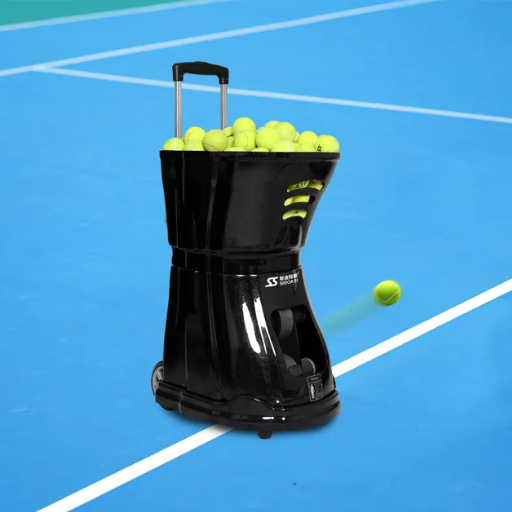
The best tennis ball machines include Spinfire Pro 2, Lobster Elite 2, Spinshot Pro, Slinger Bag, and Tennis Tutor, each catering to different skill levels and budgets.
|
Model |
Price |
Max Speed |
Ball Capacity |
Battery Life |
Key Features |
Target User |
|---|---|---|---|---|---|---|
|
Spinfire Pro 2 |
$1,500+ |
80 MPH |
150 Balls |
3-8 Hours |
AI drills, app control |
Advanced |
|
Lobster Elite 2 |
$1,200+ |
80 MPH |
150 Balls |
4-8 Hours |
Random oscillation |
All Levels |
|
Spinshot Pro |
$1,099+ |
68 MPH |
120 Balls |
2-3 Hours |
Adjustable spin, app |
Intermediate-Advanced |
|
Slinger Bag |
$799.99 |
45 MPH |
144 Balls |
~3.5 Hours |
Compact, affordable |
Beginners |
|
Tennis Tutor |
$900+ |
50 MPH |
70 Balls |
2 Hours |
Lightweight, portable |
Beginners-Intermediate |
Spinshot: Features and Benefits
Spinshot Tennis Ball Machines are renowned for recent technology upgrades and easy-to-use designs, accommodating players of all abilities. Perhaps one of the highest differentiating traits is customizable drills for 12 pre-programmed drills to simulate just about any gaming situation. Equipped with an app, the wireless control of the machine on one’s smartphone allows adjustment of ball speed, spin, ball height, and feeding interval with precision.
Spinshot machines can deliver balls at speeds between 10 mph and 68 mph and are ideal for slow practice requirements for beginners or high-speed torture for fine tuning by pros. They provide topspin and backspin, allowing one to practice against different ball trajectories. Lastly, Spinshot lithium-ion battery assures great play-time with up to 2-3 hours of uninterrupted play on a single charge; the perfect choice for long-duration practice.
Other advantages include durability and portability. Made out of light yet sturdy metals and supplied with tough wheels, Spinshot machines may be carried around easily and can sustain heavy use. The compact design makes storage effortless, even amidst constricted spaces. Spinshot machines are also built with green concepts and consume less power while maintaining quality.
Those looking for elaborate capabilities and performance find Spinshot tennis ball machines almost always at the top for refining one’s tennis skills with features worthy of professional use but in reasonable price territory.
Lobster Sports: A Closer Look
Lobster Sports has a reputation for top-tier engineering and features for all levels of players. These machines are a marriage between design and function, offering programmable drills, trajectories of shots, and speeds for balls-the works to simulate many playing scenarios. One great key feature is their ability to impart spin on the ball-topspin and backspin-that is able to duplicate actual match scenarios.
Lobster Elite machines, for example, feed balls anywhere from 20 to 80 mph with feed intervals starting at 2 seconds for practice shots that require very intense focusing. Also, most Lobster machines have big ball hoppers, which can hold 150 balls, giving very few interruptions to your practice.
Also, these machines are noted for being highly portable. Since most of them are made from lightweight materials, combined with folding handles, it is quite convenient to carry them around and even store them away. These machines come with rugged wheels, which glide with ease over uneven terrains such as clay courts or grass courts.
Lobster Sports takes the most advanced remote-control technology and incorporates it into their machines, allowing players to adjust settings and modes without any need to stop training. Further, there are some models with app connectivity, allowing users to customize and control drills via an intuitive mobile app.
Lobster Sports highly values durability and longevity. Made of the best materials, their machines go through rigorous testing to prove they can withstand several hours of practice sessions and adverse situations. Their rechargeable batteries allow for multiple hours of uninterrupted practice, depending on the model, anywhere from 4 to 8 hours on a single charge.
For tennis buffs in search of a prime training aid, Lobster Sports machines provide great flexibility and performance, which guarantees a viable and fun practice experience adaptable to all playing styles and skill sets.
Portable Options: Slinger Bag vs. Wilson Portable
When comparing portable options, the Slinger Bag and Wilson Portable differ in features such as portability, battery life, ball capacity, weight, price, and personalization.
|
Key Point |
Slinger Bag |
Wilson Portable |
|---|---|---|
|
Portability |
Easy to carry |
Compact design |
|
Battery Life |
5 hours |
4 hours |
|
Ball Capacity |
144 balls |
90 balls |
|
Weight |
33 lbs |
38 lbs |
|
Price |
Affordable |
Premium |
|
Personalization |
High |
Moderate |
Key Features to Consider When Buying a Tennis Ball Machine
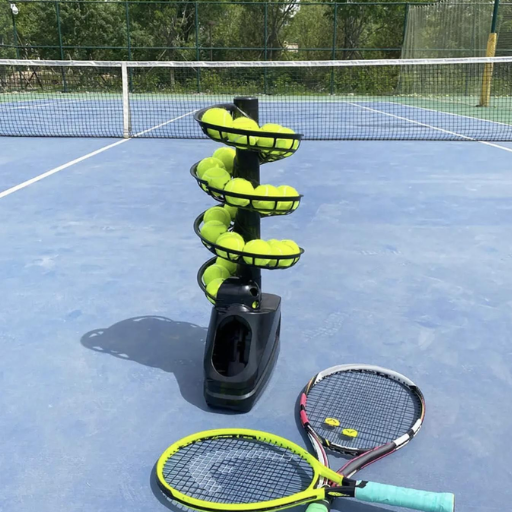
- Portability: Ensure the machine is lightweight and easy to transport, especially if you plan to use it at multiple locations. Look for models with wheels and a compact design.
- Ball Capacity: Larger ball capacities mean longer practice sessions without frequent refills. Most machines range from 50 to 300 balls.
- Battery Life: If choosing a cordless model, check the battery runtime. Machines offering 4-8 hours are ideal for extended use.
- Speed and Spin Settings: Adjustability is crucial for customizing practice. Machines with variable speed and spin options allow for tailored drills to match your skill level.
- Oscillation Features: Multi-directional oscillation helps simulate realistic match scenarios by delivering balls to different court areas.
- Ease of Use: Select a machine with intuitive controls and easy setup, especially if you’re new to tennis ball machines.
- Durability: Choose a sturdy, well-constructed machine designed to withstand regular use and various weather conditions.
- Remote Control or App Integration: Convenience features such as remote control or smartphone apps enhance usability by allowing on-the-fly adjustments during practice sessions.
Focusing on these fundamental features will help you select a tennis ball machine that meets your unique training needs and preferences.
Ball Capacity and Battery Life
While choosing a tennis-ball machine, generally manufacturers present their machines as having varying ball capacities and battery life, preventing uninterrupted practice. Most machines vary from 50 to 300 balls depending on the maturity of the players. Smaller size models with smaller capacities (50-100 balls) are best suited for light practice or limited space. Larger machines with gauge capacities of over 200 balls are heavy-duty-size machines for serious training or coaching and do not require the operator to stop rinsing often.
Battery life is another factor to consider, particularly if the machine is being taken outside for a practice. Average machines grant 2-4 hours run time before power drains away, while the premium category offers up to 6 hours continuous working mode. If batteries can be replaced or recharged, this means that a longer but intermittent training can be sustained. For example, about 4-6 hours of play can be guaranteed by some advanced models on a full charge, depending on speed, spin, and oscillation settings used. Battery status indicators are among other features finding their way into many machines to aid users in monitoring usage, and recharging will follow accordingly.
With a good balance of ball capacity and battery life, drills can be arranged uninterruptedly to be done efficiently according to how intense and how long the practice will be. In the very least, a big hopper with good battery life is an investment that raises the quality of training for anyone wanting something really reliable.
Programmable Drills and Remote Control Features
Ball machines today come with programmable drills, allowing players to create practice scenarios based on a particular skill level and training goal. Programmable drills let users set parameters for shot speed, spin, trajectory, and intervals, pairing it perfectly gym situations. For example, certain drill types simulate fast-paced cross-court rallies; others focus on steady baseline shots down on the net, all depending on what one wants to practice.
Remote control features add even more convenience and functionality, ensuring easy use throughout the entire practice session. Both handheld remote controls and smartphone application integrations are supported, allowing for changes like drill selection, ball-feed rate, or starting and stopping the machine without interrupting the rhythm of the flow. Some allow users to store preferred settings, which streamlines setting up repeat drills.
Statistics show the high-prevalence trend for such smart technologies: the programmable-and-app-controlled ball machines are definitely rising in popularity among players of all levels. For example, a survey by sports equipment analysts from an established source revealed that more than 60% of players prefer ball machines that have remote control and programmable functions, supporting their claim on convenience and versatility. These functions lead to a more focused skill development approach, with fewer distractions and makes the time spent practising a lot more fun.
Portability and Oscillation Options
The concept of portability and oscillation is everything that changes how users select equipments. Weightless construction and compact size characterize modern ball machines, facilitating easy movements and assembly. Machines having wheels and handles let anyone move a device across two courts or store it in a cramped space. For instance, some of the best units on the market weigh only 40 pounds, which is just about right for a player or junior athlete to carry and manage on their own.
Being able to oscillate is somewhat of a function, too; the ball goes across either the horizontal or vertical plane-one of the two-for scenarios in the game. Such configurable oscillation parameters of advanced machines make their assignmen unpredictable placements-the reflex action and flexibility development of a player must cultivate. Studies show players who have undergone training with oscillating ball machines will gain as much as a 30% increase in shot accuracy and time-based anticipation within 3 months of consistent usage. The bond between portability and accurate oscillation strengthens the value these ball machines offer to athletes in the closing effort to mess up their own performance on the court.
Maximizing Your Training with a Tennis Ball Machine
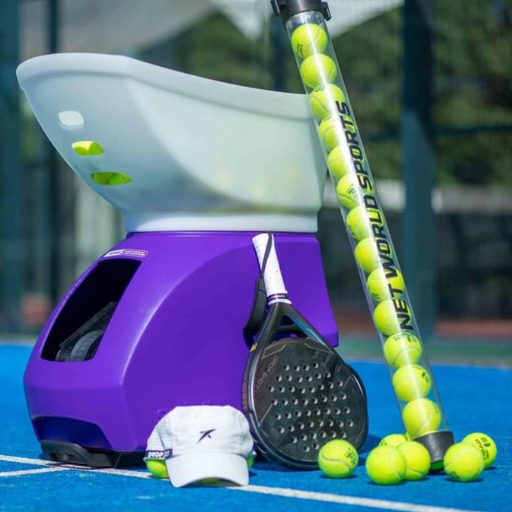
1. Set Clear Goals
Choose specific skills that require attention and that need some work, be it working on footwork, backhands, or consistency of shots.
2. Customize Drill Settings
Set speed, spin, and oscillation to reflect scenarios in real-life play. Begin with settings that are within one’s capability, then raise the bar little by little to keep up with the challenge.
3. Interchange Drills
Switch drills randomly to keep boredom at bay-spots can include cross-court shots, bases-to-net movements, and reaction drills.
4. Include Match Play Situations
Integrate ball machine training with work on footwork and strategy to impersonate match situations and to learn how to make decisions under pressure.
5. Keep Track and Monitor Progress
Track improvements by an increase of shot accuracy or rally duration. Keep tweaking session plans to focus on points of weakness.
These concepts provide players a way to ensure that the tennis ball machine is a powerful training partner toward honest improvements.
Drills to Improve Footwork and Technique
1. Side-to-Side Shuffle with Return
This drill requires players to start at the baseline center, with the machine alternately feeding to each corner. It is imperative to keep your posture low and shuffle side-to-side quickly but deliberately so that you can get to all of the balls.
Key Metric: Get 10 consecutive returns without stepping the foul line, or slipping out of position.
Benefits: Enhances lateral movements, balance, and the speed of recovery from difficult positions.
2. Split-Step Timing Drill
With the ball machine programmed to feed randomly all over the court, raise yourself in a split step just before the ball is released. This is intended to practice the timing and readiness for receiving any kind of shot.
Key Metric: Keep a record of times that you’re able to reduce in reacting and positioning toward a shot.
Benefits: Develops enhanced agility and reaction time, so you may always be able to return in time.
3. Forward and Backward Sprint Drills with Shot Execution
Place the ball machine on the baseline and program it to give an alternate sequence of short and deep shots. These shots simulate drop shots and lobs that you will then practice sprinting forward for and backpedaling for, respectively, with maintaining proper shot form.
Key Metric: Monitor your successful return percentage for both drop shots and lobs.
Benefits: Improve your ability for explosive sprints, your endurance, and concentration under changing conditions.
4. Figure Eight Cone Drill with Return
Arrange two cones to create the figure-eight path near the baseline. While completing the footwork through the cones, the ball machine will feed balls that you are supposed to hit on the run, linking footwork with shot execution under simulated match stress.
Key Metric: Count how many clean returns were done on automatic foot patterns.
Benefits: Improves balance during directional shifts and integrates coordination between foot placement and shot placement.
5. Cross-Court Pattern Precision
Set up your ball machine to alternately lob shots toward diagonally opposite corners of the court. Force yourself to move quickly to deliver each return deep down the opposite corner.
Key Metric: Hit the predetermined percentage (e.g., 80%) of groundstroke returns inside a specified target area.
Benefits: Enhances deep precision, cross-court consistency, and awareness of own court position.
Horn et al. rigorously investigated various footwork drills to systematically upskill players while developing agility and overall physical conditions that translate to movement efficiency on the court.
Using a Tennis Ball Machine for Beginners
When I use a tennis ball machine to train, a few things come to mind, trying to keep my starting feeds slow and consistent so that my confidence levels grow and my timing is well established. I position myself correctly and work on my basic strokes, forehand, backhand, etc., so I develop good technique. Until I can maintain control of the shots by changing the speed and direction, I increase these variables. This really builds on my coordination, precision, and comfort on the court.
Tips for Setting Up a Tennis Court Training Session
On a practical level, before any setting-up for a tennis-court training session can be performed, one must select equipment. The machine and the racket must be in workable conditions. When there are very few people around for practice, one should then go on and book the court. Now, regarding the machine settings, they have to match my experience, start with slower feeds upon which I can then add speed and several types of shots. I will have specific drills planned for the session aimed at areas I want to improve. Lastly, I will make sure to keep hydrated with some short breaks for energy.
Reference Sources
-
University of Texas Repository: Discusses the integration of mobile technology with embedded systems to convert a low-end tennis ball machine into an affordable high-end one. Source
-
Florida International University Paper: Explores autonomous ball delivery systems, focusing on affordability and user interaction capabilities, with parallels to tennis ball machines. Source
-
NASA Technical Reports Server: Highlights cost-effective motion tracking technologies, which can be relevant for advanced features in ball machines. Source
Frequently Asked Questions (FAQs)
What are the benefits of using a portable tennis ball machine?
A portable tennis ball machine offers numerous benefits for players of all skill levels. It serves as a consistent practice partner, allowing players to fine-tune their groundstrokes and improve their game. These machines are designed to deliver balls at different speeds and spins, enabling players to experience realistic match scenarios. Moreover, their battery-operated feature ensures you can use the machine anywhere, making it an ideal choice for tennis clubs or personal training sessions.
How does the Spinshot Player enhance tennis training?
The Spinshot Player is an advanced tennis ball launcher that allows users to customize their training sessions. With features such as horizontal and vertical oscillation, players can simulate various game situations, enhancing their muscle memory and improving their overall performance. This machine is especially beneficial for beginners and intermediate players looking to develop their skills in a controlled environment.
What should I consider when buying a ball machine?
When buying a ball machine, it’s important to consider factors such as portability, battery life, ball capacity, and the ability to adjust speed and spin. Machines like the Spinshot Plus and Playmate offer advanced features that cater to different training needs. Additionally, investing in a machine with a capacity for at least 150 balls ensures you can practice longer without frequent interruptions.
Can tennis ball machines help with consistent practice?
Yes, tennis ball machines are designed to facilitate consistent practice. By providing a steady stream of balls, they help players develop muscle memory and improve their game. Whether you’re working on your serve, volleys, or groundstrokes, a ball machine can be a game-changer in your tennis training regimen.
Are there affordable options for tennis players?
Absolutely, there are several affordable tennis ball machines on the market that cater to players of all skill levels. While some machines can be expensive, there are budget-friendly alternatives that still provide essential features for effective training. Brands like Spinfire and Sports Tutor offer models that are both economical and efficient for players looking to enhance their tennis journey.
How do advanced tennis ball machines differ from basic models?
Advanced tennis ball machines often come equipped with features such as programmable drills, adjustable ball delivery speeds, and the ability to simulate spin. Models like the Elite Grand and Spinshot Pro are designed for serious tennis players who want a comprehensive training experience. Basic models may offer limited features but can still be effective for casual practice.
What are the advantages of a battery-operated tennis ball machine?
Battery-operated tennis ball machines provide unmatched convenience as they can be used anywhere without the need for a power outlet. This makes them ideal for outdoor practice sessions at parks or tennis clubs. Additionally, they are typically lighter and more portable, allowing players to easily move the machine to different locations for varied training experiences.
Can a tennis ball launcher simulate real match conditions?
Yes, a tennis ball launcher can effectively simulate real match conditions by allowing players to practice against varying speeds and spins. Machines with adjustable oscillation settings enable users to set up drills that mimic actual gameplay scenarios, making it easier for players to adapt to different opponents and styles of play.