Sciatica and chronic back pain can become an obstacle to living, thereby making even the most basic things feel like Herculean tasks. With that said, such people often find themselves searching for effective, non-invasive treatments that they can easily fit within their existing schedule. Then enters the tennis ball massage remedy that is straightforward yet surprisingly effective in providing focal pain relief and facilitating muscle relaxation-giving relief from their discomfort. This article will delve into how this cost-effective and easy method works to ease pain, why it is suitable for ailments of sciatica and back pain, and how you can implement it on your own. Whether you’re new to this or want to improve your skills, some practical hints and tips will go a long way in supporting your pain-relief road.
Introduction to Sciatica
Sciatica is identified as pain projected along the pathway of the sciatic nerve that extends from the low back through the hips and buttocks down each leg. Nerve compression or irritation causes this pain; however, the most common causes are herniated disc, spinal stenosis, or muscle inflammation. Some symptoms may include sharp pain, numbness in the affected region, or a tingling sensation. Although sciatica becomes incapacitating at times, it is more than likely treatable with ample rest, exercises, and stretches combined with other forms of effective pain relief. If the pain gets worse or does not subside, it is recommended to seek medical advice from a healthcare provider.
What is Sciatica?
Sciatica refers to pain that travels along the sciatic nerve, running from the lower back, through the hips and buttocks, all the way down to the respective legs. It is mostly caused by a compression of the nerve, most commonly due to a herniated disc, spinal stenosis, bone spurs, or tightening of the muscles in the lumbar spine. Approximately 40 percent of the population is said to be afflicted by sciatica at some time in their lives, and the extent of pain may range from just minor discomfort to an overwhelming degree of agony as put forth in medical literature in recent times.
The key symptoms of sciatica are a sharp or shooting pain, tingling, numbness, and weakness in one leg or foot. Physical strain, extended periods of sitting, and other underlying health conditions are commonly discussed Kulshrestha risk factors. Almost ninety per cent of treatments involve physical therapy, exercises, anti-inflammatory medication, and hot or cold therapy to treat the pain. In the rare instances where pain persists or worsens, treatments can take the form of epidural steroid injections or even surgery. Early diagnosis and proper management help much in improving the prognosis of speed and recovery of affected individuals, thus giving them a better quality of life.
Common Causes of Sciatica
Sciatica sets in when the sciatic nerve, which is the largest nerve in the human body, is compressed or irritated. It is usually the result of underlying spinal problems, and an understanding of these causes allows for better treatment. The most common cause is a slipped or herniated disc, representing about 90% of all sciatica cases. When the soft, rubbery inner core of a spinal disc bulges out, it sometimes could push against the nerve, and pain along with discomfort begins at the back down the leg.
Another common cause of severe sciatica is spinal stenosis, which usually happens to those aged over 50; this narrowing causes pressure on the nerve roots that branch out from the spinal cord, subsequently giving sciatica symptoms. Also, degenerative disc disease that comes with aging could be contributing to instability in the spine, which irritates the nerve nearby.
It would help greatly if you figured out that spondylolisthesis occurs when one vertebra slips forward over another, potentially allowing nerve impingement to agitate sciatic pain further. Traumatic injuries resulting from falls or accidents can press upon the sciatic nerve directly. Noteworthy is the fact that lifestyle factors like obesity, prolonged sitting, and lack of physical activity may seriously exacerbate these underlying conditions by placing lateral stress on the spine.
There exists evidence making an inference that a healthy weight coupled with regular exercising lowers the risk of sciatica caused by structural problems of the spine. Early symptom recognition and targeted treatment can prevent progression and ensure superior outcomes and long-term spinal health.
Symptoms of Sciatic Nerve Pain
Nerve pain from the sciatic nerve is commonly described as a sharp, shooting pain originating from the lower back, radiating to one of the hips, buttocks, and one or both legs. This pain can vary in its degree: it can be mild and annoying or incapacitating and disabling, thereby affecting a person’s daily routine. The usual symptoms are numbness and tingling or a burning sensation along the affected nerve.
Other accompanying signs that people with sciatic nerve pain can experience, as revealed by recent studies, include muscle weakness in either the legs or feet, causing difficulty in walking or standing for extended periods. Sitting for lengthy periods will agitate the pain, as will sudden movements or any activities that place pressure on the spine, such as lifting of heavy objects.
However, an important indication of sciatic pain is that it is mostly unilateral, that is, the symptoms are found on only one side of the body. But in rare instances with complicated spinal conditions, symptoms may be exhibited on both sides. More than 40% of adults may unwittingly observe some sciatic nerve pain sometime in their lives, placing this condition among the more common nerve-related disorders.
To top it off, sciatica associated with herniated discs or spinal stenosis may provoke an abnormal sensitivity in the affected regions, wherein any stimulus such as a mere slight touch or pressure could end up being a painful event. Having a strong grasp of these symptoms may prompt a person into early diagnoses and intervention, leading to relief with an effective treatment.
Benefits of Using a Tennis Ball for Pain Relief
A tennis ball may indeed serve as a relief from tension and pain generated by sciatic nerve pain. Applying light pressure onto the trigger points, the ball serves as a self-massage tool, relaxing the affected muscles and improving the flow of blood through the area. This method will ensure easing inflammation and stiffness, reinforcing overall mobility. The best part-the method remains straightforward and cheap, easily accommodated in everyday life without any object or special aid.
How Tennis Ball Massage Works
Tennis ball massage serves the purpose of releasing tight muscles and fascial constraints to alleviate tension and pain. With a tennis ball placed under the affected area and very gentle pressure applied by the weight of the body or the hands, the method encourages blood flow and release of trigger points. When muscle trigger points are compressed, nerve signals cause the surrounding tissue to relax, reducing stiffness and pain.
Scientific studies indicate that the technique activates mechanoreceptors in the skin as these sensory receptors restrict the spread of pain signals vis-à-vis the nervous system. For instance, a 2020 study states that self-myofascial release techniques, such as tennis ball massage, can improve flexibility by approximately 13% as well as improve mobility in persons whose muscles are in tension or have suffered injuries.
In order to yield the best results, experts suggest the tennis ball massage be coupled with stretching exercises. Perform massages for 1 to 3 minutes on each muscle group, 2 and 3 times daily, and you will begin feeling some improvements. Due to its simplicity and efficiency, the tennis ball massage has become an ever-so-popular home remedy for recovery for athletes or individuals trying to alleviate chronic muscle aches.
Advantages Over Traditional Massage Therapy
Tennis ball therapy offers advantages over traditional massage therapy, including affordability, portability, self-control over pressure, and convenience for targeted relief.
|
Parameter |
Tennis Ball Therapy |
Traditional Massage |
|---|---|---|
|
Cost |
Low |
High |
|
Portability |
High |
Low |
|
Pressure Control |
Self-controlled |
Therapist-dependent |
|
Convenience |
Anytime, anywhere |
Appointment needed |
|
Targeting |
Precise |
General |
Effectiveness in Relieving Lower Back Pain
Lower back pain is a fascinating, common issue confronting millions, and the tennis ball method has emerged as a cost-effective option. Research writer(s) point out that myofascial release, like using a tennis ball, improves range of motion and decreases stiffness and pain that result from muscular tension in the lumbar region. Pressure within trigger points is relieved somewhat by tennis ball massage along with increased blood flow to the affected region.
Statistical reports imply that an estimated 80% of adults experience some form of lower back pain at some stage in their lives. According to a study, self-myofascial release applied in a consistent manner has been able to lessen the severity of pain for people in the study while also improving their quality of life. Cases in point: the decrease in musculoskeletal pain achieved between two weeks to even less through the application of targeted pressure techniques. Besides that, strengthening exercises and regular stretching combined with tennis ball massage serve to further balance muscular imbalances and enhance flexibility.
This method is portable, and thus convenient for people to make into their daily lives without being dependent on any special kind of equipment or bookings with a therapist. With the allocation of only a few minutes in a day, the person in question will assess few very remarkable improvements concerning the reduction in pain and gained functions, which just indicates how rugged at-home recovery strategies are.
Step-by-Step Guide on How to Use a Tennis Ball

1. Choose the Target Area
Pinpoint a specific spot on your body feeling tension or tightness, such as the back, shoulders, or calves.
2. Position the Tennis Ball
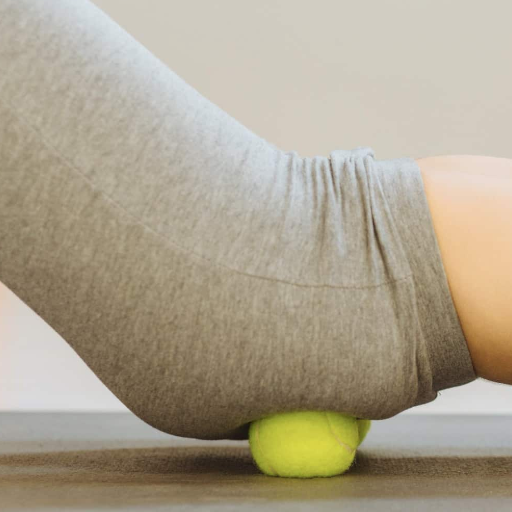
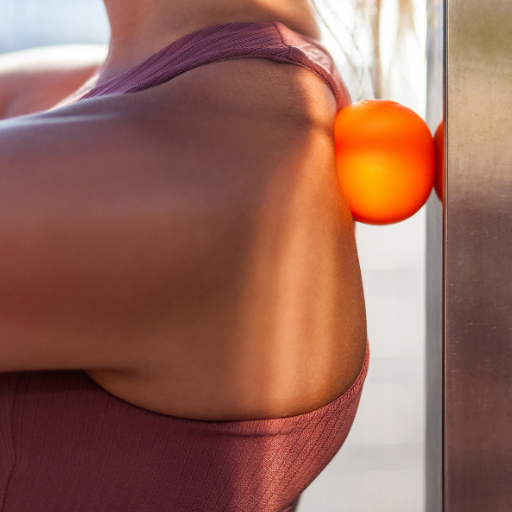
Set the tennis ball in between the target area and a hard surface, such as the floor or a wall. Make sure the ball goes right beneath whatever area you want to release.
3. Apply Gentle Pressure
Slowly go down on the tennis ball with your body weight. Finding the right amount of pressure that is effective but not painful is important.
4. Roll Back and Forth
Move your body slowly with small movements to roll the ball over the tight muscles. Concentrate on any knots or tender spots for about 20-30 seconds.
5. Stretch and Rest
After working with the tennis ball, engage in some gentle stretches to find relief and pursue flexibility for the worked muscles. Rest for a short while, then go ahead and repeat the procedure for other areas, as required.
6. Consistency is Key
Try to pull this off a couple of times a week, as much as practically possible, with listening to one’s body to avoid over doing it.
Choosing the Right Tennis Ball
When choosing the right tennis ball for muscle therapy, your routine can be very much improved. In general, a standard tennis ball medium firmness is considered appropriate, while it applies pressure but is gentle on tender areas. Firmer varieties like pressure-point balls and specially constructed massage balls might serve better for those requiring harder pressure on tight knots.
Experts argue that soft tennis balls are ideal for beginners or those with softer muscular tissues, helping those people avoid discomfort during the process. Hard or rubber-coated balls, therefore, would provide pressure control and pinpoint targeting for intermediate practitioners or individuals suffering from extreme tension.
More so, size considerations allow you to identify the best ball. The standard tennis balls (about 2.7 inches) can be manipulated on larger regions like the back or thighs. For smaller areas that are hard to reach, like the arch of the foot or upper neck, something slightly smaller or perhaps ergonomic might work much better.
Knowing these will help you prioritize your needs for these simple but highly effective recovery aids.
Basic Techniques for Tennis Ball Massage
To begin, it’s essential to locate areas of tension or discomfort where a tennis ball massage may provide relief. Start by placing a tennis ball between your body and a firm surface, such as a wall or the floor, to control the pressure effectively. Focus on the following techniques to maximize benefits:
- Trigger Point Release
Position the tennis ball on a tender or tight spot (commonly called a trigger point) and apply steady pressure for 20-30 seconds. This method helps to release muscle knots and improve blood flow to the area. Studies suggest that trigger point massage can significantly reduce muscle soreness and enhance flexibility.
- Rolling Massage for Larger Muscle Groups
For larger areas like the back, glutes, or thighs, use slow, controlled rolling movements. This technique promotes lymphatic drainage and enhances recovery, especially after intense physical activities. Rolling for 2-3 minutes per muscle group can reduce stiffness and fatigue.
- Cross-Friction Massage
This method involves rolling the ball side-to-side or in circular motions over the targeted area. It’s particularly effective for breaking up adhesions in the fascia, the connective tissue surrounding muscles. Incorporating cross-friction massages into your routine can improve mobility and reduce the likelihood of injury.
- Plantar Fascia Release
Place the tennis ball under the arch of your foot and roll it back and forth for 1-2 minutes per foot. This technique is highly effective for addressing foot pain, including symptoms related to plantar fasciitis. According to experts, consistent foot massages can improve posture and alleviate strain in the lower limbs.
- Neck and Shoulder Tension Relief
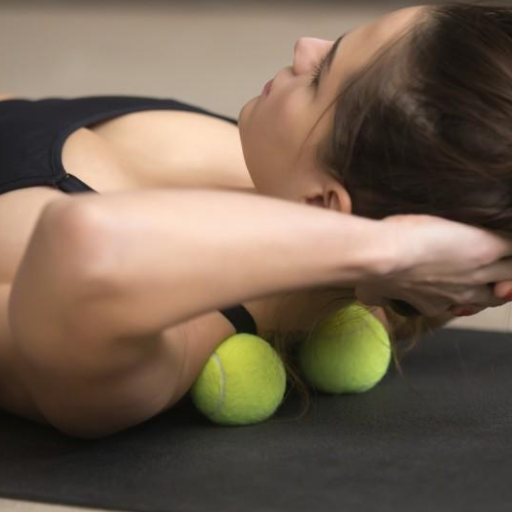
To address tension in the neck and shoulders, lie on your back and position the tennis ball under the base of the skull or between the shoulder blades. Gently tilt or rotate your head to target sore spots while avoiding any sharp pain. Research highlights the importance of gentle techniques in these sensitive areas to prevent aggravation.
For all techniques, it’s important to listen to your body and adjust the pressure as needed. Incorporating these methods 3-4 times a week can enhance muscle recovery, reduce stress, and improve overall physical well-being.
Specific Areas to Target for Sciatica Pain Relief
Focusing on specific areas along the lower back, hips, and legs can significantly alleviate sciatica pain. Below are the key regions and techniques supported by recent findings to help reduce discomfort and improve mobility:
- Piriformis Muscle
The piriformis, located in the buttocks, plays a crucial role in sciatica pain as it often presses against the sciatic nerve. Gentle stretches like the seated piriformis stretch or pigeon pose can help relieve tension in this muscle, reducing irritation to the nerve. Studies indicate that targeted stretching of this region can improve flexibility and alleviate pain for a majority of individuals experiencing sciatic symptoms.
- Lumbar Spine (Lower Back)
Compression or irritation in the lumbar spine is one of the most common causes of sciatica. Exercises like cat-cow stretches and lumbar extensions are effective in reducing pressure on the lower back nerves, helping to ease pain radiating down the legs. Data shows that incorporating lumbar stretches into a routine at least three times a week enhances spinal mobility and reduces sciatica flare-ups.
- Gluteal Muscles
Tightness in the glutes can contribute to sciatic nerve compression. Foam rolling or using a massage ball on this area can release tension within the muscles, promoting blood flow and reducing pain. Experts agree that myofascial release techniques targeting the glutes improve overall comfort and mobility in people dealing with chronic sciatic pain.
- Hamstrings
Tight hamstrings can pull on the lower back, increasing stress along the sciatic nerve. Gentle hamstring stretches, such as the seated forward fold or lying knee-to-chest stretch, help relax the muscles and alleviate strain. A small-scale clinical study highlighted that consistent stretching of the hamstrings improved pain levels and overall function in individuals with sciatica by an average of 30%.
- IT Band (Iliotibial Band)
While not directly connected to the sciatic nerve, tension in the IT band can contribute to hip and leg discomfort. Foam rolling this area gently can help alleviate referred pain and improve mobility. Many physical therapists recommend incorporating IT band exercises into a sciatica relief program for optimal results.
Focusing on these areas with controlled stretches, massage techniques, and strengthening exercises can provide measurable improvement in sciatica symptoms over time. Combined with professional guidance, these methods build a comprehensive approach to pain management for long-term relief.
Precautions and Additional Tips
- Consult a Professional: Always seek advice from a qualified healthcare provider or physical therapist before starting any new exercise regimen, especially if your condition is severe or if you experience significant pain.
- Avoid Overexertion: Performing exercises or stretches beyond your comfort level can worsen symptoms. Gradually increase intensity as your body adapts.
- Pay Attention to Pain: Stop any activity that causes sharp, shooting pains or discomfort, and consult your healthcare provider for adjustments.
- Focus on Form: Proper technique is crucial to prevent strain or injury. If unsure about form, consider guided sessions or tutorials.
- Maintain Consistency: For lasting relief, incorporate these practices regularly into your routine as advised.
- Use Proper Tools: When using tools like foam rollers or massage balls, ensure they are appropriate for your needs and use them with care to avoid additional strain.
Following these precautions and tips helps ensure a safe and effective approach to managing sciatica symptoms while minimizing the risk of further issues.
When to Avoid Tennis Ball Therapy
No sciatica treatments with the tennis ball were applied for the acute or severe stage of sciatica because of possible increased inflammation or irritation to the nerve. And if the problem were due to a herniated disc or a very serious spinal issue, I would have likely already seen a doctor about it before attempting this approach. Pain or discomfort that exceeds slight pressure is a clear sign for me to stop immediately and try an alternative therapy.
Complementary Exercises for Sciatica Relief
I am more on the side of gentle stretches like the seated piriformis stretch and knee-to-chest stretch, which work against much of the lower back and hip tension. I also introduce low-impact walking or swimming to support good circulation and assist in breakdown. Lastly, the child’s pose and cat-cow stretch keep my muscles loose and flexible.
Consulting with a Massage Therapist
Consulting a qualified massage therapist will greatly complement your sciatica relief program. Therapists can employ deep tissue massage and myofascial release on factors that are often responsible for sciatic pain, such as muscle tightness and inflammation in the lower back and hip region.
Furthermore, massage therapy stimulates the release of endorphins, which reduce the pain, and increases blood flow to the areas affected, promoting healing and alleviating stiffness. By using techniques like trigger point therapy, a therapist can find muscles that are tight and may put pressure on the sciatic nerve. Under the guidance of a professional, therapy sessions can be customized to your specific condition, incorporating gentle application of techniques that with time become more intense to maximize your comfort and longer-term benefits.
Reference Sources
- University of North Dakota – Physical Therapy Intervention for Sciatica
- Academia.edu – Poster Presentation on Sciatic Nerve
- PubMed Central – Case Report on Sciatic Nerve Compression
Frequently Asked Questions (FAQs)
What are the causes of sciatica?
Sciatica can be caused by a variety of factors, including herniated discs, spinal stenosis, and muscle tension. One common reason for one’s sciatica is irritation of the sciatic nerve due to pressure from surrounding muscles or discs. Other causes may include degenerative disc disease or injuries to the lower back. Understanding the root cause of your sciatic pain can help in determining the best treatment options for sciatic pain. In some cases, lifestyle factors such as poor posture or lack of exercise can also contribute to the issue.
How can I use tennis balls to relieve sciatic pain?
Using tennis balls can be an effective massage technique to relieve sciatica. You can lie on a tennis ball placed under the lower back or glutes to massage the affected area and help alleviate pain. This technique targets the muscles surrounding the sciatic nerve, providing relief by releasing tension. Additionally, you can also use a tennis ball under your foot to massage the arch, which may relieve pressure on the lower back. It’s important to apply gentle pressure and gradually increase it based on comfort.
What is the best massage for sciatica pain relief?
A tennis ball massage is considered one of the best options for sciatica pain relief. By utilizing a tennis ball, you can effectively massage the muscles surrounding the sciatic nerve, helping to relieve tension and discomfort. You can roll the ball along the lower back, hips, and glutes to target areas that may be contributing to your pain. This massage technique can promote blood flow and reduce inflammation, leading to long-term relief from sciatica. Always remember to listen to your body and avoid any movements that exacerbate your pain.
Can I relieve my sciatic pain with a tennis ball?
Yes, a tennis ball can be an effective tool to relieve my sciatic pain. The ball helps in applying pressure to specific trigger points in the muscles that may be contributing to the pain. By using a tennis ball to massage the affected area, you can improve circulation and reduce stiffness. Many people find that lying on a tennis ball or rolling it under their back or legs provides significant relief from sciatica. However, it’s essential to combine this method with other treatments for optimal results.
What are some other options for sciatic pain treatment?
Aside from using a tennis ball for sciatica, there are several other treatment options available. Physical therapy is often recommended to strengthen the muscles around the spine and improve flexibility. Stretching exercises, such as yoga, can also aid in relieving sciatic nerve pain. In some cases, medications or corticosteroid injections may be prescribed to reduce inflammation. Additionally, alternative therapies like acupuncture or chiropractic adjustments can provide further relief. It’s crucial to consult with a healthcare professional to determine the best treatment for your sciatica.