In tennis, the ball can be a determinant of the game and the quality of your play. The majority of the players are confused as to whether the pressurized or pressureless balls are better because in the long term, they are both great choices depending on factors such as the player’s skill level, the type of surface, and personal taste. This post will help you understand the concepts and it will present you with the differences, advantages, and disadvantages of both. It will also suggest the one that might be the best for you, depending on your playing style. Whether you are an expert or just a newbie on the court, learning about these options will make you better and will get you closer to that perfect match day.
Understanding the Types of Tennis Balls
Defining Pressureless Tennis Balls
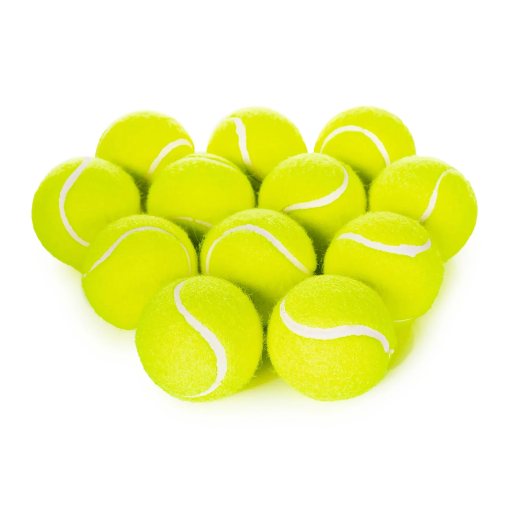
Pressureless tennis balls are specially made balls that can bounce and last the same regardless of the number of times they are used. Regular pressurized tennis balls, on the other hand, depend on their internal air pressure to bounce and are therefore less durable. The solid rubber core of pressureless balls is what determines their performance. This feature makes them long-lasting and less susceptible to environmental and wear factors.
🎾 Key Advantage: The key benefit of pressureless tennis balls is their ability to withstand splaying. While pressurized balls surrender their bounce rather quickly, since the air inside them escapes, pressureless balls maintain their playability even after heavy use. This means they are very suitable for practice sessions whereby players do not have to frequently replace them because of bouncing. Nevertheless, the burden of being heavier and giving a firmer impact is usually on players who have been using the traditional balls and are now switching to the pressureless ones.
💪 Durability Benefits: One of the important benefits of pressureless balls is that they are available for backyard and indoor practice and are also suitable for ball machines too. Their durability is prolonged which is why in the end they become cost-effective, however, they can’t be called really responsive like pressurized balls giving the players better and more realistic feel during competitive matches. Knowing these characteristics will help the players to decide wisely when and how to incorporate the pressureless tennis balls in their game.
Defining Pressurized Tennis Balls
Pressurized tennis balls represent the conventional balls for both the competitive and recreational tennis. Their distinctive bounce and reactiveness come from their filling with a certain quantity of pressurized air or gas. This internal pressure implements the ball’s playability enhancement, thus providing more speed and spin during hits, hence the perfect match and dynamic gameplay.
Nevertheless, pressurized tennis balls’ durability is less than that of their pressureless counterparts. The process of gas leakage from inside the ball begins after a certain period, thus leading to the deadening of the ball and making it unfit for competitive play. This process can further be hastened if the balls are subjected to extreme pressure variations or prolonged improper storage. Owing to this reason, pressurized balls are usually preferred for short-term use where their performance enhancement is most advantageous.
A consistent bounce and responsiveness are the main reasons why players go for pressurized balls, notably for tournaments and heavy practices. Despite their lightness and lively touch, they still become the predominant tennis balls in most games. However, the players must keep in mind the short life of the balls and that they need to be changed frequently to get the maximum court performance.
Key Differences Between Pressureless and Pressurized Balls
The construction method is the primary factor that differentiates pressureless and pressurized balls, as the rebound of the pressurized balls relies on the internal air pressure, whereas the pressureless balls employ their thicker rubber core for long-lasting and high-performance playing.
Internal Construction and Bounce Mechanisms
How Pressureless Tennis Balls Are Made
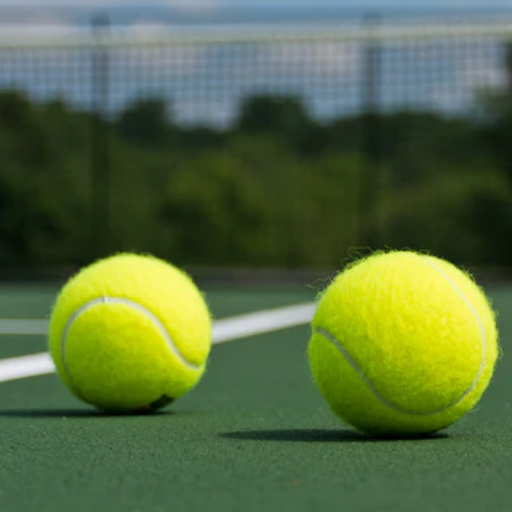
Process of making pressureless tennis balls is very similar to the process of making regular tennis balls but with one significant difference—they do not use air at all and the solid rubber core is the key to their unique performance over time. Unlike traditional pressurized balls, these do not rely on internal air pressure for their bounce. Instead, the elasticity of the rubber core provides the bounce, even after extended use. This distinctive construction makes the ball’s performance and durability consistent thus making it suitable for long-term play.
The first step in the manufacturing process is to create a very dense rubber compound, which is the result of a very careful design that takes into account both the durability and the responsiveness. The rubber is shaped into a round core and is then wrapped in a felt of the finest quality. The felt layer enhances the racket string’s hold on the ball and in addition to that, the ball’s contact with the court surface is also improved. Precision is very important during the whole process to make sure the ball meets the standard specifications for size, weight, and performance.
When all the processes come to an end, pressureless tennis balls are subjected to strict quality control tests to verify their bounce, consistency, and endurance as a whole. These tests are not just limited to the actual bounce being measured and the balls being compared but are designed such that the wear and tear of regular use are simulated so that reliable performance on all court surfaces can be ensured. With strong construction and longevity as their main focus, pressureless tennis balls provide players with a cost and practical option for casual practice or recreational play in all sorts of conditions.
Construction of Pressurized Tennis Balls
Pressurized tennis balls are manufactured using a rubber core that is of very high quality and is meant to hold air in and hence giving the best possible bounce. The manufacturing technique includes pressurizing the rubber core with air or nitrogen and then sealing it off so that the pressure stays inside. This internal pressure is responsible for the giving the balls their unique very light weight feeling and also the most uniform and reliable during playing.
🏆 Professional Quality: The outer surface of a pressurized tennis ball consists of a tough felt material that is usually obtained from mixing wool and synthetic fibers. Besides providing a ball with soft feel, this felt covering also gives extra grip and control on the racket. The felt consistent texture helps in aerodynamics, allowing the ball to go through the air with a predictable path no matter what the playing conditions are.
The great responsiveness and high bounce of the pressurized tennis balls are one of the features that have made them popular. Still, little by little, the air inside the ball escapes the rubber core and such reducing the performance. These balls, therefore, are best suited for competitive matches and professional play, where the highest standard of performance is a must. To keep the balls in perfect condition cans that are sealed are used for storage so that the internal pressure is not lost until the balls are to be used.
Bounce Characteristics of Each Type
The bounce of a tennis ball is a function of its type and the differences between pressurized and pressureless balls are very pronounced. Pressurized balls bounce higher and more uniformly because of the lower density of the structure due to the internal air pressure and the presence of air giving them the lighter structure. These balls are great for fast matches because they deliver quick shots and smooth gameplay because of the player’s dynamic actions. However, their performance gradually decreases over time as the internal pressure continues to drop slowly.
On the other hand, the pressureless balls are dependent on the thicker rubber core rather than the internal air pressure to offer bounce. To begin with, these balls might not bounce as high as the pressed balls, but as their outer felt wears off with time, their bounce gets enhanced slightly. Because of their tough build and ability to provide even performance, pressureless balls are best suited for trainers and practice where durability is the priority rather than high-performance standard.
Different types of tennis balls are designed for specific purposes; the most competitive and vibrant balls are pressurized while pressureless ones are affordable for long-lasting practice. Understanding these differences will allow you to select the appropriate type of ball that fits your needs and the conditions of your game.
Performance Factors: Speed, Spin, and Durability
Speed and Spin Comparison
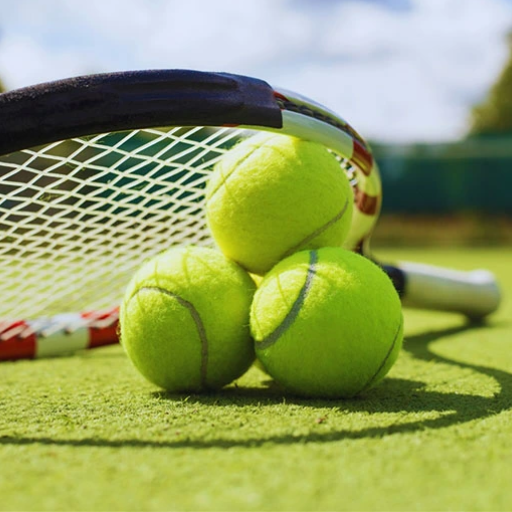
When it comes to tennis balls, speed and spin are two of the most important factors that greatly affect the overall performance and the style of play. The speed of a tennis ball is a factor directly linked to its core design and felt coating. The pressurized balls are the ones to deliver the highest speed because of the internal air pressure, making them the favorite choice for fast-paced matches. Conversely, pressureless balls are slower but are made for consistent play thus, they are the best for practices or recreational games.
Spin is another factor of great importance and it is determined by the ball’s surface texture plus its responsiveness to the player’s racket. The rougher felt surface on the ball allows better gripping against the strings of the racket which in turn, enables the player to either create more topspin or backspin. Moreover, pressurized balls tend to produce more spin than pressureless ones, due to their lighter construction and dynamic bounce which are better at responding to the spin caused by strokes.
For players who want to have both speed and spin at their disposal, pressurized balls are the best choice in competitive environments where quality of performance is the main issue. On the other hand, beginners and those practicing for endurance-based workouts would find pressureless balls to be the most economical option as they are not very cheap but durable and basic functions are not compromised. The whole comprehension of the relationship between these factors aids the players in the selection of the tennis ball according to the player’s and skill level’s needs.
Long-Term Durability of Pressureless vs Pressurized Balls
When one looks to the arena of long-term durability, the comparison of pressureless and pressurized tennis balls puts the former as a clear winner. Pressureless balls have a core composed entirely of solid rubber, which not only gives them their bounce but also enables them to lose the external felt because of wear, yet still maintain their bounce over time. The major attribute of these balls is their long life span which makes them perfect for the roughest of courts as well as the most demanding of practice sessions.
On the flip side, pressurized balls are the ones that come with the risk of bursting since they get their bounce from the air pressure inside which is eventually lost. Even if the felt covering is still intact, the loss of air pressure will ultimately result in a no-performance ball, thus, those balls will be unfit for long-term use. In general, pressurized balls are reserved for competitive play or training sessions where performance quality is given precedence over the lifespan of the ball.
In the end, for cost-conscious and usability-minded players, pressureless balls become a long-term better investment. Nonetheless, the ones crossing their fingers for the best performance in matches or short-term use might still go for the pressurized ones with the understanding that their replacement will be frequent. The decision between the two is greatly dependent on the priorities and planned use of the player.
Feel Upon Impact with the Racket
The experience of a tennis ball when it collides with the racket can be compared among the pressurized and pressureless balls, and is one of the most significant differences. The pressurized balls, because of the air pressure inside them, offer a very soft, responsive feel when they bounce up to the players and allow them to control and spin the ball better. The feel is often described as crisp and satisfying making these balls the most wanted in competitive matches where performance is the main factor.
The pressureless balls, however, feel harder when they hit the racket. Since they are relying on their rubber core rather than internal air pressure for their bounce, they do not have the soft responsiveness of their pressurized counterparts. Eventually, as the outer felt wears down, this hardness becomes even more pronounced, which can make them feel somewhat less comfortable, particularly for players who emphasize touch and finesse.
Eventually, the preference choice is totally at the hands of the player. Those who desire a traditional and milder touch might choose pressure balls as more ideal. Conversely, the players who value toughness and uniform performance over the long run may not mind the harder effect of pressureless balls, particularly in leisure play or practice periods. Every kind has different characteristics that can match with different playing styles and needs.
Suitability for Different Player Profiles
Beginners and Recreational Players
In most cases, pressureless balls are the most appropriate choice for beginners and recreational players. Such balls are able to keep their bounce for a longer time, even during continuous use, and thus can be called the best option for practice or casual play. The resilient structure of the balls allows the players to concentrate on their skill development without the worry of often ball replacements.
The traditional feel and the better spin potential of the pressurized balls do not make them overly practical for beginners. As these balls lose their bounce and performance quality quickly, this can be frustrating for new players or people who play occasionally. The extra cost of having to buy new pressurized balls repeatedly might also not attract the recreational players.
Ultimately, it is a matter of the player’s preferences. If a player is willing to sacrifice an occasional ball change for standard performance, then pressurized balls would be a suitable option. On the other hand, if a player is looking to have the longest-lasting performance, then he/she should go for pressureless balls. The factors above should be taken into consideration by beginner and casual players when they are determining their best option.
Intermediate and Advanced Players
The needs of intermediate and advanced players when it comes to tennis balls, often vary significantly because of their skill level and playing styles. For them, performance, and reliability are the main aspects of the game. This group, consisting mainly of professional players, prefers pressurized balls, as they provide a more dynamic and responsive experience on the court. Such balls have a higher bounce and greater speed, which perfectly match the developed techniques and competitive intensity often brought by the professional players to their games.
A very important aspect is also the kind of surface that the court is made of. Intermediate and advanced contestants have to select their tennis balls in accordance with the surface that they play on the most, that is, hard courts, clay courts, or grass courts. It is the popularity of pressurized balls as the resounding winners on various surfaces that contribute to the overall gameplay experience. However, players who put in a lot of hours on the courts or who train on less-than-ideal surfaces will probably be the ones to choose pressureless balls for the reason that they can last in daily or heavy training sessions.
Pricing and frequency of replacement are also important for serious players. Pressurized balls usually need to be replaced sooner because of their gradual loss of pressure and performance with time. This is often considered a trade-off for the superior gameplay that they offer in tournaments. On the other hand, pressureless balls can be a budget-friendly option for practice without losing reliability on the court. Ultimately, intermediate and advanced players must consider performance, durability, and cost, among other things, in order to make a decision that corresponds with their objectives.
Junior Tennis Considerations
In the case of junior tennis, the choice of the right equipment and method is very crucial as it gives support in skill growth and at the same time, it gives a young player a nice experience. Toddlers normally get the most out of low-compression tennis balls that are rated for their age, such as those that are less bouncy and fast. These balls help small players concentrate on the right methods to be learned without the distraction of the high-performance gear that is meant for the advanced players.
Racket selection is equally important. Junior rackets are usually made lighter and shorter in order to make it easier for the little players with small grips and lower physical strength to get the equipment around. It’s a must to pick a racket that is of the same height, strength, and skill level as the child so that it is comfortable and the child does not strain or even get the injury. The use of juxtaposed charts for junior sizes and letting the kid try out the racket can be really good help in this decision-making.
Last but not least, besides the right court size, participation in age-appropriate training programs is a way to speed up a junior player’s development in tennis. Smaller courts and nets help the little novices to be in a controlled situation where they can learn the strokes and the decision-making process of the game. Usually, structured programs or group lessons for juniors turn out to be fun and social where the kids get pumped up and kept engaged in the sport. The way to go for being successful in letting kids play tennis is a comprehensive approach that includes suitable equipment, court conditions, and coaching support.
Expert Insights on Gameplay Dynamics
Influence on Overall Gameplay
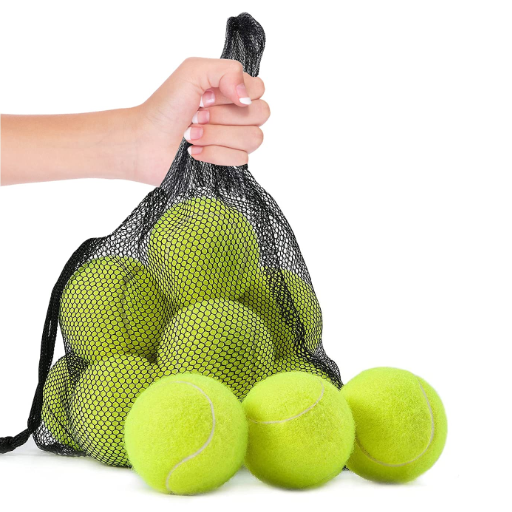
In tennis, the selection of either pressureless or pressurized balls greatly affects the overall playing experience. The pressurized balls contain compressed air inside and this gives them a lively bounce and hence, a faster speed. The said properties are what lead to professional matches and advanced players using these balls, who are in fact, the ones that take the most out of the dynamic features. Even if, on the one hand, they come with an excellent performance, on the other hand, their quality becomes compromised as they lose the internal pressure and that is, after all, the reason for their use.
The pressureless tennis balls, in contrast, are made up of a solid rubber core that provides the bounce while the air pressure inside the ball is low. They have been classified as the most durable of the two, as they have the ability to keep on being playable at a professional level for a long time, and hence have been considered to be ideal for practice and recreational play. While they may feel heavier and offer less spin than the pressurized balls, their durability and the fact that they bounce consistently on all surfaces make them the preferred ones for beginners or those training often.
In the end, the selection between the two options is determined by the player’s context and goals. Although pressurized balls provide a more realistic experience of competitive play, they also imply a regular change. On the other hand, the pressureless balls suit better the long-term practice and the consistency, especially for the new players that are slowly but surely building their skills. Making it clear what the differences are can actually lead players to come up with decisions that are better tailored to their needs and their gameplay objectives.
Recommendations for High-Volume Ball Machine Practice
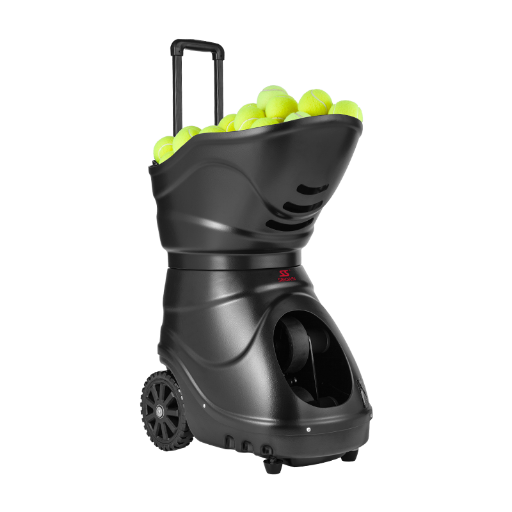
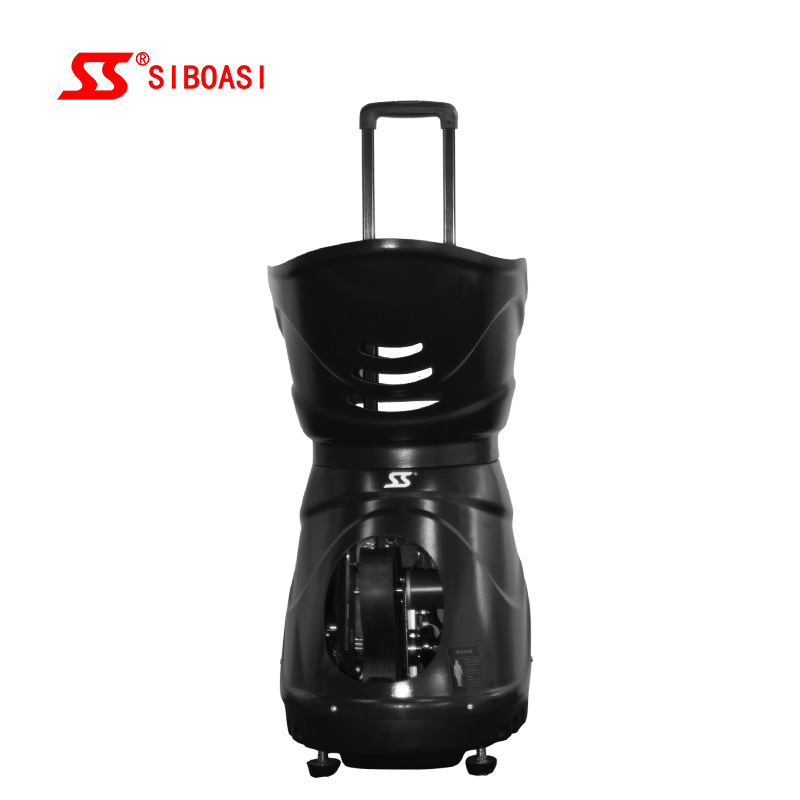
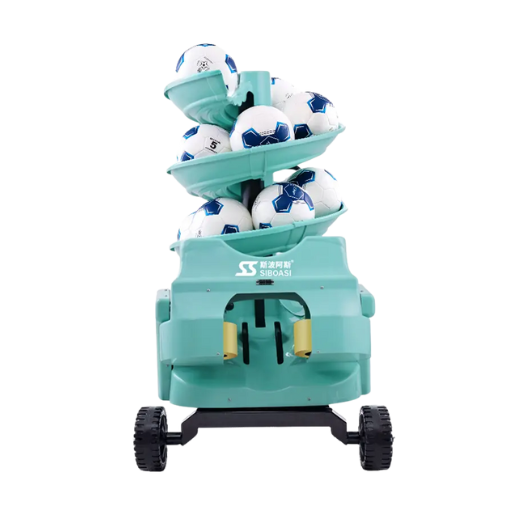
Choosing the right ball machine tennis balls, indeed, is the most significant factor when talking about high-volume ball machine practice, as it is the only way to ensure durability, consistency, and good skill development. For pressureless tennis balls, availability and lower prices are the main reasons for being the preferred choice for the majority of players taking part in regular and lengthened ball machine sessions. These balls are no longer bouncing like basketballs after hours of playing butthey still keep their height. Most players prefer to use pressureless balls as they do not lose air pressure or bounce so quickly, unlike pressurized balls that rely on their rubber construction for resilience. So the pressureless balls become more cost-effective for the players who need the practice equipment to last long.
Propelled tennis balls, in contrast, give a more like game feel and responsiveness. They are at least like balls, bounce higher, and are very good in matches since they are fast losers in bounce due to their air core, making them less perfect for long or massive practice. They are perfect to create the same conditions as matches, but their replacement that has to be done frequently because of wear and tear can be both inconvenient and expensive in a ball machine scenario.
Eventually, the decision between pressureless and pressurized tennis balls for ball machine practice will depend on your exact objectives and budget. If your main goal is to have long, repetitive practice sessions, then using pressureless balls will get you the same level of quality and smoothness at a lower cost over time. But if you want to imitate the real game very closely and are ready to change the balls more often, then pressurized balls would probably be your best choice. Consider your practice priorities and choose the kind of ball that suits your needs the most.
Best Choices for Coaching Sessions and Competitive Matches
In coaching sessions and competitive matches, tennis balls that are pressureless and pressurized serve different purposes. Pressureless balls don’t just work for coaching sessions; they also work for advanced players who focus on skill development. They last long and also keep their bounce for a longer time; hence they are cost-effective for long-term use. However, their feel is slightly heavier and less lively than that of pressurized balls, thus less ideal for game-like conditions.
In contrast, pressurized tennis balls are the ones that have all the features of a real match and consequently are fit for professional matches. These balls give the true bounce, speed, and spin that are like real match atmospheres, thus providing a more precise and fun playing experience. The only downside is the short life of the balls since they decline in pressure quickly and have to be replaced often. For pro players or the ones getting ready for competitions, the feel and responsiveness of pressurized balls make them the best option.
In the end, the choice of pressureless or pressurized balls is determined by your needs. When the main aspects you’re looking for are durability and cost-efficiency for repetitive practice, then pressureless balls are the right choice. When your goal is to create match conditions to prepare better for competition, pressurized balls are the right one. Knowing these differences will lead you to the right decision for your training or matches.
Frequently Asked Questions (FAQ)
Q: What is the primary contrast between pressureless tennis balls and pressurized tennis balls?
A: How bounce is obtained is the main difference between the two types of tennis balls, where on one side pressureless are filled with a resilient rubber core that makes them heavier and in the case of the pressurized balls the internal air pressure is their liveliness, so to speak.
Q: What is the reason behind the slight “dead” feel of pressureless balls compared to regular ones?
A: A number of players say the reason for the slight “dead” feel of new pressureless balls is their heavy weight and firm core which produce a different impact feel; on the contrary, newly opened pressurized tennis balls feel lively and responsive until the internal pressure drops with time.
Q: Does playing with pressureless balls lead to less wear and ball durability?
A: The use of pressureless balls in practice is generally a good way to ensure that the balls will last longer: the felt on the ball wears off more slowly and its core remains playable for a longer time, thus pressureless balls are alternative for drills and practice where you want balls every time and don’t want to replace them frequently because pressureless balls tend to hold consistent bounce as the surface wears.
Q: When do I need to go with pressurized balls instead of pressureless?
A: In case of competitive matches or tournament plays where the standard feel and lively bounce are crucial, then go for pressurized balls; on the other hand, the use of pressed balls is when you want the usual pop from the airfilled balls while pressureless ones are more suitable for rigorous practice or machines where durability is more significant than instant playability.
Q: Do pressureless tennis balls vs. pressurized balls behave differently in ball machines and practice sessions?
A: Indeed, pressureless balls are often preferred for ball machines and long practice sessions just because they are less affected by repeated impacts, with the result that their effectiveness lasts longer, while regular balls and pressurized types can lose pressure and go flat faster, which means you’ll have to replace them more often to keep them good as new.
Q: How does the use of pressureless balls affect my timing and stroke?
A: Using pressureless balls is going to feel a bit different because the balls are heavier and sometimes the balls coming off the racket are slower, thus small timing adjustments may be needed; however, a lot of players find that the consistency is worth the trade-off since pressureless balls will give the same bounce every time.
Q: Are there hybrid options that provide the advantages of both?
A: Sure, some companies manufacture tennis balls that are meant to combine—their core is both resilient and pressurised; the goal is to be able to provide the best of both worlds: that lively feeling akin to airport balls while the durability is even closer to a pressure-free ball so you have a longer lifespan for your balls.
Q: What is the proper way of keeping tennis balls in the tube to maintain their freshness?
A: In order to keep pressurized balls fresh, it is advisable to store them in the tube with the cap tightly closed; this prevents loss of air pressure so the balls will be regular. Pressureless balls do not need to be stored in sealed tubes, but keeping them away from heat and moisture will help preserve their quality and performance.
Q: Which choice is better for non-professional players: pressurized or pressureless?
A: The typical non-professional player tends to select according to his priorities; if he wants the feel close to the nature of the game and good responsiveness, he should use pressurized balls, but in the event he is looking for durability and fewer replacements, pressureless tennis balls would be a great pick—both categories will bounce, hence serving different needs, therefore just go ahead and choose the one that best fits your practice and playing style.
References
Finite Element Model of a Tennis Racket
This study discusses the characteristics of pressureless and pressurized tennis balls, including their feel and bounce properties.
Read more here
A Dynamic Test for Comparison of Rebound Characteristics of Three Brands of Tennis Balls
This research compares the rebound characteristics of tennis balls from different brands, including pressurized and pressureless types.
Read more here