Ready to give your basketball training some more juice? A good rebound can literally change the outcome of the game. It shouldn’t be, but most times this skill is missed out in routine practice. Enter the basketball rebound net, a revolutionary apparatus invented to improve rebounding skills and increase the efficiency of practice. We’ll shall look at a few ways the ultimate ball return system will raise your game, sharpen techniques, and save time on the court. Get ready to brighten up your training sessions and unleash your full potential.
Introduction to Basketball Rebound Nets
What is a Basketball Rebound Net?
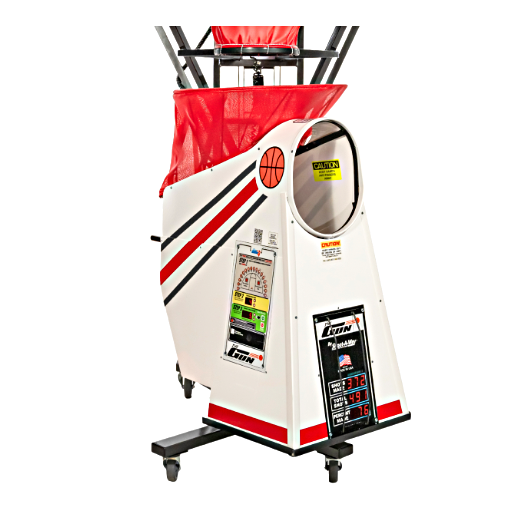
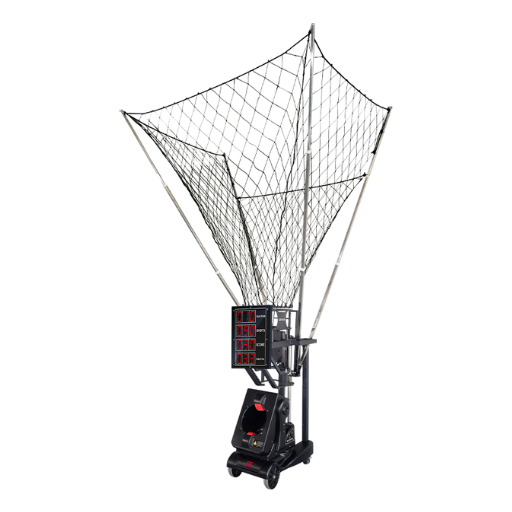
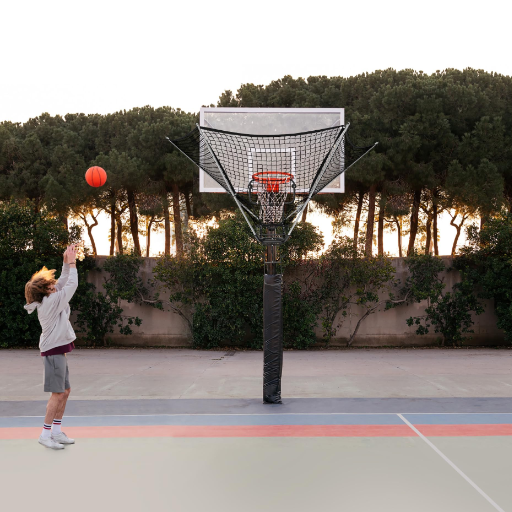
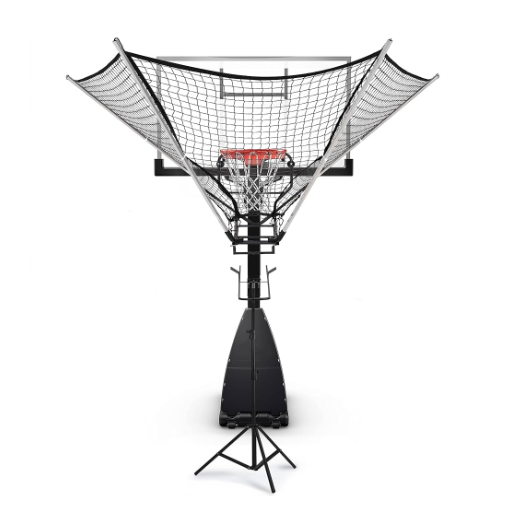
The basketball rebound net is an apparatus that aids a player in developing rebounding techniques. It consists of a firm frame and a net or mesh system that would catch a shot which had been made and then send it back to the player. The rebound net would allow the player to mimic actual rebounding in a game to practice his timing, positioning, and reaction.
This tool works very well for practicing alone or with others because there is no need to keep picking up the ball. In fact, the continuous activity allows for increased intensity in training. Furthermore, depending on the angle of the net, training for re-directioning at various angles and trajectories can be worked on.
Rebound nets are what coaches use when trying to make improvements in their teams’ performances. Players cultivate rebound instincts and coordination during drills put forth by their coaches using the rebound net. Due to its simple yet effective design, the basketball rebound net is indispensable for both skill development and efficiency in training.
Importance of Rebounding in Basketball
Rebounding is an essential part of basketball that can dramatically change the nature of a game. It gives the team a chance to retrieve the ball, creating some offensive opportunities or halting the ruling from opposing. Rebounding gains even more importance during tightly contested games because, in many instances, the interaction might decide which team prefers pacing and overall method in the game.
Rebounding also has implications for creating a better team environment and developing strategy on the floor. Defensive rebounds keep the opponent from getting second-chance points, whilst offensive rebounds permit a team to score from the missed shots of the other side. Rebounding demands excellent positioning, timing, and awareness-attributes that benefit the rebounding player’s skill set and the team as a whole.
This also elevates morale and sets an ambiance of physicality in the game. Players who go the extra mile due to rebounding earn the respect of their teammates and instill a competitive spirit against the opposing team. On either side, offensive or defensive rebounding allows players to maximize their contribution to a winning effort while improving their overall basketball-related skills.
Overview of Basketball Passing Nets and Their Benefits
Basketball passing nets are tools that help players working on their accuracy, speed, and setting of the ball to hit the net. Designed for goal-oriented training, they frequently feature multiple target angles to represent actual passing positions seen in gameplay scenarios. These training aids lend themselves to all levels of players, working on basic passing skills through repetition and precision.
Basketball passing nets primarily benefit muscle memory: The more a player aims and passes consistently to a defined target; the more an individual’s passing-related capabilities spike. Hence, perfecting the skills with passing nets means players make fewer passing mistakes during actual games, making this an asset for the team from an offensive point of view.
Hence, practicing with passing nets benefits solo training as it does not necessitate the presence of a partner. This arrangement positively fosters self-development and makes efficient use of practice periods. Passing nets prove useful for both youth and advanced players in the development of their passing skills while ultimately contributing to the very fast-paced and fluid game style of basketball.
Types of Basketball Rebound Nets
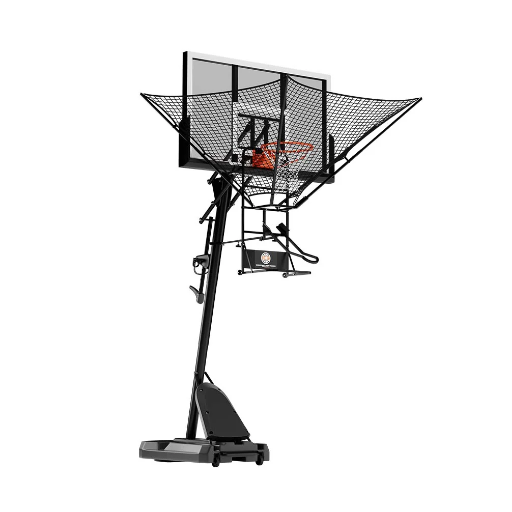
1 Portable Basketball Return Systems
Portable basketball return systems are built to speed up practice sessions by returning the ball promptly to the shooter as the shot is attempted. In solitary trainings, these systems offer great benefits as they lessen the time spent on the retrieval of the ball, thus focusing on increasing the shooter’s accuracy and consistency. Due to their light build, they can be lugged around; and setting them up hardly requires any time, making them a convenient training adjunct for athletes practicing anywhere-the driveway, a gym, or an outdoor court.
The systems provide a greater number of repetitions in shooting drills. Repeated shooting practice without interruptions helps in building muscle memory and, therefore, furthers the ability of a player to perform better on the court. Also, the portable basketball return systems profit the players by being a great angle training tool. They can be adjusted to any angle or distance, allowing players to work on shots from different positions, including free throws, layups, and three-pointers.
These systems, being great for all ages and skill levels, allow youth players an opportunity to build basic shooting skills efficiently and give the advanced players a chance to work on perfecting their shooting techniques in conditions that closely mimic a game. This makes these return systems an appealing solution to any player anywhere on the map. They maximize focus and allow for efficient training sessions regardless of geography. Portable basketball return systems ease difficulty and take great pains to make practice sessions rewarding for enhancing basketball performance.
2 Heavy Duty Basketball Rebounders
A heavy-duty basketball rebounder is meant to withstand severe usage and, therefore, is suitable for hard training sessions and long-run performance work. Heavy-duty basketball rebounders, typically made from reinforced steel frames and heavy-duty nets, have the capacity to withstand the impact of heavy shots and are able to endure outdoor elements. A nice heavy-duty design adds heavy periods of use and even abuse.
One of the main features of heavy-duty rebounders is that they return the ball efficiently and consistently. Through this, players can keep their rhythm during practice; in other words, there are minimal interruptions, and more is put into focusing on certain drills. The devices are generally adjustable in their angles and rebound patterns so the training experience of the players can be enhanced even more by simulating real game scenarios.
Heavy-duty rebounders are also very versatile, which makes them fit to various skill level settings and training environments. From helping a beginner to develop basic skills, to giving the advanced player server possibilities to refine their techniques, these rebounders will ensure their practice time is well spent. Durability combined with efficiency, plus versatility, makes any dedication to student of basketball worthwhile.
3 Guard Nets for Enhanced Training
Guard nets are a must-have for improving training conditions and safety in basketball practice. Usually set around the basketball court or behind the basketball hoop, these nets are designed to catch stray balls so that practice drills can go on uninterrupted. With players spending less time chasing bad shots, guard nets ensure quicker training that is better balanced with life.
They also protect from a safety viewpoint, as they give players, onlookers, and nearby locations some shelter from errant basketballs. This safety guard becomes even more necessary when in either indoor or limited space situations, or when outdoors, where a stray ball can constitute a hazard to unaware passersby. From schools and neighborhood gyms to pro training centers, all can make use of guard nets to have a controlled ambiance for their training.
Another advantage of guard nets is that they maintain order at the practice sites by stopping basketballs from rolling into inconvenient areas. During solo practice and team drills alike, guard nets come in handy to keep training on track and have all the focus be skill-oriented. Marrying together torment, safety, and efficiency, guard nets cement their unshakable position among modern basketball training materials.
Key Features to Look for in a Basketball Rebound Net

Material Durability and Construction
The first condition to consider when buying a basketball rebound net is how durable the net is and its construction. The net should be made of either fine or good-quality material so that it serves the purpose of constant use and pounding of the basketball through it. Always prefer nylon or polyester-based basketball rebound nets as they stand very good against tearing and fraying with time. The weather-resistant material would be of great help for outdoor usage, ensuring that it does not wear due to sunlight or rain.
Sturdiness of the frame holding the rebound net is paramount to any other consideration. The frame should provide utmost stability during use, thus preventing any movement or tipping even under a very hard impact from the use. The design of the frame must be scrutinized, making sure it provides secure joints and a solid foundation that will sustain repeated use without its structure failing.
In the end, take note of truly practical concerns–ease of assembly and portability. A well-constructed basketball rebound net should always allow for seconds in setup and takedown without compromising durability. A frame that is collapsible or adjustable, or both, would surely add to the convenience without diminishing performance. Once you start thinking about durability along with solid construction, then the net is something that will enhance your training for many years.
Size and Compatibility with Basketball Hoops
Depending on the size of the basketball hoop, the type of rebound net will need to be selected. Nets are generally made to fit regulation basketball rims, which in itself is usually an 18-inch diameter. The sizes of non-standard rims differ, such as those used with smaller or larger hoops: An adjustable net may just be the answer. Measuring the dimensions of both rebound net and hoop will allow one to assure proper fit and performance.
Also, consider height compatibility between the hoop and the net. Most basketball hoops do have a standard height rating of 10 feet; the rebound net should operate adequately at this height. A few nets provide height adjustability that adds value to their use with different hoop configurations, which is a must when equipment is meant to be used by different age groups or levels of skills.
In other words, the method for attaching the net is as important to compatibility as the size itself. Make sure to get nets that include attachment options that will keep the net secure yet simple to attach when used. Usually, there are clips, straps, or other adjustable fasteners that should stand up well to holding your net in position without constant readjustment. Always verify for compatibility prior to purchase so that you can get the most out of your basketball training.
Ease of Setup and Portability
With setup ease and portability in mind, more consideration should be given to features that facilitate the assembly of the basketball equipment or the easy movement thereof. Net and hoop systems require clear instructions, minimum parts, and easy assembly that is preferably tool-free. Any system that reduces time and frustration for setup will allow you to concentrate more on training and less on installation.
The other factor influencing the versatility of basketball equipment is portability. Consider anything that makes transportation and storage easier, such as lightweight materials, wheels, and collapsible frames for the nets and stands. This comes in handy for anyone who does not have a permanent setup or one who might find the necessity of relocating the equipment very often: these could be people practicing at different locations or multiple users of the equipment.
Finally, look for features that provide a good balance between portability and durability. While basically designed for ease of movement, the system must be able to hold steady and firm throughout a session to avoid injuries or damages. Give consideration to how the net system is secured, such as with weight on the base or ground anchors, and that such mechanisms do not impede portability. Focusing on these features will ensure that the chosen basketball equipment will be convenient with good performance.
Benefits of Using a Basketball Rebound Net for Training
Key Training Benefits
Improving Shooting Accuracy
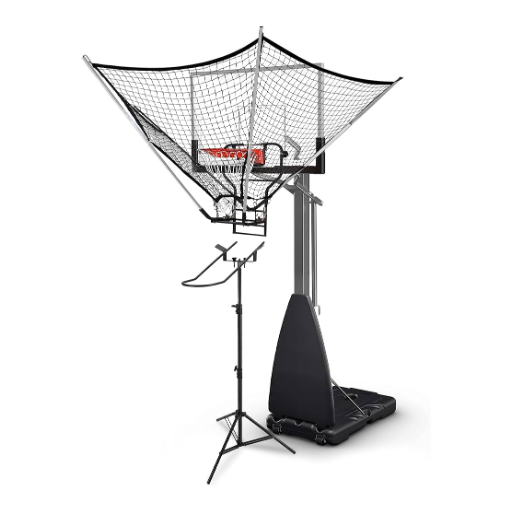
An essential tool for improving shooting ability would undoubtedly be that basketball rebound net that gives consistent feedback during training sessions. If the player misses the shot, the ball bounces off and returns from the rebound net; hence players experience more repetitions in less time. Consistent repetition builds muscle memory and ultimately helps in shooting form optimization.
Also, a rebound net helps in reducing distractions that occur while manually retrieving a lonely ball. Therefore, during uninterrupted continuous shooting, the player does a good job of spending time evaluating his/her mechanics such as the stand, release, and follow-through. This Period of continuous reflection is linked with more precise and confident shooting in the course of timespan seen in game.
Hence, working with a rebound net promotes skills development for every player. Getting that ball off right away from the net keeps the rhythm flowing perfectly, whether it’s a practice session for free throws, mid-range shots, or threes. That way, players can sustain better shooting rhythm and eventually sharpen their comfort on the court.
Enhancing Rebound Skills
Rebounding is a craft that needs precise timing, positioning, and anticipation in its skill set. In amplifying the art of rebounding, the player must focus on taking a solid stance while keeping his/her body balanced for total control. Anticipating the trajectory of the ball comes into play, which can be made better by observing closely the angle of the shooter and his release. There has to be a way to position themselves to maximize their opportunity to grab the rebound, either from an offensive standpoint or on defense.
Regular drills on boxing-out techniques leads to better rebounding. Boxing-out is using the body to prevent opponents from reaching the ball first. Players establish some kind of contact with their opponents, maintain a low and balanced stance, then take a step toward the ball once it hits either the rim or the backboard. Drills based on reacting to a missed shot and bumping are useful in developing this part of the game.
Rebounding also requires extreme physical fitness and mental alertness. Strong legs and a strong core help in jumping higher and landing for better stability, which are necessary to execute a successful rebound. Being alert to keep eyes awake over the court allows fast movement and a better intuition of when the ball will come off the rim or board. The combination of solid physical attributes and a well-timed execution is an asset for any proficient rebounder.
Maximizing Practice Efficiency
Practice efficiency can be maximized if the focus is on structured and directed activities that work on skill development and performance. Sufficiently measurable goals must be set before each session, guaranteeing that all activities in practice have to follow those purposes. The process of practicing must be split into small drill sessions allowing players to work in areas such as footwork, shooting confidence, or rebounding techniques step-by-step; with accumulated experience, improvements should be made.
Repetition and analysis are the two secret weapons for effective practice. One develops muscle memory and perfects skills by simply performing motions or plays repeatedly. Equally important is an evaluation of how well a player performs during or after practice, such as receiving feedback from coaches or watching video recordings, which helps players realize what they still need to work on to further improve their technique and understanding of game strategies.
Lastly, ensuring that rest and recovery are considered in the practice process maintains the spirit of the players so that they can give their best in performing skills. The main cause of overtraining is fatigue, so understanding how to recover is precious. In turn, engaging teams in practice with a variety of drills and games builds more motor concentration and improvement of cohesion teamwork.
Effective Drills and Exercises with a Basketball Rebound Net

Shooting Practice Drills
Training shooting drills are used practically for every phase of enhancement in accuracy, technique, and general confidence of a basketball player. Since rebounders return rebounds to the shooter instantly, shooters will be able to concentrate on doing enough repetitions with consistency without interruptions. Begin with stationary shooting drills in which the player refines his/her form, ie releasing of the ball, the ball is released toward the hoop with the proper arc.
Then transition into drills that involve movement, i.e., game-like situations. The players may practice catching the ball and shooting it after moving to different spots on the court, such as the corners, wings, or top of the key. This would improve their footwork and speed, develop in pressure situations, and increase the ability to shoot. The net allows the players to spend little downtime between shots.
Finally, do some competitive shooting drills, such as timed challenges and shooting contests, to foster concentration and motivation. Tracking their results over time will help a player and top coach evaluate areas of improvement and strength. By doing this every day with a variety of drills, the player can greatly sharpen shooting skills and become a reliable scorer.
Rebounding Drills with the Return Net
Rebounding is a core skill for any basketball player, and the return net offers an ideal training modality for this skill. To employ the net, position it near the hoop to rebound for shooting drills. Practice grabbing the rebound at different angles and heights as the ball might come off the net, enhancing timing and anticipation. Regular repetition builds quick reflexes and muscle memory that translate into real-game effective rebounding.
The tip drill is an excellent exercise to do in conjunction with the return net. Stand in front of the net and tip the ball upward over and over without catching the ball as best as you can. This develops hand-eye coordination as well as finger-tip control: two key skills used in rebounding. Afterward, this drill becomes even better by going faster or moving around the net.
For more competitive rebounding ability, add situational drills that mimic game situations. One good practice is boxing out by standing between the net and a partner, then going for the rebound yourself. It simulates the physical nature of getting the ball under pressure. Doing it often with the return net will bring about a great improvement in rebound skills and, in turn, pay dividends during the game.
Incorporating Passing Nets for Comprehensive Training
Passing nets help players to be more apt in their dribbling and better their coordination on the court. Regular use of these nets in practice assists a player in honing his passing, with increased timing, precision, and control. One big advantage of passing nets is that they allow repeated drilling in a real-life setting so players can carry those skills into an actual game.
Coaches have the option to customize their use of passing nets within training drills, depending on the needs of their players. For instance, players may be instructed to aim for particular areas on the nets to sharpen their accuracy, or they might pass at varying angles to recreate the feel of an actual game. Alternating between drills in which one passes from a fixed position and those requiring movement throughout the passes further prepares athletes for a spectrum of scenarios they may face in real game situations.
In addition to honing the technical aspects, regular drills with passing nets foster camaraderie and communication. Through practicing passing in groups, players gain better insight into reading their teammates’ motions and anticipating their next move. This approach builds their capability of executing razor-sharp passing under pressure, ultimately leading to enhanced team performance in the course of the game.