In the view of achieving softness and fluffiness for clothes, people usually make use of fabric softeners or dryer sheets. But what if there was a straightforward and cheaper alternative sitting there in plain view? Enter the tennis ball laundry trick: a pretty neat and effective trick, gaining popularity among households around. Not only does the method cut down dryer time, it also prevents clumping, leaving fabrics feeling fresh and silky. Whether it is to navigate through all that planning of drying or just to be a little extra with their clothes, this article will divulge everything about using tennis balls in the dryer and will discuss advantages and how to set yourself up for success.
Introduction to Using Tennis Balls in the Dryer
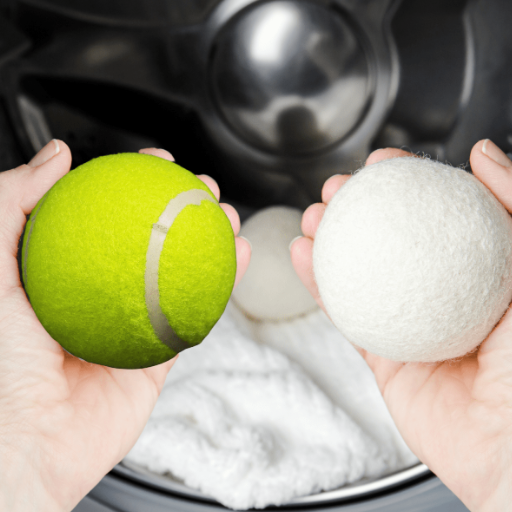
These tennis balls in the dryer can improve drying efficiency while preserving the quality of your laundry. When used with your clothes during the drying process, the balls work to separate items so that hot air can circulate more evenly. It reduces drying time, stops clumping with bulky items such as comforters, and basically makes fabrics feel soft. Always make sure your tennis balls are clean and not worn too much, as they could transfer some dirt or residue onto your clothes. Two or three tennis balls per cycle only can almost guarantee the best results, especially for larger loads.
What Are Tennis Balls?
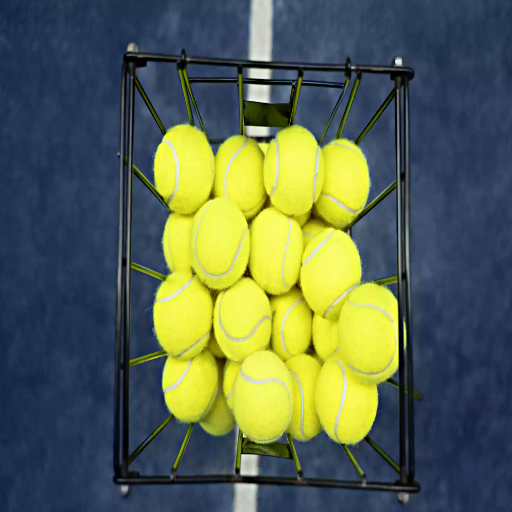
Tennis balls are tiny hollow spheres exclusively made for the game of tennis. Primarily made from rubber, they provide that bounce thanks to their rubbery nature. They are covered with felt-like fabric, which makes the tennis ball more durable and enables better aerodynamic control. The diameter of a tennis ball ranges between 2.57 inches and 2.70 inches (6.54 to 6.86 cm), and the weight falls between 1.975 and 2.095 ounces (56 and 59.4 grams), as laid down by the International Tennis Federation (ITF).
In the 1970s, the bright fluorescent yellow color became the standard, mainly to give optimum visibility during matches for both players and spectators. The design of present-day tennis balls is such that their performance can be tuned according to different court surfaces; there are different variants for grass, clay, and hard courts. Similarly, the pressurized balls have air pressure inside them, which ensures the right bounce, whereas non-pressurized or pressureless balls depend on their rubber shell for durability and are thus preferred for longer use during practice.
The fun part is that other than the sport, tennis balls have a myriad of uses-they serve as pet toys, or in any number of do-it-yourself projects-or even around the house. For instance, they can help with laundry or be used to stabilize a loose chair. Growth in tennis membership and the popularity of multifunctional uses for these durable, versatile products have led to the projected rise of the global tennis equipment market, including tennis balls, in billions in revenue.
Purpose of Using Tennis Balls in Laundry
Tennis balls constitute a practical and cheap way of aiding laundry. They are best used for drying big items such as comforters, pillows, or jackets filled with down or synthetic fibers. Throwing a few tennis balls inside helps in the tumbling process to prevent clumping so that the filling is evenly distributed for some really well-fluffed and evenly dried. Another advantage is that this method also speeds up the drying process by enhancing air circulation in the dryer, thus saving on energy.
According to care instructions for laundry, the method should be utilized for keeping the loft and shape of bedding and jackets intact over time. Some specialists also mention that this method naturally softens the fabric, thereby reducing the need for chemical softeners-that really fit into the green scheme of things. Tests have demonstrated a drying-time cut of approximately 25 percent for heavy items when using tennis balls, which is quite an advantage for the working households trying to get back time on their laundry. This simple, inexpensive method shows how an everyday household item can really assist in an important way with optimizing some household chores.
Overview of Benefits
Tennis balls in the dryer reduce the drying time, therefore improving energy efficiency. Studies have shown that a reduction in drying cycles by 25% will result in a 15% total decrease in household energy consumption, which gradually adds to significant notability in savings on utility bills. This method also fluffs up heavy items such as comforters, pillows, and jackets so that they retain their loft and become cozy. For busy households with large loads of laundry, eco-friendly practices are encouraged by reducing dryer usage, which also lessens wear and tear on fabrics and appliances.
Besides saving energy and money, these tennis balls will promote sustainability. Use of tennis balls in drying reduces dependency on chemical-based drying aids; hence households contribute less to the environmental footprint. With the simplicity of this method, plus the measurable benefits, this emphasis fits just right with the ethos of an efficient, modern-day, and environmentally-aware living.
Benefits of Using Tennis Balls in the Dryer

- Drying Faster: Tennis balls help separate the laundry, allowing more air circulation and thus reducing drying time.
- Less Wrinkles: Tennis balls keep the clothes moving, helping to reduce the formation of creases and wrinkles during the drying process.
- More Fluffy: Redispersing stuffing and softening fabrics, the balls bring back the fluffiness of comforters, pillows, and towels.
- Chemical-Softener-Free Two-Step Process: The tennis balls act as an alternative to dryer sheets, which are mostly chemical and fabric softener based.
- Incredibly Price and Energy-Efficient: They save on energy bills by reducing the drying time.
Adding a pair of tennis balls to the dryer is an easy eco-friendly way to make the laundry results better.
How Tennis Balls Soften Clothes
Tennis balls help in drying clothes by physically separating the items in the dryer drum so that air can circulate around them better, thus speeding up drying. While tumbling, the relatively hard yet somewhat yielding surface of tennis balls gently fluffs up and redistributes items such as comforters, towels, jackets, etc., to keep them shaped correctly and soft.
They break down clumps formed in large blankets and down coats during drying and restore the build-up and softness of fabric on a random basis. It balances the filling distribution, thereby maintaining the usefulness of down insulation.
In addition, research suggests that any clothes dried with tennis balls in a dryer are completely dry in up to 25% less time-and thus less energy consumption and money. This is a great alternative to harsh chemical drying products, meaning it is environmentally friendly and hypoallergenic. Whether you are drying some bulky bedding or delicate garments, they assist in softening and do so much more with each load.
Reducing Drying Time with Tennis Balls
The use of tennis balls in drying is heavily endorsed because of their real merits. Research proves that applying two or three tennis balls into a dryer decreases the drying time significantly by breaking up any clumps of items suspended in the air. This method usually works well on thick items, such as comforters, jackets, and pillows, where dampness is trapped between layers of fabric.
An energy efficiency study alleges that reducing drying time by up to 25% reduces electricity use for a standard load, offering a substantial payback in energy costs per year. This is the time when every household looks for sustainable solutions and greener alternatives to energy conservation. Moreover, the balls keep fabrics fluffy by preventing lumps or flattening, which in turn maintains the initial quality and longevity of the garment. Through their physical act of moving within the dryer, they also eliminate the need for dryer sheets or any chemical additives, pleasing the more environmentally conscious buyers who want a safer, allergen-free way of doing laundry.
Minimizing Static Cling
Static cling occurs commonly resulting from the static buildup of charges during the drying process. Static charges mainly occur through synthetic materials that manufacture it more easily, such as polyester and nylon. Dryer balls-a woolly variety or even tennis balls-can cut down static cling considerably by keeping the clothes apart and allowing free air circulation so that fabrics dry evenly.
Great humidity levels inside the dryer will even control static to some extent. Towards the end of a dry cycle, do dampen the dryer balls slightly with water to add moisture in the dryer. It has been observed that this method can aid in the reduction of static cling by 50% in some cloths. For an additional measure, one can spray on the fabrics anti-static sprays made naturally of vinegar and essential oils before drying; they certainly work, and they are also eco-friendly.
By solving static cling through these approaches, homes can keep clothes fresh and soft minus their dependence on disposable items such as dryer sheets, which makes it come under sustainable laundry.
How to Use Tennis Balls in the Dryer
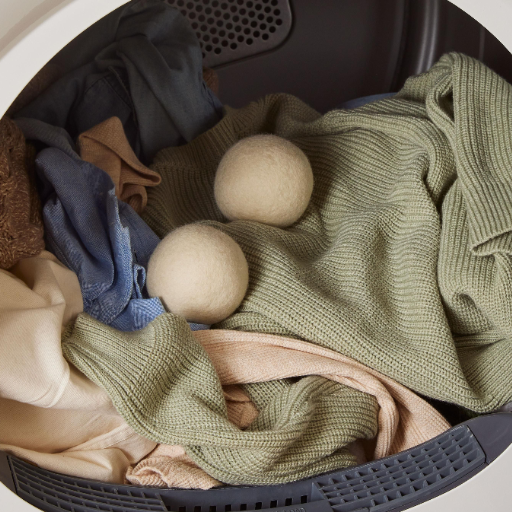
Drying your laundry with tennis balls is a well-loved and simple way to give your laundry some extra benefit from drying. Follow these guidelines:
- Load into the Dryer: Put in the wet clothes, bedding, or towels just like you normally do. Tennis balls offer a nice advantage in drying bulky items such as comforters or pillows.
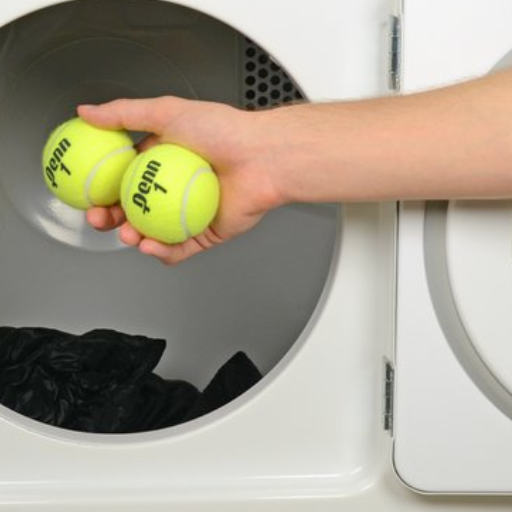
- Add the Tennis Balls: Include two or three clean tennis balls into the dryer with the laundry so they help separate items as they dry and allow hot air to circulate effectively.
- Start the Dryer: Set the heat level corresponding to your laundry requirements and start the drying process. The constant bouncing of tennis balls produces fabric redistribution, thereby shortening drying time.
- Check Results: After drying, fabrics should feel softer, more fluffy, with less wrinkling or clumping, especially for those larger items.
In comparison with dryer balls, tennis balls are cheap, reusable, and promote quicker and more effective drying.
Step-by-Step Instructions
- Prepare Your Laundry
- Sort your laundry to separate heavy items, like blankets or comforters, from lighter garments. This step ensures even drying and optimal results.
- Check the care labels of your items to confirm they can withstand the dryer cycle.
- Select Tennis Balls
- Use clean, unused or designated dryer tennis balls to avoid potential residue transfer.
- Opt for 2–4 tennis balls for optimal efficiency, depending on the size of your load. For larger loads, such as comforters, using four balls will provide the best results.
- Load the Dryer
- Place your sorted laundry into the dryer, ensuring it is not overfilled. Overloading the dryer can impact airflow and reduce efficiency.
- Add the selected tennis balls on top of the laundry.
- Set the Dryer Temperature
- Choose the appropriate heat setting based on the fabric type:
- Low Heat for delicate fabrics and synthetic items.
- Medium or High Heat for durable fabrics like cotton, jeans, or blankets.
- Data shows that using the correct temperature prevents fabric damage and ensures optimal drying results.
- Start the Drying Cycle
- Begin the drying cycle and monitor progress. The tennis balls will move through the drum, bouncing against items to:
- Reduce drying time by improving airflow between fabrics.
- Prevent clumping, especially in bulky items like duvets and jackets.
- Minimize wrinkles, leaving fabrics softer.
- Monitor and Check Halfway (Optional)
- For larger or bulky loads, pause the dryer midway to redistribute items if necessary. This step helps ensure even drying for oversized items.
- Inspect Results
- Once the cycle is complete, remove the items and examine for softness, reduced wrinkles, and dryness.
- Based on studies, using tennis balls can reduce drying time by approximately 25–30%, improving energy efficiency.
- Repeat or Store Tennis Balls
- For remaining damp items, repeat the cycle as needed.
- After use, store the tennis balls in a clean, dry area to keep them ready for the next session.
Using tennis balls is a practical, budget-friendly method to enhance drying efficiency while achieving softer, fluffier fabrics with less effort.
Best Practices for Optimal Results
You need to make sure that a few key points are kept in mind if using tennis balls in the dryer to have enhanced efficiency and fabric care, and also be environmentally friendly:
1. Use Clean and High-Quality Tennis Balls
These should have been cleaned so that the dirt and debris do not transfer into your laundry. They should have been non-toxic or dryer safe, so they do not release any chemicals during drying. A splendid set of new tennis balls will act consistently and last longer.
2. Don’t Overload Your Dryer
Tennis balls seem to be ineffective if the dryer is overloaded as air circulation is reduced within the drum. Ideally, do not fill the dryer beyond approximately 75% of its capacity to allow the movement of the tennis balls, thus improving the fluffing and drying process.
3. Use Delicate Settings Along With the Tennis Balls
The tennis balls should be used along with low or delicate heat settings while drying jackets that have down filling or wool-based articles. This avoids damage to the material while maintaining the integrity of the fabrics so that filling or fibers can be distributed appropriately and without further wear.
4. Shorter Drying Cycles for Time Efficiency
Studies have suggested that drying time can be reduced by as much as 25-30% through the mechanical action of the tennis balls, depending on load size and type of fabric. Begin drying on short cycles and judge the results, adjusting the cycle time upward as needed for heavier fabrics such as denim or bedding.
5. Prepping for Seasonal Storage Use
Tennis balls are utilized with good effect when drying blankets, comforters, and winter coats to prepare for seasonal storage. The gentle action stops bags from clumping, thus ensuring that the items remain soft and fluffy for longer.
6. Regular Inspection and Maintenance
Though durable, tennis balls become ineffective over time. Be sure to inspect them periodically and replace yours as soon as you notice a tear or wear. Proper maintenance such as keeping tennis balls dry and stored in a cool, ventilated environment will further extend their usefulness.
Consistent application of all the above best practices will keep drying high, and maximally extend the life of your garments, making it energy-efficient and cost-effective for your laundry.
What to Avoid When Using Tennis Balls
When using tennis balls in your laundry routine, there are several important considerations to ensure safe and effective use:
- Avoid Overloading the Dryer
Overloading the dryer with too many items and tennis balls can lead to uneven drying and potential strain on your appliance. Ensure there is adequate space in the drum for both the garments and the tennis balls to tumble freely. Overcrowding may result in diminished drying efficiency and wrinkled clothes.
- Beware of Low-Quality or Damaged Tennis Balls
Using old or low-quality tennis balls can cause issues. Damaged tennis balls may shed residue, lint, or dye, potentially staining clothing. Always inspect the tennis balls for wear and tear before use and replace them as needed with high-quality, durable options.
- Do Not Use with Delicate or Heat-Sensitive Fabrics
Tennis balls are not recommended for delicate materials such as silk, lace, or wool. The weight and texture of the balls can damage fine fabrics or cause unwanted pilling. Additionally, their constant friction might lead to overheating or deformation on certain heat-sensitive items.
- Avoid Synthetic Balls with Harsh Coatings
Some tennis balls coated with synthetic materials or chemicals can release residue, especially when exposed to high heat. Opt for plain, non-toxic balls designed for laundry usage to prevent residue transfer to garments.
- Skipping a Proper Cleaning Routine
Dirty or unclean tennis balls can transfer dirt, dust, or odors onto your laundry. Wash the tennis balls occasionally using mild soap and warm water, ensuring they are fully dry before their next use. Keeping them clean ensures optimal hygiene and prevents contaminating your clothes.
- Ignoring Noise Levels in Small Spaces
Tennis balls can generate significant noise as they bounce around in the dryer, which might cause a disturbance in small or shared living spaces. To mitigate this, use them thoughtfully during times when noise won’t be an issue or consider quieter alternatives like wool dryer balls.
By following these guidelines, you can avoid common pitfalls while reaping the benefits of improved drying performance and garment care.
Alternatives to Tennis Balls
When considering alternatives to tennis balls for the dryer, here are a few options:
- Wool Dryer Balls: It is a popular, environmentally friendly option that lessens drying time, softens fabrics, and minimizes static cling.
- Aluminum Foil Balls: Cheap and easy to make, crushed aluminum foil balls work great in reducing static without chemicals.
- Dryer-Safe Silicone Balls: These reusable balls are specifically made for dryer use, drying clothes by improving air circulation, and successfully fluff them up.
Each of these options is less noisy and just as effective at enhancing drying performance without using tennis balls.
Wool Dryer Balls vs. Tennis Balls
Wool dryer balls are softer, eco-friendly, and durable, while tennis balls are firmer, cheaper, and better for fluffing heavy items but may transfer dye and wear out faster.
|
Parameter |
Wool Balls |
Tennis Balls |
|---|---|---|
|
Durability |
~1,000 loads |
~1 year |
|
Eco-Friend |
Yes |
No |
|
Cost |
Higher |
Lower |
|
Noise |
Quieter |
Louder |
|
Fabric Care |
Gentle |
May damage |
|
Dye Risk |
None |
Possible |
|
Heat Use |
Any temp |
Low/Medium |
|
Best Use |
General laundry |
Heavy items |
Reusable Eco-Friendly Options
Choosing environmentally friendly and reusable options for laundry not only works to reduce the waste stream but also shortens the dry time for efficient garment care. For example, wool dryer balls have become a favorite with green consumers. According to recent studies, these dryer balls can speed up drying by 20-30 percent on average, considerably cutting energy use and lowering the stress on fabrics. They remain very good for households where people suffer from sensitive skin or allergies because of their natural fiber content and lack of chemicals.
Dryer-safe silicone balls are another quite fantastic option, gaining popularity. These are stridently durable, lasting for hundreds of uses, and do very well in separating clothes for better air circulation and thus faster drying. They resemble silk wool dryer balls in benefits while catering to the choice of those seeking a non-fibrous alternative.
Reusable laundry items that add a plus with a bonus-compared with scented dryer balls that are infused with essential oils who give a fresh welcome to the freshly cleaned fabric-make good consumer choices. Thus, logically, reusable dryer aids stand atop the gamut of sustainable alternatives for an eco-conscious user trying to maximize efficiency in both economic and ecological terms.
Using Dryer Sheets vs. Tennis Balls
Dryer sheets are single-use, add fragrance, and may leave residue, while tennis balls are reusable, eco-friendly, and better for fluffing heavy items.
|
Parameter |
Dryer Sheets |
Tennis Balls |
|---|---|---|
|
Usage |
Single-use |
Reusable |
|
Eco-Friend |
No |
Yes |
|
Cost |
Recurring |
One-time |
|
Residue |
Leaves residue |
None |
|
Fragrance |
Yes |
No |
|
Fabric Care |
May coat fibers |
Gentle |
|
Noise |
Quiet |
Louder |
|
Best Use |
Fragrance |
Heavy items |
Maintaining Your Tennis Balls and Dryer

First of all, to keep these dryer tennis balls for repeated use, they have to be kept clean and free from dirt and grime. One good method of cleaning the tennis balls is to wipe them with a clean cloth that’s been dampened and wiped dry. This keeps the tennis balls free from dust that inhibits their bouncing qualities or any other tiny granulometrical-type impurities that can damage the system very slowly. Another method of washing is gently soaping them up with warm water. After cleaning, let the tennis balls air-dry completely before their next use to prevent mold or odors. Before you can use them again, make sure they dry out completely to avoid the smell or mildew formation. After the lint trap has been cleaned of lint and lint buildup after every drying cycle, check inside for fine debris or any scuffs that might have been caused by these tennis balls. Lastly, an occasional inspection of the dryer drum for any buildup or damage will enable the dryer to work very well. With such maintenance techniques, you increase your tennis balls’ and dryers’ useful life, and this eventually brings about better laundry performance.
Cleaning and Care for Tennis Balls
Generally, I wash tennis balls with warm water and mild detergent, keeping to gentle care methods to remove dirt or debris. The balls are then allowed to air dry fully, and should the air-drying process be rushed, the balls might sprout mold or foul odors. Regular washing will keep them in good shape and fit for the intended use.
Tips for Dryer Maintenance
After using the dryer, I take out the lint screen and clean it for better efficiency and fire hazard prevention. Occasionally, I turn around the drum and vacuum the exhaust vent to remove any lint hidden away. Every couple of months, I check and clean the vent duct for maximum airflow. Also, I ensure the dryer is never overloaded and is used as per the manufacturer’s recommendations for a longer life.
Signs That You Need to Replace Your Tennis Balls
The moment they feel flat in a rally with a slight loss in bounce, it’s time to change my tennis balls. They are partially or fully deflated when they don’t seem to rebound with enough spring or give a dullish sound upon hitting the court. Any external damage signs will also speak for their replacement: there is a bad crack on the surface or that smooth fuzz will start to replace the tennis ball surface.
Reference Sources
-
University of Tennessee – Sustainability Initiative: Discusses using tennis balls in dryers to improve drying efficiency and sustainability. Source
-
Old Dominion University – Rebound Characteristics of Tennis Balls: While focused on tennis ball dynamics, it provides insights into material properties that could relate to their use in dryers. Source
-
UC Davis – Science Expo Activity Descriptions: Includes experiments involving tennis balls, which may provide context for their physical properties. Source
Frequently Asked Questions (FAQs)
Can I use plastic dryer balls instead of tennis balls?
Yes, you can use plastic dryer balls instead of tennis balls. Plastic dryer balls are designed to help reduce drying time and soften your clothes. They work similarly by bouncing around in the dryer, preventing your laundry from clumping together. Eco dryer balls made from natural materials like New Zealand wool are also an excellent alternative, offering additional benefits such as reducing static cling. Each option has its advantages, so consider your laundry needs when choosing between them.
How do tennis balls work in the dryer?
Tennis balls work in the dryer by bouncing around and creating space between items. This action helps to fluff your laundry and reduce drying time by allowing hot air to circulate more effectively. Additionally, they can help reduce static electricity, which is a common issue with wet laundry. If you prefer a more eco-friendly option, consider using laundry balls made from natural wool. Using these alternatives can also help save energy on laundry day.
What are the benefits of using dryer balls instead of tennis balls?
Using dryer balls instead of tennis balls has several benefits. For one, dryer balls are specifically designed for laundry use and often made from materials like New Zealand wool, which can naturally soften your clothes. They can help reduce drying time and minimize static cling without the use of liquid softeners or dryer sheets. Additionally, wool dryer balls are biodegradable and eco-friendly, making them a sustainable choice for your laundry room. Opting for dryer balls can also prevent the risk of damaging your dryer with rubber or synthetic materials found in tennis balls.
Can I add essential oils to my tennis balls in the dryer?
Yes, adding essential oils to your tennis balls in the dryer can enhance your laundry experience. Simply put tennis balls in a mesh bag, and add a few drops of your favorite essential oil to them. This method not only provides a pleasant scent but also offers a natural alternative to chemical-laden fabric softeners. Additionally, the bouncing action of the balls helps distribute the oil evenly throughout your laundry, creating a fresh and inviting aroma. Just be cautious with the amount you use, as too much oil can lead to oil stains on your clothes.
How can I reduce wrinkles in my laundry?
To reduce wrinkles in your laundry, consider using dryer balls, whether they are tennis balls or eco-friendly wool balls. The bouncing action helps to separate your clothes, allowing for better air circulation and preventing clumping together. Additionally, removing your laundry promptly from the dryer and folding it while still warm can also help minimize wrinkles. If you want an extra boost, you might consider using a liquid softener or adding a damp washcloth to your dryer load, which can create steam and help relax fabric fibers. Incorporating these tips into your laundry routine can lead to smoother, wrinkle-free results.