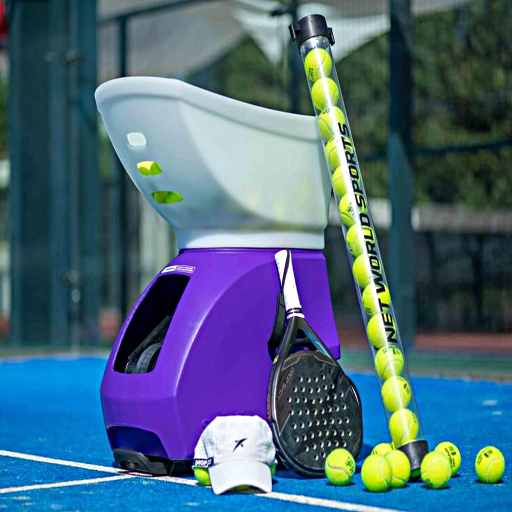
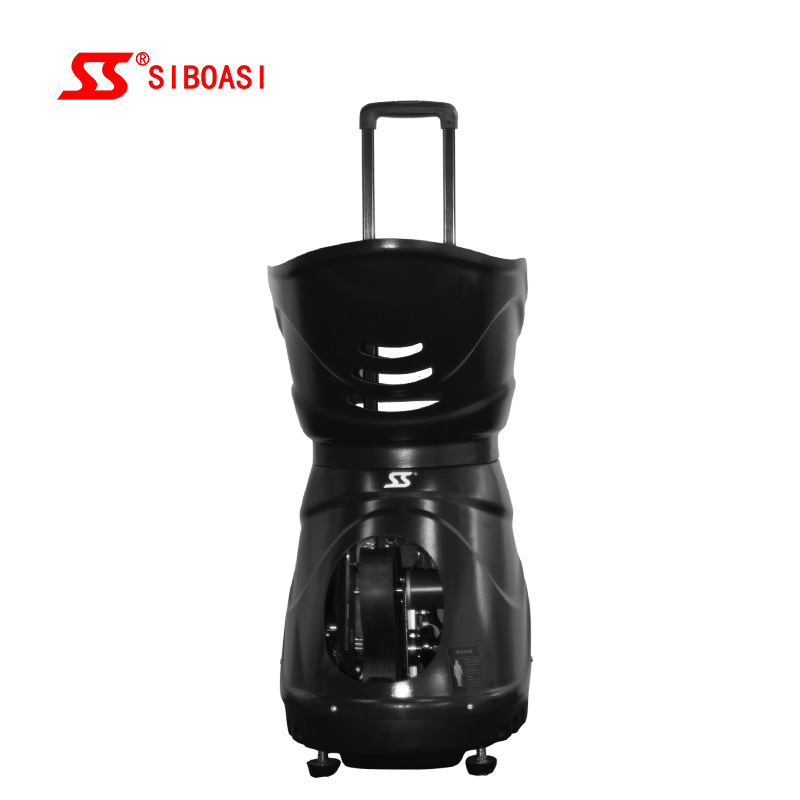
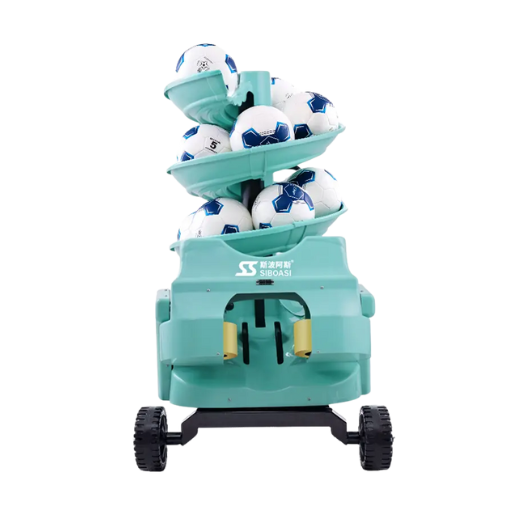
Whatever has come and gone over the years, tennis ball machines have finally made it possible for players to have consistent training sessions to practice and elevate their level at all levels of tennis. Although the enthusiasm is great, one must be aware of what these machines bring and what they can do. This article takes you through the 15 best manufacturers of tennis ball machines, describing their distinct features and what they bring to the training world.
Introduction to Tennis Ball Machines

What Are Tennis Ball Machines?
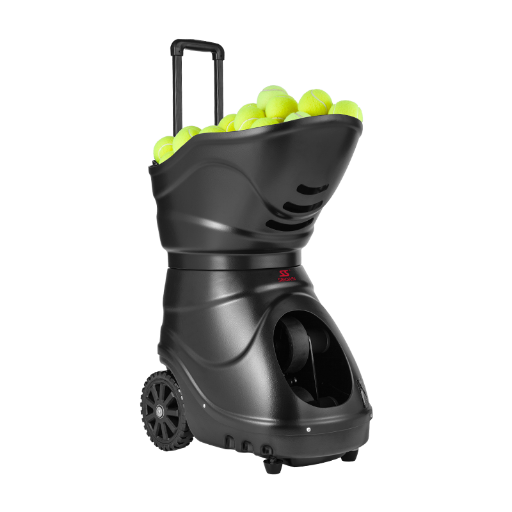
Tennis ball machines compose an assembly of sophisticated tools that serve different purposes-gearing tennis balls at different speeds and angles across the tennis court. Tennis players get to practice strokes, time their strokes, and footwork without a partner. The machine provides oscillation inside, ball placement programming, and custom drills, all simulating a match situation. These are very easy to use, with some models coming with remotes so that one can control them from a distance. Many are portable and come with a battery so one can carry it around and use it anywhere.
Value for Players of All Skill Levels
Tennis ball machines provide significant value for players of every skill level. Beginners can make good use of a consistent feed of tennis balls to rehearse the basics of strokes and really begin to develop hand-eye coordination. In contrast, the intermediate player may want drills to be customized, or just change the speed so as to work on technique and endurance, while the elite ones, the lobster machines being an example of such, work to simulate the match conditions to really focus on tactics. They must go to accommodate various training needs, so they constitute a very serious tennis player’s major accessory.
Improving the Training Process
This implies a huge potential for players in terms of training via the ball machines. The repetition factor is vital, as the muscle memory needs to be trained and the techniques are to be improved, again. There are different settings for spin, speed, and trajectory so that players can train their skills pertaining to certain match scenarios. Features such as hopper capacity and programming options also allow targeting of specific drills, e.g., volleys or groundstrokes. Since these machines are quite portable and sturdy, they can also be placed in various locations, making a great deal about the flexible training opportunity.
The Benefits of Using Tennis Ball Machines for Training

Build Consistency and Technique
Pretty much one of the main benefits of employing ball machines is to build up consistency and technique. Famous among players are the Lobster Ball Machines or the Sports Tutor. Their continuous feed of tennis balls provides an opportunity for players to concentrate on stroke perfection. The programmed drills permit players to focus on forehands, backhands, volleys, and serves. The user can control speed, spin, and bounce in these machines; this ability becomes very important when one aims for skill refinement and increased pinpoint accuracy in tennis.
Build Stamina Through Killing Time Alone
Another major plus with tennis-ball machines is to boost stamina with solo practice. Unlike traditional practice, where a partner is needed, these machines make it possible for a player to stale away through intensive practice. Simulating match situations gives players the possibility to work on endurance and resilience in actual courts. The ball hopper in the machine holds plenty of tennis balls, ensuring longer hours of practice. This, combined with portability and simplicity in design, gives the ability to be used at home or various court locations, which means the player can engage in fitness and stamina-building exercises continually.
Simulating Real Match Conditions
Tennis ball machines offer an excellent alternative to simulate real match conditions so that players can prepare for competition. Internal oscillation and adjustable ball placement make this machine the ultimate tool in exposing players to a wide range of playing positions, from defensive to offensive. In that respect, the unpredictability of actual matches trains players to develop reflexes and a quick thought process. Other accessories included-a remote control and adjustable settings-provide smooth functioning so players can focus on training without interruptions. Using these machines will surely give players that competitive edge; thus, they are a worthy investment in tennis training.
Comprehensive List of the Top 15 Manufacturers

1. Dongguan Siboasi Sports Goods Technology Co., Ltd.
Year Founded: 2006
Introduction: A leading manufacturer of intelligent sports equipment, Siboasi specializes in tennis ball machines and other training devices for various sports.
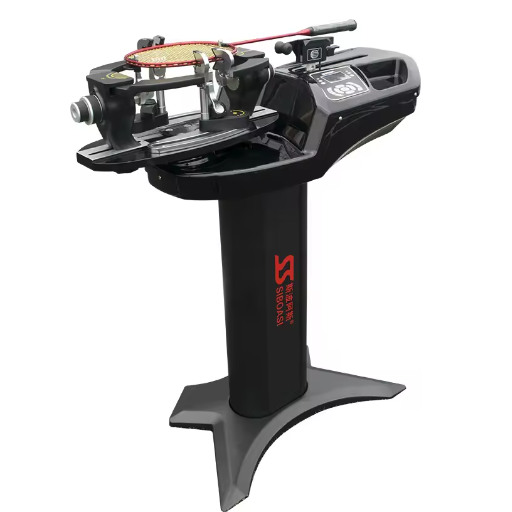
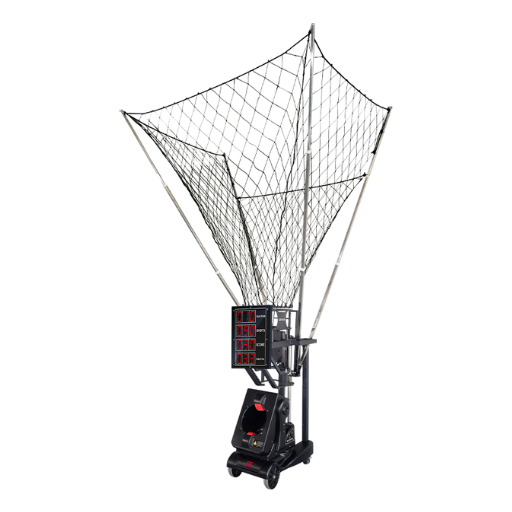
Main Products: Intelligent tennis ball machines, badminton machines, and basketball machines.
Key Advantages: Advanced technology, wide product range, and focus on innovation.
Key Disadvantages: Limited global distribution compared to some competitors.
Website: Siboasi Official Website
2. Lobster Sports
Year Founded: 1971
Introduction: A pioneer in tennis ball machines, Lobster Sports is known for its durable and portable machines.
Main Products: Elite series tennis ball machines, pickleball machines.
Key Advantages: High-quality, portable, and innovative features like random oscillation.
Key Disadvantages: Some models lack advanced customization.
Website: Lobster Sports Official Website
3. Silent Partner Tennis
Year Founded: 1989
Introduction: A family-owned company offering reliable and affordable tennis ball machines.
Main Products: Silent Partner Edge, Quest, and Star series.
Key Advantages: Factory-direct pricing and excellent customer service.
Key Disadvantages: Limited global presence.
Website: Silent Partner Tennis
4. Spinfire
Year Founded: 2000s
Introduction: Known for its innovative internal oscillation technology, Spinfire offers high-quality machines for recreational players.
Main Products: Spinfire Pro 2.
Key Advantages: Internal oscillation and mobile app control.
Key Disadvantages: Limited availability in some regions.
Website: Spinfire USA
5. Sports Tutor
Year Founded: 1988
Introduction: A trusted name in sports training equipment, including tennis ball machines.
Main Products: Tennis Tutor, Tennis Cube.
Key Advantages: Affordable and beginner-friendly options.
Key Disadvantages: Basic features in lower-end models.
Website: Sports Tutor
6. Ace Attack (Sports Attack)
Year Founded: 1995
Introduction: Specializes in high-performance ball machines for clubs and professionals.
Main Products: Ace Attack tennis ball machine.
Key Advantages: Advanced features for serve practice.
Key Disadvantages: High price point.
Website: Ace Attack
7. Playmate Tennis
Year Founded: 1973
Introduction: A premium brand offering durable and feature-rich machines.
Main Products: iGENIE, Volley.
Key Advantages: High ball capacity and programmable drills.
Key Disadvantages: Expensive add-ons for advanced features.
Website: Playmate Tennis
8. Spinshot Sports
Year Founded: 2010
Introduction: Offers portable and affordable tennis ball machines with app control.
Main Products: Spinshot Plus, Spinshot Pro.
Key Advantages: Compact design and app integration.
Key Disadvantages: Limited ball capacity.
Website: Spinshot Sports
9. Metaltek (iGENIE)
Year Founded: 1980s
Introduction: Known for its robust and user-friendly machines.
Main Products: iGENIE, Playmate Volley.
Key Advantages: Easy setup and advanced programming.
Key Disadvantages: High cost for advanced features.
Website: Metaltek
10. Nisplay
Year Founded: 2010s
Introduction: Focuses on affordable and portable tennis ball machines.
Main Products: Nisplay N2.
Key Advantages: Budget-friendly and lightweight.
Key Disadvantages: Limited speed and spin options.
Website: Nisplay
11. Tennis Tutor
Year Founded: 1988
Introduction: Offers a range of machines for beginners to advanced players.
Main Products: ProLite, Tennis Cube.
Key Advantages: Lightweight and portable.
Key Disadvantages: Basic features in entry-level models.
Website: Tennis Tutor
12. Lobster Phenom
Year Founded: 1971 (Lobster Sports)
Introduction: A high-end line of tennis ball machines for clubs and professionals.
Main Products: Phenom Two.
Key Advantages: Advanced oscillation and programmable drills.
Key Disadvantages: Heavy and expensive.
Website: Lobster Phenom
13. Tennis Twist
Year Founded: 1990s
Introduction: A simple and affordable option for beginners.
Main Products: Tennis Twist.
Key Advantages: Lightweight and easy to use.
Key Disadvantages: Limited features.
Website: Tennis Twist
14. Easy Toss Machine
Year Founded: 2000s
Introduction: A low-cost option for kids and beginners.
Main Products: Easy Toss Machine.
Key Advantages: Affordable and portable.
Key Disadvantages: Limited functionality.
Website: Easy Toss Machine
15. Tennis Ball Machines by Oncourt Offcourt
Year Founded: 1994
Introduction: Offers a variety of tennis ball machines for all skill levels.
Main Products: Ace Attack, Lobster Elite.
Key Advantages: Wide range of options.
Key Disadvantages: Some models are expensive.
Website: Oncourt Offcourt
Comparisons of Pricing and Functionality

Cost Ranges of Tennis Ball Machines
In seeking a tennis ball machine, knowing the price range will help an interested buyer to make an informed decision. A basic tennis ball machine with basic features would usually cost somewhere in the low hundreds and is good for someone just starting out. Mid-tier machines, in the range of $1,000 to $2,000, offer more options like custom drills and internal oscillation. The high-end range consists of any machine costing more than $3,000, where most options exist but the larger ball capacity and programmable settings are two kings among them. Multiple price ranges allow players to choose machines based on what they can afford and their training requirements.
Price Range Overview
- Entry-Level: Low hundreds – Basic features for beginners
- Mid-Tier: $1,000 – $2,000 – Custom drills and internal oscillation
- High-End: $3,000+ – Large capacity and programmable settings
Feature Comparison Across Price Points
Depending on their price points, tennis ball machines vary widely. Cheaper ones focus on essential functions like consistent ball feed and basic speed adjustment for beginners. Mid-level units often come with enhancements such as spin control and remote operation for a wider training experience. The high-end units offer features such as a large ball hopper capacity, precise ball placement, and elaborate programming. These machines are meant for the serious tennis player who wants to mimic many match conditions and get the most from his/her training time.
Best Machines for Different Skill Levels
Choosing the proper tennis ball machine depends on the level of the player and the training objectives. Starting off, these machines need to be simple and easy to use, with easy controls and oscillation. At the intermediate level, one can select counter models such as Spinshot or Sports Tutor, which provide advanced drills and custom settings. At an expert level, the Titans Ace and the Lobster Elite are the best machines that come with maximum features to make a player prepare for competitive play. So players at all levels can make the best choice toward development and performance enhancement on the tennis courts.
🎾 Beginners
Simple, easy-to-use machines with basic controls and oscillation features
🎾 Intermediate
Spinshot or Sports Tutor models with advanced drills and custom settings
🎾 Expert
Titans Ace and Lobster Elite with maximum features for competitive preparation
Tips for Choosing the Right Tennis Ball Machine

Considerations Based on Individual Needs
Choosing the best tennis ball machine should be a decision influenced by one’s needs and training objectives. Players should consider their present skill level and what they hope to improve on. Beginner players will go for machines that are simple to operate and carry out basic drills. Somehow, advance players may want something with customizable settings that can mimic real-life match circumstances. Ask yourself: does the ball feed speed of the machine, along with its spin and oscillation, measure up to address your needs?
✓ Key Questions to Ask Yourself
- What is my current skill level?
- What specific skills do I want to improve?
- Does the machine’s ball feed speed match my requirements?
- Do I need spin and oscillation features?
- Can the machine simulate match conditions I need to practice?
Portability, Power, and Functionality
When choosing a tennis ball machine, the first thing that these buyers will consider is portability, power, and functionality. A portable machine is a must for any player who carries his or her tennis equipment to varying tennis courts. A power source with rechargeable batteries adds convenience to the process so one can stretch their practice for longer play without having to charge it again. Functionality includes remote control and programmable drills to add variety to training sessions. Features such as internal oscillation and adjustable ball placements provide different practice scenarios and challenge players aiming to improve their overall performance on the tennis courts.
Battery Life and Extras
The battery life of a tennis ball machine stands among the most fundamental criteria in deciding its suitability for long working exercise. Machines with long-lasting batteries ensure training proceeds uninterrupted, whereas players can keep working on their skills without interruption. Along with this, high-capacity ball hoppers with durable construction make for another useful feature to help the machine and extend its life further. Tennis players should also look at accessories such as chargers and warranty options to protect their investment in the tennis ball machine and ensure that it is worthwhile over the long term.
💡 Essential Extras to Consider
- Battery Life: Ensures uninterrupted training sessions
- High-Capacity Ball Hoppers: Reduces refill frequency during practice
- Durable Construction: Extends machine lifespan
- Chargers & Accessories: Essential for maintenance
- Warranty Options: Protects your investment long-term
Final Thoughts
Tennis ball machines have revolutionized the way players train, offering consistent practice opportunities for all skill levels. By understanding the features, pricing, and functionality of different manufacturers, you can make an informed decision that aligns with your training goals and budget. Whether you’re a beginner looking to build fundamentals or a seasoned pro aiming to refine your competitive edge, there’s a tennis ball machine perfectly suited to elevate your game.