Master the art of shooting with comprehensive techniques and insights
Shooting ranks very high among those crucial basketball skills, yet perfecting it needs more than mere practice- it requires the right set of techniques. Are you a novice trying to solidify your base or a more skilled player with an attempt to perfect your mechanics? Regardless, it will always be vital to understand the principles of shooting to become a dependable offensive scorer. This guide will go over the elements of ideal shooting technique one at a time, thus giving special emphasis on the improvement of accuracy, consistency, and confidence in the game. Discover some useful tips and insight from proper foot positioning to a perfect follow-through that may raise your shooting game and leave a legacy with every step down the hardwood.
Understanding Basketball Shooting Mechanics

The Importance of Proper Shooting Form
It is vital to teach proper shooting techniques if we want to have exciting games that are perfect in terms of accuracy and consistency. In order to score more points, perfect shooting requires the ball to have a straight and controlled flight toward the basket. Balance, hand placement, and finishing create muscle memory aids that players, through practice, can perform effortlessly during this pressure period.
Balance comes first before shooting. Position your feet shoulder-width apart such that they are aligned with the knees, which are slightly bent for maximum balance. The body itself should be aligned directly with the basket for accuracy, providing a straight path for the ball toward the basket or hoop.
Hand positioning is imperative, as is the follow-through. The shooting hand should be from beneath the ball with the fingers spread to gain maximum control against the guide hand, which must just keep it steady without applying pressure. That follow-through, in which the shooting arm is extended while the wrist relaxes, allows the ball to go off in its intended arc, thereby lending some assistance to the shot being made. These habits, formed over time, strengthen that confidence and dependability while out on the court.
Key Components of Effective Shooting Mechanics
- Proper Shooting Stance: The foundation of shooting mechanics lies in a stable stance. Feet should lie parallel to the floor with the dominant foot slightly forward, able to bear weight on it. The knees are flexed slightly to remain balanced. Occasionally, some maintain balance with a bent back, but one should keep an erect posture to maintain consistency.
- Hand Placement on the Ball: Hand placement is essential in guiding and controlling the ball. The shooting hand should go under the ball, with fingertips widely spread for gripping. The guide hand only places lightly on the side of the ball to keep it steady but does not impede the motion.
- Follow-Through and Arc: The follow-through phase is crucial for consistency and accuracy. The rule of thumb here is to extend the shooting arm fully toward the basket with an open hand after release; your wrist must stay very relaxed to impart the correct spin to the ball, enabling the ball to seat solidly along its flight path and its best arc. Akin to this, a higher arc increases the probability of the shot by allowing the ball to drop smoothly through the rim.
How to Shoot a Basketball: Step-by-Step Guide
- 1 The Proper Stance: Place your feet shoulder-width apart so that you may build a solid base from which to shoot. Keep your shooting foot angled slightly forward, in the direction of the basket, and your knees bent to provide proper balance.
- 2 How to Hold the Ball: The shooting hand should be under the ball, while the guide hand is at the side. The fingers of the shooting hand should be spread out far enough so that a small pocket of air exists between the palm and the ball. This grip offers the maximum amount of control over the ball and produces the most accurate release.
- 3 Aim and Focus: Decide on a particular area of the basket you will focus on, whether the center of the hoop or perhaps the back rim. While aiming, keep your chin steady. Your eyes should be glued to that place during the whole shooting action.
- 4 The Shooting Action: Bend your knees and, as though in one smooth upward motion, push with the legs extending upward. Snap your wrist forward as if flicking the ball backward and create proper backspin upon release. Your guide hand should not apply real force to the ball; it is just there to help in aiming.
- 5 Follow Through: Upon release of the ball, the shooting arm must be held upright with the wrist relaxed, fingers pointed toward the basket. This follow-through locks in the form and renders increased accuracy. Consistent practice is needed to allow good shots to have adequate arc.
With the mentioned steps, your shooting technique surely improves and your accuracy, day by day, angles itself in an upward trajectory. Apply yourself: Keep careful watch on the various facets comprising your form; focus on the constant attuning of that very motion; most importantly, keep on observing the feedback and making changes while shooting.
Fundamentals of Effective Shooting Form

Grip: Achieving Optimal Ball Control
A sound grip forms the foundation of accurate and consistent shooting. For optimum ball control, your dominant hand fingers should be spread comfortably across the ball with just enough space for it to rest on the fingertips and not the palm. This positioning allows one to better feel and judge the release of the shot.
The non-dominant hand serves to steady the ball. It is a guide or a stabilizing force when setting up, but then it should get out of the way of the shot. When shooting, keep this hand as light as possible to prevent any unwanted force or misdirection that could cause an off-target shot.
Consistency is everything when it comes to developing the proper grip. Perform drills with repetition but pay attention to exactly how your hands are positioned, adjusting for control and comfort when necessary. Over time, this concentrated effort on grip will go toward enhancing your shot accuracy and providing a smooth, consistent release.
Ensuring Balance and Stability in the Stance
With an improper stance, balance and stability cannot be achieved in a shot. The foot position is where a good stance begins. Your feet should be shoulder-width apart, providing a solid base. Align the dominant foot forward slightly toward the target, while the other foot angles outward a bit. Such a position aids in maintaining equilibrium and allows a more natural range of motion.
Your knees should stay soft so they can absorb movement and stay flexible. Never lock your knees; locking them impairs balance and stops mobility. Slight knee flexion also triggers engagement of core muscles- those responsible for stabilization and control. This posture will ensure that you stay comfortable and ready during the entire shooting movement.
Keeping your weight balanced on both feet is always advantageous because leaning too far forward or backward can disrupt your alignment, thus impacting accuracy. Shoulders should be kept relaxed and aligned toward the target to facilitate proper aim. Repetition of this stance builds muscle memory, which in turn improves shooting performance.
Release: Perfecting Your Shooting Technique
An accurate shot depends on the release; thus, this must be done with precision and consistency. Aim to “release” by relaxing the dominant hand and its fingers at the moment of release, since the tension can restrict muscle memory flow of the complete shooting motion or the follow-through. The timing of this release must align with the stance and the aim so that the time aligns perfectly with one another.
Release with a deliberate and consistent follow-through. This means that once the release is made, the hand should stay there for a few more moments, continuing to aim at the target. This creates sufficient stability and helps maintain alignment toward the projectile moving in the direction of the target. Sudden or jerky movements after releasing would certainly disturb the trajectory of his projectile. The follow-through is always consistent, and this will help to engrain muscle memory, allowing releases to become smoother as one progresses.
Lastly, practice is the foundation of making the release perfect. Employ drills that isolate the release phase, with every facet from grip to follow-through done consciously and repeated consistently. Some key indicators to concentrate on are the trajectory of your shots and their grouping; use these as feedback to make minor corrections. Over time, with dedication to practice, you will be able to develop a good release and become a smoother shooter.
Common Shooting Errors and How to Fix Them
Incorrect Hand Placement: Identifying the Issue
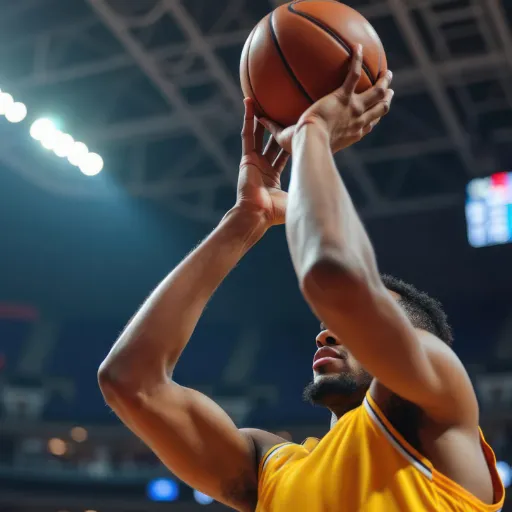
Inappropriate hand placement can severely disrupt your shooting accuracy and consistency. A major indicator of bad hand placement is the inability to keep proper control over the basketball during a shot. If the ball tends to slip out or wobble while shooting, many times it is the shooter’s hand that is not positioned correctly under or behind the basketball. Another consequence of an incorrect alignment is that it pushes the shots off-target since the alignment controls the ball’s flight path.
To rectify this, the dominant hand should be placed beneath the ball with fingers spread out evenly to provide balance and control. Meanwhile, the non-dominant hand is only there to guide the ball and should not bear any pressure upon the shooting motion. This ensures that the ball will be pushed out smoothly toward its intended direction, with the least possible influence from side spins or any unwanted sideways movement.
Drills help develop muscle memory; therefore, practicing the correct hand positioning is important at first. Focus on static positioning, such as setting up your hands during close-range form shooting. Pay attention to alignment and make corrections after every shot when anything is off. After a great deal of practice, proper hand placement will feel natural to you with time, thus enhancing both your accuracy and consistency.
Poor Footwork: Strategies for Improvement
A good footwork is important for shooting, and so, it should never be neglected. Poor footwork causes a player to be in an off-balance position, with less power, which leads to the shot going astray. The first step to any footwork improvement is to learn a proper standing position. Have your feet shoulder-width apart; weight evenly distributed to ensure balance and with stability. The dominant foot will be slightly forward as strength for the shot.
Deliberate movement practice is also effective. Develop drills for pivoting, shuffling, and stepping that replicate game situations. Keep your feet light, minimize any unnecessary movement, and stay controlled and responsive. Keeping your feet properly aligned with the target will also aid in better shot accuracy.
And lastly, keep in mind: adherence proves essential for footwork to be efficient. Spend time repeatedly drilling on establishing the stance and working through the steps in a controlled arena before venturing onto the real basketball court. Pace and intensity will come as confidence develops. With focused effort and regular refinement, proper footwork will enhance your overall performance and shooting reliability.
Inconsistent Follow-Through: Building Good Habits
An accurate shot demands an evolving consistency in follow-through. To work on an inconsistent follow-through, never stop focusing on your shooting form until the ball hits the target. During this period, keep the shooting arm fully extended, with the wrist relaxed and fingers in a natural position. Dropping the hand too early interferes with the ball’s trajectory, thus diminishing accuracy.
A great way to develop good habits is by incorporating a deliberate pause at the end of every shot. This split second helps the player gain an awareness of his form before he resets for the next shot. With regular repetition, players will develop good follow-through habits automatically. Put it into practice through drills that highlight the efficient execution of the follow-through, such as shooting from close range and focusing on form rather than distance on each shot.
Meetings through video shall be helpful in determining where you can improve your shooting. It allows you to identify specific moments when your follow-through is compromised and then adjust thereunto. Pair this analysis with the guidance of a coach or an experienced player to reinforce new habits. Deliberate practice combined with an acute awareness will, in time, assist in developing consistent follow-through and improving your shooting style.
Practical Drills for Continuous Improvement
Foundational Shooting Drills for Beginners
Spot Shooting:
For this drill, a player must stand in one spot on the court and focus on shooting form. Begin as close to the basket as possible to avoid worrying about anything else related to mechanics and work on the fundamentals. Take 10-15 shots while looking at hand positioning, feet, and follow-through. As the level of confidence increases and the shot is more consistent, move all the way into shooting from the three-point line. This method helps build confidence in the shot and muscle memory.
Form Shooting on the Wall:
Shooting practice against the wall helps beginners treat their form and build on correct fundamentals. Stand a few feet away from the wall, and shoot the ball using the proper form at the same target point every time. This allows you to pay attention to the release and follow-through without the distractions of aiming at a hoop. Perform this drill for at least 10 minutes every day to see improvement.
One-handed Shooting Drill:
The one-handed shooting drill is truly a marvel for refining one’s mechanics. Going closer to the basket and shooting with only your shooting hand demands all your attention on controlling the ball, aiming, and performing the correct motion. Start by balancing the ball on your palm with your off-hand only supporting it. Do this for sets of 10-20 shots, stepping harder backward away from the basket.
Such foundation drills work best to teach the beginner consistency, accuracy, and proper shooting form. With daily drills, discipline, and focus, one may start recognizing measurable improvements from day to day.
Advanced Basketball Drills for Experienced Shooters
For experienced athletes in basketball, any advanced shooting drill needs to be perfected both to enhance her or his ability to perform under real-game conditions. These drills attempt to test accuracy, consistency, and speed along with situational awareness.
Shooting Drills Off the Dribble:
This drill aims to develop the shooting skill one acquires quickly upon coming off the dribble. Start from three or mid-range, take one or two dribbles, and shoot. Repeat from different angles or distances as they happen in-game. It helps improve shooting accuracy and footwork while moving.
Catch and Shoot with Defensive Pressure:
Have a partner act as a defender while you work on catching and shooting in one fluid motion. The defender will put in light pressure to mimic game intensity so that you have to speed the release while maintaining control. Go all around the perimeter shooting from various spots on the court.
Rapid Fire Drill-Conan Style for 1 minute:
Set your timer for one minute and take as many shots as possible from a particular zone (corner three or free-throw line). Count the number of shots made to note improvement over time. This drill builds endurance, shot consistency, and concentration under time pressure.
Implemented consistently into your practice, these drills will allow for building skills that place you in a position to perform efficiently under pressure, thus rendering you a dependable and very versatile shooter in competitive games.
Incorporating NBA Shooting Techniques into Your Practice
Great emphasis should be placed on TV shooting techniques: form, consistency, and situational practice. Professional players emphasize proper shooting mechanics-those related to elbow alignment, wrist positioning, directions of release, and follow-through. Practicing with smooth release and repetition will bring better accuracy and also help build muscle memory. Before you proceed to acquire high-level NBA skills, prioritize learning these fundamental ones.
Another important aspect NBA players work on is footwork. You should start to incorporate that into your practice. Whether you are going to pivot into a jump shot, step back into space for an open three, or whatever, being purposeful about your movements will only increase the offensiveness on your end. Pull-up jumpers and catch-and-shoot drills while being mindful of foot placement provide a good method to imitate actual scenarios of pro play.
Finally, an attempt should be made to capture the essence of NBA game intensity by practicing with impromptu game conditions. Quick decision-making comes into play during shooting off of screens against defensive pressure, emulating the adjustments NBA players make in a real game atmosphere. Other than that, a timed challenge or competitive shootout is great for confidence and resilience. These NBA shooting drills consistently performed will help polish your shot and lift your game to the professional level.
Tips to Improve Your Shooting Consistency

Shooting Tips for Every Level of Player
Factors contributing to improving shooting consistency include technique, practice, and an understanding of the science behind successful shots. These shooting tips will vary for each level, as suggested by experts and scientific evidence:
Learn to Shoot on a Solid Base:
No matter what your level may be, shooting form begins with proper body alignment. Draped over knees slightly bent, with a shooting elbow lined up to the goal, the follow-through should lead to that famous “gooseneck-type” flick with the fingers. According to trainers, if a shooter focuses on maintaining a straight line from his or her shooting hand through the ball to the basket, shooting accuracy can increase by as much as 20%.
Create a Consistent Shooting Preparation Routine:
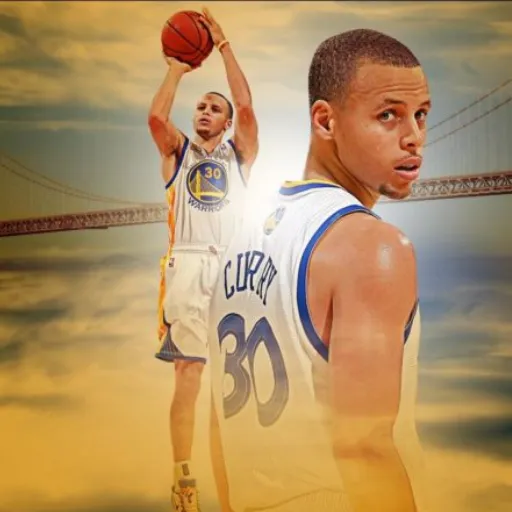
Whatever the elite shooter is doing, that routine must be consistent enough for the performance of muscles to become conditioned through memory. Numerous studies indicate that pre-shot routines aid in reducing nervousness and help players focus on the execution of the shot while under pressure. For instance, a player like Stephen Curry will drill down on very specific dribbling counts or even breathing before every shot to keep it steady.
Work on Footwork and Balance Perfect:
Proper footwork is essential to maintaining balance, which is the key to precise shooting. Players must perform drills like sprints, stops, and shoots that enhance their ability to get their bodies squared to the basket in motion. Research shows that shooting while balanced yields 15 to 20 percent more accurate shots, especially in game situations.
Track Your Shooting Stats:
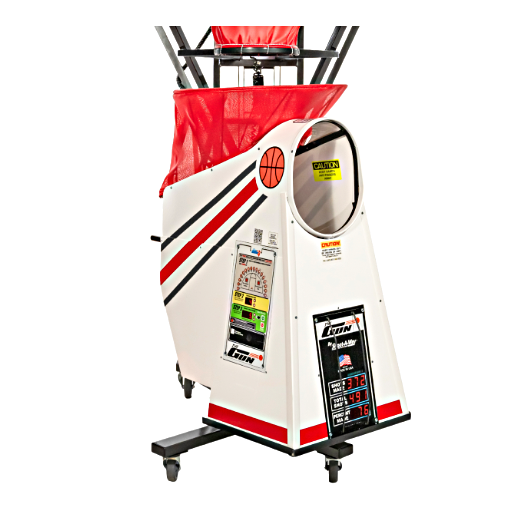
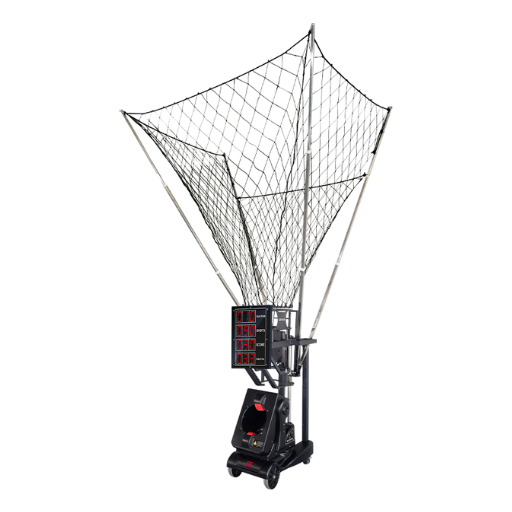
Use data-driven AI to streamline the practice sessions. Shot-tracking applications or an advanced shooting machine could help you with real-time feedback on shooting arc, depth, and accuracy. Experts have determined that, players tracking their own performance during practice sessions improve shooting accuracy about 30 percent faster than those relying on feel.
Repetition Builds Muscle Memory:
One will often be told, “Perfect practice makes perfect.” In all likelihood, research shows that it takes about 400-500 repetitions, or a developing process, for a player to build muscle memory for one skill. Integrate drills with a strong emphasis on game-speed shooting from different spots to attain nerves of steel for game time.
Practice Adaptively According to Your Range and Strength:
Younger and newer players should be practicing shorter-range shots and developing confidence there before venturing into what constitutes a more extended range. The focus should be on free throws, layups, and mid-range jumpers to build confidence and concentration before moving to more demanding territory like three-point shooting.
Learn from the Pros:
Learn something from great shooters such as Klay Thompson or Ray Allen about shooting. Ray Allen’s reputed catch-and-shoot with incredible efficiency was really borne from his preparation off the ball and his ability to square up in just mere seconds to take a shot. Looking at NBA shots and studying how the players do it can certainly translate into improvements on the basketball court.
Any player can benefit from these tips-because his or her shooting can improve markedly. And with the right combination of data-driven practice and a keen eye for detail, anyone can gain confidence and consistency in their shooting.
The Role of a Shooting Coach in Developing Skills
Sharpening a player’s shooting technique and forming the complete basketball nuances is essential, whereby shooting coaches develop such players. Subtle issues with a player’s form, balance, or release can often go unnoticed without a professional eye. Shooting coaches provide individualized feedback and strategies that work on these problems, thus helping the player with accuracy and consistency in their shooting.
Training a player’s mechanics is an overarching title that covers a shooting coach’s responsibilities. These include proper hand placement, foot positioning, and follow-through-a.k.a. the whole shooting form. Building muscle memory is the next step in this regard, which in itself is a combination of drills and an abundance of repetition. Once strong basics have been set, players will learn the correct applications on the go when they are under stress in an actual game.
Embedded shooting coaches offer valuable mental preparation and guidance. The confidence necessary to make shots constantly in basketball is based simultaneously on technical ability and mental concentration. A good trainer develops confidence in the player by instilling growth mindsets, setting achievable goals, and encouraging positive affirmation. This blend of technical and psychological preparation ensures that these shooting drills contribute to stepping up players’ ability to be meaningful contributors to the team’s success.
Tracking Progress: Evaluating Your Shooting Form
The shooting evaluation process commences with the all-important self-assessment. You have to start recording your shooting instances from time to time. Simple statistics work best: the number of shots made vs missed or shooting percentages using each method. These statistics form a baseline and show improvement over time. If you notice common misses or diminished performance in particular scenarios, work on those areas.
Another important part of the shooting form evaluation is video analysis. Shoot your sessions from various angles to analyze your stance, hand placement, release point, and follow-through. Compare your shooting techniques against correct fundamentals and identify potential mistakes. Minor adjustments after every review will greatly improve your accuracy and efficiency. Watching oneself also ensures that the mechanics are remembered correctly through visual feedback, which aids muscle memory.
Finally, get feedback from the coaches or teammates. Trained eyes can detect subtleties in your form that you could miss during self-reflection. They can give you constructive advice on correcting flaws and building strengths. Use this outside feedback in tandem with your own data to set practical goals for improvement. Consistently reviewing and modifying your form will ensure continuous progress and place you on the road to long-term success on the basketball court.
Frequently Asked Questions (FAQ)
Q: What are the basics of shooting in basketball?
A: The shooting fundamentals in basketball include the stance, grip, and follow-through. The action for a basketball player starts with foot positioning, making sure balance and stability are there. The shooting hand is underneath the ball, and the guide hand is on the side. A smooth shooting stroke and follow-through is the key to actually making the shot.
Q: How can I improve my shot mechanics?
A: To improve shooting mechanics, a player should work on form shooting and shooting drills that develop the conditioned shooting fundamentals. Constant work on a player’s shooting routine will ensure the improvement or elimination of common shooting faults. Other drills that promote emphasis on releasing the ball and producing backspin on the ball will further improve a player’s shooting skills.
Q: What tips can I give a youth player?
A: In youth basketball, some of the tips for improving shooting are to start with form, begin shooting near the basket, and gradually increase shooting range. Emphasizing the shooting hand underneath the ball and sticking to the same kind of motion goes a long way in helping players shoot the basketball efficiently.
Q: What are some other shooting errors one should avoid?
A: These usually include balance problems, incorrect hand placement, and rushing the actual release of the shot. Everyone will want to keep their feet solidly on the court and making sure their shooting stroke looks and feels natural every time they take a shot. Tackling these destructive elements is crucial to becoming a better shooter.
Q: How does strength affect basketball shooting?
A: Strength is one of the factors related to shooting mechanics that ensures that an individual has enough power to shoot the basketball unfettered from any number of feet. Strength may be developed for the upper body, core, or legs, all of which assist in producing a more powerful shooting stroke. Players ought to incorporate some strength training in their basketball practices.
Q: What is the significance of the shooting release?
A: The shooting release is deemed crucial because it determines whether shots are accurate and consistent. The proper release should consist of snapping the wrist at the highest point of the shot, making sure the ball flies straight up. Practicing the shooting release improves shooting performance and increases shooting percentage.
Q: How can I develop a consistent shooting form?
A: To create a solid shooting form, practice must be devoted to the endeavor. They should begin with form shooting drills that help in building good mechanics for shooting without concerning distance. Higher action is then introduced, and greater emphasis is placed on game-like victorious practice that manifests in the correct and consistent application of the shooting stroke.
Q: What drills should be performed to improve shooting range?
A: To increase their shooting range, the players may want to practice shooting drills, having themselves shoot from various distances, anti-spot shooting, or at least hitting the three-pointers. Incorporating drills focusing on shooting mechanics and working endurance is going to help increase players’ shooting range.
Q: What are the best ways to practice shooting?
A: Effective shooting practice involves setting particular goals, performing drills about different aspects of shooting mechanics, testing attainment regularly, etc. Its application varies from form shots, while other trainers use it for game situations so that the player develops adaptability. They should be able to take shots under pressure with ease.
References
- Biomechanical Adjustments of the Basketball Jump Shot – A study analyzing the reliability and validity of shooting angle measurements and their impact on performance.
- Technical Analysis of Basketball Players’ Shooting – Research on motion analysis methods for evaluating basketball shooting techniques.
- Biomechanics of the Basketball Jump Shot – A detailed overview of the role of muscle strength, body alignment, and explosive power in shooting mechanics.
- Coaches’ Corner: Proper Shooting Technique – Practical advice for improving shooting form and developing consistent mechanics.
- Mechanical Analysis of Basketball Shooting: A Review Study – A comprehensive review of body alignment, coordination, and energy transfer in effective shooting.