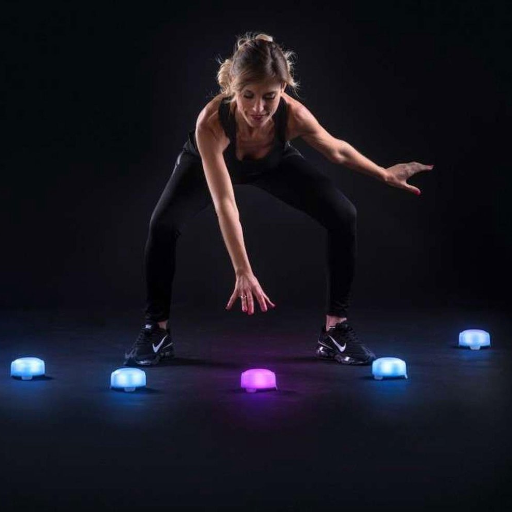
Improving fitness and mental functions relies heavily on one’s reaction time. Athletes and sports enthusiasts aiming to improve their fitness regimen, can now make use of state-of-the-art reaction training lights that help increase agility, coordination, and reflex speed. These modern devices are built to put your responsiveness to the test through dynamic, mind-and body engagement exercises. In this article, we will discuss how reaction training lights can transform your fitness routine, the science that makes them effective, and how to practically add them to your workout routine. Properly utilizing them will allow you to truly tap into your potential and boost reaction times beyond expectations.
What is Reaction Time and Why is it Important?
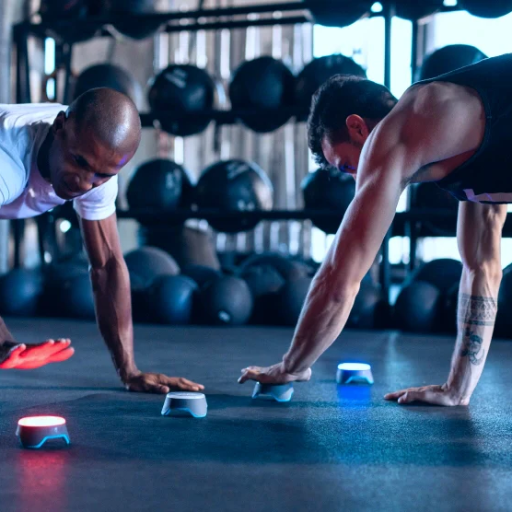
Reaction time refers to the duration an individual takes to respond to a specific stimulus. It is important in one’s daily life as well as in sporting activities which require swift decisions and actions. Improvement in reaction time makes safety, efficiency, and success more likely in performing tasks such as catching, dodging, or competing in games that require instant responses.
The Understanding of Reaction Time
Numerous factors may affect reaction time, including age, physical condition, exhaustion, and even the kind of stimulus presented. The most recent research indicates an average human reaction time to visual stimuli of roughly 250 milliseconds. Responses to auditory stimuli are often quicker, around 170 milliseconds, and touch or tactile responses are in the middle. These differences occur because some sensory systems are faster than others in receiving signals.
The reaction time can further be divided into simple reaction time, choice reaction time, and reaction time. Responding to a single stimulus is an example of simple reaction time such as with a starting gun in a race. Within choice reaction time, one must select their answer from a list of possible answers, like driving and turning or braking at an intersection. Discrimination reaction time applies to responding to precision measurement tasks, for example, when a surgeon cuts the precise area of the patient’s body.
Age seems to play the most significant role here. Research suggests that younger people tend to have faster reaction times than older adults, which is the outcome of physical and mental changes associated with aging. With adequate rest, cognitive training, or consistent practice, relaxing improves response times. In addition, exercising, a healthy diet, and stress management also help to improve responsiveness.
Reflexes and Their Role in Reaction Time
To some extent, reflexes are automatic and unthinking actions, mostly physical movements triggered by a stimulus. These involuntary movements have a major use in improving an individual’s reaction time. The nervous system governs the reflex actions and are classified as simple (e.g. knee-jerk reflex) or complex movement reflexes. For a healthy adult, the average reaction time is about 200-250 milliseconds and this may change based on the type of stimulus. For instance, a visual stimulus will elicit a response after approximately 250 milliseconds while an auditory or a tactile stimulus is 200 milliseconds.
Studies have noted that athletes and regularly trained individuals (especially in sports that require quick reactions to stimuli), have better and faster reaction times. For instance, a professional sprinter’s reaction time during the start of the race is about 120 milliseconds. In addition, age, level of fatigue, stress, and mental well being have all been shown to impact reflex latency, with younger individuals and those well rested consistently out pacing others.
These days, emphasis is placed on how simple cognitive tasks (such as remembering something) influenced by background noise will alter an individual’s reaction time. Studies suggest when a person is distracted, the reaction time is reduced by close to 50%, a delayed increase of 100 milliseconds. All these studies give an idea of how crucial focus is and keeping a good mental state during tasks involving reflexes.
Importance of Reaction Time in Everyday Activities and Sports
Reaction time is crucial for driving, emergency responses, gaming, athletic performance, injury prevention, and effective multitasking.
| Key Point | Description |
|---|---|
| Driving | Prevents accidents |
| Emergency | Quick critical actions |
| Gaming | Enhances performance |
| Sports | Boosts athletic skills |
| Injury | Reduces harm risk |
How Do Reaction Training Lights Work?
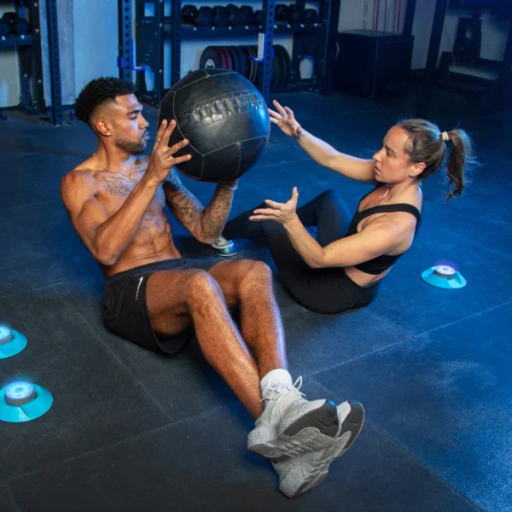
Users respond by tapping, pressing, or interacting with the lights in a specific manner to visually reacting with flashing cues. To improve reflexes, hand-eye coordination, and even decision-making skills, the lights can be set to different speeds, intensities, or patterns for more effective honing through practice and real-time feedback.
Overview of Training Lights
Through modern technology, training lights are fueled with exciting technologies aimed at sharpening one’s cognitive and physical skills. Improving bodily responsiveness, attention focus skills, and coordination, these devices are used by athletes, fitness lovers, and even patients undergoing rehabilitation. One study posted on ResearchGate remarked that regular reaction training can improve response times by 20 percent highlighting the amazing impact these lights can have on one’s performance.
Today’s training lights come with customizable options such as speed, brightness, and preset modes, allowing goal-oriented training sessions. They are used by athletes for sport-specific training drills and by therapists to aid in motor skill rehabilitation. Moreover, these devices are often accompanied by data analytics that provide reaction time, accuracy, and consistency metrics, tracking progress over time.
With the growing use and versatility of training lights, they have become invaluable in sport-specific training, fitness regimes, and even during rehabilitation, providing effective ways to push physical and mental limits.
Mechanics of Reaction Training Lights
Using sophisticated sensors and lights, reaction training systems improve an individual’s response and cognitive processing speeds. Typically, these systems comprise multiple panels or LEDs that light up randomly or in predetermined sequences. Users must respond to these cues as fast and accurately as possible by tapping, stepping on the panels, or performing actions like throw, kick, or strike. The goal is to improve reaction speed and neuromuscular coordination.
The integration of reaction training lights is expanding across multiple sectors. Athletics showed, on average, a 20-25% improvement in reaction speed over an 8 week period using reaction training devices, as stated in a 2023 publication. Moreover, rehab facilities have documented a vast increase in patient participation, with a 30% increase in therapy session completion rates when these lights were incorporated in the regimen.
These devices can be tailored to individual users and are easy to transport. For example, BlazePod™ systems let users preset specific drills through mobile phones and tablets, thus allowing workouts to be customized for sports or rehabilitation. The most recent models enable the use of cloud analytics, providing response time metrics, movement and activity statistics, as well as performance over time analysis. Combining instant feedback with tracking progress over time enhances the value of reaction training lights as essential tools for modern performance and physical recovery routines.
Why Use Lights as Tools for Reaction Time Training?
The use of reaction training lights is bound to the application of visual stimuli processing and physically translating that into a muscular/corporal response. This trait makes an individual more effective in a certain task or multiple tasks at hand. Numerous sporting activities, professions, or even day-to-day life skills require the user to make quick reactions that enhance productivity. Based on the latest statistics, roughly up to 0.1 to 0.2 seconds of improved reaction time in performing specific tasks highly boosts a person’s efficiency in reflex-dependent activities like basketball, soccer, or tennis.
The features on modern reaction training lights make them more useful incorporating adjustable brightness levels, patterns, and response times. For instance, as one example, it has been reported that training with a consistent tool makes visual-motor response times faster by roughly 15% in 4 to 6 weeks of recurrent utilization. With their ability to recreate realistic game situations, athletes are able to think and act faster during simulations of high-pressure situations. Also, since these devices capture feedback data, they can be utilized for improvement, thus making workouts more goal-oriented.
Beyond improving sports skills, reaction training lights are now being applied in rehabilitation practices. Research shows patients with various neurological conditions or injuries tend to improve their coordination and reflexes significantly when reaction lights are used during therapy sessions. The use of reaction training lights optimally for both high-performance enhancement and recovery reveals their multifaceted nature and effectiveness.
What Are the Best Exercises for Reaction Time?
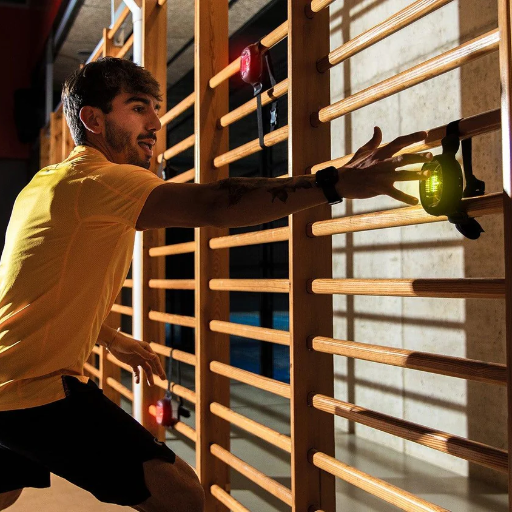
- Reaction Ball Drills: The use of an oddly shaped ball that bounces in an erratic manner helps one’s hand-eye coordination and reflexes to improve.
- Light-Based Reaction Training: Reaction-training lights help enhance visual perception while simultaneously improving decision timing.
- Agility Ladder Drills: Quick footwork improves response time and coordination.
- Ball Toss with a Partner: Training sharp reflexes by catching a ball thrown at varying speeds and angles.
- Apps and Video Games Designed to Improve Hand-Eye Coordination and Reaction Time: Designed games that require fast reflexes and agile thinking can strengthen one’s reaction time.
Effective Light Training Sessions: Suggested Drills
- Dynamic Warm-Ups: Begin with stretching gently, moving arms, and lightly swinging legs to warm and prevent injury to muscle groups.
- Shadow Drills: Equip-less practice, including shadow boxing and dry drills of various sports movements, focus on form and technique.
- Footwork Patterns: Improvement in static and dynamic balance precision and coordination can be achieved through repetitive controlled footwork drills.
- Balance Work: Enhance stabilizing muscle engagement with one-leg stands or balance beam exercises on unstable surfaces to increase control.
- Controlled Resistance Training: Light resistance bands or weights can help maintain muscle while avoiding strain.
Combining Cognitive Tasks with Physical Workouts
I have seen improvements in mental and physical performance with the addition of cognitive exercises such as memory drills and decision-making exercises to workouts. I enhance focus and coordination through memory games, reaction drills, and decision making exercises packaged in workouts. For instance, at the agility drills, I apply color-coded cones to “solve” small puzzles during breaks. This captures my attention and refreshes my routine. In my experience, this approach makes workouts much more effective and stimulating.
How Can Cognitive Training Enhance Reaction Time?
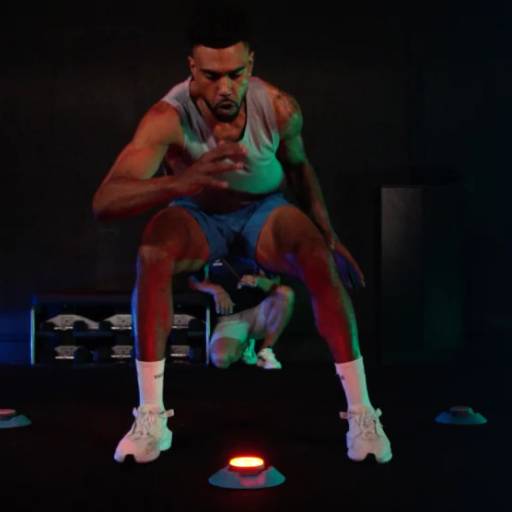
Enhaning reaction time with cognitive training entails sharpening its processes. This can be accomplished through pattern drills, recognition video games, or mental exercises that target specific cognitive functions. Doing these tasks over and over again improves the neural controls which link the mind and body, resulting in improved response times to triggers, and the ability to respond more quickly in daily life as well as in sports.
The Relationship of Physical and Mental Training
Physical and cognitive training stems from a common source – the need to integrate and organize efficiently the body and mind in order to achieve a particular goal. Newer research suggests that combining physical activities with cognitive workloads enhances memory, problem-solving, and even multitasking abilities. For example, an article published by Frontiers in Psychology discussed how performing mental exercises while engaging in physical activities, like walking, increased neuroplasticity and mental functioning.
Data also supports the notion of dual-task training, where cognitive tasks are performed alongside physical ones, as it can improve reaction time and decision-making. Research conducted by the National Institute on Aging found that older adults who participated in 12 weeks of combined physical and cognitive training had 50% greater improvement in task-switching skills and improved short-term memory significantly greater than those who strictly exercised.
Moreover, programs such as interactive video games, which necessitate concentration and movement, have emerged as a promising approach to bridging the two domains. Nature Human Behaviour published a systematic review that featured physically active video games, pointing out their potential to enhance not just motor coordination and attention but also social cognition. The purposeful merging of cognitive and physical training underscores burgeoning insights into the holistic relationships between domains that foster health and peak performance.
Enhancing Coordination and Agility of the Hands and Eyes
Coordinating the hands and eyes, along with agility, are crucial skills needed for a wide range of activities, sports, and professions. A study conducted at the northwestern university school of medicine has emphasized the importance of participating in purposeful practices aimed at improving these skills. It has been noted that hand-eye coordination is greatly enhanced by performing some activities like juggling, playing table tennis, and certain video games which contain fast-paced action scenes and require the use of quick reflexes. The journal of sports sciences and medicine indicated that tennis players participating in agility training performed thrice weekly for a span of eight weeks improved their reaction and coordination by almost 20%.
Equally, agility has been known to improve such things as decreased susceptibility to injury and enhanced performance in other physical activities. Ladder drills and plyometric movements or any other specific to a sport have been classified by the American Council on Exercise (ACE) as some of the best ways to improve agility. ACE further records state that subjects who used these drills for six weeks made advances up to 15% in their efficiency of movement and overall balance.
Incorporating these approaches into contemporary training tools like virtual reality and motion tracking systems has completely transformed training. The improvement of VR tools suggested by Frontiers in Psychology in 2021 demonstrated that frequent use enhanced users’ spatial awareness and reactions by 25%. The use of strategically chosen technology helps to boost agility and hand-eye coordination and science-backed techniques sharpen focus.
Improvement of Reaction Time Training Systems
Enhancement of reaction time has become easier due to developing systems and methodologies of training. Many recent solutions integrate the principles of neuroscience with modern technologies and guarantee measurable advances. For example, reaction training lights such as FitLight and the Reflexion Edge system are increasingly accepted. These devices require physical and mental reactions to randomized audio and visual signals, heightening cognition and movement response understanding. Studies claim that with commitment and consistency, devices like these can improve reaction time by 15-20% in 6 to 8 weeks of focused training.
Another useful approach comes from apps and game-based training. Cognitive abilities like reflexes are trained using games developed by NeuroTracker and Lumosity. An article in Nature published in 2020 highlighted how users with a routine immersive cognitive-training regimen experienced heightened decision speed and neuroplasticity.
Motion virtual reality systems that simulate real life problems can also be useful to professionals and athletes. For instance, Google’s self-driving car division employs sophisticated virtual reality technology to enhance rapid decision-making in the programming of the self-driving vehicles. These technologies in aggregate offer fundamental methods to attain optimal reaction time, therefore empowering users from every field, be it sports or routine undertakings, go beyond expectations in challenging situations.
Are There Ways to Improve Reaction Speed?
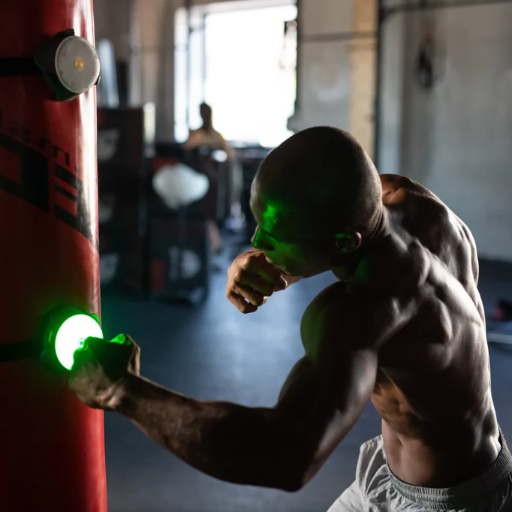
Improving reaction speed requires consistent effort, but there are several effective techniques. Higher-level response activities such as sporting pursuits or specific games can lead to improvement over time. Having a balanced sleep schedule, a nutritious diet, and staying hydrated will boost your brain’s function, giving better results for your body’s responses. Some exercises also improve your interval training and agile drills, which will train your body to respond swiftly. Moreover, meditation assists with focus during critical moments providing calm decision-making. This improves one’s overall reaction time.
Daily To-Do’s For A Faster Reaction Time
Understanding specific key evidence is a great way to improve reaction time; however, integrating targeted daily practices will result in a greater difference. As published in“Communications Biology” in 2021, gamers exhibit, on average, a 25-millisecond improvement in response time. In addition, a regular fitness regimen that includes jump squats or sprinting also improves overall neural to muscle coordination.
New studies vividly demonstrate that nutrition plays an important role in reaction time. According to an article published in the Nutrients Journal in 2023, taking supplements or consuming fatty acids found in fish like salmon can reduce reaction times by 10%. Furthermore, staying properly hydrated is also critical for optimal brain function. Studies have shown that even mild dehydration can slow down cognitive processes, including reflexes, by 2-3%.
There are also measurable quantifiable improvements that nutrition helps achieve. It’s now possible to monitor your progress with reaction time applications and wearables that analyze lag intervals. For example, athletes have widely adopted FITLIGHT Trainers that flash lights in rapid intervals to prompt quick reactions, helping them sharpen their reaction times by milliseconds. Applying these techniques alongside proper nutrition while maintaining a consistent daily regimen will provide steady improvements in your reaction skills.
Tips to Improve Your Reflexes Powerfully and Precisely
Improving your reflexes combines mental and physical work with specialized equipment. To improve your coordination, start with basic reaction drills, such as catching a ball or mirroring a partner’s movements. To improve reaction speed and accuracy, add sprint starts, agility ladder drills, and shadow boxing.
Mental training is just as important. Improve attention and decision-making with mindfulness exercises and focus games. Your efforts can also be supplemented with technology. Reaction time apps using flash lights or video games that test reflexes can transform your workouts into immersive experiences. Together with proper nutrition and sleep, these methods will help optimize your reflexes.
Developing the Ability to React Swiftly in Sports Training
Athletic performance requires considerable skills, and the ability to react promptly and accurately is one of the most crucial factors. Many scholars have strived to define optimal reaction times for different sports. They often mention elite athletes ranging from 200 to 250 ms for most activities. Taking professional baseball as an example, a batter needs to have ultrafast reflexes as he/she only has about 0.4 seconds to react to a 90 mph pitch.
In order to improve reaction time, it is best to use drills that are more game specific. An example would be agility ladders and cone drills or ball drop drills which all enhance reflexes and good decision making. Data suggests that focused training practices over a consistent period of eight weeks can accomplish an increase in reaction speed by approximately 15-20%.
Advancements in technologies such as VR systems and wearable sensors to FITLIGHT interactive light boards have made a mark in reflex training. Professional athletes have begun using them. In fact, some research suggests these devices are capable of improving reaction time greatly, with certain studies indicating a 10% improvement after only six weeks of dedicated training.
Moreover, exercises of the mind help to sharpen a person’s response to stimuli and as such, provide an aid to one’s physical reaction speed. Activities involving pattern recognition, memory recall, or multitasking can enhance information processing by strengthening neural pathways.
In conclusion, physical drills, technological devices, cognitive exercises, as well as resting, hydrating, and nutrition, create a complete strategy to improve reaction time in a sporting context. Integrating these elements supports more recent investigations into sports performance, which have highlighted the necessity of holistic training systems for developing advanced athletes.
Reference sources
- Light‐based manipulation of visual processing speed during soccer‐specific training has a positive impact on visual and visuomotor abilities in professional soccer players (Rodrigues et al., 2024, pp. 504–513)
- Publication Date: 2024-11-20
- Methodology: A 6-week intervention with professional soccer players (n=24) randomly assigned to intervention (specific soccer tasks under specific lighting conditions using the Okkulo system) and control (normal lighting) groups. Visual and visuomotor performance was assessed before and after the intervention.
- Key Findings: The intervention group showed significant improvements in dynamic visual acuity, recognition time, sensory reaction time, motor reaction time, and peripheral identification accuracy. No significant effects were found for stereopsis, peripheral identification speed, and anticipation. The study concludes that the 6-week training intervention using the Okkulo system improved several visual and visuomotor skills.
- Enhancing Focus and Short Reaction Time in Épée Fencing: The Power of the Science Vision Training Academy System (Martino et al., 2024)
- Publication Date: 2024-10-30
- Methodology: A six-week visual training protocol based on the Science Vision Training Academy (SVTA) method was compared against a control group (n=27 total participants). Simple and complex reaction times and movement times were assessed before and after the intervention using the Fit-Light System.
- Key Findings: Both groups improved in reaction time tests. While no significant difference was observed between groups, a significant interaction effect suggested that SVTA protocols may stimulate short reaction time, even though it’s difficult to significantly improve through training alone.
- The Impact of Reaction Lights-Based Shadow Training on Foot Agility in Badminton Players at Pelangi Pontianak City (Rahmat & Cahyadi, 2024)
- Publication Date: 2024-01-27
- Methodology: An experimental study comparing two groups of badminton players, one receiving reaction light training and shuttle run exercises, and the other serving as a control. Footwork agility was assessed before and after the intervention.
- Key Findings: The reaction light training group showed significant improvement in footwork agility.
- Top Reaction Training Light Manufacturer and Supplier in China
Frequently Asked Questions (FAQs)
Q: What is reaction training light and how does it help in increasing reaction time?
A: As the name describes, reaction training light focuses on improving an individual’s reaction time through stimulating visuals. The eye’s reception of any form of light triggers the brain, and this light information, neural circuits, brain pathways, and concentration all work towards making reaction times faster.
Q: How can reaction training lights benefit boxers?
A: Reaction training lights for boxers improves their reflexes and enables them to react to a spar or moving target efficiently. In boxing, the ability to maintain fast reaction times is crucial to avoid punches and respond with powerful, accurate counters.
Q: What are some effective ways to train your reaction time with light training?
A: Effective light training methods include drills with rapid and varied response to lights, elevation of these drills to full training sessions, and various patterns and speeds that force the brain and body to improve pacing.
Q: In what ways can coaches and athletes leverage reaction training lights to enhance performance?
A: Coaches and athletes use reaction training lights to improve an athlete’s ability to react to stimuli. With consistent use of these tools, athletes can improve their agility, reactivity, and overall performance in their respective sports.
Q: Are reaction training lights beneficial for improving slower reaction times?
A: Indeed, reaction training lights are geared towards individuals struggling with slow reaction times by forcing the brain to process visual information more rapidly and efficiently.
Q: How does the light training exercises associated with the brain to enhance reaction times?
A: The light exercises associated with the brain enhance reaction times by strengthening its processing capabilities. The more efficiently the brain does its job, the safer and quicker the body will be able to move in response to stimuli.
Q: How can the use of reaction training lights enhance the focus of an athlete during the competition?
A: Reaction training lights enhance focus by demanding that athletes concentrate on the lights and react to them in real-time, sharpening the sustained attention and precision needed to counterattack high-pressure situations during competitions.
Q: Do any specific drills using reaction training light focus on improving reflexes?
A: Indeed, drills like the reaction light wall drills and partner chants, where one participant control the lights, as well as raced timed drills, where the athlete is prompted to respond to lights within set timeframes, are all created to refine sharp reflexes and reaction times.
Q: What frameworks allow users to capture and analyze data from a body’s self-organizing movements in reaction to training stimuli?
A: Sprinting and the balletic movements of contemporary dance are powerful means of conveying emotion. Both can capture and convey thoughts, as well as inspire joy.
Q: What insights could be drawn from the training data collected from reaction training light?
A: Data from the reaction training lights show how an athlete is performing in real time, enabling the identification of tracked milestones and gaps in performance, thus allowing coaches to devise bespoke training plans targeting optimal agility.