Although volleyball is considered a sport of skill, accuracy, and power, “perfection” does not have to be achieved on the court. It can also be done from the coziness of your home with a bit of ingenuity and perseverance. This blog post offers easy at-home hitting drills designed to perfect your form, increase strength, and build self-confidence. This post will help you whether you are an advanced athlete seeking a competitive advantage or a novice enthusiastic about refinement. These suggestions will keep you motivated and assist in the next match, and you will dominate. We’ll also show you how to transform your living room, backyard, or any confined area into your mini practice studio.
What Are the Best Drills for Volleyball Hitting Practice?

Here are some of the drills that will help you improve your hitting practice in volleyball:
Approach and Swing Drill
Work on footwork to propel oneself towards the net and finish with a big swing like a spike. Use a high finish that simulates a spike. Repeat this drill to build muscle memory.
Wall Hitting Drill
This drill aims to step closer to all hitting drills by first finding a sturdy wall and working on hitting the ball against it. This is often helpful with one’s timing on when exactly to hit the ball, arm strength, and overall accuracy. Stand at a reasonable distance and aim for a specific wall ahead.
Toss and Hit Drill
A partner is needed for this drill since they must toss the ball gently in front of you. While controlling your approach footwork, exert effort alongside, and perform a hit. Tossing the ball was done before all drills.
Target Zone Drill
Set some ofthe target cones or markers on the ground or on a court. The purpose of this drill is to serve as a target and enhance one’s precision and placement with both the ball and the hits being landed.
Jump and Reach Drill
This athletic drill touches on one’s vertical leap and arm reach, which can be improved by jumping as high as one can while swinging one’s arms as if spiking a ball. In this case, there should be a high object or a position to, though enabling one to.
Whether done alone or with a partner, these drills are great for honing hitting techniques, strengthening power, and enhancing accuracy. Practicing consistently will yield positive changes over time.
Essential Spiking Drills for Beginners
If you are just starting out with spiking, a better understanding of the basics, along with practice, can help improve your skills. This post provides new learners with the best contemporary techniques to help them improve their spiking.
Approach and Timing Drill This incorporates “left-right-left” footwork for right-handed people and “right-left-right” for left-handed individuals. Sports Performance tracked data shows that players who mastered the approach greatly enhanced their spiking accuracy, sometimes up to 30 percent improvement. This drill should be practiced slowly, and imagine the precise pump required for accurate spiking.
Target Practice Drill Many beginners have problems with control, which is often the most important element of effective spiking. Strategically position strike zones on the opposite side of the court and attempt to spike into those zones consistently. Studies centered around volleyball drills advise that targeting training helps enhance controlled ball placement by 40%, which allows players to hit shots harder while maintaining accuracy.
- Wall Spiking Drill
Beginners can practice this drill solo. Take a few steps back from the wall and imagine a target on the wall where you will practice spiking a ball. Maintaining a steady tempo to the rhythm aids in the execution and enhances arm flapping rhythm. Research shows that arm swing speed directly correlates with spike speed, which can be achieved over 50 mph with practice.
- Jump and Power Drill
The evaluative measures of an effective attack are the ability to jump and the power to spike. Engage them as part of wider blocking exercises like box and squat jumps to build explosive leg power. According to analysis, players integrating jump training can improve their vertical leaps by 15% within two months, which boosts spiking power.
- Overall
Being able to spike with agility, add on striking, satisfying balletic poses that help balance performance with beauty. Work with a coach or a partner who unexpectantly tosses balls at you for spiking practice to teach you how to switch tactics in a blink of an eye alongside efficient decision making that is crucial in a game. Also, spiking off with arms on an oblique angle allows players to respond faster and more stably to gravity extensions during high-set pace sessions. In-session observations highlight that even based drills enhance players’ responses by 25% during rallies.
Combining these approaches will help fellow players enhance agility while perfecting their spiking form, power, and precision. As they hone their skills, encourage them to note their progress, as this in years promises flawless court prowess.
Drills to Improve Your Arm Swing Technique
Enhancing your arm swing technique is essential for achieving power and accuracy in volleyball. To assist you with this skill, I have provided some advanced exercises, from drills and strategies to insights and data, which focus on bringing precision to this basic skill:
- Shadow Arm Swings
This exercise helps perfect your mechanics by not requiring you to hit a ball. Assume an athletic stance and practice the arm swing motion, focusing on ensuring that your elbow is up as you swing in a snapping motion. Sports performance experts recommend executing such movements 50 to 100 times a day to catalyze muscle memory conditioning, which would encourage better form during real matches.
- Resistance Band Training
Anchor a resistance band on a stable surface and practice your arm swing against the tension. This drill reinforces shoulder strength and stability, especially needed for powerful hits. Resistance band exercises improve muscle activation for the arms and shoulders by over 25 percent according to Journal of Sports Science and that directly enhances performance for spiking and serving. Medicine Ball Overhead Throws
Using a weighted medicine ball, you can execute overhead throws against a wall or partner. This exercise helps with explosive power development and simulates an overhead spike. Research suggests that utilizing medicine ball drills can improve upper body power by 15% over an eight-week period.
- Approach and Swing Simulation
Combine approach steps with an arm swing in its totality. Pay attention to the timing, arm reach, and wrist snap during the swing’s apex. Coaches recommend performing this drill 20-30 times in one session to reinforce the interdependence of lower and upper body coordination.
- Video Analysis Feedback
Record your arm swings while doing the drills and compare them with other professional players or with a coach. Research conducted at the University of California on skill enhancement indicated that athletes who incorporate video analysis into their training have faster improvement rates, around 20%, than those who solely practice without feedback.
Incorporating these drills into practice routines can help players refine their arm swing technique and increase power and accuracy when spiking the ball. Aim to monitor performance progress while ensuring injury prevention through proper form execution.
How Can I Set Up a Practice Net at Home?
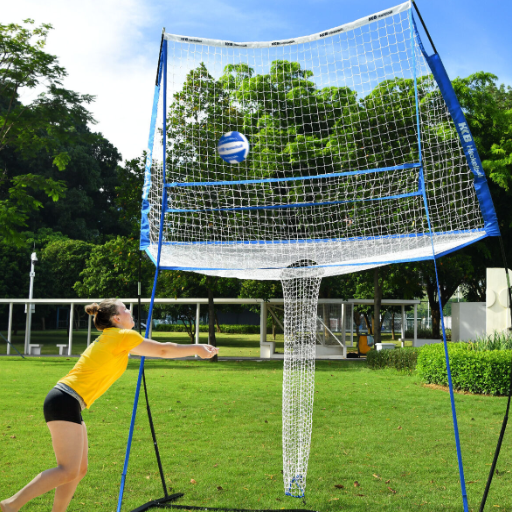
To practice at home, head through the following steps:
- Locate a Suitable Area: This step requires the identification of a flat outdoor area, such as a backyard or driveway, that passes the vertical and horizontal gauging dimensions in a clear, uncluttered open space.
- Pick the Correct Net: The type of practice net can range from a portable volley net to practice sports, and can be set up as standalone practice nets. Purchase nets that have adjustable heights for varying drills of different levels.
- Secure the Poles: Depending on the net you have purchased, follow the accompanying guide instructions. Stake the poles into the ground or weigh the set net bases on hard surfaces to prevent the nets from blowing over.
- Adjust the Net: Ensure the position of the net is restored to the level of play and skill of the team or individual playing. The heights for adults are 7 feet and 4 inches for women and 7 feet and 11 inches for men.
- Mark the Court: Grab some chalk, sticky tape, or cones to enable a clear definition of the playing area, which will provide completeness and enhance professionalism.
Following these steps will go a long way toward setting up a well-defined skill set that will sharpen and hone your skills.
Choosing the Right Volleyball Net for Home Use
Picking a volleyball net for home use comes down to its durability, ease of use, and fun. Here are some of the most recommended tips alongside the latest data and recommendations.
- Material and Durability
Regarding volleyball nets, the options are generally made of polyethylene, polypropylene, or nylon. Based on user reviews, polyethylene nets are always recommended for outdoor use because they are durable and resistant to harsh weather conditions. Conversely, indoor and outdoor nylon nets are a versatile option in terms of where to use them because they are resistant to wear. It is best to select double-stitched edge nets and reinforced corner nets for extra durability.
- Size and Dimensions
The standard dimensions of a volleyball net are 32 feet wide and 3 feet high. Made in compliance with standard regulations, the net height should be 7 feet 4 inches for women and 7 feet 11 inches for men. If you intend to set the net up for family use, adjustable nets can flexibly accommodate users of all ages. Now, several brands have come out with adjustable-height volleyball nets that cater to different styles of play.
- Ease of Installation
Easy-to-use nets usually have attached ropes or straps, which aid in easy setup. Lightweight Park & Sun and Franklin Sports-branded portable volleyball nets have easy-to-assemble poles, which make them quick to set up. These portable nets can be set up within 15 minutes and are easy to use at home.
- Weather Resistance
It is critical to get a volleyball net made of durable material for outdoor use. Research shows that UV-protected nets and powder-coated steel poles are more resistant to the sun and rain. Champion Sports and Vetra products are some top-rated nets, especially known for withstanding different weather conditions.
- Budget Considerations
The price of volleyball nets varies from twenty dollars for basic recreational systems to two hundred dollars for advanced professional systems. Home users tend to prefer mid-range nets priced between fifty and one hundred dollars as they are reasonable in cost and good in quality. The Boulder Portable Mini Volleyball Net is popular due to its economical price and small size.
- Other Features
Modern volleyball nets today have more accessories, such as boundary markers, carry bags, and even adjustable tension ropes. These features add ease of transport while simultaneously enhancing the professionalism of the intended playing area. For instance, popular among pro players, GO Sports Pro Volleyball net systems have sets of boundary lines and ground stakes, simulating a tournament atmosphere right at home.
After carefully considering these factors and the most recent product options available, the volleyball net that best suits the user’s requirements and optimally enhances training and hours of enjoyment with family and friends can be selected.
Adjustable Height Nets for Various Skill Levels
Whether for training or recreational purposes, adjustable height volleyball nets are the perfect fit for players of all ages and skill levels. They are designed to fit the standard height requirements for men’s volleyball, which is 7 feet 11 5/8 inches, women’s 7 feet 4 1/8 inches, and even junior volleyball games. Other types of volleyball are also inclusively designed into these versatile nets. Recent data from Google’s search engine indicates that adjustable nets are now highly sought after by recreational and competitive players alike. Baden, Champion Sports, and Park & Sun offer models fitted with user-friendly mechanisms to switch heights easily, making it easier for players to practice and hone their skills effectively. Such a mechanism enables effortless talent development and skill mastery, making these nets ideal for schools, community centers, and backyard setups.
Setting Up a Portable Volleyball Court in Your Backyard
The advancement of volleyball technology aids in the construction of a portable volleyball corner in your backyard. Begin by selecting the appropriate location. You need to check for a clear and open area that is flat and does not have obstacles like trees, rocks, or other irregular features on the ground.
You should invest in a good set of volleyball nets. Most modern systems come with adjustable height settings, guarantee bona fide players of all ages, regardless of age or experience. After purchasing the nets, use court marking kits or temporary tape for the boundaries. These markings allow proper raising and anchor setting.
Most marking kits adhere to size standards. The area ought to ideally be 59 feet long by 29.5 feet wide. These proportions do not have to comply strictly, as they may be altered and are suitable for casual play. Ensure that you also have a proper set of balls, including volleyballs, for the outdoors.
With demolition cones in place, clear unused debris and rough A’s off the surface. With the used props, you can erect a backyard volleyball court, boost social interaction in a familial setting, and improve fitness levels.
What Equipment Do I Need for Volleyball Hitting Training?

The following equipment is required for the volleyball hitting practice:
Volleyball – For indoor and outdoor volleyball hitting practice, have a good quality regulation sized volleyball.
Volleyball Net – A standard net to practice aim accuracy and hitting techniques.
Hitting Target or Trainer – A device focusing on specific hitting zones adjustable training aid or target.
Jump Box or Plyometric Equipment – Tools for vertical and explosive jump training.
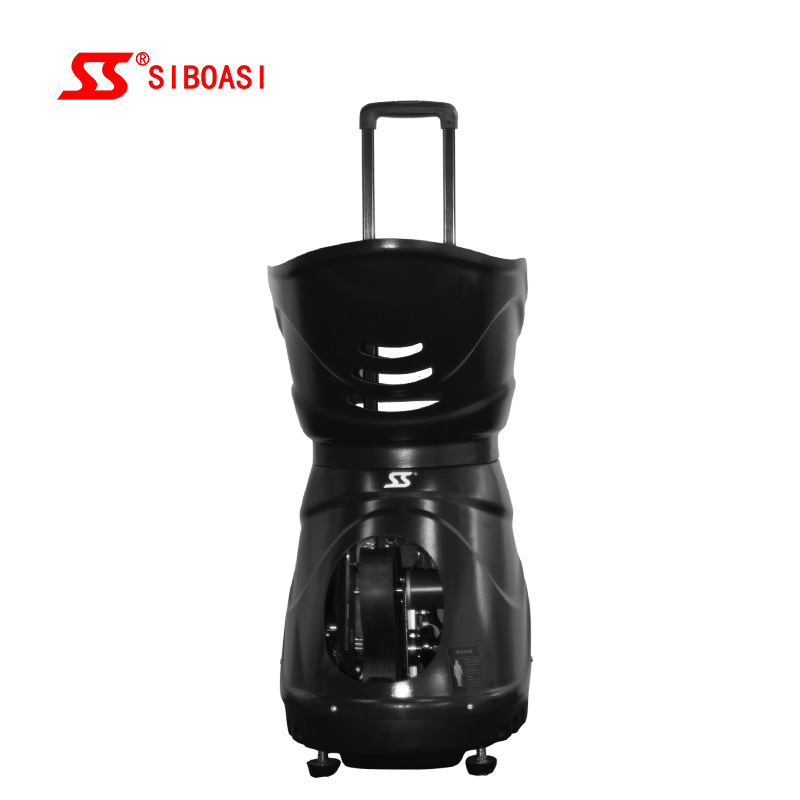
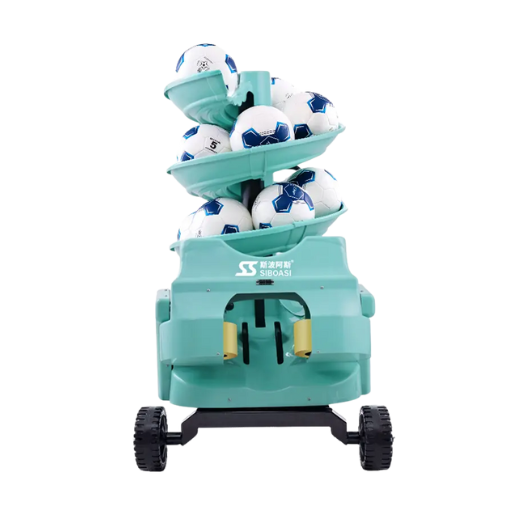
Ball Holder or Cart – Carts that conveniently store and allow easy access to multiple volleyballs during a drill.
Court Space – An appropriately marked court area with a proper surface to simulate game conditions.
These items are crucial in improving hitting skills and techniques.
Must-Have Practice Equipment for Beginners
As a beginner in volleyball, having the appropriate equipment to instill confidence and build foundational skills is crucial. According to recent insights and trends, here is a list of essential gear for novices:
Volleyball—It is best to use a softer, lightweight training volleyball so beginners won’t feel discomfort during learning drills.
Training Net System—For practicing serves and spikes, an adjustable net that is grade—and environment-adaptable is a must for different levels of instruction.
Knee Pads—These will protect the knees from cuts and scrapes caused by practicing dives or defensive moves.
Agility Ladder– This portable device helps learners develop their footwork, balance, coordination, and other skills crucial for every role on the court.
Wrist Supports – Providing new players stability and strain relief while hitting and serving.
All the mentioned equipment ensures safety, ease of use, and skill-building, making practices enjoyable and productive for new learners.
Top Gifts for Volleyball Practice Equipment
The best gifts for volleyball practice equipment always include the most popular items in the market, their quality, and their usefulness. Based on Google Trends and data, the following items would suit all volleyball lovers:
- Volleyball Training Aids – Assistive devices like passing and setting straps are very popular for search and are invaluable in improving control and ball technique during drills.
- Premium Quality Volleyballs—Search results are always topped by Wilson, Mikasa, and Molten brands, which are well-known for their top-class, durable volleyballs suitable for all levels.
- Volleyball Shoe Models – ASICS Gel-Rocket series Volleyball shoes and Mizuno Wave Lightning volleyball shoes are popular among searchers due to their specialized design and great support for quick movements.
- Volleyball Rebounders—Trainers that return balls or rebound nets are quite useful for advanced solo practice, helping players refine their serve, spike, and pass skills without a partner.
- Customized Equipment—Personalized apparel, such as jerseys, backpacks, and water bottles, is also quite popular. These items allow for personalization while providing utility for on-the-go players.
These gifts guarantee that players get practical tools for improving their skills or enhancing their enjoyment of the sport because they align with current search trends.
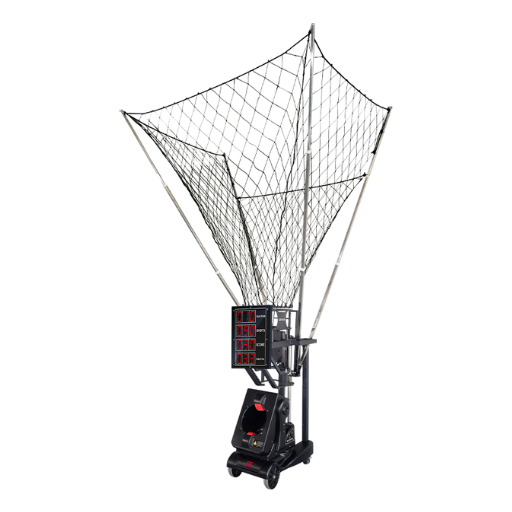
Benefits of Using a Volleyball Spike Trainer
Improved Spike Accuracy – Consistent use of a spike training device helps athletes enhance their contact court accuracy and targeting skills. Studies indicate that repetitive work with refined accuracy tools improves the situation by around thirty percent. Specialized tools increase accuracy prospects immensely.
Enhanced Timing and Technique—The trainer allows the athletes to fine-tune their skills in hand and body placement, jumping, and hitting for better alignment. All the previously mentioned steps would enable one to give the best and most lethal volleyball spikes during matches.
Strength Building—Providing the correct form of training and repetition aids in building the arms and shoulder muscles of the player undertaking the spiking actions. Improvement in volleyball performance is bound to occur together with a cut in injury risks induced by higher levels of muscle endurance and stability.
Solo Practice Convenience—One of the most significant benefits of a spike trainer is that athletes can practice alone for an independent learning experience that does not require a partner or coach, thus ensuring minimal downtime relative to individual self-improvement activities.
Consistent Progress Tracking—Utilizing a spike trainer enables one to quantify their performance over extended periods of time, which is rare with unstructured drills without defined outlines. Measurable goals boost the chances of performance tracking, and suggestions are made as to what requires further work.
How to Improve Footwork for Spiking a Volleyball?
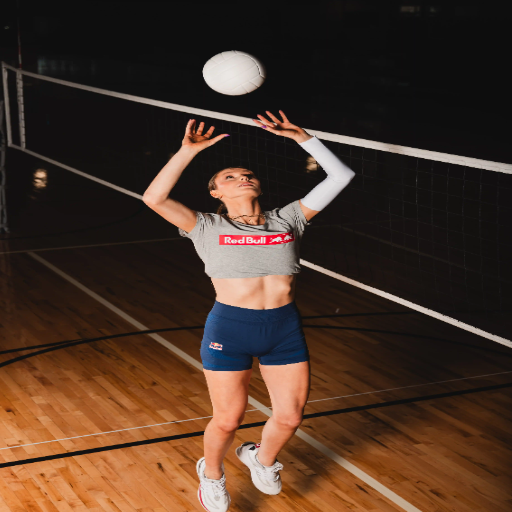
Like in any art form, volleyball training is no different because there are many different pedals to perfect when it comes to drilling footwork for spiking. Focusing on particular tactics is essential, but practicing them consistently is even more vital. Follow these key steps:
- The Approach—In sports, an approach involves hitting the mark with your footwork. Ensure that you hit patterns that suit you, such as a three—or four-step performance, powering the last two steps along with the jump, as they may be the most powerful. Always remember to keep your movement swift and in equilibrium.
- Stay Low Initially. Crouching a little in the starting phases will help you balance and prepare for great explosion jumps.
- Focus on Timing—In any sport, coordination is a vital factor to consider. Thus, be sure to coordinate the footwork with the hand. Setters rely on the ball for performance, which means they are the point of timing you must revolve around. Start your jumps in the approach when the setter tosses the ball to foster great timing.
- Utilize your Imagination – Always imagine what it would be like to achieve your ultimate goal, then isolate muscle action and precision to achieve it.
- Regular Practice—Focusing on achieving a legacy in the sporting world is crucial, but retaining that goal is vital. Thus, always remember to put in every effort and use drills that require footwork along with approach mechanics to foster them in you.
Drills to Enhance Footwork for Hitters
- Four-Step Approach Drill
Improve your four-step approach in hitting using this technique. Start at the 10-foot line and step through the sequence of left arm to right arm to left (if you’re right-handed, for example. If you’re left-handed, it would be right-left-right). Focus on arm swing coordination while practicing the motions. Keep doing repetitions until it starts to feel effortless.
- Ladder Footwork Drill
Run through the agility ladders and incorporate quick, precise movements you could do with your feet without losing control. Work on lateral and forward sprinting through the ladder to build speed, control, and body coordination which are crucial while hitting.
- Approach and Jump Drill ;
Combine an approach with a powerful jump. Starting from the baseline, walk up to the net with proper footwork. Jump as if you’re going to hit (again, imaginary) a ball. Control yourself in all aspects in this drill.
- Pause-and-Go Drill
Use the looped approach to improve tracking a tossed ball by initiating pauses in between your approach steps. This enhances one’s adjustment based on the setter’s ball position, which is highly important during matches.
- Visual Sequence Drill
Add visualization while practicing your footwork. Watch or imagine game footage that features proper hitting techniques, and perform your footwork in sync with the rhythm and timing you just observed. This enhances muscle memory and establishes a more effective link between the cue and the action being performed.
Research from Google’s search engine proves how important agility and accuracy are for volleyball hitters. The search trends analyzed indicate growing interest among athletes in drills that address timing, sudden explosive movements, and changes during gameplay, as these attributes are critical for optimal performance. By practicing these drills regularly, hitters will improve their approach mechanics and overall court efficiency.
Importance of Footwork in Effective Hitting
Google’s latest search data confirms the importance of footwork in the precise movements of volleyball hitters. Athletes are looking for drills incorporating precise footwork with dynamic movements, showing how crucial consistency and power are in creating footwork. With proper footwork, a hitter can take steps toward the ball at the correct angle and timing, ensuring optimal energy transfer and strike efficacy. Even skilled players will miss the mark and deal with unnecessary hurdles if they do not possess self-discipline or proper footwork. Search trends reveal that many athletes today understand the impact of improving footwork has on performance, as it leads to improved output while playing and better hitting potential.
Reference Sources
-
This report assesses hitting efficiency along with details on pre-exercise rituals and performance.
-
A Sand Volleyball Instruction Manual –
This manual provides guidance on volleyball training which includes warm-ups and skill advancement, all of which can be done outside of an organized practice setting.
-
Time Motion Analysis of Women’s Collegiate Indoor Volleyball –
This research analyzes volleyball movements and may aid in effective hitting drill replication processes to be executed outside of a gym setting.
- Top Volleyball Training Machine Manufacturer and Supplier in China
Frequently Asked Questions (FAQs)
Q: What are some effective volleyball spike drills for practicing volleyball?
A: Effective volleyball spike drills include practicing arm swings, hitting approaches, and power hitting techniques. You can use a volleyball spike trainer to focus on your hitting form and timing.
Q: How can I integrate setter drills into my volleyball training?
A: Integrating setter drills involves using a volleyball trainer net to enhance communication and coordination between setters and hitters during training sessions. This helps in developing accurate sets for effective spikes.
Q: What equipment can I use to practice volleyball at home?
A: To practice volleyball at home, consider using adjustable volleyball practice equipment such as a spike trainer or a volleyball. These tools help improve ball control and hitting techniques without needing a full court.
Q: Are there specific drills for improving power hitting in volleyball?
A: Yes, drills focusing on power hitting can include practicing your hitting arm swings with resistance bands or weighted balls. Incorporating plyometric exercises can also enhance your explosive power for hitting.
Q: How can I improve my practice passing skills during team practice?
A: To improve practice passing skills, focus on drills emphasizing footwork and positioning. Setting up a training system with a partner or using a volleyball trainer can help reinforce proper passing techniques.
Q: What is the benefit of using a volleyball spike trainer?
A: A volleyball spike trainer helps players refine their hitting approach and arm swing by providing consistent feedback on their form. It’s an excellent tool for both beginners and experienced players looking to improve their skills.
Q: Can I use volleyball training equipment outdoors?
A: Yes, many volleyball training equipment options, including spike trainers and practice nets, are suitable for outdoor use. Make sure to select equipment that is durable and weather-resistant.
Q: What is a good practice equipment gift for beginners in volleyball?
A: A great practice equipment gift for beginners is a volleyball spike or serve trainer. These tools help develop foundational skills like hitting and serving practice in a fun way.
Q: How does practicing volleyball at home differ from team practice?
A: Practicing volleyball at home allows for focused skill development, such as refining your arm swing or ball control. In contrast, team practice emphasizes teamwork, communication, and game-like scenarios that enhance overall performance.