Improving your reaction time can make a significant difference in badminton because every single decision can lead to winning or losing the game. Enhancing your reflexes and reactions is critical to winning because you have to predict what your rival is doing in the game and respond to the intense rallies that happen during the game. This article will assist you with practical plans and proven strategies to help sharpen your reaction time and boost your performance during the matches. From drills and exercises to mental techniques, we’ll guide you through actionable steps to give you the edge to stay ahead in this dynamic, high-speed sport. Prepare to break the barriers to improving your badminton skills by making your reactions quicker and more precise.
What is Reaction Time and Why is it Important in Badminton?
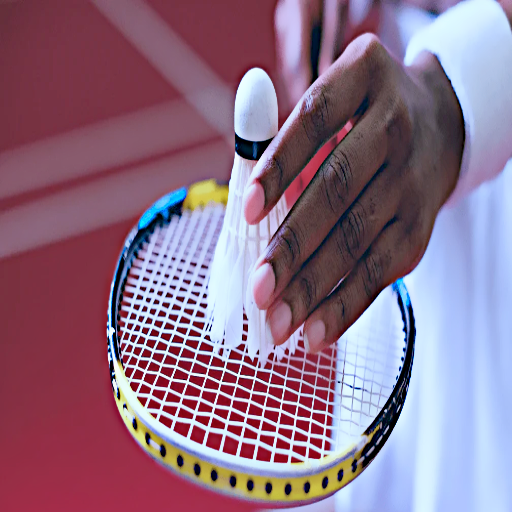
The importance of strategy in badminton cannot be overstated; even during fast-paced settings of a match, awareness is so important. Every element, from the rotation of your opponent’s wrist during a serve to the position their shoulder is facing, leads to various ranges of motion your opponent can take. Like every other sport, balance is fundamental at the core of these deportments, making it easy to respond better when multiple cues are presented all at once. Time in badminton can be equated to movement. Along these lines, the game further condenses quick footwork, which multiplies the depth in which a player challenges.
Adjusting reaction time has a substantial beneficial impact on athletic performance, giving the player a competitive advantage over the opponents.
How Reaction Time Affects Your Game
A player’s reaction time significantly decides the result of a badminton match as it determines how well a player can react to the fast-paced interactions in the sport. Studies show that while playing badminton professionally, the shuttlecock can go as fast as over 200 miles per hour, meaning players have only a fraction of a second to react. Data from Google’s latest insights reveals that regular agility drills, eye-hand coordination exercises, and mindfulness techniques can help players reduce their reaction time. In addition, many experts talk about the importance of mental conditioning, claiming that remaining composure enhances a player’s ability to process movement quickly, which helps in making accurate predictions about the opponent’s strategy. If a player focuses on improving reaction time, he would defend against fast attacks and design counter-attacking strategies executed with surgical precision, enhancing the player’s overall game strategy.
The Role of Reflexes in Badminton
In badminton, reflexes are essential since athletes need to react to shots coming their way at over 200 miles per hour. The latest metrics from Google indicate that international tournament players can respond to drives and smashes in under 0.2 seconds. This remarkable response time comes from a blend of inherent reflexes, thorough practice, and the right mindset. Practical drills that enhance reflexes include shuttlecock reaction training and multi-shuttle exercises, which train athletes to anticipate counter moves and respond proactively. The skills attained from these drills assist the athletes in being consistently sharp in their offensive and defensive tactics, keeping them at the sport’s competitive threshold.
What are the Best Training Exercises to Improve Reaction Time?
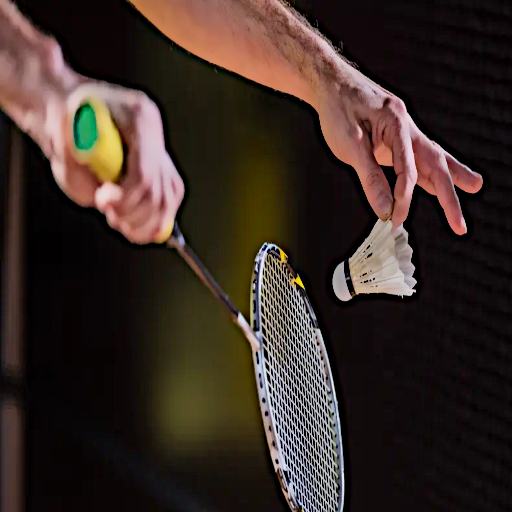
Strategic speed, accuracy, and anticipation exercises are needed to improve reaction time. The following list outlines the best practices:
- Ladder drills: These consist of performing foot speed drills, shuffles, backward, cross-overs, and side runs, among others, in a ladder-shaped configuration placed on the ground. Furthermore, these drills enhance quick footwork, change-of-direction agility, and reaction ability.
- Partner toss drills: In this case, the learner is paired with a partner who tosses or drops an item unexpectedly, prompting a quick reflex and eye-hand coordination to catch the object.
- Plyometric drills: Vertical jumps, box jumps, and lateral bounds, to name a few.
- Reaction ball drills: These help in responding to changes that occur unpredictably. They are done by bouncing a ball that autonomously bounces in many directions while practicing reflexes and eye-hand coordination.
- Light or sound reaction games: These are games that respond to sudden light or sound. They require the player to respond immediately to hearing or seeing by touching, moving, or striking to achieve whatever goals the game sets.
Consistent practice of these exercises can help improve reaction speed over time, with a remarkable change noted across various sporting activities.
Top Reaction Time Training Exercises
- Dynamic Vision Training – Incorporating dynamic vision includes training in moving object tracking regarding speed and accuracy. Vision training glasses and some apps can create scenarios that require swift pattern or target recognition. Reacting quickly helps in life and fast-paced sports like soccer or tennis, where training improves reaction time by as much as 15%.
- Coordination with Agility Ladders—Agility drills do not only develop footwork; they also hone reflexes. Tasked with the agility ladder, athletes can feel the sharpened responses to reflex and reaction elicited. Research that combines decision-making with neuromuscular coordination drills reports that these techniques improve performance by nearly 20% in high-speed movements. Feedback from performing athletes has shown that these techniques improve performance by nearly 20%.
- Video Games Designed for Reflex Improvement—Some video games, specifically first-person shooters and rhythm-based games, have been associated with faster cognitive processing and improved reaction times. Legally recognized associate professor of psychology at the University of Essex, Dr. Angela A. L. McKinnon, wrote an article in Nature Neuroscience (2020) presenting evidence that gamers are faster at reflexes, some by milliseconds, which is crucial in competition.
- Interactive reaction walls need users to strike glowing targets as they illuminate randomly on the board. According to a study published in the Journal of Sports Medicine in 2019, athletes employing this technique experienced a 25% enhancement in hand-eye coordination and reaction time in 8 weeks with consistent training.
- High-Intensity Interval Reaction Training (HIIRT)—There’s growing interest in implementing reaction-based drills like responding to verbal or visual cues within the framework of HIIT workouts. Recent studies in sports science suggest that HIIRT may improve the efficiency of neural pathways, leading to expedited reflexes and increased latencies within multiple physical activities.
Indisputable evidence and groundbreaking technology support the integration of these methods into reaction time training protocols for any action that requires hand-eye coordination. They are useful across the spectrum from gaming to athlete training, for all those who focus on performing at their best.
Agility Drills for Improved Reflexes
Speed and reflex drills, such as shuttle runs, cone drills, and even lateral jumps, enhance agility.
| Drill | Focus | Benefit |
|---|---|---|
|
Lateral Jumps |
Side movement |
Balance, power |
|
Shuttle Runs |
Quick turns |
Speed, endurance |
|
Cone Drills |
Direction change |
Agility, control |
|
High Knees |
Leg drive |
Speed, balance |
|
Dot Drills |
Footwork |
Coordination |
Plyometric Exercises to Enhance Speed and Agility
Plyometric exercises focus on increasing agility, power, and speed through ballistic movements. Achieving peak athletic performance requires rapid contractions, muscle stretching, and forceful movements. Today’s most effective plyometric exercises remain box jumps, lateral bounds, and depth jumps. These exercises strengthen vital muscles and improve coordination and reaction times. Regular practice of these drills enhances agility and speed, which is of tremendous value for athletes across various disciplines.
How Can Ladder Drills Help Improve Your Reaction Speed?
Ladder drills can significantly increase reaction speed by training your body to respond quickly to a stimulus. These drills assist with footwork, coordination, and body control, which allows for more proficient movement and faster reaction time during an athletic performance. Ladder drills increase muscle memory by repetitively executing specific movement sequences, guaranteeing faster responses during actual scenarios. Because of this, these drills can greatly aid athletes looking to enhance their speed and agility on the court or field.
Introduction to Ladder Drills for Badminton
Ladder drills are exceptionally beneficial for badminton players due to the sport’s specific agility, speed, and accuracy requirements. These drills enable players to seamlessly shift from offensive to defensive positions, enhance lateral movement crucial for court coverage, and improve the ability to change direction. Additionally, ladder drills positively impact balance, reducing the chances of injury by strengthening the stabilizing muscles. In tandem with improved sharpness and stronger mental anticipation, consistent ladder drills are fundamental to sharpen a player’s footwork and readiness to respond to competitor movements competitively.
Benefits of Using a Ladder for Reaction Training
- Enhanced Agility: The need for speed and precision while performing the exercises improves overall linebacker agility. This is very important in sports where sharp turns and quick movements are required.
- Improved Coordination: Repeating more intricate foot patterns assists with the synchronization of the mind and body, enabling smoother movements by the athletes.
- Faster Reaction Time: Regular ladder exercises enhance the ability to respond to unexpected changes during a match due to the increased reaction speed brought about by neuromuscular connection enhancement.
- Better Cardiovascular Fitness: Increased aerobic power and endurance are achieved at heightened intensity while performing ladder drills, improving cardiovascular fitness.
- Reduced Injury Risk: Ladder training enhances balancing and stabilizing muscles, which helps protect against injuries relating to unforeseen movement or shifts in foot placement.
What Role Does Visual Stimulus Play in Reaction Time Training?

A person transforms visual stimuli into efficient reactions. Such a response requires several actions, such as recognizing a pattern or movement accompanied by bodily movements, thus enabling immediate responses. Eye-foot or eye-hand coordination levels are ameliorated and result in fast-paced performance. A person can improve their skills through object tracking or responding to signals. All these skill drills greatly assist in refining the cognitive abilities that are essential in the decision-making processes.
Exercises to Improve Your Visual Reaction
The exercises improve hand-eye coordination and active decision-making focus at the same time. The active decision-making is emphasized through helping visual reaction skills, such as in the Ruler Test, Ball Drops, and Brock Strings
| Exercise | Focus | Benefit |
|---|---|---|
|
Ruler Test |
Reaction speed |
Quick reflexes |
|
Ball Drops |
Visual cues |
Decision-making |
|
Brock Strings |
Eye alignment |
Focus, precision |
|
Wall Juggle |
Hand-eye coord. |
Agility, timing |
|
Funky Ball |
Unpredictable |
Reflex, accuracy |
Using Tennis Balls for Reaction Speed Training
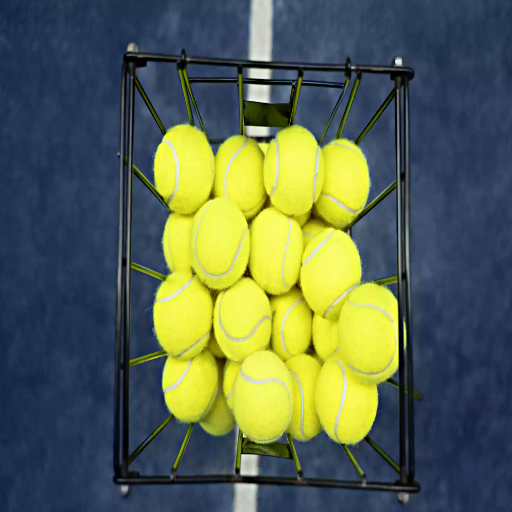
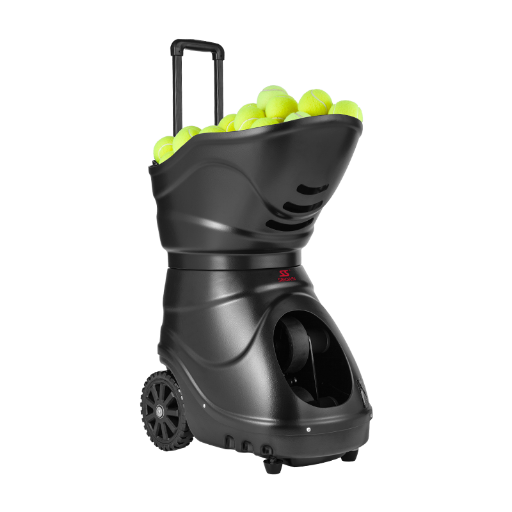
The tennis ball is the most helpful example for reaction speed and coordination. Their bounce is erratic, which assists in maximizing sharpened reflexes and increased coordination. One-handed toss challenges the mind to strategically process visual information and respond with detailed movements, like catching the ball. Tossing the ball enables the person to work with a partner while being challenged to adapt quickly to both angles and the ball’s movement. Regular practice with tennis balls is advantageous for everyone, from athletes to daily life.
Reference Sources
- Simple visual reaction time in badminton players: a comparative study -It covers the advantages of badminton training and the improvement of reaction time.
- Relationship between reaction time and deception type during smash in badminton -Analyzes reaction time in live gameplay situations and possible ramifications for training.
- Influence of Badminton Skills Training on Selected Bio-Motor and Skill Performance Variables -Look into the significance of reaction time in skill development in badminton.
- Effect of psychological skills training on reaction time in competitive badminton -Studies the effects of psychological techniques on reaction time and timing of decisions.
- Improving special ability performance of badminton players through a visual reaction training system -Emphasizes the beneficial impact of training systems with visual movement stimuli on reaction time.
- Top Badminton Training Machine Manufacturer and Supplier in China
Frequently Asked Questions (FAQs)
Q: How can I improve my reaction time for badminton?
A: To improve your reaction time for badminton, you can incorporate various exercises such as agility training, reaction light training, and cognitive exercises. These methods can help you improve your overall performance and respond quickly during a game.
Q: What exercises are best for improving reaction time?
A: The best methods for improving reaction time include footwork drills, sprinting exercises, and reaction drills focusing on quick decision-making. These exercises are designed to enhance your motor skills and can lead to improved response time on the court.
Q: How does agility training help you improve your reaction time?
A: Agility training helps you improve your reaction time by enhancing your nervous system’s efficiency in responding to stimuli. This type of training allows you to develop quicker footwork and better coordination, essential for a fast-paced badminton game.
Q: Can reaction time be improved significantly with training?
A: Yes, reaction time can be improved significantly with consistent training. Many athletes report 10-20% improvements when they incorporate specific exercises to help enhance their reaction time and overall performance.
Q: What role does the nervous system play in reaction time?
A: The nervous system is crucial in determining your reaction time. It refers to the time it takes for your brain to process information and send signals to your muscles. Practical training can enhance the efficiency of your central nervous system, leading to quicker reactions.
Q: Are there cognitive exercises that can help improve reaction time?
A: Cognitive exercises are a great way to improve your brain’s processing speed and decision-making skills. Activities that challenge your focus and reaction speed can be beneficial in developing quicker responses during badminton matches.
Q: How do mindfulness exercises contribute to better reaction time?
A: Mindfulness exercises can help you improve your focus and awareness during a game. By training your mind to stay present, you can enhance your ability to react quickly to unexpected situations on the court, thereby improving your overall reaction time.
Q: What type of training is most effective for elite badminton players?
A: Elite badminton players often combine agility training, reaction light training, and specific drills focused on quick reaction and footwork. This multifaceted approach is essential for maintaining a competitive edge and improving reaction time.
Q: How often should I practice reaction drills to see improvement?
A: To see noticeable improvement in your reaction time, it is recommended to practice reaction drills at least 3-4 times a week. Consistent training will help you develop quicker responses and enhance your performance in badminton.