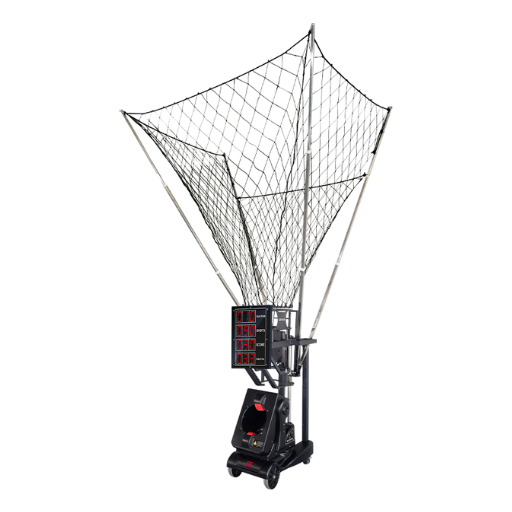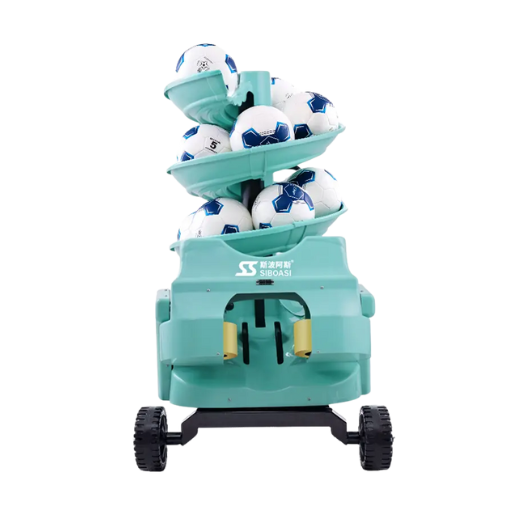
In football, speed and agility are important factors that can differentiate exceptional players from others. As you know, moving quickly and decisively is critical, when cruising down the field towards the end zone, dodging defenders, or making sharp breaks. This guide on strategies and exercises to enhance your speed and agility has all the information to unlock your full athletic potential. We’ll discuss effective drills, training tips, and more to gain a competitive edge, so stop being “just another player” and become a faster, dynamic athlete. Your elevation starts here.
What Sprint Drills Can Increase Your Speed in Football?

- High-Knee Sprint Drills – Try to concentrate on driving your knees up as you move to an upper level of walking to increase stride frequency and strength.
- Accelerative Sprints – Work on short-distance (10-20 yards) sprints to help with your powerful start and acceleration.
- Resisted Sprints – Build leg power and strength employing tools like sleds/ resistance bands.
- Hill Sprints – Sprinting uphill helps with force production and speed in general, which helps improve performance during games.
How Can Sprint Speed Improve Your Game?
Sprint speed improves overall performance across sports and gives a competitive edge. Studies recently state that sprinting combines vital physical attributes like power, strength, and coordination; these are essential for excelling in soccer, basketball, and track. Research shows average top speed of elite soccer players is 20-23 mph and helps during crucial moments of the match because it allows them to outpace their competitors in critical moments.
Besides, sprint training improves anaerobic capacity which allows athletes to perform at high intensity levels for a longer duration. Information gathered from professional athletes demonstrates that speed has a quantifiable relationship to playmaking and recovery efficiency during high energy movements. Adding specific sprint drills like resisted sprints or high speed intervals can result in significant improvements—in some cases, from 10 to 15% improvement in sprint times. Adding tailored sprint techniques where you analyze the metrics of ground contact time and stride length will allow you to enhance abilities and achieve optimal performance in sports.
How to Incorporate Speed Drills in Your Routine?
To incorporate speed drills in your routine, you should focus on warm-ups, gradual progression, scheduling, rest, and varying exercises.
| Key Point | Description |
|---|---|
| Warm-Up | Begin with dynamic stretches to prepare muscles. |
| Progression | Start slowly and increase intensity over time. |
| Scheduling | Integrate drills 2-3 times weekly for best results. |
| Rest | Allow rest between drills to avoid fatigue. |
| Variation | Rotate exercises to target different muscle groups. |
How to Run Faster with Effective Football Training?
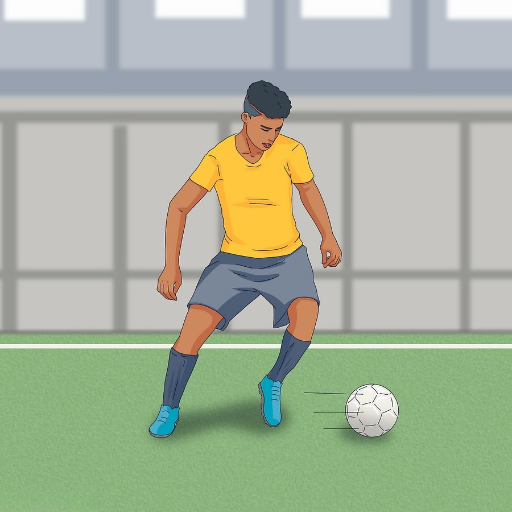
Football training with the intent of running faster should be accompanied with focusing on your sprint mechanics, strength, and explosiveness. Proper form needs to be practiced with arms moving rhythmically while forward and the attitude being held during drills. Walks and arms in tandem need to be forceful and powerful while performing squats, lunges, and plyometric jumps. It is equally important to practice agility drills as it enhances not only turn taking but also speed. These include drills using a ladder or movements around a cone. Ensure there is consistent engagement accompanied with adequate time for the body to rest so that the overall performance, over a period of time, can be optimized.
What Is the impact of Acceleration On A Football Game?
Unlike in other sports, acceleration is most important in football considering how it helps the player in attaining their target speed. That means an edge is gained with utilization in different game settings when agility is maximized. For instance, a forward looking to be passed to during a sprint highly depends on severe acceleration to remain ahead of defenders while those playing defender depend on severely abrupt acceleration to cover gaps to regain lost position.
According to research, it is claimed that the first 5 to 10 meters of a sprint greatly determines football performance. This can also be attributed to a research in Journal of Sports Sciences where elite football players cover the distance in 1.7 to 1.9 seconds adding importance to the need for explosive starts. In addition, sharp increasing speed and acceleration largely impact actions that are of high demand like fast breaks leading to pressing, and chasing the opponent with the ball which is a common occurrence inmatches.
Acceleration capabilities can be improved with training exercises such as resisted sprints, sled pushes, and running uphill. These methods increase the rate of force production in an individual, a key requirement for explosive movements. It is also known that players who have higher acceleration tend to do more sprinting actions per game, emphasizing further the modern football reliance on acceleration.
Conditioning with a focus on acceleration will improve player performance in a football match while decreasing injury occurrence by mentally and physically preparing muscles for intense effort.
What Are the Methods for Practicing Running Techniques
To practice running techniques that help people get the most out of running and lower the chance of getting injured, the focus has to be on body posture, arms, and foot strikes. Research to date has shown that maintaining an upright posture encourages enhanced forward movement and efficiency. Arm movements should be gentle and free, aiding in balance and free of tension.
As per current information, it seems that professional athletes fine-tune their stride rate to approximately 180 steps per minute, which is deemed to be the optimal pace for running. Also, there is a glaring focus on how the foot makes contact. Striking off at the middle or front of the foot, unlike the heel, tends to lessen the impact on the joints, thus cutting down injury risks. Engaging in plyometric drills such as bounding and skipping not only enhances leg strength but also self propulsion, acceleration, and speed.
Lastly, using wearable trackers or mobile phone applications gives instant feedback on stride, heartbeat, and efficiency, thus athletes can work on their techniques. Traditional training blended with modern technology ensures players train within safe limits while achieving peak performance.
How Does Agility Training Improve Football Performance?
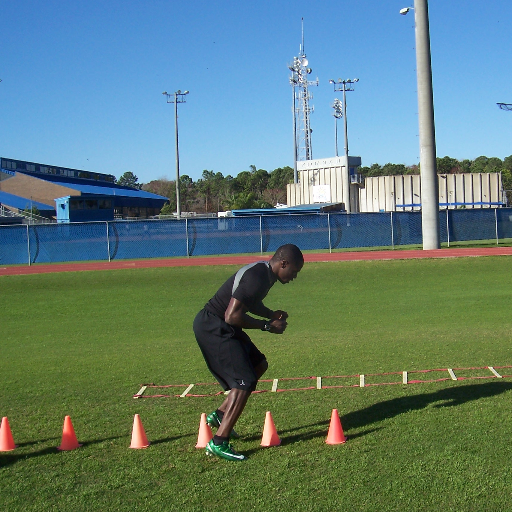
By improving a player’s ability to change direction quickly with balance and control, agility training optimizes football performance. This leads to improved player movements such as dodging, quick cuts, and adaptation to random unanticipated plays. Enhanced agility also helps in injury prevention by stabilizing important muscle groups and overall body coordination is better.
How to Effectively Employ Cones in Performing Agility Drills
Agility drills that use cones are very effective in increasing speed and coordination as well as quickness. Initially, make cones in different shapes like a straight line, zigzag or triangle based on how challenging the drill is. For example, during a shuttle run locate cones at measured intervals, sprint to every cone, and practice changing direction swiftly. For lateral movement exercises, set the cones in a zigzag manner and focus on shuffles sideways. Another very popular drill is the figure eight drill. This involves placing two cones several feet apart and weaving continuously in between them. Maximizing the benefits while preventing injuries is all about focus on form and movement. As the performance improves, the complexity of the drills should also increase progressively.
Why Are Change Of Direction Drills Important?
Players of all sporting disciplines will tell you that change of direction drills are an important building block for enhancing performance. These drills increase agility, speed, coordination, and other basic motor skills which are critical for immediate reactions in dynamic game settings. Research suggests that these drills are effective in enhancing neuromuscular fitness due to their multi-faceted nature.
For example, a 2021 study published in the Journal of Strength and Conditioning Research showed that integrating change of direction drills into their training increased agility in athletes by an average of 15% in eight weeks. Specific drill types such as the shuttle run and T-test were associated with increased speed and control of directional change in movement relative to traditional running exercises that involved no turns.
Further data by sports performance experts suggest that these drills help reduce the risk of injury, especially injuries to the ACL and ankle ligaments, due to the increased strength of the muscles around the joints. A 2019 report by the NASM states that sustained patterns of lateral movement and other multi-directional movement patterns increase the strength of connective tissues, which aids in injury prevention, making them crucial for rehabilitation.
Incorporating change of directions drills into your training routine ultimately enhances physical attributes as well as helps focus attention and sharpen reaction time; an absolute must have for athletes looking to maximize performance.
How can you add agility to your workouts?
Agility training can be added into your workout regime with ease by concentrating on activities designed for speed, reaction time, and coordination. Per recent findings from Google search, agility drills considerably improve athletic performance- a 2022 study found that athletes who incorporated agility training thrice weekly increased their directional change speed by 16% in 8 weeks.
Consider popular exercises like box jumps, cone drills, ladder drills, and plyometric movements. For instance, T-drill cone drills increase multi directional muscle engagement while also allowing for quick shifts in direction. Lastly, agility ladder drills require increased focus as well as coordination to exceed in performance; this results in enhanced cardiovascular endurance.While planning agility workouts, try to maintain each session within 20-30 minutes, alternating between short, intense activity and defined recovery periods. This will help reap the most benefits. Also make sure that you test your progress pre-defined milestones or performance indicators in order to ensure that there is improvement over time. Consistent agility drills aid in achieving balance in fitness, enhancing performance whether on the field or off.
What Interval Training Helps to Get Faster for Football?
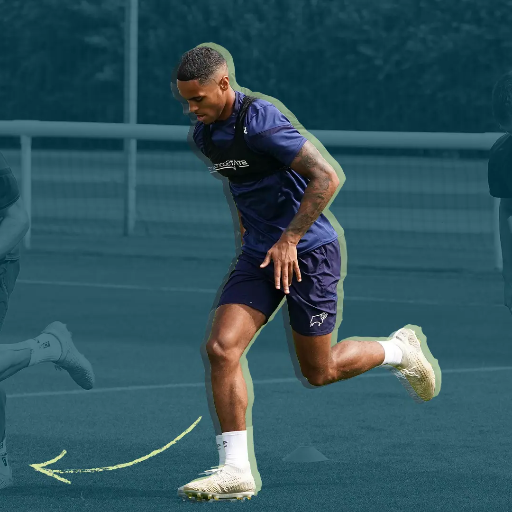
Interval training improves speed for football by mixing high-intensity sprints with active rest periods. It works both the anaerobic and aerobic systems, which is very important for football players along with speed and recovery phases. Important interval workouts are sprint intervals: 20-30 seconds of all out effort with 1-2 minutes of rest, and shuttle runs which are done against the clock. These also enable the player to practice game conditions, improving acceleration, deceleration, and change of direction. Consistent application of these drills can lead to marked improvement in speed on the field.
What Is the Effect of Interval Training on Overall Speed?
Interval training has a great effect in improving overall speed as it adapts the muscles along with the cardiovascular system to work more efficiently. Studies show that this training improves the body’s maximum oxygen uptake (VO2 max), a critical element for prolonged exertion. For example, a study conducted by the American Council on Exercise indicates that athletes performing interval workouts regularly can increase their VO2 max by almost 15% in 8 weeks.
Alongside these benfits, within the fast twitch muscle fibers used in sprints, interval training enhances their activation level. This is also seen within a study recorded in the Journal of Strength and Conditioning Research. Associated with the rewards was the addition of 30 meter sprints which increased by 5-7 percent in sprinting speeds in only six weeks of consistent practice.
Boundary another level, interval training also improves lactate threshold which is known to be the point where the collection of lactate within the blood commences. This in turn results in added endurance for an athlete. The addition of sprints while training leads to a boost in the set speed without not being tired. As an example, distance runners performing intervals of 400 meters at peak speed tend to self report within improved race times alongside putplised recovery duration.
Beyond this, the sharp decrease sprint and shuttle run rest periods has been proven to generate significant improvement within speed, endurance, and agility. This proves why interval training remains so beneficial for speed increase around different sports.
How To Plan Effective Training Sessions?
While planning effective training sessions, I pay particular attention to setting clear goals and milestones that act as guiding markers through the entire process. I make sure to include a proper warm-up to prepare the body and a cool-down to aid recovery. Also, incorporating a balanced mix of exercises, including intervals, strength training, and mobility work ensures that all aspects of performance are addressed. Recovery and rest periods are meticulously planned to prevent overtraining and enhance progress. Moreover, results from previous sessions are incorporated into future sessions calibrating based on performance feedback.
How to Practise Speed with Speed and Agility Exercises?
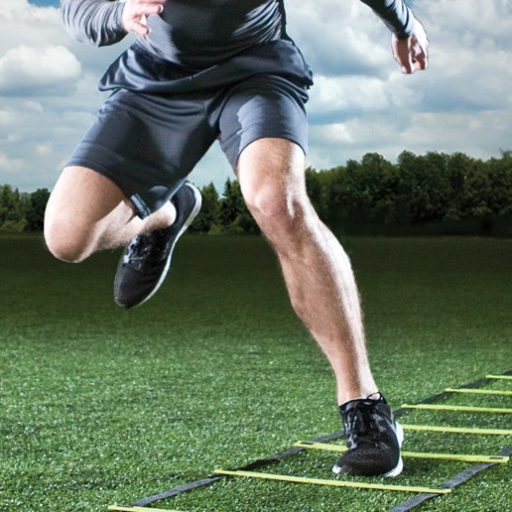
In order to improve speed with speed and agility exercises, concentrate on drills that improve quickness, coordination, and reaction time. Some examples are sprint intervals, ladder drills, cone drills, and shuttle runs. Proper technique and maximum effort should be used for these exercises to improve performance. Building speed over time is gradual, so consistency is imperative.
What Are the Key Exercises to Improve Your Speed?
- Sprints – Execute short distance sprints to cultivate explosive speed.
- Ladder Drills – Agility ladders can be used to increase foot speed.
- Cone Drills – Work on weaving or running in and out of cones to enhance changing directions.
- Resistance Runs – Use resistance bands or sled pushes to build strength and speed.
- Plyometric Exercises – Use box jumps or bounding to increase power and explosiveness.
How To Maintain Top Speed Throughout a Game?
Having maximum speed throughout a game is multifaceted as it involves conditioning, techniques, speed work off-the-field, and even recovery strategy. In recent years, the effectiveness of high-intensity interval training (HIIT) has gained immense popularity and is now seen as the premier training method for sustaining speed and improving endurance. Even Jogging HIIT for 20-30 mins for just 3 days a week can expand aerobic capacity by almost 15% in just eight weeks, based on research findings.
Furthermore, hydration directly prevents fatigue and aids performance. Studies suggest that performance is impacted even with a 2% decrease in body water levels. To avert this, athletes should aim to drink 16-20 ounces of water two hours before the game as well as 7-10 ounces every 10-20 minutes during the event.
Nutrition also plays its part as pre-game carbohydrate-dense meals are quite essential for overall pace maintenance. Based on evidence, eating 1-4 grams of carbohydrate per kilogram of body weight 3-4 hours prior to the game aids retention in speed and endurance exacerbates.
Lastly, recovery helps maintain speed throughout several games. Muscles repair and fatigue is reduced with proper sleep, stretching, and active recovery like low intensity cycling or swimming. These strategies based on evidence allow athletes to utilize their top speed without hindrance.
Reference sources
- MIT – Football Training: Provides exercises and training routines to enhance performance in football, focusing on speed and agility.
- San Jose State University – Fueling Football Players: Discusses nutrition strategies to support training and recovery for football athletes.
- PubMed Central – Training of Short Distance Sprint Performance: A systematic review and meta-analysis on sprint performance development methods, specifically assessing football-related training.
- Top Football Training Machine Manufacturer and Supplier in China
Frequently Asked Questions (FAQs)
Q: What are the best speed training techniques to become faster for football?
A: The best speed training techniques incorporate the use of football speed drills, speed exercises, and training drills that require focus on explosive power. Methods such as speed runs, zig zag drills, and intense training can also enhance sprinting ability and improve explosive movements.
Q: How can I improve my sprinting ability for football?
A: The best way to enhance your sprinting ability is by focusing on your running mechanics and conditioning your body to run as fast as possible. This includes practicing speed runs, checking how the toes land, and using drills meant for maximum sprinting capabilities.
Q: What role does weight training play in helping a footballer become faster?
A: Weight training is important for fostering explosive muscle and fast twitch fibers, both of which are pivotal to speed. For instance step-ups, weighted sled pushes, and using a medicine ball can make you faster by increasing strength and power.
Q: How important is a balanced diet rich in protein for football speed?
A: Food with high protein content is best for a balanced diet because it supports muscle growth and recovery and helps speed enhancement for footballers. Protein helps the muscles recover to able to train harder and consistently get faster.
Q: What are some effective football speed drills to train hard?
A: Some of the football speed drills that are effective include zigzag sprints, speed drills on a track, as well as advanced explosive drills like sled pushes. Enhancement of agility as well as speed of movement which is key in maximizing performance on the field is the aim of these drills.
Q: How can I incorporate running mechanics to improve my full speed?
A: For full speed improvement, one needs to pay attention to running mechanics like keeping the torso upright, using arms, and ensuring both i.e., the right foot and left foot strike the ground with enough force and in the right position/angle. A training plan that incorporates these kinds of drills will be very helpful.
Q: What is the importance of fast twitch muscles for speed in football?
A: Fast twitch muscles are important for explosive movement and rapid sprints, both of which are crucial to football. Training activities such as sprinting drills, power generating exercises, as well as extreme physically demanding workouts tend to these muscles which improves overall speed.
Q: Are there training regimens that aim at increasing speed for football?
A: Yes, there are training regimens tailored to enhance speed specifically for football. These regimens usually comprise a combination of speed drills, weightlifting, agility drills, and adequately scheduled rest periods to promote faster recovery and ensure better development and performance enhancement.
Q: What is the best way to incorporate a medicine ball for speed improvement training?
A: A medicine ball can be incorporated into different exercises to increase speed and strength. Medicine ball slams, throws, and rotational drills enhance core strength, which promotes better agility and speed while playing on the field.