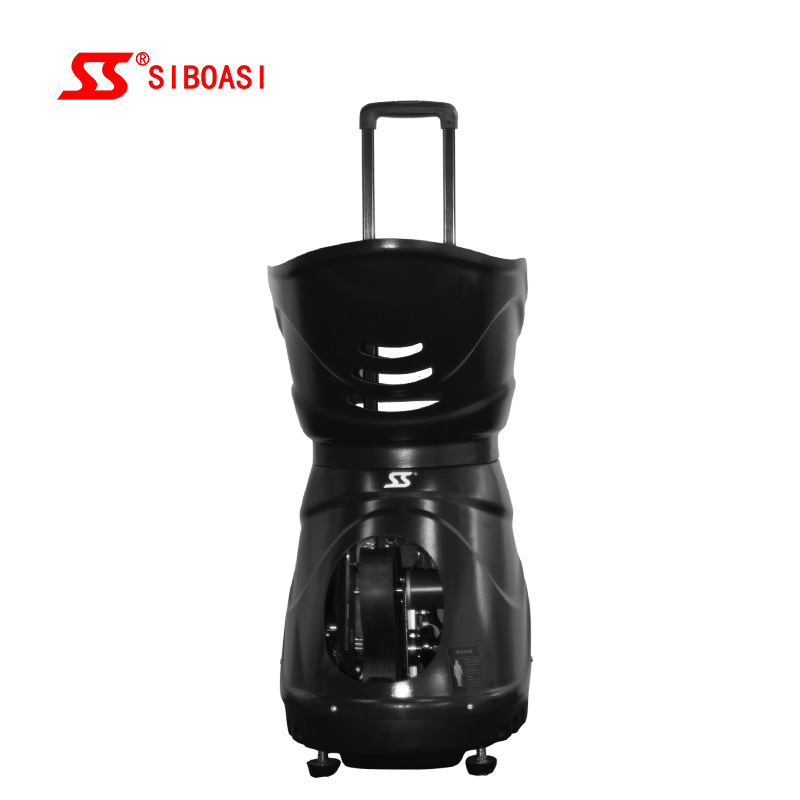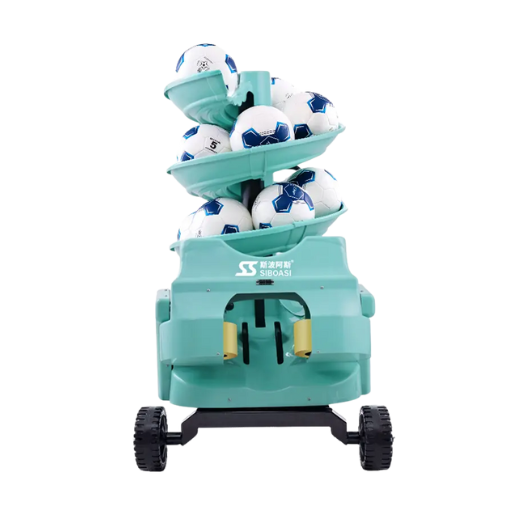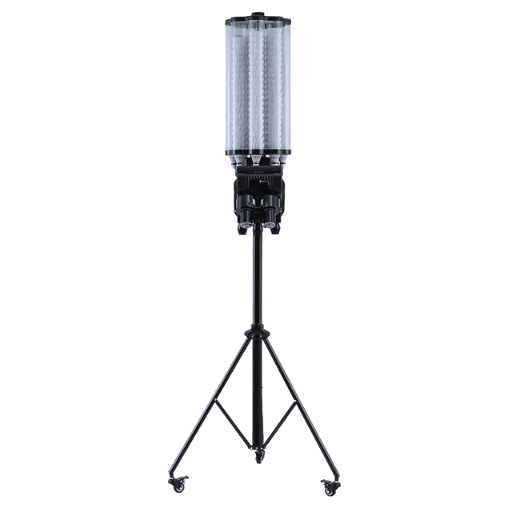
Badminton is a sport that demands agility and requires precision hitting a feathered shuttlecock. In addition, mastery is gained from consistent practice over time. But what if you don’t always have a partner or access to a badminton court? You can still practice, sharpen your skills, and elevate your game from home. This article outlines the unique tools you need that enable players to practice badminton solo to hone their skills effectively. Whether you are a beginner looking to boost your self-value or a seasoned player seeking advanced technical finesse, these techniques will enable you to sharpen and stay in shape. These tools guarantee to maximize every minute spent during badminton practice. So, tag along and re-imagine badminton practice.
What Are Effective Badminton Training Techniques at Home?
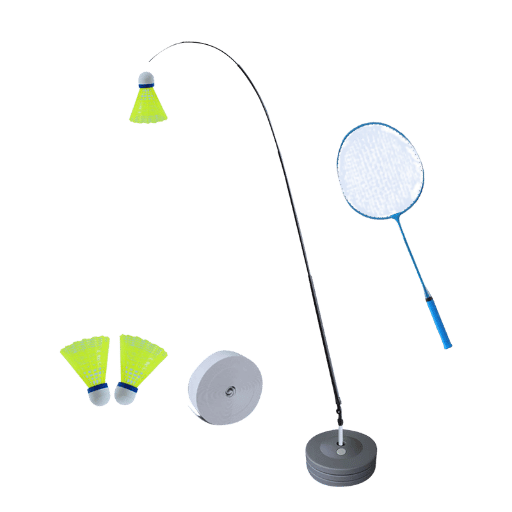
- Footwork Drills: Work on shadow footwork by practicing court movements without a shuttlecock. Emphasize stance, rapid breaks in movement, balance to enhance agility, and positioning.
- Wall Practice: Improve racket skills by repetitively hitting the shuttlecock against a wall. This improves consistency, reflexes, and control over shots.
- Strength and Conditioning: Add physical activities such as lunges, squats, or core exercises to build the strength and endurance needed for badminton.
- Coordination Exercises: Juggling with a shuttlecock or hand-eye coordination drills improve accuracy and reaction speed.
- Stroke Technique Practice: Refine fundamental smashes, drops, and clears in solo practice, or, when available, with a partner for feedback.
How to Start Solo Practice for Badminton?
- Set Up a Practice Area: Locate an area that is safe and clear of obstacles, with a level surface that allows uninterrupted movement. Whenever possible, outline a court to simulate actual game conditions.
- Work on Shadow Drills: Focus on your footwork and movement sequencing without utilizing a shuttlecock. Pretend to play an imaginary game and move around the court to various positions while maintaining body alignment and equilibrium.
- Refine Your Strokes: With a practice net or a wall, focus on your accuracy and consistency of individual strokes. Work on your drives, net shots, and smashes.
- Improve Your Serve: Build focus and self-assurance with your serve by repeatedly practicing each step of the serving process. Work towards a specific target area at a given height and altitude.
- Build Physical Fitness: To enhance agility and speed, incorporate exercises such as skipping to increase stamina and improve rapid changes of direction on the court.
Solo practice will most effectively hone your skills if done with discipline; however, consistent effort is required to perform actual gameplay.
Improving Footwork with Training Tools
Enhanced performance necessitates better court coverage and improved footwork. Speed, coordination, and balance can be effectively developed using agility ladders, cones, and resistance bands. Agility ladders can facilitate precise, quick movements, while cones are excellent for reflex-improved directional drills. Strengthening leg muscles and resistance bands aids in controlled and powerful foot movements. When trained consistently, these tools improve responsiveness and stability during intense gameplay.
Building Endurance without a Badminton Trainer
To build endurance effectively, incorporate general physical preparation and specific cardiovascular exercises. Add running, cycling, or swimming to your schedule for general physical preparation to enhance stamina and cardiovascular fitness. Hyper-interlude is extremely useful for badminton as it simulates the game’s fast pace. Also, do shadow badminton to practice match-specific footwork and stamina. Focus on the pacing during the drills. With consistent practice, improvement is possible by increasing exercise intensity and length, interspersed with proper rest for recuperation.
How to Use Training Equipment for Home Practice?
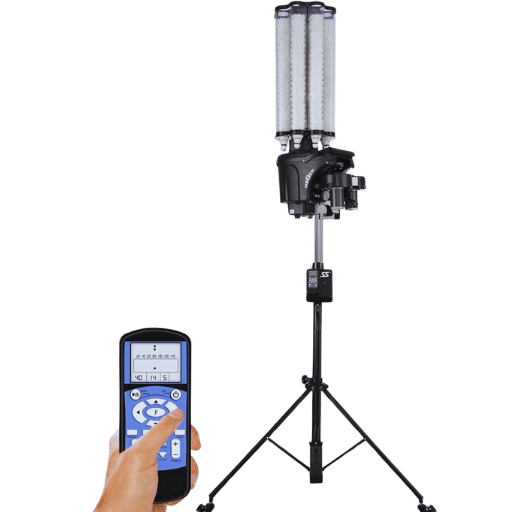
Types of Badminton Training Equipment
- Shuttlecocks: Needed for basic strokes, shots, and for practicing rallies. For professional training sessions, use feather petrified penguin shuttlecocks. For extended brutal practice sessions, use plastic ones.
- Rackets: For badminton solo practice sessions, use a lightweight, balanced racket appropriate for your skill level to improve control and power.
- Training Nets: Badminton training nets are portable, thus ideal for setting up practice spaces at home or outdoors.
- Footwork Training Devices: Speed training cones aid in improving coordination with foot speed.
- Resistance Bands: These are helpful for shoulder strokes, which aid with shooting flexibility and the range of motion required for shoulder strength.
- Rebound Nets: Rebound nets are designed to work out by hitting a shuttlecock to enhance and practice shot accuracy.
Setting Up an Indoor Badminton Court
An indoor badminton court must have dimensions measuring 44 feet in length and 20 feet in width for doubles, with a minimum ceiling height of 20 feet. The shuttlecock trajectory has to be clear and unobstructed in all parts of the room. Mark the boundaries of the court with durable and non-slip tape. The court also requires a net, which should be set at the standard height with 5 feet 1 inch at the ends and 5 feet in the middle. The floor should be made out of wood or any synthetic material that gives proper grip, reduces impact on the joints, and provides traction. Lighting should cover the entire area with the same intensity to eliminate shadows on the court and be adequately ventilated to ensure comfort for the players.
Benefits of an Automatic Rebound Badminton System
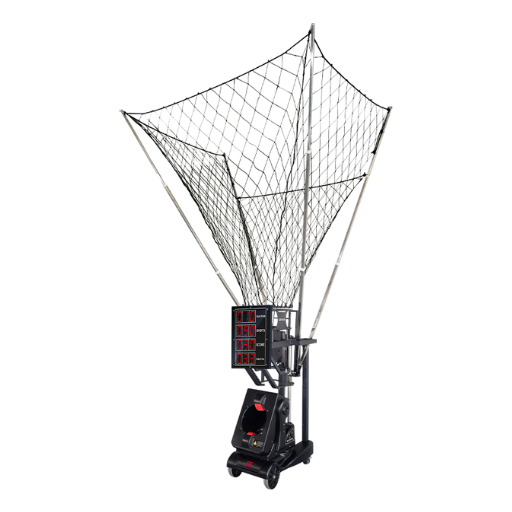
- Enhanced Training Efficiency: Skill development is augmented as an automated rebound system enables solo training sessions, allowing uninterrupted, continuous practice.
- Consistent Shot Delivery: Constant shot returns ensure that footwork, precision, and timing are honed within a controlled setting.
- Versatility in Practice Scenarios: It can adjust shot angle, speed, and trajectory to simulate different game scenarios for players of all levels, from novice to highly skilled.
- Reduced Physical Strain: Reduced manual retrieval of shuttles allows for greater concentration, resulting in more focused practice.
- Time-Saving Convenience: Eliminating shuttle collection due to automation enhances productivity and efficiency in training sessions.
Can Shuttlecock Techniques Be Improved Alone?
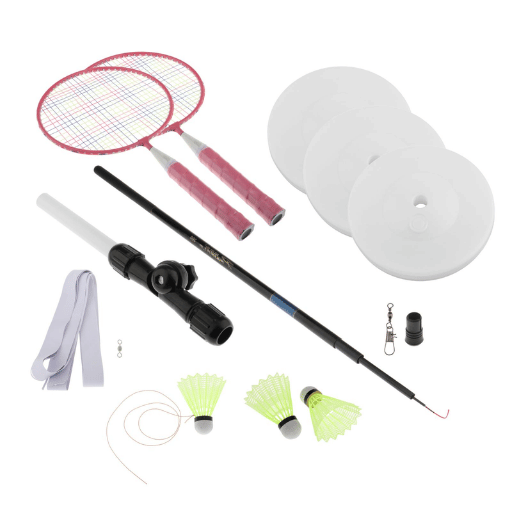
Practicing with a Badminton Training Device
Indeed, shuttlecock skills can be refined individually with the help of badminton training devices. These gadgets aim to automate game situations, which allows players to work on their accuracy, timing, and consistency even if no partner is available. Due to their automated or programmable functions that ensure consistent delivery of shuttles, targeted repetition of critical motor skills, like powerful strokes, drop shots, or clears, is possible. With the aid of such apparatuses for self-training in badminton, players skillfully and systematically sharpen their skills and performance, achieving measurable improvements over periods.
Using a Solo Practice Badminton Training Device
A solo practice badminton training device enhances skill development by providing the individual with repetitive and structured training. It helps players improve their technique precision, including their shots, footwork, and reflexes. Such devices also allow rigid practice session adherence, making them suitable for solo training without a practice partner. Through focused drills, badminton practice equipment enables strategic sharpening of skills to aid improvement in performance.
Maintaining Shuttlecock Accuracy and Control
To ensure both control and accuracy with the shuttlecock cover, you need to pay attention to the grip, stance, and swinging manner. Proper stance translates to a relaxed grip, allowing controlled movement that is balanced and stable. Consistent wrist movement and follow-through aid directional accuracy and mastering trajectory. Equally, frequent and systematic practice using good-quality badminton gear and rackets with proper string tension enhances precision and control. Focus first on exercises that foster consistency using accuracy targeting zones within the court.
What Are the Best Solo Badminton Drills?
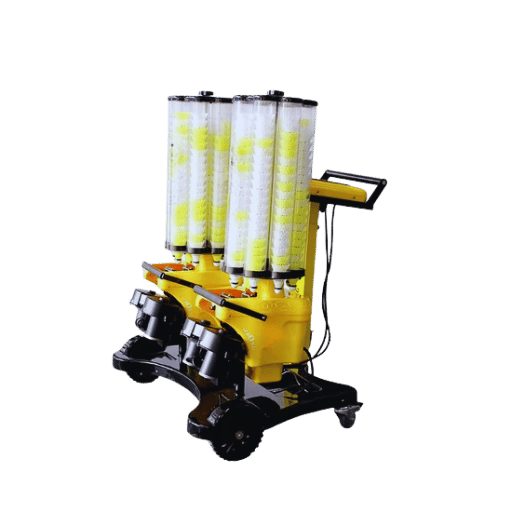
Developing Consistency in Badminton Practice
To develop consistency in badminton practice, focus on efficiency and directed refinement drills to hone fundamental skills. Crucial drills are wall rallies with shuttlecocks and badminton practice equipment, strengthening control, and shadow footwork to improve precise movement. Practice repetition of net shots and drives to develop lean muscle memory for precise stroke control. Dedicate time to these set drills, enforcing correct form to avoid and counteract bad habits. Consistency cultivates discipline while demanding a laser focus on the value of each session, irrespective of time spent.
Advanced Racket Handling for Self-Training
Racket agility is one of the most important aspects of gameplay refinement and ought to be developed during practice. Enhanced performance derives from precise practice of grip modification, wrist articulation, and flexibility. Different grips called for during the forehand, backhand, and net shots dictate the control and power of individual strikes, making proper grip application critical, as emphasized by research. Focusing on flexibility training aimed at increasing wrist range of motion can aid combat training geared towards wrist rotation, which is pivotal for spin and deceptive shots.
Action with multidirectional stroke practice paired with footwork drills has been shown to improve reaction times by up to 20%, resulting in greater accuracy of shots during fast-paced rallies. Identifying and targeting strengths with the help of tracking data or racket sport-specific tools and apps geared towards measuring and optimizing performance can identify weaknesses, enabling targeted improvement. Automatic feedback sessions, such as self-analysis, video feedback, or coach reviews, aid in mastery of advanced maneuvers critical during competitive play. Such autonomous practice guarantees control, seamless integration, and customization during competition.
Incorporating Physical Fitness into Solo Practice
An essential part of incorporating physical fitness into solo practice is to focus on badminton-specific strength, endurance, and flexibility exercises. Core stability training, agility training, and aerobics augment performance while mitigating injury risk. Basic routines that include bodyweight squats, lunges, planks, and jump rope sessions can be effortlessly incorporated into practice timetables. Regular stretching and mobility drills help sustain agility, avoid muscle tightness, and maintain long-term fitness, which supports optimal gameplay.
Do Badminton Trainer Tools Enhance Self-Training?
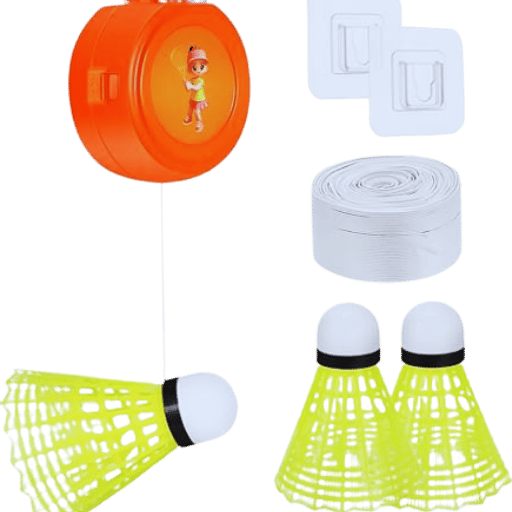
Choosing the Right Training Tool for Personal Use
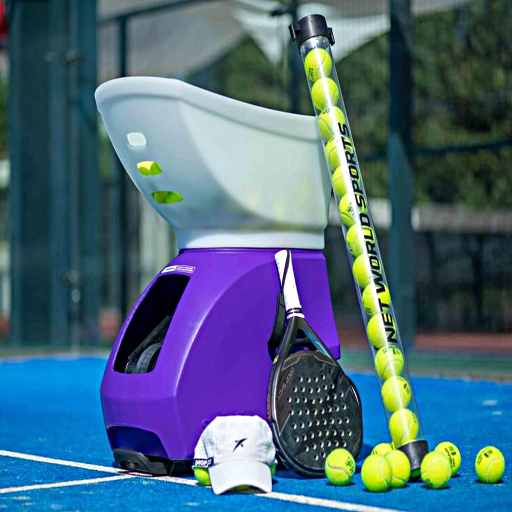
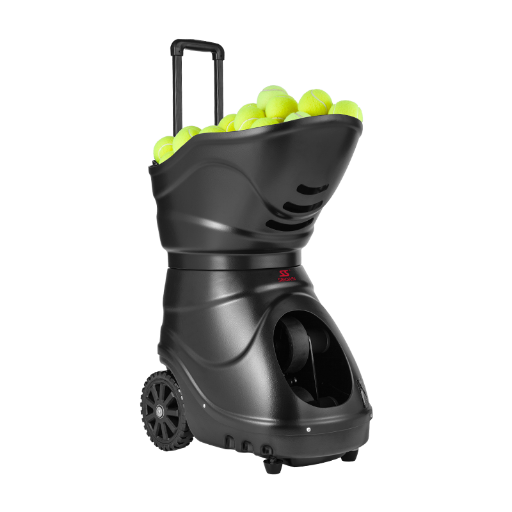
Choosing a badminton training tool is paramount to the players’ performance and fitness goals. Advancements in badminton equipment have led to the emergence of self-improvement tools for players. For example, shuttlecock launching machines enable precise and adjustable feeding, which allows players to practice specific strokes or footwork repetitively. Moreover, these machines can alternate speed, elevation, and tilt, making them suitable for novice and advanced players.
Another valuable tool involves badminton training rackets, which aid in increasing shot accuracy due to their added weight compared to standard rackets. Special agility ladders are also known to drastically improve footwork coordination and reaction times, essential for competitive gameplay. Other tools like wearable fitness trackers and smart sensors embedded in rackets or shoes offer real-time analytics on swing speed, impact force, and movement patterns, enabling efficient progress monitoring.
The use of specific training aids has been shown to improve reaction speed and endurance considerably. To avoid injuries, it is also important that the chosen tools reflect the user’s skill level.
How to Use a Self-Training Tool with Badminton Aid
- Set Up the Tool: Place the training aid in an area allowing free movement. Double-check that it is fully and correctly assembled according to the manufacturer’s instructions.
- Warm-Up Properly: Ease into light activity to enhance muscular and joint readiness for work, thus minimizing the chances of sustaining an injury.
- Focus on Target Skills: Practice using the appropriate aid to refine your footwork, shuttle placement, and reflexes, among other relevant skills—change aid settings according to the training objectives and the trainees’ proficiency level.
- Monitor Progress: Use feedback features to measure speed, precision, or other metrics to assess progress over time. Track performance with the relevant tool features.
- Cool Down and Review: After training, engage in a structured cool down and reminisce about the important takeaways from the session. Such recaps sharpen skill retention, and priming for subsequent sessions promotes efficient practice.
Maximizing Benefits from a Badminton Trainer Set
To best utilize a badminton trainer set, practice deliberately and consistently. Start by self-assessing specific skill goals, for example, improving footwork, racket control, or shot accuracy. Assess your technique with weight metrics or by recording sessions and reviewing the footage. Use the trainer set to put yourself in game situations where you can practice various strokes and movements. In addition, do drills aimed at building agility, strength, and precision over more extended periods. Lastly, properly maintain the trainer set to ensure it functions reliably throughout your training.
Frequently Asked Questions (FAQs)
Q: What are some practical self-practice training tools for badminton?
A: Tools such as a self-training device with badminton aid equipment, self-indoor badminton trainers, and self-training tools can enhance a player’s skills without partner practice.
Q: How will a badminton shuttlecock help a player practice solo and optimally improve skills?
A: In practice sessions, virtual match scenarios can be replicated using badminton rebound training devices. This helps master the player’s command over the shuttlecock during the practice stroke sessions.
Q: How do you define rebound training in badminton?
A: This method is also known as rebound training or home-based badminton practice. It uses a device that hits the shuttle back to the player after it has been struck. This method enables a badminton player to improve reflexes and eye-to-hand coordination gradually.
Q: What are the reasons for self-training in badminton?
A: This has to do with self-training, which focuses attention on areas with weak performance, like focus, movement accuracy, and strength issues. The absence of a coach pushing the player during performance makes for better concentration. Self-training with solo practice badminton aids and optimizes those sessions.
Q: Is it possible to train for badminton at home without a partner?
A: Practicing badminton at home is possible with various options, like an indoor badminton trainer or a self-training device. Training tools facilitate solo practice with different drills and exercises.
Q: What are some advantages associated with the self-training badminton trainer tools?
A: With a self-training tool, a badminton practitioner can have consistent practice sessions, refine their techniques, and evaluate their performance over time. Self-guided badminton trainer sessions tailored to personal benchmarks are made possible through these tools.
Q: In what ways do indoor badminton trainer tools aid in solo practice?
A: Indoor badminton trainer tools equip players with predefined practice plans and automated evaluations. This enables advancement in agility, speed, and shot precision solo.
Q: What are some available practice equipment for badminton at home?
A: Practice equipment includes badminton aids, solo practice kits, and rebound nets. These instruments can simulate competitive environments and enhance specific performance elements, such as shuttlecock control.
Q: In what ways does the acclaimed training tool improve solo practice with badminton aid equipment?
A: Specifically, the best training tool equipped with badminton aid equipment is beneficial for focused skill practice, offers varied drills and activities, provides immediate feedback for error correction, and thus supports optimal solo practice.
Reference Sources
1. “Optimized Shuttlecock Propulsion Machine to Facilitate Badminton Training” (Aslam et al., 2019, pp. 1–6): This document describes constructing a badminton shuttlecock servo system to practice badminton individually. The machine launches the shuttle cocks using high-speed DC motors coupled with a flywheel mechanism which provides better speed andlower manufacturing costs than other shuttlecock launchers. The comprehensive CAD model incorporates a shuttlecock holder with a feeder and a tripod stand, enabling movement along several axes. The model could be miniaturized for home use, based on these principles.
2. “Design and Development of a Badminton Shuttlecock Feeding Machine to Reproduce Actual Badminton Shots” (Alwis et al., 2020, pp. 73–77): This article discusses the work on a machine that reproduces real badminton shots. To achieve optimal ejection parameters, the authors modeled the trajectories of shuttlecocks for four fundamental badminton strokes. A test device was constructed to determine the most efficient ejection mechanism, and the necessary torque for the dispenser and roller sections was computed. A prototype was built and validated against simulation outcomes, and subsequent experiments evaluated damage to the shuttlecocks. As previously mentioned, this is still a more sophisticated machine, but the concepts could help create a personal device.
3. Enhancing Agility and Athletic Capability in Badminton – PubMed Central
- Studies on methods of an athlete’s skill training concerning agility and athletic capabilities in badminton.
4. Badminton