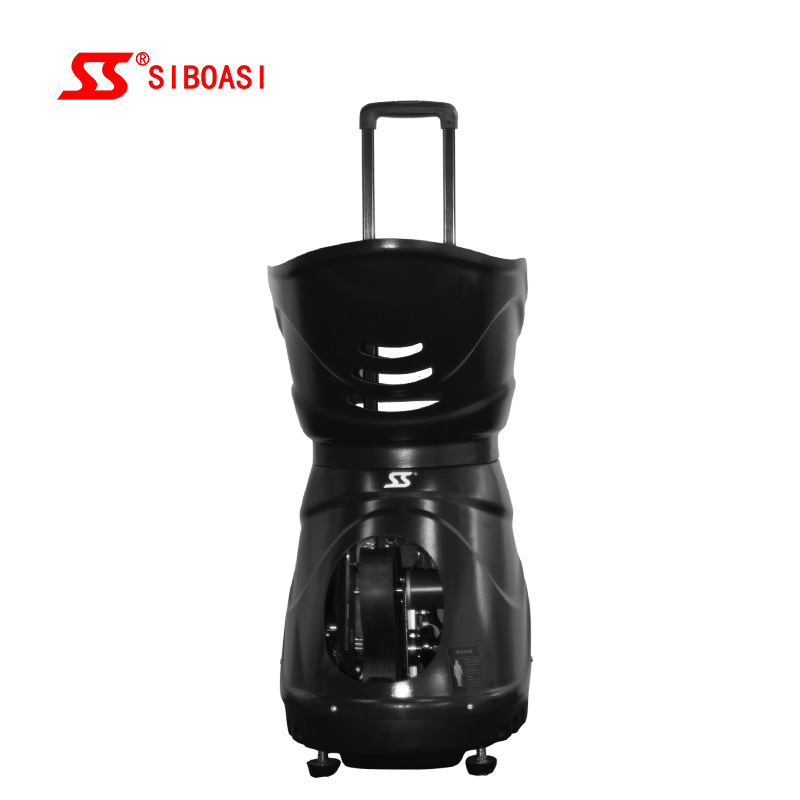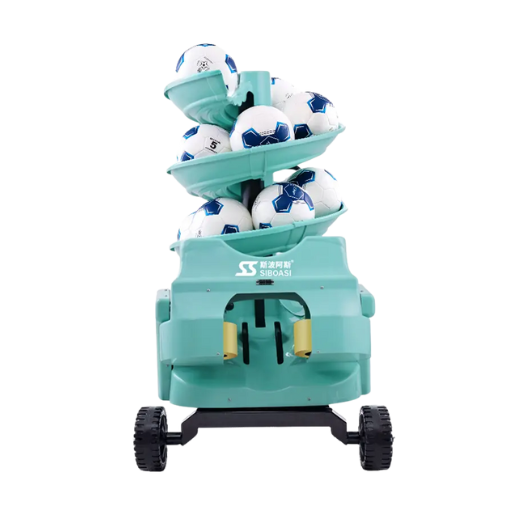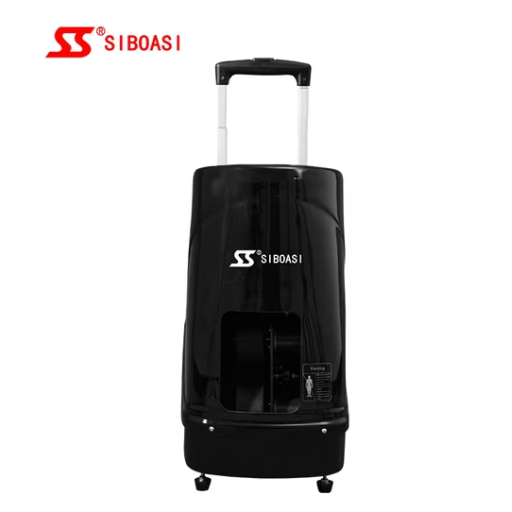
The search for an ideal squash ball machine creates a challenging process which becomes worse because of all available machines. Beginners who want to develop essential skills and advanced players who want to improve their performance should purchase a squash ball machine to enhance their training. You need to determine which machine matches your requirements. The guide provides essential information which enables you to make a purchasing decision with complete confidence. We will guide you through the process of selecting the perfect machine which meets your requirements from budget to objectives. Prepare yourself to transform your training sessions which will help you improve your skills to exceptional levels.
Understanding Squash Ball Machines
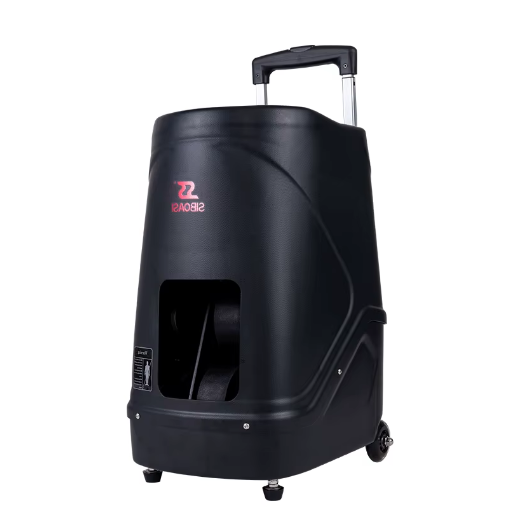
What is a Squash Ball Machine?
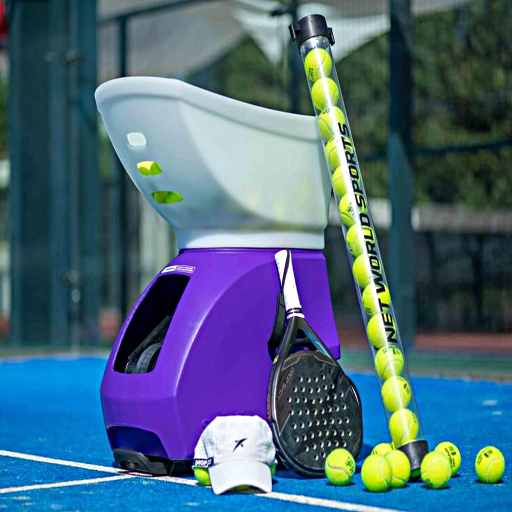
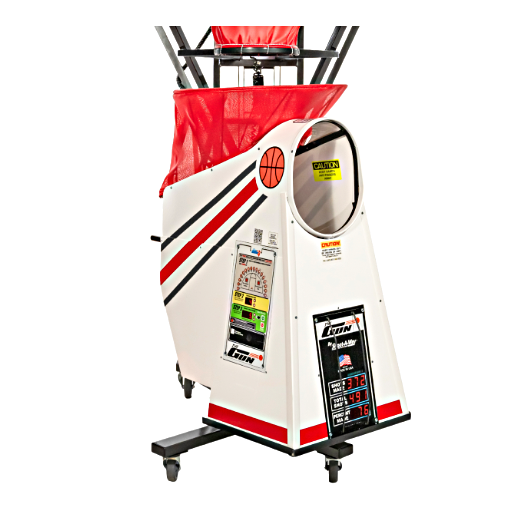
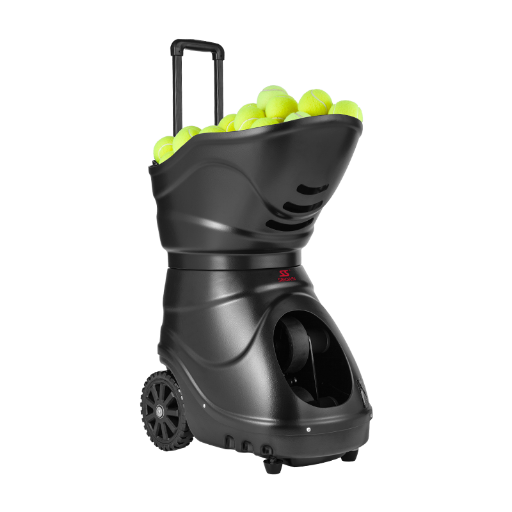
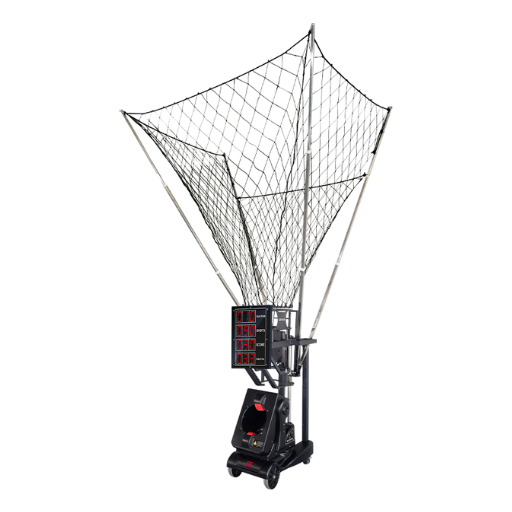
The squash ball machine functions as an automatic device which sends out squash balls at different speed and frequency and angle combinations. The system allows players to train specific skills through footwork and reaction time and shot accuracy and shooting stability exercises without needing a training partner. The machine enables players to practice their techniques through repetitive training which creates authentic game environments for their development process.
Users of these machines possess the ability to create their own training programs through customizable options which they can access. The system enables users to control ball speed and movement patterns and ball rotation to replicate various shot techniques which include lobs and drives and volleys. The equipment provides training solutions which accommodate both beginner and advanced player requirements who need to develop their game through focused training.
The squash ball machine enables players to use their practice sessions more effectively while they work on their specific weaknesses. The system provides essential support for people who train by themselves or who need to organize their training around their work obligations. The squash ball machine functions as a dependable performance enhancement tool which helps players reach their desired improvements through game activities.
Benefits of Using a Squash Ball Trainer
- ✓
Improved Consistency and Precision: The squash ball trainer enables players to practice their strokes while developing playing skills through dedicated training sessions. The machine can deliver balls at specific speeds, angles, and locations repeatedly, enabling athletes to work on precision and accuracy. Sports training studies demonstrate that repetition builds muscle memory, leading to better performance results over time. - ✓
Adaptability for Different Skill Levels: Modern squash ball trainers provide advanced customization options, enabling users to select from three different skill levels: beginner, intermediate, and professional. This feature allows athletes to adjust ball speed, trajectory, and spin control to match their current abilities. For example, some machines operate between 10 mph and 60 mph to support various training requirements. - ✓
Efficient Solo Training: The system enables players to conduct independent training sessions without requiring a partner. This option works well for players with busy schedules. Studies show that individuals training alone with dedicated equipment can spend up to 40% more focused time on improving specific techniques.
Calories burned per hour during continuous squash training sessions.
Enhanced Fitness and Reflexes: Squash requires both endurance and quick reflex responses. The ball trainer enables athletes to conduct practice drills at game speed, helping them develop footwork, agility, and reaction times. According to fitness tracking platforms, these sessions serve as an excellent cardiovascular workout.
Game Simulation and Tactical Refinement: Advanced squash ball trainers create authentic match conditions through random ball distribution systems, while also allowing users to set custom delivery patterns. This process helps players build tactical performance skills and decision-making abilities. Many top-tier machines mimic match-intensity situations to help develop mental training.
Data-Driven Performance Tracking: Current advanced models offer mobile application connections and analytical capabilities. Players can evaluate progress over weeks or months by examining data on ball delivery, performance precision, and stroke efficiency. Smart systems enable users to track response times and shot return accuracy against difficult shots.
Squash ball trainers function as crucial training equipment, using modern technology to deliver essential tools that help players achieve their development goals.
Key Features to Look for in a Squash Ball Machine
💡
Pro Tip
Assess features like ball delivery speed and battery life against your specific skill level to ensure the best value for your investment.
The selection of an ideal squash ball machine requires the assessment of particular features that provide benefits to performance, equipment durability, and user experience. The following section presents these key features:
| Feature | Specifications/Benefits |
|---|---|
| Speed & Frequency | 20 to 150 MPH; delivery every 1–10 seconds. |
| Drill Customization | Random shot features and pre-set tactical drills. |
| Spin Control | Topspin, backspin, and no-spin options. |
| Portability | Models under 40 lbs with built-in wheels. |
| Ball Capacity | Ideal range of 50 to 120 balls for continuous use. |
| Battery Life | 3 to 6 hours of runtime on a full charge. |
Flexibility in Shot Trajectories: Top models enable users to select between multiple trajectories, including lobs, drives, and slices. This allows players to practice shots that require different types of bounces.
Remote Control and App Integration: The latest innovations include app-controlled systems, letting players modify settings through smartphones. This enables changes during training without approaching the machine.
Price and Value: Prices range from $700 to $5000. Entry-level models meet the needs of beginners, while advanced players require premium machines for detailed customization. Players who evaluate these features will discover which machine meets their training requirements and financial limits.
Evaluating Machine Performance
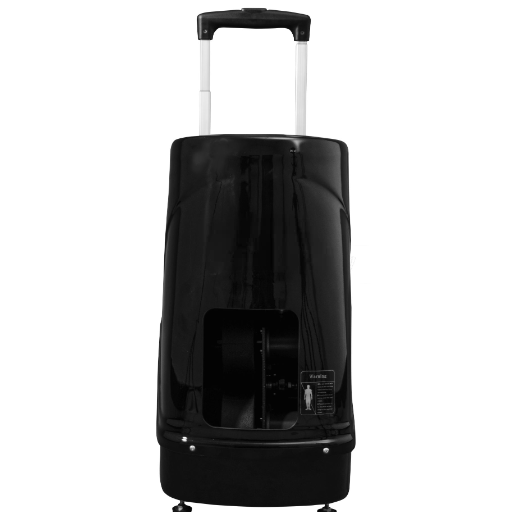
Trajectory Options and Settings
The assessment process for squash ball machines requires reviewing trajectory options and machine settings. These features determine the shooting abilities that permit players to try different game situations. Machines with adjustable trajectory settings allow players to design ball paths through speed adjustments and placement choices, creating authentic game conditions.
Basic machines for beginners provide two specific trajectories with predictable outcomes. This approach serves students learning basic skills and movement management. Advanced players need machines that produce unpredictable shot patterns to test reflexes and strategic decision-making in competitive situations.
The machine’s training capabilities depend on trajectory options, enabling modification of exercises according to expertise. These machines support development in baseline shots, volleys, and drop shots. The training process demands that players choose machines offering various options to adjust trajectory settings.
Speed and Frequency of Ball Delivery
Squash ball machines require evaluation based on their delivery speed and rates. Training intensity and difficulty depend on these settings. Adjustable speed is necessary to create scenarios ranging from beginner training with slow controlled balls to advanced training with fast deliveries that develop reactive abilities.
Training sessions can be customized through frequency settings, determining the ball delivery rate per minute. Lower frequencies allow athletes to practice form and accuracy, while higher frequencies create match conditions that build endurance and decision-making. Athletes can design training according to specific skill level requirements.
A reliable machine should offer a wide range of options to accommodate various needs. These settings are important for personal sessions and professional coaching. A machine operating at optimal calibration delivers progress while maintaining an easy learning experience.
Durability and Build Quality
Assess durability and build quality when selecting equipment. The design must support continuous operation over extended periods. Machines built with reinforced metals and high-strength composites maintain functionality throughout multiple operating cycles. Strong construction ensures training proceeds without performance interruptions.
Squash ball machines must operate correctly under high humidity and withstand minor physical impacts. Facilities need protective measures to safeguard assets from unintentional harm in frequent-usage environments. These elements directly impact operational duration and reduce ownership expenses.
Durability also depends on maintenance. Upkeep is easier when manufacturers design machines with accessible components. The combination of regular maintenance and high-quality construction leads to reliability and operational efficiency. Construction standards enhance the value of your investment throughout its useful life.
Price Ranges and Budget Considerations
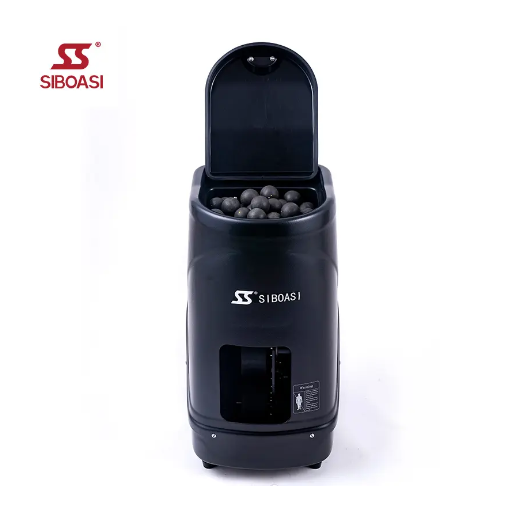
Entry-Level vs. Professional Models
Selecting between entry-level and professional machines requires assessing playing ability, usage frequency, and training requirements. Entry-level machines are designed for beginners or casual players. They offer basic functions, adjustable speed, and feed settings, weighing and costing less for easier use.
Professional equipment meets the demands of experienced athletes. These machines provide multiple operational choices, supporting customizable spin settings, complex shot patterns, and larger ball capacities. Constructed from durable materials, they maintain performance standards throughout heavy usage due to advanced technology.
Your personal aims and funds determine the best option. An entry-level model provides suitable functionality for basic skills. Professional models offer advanced customization for permanent, dependable performance. Your playing style and improvement objectives should guide you toward an educated choice.
Cost vs. Features Analysis
Evaluating a machine requires testing pricing against available features to confirm training requirements match the investment. Costs vary significantly. Basic models cost less, providing essential functions through adjustable speed and intervals. Advanced models charge higher prices for multiple modes and professional-grade capacities.
Evaluate product specifications to help accomplish personal goals. Entry-level models suffice for recreational players. Professional athletes requiring intense training must purchase high-end models with advanced functions. These features enable the development of specific abilities during demanding exercises, improving overall performance.
The decision requires a middle ground between budget and necessary functions. Evaluate usage frequency to determine if professional features justify increased costs. Pre-evaluating skill levels will help you select a solution that satisfies both financial constraints and performance goals.
Long-term Investment and Value
A squash ball machine is an expense that brings long-term benefits to all players. It delivers constant practice opportunities at a pace that suits the user. Progress becomes visible after multiple sessions, creating permanent changes in ability for those dedicated to improvement.
Evaluating long-term worth requires analyzing durability, simplicity of upkeep, and capacity to accommodate skill growth. User-friendly controls for speed, spin, and trajectory maintain value as your abilities grow. Lasting construction and low maintenance needs result in increased financial advantages for the system.
Usage frequency and dedication determine long-lasting advantages. The machine becomes essential for skill enhancement and physical conditioning during regular training. Identifying objectives and financial resources while assessing training requirements makes the machine a valuable asset.
Maintenance and Care for Your Squash Ball Machine
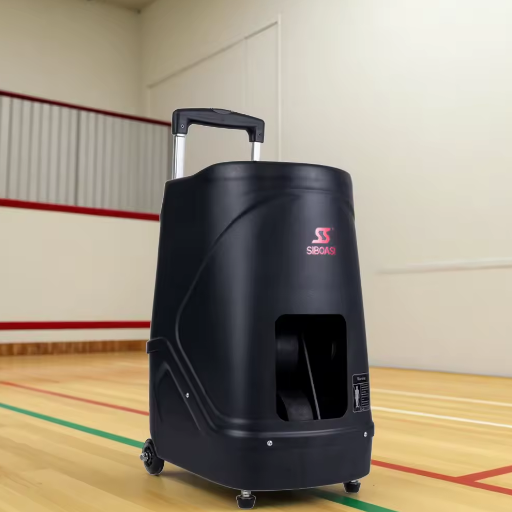
⚠️ Maintenance Notice
Regular maintenance can prevent up to 30% of early mechanical breakdowns and maintain 100% operational efficiency.
Routine Maintenance Practices
- 1
Regular Cleaning
After every use, clean the exterior with a soft dry cloth and use compressed air for internal parts. Dust accumulation can decrease efficiency by 20%. - 2
Lubrication
Apply light industrial lubricant to gears and rollers every 2 to 3 months to prevent early breakdowns and extend operational lifespan. - 3
Battery Care
Charge to full capacity before storage. Running a battery until empty can result in a 50% capacity loss. Replace batteries every 2 to 4 years.
Inspection of Electrical Components: Perform regular checks on connections and cables for deterioration. Damaged cables increase the risk of faults by 40% according to safety information.
Calibration and Testing: Verify launch speed, angle, and frequency settings for correct calibration. Periodic testing detects errors that lead to session interruptions.
Proper Storage: Keep the machine in a cool, dry area. Exposure to humidity and extreme temperatures can cause rusting and decrease functional lifespan by 15-20%.
Common Issues and Troubleshooting
Machine not starting: Check the power source and cord for damage. Verify safety switches and locks are engaged. Seek expert help if these steps fail, as there may be hidden electrical supply problems.
Reduced performance: This could result from a dirty filter, worn components, or improper usage. Consult the manual for filter replacement and cleaning. Check moving parts for wear. If problems persist, professional servicing is required.
Unusual noises: This typically indicates loose or damaged parts. Stop use immediately and inspect for loose screws. If noises involve bearings or motors, seek professional help. Continued operation will lead to expensive repairs.
Choosing the Right Machine for Different Skill Levels
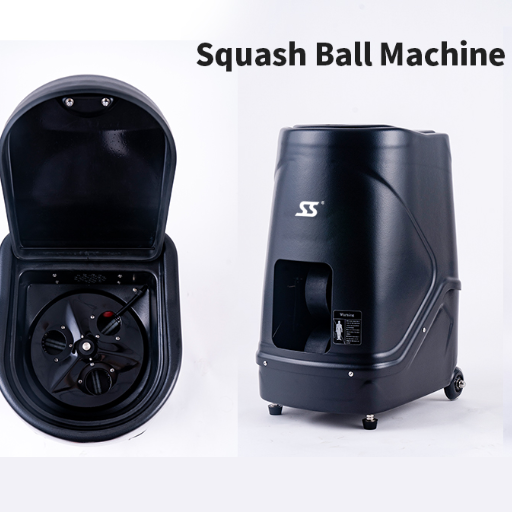
Best Squash Ball Machines for Beginners
Beginners should select machines that function well through simple controls. A beginner-friendly machine offers easy adjustment of speed, angle, and frequency to suit the learning pace. Basic setup and low upkeep help players concentrate on skill development rather than technical complexities.
The machine should deliver balls through a fixed system that can be modified into different patterns. Consistency is key, as training needs change with technical development. The machine provides value while users practice and their skills grow.
Effective beginner machines offer portability and long-lasting construction. Lightweight designs with carrying handles enable easy transport between courts. Durable construction ensures the equipment endures multiple usages, providing a valuable starting point for training.
Advanced Options for Experienced Squash Players
Experienced players seek advanced features for better performance and athletic development. Essential elements include exact measurements and personalized solutions. Machines that allow custom parameters for speed, trajectory, and frequency recreate gameplay environments, improving response times through realistic training.
Advanced systems enable users to define operational rules and create dedicated training schedules. This functionality allows players to maintain schedules while practicing volleys or foot movement. Programmable machines offer drills that become more difficult over time, enhancing specific abilities.
High-intensity training requires durability and power capacity. Advanced machines feature stronger build quality and powerful motors for sustained sessions. These options provide dependable performance, allowing athletes to concentrate fully on skill development activities.
Customizing Settings for Specific Training Goals
Practitioners adjust settings to build training programs meeting specific needs. Athletes use speed, spin, and trajectory adjustments to match actual game situations. Higher speeds improve reflexes, while spin settings teach players how to handle different shot techniques.
The machine enables targeted drills by synchronizing oscillation and feed intervals. Oscillation creates unpredictable patterns for fast-paced rallies. Intensity control features allow users to combine technical development with stamina and endurance training through feed interval adjustments.
Trainers use competition-level settings to create realistic environments. Beginners gain confidence with slower speeds, while sophisticated patterns in advanced programs match actual competition. Customizable options help players at all levels match their personal development targets.
Frequently Asked Questions (FAQ)
A: When deciding how to choose squash ball machine for players of all levels, evaluate feed consistency, speed range, and ball type compatibility. The system needs to provide both adjustable vertical and horizontal feed options together with multiple pace settings and the ability to use both competition-grade and dot balls because this feature enables all players from club players to juniors and elite players to practice their skills. A squash player needs a versatile ball launcher that delivers consistent feeds to develop his hand-eye coordination and match play abilities.
A: A squash cannon or high-end ball launcher enables advanced squash players and elite players to enhance their gameplay through its ability to deliver consistent high-speed feeds which simulate actual match conditions. The machines used by elite players provide precise speed control which enables athletes to practice with multiple ball delivery speeds while running through complicated training exercises that improve their reflexes and footwork skills and shot selection abilities in authentic game situations.
A: The selection process for squash ball machines requires feed consistency because it provides dependable delivery systems which help reduce training variability while increasing skill development speed. Players train their hand-eye coordination and muscle memory through practice with consistent feeds which help them concentrate on their timing and technique execution. The system should demonstrate continuous accurate performance while maintaining both minimum ball wobble and maximum operational speed.
A: Yes, many machines are suitable for junior players and beginners. The selection process for choosing squash ball machines which will operate at lower speed settings and have user-friendly ball loading systems and safety features should be prioritized as the main selection method for junior players. The equipment which permits the use of lighter dot balls and features basic operating functions will enable junior and beginner players to develop their squash skills through confidence-building activities.
A: The selection of ball type which includes squash balls and their respective dot ball functions requires an understanding of their operation together with machine selection. The system permits athletes to train under actual match conditions which includes its ability to use both competition-grade balls and various dot ball formats. The selection process for a squash ball machine requires verification that its launcher can operate with both training balls used by beginners and advanced drills which include faster dot balls.
A: Vertical and horizontal adjustments enable machines to perform multiple functions because these adjustments enable machines to simulate various shooting techniques and court positions. For those figuring out how to choose squash ball machine, look for models that offer independent vertical and horizontal oscillation to practice lobs, volleys, and low drives. This feature benefits all players because it helps them develop their footwork skills and learn proper shot placement techniques.
A: Club player managers should choose a squash ball machine based on three factors which include maintenance requirements and availability of spare parts and ability to work with different ball types. The launcher will maintain its reliable performance through the entire duration of operation at clubs and squash academies when users perform regular wheel mechanism cleaning and replace worn components and verify that the machine operates with both standard dot balls and competition-grade balls.
References
-
Kinematic characterization of backhand stroke accuracy in squash
Link to source
This study compares shot placement and accuracy, which can provide insights into the performance aspects relevant to squash training equipment. -
CHAPTER 99B
Link to source
This document discusses regulations and definitions related to games involving balls, which might include considerations for equipment. -
A Comprehensive Bibliometric Analysis of the Sport of Squash
Link to source
This analysis provides an overview of squash research, which may include equipment and training tools like ball machines.