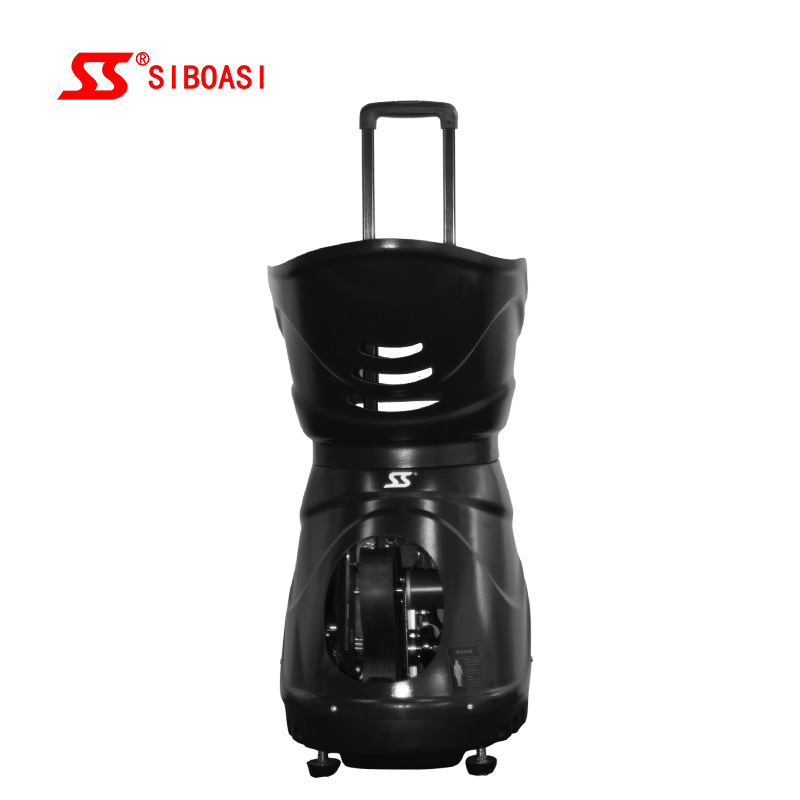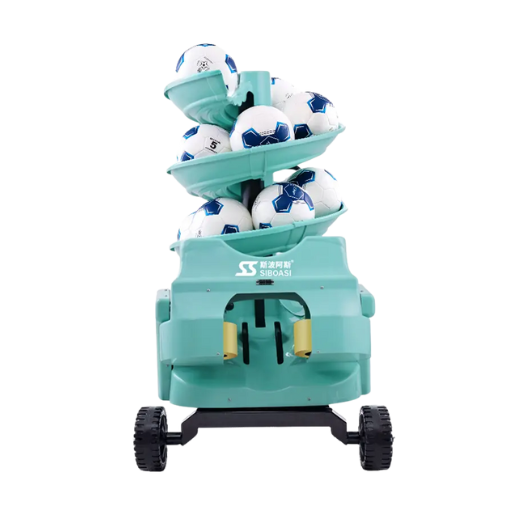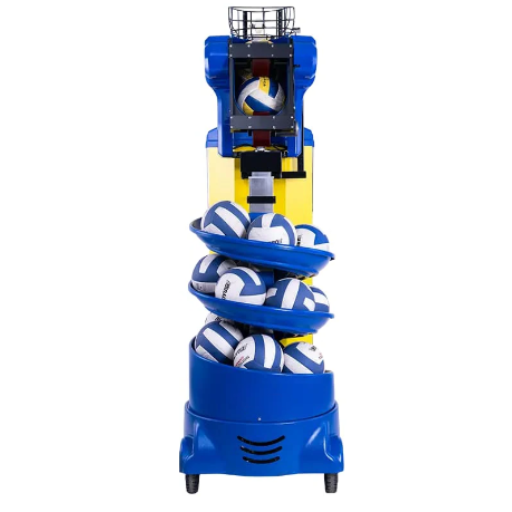
In volleyball, having the right training tools can make all the difference in the world in helping you up your volleyball game. A volleyball serving machine is a simple machine with a lot of functions and could be extremely useful for all players—recreational or seriousness—needed for throwing-accuracy training. The equipment could be quite beneficial in helping volleyball play to learn the technique of serving.
Key Takeaway
Choosing the right one could be something that can seem tricky. This article helps you learn about the features, considerations, and benefits of a volleyball machine in order to get a solution to meet the training needs in a scientifically correct manner. Here, whether you are a coach, a top-level player, or are playing volleyball from the bottom, the-angle information should assist you in making a conclusion as to the machine you need for your volleyball exercises.
Understanding Volleyball Machines

What is a Volleyball Machine?
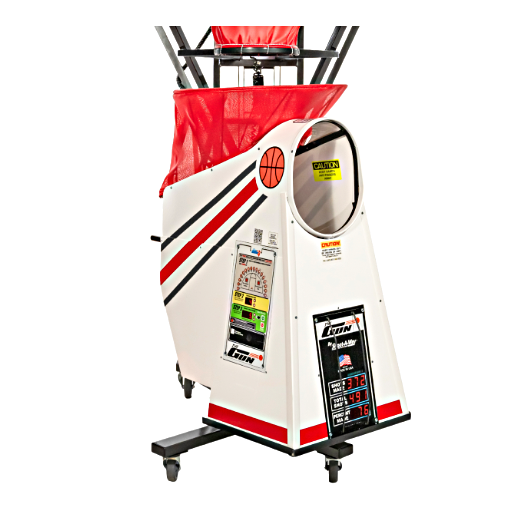
A volleyball machine is a piece of equipment that is designed to assist players in refining a wide variety of skills by creating scenarios that closely match actual play. To do this, it uses a system of mechanics that sends balls at various speeds, heights, and angles to produce serves, spikes, or passes so that players or a team may focus on perfecting their techniques without the need for another person to provide an assist.
One of these machines’ main benefits is that they allow repetition and consistency during practice. These machines help players concentrate on their specific hitting, passing, or blocking skills because the ball comes accurately and predictably to the same point. Due to its repetition-based learning processes, a volleyball machine is a useful tool for individual players aspiring to improve their shot-making skills, as well as for teams working out coordinated drills and responses.
Several training devices for volleyball, such as throwing machines, provide a range of operations for all player levels meeting them effectively. For discussing the modifications, a wide range makes it available to facilitate the requirements for a beginner, intermediate player, or elite player, without wasting the skill of any particular group. The adjustment requires the user to create the necessary challenges for each of the skill levels. Since any change in an individual’s physical culture is associated with the use of such training devices, a machine becomes an essential part of modern volleyball training because one can practice inside the gym exactly as in an actual game scenario.
Benefits of Using Volleyball Machines for Training
The volleyball machine is an option that provides a different yet effective paradigm for the development of a player’s performance, at any skill proficiency level. For example, consistency is one of the key benefits. When utilizing machines for serving, spiking, and setting, one is ensured of accuracy, thereby ensuring that a practice session yields returns that are highest in quality. This consistency helps in refinement of techniques for the athlete and helps in building muscle memory, which is essential to better the performance on the court.
💡
Pro Tip
Volleyball machines come with adjustable speed, spin, or trajectory settings. As a result, the players can simulate a lot of real game situations. This form of versatility ensures that the drills are tailored to the individual’s skill level, whether beginners who need to lay a solid foundation or advanced players who seek to refine specific skills. Moreover, one teaches players quickly and accurately to react in real time to the different ways the ball may come.
It is clear that the incorporation of volleyball machines is a significant factor contributing to the improvement in team training efficiency. The advantage of requiring more time for coaches to explain strategies while giving feedback and less time to actually reproduce a serve or spike must be taken into account before the use of a machine can be overemphasized. Autonomy is another issue that arises. When faced with the option of practicing drills using such machines, volleyball players are able to undertake voluntary training individually. This use of volleyball machines accordingly allows players to work individually while their teammates are not around, adding a convenient improvement device to the compulsory team training.
Key Features of Volleyball Training Equipment
Volleyball training equipment mainly consists of machinery used for enhancing particular skills (serving, passing, setting, spiking, and blocking) thoughtfully constructed to increase precision, consistency, and strength of players. These enhanced skills contribute significantly to overall player performance. Popular equipment in widespread use such as adjustable nets, training targets, and automated delivery systems designed to mimic game-like situations are effective resources for enhancing player techniques.
Another major feature of volley-training equipment is its versatility to cater to different levels of skills. Several devices can therefore be modified or set up to handle beginners through seasoned players. This may mean that serving equipment may have adjustable aids for an added focus on accuracy and touch, while passing-related devices could incorporate balls with rebounding nets for hand and eye coordination drills.
The durability of these portable volleyball training items is a subject for debate. Most units are processed, manufactured, and erected out of the best of fabrics for long-term usability even under the most merciless, exhaustive training conditions. Generally, equipment being dealt here is portable; as one can set it up in a short while, easy to store, or carried to other areas depending on what one may choose. The light things can thus be used in the gym, sand courts, or the beach. Thus, better models allow players to improve their so-called Volleyballing skills in an efficient and beneficial way.
Types of Volleyball Machines
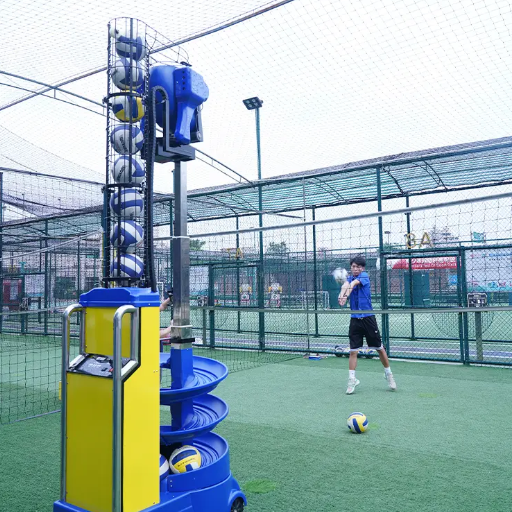
Serving Machines
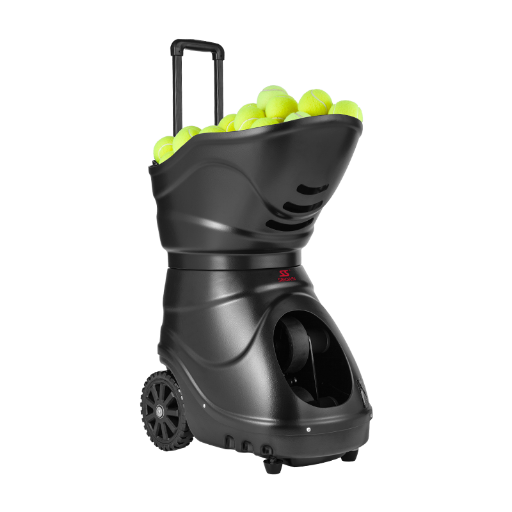
Serving machines are versatile gadgets created to improve players’ accuracy, reaction time, and general play. That its big draws are: indeed, in the face of all different kinds of speed, spin, and trajectories; thus, it asks the players to practice serving, passing, and attacking under simulated match conditions. The machines will particularly prove helpful for players aiming to work on accuracy and modulate their game, permitting them to be more versatile against a number of playing styles.
Some significant benefits that come with using a serving machine involve repetitive practicing without requiring the services of another player to serve the ball. When persistence is acquired in the learning curve, one of two things happens: The player receives a better chance to further improve the constructive and/or technical ability that culture of practice could exercise on learning; after all repetition would be saved for strength. The ability to adjust is another feature of these machines. This can be a big deal, of course, something that earns players the advantage, customizing the machines and skills to permit a continuous level of competition.
Further, serving machines are a valuable tool for both teams and coaches who want to develop game strategies. Not just supporting athletes in working on defensive and offensive play collectively, the machines mimic conditions encountered in a real match. In reality, with their uncertainly efficient, controlled, and unpredictable setting, they provide a crucial role in skill development for volleyball drills applicable at any playing levels.
Setting Machines
A setting machine is programmed to aid in the development of setting skills by feeding the ball into the same set spot. This machine allows the player to focus on their form, technique, and reaction time, instead of worrying about having the ball placed unpredictably. It can be set to any speed and counteract the efficiency of the opposite team by honing one’s defense by learning from where the hits are converted into points. Suitable for beginners looking to develop a correct hand-and-finger configuration but also for upper-level players fine-tuning for consistency.
The ability to simulate real-time playing conditions according to different needs is really one of the main draws of the setting machines. This makes it possible for players to practice playing under many different conditions, which in turn makes them prepared for unexpected real-time challenges. These machines can also be utilized for practice drills that emphasize coordination between athletes and promote good offensive-passing activities such as synchronized multiple hits and setting high balls for all players, supported by their coach.
All in all, equipment enhances the training process by giving out consistency and accuracy that comes difficult to attain in the case of by-hand labor. They cater to players of every skill level from ones trying to learn basics to those seasoned setters looking for perfection of their skills. Athletes can gain some proficiency in the use of tools while speeding up their own growth in setting, by using machines.
Spiking Machines
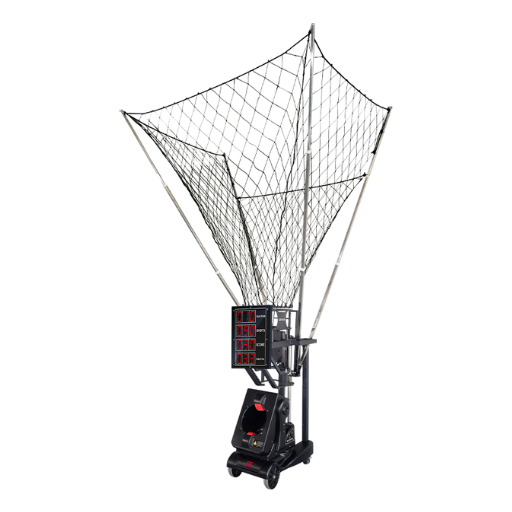
Spiking machine is one of the most precious possible forms of volleyball training, which majorly targets bettering one’s methods in slam-dunking. Spiking machines provide an accurate and consistent throw or set, letting the player focus on the form of the spike. By control of the height, speed, and angle of the ball delivery, the spiking machine functions to hone muscle memory and timing, which are pivotal to constructing the perfect spike.
Currently, spiking machines have an enormous expertise in reproducing game-like situations, even without a partner’s contribution. This makes the spiker a useful and vital instrument during individual and team drills. Players can then stand and hit against balls approaching at different speeds and angles as if in a real game. In addition, the machines help a great deal in saving practice time during training sessions, making sure the player gets more chances to wear out their muscles with an increased number of repetitions without bothering the companions.
Spike machines assist players in working on power and accuracy on their spikes, at all levels of ability. Beginners need to practice hard on technique, while advanced players should correct hitting form and placement. In general, spike machines are very valuable for volleyball training and enhancement of spiking techniques through the quick and continuous germination they provide.
Key Features to Consider

- 1
Ball Speed and Frequency Settings
The speed of the ball and the frequency setting is a significant determinant in picking a volleyball spike machine. These aspects will ensure tempo and impact of training sessions and therefore benefit different caliber players. A machine should, for this reason, offer a range of settings from beginners in need of slow-paced balls more time to react to advanced players, who would appreciate the opportunity to give a faster pace for almost live-action training purposes.Speed of the ball can run from a very low between 20 mph to high above 60 mph, depending on the type of training activity. By controlling these or any other parameters, players gradually improve their personal skills in the sport. Higher precision in the machine’s speed settings broadens its scope of activities and sustainability of mastery over time.Frequency settings bear importance, for training indeed demands the regular launch of balls. Various frequency settings allow players or teams to personalize their training exercises either varyingly for stamina, timing or for specific techniques. Therefore, for all possible real-world training environments—widening the realm, versatile in capacities—above all, it is the frequency level that showcases the relevance of training. - 2
Portability and Adjustability
Portability and adjustability are crucial considerations when looking for a volleyball machine. This is important to the operation and versatility of the devices for different types of training settings. A very portable machine provides convenient transfer facilities to different environments, such as schools, sports clubs, or outdoor courts. Lightweight options and embedding wheels make it possible to move with ease in any vehicle without needing any help.Adjustability refers to the possibility of customizing machine settings to simulate a range of game situations. When deciding which machine to buy, one should look for models that offer adjustability in speed, height, and angle so that it can fit into different skills and objective training scenarios. This versatility is quite important for the collection of a variety of volleyball skills – something from serving, blocking, and spiking techniques; this makes the machine useful for players of any level from beginning to advanced.Ultimately, for the perfect volleyball machine, to accomplish optimized training requires an ideal trade-off between portable and adjustable. The more adjustable or portable the machine, the more amicable the training efficacy and its applicability to various environmental surroundings! Thus, athletes and teams can better concentrate on improving their efficacy of skills. - 3
Durability and Build Quality
Durability and build quality are two influential factors when choosing a volleyball machine. Vigilantly constructed machines will support consistent performance and bear heavy use during training sessions. Machines with premium materials—reinforced steel or durable plastics, for example—face low risk of damage and wear, whether subjected to an ideal or a harsh environment. On top of that, they must weather the elements outside the gym and even in extreme conditions, because occasional trainings—probably most often for teams—could fall outside.Build quality has a direct bearing on the stability of the machine and its performance during use. A sturdy base and reliable mechanisms avoid technical problems like wobbling and erratic ball trajectories while ensuring safety and accuracy in training. In addition, machines with a robust design also call for relatively little maintenance expense, thereby curbing potential liabilities for the decisively long-term, and idle times, which should be minimized on the training ground without compromise.Yet, one should also look into the warranties or guaranties that are provided by the manufacturer because this gives an assurance about the durability of the machine. As generally a longer warranty shows the manufacturer’s full confidence in their product regarding its construction and longevity. Getting a volleyball pitching machine as genuinely durable, robust, and excellent in build quality will translate to being a happy user with massive practice experiences and value for their money in real terms.
Budget Considerations

Price Ranges for Volleyball Training Equipment
The prices vary a lot according to the volleyball training equipment their type and utility. Basic training tools like volleyballs and agility cones come with prices in the range of $10-$50. These are really inexpensive items that should be part of everyone’s basic training since those alone will go a long way in improving your wrists. These items are perfect for individuals or for teams that are the most basic, such as passing, setting, and footwork.
Typical price range for advanced training equipment like serving machines and rebounders.
The advanced training equipment like the volleyball serving or blocking machines and rebounders will come with a significantly steeper price tag. The prices in this case will range from $500 to $2.500. The features designed with these tools in mind aim to offer even more than just basic training. While the machines enhance consistent performance and the use of advanced tactics that can be honed under variable play-like situations, the high prices are indicative of the machines’ sturdy construction, precision, and functionality.
A system in full would have required nets systems, boundary markers, trackers, and other technologies such as apps for performance analysis, all totaling a sum above $3000. Schools, clubs, professional teams, and individual players who wish to have a complete training environment can most benefit from this category. Consider investing in those equipment that matches your goal while guaranteeing security on your budget.
Cost vs. Features Analysis
| Model Tier | Estimated Cost | Key Features |
|---|---|---|
| Basic/Recreational | $500 – $1,500 | Adjustable speed and trajectory |
| High-End/Professional | $2,000 – $6,000 | Programmable drills, precision placement |
When trying to evaluate the price/features analysis for being up for a volleyball training machine, one will have to base his evaluation on his actual training needs and the machine’s major functions. Fundamentally, there are adjustable ball speed and trajectory provisions that make most suitable these basic models for beginners or recreational users. These kinds of machines cost approximately between $500 and $1,500, and hence suit the requirements of folks with lesser or more modest training objectives.
These high-end machines feature programmable drills, accurate ball placement, and a wide range of exitrices. They cost approximately between $2,000 and $6,000 but are a good investment especially if serious players or teams wish to improve their performance through specialized training.
Ultimately, choosing the best model depends on budget and desired specifications specific to the model chosen. More expensive models may sport advanced features—nevertheless, always ensure that the functionality you will actually use is invested your dollar. With care, balance out the price against usefulness for buyers while targeting specific objects and then with avoidable spontaneous over-purchase.
Long-Term Investment in Training Equipment
Investing in a volleyball training machine can substantially elevate the training experience for both individual players and teams. Designed to replicate game scenarios tirelessly, these machines are great to improve reaching ability areas, like serving, digging, or setting. By giving practice drills repetitively and accurately, the machine enables players to focus on perfecting their techniques and muscle memory. This buffer is equal for underdeveloped and greatly experienced players who are on the hunt to rise to the next level.
Key factors like durability, ease of use, and versatility should be evaluated when considering such an investment. A machine that is reliable must use materials that are high quality and resistant to frequent use. Also, being able to adjust the machine’s settings for speed, trajectory, or spin could gather players into sessions on the same machine, which would suit contrasting skill levels. The features of portability and maintenance also need to be evaluated because these are two highly important characteristics that define how practical and user-friendly the machine becomes while on regular training grounds.
Though the first outlay may well seem high in comparison to other tools for training, the volleyball training machine may still have a great cost-benefit ratio over time with its ability to replicate various game situations. The initial cost of the training device would fetch an overall return on the investment for a team or an individual athlete continuing to train for betterment in the volleyball. With proper care, use, and sparing wear and tear, it can carry on functioning for long times.
Final Thoughts on Choosing the Right Volleyball Machine

Making an Informed Decision for Your Team
Obviously, when considering the volleyball training machine on which you would actually spend your money, it is ever so essential that you consider what specific needs, goals, and budget you may have set for your team. To start off with, it is really important that you first look into the sort of drills and skills that you want to shape into the team. For example, if you are intending to improve on serve reception, choose a machine that can consistently produce serves in a variety of speeds and trajectories. A machine that might serve multiple plays like spikes, serves, and floaters would work great for versatile teams.
Secondly, assess the durability and user efficiency of the machine. Good volleyball machines should work regardless of how often practices happen each week, yet they need to be really user-friendly, allowing players and perhaps even the coaches to do a quick operation change. Higher-grade-built machines can be expected to last a lifetime with just minimal maintenance, so it’s a great investment. Furthermore, depending on the different places one needs to move around, the machine’s portability can become crucial to the decision.
⚠️ Important Note
Plan out your budget earlier and judge functionality above all else; compare machines matching your confortable price range with an understanding that basic requirements consist of criteria such as machine performance and warranty options. Remember that a potentially suitable volleyball training machine is one that will help in overall team growth. Furthermore, you opt for durability with more widespread use. After clearly stipulating your requirements, an informative decision based on your team’s performance will indeed be made.
Importance of Quality Training Tools for Success
Every form of sport depends a great deal on reliable training tools that would lead to success, and volleyball is no exception to this general trend. These tools help athletes to undergo a fast and effective development of skills, emphasizing areas for improvement and growing sheer confidence for competition’s sake. By rendering an adequate learning playground, they bring the team together and guide it towards its goals of performance.
So another very big reward which comes with a reliable set of training resources like that is going to be the chance to bring about greater accuracy and trueness at all practices. For instance, automatic volleyball simulators that mechanically spike or serve with pin-point precision provide the player with an honed response time and technique. The repetition of real-time play in a practice mode prepares professionals better for the surprises from live gameplay.
Long-lasting and sturdy training tools are a key part of any lasting development. Investing in tools that will put up with a whole lot of usage means that team members will have a lot more hours under their belts without having to progress interruptedly by malfunctions in the tools. This way, they need not be preoccupied with the functioning of their equipment and are able to devote their thoughts to progress. High-quality tools are not a luxury anymore but a requirement for a team aiming to maintain a competitive standard and realize its full potential in sports.
Frequently Asked Questions (FAQ)
Q: How can volleyball machines be chosen that best fit team needs?
A: Volleyball machine selection depends on the level of play by mixed abilities of players, drill types (serve receive, attack volleyball, etc.), portability or professional-grade model. Look for features similar, perhaps like, variable speed and adjustable volleyball toss angle; progression of rep count, originating from hundreds of thousands of such reps at a time so that practice can effectively increase for accelerated muscle memory learning and repeatable timing for athletic programs and clubs.
Q: What are the advantageous benefits of using an attack volleyball machine for hitters?
A: The attack volleyball machine helps the hitters learn how to time spiking, preparing for real hitters to strike accurately with the development of timing, release point, and approach! By the same token, a consistent ball range is perfect for spike trainers. An attack volleyball machine helps a hitter practice repetition; repetitions form the bulk of your daily practices. When you practice the swing, work on topspin and various trajectory choices for the attack, whereby your heightened development of skills starts from there.
Q: Can a ball machine be utilized for serve receive and float passing?
A: Yes, any machines that simulate float serves and jumps are capable of assisting teams in training whilst serving as an aid to reinforcing patterns of serve receive and readiness for the movement of the ball. With its capacity to smash to float or volley-passing as well as to randomly place the ball, the machine not only helps to tune one’s reactions, but also improves ball control through the platform.
Q: What should I deem the attractive features of volleyball tops for training uses?
A: It is most important to consider adjustability of speed, adjustability, durability for performance, consistency of ball release, and reproducibility, with, usefully, programmable drills, accepting a variety of balls, and on based information on longevity and maintenance for heavy use purposes of a program through the seasons.
Q: What sort of maintenance can be expected of a professional-grade volleyball machine?
A: Maintenance work required by a professional-grade volleyball machine does entail cleaning, checking the machine’s electrical parts, checking wheels, and inspecting feeders. The production number is good for this machine, provided that corresponding voltage levels are maintained, and any operational volleyball is used for ball practice before commencing full-time workout sessions. In addition, you should consider avoiding imitations to keep the ball machine in good condition.
Q: How do I decide between machines that focus on serving sceneries and attacking exercises?
A: Decide by distinguishing priorities – if your program is attempting to master the knuckleball floaters, work on increasing jump serving, and perfect their serve receive, stick with equipment slated for variably feeding serve and float exercises. On the other hand, if you wish to make hitters and passers better, go for an attack volleyball machine or spike trainers that provide realistic tosses in terms of rotation, speed, and altitude to assist players and programs in practicing swing mechanics and timing.
Q: Are volleyball machines recommended for youth and performance volleyball programs alike?
A: Yes, they cater to various age categories and skill sets. A series of portable models built for performance but easily renovatable for beginners to elite players could feature adjustable settings suitable for coaches to scale drills in line with player skill levels and to assure safety in volleyball reps while offering professional-grade models for indestructibility and high-performance units for the thousands required for growing your game.
References
-
Volleyball Training System Report
A report from the University of Evansville discussing a volleyball training system with various settings for different types of serves.
Read the report here -
A Self-Powered Wearable Motion Sensor for Volleyball Athletes
An academic article from PMC about a wearable motion sensor designed for monitoring volleyball athletes’ gestures.
Access the article here -
Top Volleyball Training Machine Manufacturer and Supplier in China