Basketball is a high-speed action sport, demanding players to be at the best both physically and mentally. Injuries, however, are always there given the severity of the game, and enhancement for performance is always needed. That’s where basketball sleeves come in, providing support to the players at all levels, along with some distinct swag. If you’re going for arm sleeves to increase circulation, elbow pads to soften the impact, or compression sleeves to enhance recovery, then the correct basketball sleeve can really make a difference out on the court.This guide sheds light on everything you need to know about basketball sleeves, from types and benefits to how they help enhance your performance and which brands perform well. We will also provide you with practical tips on choosing, wearing, and maintaining your sleeves to ensure they remain effective and useful for a long time. Whether you are a professional player or just a beginner, this article would act as your one-stop guide to taking a well-informed decision and raising your game to new heights.
Contents
show
Understanding Basketball Sleeves
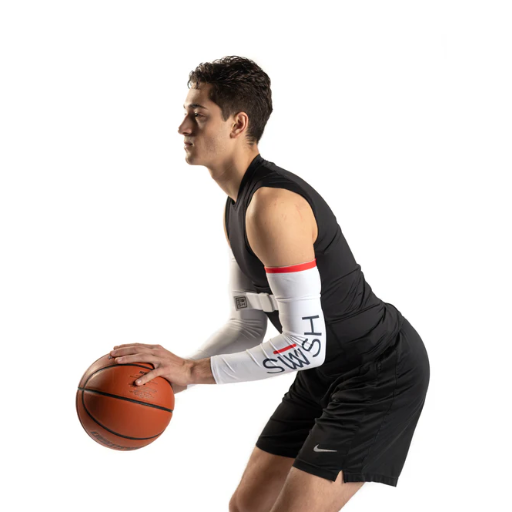
What is a Basketball Sleeve?
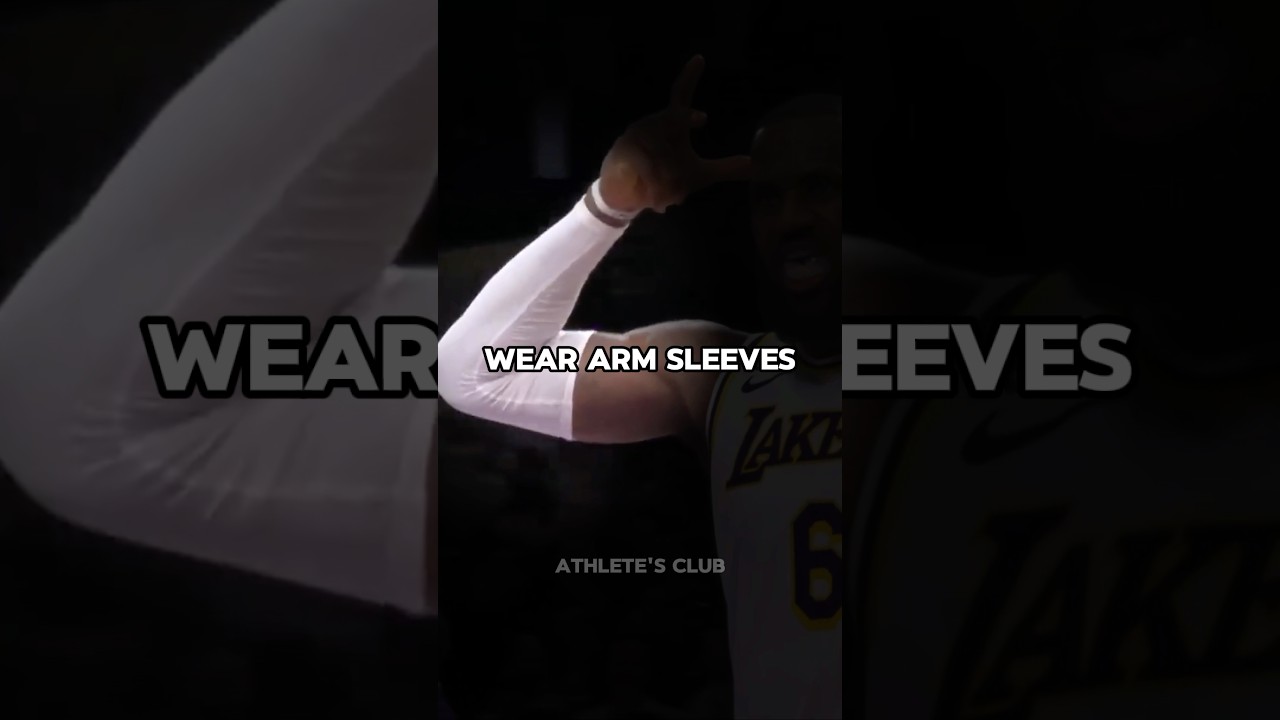
An arm sleeve is an athletic garment that one wears on the arm during a basketball game or practice. Being usually made of stretchable, lightweight, and moisture-wicking fabric, it fits snugly on the arm to offer compression and support. From the appearance of a simple accessory, the sleeve poses a variety of purposes to the players.
In fact, a basketball sleeve is used to provide additional support to the muscles and joints of the arm. Wherever the compressed element improves circulation of blood, it may decrease the fatigue of muscles during play and minor injuries. Another point is that the tightness can provide a sense of stability to a player, giving him or her confidence in the mechanics of shooting or general arm movements on the court.
Besides assisting with physical facets, basketball sleeves offer protection against abrasions, scratches, or minor impacts caused by falls or physical contact. Another benefit would be sweeping moisture off-the-arm and drying it, thereby improving the player’s grip on the basketball. For some players, they act as a symbol of individuality or self-confidence, hardly equating to a psychological boost.
Types of Basketball Sleeves
Full-Arm Sleeves
Cover an entire arm from the wrist up to the upper arm. The main use of this sleeve is for compression, blood circulation, and alleviating muscle fatigue during prolonged playing.
Shooting Sleeves
Goes on one’s dominant shooting arm. These sleeves share a similar purpose with stabilizing arm movement during shooting or passing, offering just a little support, so it does not restrict flexibility. They may also be a padded version of the sleeves for protecting the elbow from impacts during dives or falls.
Elbow Compression Sleeves
Give targeted support to the elbow joint, players that don’t want much coverage might prefer them. These are good sleeves for avoiding or managing injuries, such as tendinitis or hyperextension, while still allowing an unrestricted range of motion.
Each type of basketball sleeve has its own perks, so the player can choose according to his or her needs and playing style.
Benefits of Using Basketball Sleeves
- Muscle Support and Stabilization: These sleeves must prevent muscle vibrations during intense movements through compression, preventing fatigue and injury. For this reason, they are suited well with activities that involve hard landing and quick repetition.
- Enhanced Blood Circulation: Gentle pressure is applied to the arm or leg by these sleeves which facilitates blood circulation so that oxygen reaches the muscles more efficiently. Enhanced circulation can provide better recovery time after the game or practice and can reduce soreness or swelling during prolonged activity.
- Protection: Padded sleeves can offer protection during falls and collisions, while in general, the material forms a tiny barrier that keeps the skin safe from environmental factors. The protection may be against a minor injury, like an abrasion or a bruise.
- Temperature Regulation: The sleeves keep the muscles warm, promoting flexibility and lessening the risk of muscle strains during the game. On account of being functional, these basketball sleeves represent good value toward every athlete, be it a newbie or a seasoned professional.
Elbow Support and Performance Enhancement
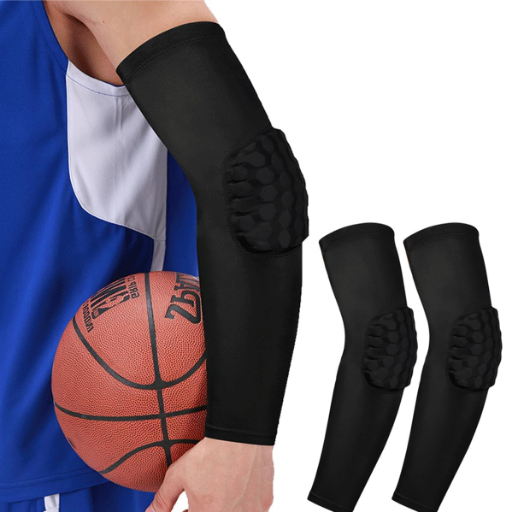
How Elbow Sleeves Improve Performance
The compression elbow sleeves provide improves the performance by stimulation of blood flow and increased muscle stability. By increased blood circulation, it means that blood can carry more oxygen, thus reducing muscle fatigue and increasing endurance of the athlete during any physical activity. The same increased circulation also helps in the speediest recovery after any intense exertion.
They also provide a certain degree of protection around the elbow joint and the muscles, which may enhance performance by improving movement mechanics. By not allowing undue stress on the joint, athletes can put in more effort without the fear of overuse injury. Such support is very useful during repetitive activities or high-impact activities, which reduces the amount of discomfort felt and helps keep the mind on the task.
Other performance characteristics that are elevated by elbow sleeves are temperature regulation. They trap warmth around the joint, keeping the muscles loose and ready to move. This alleviates muscle stiffness or cramps from setting in, mostly in cold environments. With compression, support, and temperature control working in tandem, elbow sleeves become the all-in-one tool for injury prevention and peak performance.
Injury Prevention with Elbow Support
Reasonable protection from the elbow is important in injuries prevention, especially in repetitive or strenuous work. Compression makes the wearer feel comfortable on the elbow, which decreases stress on tendons and ligaments of the joint. In preventing overuse injuries such as tendonitis or bursitis, the loss of joint stability encourages good movement mechanics with compression.
Another way elbow supports amplify the prevention of an injury is by increasing blood circulation. The light pressure from compression good sleeves encourages blood flow to the muscles and soft tissues while supplying oxygen and nutrients for recovery and clearing out lactic acid. This will help eliminate soreness and fatigue, which may otherwise result in poor technique or overcompensation, both increasing an individual’s chances of sustaining an injury.
The elbow sleeves are embedded with a layer of protection and cushion so that they guard the joint against bruises and impact injuries that might occur during physical activities. They keep the joint warm-the factor considered less in injury prevention, for not-so-warm muscles and tendons tend to get easily torn or stiff. Joining these advantages, the elbow support becomes one of the tools that protect and maintain the joint effectively.
Enhanced Recovery through Compression
Compression is an integral factor for efficient recovery from a strain or an injury after physical activities. The main function of a compression sleeve is to exert compression across the joint; it thereby facilitates the flow of blood which is necessary to carry oxygen and nutrients to the affected region.
Increased blood flow means less swelling, less pain, and comparatively faster healing from strain or injury. For persons who keep active, mechanically applying compression serves as a means of recovery without any drawbacks.
Moreover, compression serves as a stabilizing factor that supports movement during light exercise and after heavy exercise. Such stabilization prevents extra pull on an area that is already hurt, thus keeping the injury from worsening. It prevented the acid build-up in muscles after a long exercise, whereas increased blood circulation aids in purging the muscles of metabolic wastes. This causes the least amount of pain or stiffness and quicker onset of day-to-day activities or training programs.
Finally, compression brings about a feeling of security and comfort for some people in the recovery stages of joint problems. It limits any unnecessary movement that might interfere with healing processes, all the while providing gentle warmth for easing stiff muscles and ligaments. Using compression as a recovery strategy is an easy approach very much worthwhile to join with other rehabilitative activities for an easier and safer rehabilitation process.
Choosing the Right Basketball Arm Sleeve
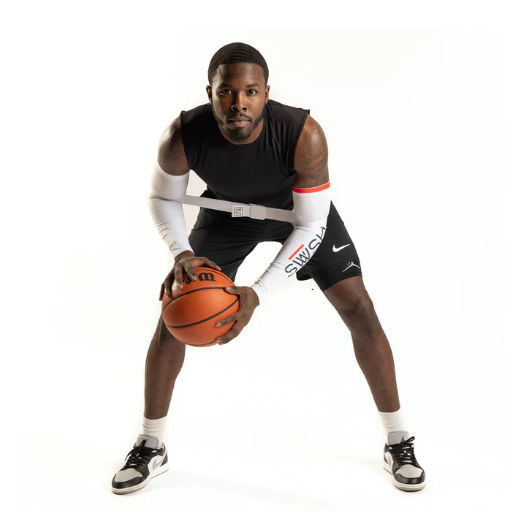
Factors to Consider: Size and Fit
Important Sizing Guidelines
- Too Tight: May cut off circulation, create discomfort, and inhibit performance
- Too Loose: Will provide little compression, support, or other purpose
- Just Right: Snug but not straining, allowing full motion while providing support
Size and fit would very much be important when choosing the suitable basketball arm sleeve to go with design and purpose-upon application. One has got to be very methodical in measuring his arm, both bicep, and forearm circumference.
The edge of the arm sleeve must feel snug but not straining. A mildly compressing sleeve allowing full motion should be the target. This would enable blood circulation and help reduce swelling while supporting muscles and joints-generally without hindering your movements across the court. To test its suitability, wear the sleeve during light exercise, ensuring that it conforms well to your arm shape and remains in place while you move.
Finally, look at whether the feature can be adjusted or if the design is made with some stretchable materials that make it snug. Some arm sleeves have moisture-wicking properties; this will keep you dry and thus will affect how well the sleeve stays on. If focus is set on size and fit, then an arm sleeve stands to give you an increased performance factor, fatigue reduction, and injury prevention.
Material Matters: Fabric Choices
An arm sleeve obviously demands fabric choice considerations in both comfort and performance. Typical materials are nylon, spandex, polyester, and combinations thereof. In general, nylon and spandex tend to be favored for their elasticity and give a hugging effect on the skin, while the synthetics work with polyester for durability and moisture resistance. These materials directly impact the ability of the sleeve to remain on the arm and playout its supportive duties during active movements.
Another major concern is breathability. A lightweight fabric will help reduce sweat accumulation and enhance ventilation, so everybody feels cool and comfortable. For use in warm conditions or for a long time, look for an arm sleeve that has mesh panels or alternate moisture-wicking technology. This prevents your skin from drying out, thus preventing irritation and causing discomfort.
In addition, it is also worthwhile to examine the sleeve’s ability to retain its shape and maintain elasticity over time. Typically, high-quality blends with spandex maintain their stretch better than lower-quality ones, even after many uses and washes. Make sure there is clear guidance regarding care, for these instructions serve well in extending the life of a fabric. Materials that provide a healthy mix of elasticity, breathability, and durability ought to be prioritized, for they ensure you get the sleeve that truly works for you.
Compression Levels: Achieving The Right Balance
Compression Levels (mmHg)
- Light (Under 20 mmHg): General use, improve circulation, temporary swelling
- Moderate (20-30 mmHg): Mild varicose veins, muscle recovery, prolonged standing
- High (30-40 mmHg): Medical supervision required for serious conditions
Of relevance to comfort and effectiveness is finding an adequate compression level. Compression sleeves have several levels of pressure, measured in millimeters of mercury (mmHg), which indicate how much they press down on the limb. Light compression (under 20 mmHg) is the pressure recommended for general use to improve circulation or temporarily withstand swelling due to moderate daily activities. Moderate compression (20-30 mmHg) is equally good in furthering goals such as mild varicose veins, muscle recovery, or even prolonged standing. Higher compression (30-40 mmHg) must be applied under medical supervision for conditions like the management of deep vein thrombosis or significant lymphedema.
Depending on your requirements and recommendations of a physician, choose the appropriate level. Mild to moderate compression is usually adequate for general support or athletic use. On the other hand, if it’s for a medical purpose, one must be sure that a physician is consulted before choosing a sleeve so as to avoid a compression level that would not provide the desired therapeutic effect or would cause discomfort.
Another thing to consider regarding the effectiveness of sleeves is the fit. Measurement is essential, so make sure you measure accurately the circumferences of the area to be covered with the sleeve. Sleeves that are too loose may not provide adequate support, while those that are overly tight could hamper circulation, thereby causing discomfort or even other complications. Determining the right level of compression with a suitable fit allows for the perfect blend of comfort and functionality.
Top-Rated Basketball Elbow Sleeves and Brands
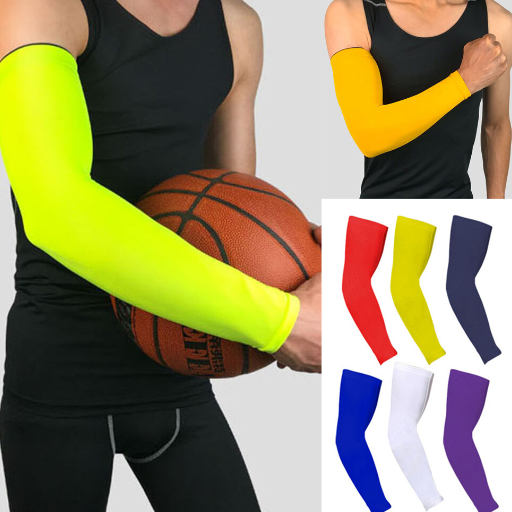
Reviews of Elite Brands
Material Quality & Durability
High-end sleeves are generally made of a combination of breathable and stretchable material in order to allow the greatest flexibility and maintain equal compression throughout the rigorous activity. The blend usually comprises nylon, spandex, or polyester in different proportions that provide the required amount of elasticity and compression force without interfering in the functioning of muscles.
Moisture-Wicking Technology
Another aspect that the elite brands usually consider is moisture-wicking capability, so that the athletes remain dry and comfortable throughout the intense gameplay or training.
Ergonomic Design Features
Fit and functionality are some other factors to consider when evaluating basketball elbow sleeves. Ergonomic designs represent the best fits, as these designs conform to the natural shape of the arm, providing support without hindering motion. When it comes to reinforced stitching and anti-slip silicone linings, the best brands rarely compromise.
Impact Protection
Some of the highest-rated ones even have padding that absorbs the impact of any hard man, keeping the sleeve ultralight.
Lastly, you must keep price and value for the dollar in mind when selecting a top basketball elbow sleeve. Depending on the investment of time that a person might wish to spend in purchase and use of some elbow sleeves, a premium one could be the best sports investment for an athlete. It is always a good idea to read user reviews and check product ratings so that you get all the information you need to know whether the brand you are hoping to choose will measure up to performance expectations and durability. Proper care and maintenance, such as regular washing and careful adherence to manufacturer guidelines, will help extend the life of your sleeve.
Comparative Analysis of Product Features
When analyzing the various features of elbow sleeves, we shall focus on the quality of the materials, compression level, and design features. Suitable materials like neoprene or spandex would be durable yet flexible enough to allow comfortable wearing for extended periods. Such materials are also breathable and carry moisture away to keep one from feeling uncomfortable during intense activities. These factors are paramount to determine the efficacy and usefulness of a particular sleeve.
Compression level plays the key role when it comes to performance and recovery. Sleeves applying a steady medium to firm compression, with blood circulation support, would decrease swelling and allow the muscles and joints to be supported. Being adjustable in the manner of compression or possessing a graduated design assists with acceptance to the needs of an individual and usability for different activities or recovery stages.
Design features such as reinforced stitching, anti-slip bands, and anatomical shaping add value to the sleeve. Anti-slip bands keep the sleeve from sliding during workouts, whereas ergonomic shaping fits the arm snugly while allowing for comfort and mobility. Reinforced stitching ensures the sleeve pairs well with its protective qualities when subjected to rigorous daily use without tears. Drawing comparisons among these key features enables athletes and fitness enthusiasts to pick confidently a product that would suit their needs.
Recommendations for Different Player Needs
High-Intensity Players
Advanced compression sleeves with moisture-wicking technology for muscle circulation support and recovery from muscle fatigue during rigorous activities.
Injury-Prone Athletes
Padded sleeves with breathable, lightweight materials for joint protection without restricting movement or causing discomfort during extended wear.
Recreational Players
Simple, comfortable sleeves with moderate support, easy to wear all day, suited for light activities with emphasis on versatility and reliability.
Proper Use and Maintenance of Basketball Sleeves

How to Wear Your Sleeve Correctly
- Size Selection: Choose your sleeve with size in mind. The sleeve is supposed to be snug but not restricting any circulation or causing any discomfort. Get your measurements done at the widest part of your arm, which is generally around the bicep, thus hiring the best fit.
- Proper Application: Roll it upward from the wrist all the way as it slides over your arm. Make sure the sleeve remains smooth to the surface yet evenly placed, not wrinkled in places or folded because such marking would lessen compression during activity and cause irritation.
- Positioning: If the sleeve is supposed to cover your elbow a bit, the wearer will want to settle on its comfortable placement over the elbow. Avoid being too high or misplacing it, or you might decrease its functionality.
- Pre-Use Inspection: Always check your sleeve for damage and wear signs prior to wearing it. The elastic fibers might loosen with time, thereby lessening the compression ability of the sleeve.
Pro Tip: Regular care such as hand-washing in cold water and air drying will help prolong the life of your basketball sleeve. Correctly fitted and well-maintained sleeves will perform better and last longer.
Cleaning and Care Tips for Longevity
DO’s for Sleeve Care
- Hand-wash in cold water using mild detergent
- Air dry flat to maintain shape
- Store in clean, dry place away from sharp objects
- Follow manufacturer’s care instructions
DON’Ts for Sleeve Care
- Never use bleach or fabric softeners
- Avoid machine drying with high heat
- Don’t expose to direct sunlight for extended periods
- Avoid contact with sharp surfaces during storage
For keeping the basketball sleeve in fine condition and working properly, it is essential to follow cleaning and care techniques accordingly. Always opt for hand-washing the sleeves in cold water using a mild detergent. This allows for sweat and dirt to be removed from the fabric without unnecessarily wearing it out. Bleach or fabric softeners cannot be used, as these would corrode the elastic fibers and hinder compression.
After washing, keep the sleeve flat while air drying. A dryer must never be used since a high level of heat is detrimental to the materials and shortens the lifespan of the sleeve. Extended direct sunlight exposure should also be avoided, as UV rays may cause fading or degradation of the fabric over a period.
In terms of storage, they are important to ensure long-term maintenance of the product. Store the sleeve in a clean, dry place without any sharp objects or surfaces that could cause snagging. Just doing these few simple things will allow the sleeve to stay in perfect shape and offer consistent support whenever required during games or training.
Common Mistakes to Avoid
Wrong Size Selection
If the sleeve is too tight, the blood circulation could get restricted; if it is too loose, it cannot offer appropriate support. Always take accurate arm or leg measurements and refer to the sizing chart supplied by the manufacturer.
Neglecting Maintenance
Not washing the sleeves after use builds up sweat, bacteria, and odors that may interfere with its efficiency and usefulness. You should carefully adhere to the instructions onboard and consider washing it gently.
Improper Usage
The improper or excessive use of compression sleeves can lessen their physiological benefits or even cause discomfort. Do not keep them on for too long when it is not needed, for they may create some dependency or cause irritation.
Use compression sleeves wisely to get the maximum benefits from them and meet your needs right on the target. In accordance with their intended uses, compression sleeves can be used for active sports, recovery, or prolonged physical activities.
Frequently Asked Questions (FAQ)
Q: What actually is a basketball elbow sleeve?
A: A basketball elbow sleeve is a piece of protective gear that generally stabilizes the elbow joint during a basketball activity. It helps in preventing injuries and gives comfort while playing.
Q: How is the padded elbow sleeve different from a standard basketball elbow sleeve?
A: The padded elbow sleeves offer cushioning, giving an extra layer of protection against impact, and thus are more useful to basketball players who engage in a good deal of physical contact during games. The padding can serve shock absorption and reduce the chances of getting injured.
Q: Can younger players use a basketball shooting sleeve for their advantage?
A: Yeah, shooting sleeves can help younger players a lot. The sleeve provides arm support and stability and increases blood flow, which might improve shooting abilities.
Q: Are there specific basketball elbow sleeves made for adult sizes?
A: Yes, basketball elbow sleeves are made in the adult size range so that there is a good fit and support for the adult basketball player. In this regard, the McDavid brand has several styles to accommodate varying needs.
Q: How should I pick a basketball elbow sleeve?
A: For basketball elbow sleeves, consider the amount of support you need and whether you want a padded arm sleeve for extra protection. Consider how the sleeve fits your arm and look for particular qualities such as dynamic stretch or moisture-wicking ability that might relate to your style of playing.
Q: Would elbow braces be similar to basketball elbow sleeves in operation?
A: Though the two might offer some form of support, an elbow brace tends to be more rigid, which comes handy for recovery and rehabilitation, while basketball elbow sleeves tend to be more for comfort and the enhancement of performance during training or play.
Q: Do I have the right to wear a basketball elbow sleeve in a different sports environment like baseball or football?
A: Yes, basketball elbow sleeves can be worn in a variety of other sports, including baseball and football. They support the arm and the preventive purpose may vary for each activity, which makes the equipment very versatile.
Q: What exactly does a shooter sleeve do in the sport of basketball?
A: A shooter sleeve keeps the arm warm and stimulates blood circulation, thereby aiding in the shooting performance. They are very commonly worn by players, who consider the shooting arm sleeve as almost a necessary part of their gear to keep their muscles warm during playing.
Q: How do I take care of a basketball elbow sleeve so that it lasts long?
A: To take care of a basketball elbow sleeve wash it with cold water using mild detergent. Avoid using bleach. Dry it by air instead of the drying machine to keep the elasticity and shape intact so that it continues to offer support during the game.
References
-
Elbow Braces, Supports, and Bands – McDavid USA – Offers elbow sleeves with HEX® padding for muscle protection and moisture management.
-
Basketball Shooting Sleeves – Custom Sports Sleeves – Features a variety of basketball compression products, including padded shooting arm sleeves in multiple colors.
-
Padded Compression Basketball Arm Sleeve – G-Form – Highlights Smartflex technology for protection and performance in basketball and other sports.
-
Basketball Shooter Arm Sleeves – Dick’s Sporting Goods – Offers a wide selection of basketball arm sleeves in various colors and styles.
- guide for basketball shot